5 min read

Akiva Told the Roman Why Charity Is Not Rebellion

Turnus Rufus called charity mutiny against God's plan. Akiva answered with a father's hungry child, then priced each Torah word in gold.

Curated by Arthur · Told by Maggid ·
Table of Contents
  1. The Governor's Trap
  2. What One Word Costs
  3. Storehouses and a Man Who Said He Was a Dog
  4. One Table, Three Arguments
Akiva Told the Roman Why Charity Is Not Rebellion Click for full size

The Governor's Trap

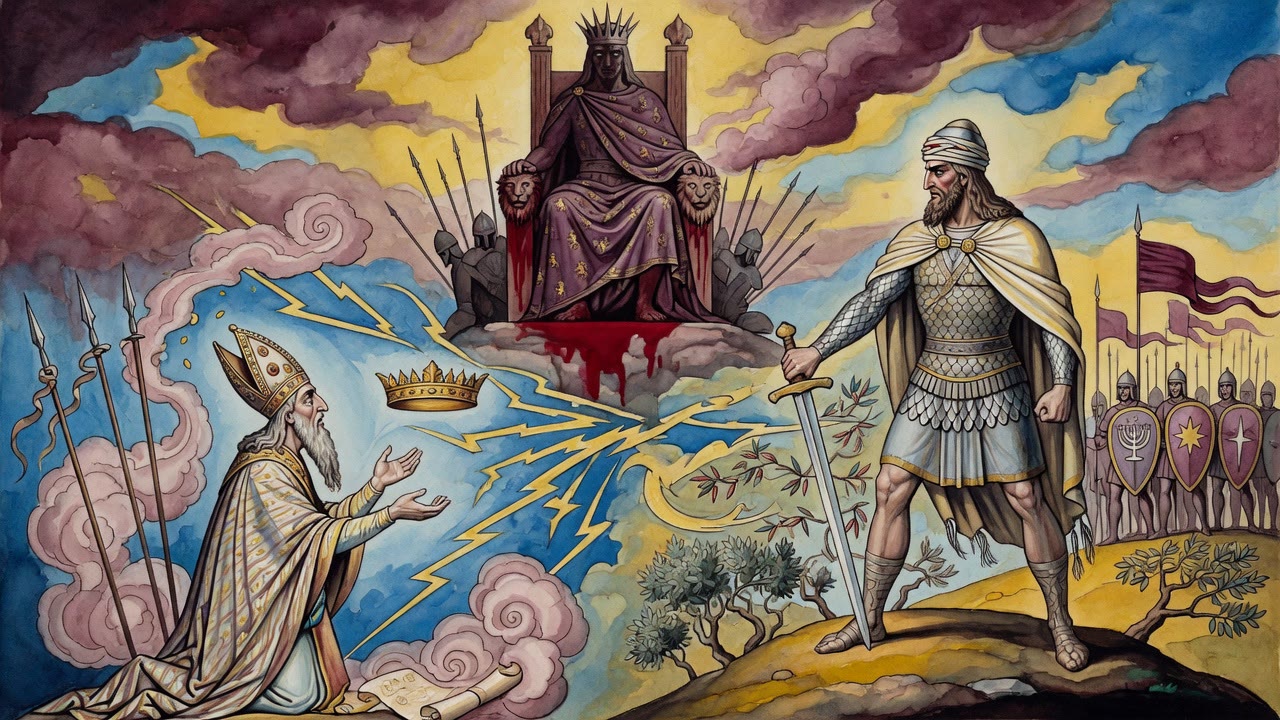
Turnus Rufus set the question like a snare. If God has decreed that a man should be poor, why should the wealthy feed him? To lift the poor would be to fight heaven's plan. Charity, on this Roman logic, was rebellion dressed as kindness.

Rabbi Akiva did not flinch. He answered with a family, not a ledger. Men are not strangers under separate stars. They are children of one Father. Even when a father is angry with his child and withholds for a time, that father still welcomes the neighbor who feeds the child during the days of disgrace.

Poverty may be discipline. Feeding the disciplined is not mutiny. It is partnership. The rich who give become instruments of the care God already promised every living creature. The governor's theology broke on the table between them.

What One Word Costs

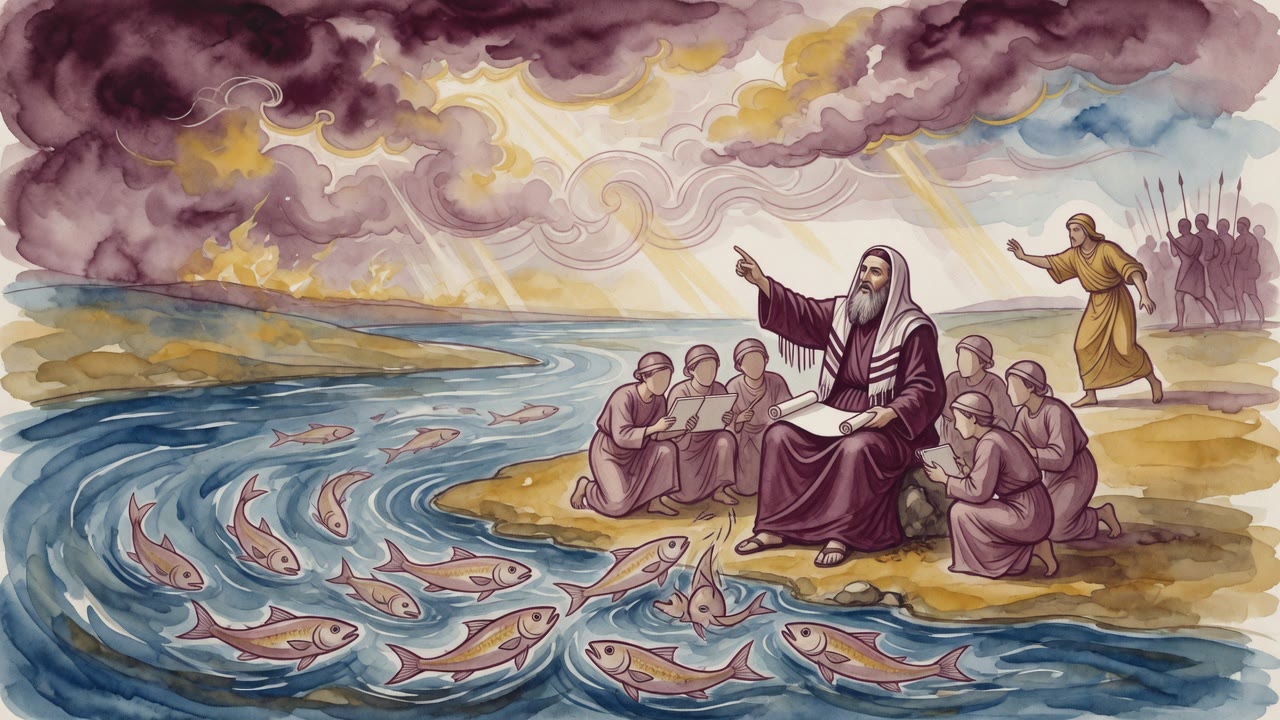
Elsewhere Akiva faced a different question, just as dangerous. How great is the value of the Torah? He answered in one sentence and backed it with a verse. Each word, he said, is worth thousands of pieces of gold and silver. The psalmist had written, "The Torah of Your mouth is better to me than thousands of gold and silver." Akiva applied it to every syllable.

This was not soft rhetoric from a man who had never counted coins. He lived under Rome from roughly 50 to 135 CE. He knew what gold bought in bribes, ransoms, and the daily economics of an occupied province. He weighed a single word of Torah against all of it and chose Torah.

The valuation preserved in the exempla is a receipt. Akiva would later be flayed alive for teaching in public. He paid in his own life for every letter he had taught. He knew exactly what one word cost.

Storehouses and a Man Who Said He Was a Dog

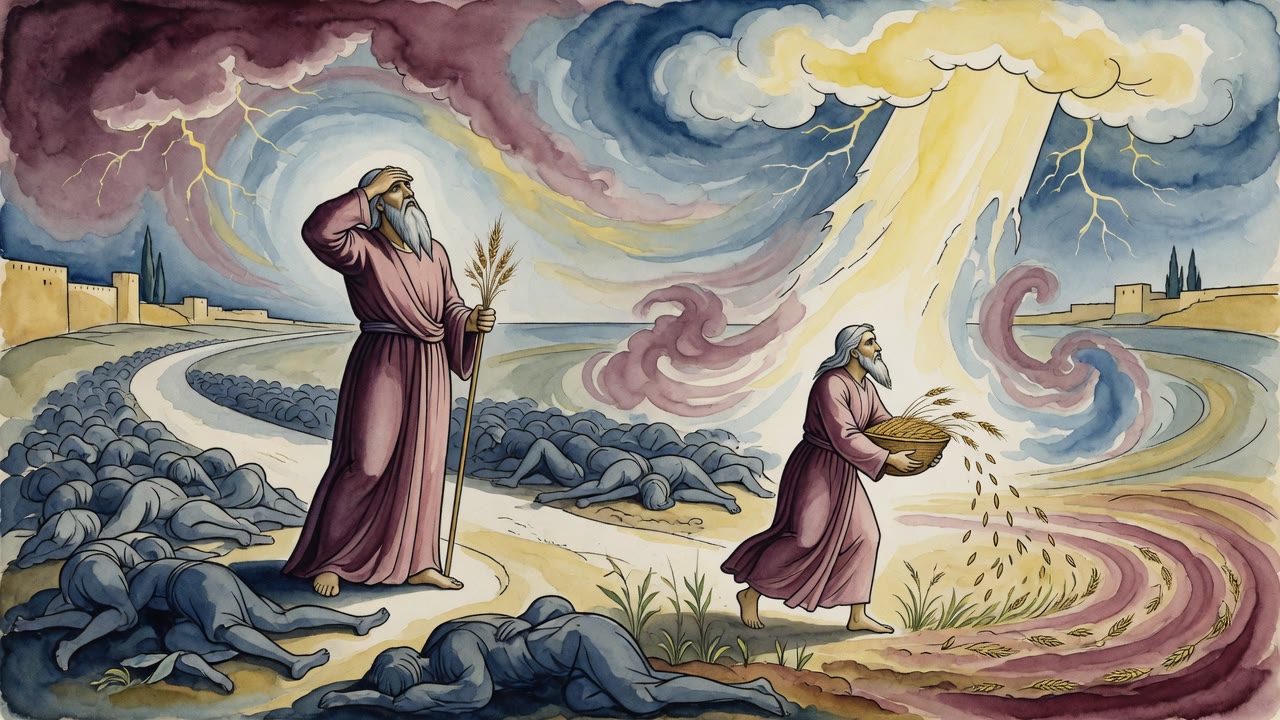
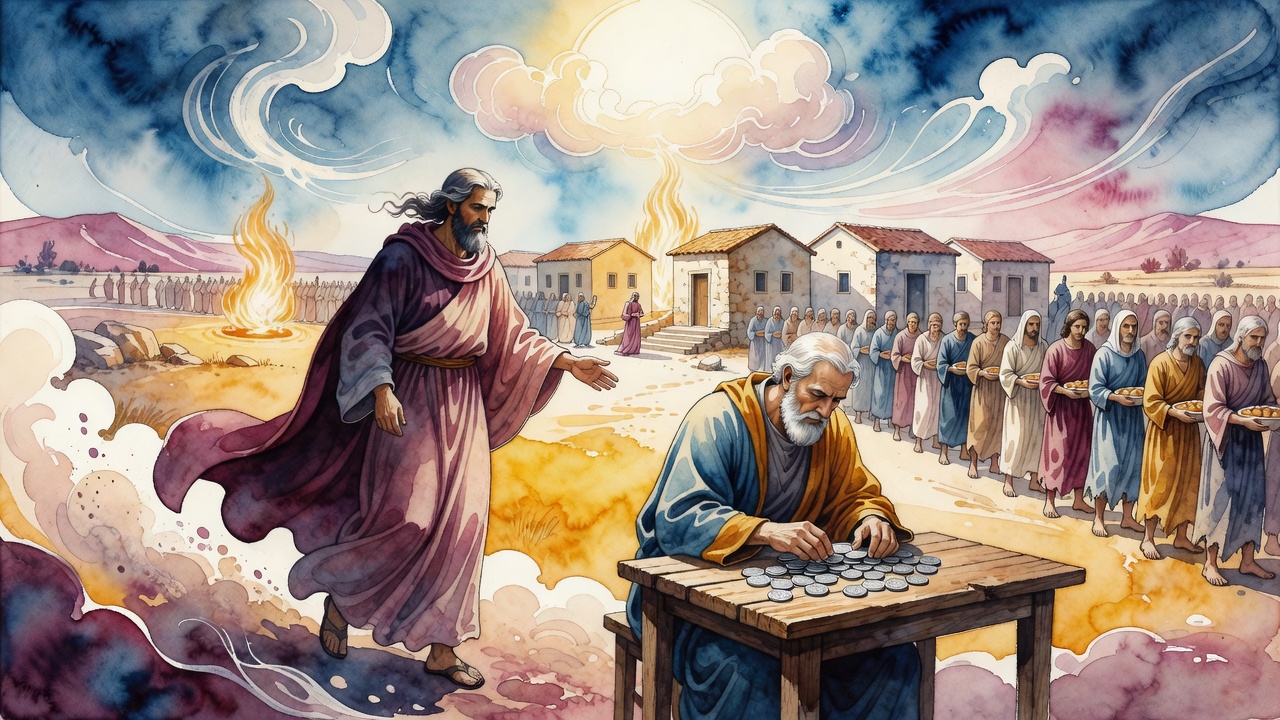
In another famine, generations later in spirit though earlier in the Mishnah's generation, Rabbi Judah ha-Nasi opened his storehouses only to the learned poor. The amei ha'aretz, the unlearned, were turned away. His reasoning was triage. Torah was the life-support of the people. In crisis, feed the vessels that carry it forward.

His student Jonathan ben Amram watched stewards refuse desperate people who could not answer a question. The next day Jonathan came in common clothes and asked for grain. Are you learned? No, he said. Feed me, if only like a dog is fed.

When Rabbi Judah heard, he relented. His own student had taught him by standing on the wrong side of the counter. Hunger does not know Talmud. Charity that sits for an exam has already stopped being charity.

One Table, Three Arguments

Turnus Rufus said the poor are God's problem alone. Akiva said the poor are God's children and our kin. Rabbi Judah almost said the poor must pass a test. Jonathan forced the Prince to see the face behind the policy.

Akiva's gold-and-silver valuation of each Torah word sits beside these scenes of bread. A word is worth treasure. A hungry man is worth more than a correct answer. The martyr who priced letters in gold also priced human need as divine partnership, not Roman interference.

Akiva's life braids the three arguments into one spine. Rome asks why help the poor. Heaven answers through a father who still loves a disciplined child. Occupation asks what Torah is worth. Heaven answers through a man who will die for letters. Famine asks who deserves bread. Heaven answers through a student willing to be called a dog so that dogs and scholars both eat.

Turnus Rufus wanted theology that kept Roman order neat. If heaven made poverty, then relief was arrogance. Akiva broke the neatness with kinship. A father angry at a child still loves the neighbor who slips that child bread. The poor are not a separate species under a different star. They are siblings under discipline, and discipline is not a license for the comfortable to fold their hands.

When Akiva priced each Torah word in thousands of gold and silver, he was not decorating a sermon. He was stating a budget. Occupied Judea ran on coin, bribe, ransom, and fear. He had watched Jerusalem burn and would watch revolt burn again. Against that market he set letters that outprice metal. Rome would later take his skin for teaching those letters in public. The exemplum keeps the receipt beside the martyrdom so no one can call the valuation cheap talk.

Jonathan ben Amram's disguise at the storehouse completes the triad. Policy that feeds only scholars sounds prudent until a hungry face without a sugya (a Talmud passage) stands at the door. By claiming ignorance, the student forced the Prince to meet the am ha'aretz as a person rather than a category. "Feed me like a dog" is not self-hatred. It is a legal and moral demand that life itself qualifies for grain. Akiva's charity-as-partnership and Judah's corrected triage teach the same muscle. Open the hand. Do not make the poor pass an exam heaven never wrote.


← All myths
From the tradition

Sources

3 sources

The texts behind this telling. Some cards carry a translation of the source; others are our own retelling of it, and each card says which. Every card links out to the original.

Exempla of the Rabbis, No. 37Exempla of the Rabbis (Gaster, 1924)

Retold in our words. Read the original at the link below.The Exempla of the Rabbis, Moses Gaster (1924) · Public Domain

This exemplum preserves a famous debate between the Roman governor Turnus Rufus and Rabbi Akiba over the merits of charity. The Roman poses a sharp theological challenge. If God has decreed that a certain man should be poor, why should the wealthy give to him? To relieve his poverty would seem to contravene the very will of God who made him poor in the first place. Charity, on this argument, is rebellion against heaven's plan.

Rabbi Akiba answers with a parable of the family. Men are not strangers to one another; they are all children of one God. Even when a father is angry with his child and withholds from him for a time, the father still appreciates it when someone else feeds that child during the days of his disgrace. So too, God may decree poverty as a discipline, yet He still welcomes the kindness of those who feed the poor in their need.

Akiba goes further, noting that God Himself promises to give bread to every living creature, so the rich who give are not opposing the divine will but serving as its instruments. When a person steps in to help the needy, he is doing the very work that God desires done in the world, and for this God rewards him. The debate turns the governor's logic on its head: charity is not interference with divine decree but participation in God's own care for His children, and the giver becomes a partner in sustaining creation.

Full source
Gaster, Exempla of the Rabbis No. 90The Exempla of the Rabbis (1924)

Retold in our words. Read the original at the link below.The Exempla of the Rabbis, Moses Gaster (1924) · PD-US-pre-1929

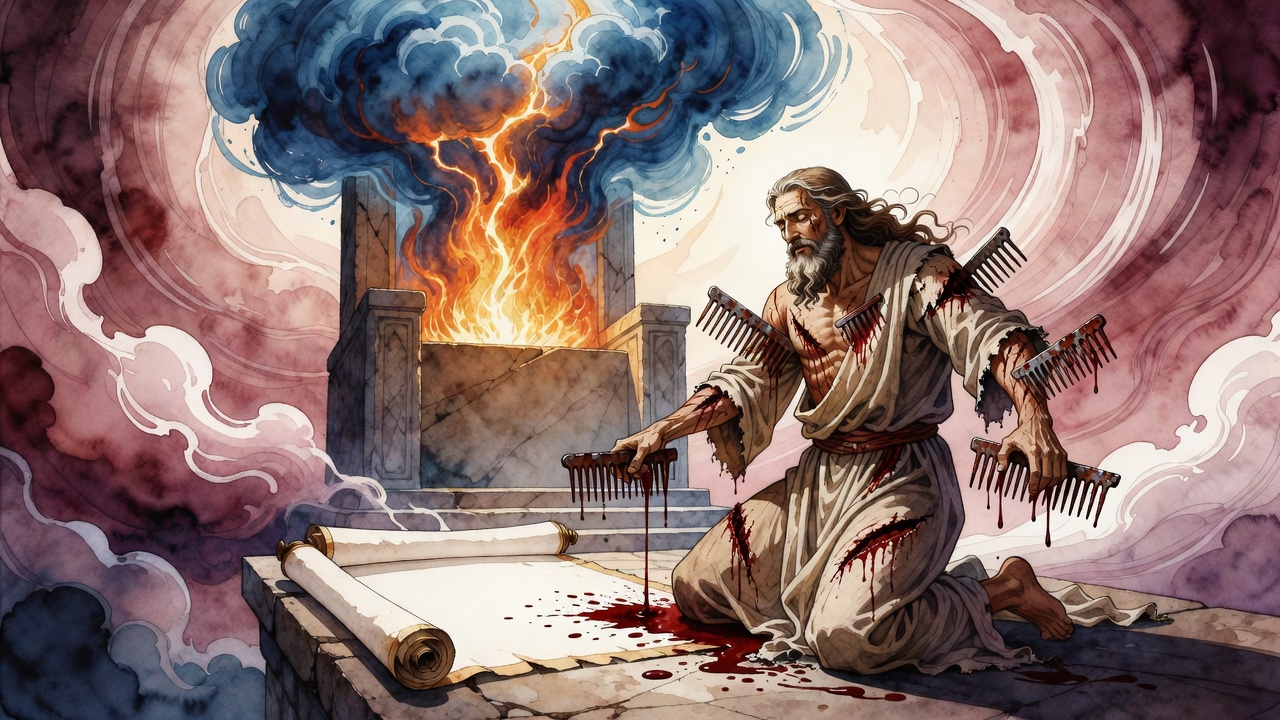
The great martyr Rabbi Akiva, who lived roughly from 50 to 135 CE and was flayed alive by the Romans for teaching Torah in public, was once asked a dangerous question.

"How great is the value of the Torah?"

His answer was a single sentence, and he backed it with a verse. "Each word," he said, "is worth thousands of pieces of gold and silver."

The verse he cited was (Psalm 119:72): "The Torah of Your mouth is better to me than thousands of gold and silver." The psalmist had written it about himself; Akiva applied it to every syllable.

This was not rhetoric from a rabbi who had never been tested. Akiva had watched Rome burn Jerusalem once; he would soon watch it burn the Bar Kokhba revolt. He had memorized the weight of a gold coin in bribery, in ransom, in the daily economics of an occupied province. And he had weighed a single word of Torah against all of it, and chosen Torah.

The valuation the sages preserved here, in Gaster's exemplum No. 90, is not an exaggeration. It is a receipt. Rabbi Akiva was eventually paid in his own life for every letter he had taught; he knew exactly what one word cost.

Full source
Gaster, Exempla of the Rabbis, no. 264; cf. Bava Batra 8aThe Exempla of the Rabbis (1924)

Retold in our words. Read the original at the link below.The Exempla of the Rabbis, Moses Gaster (1924) · PD-US-pre-1929

A terrible famine had descended on the land. Grain was scarce. Rabbi Judah ha-Nasi, the Prince, the compiler of the Mishnah, the richest and most influential sage of his generation, decided on a policy. He would open his storehouses to the poor, but only to the learned poor. The amei ha'aretz, the ignorant, could not draw from his supplies.

His reasoning was not cruelty. It was triage. Resources were limited. The Torah was the life-support system of the Jewish people. In a crisis, the sages argued, it made sense to prioritize the scholars, because they were the vessels through which Torah reached the next generation.

Among Rabbi Judah's students was a quiet man named Jonathan ben Amram. He watched the policy being enforced. He watched his teacher's stewards turn away desperate people because they could not answer a question of Talmud. And the next day Jonathan came himself, in common clothes, and asked for food.

"Are you learned?" the stewards asked.

"No," Jonathan said. "Feed me, if only like a dog is fed."

And Rabbi Judah, when he heard this, relented. He said his ruling had been wrong. His own student had taught him by lying. Or rather, by inhabiting the role of an am ha'aretz and showing his teacher what exclusion looked like from the other side of the counter.

Gaster's Exempla (no. 264, 1924) preserves the story because it makes an uncomfortable point. Even the greatest sages can draft policies that are reasonable on paper and wrong in practice. Hunger does not know Talmud. Charity, to remain charity, cannot sit for an exam.

Full source