Rabbi Akiva Lost Twelve Thousand Students and Taught Again
One student had the answer and would not say it out loud. Twelve thousand men studied that way, and in one short season all of them were dead.
Table of Contents
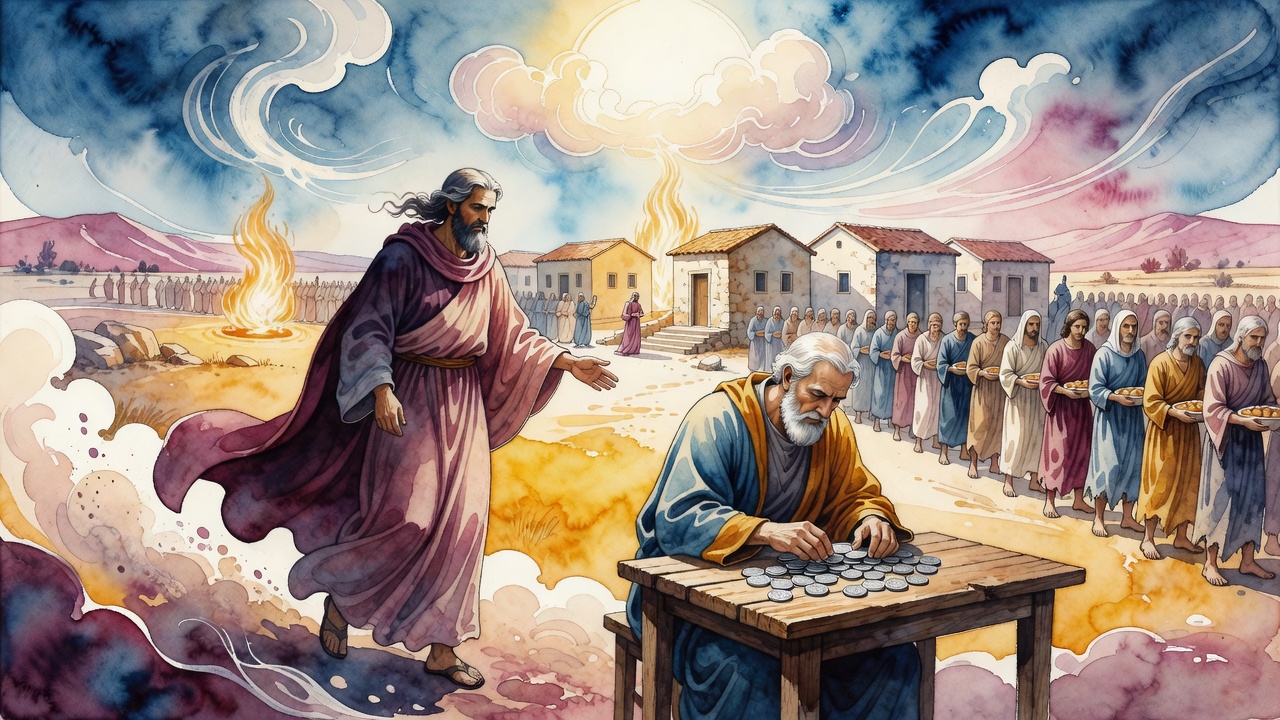
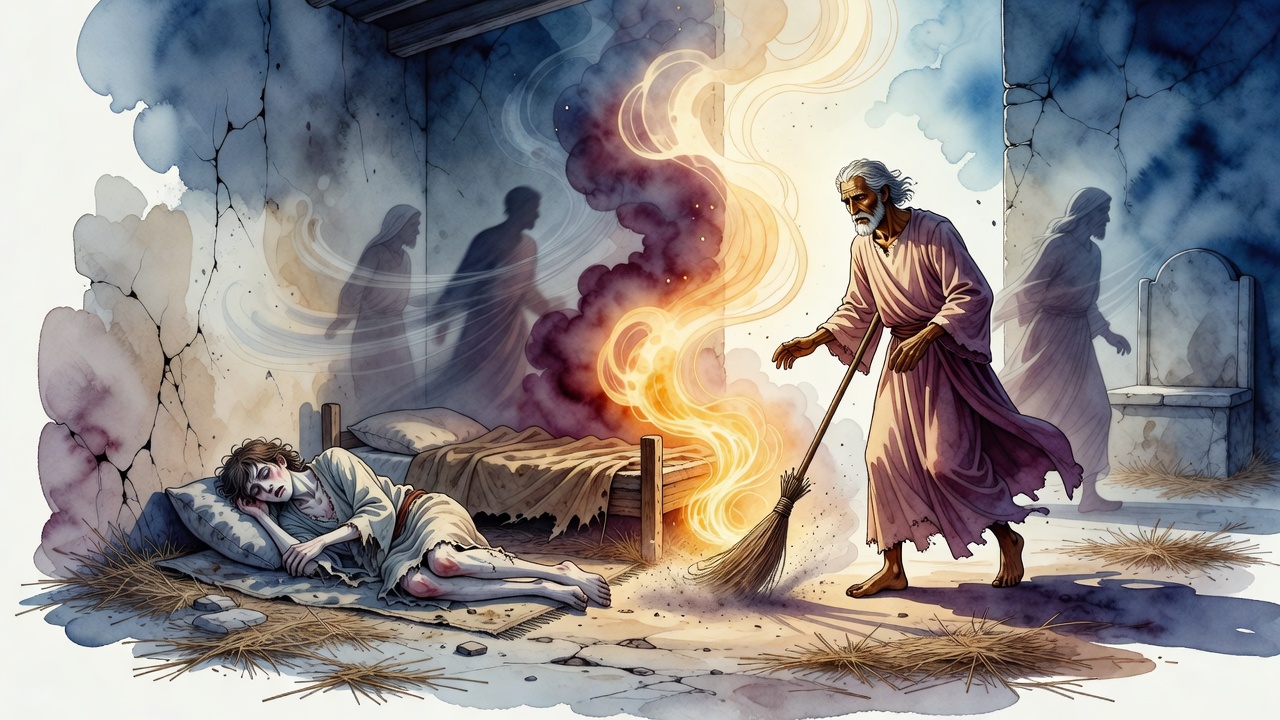
The question had been on the bench for an hour and the young man at the end of it knew the answer. He had it whole. He had carried it out of another teacher's house three years earlier and kept it the way a man keeps a coin stitched into a hem. Across the table a fellow student worked the same problem out loud, badly, for a long time, and got it wrong twice, and looked up.
 Click for full size
Nobody spoke. The lamp went low. When the hall emptied the young man walked home with the answer still in his mouth, pleased with himself.
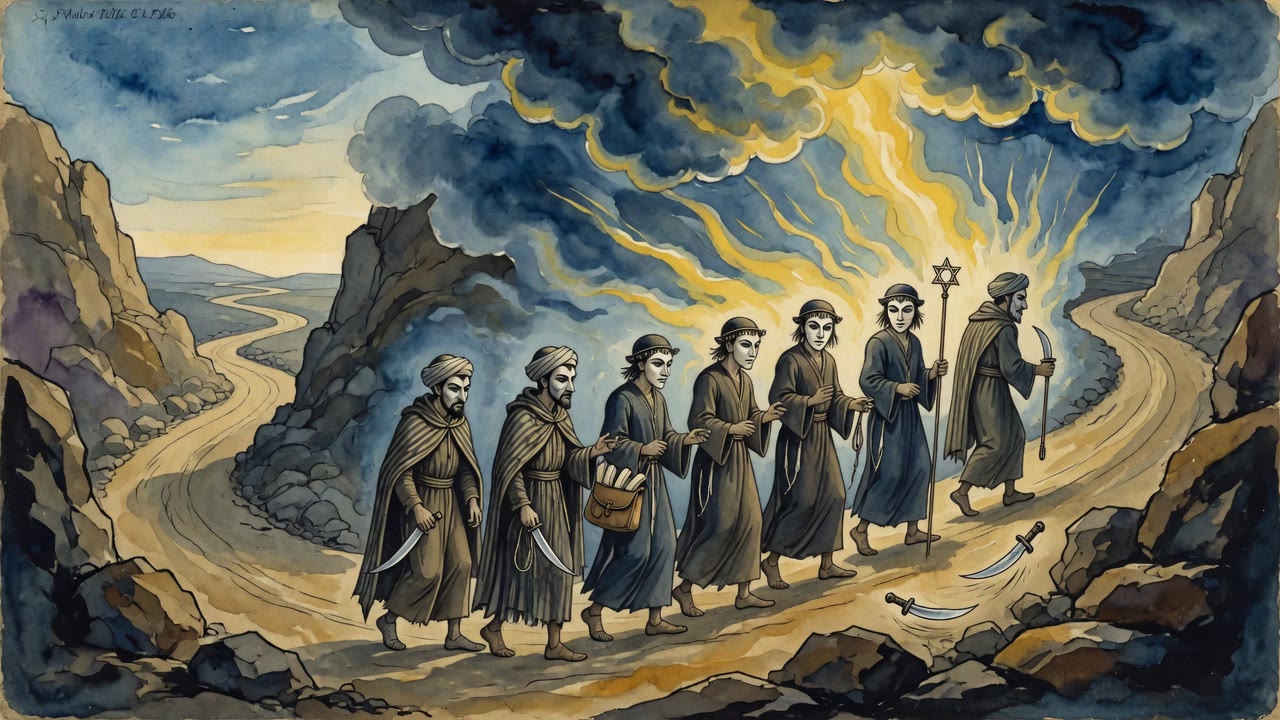
Twelve thousand of them studied like that, from Akko on the northern coast to Antipatris down the Roman road, and every one of them belonged to Rabbi Akiva.
Between Akko and Antipatris
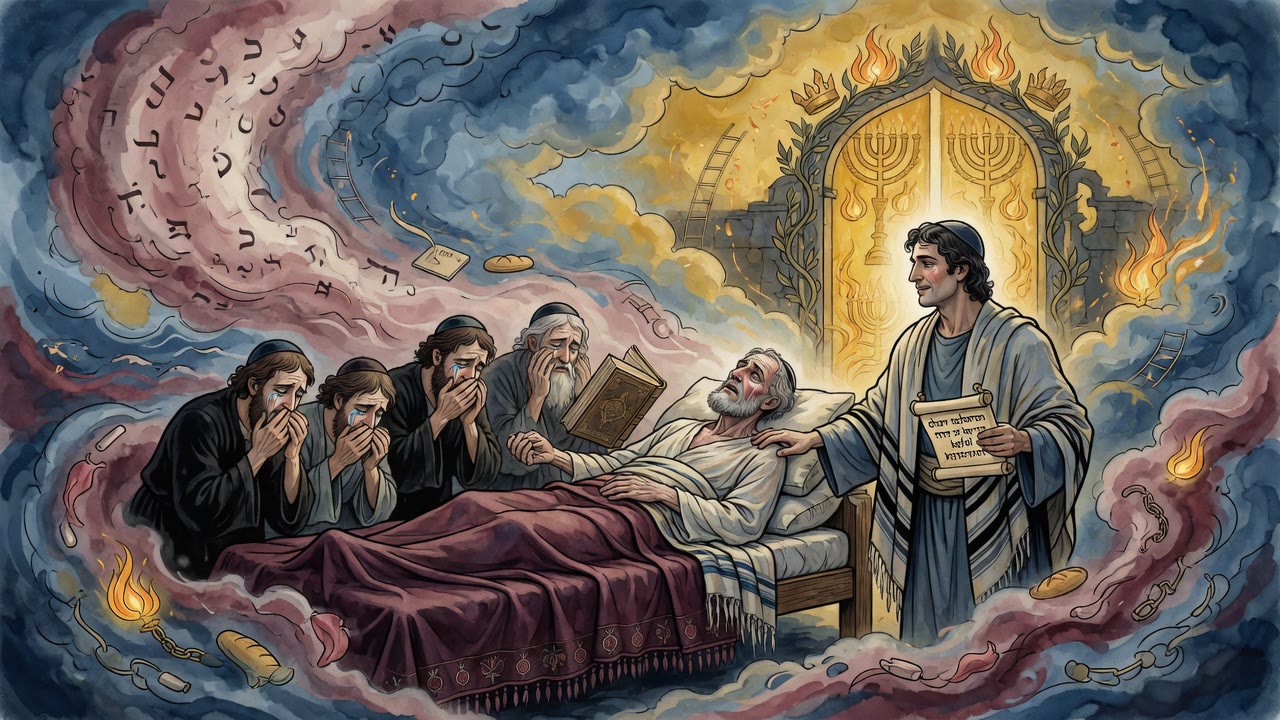
They died inside one short span of time. Not a war, not a decree with a name on it. The academy simply began burying its own, week after week, until the benches from one end of the land to the other stood empty.
Akiva was already old. He walked the road between the two towns and there was nothing left along it that answered to him. When he finally said out loud why it had happened, he did not soften it or spread the blame upward. They were miserly toward one another. They had Torah and would not hand it across a table.
A man in his position could have stopped there and been forgiven for it. He had built the largest house of study in the country and watched it emptied by the stinginess of the men inside it.
Sow in the Morning, Sow Again at Dusk
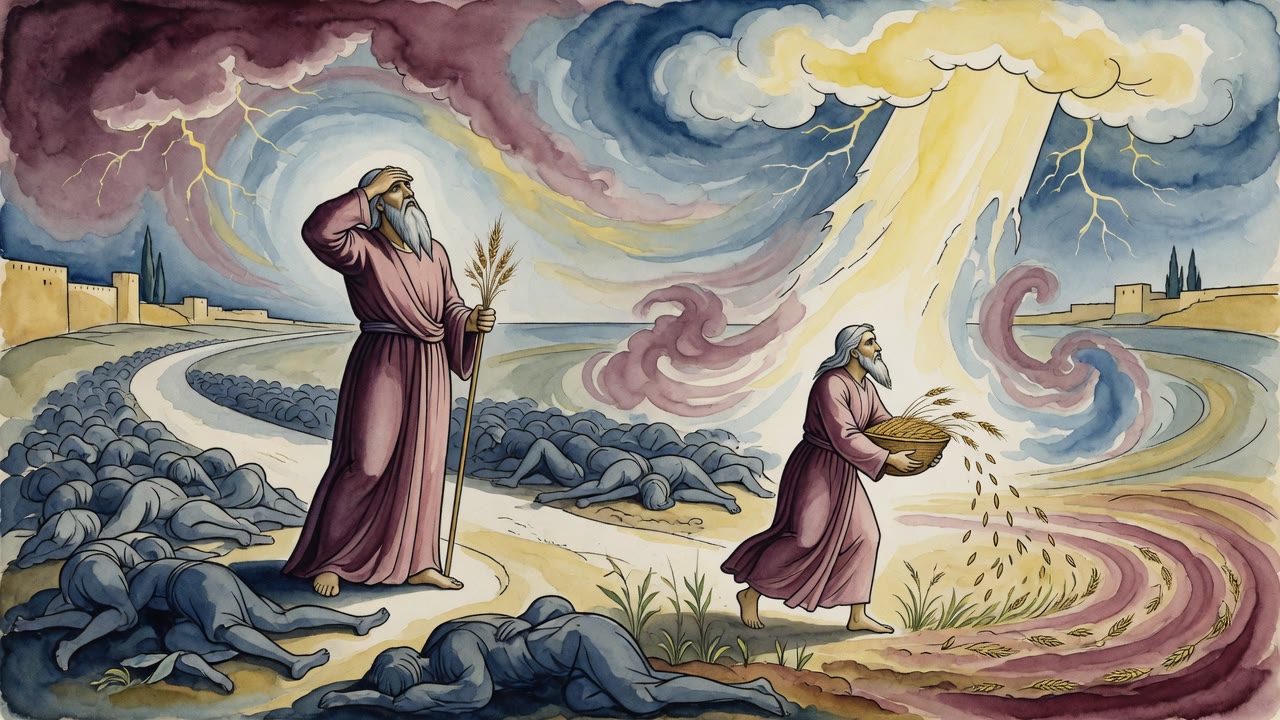
There was a line the sages had been chewing on for years: sow your seed in the morning, and at evening do not let your hand rest.
Rabbi Eliezer heard fields in it. Plant early, plant late, because you cannot know which crop takes, and both may be good. Rabbi Yehoshua heard the door: if a poor man comes at dawn, give, and if another comes at dusk, give again, because you cannot know which gift heaven writes down. Rabbi Yishmael heard a lifetime of study, Torah in youth and Torah in old age, since you cannot know which of them holds.
Akiva heard classrooms.
If you had students when you were young, he said, get students in your old age. You do not know which ones will endure, these or those, or whether both alike will be good.
He said it after the funerals, not before them. That is the whole weight of it. The evening sowing was not a shrug at the graves. It was a refusal to let the field lie bare because the morning crop had failed.
Seven Men in a Room
He took seven.
Rabbi Meir. Rabbi Yehuda. Rabbi Yosei. Rabbi Shimon. Rabbi Elazar ben Shamua. Rabbi Yochanan the Sandal-maker. Rabbi Eliezer ben Yaakov. Others counted the seven a little differently and put Rabbi Nechemya or Rabbi Chanina ben Chakhinai among them, but the number held. Seven, against twelve thousand.
He did not ease them into it. He called them his sons and then told them exactly how the last ones had died. The men before you died only because they were miserly toward one another. See that you do not do what they did.
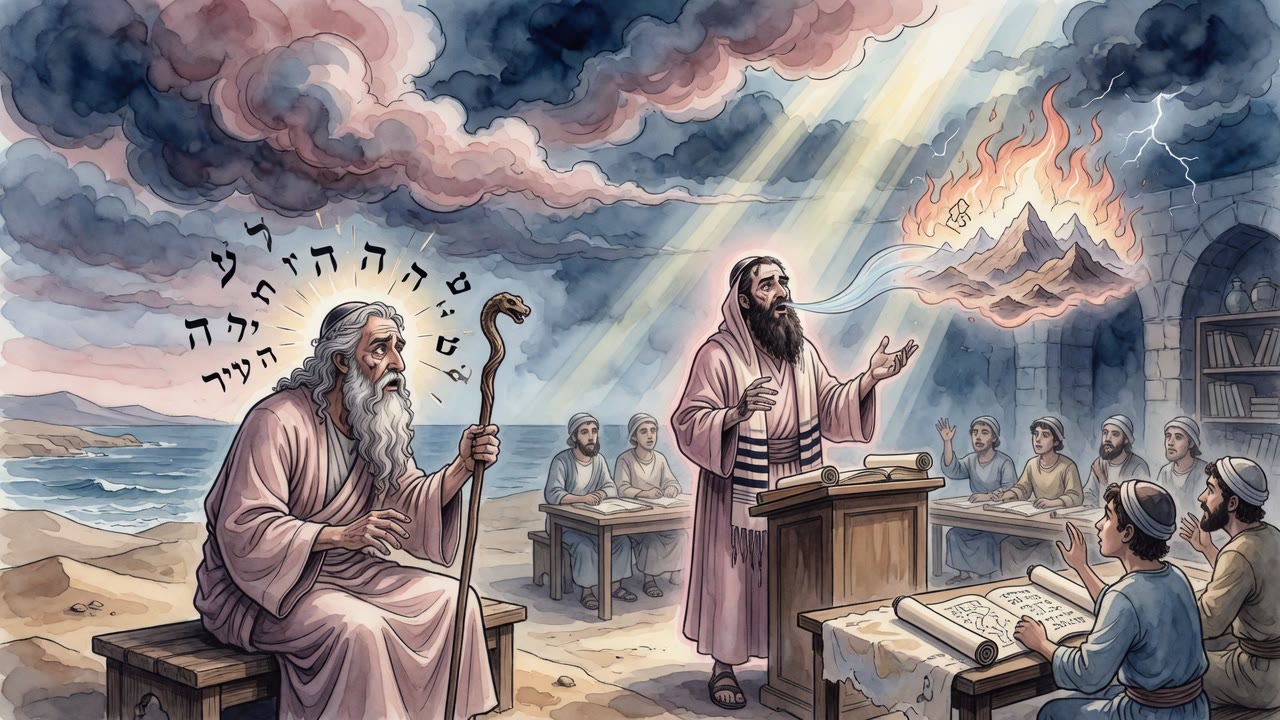
An old book of wisdom had already warned an earlier generation about the same room from the other side: do not despise the talk of the aged, not even their ordinary talk, because it has walked through fire and can answer at need, and it will stand a man before princes. Ben Sira wrote that centuries before any of these seven sat down. In a hall where nobody hands anything across, an old man's plain speech is the first thing thrown away.
No Gap Between the Hands and the Knife
Certain acts must not have a gap in them at all. In the Temple a man laid his hands on the animal and the knife came at once, in the same spot where his hands had rested. In the morning prayer the blessing of redemption runs straight into the standing prayer with nothing allowed to slip between. At the table, washed hands go directly to the bread, and a man who stops to gossip has wasted the water.
Akiva took his own grief that way. No decade of paralysis, no long dignified silence to prove how much he had lost. Hands on the seed bag before the ground could harden.
Abbaye added one more pairing to the list, and it is the one that decided what happened next: wherever a scholar settles, blessing arrives right behind him, the way Laban's flocks thickened once Jacob was in the yard and Potiphar's house grew rich the hour Joseph walked into it.
What the Seven Did With It
They went out and filled the land.
Not one hall this time. Meir in one town, Shimon in another, Yehuda somewhere else, each of them handing over what he had as fast as he got it, because the alternative had been counted and buried between Akko and Antipatris. Nearly everything that survived out of that generation came through those seven mouths.
Akiva did not live to see most of it. He was old when he started them and Rome killed him before they were finished. But the road he had walked when it was empty had study halls on it again, and in every one of them a man who knew something was expected to say it out loud, on the same day, to the person sitting across the table.
← All myths