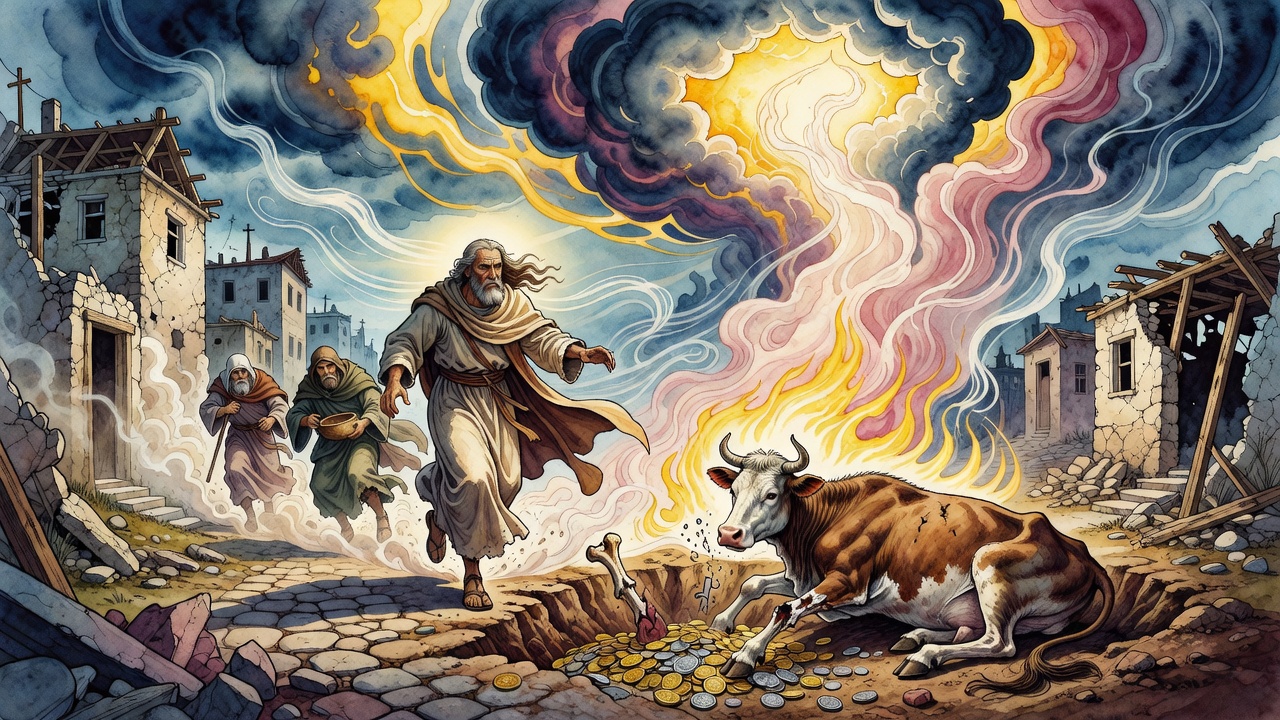
Akiva Bought Tarfon a Town Built of Orphans
Tarfon counted coins for a safe investment. Akiva led him to schoolhouses and bread lines and named them a town.
Table of Contents
Rabbi Tarfon kept his wealth the way a man keeps a sealed jar of oil in a dry house. He gave, yes. He believed in tzedakah. He also believed that a coin should leave his hand only when a clear return walked back toward him. Investment felt clean. Open-handed scattering felt like waste.
 Click for full size
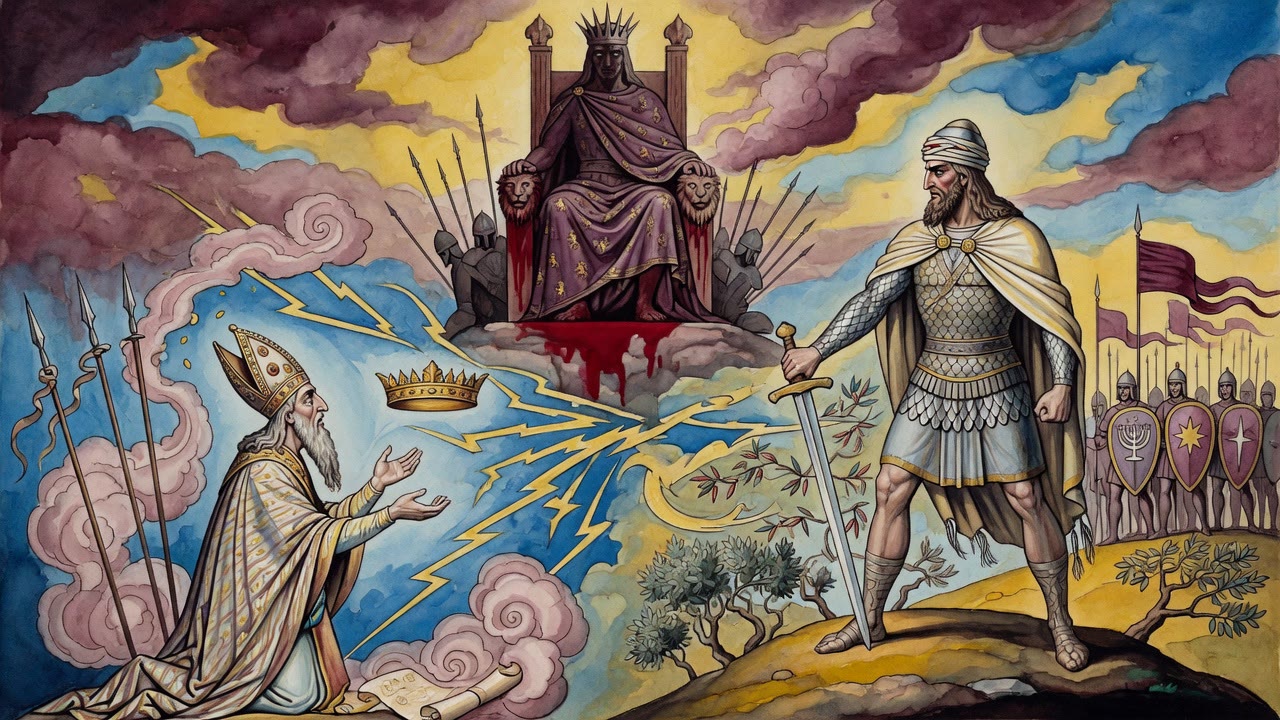
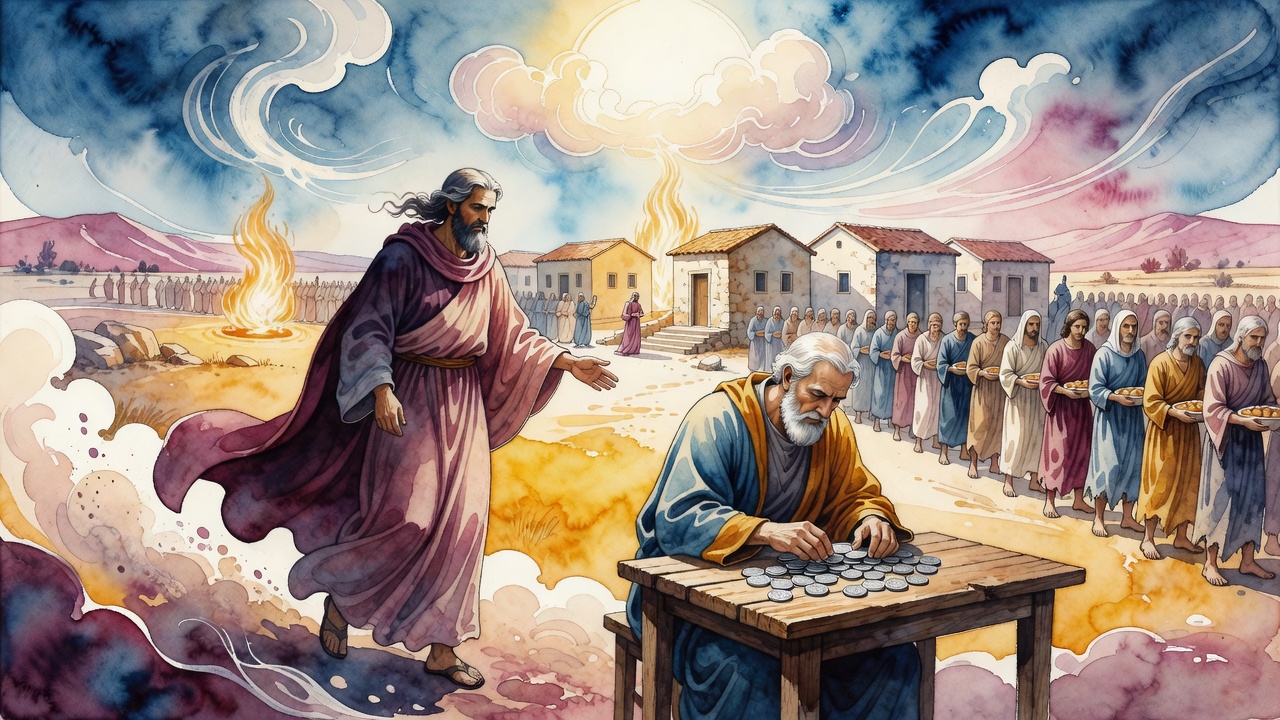
Rabbi Akiva arrived one afternoon with no sermon and a request that sounded like sense. He asked for a considerable sum. He said he would buy a town. Safe. Shared. A place that would benefit them both. Tarfon, who trusted Akiva as one of the great teachers of the age, handed over the money and waited for deeds and tax records.
The Town That Had No Title
Time passed. No deed of sale arrived. No map. No stamp from any clerk. Tarfon found Akiva and demanded the town his coins had purchased. Akiva did not argue. He walked.
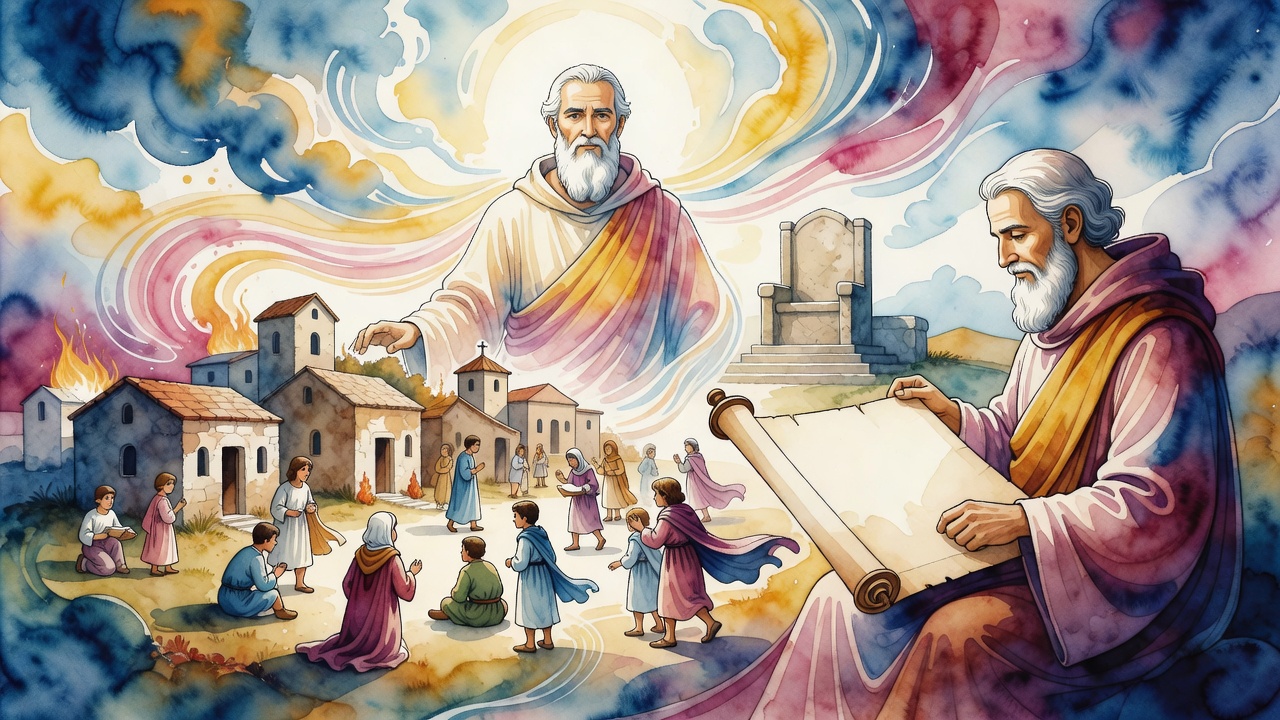
They stopped first at schoolhouses recently opened for poor children. Boys bent over tablets. Girls repeated letters until their mouths remembered them. Bread lines stretched past doorways where the hungry waited without shame, because hunger had become ordinary. Akiva lifted his hand toward the noise of learning and the quiet of eating.
"This," he said, "is the town I bought with your money."
The coin had gone not to landlords but to mouths and minds. Tarfon stood in the dust and felt the old logic of property crack. Akiva had not cheated him. Akiva had rewritten the ledger. The true deed of sale, the story insists, is inscribed in Heaven, and the tenants are students and orphans.
What a Neglected Field Grows
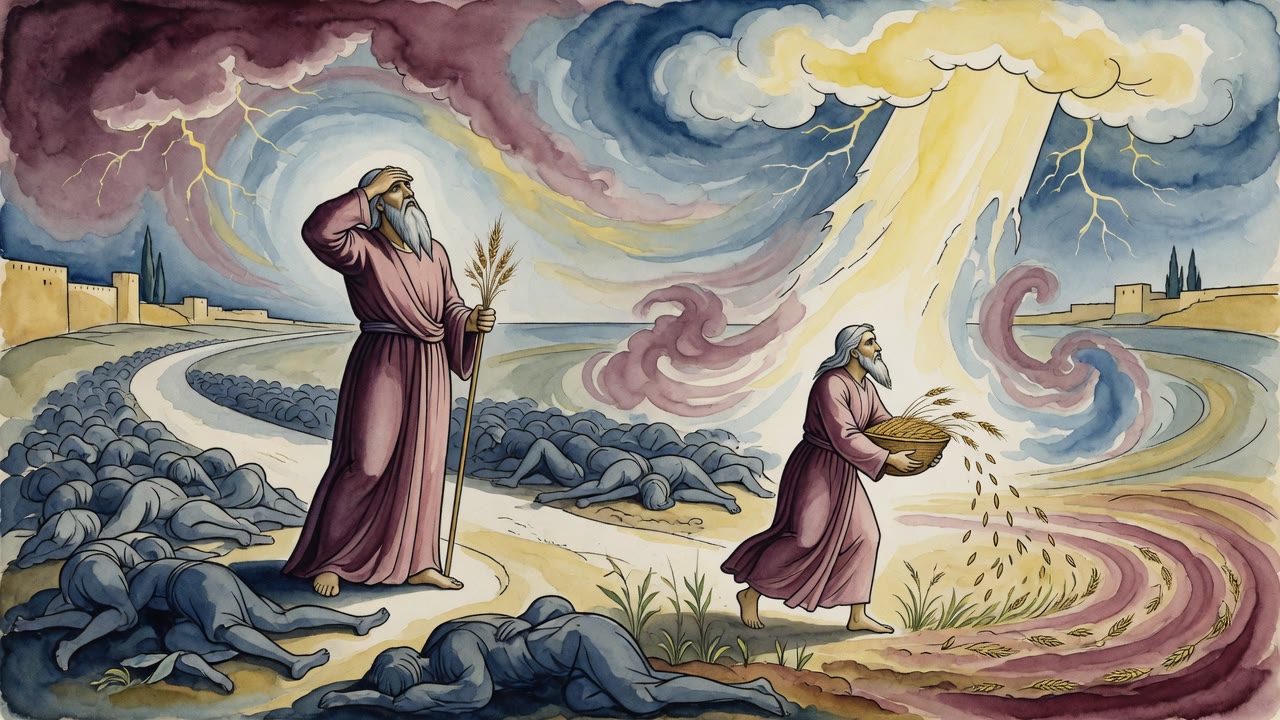
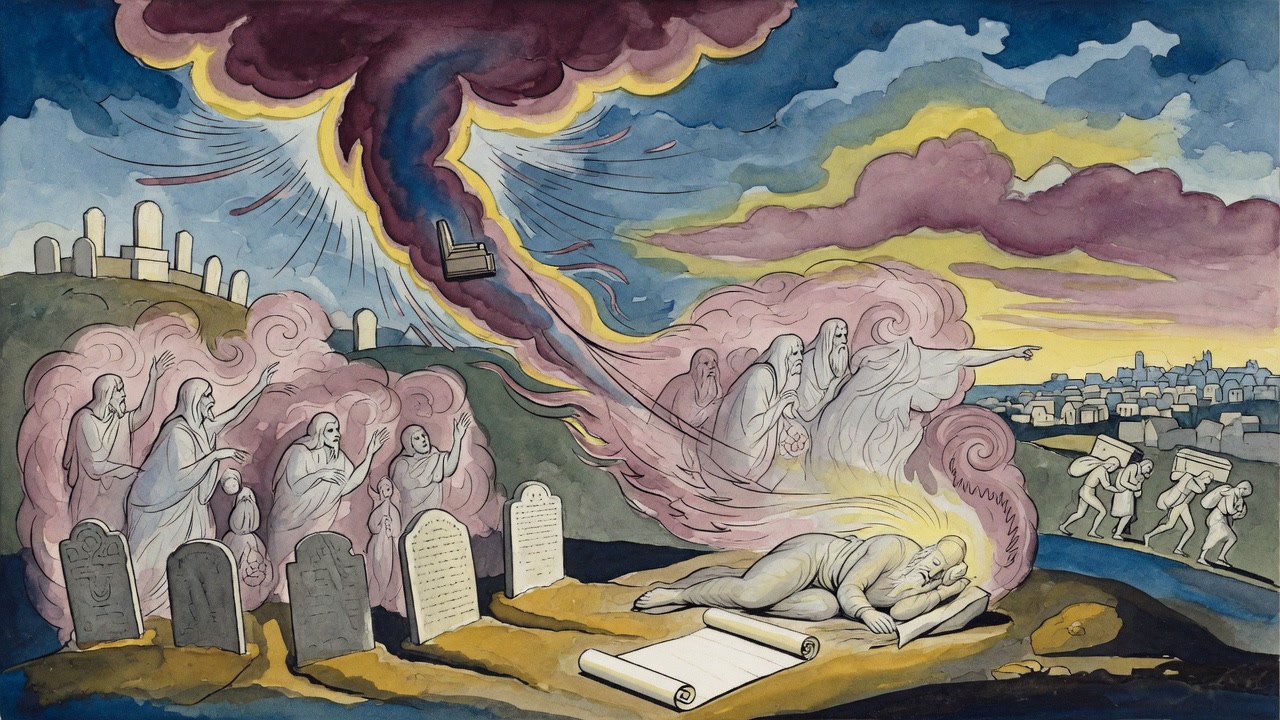
Elsewhere the sages walked past another kind of property. "I passed by the field of a lazy man," says the verse, "and by the vineyard of a man without sense." Leave a field unplowed and it does not stay empty. Thorns move in. Leave a vineyard unhoed and weeds claim the rows. Neglect never produces nothing. It produces a mess.
So it is with a student of Torah who stops the give and take of study. The verses do not wait politely. He reaches for the head of a chapter and cannot find it. He reaches for the start of a tractate and it has vanished. The field of his learning has gone to weeds. Rabbi Yochanan names the breach. The man has broken the fence of Torah.
Tarfon's closed hand was a field of that kind. Coin sat unused while living rooms of need stood open. Akiva forced the fence open, not by shaming, but by spending the money where life already begged for seed.
The King in Empty Rooms
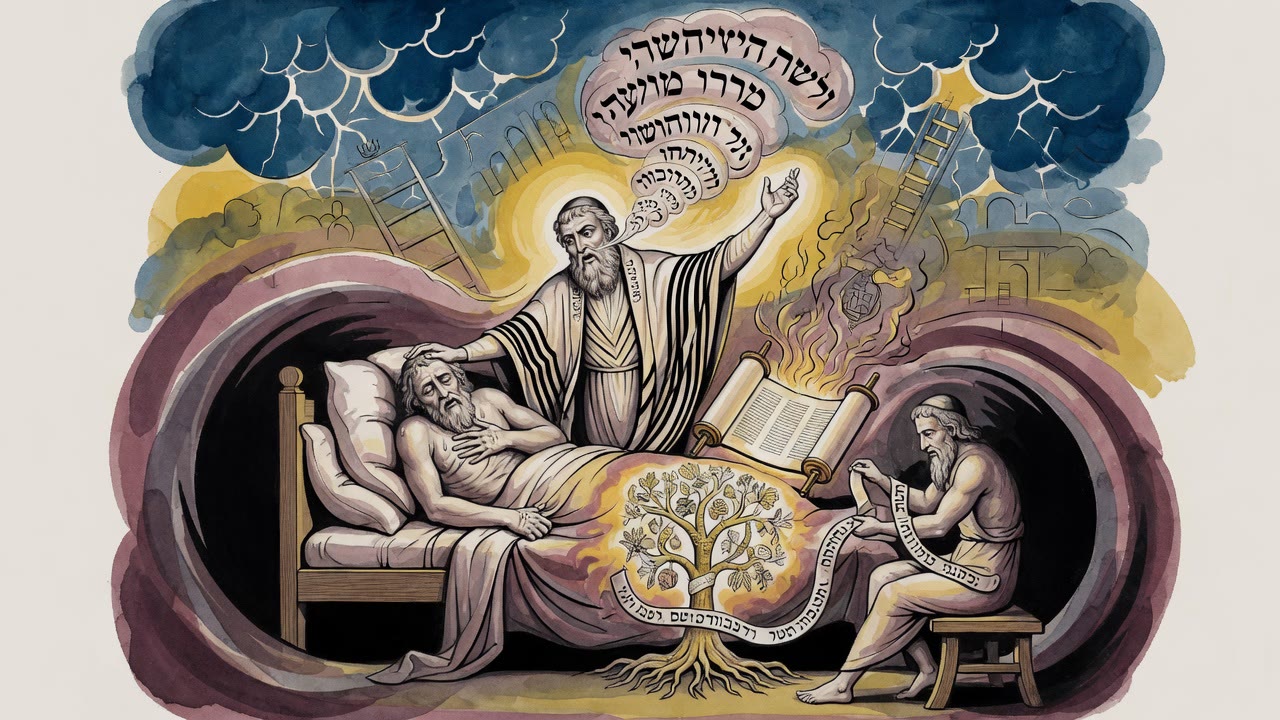
The rabbis tell a parable beside the field. A king walking through the wilderness finds an abandoned hall with great empty rooms. He enters and makes himself at home. The evil inclination does exactly this. Find a heart with no Torah filling the chambers, and it moves in as master. Once settled, eviction becomes nearly impossible.
Akiva filled rooms. He put Torah into the mouths of children who had no private tutors. He put bread into stomachs that had no private kitchens. He left Tarfon less empty than he found him. Wealth that only defends itself becomes a hall waiting for the wrong king. Wealth that feeds and teaches becomes a house with a different owner.
From That Day He Gave Freely
Tarfon did not feel cheated for long. He understood that Akiva had bought him a place in the world to come at the price of real estate in this one. From that day he gave freely, trusting the logic that the portfolio written in other people's lives outlasts any title filed with a clerk.
The schoolhouses kept filling. The bread lines thinned and thickened with the seasons. Tarfon learned to walk those streets without demanding a receipt. Akiva never needed to repeat the trick. One walk through a living town was enough to retire the sealed jar of oil.
Tarfon had always treated charity as a private virtue, something a careful man could manage without letting strangers rearrange his accounts. He liked the feeling of choosing the recipient, of knowing the sum, of closing the door afterward. Akiva took that closed door off its hinges. By the time they finished walking the schoolhouses, Tarfon understood that a gift you control completely is often a gift that has not yet left your house.
Children looked up from their tablets without recognizing the man whose coins had bought the ink. That anonymity was part of the lesson. If Tarfon needed his name on the lintel, the investment was still about him. Akiva trained him to enjoy a return he would never be able to show a clerk. The world to come, in this telling, is not a vague cloud. It is a ledger that accepts orphans as collateral and treats bread as a deed of sale.
In the days that followed, Tarfon tested the new habit the way a man tests a repaired roof in the first rain. He gave before he was asked. He gave when the request felt inconvenient. He gave when the recipient could not repay him with praise. Each time, the sealed jar of oil in his mind cracked a little more. The field of his heart, which had been filling with the thorns of caution, began to take seed again. Akiva never needed to lead him on a second tour. One town of living faces had been enough to retire a lifetime of careful withholding.
← All myths