6 min read

The Beggar Who Became Governor and Dug Up Hope

A rich man buried gold among the graves after a beggar refused it, then met that same beggar as governor when he dug for despair.

Curated by Arthur · Told by Maggid ·
Table of Contents
  1. Gold Offered in the Dust
  2. The Night Dig
  3. Two Sages and Two Tables
  4. Meat for Two
  5. Despair as a Kind of Theft
The Beggar Who Became Governor and Dug Up Hope Click for full size

Gold Offered in the Dust

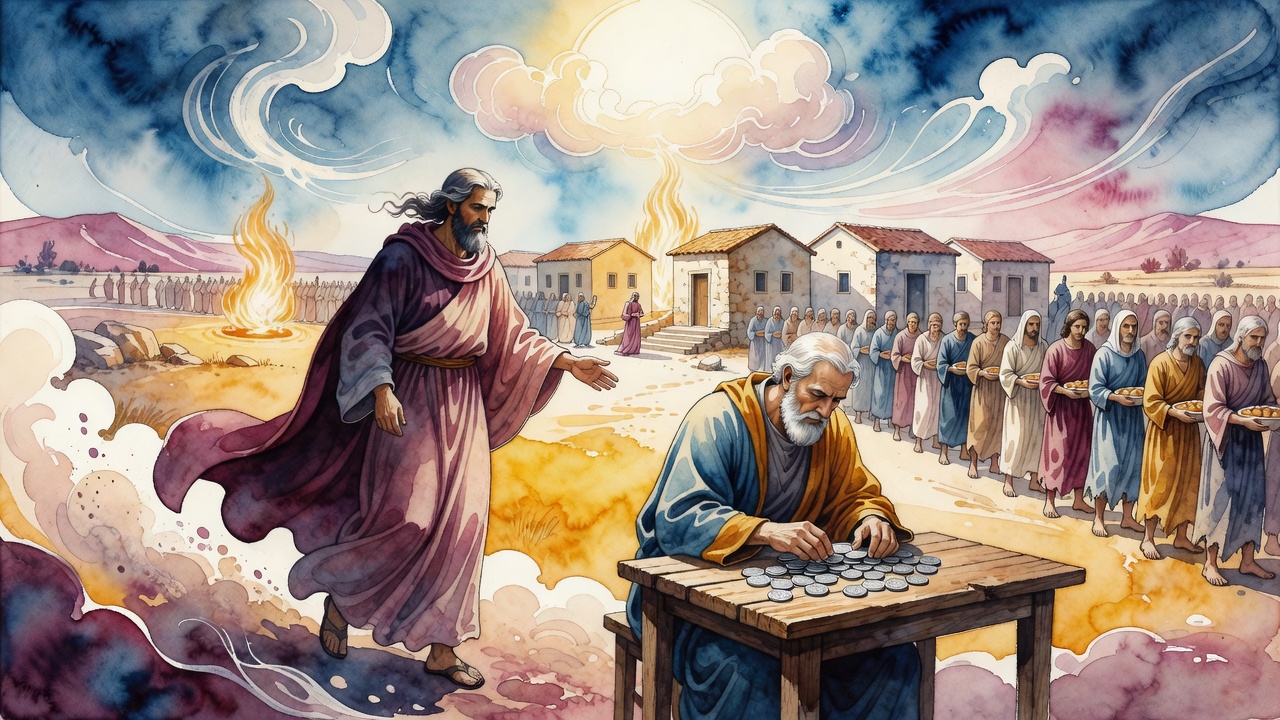
The wealthy man was tired of his money the way a man grows tired of a weight he no longer knows how to set down. Coins had stopped meaning feast or safety. They meant only the work of guarding them. He did not take the fortune to the poor boxes of the town or to the charity fund that kept widows in bread. He walked outside the walls and found a beggar in rags sitting in the dust, and he thrust a bag of gold at him as if he were dumping refuse.

"Take it all," he said. "You have clearly abandoned all hope for this world."

The beggar looked at the gold, then at the man, and refused. "You think I have no hope?" he answered. "Only the dead have no hope. God is merciful and forsakes no one. I may sit in dust today, but tomorrow belongs to the Almighty."

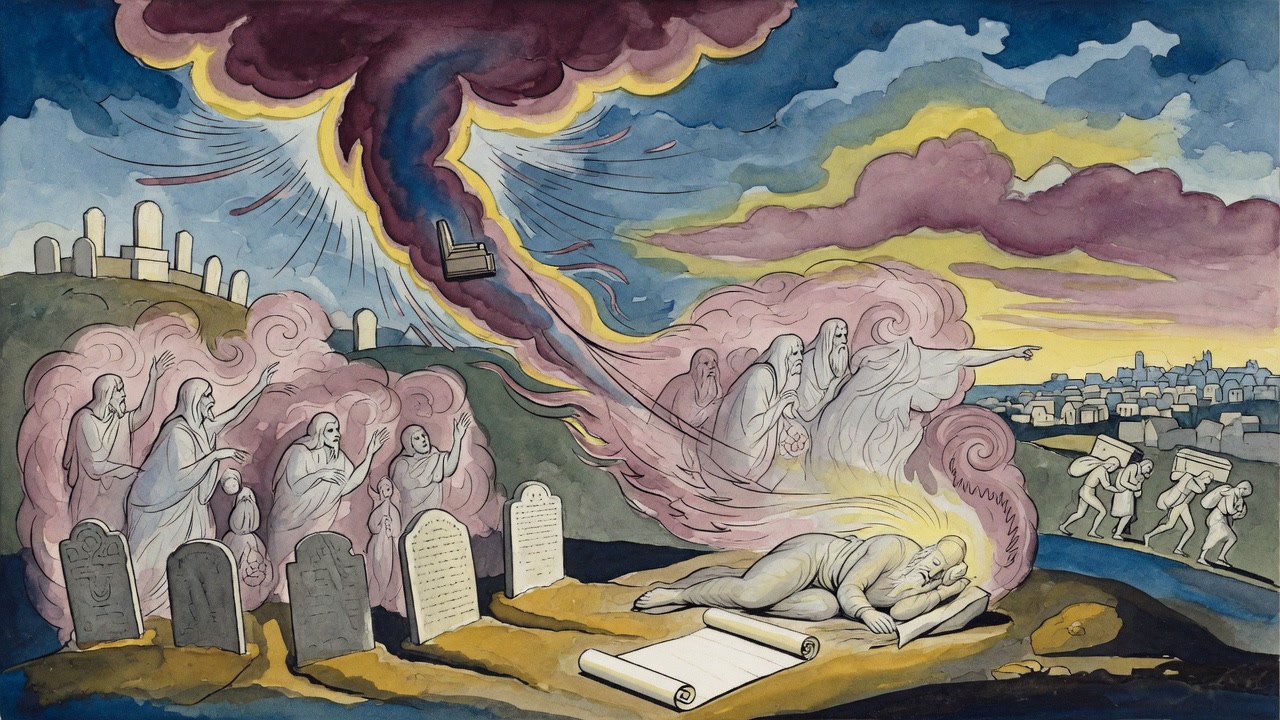
The rich man felt the rebuke like a slap. He had tried to buy the right to call another soul finished. Stung, he carried his fortune to the cemetery and buried it among the graves, as if only the dead deserved what he no longer wished to hold. The soil closed over the gold, and he walked home lighter and wronger.

The Night Dig

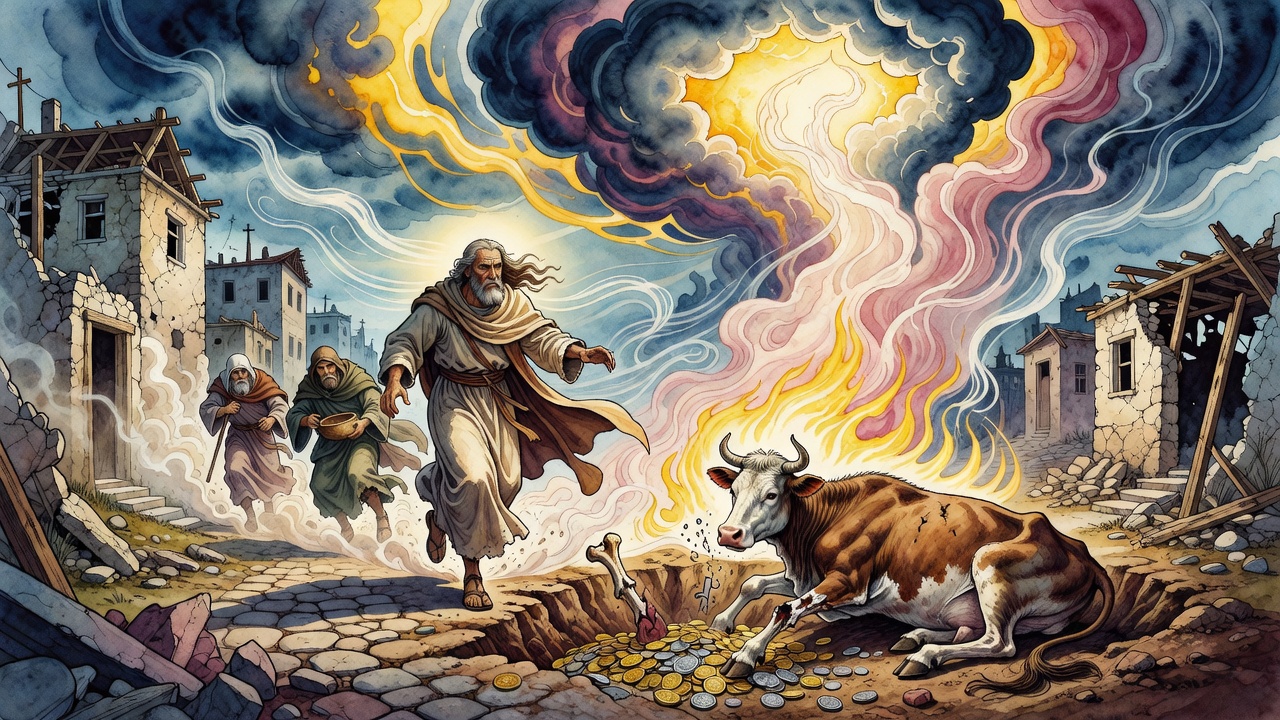
Years passed. Markets turned. Ships failed. His wealth ran out the way water runs out of a cracked jar. He remembered the buried gold the way a drowning man remembers a shore. He crept back to the graveyard at night with a spade, heart loud, hands shaking, digging among stones that marked other people's rest. Cemetery guards caught him with dirt on his hands and dragged him before the governor as a robber of the dead.

The governor listened to the whole story without smiling. Then he revealed himself. He was the beggar from the dust, a man of noble family who had fallen hard and risen again to high office. He ordered the prisoner released and let him recover every coin, not as a joke but as a sentence.

"Now you understand," the governor said. "When I sat in rags, you thought the world was finished. God raised me from the dust to this seat. No one should ever despair."

The Maase Buch and the Exempla of the Rabbis keep the tale as a warning against the sin of hopelessness, the quiet faithlessness that treats mercy as already closed. He had buried more than metal: the chance that tomorrow could rearrange the street.

Two Sages and Two Tables

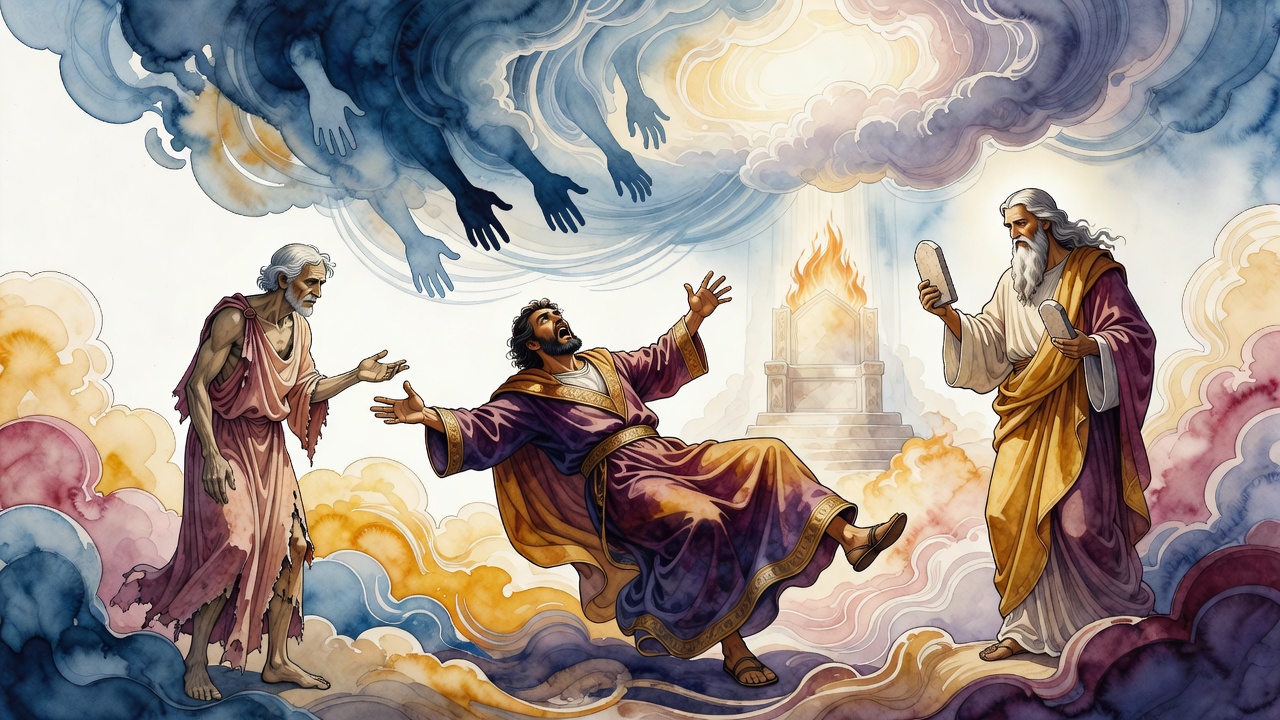
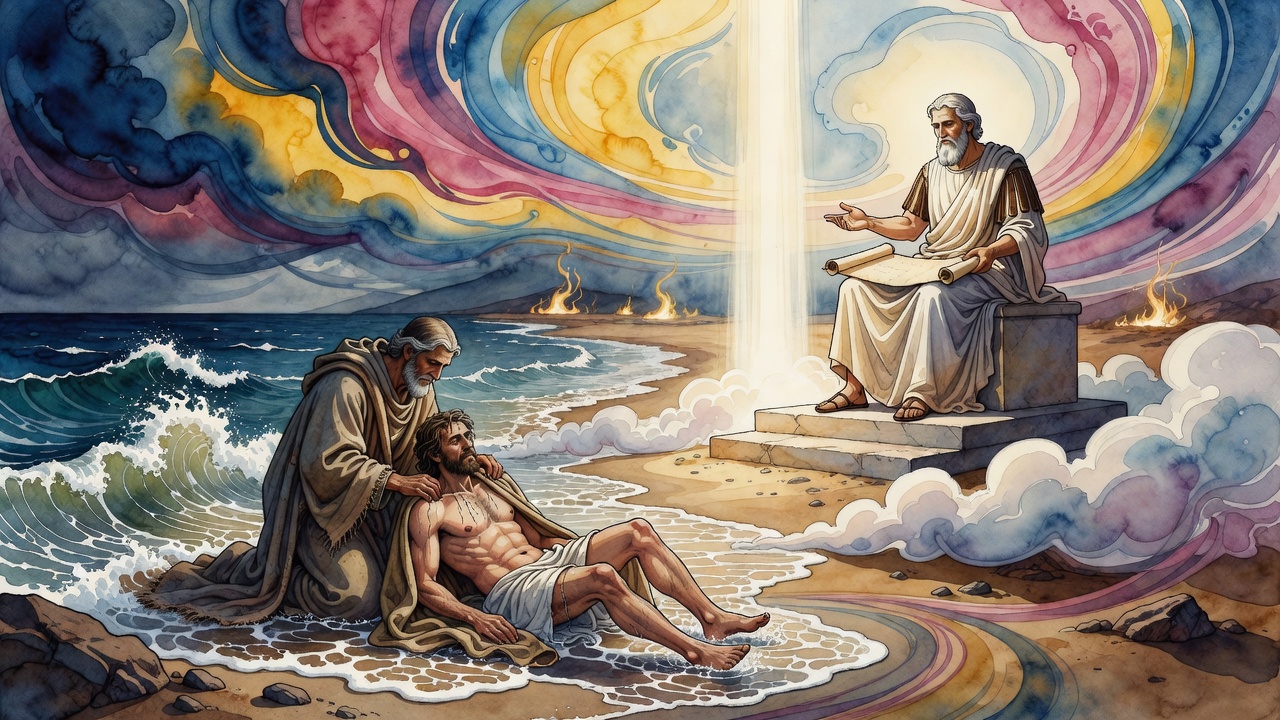
Rava said a hard thing in the academy, the kind of sentence that makes younger students flinch. Life, children, and sufficient livelihood, he taught, do not ride only on merit. They also ride on mazal, the portion under which a person is born. To prove it he pointed to two holy men of his generation. Rabbah and Rav Chisda both prayed for rain in drought, and rain came for both. Their merits before Heaven looked equal when the sky answered. Rav Chisda lived to ninety-two; Rabbah died at forty. One house saw sixty weddings; the other counted sixty illnesses. In one home even the dogs turned from fine wheat bread; in the other rough barley was scarce.

Rava confessed his own prayers too. He asked for the wisdom of Rav Huna and received it. He asked for the wealth of Rav Chisda and received it. He asked for the humility of Rabbah bar Rav Huna and was refused. The teaching is unsettling and liberating. He was not mocking righteousness. He was refusing a false ledger. A good life is not always a receipt, and hardship is not always a verdict. Some doors open wide for one and stay shut for another, and the work of the day is still to do right inside the portion received.

Meat for Two

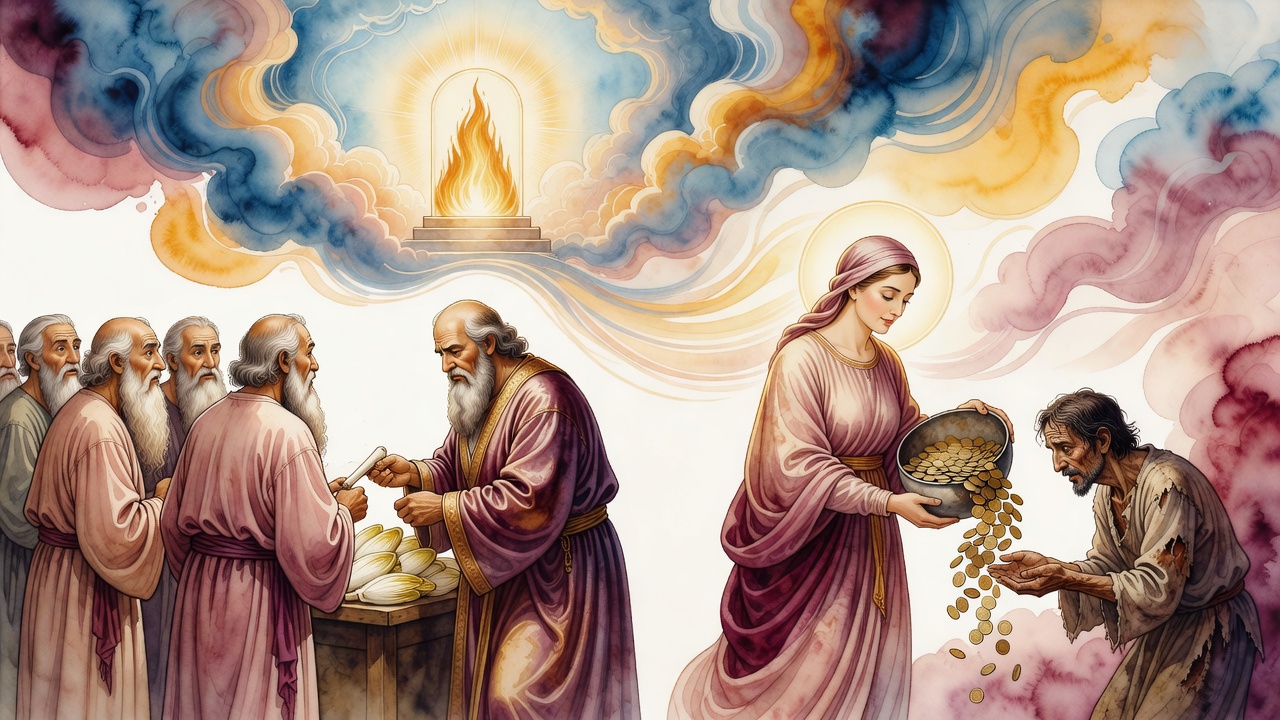
Rabbi Tanhum's mother walked to the market with a different arithmetic. She bought a measure of meat for her son and another measure for the poor. "This corresponding to that," she would say, hearing Qohelet's line that God made one day answer another. Abundance and lack are knotted together on purpose. The Holy One made the poor and the wealthy so each could become a doorway for the other. On a day of good, enjoy. On a day of bad, see. Seeing means looking for the person whose day is the opposite of yours.

Vayikra Rabbah sets her habit beside Moses's warning about a brother who becomes poor. Charity is not decoration on a full table. It is how the world keeps from tearing along the seam between full and empty. The mother did not wait for a beggar to prove he still hoped. She assumed the poor still belonged to the living.

Despair as a Kind of Theft

The man who buried gold among corpses tried to steal tomorrow from a living beggar by naming him finished. The beggar refused the gift because he refused the diagnosis. Later the same man dug among graves for a private rescue and found, instead, a public teaching: the dust is not the last word.

Rava's teaching and Tanhum's mother do not cancel each other. Portion is real. Rain may fall for two sages while only one reaches ninety. So is the duty to answer another person's lack. Hope is not a prediction that every spade will strike gold. Hope is the refusal to treat a neighbor, or oneself, as already numbered among the dead. The governor's seat was once a patch of dust. The midrash wants that memory kept sharp.

In the wide field of Midrash Aggadah, the cemetery story keeps its edge because the governor does not preach from a scroll. He sits on a seat the rich man once could not imagine, and he returns the coins with a sentence sharper than any fine. Take the gold, he implies, and take the lesson harder than the gold: do not bury living people in your mind.


← All myths
From the tradition

Sources

3 sources

The texts behind this telling. Some cards carry a translation of the source; others are our own retelling of it, and each card says which. Every card links out to the original.

Exempla of the Rabbis, No. 414Exempla of the Rabbis (Gaster, 1924)

Retold in our words. Read the original at the link below.The Exempla of the Rabbis, Moses Gaster (1924) · Public Domain

A wealthy man grew so weary of his riches that he decided to give them away. But not to the poor. He wandered outside the city and found a beggar sitting in the dust, dressed in rags, with nothing to his name. "Here," the rich man said, thrusting a bag of gold at him. "Take it all. You have clearly abandoned all hope for this world."

The beggar looked at the gold, then looked at the rich man, and refused. "You think I have no hope?" he said. "Only the dead have no hope. God is merciful and forsakes no one. I may sit in dust today, but tomorrow belongs to the Almighty."

Stung by this rebuke, the rich man carried his fortune to the cemetery and buried it among the graves. Years passed. His wealth ran out. He remembered the buried gold and crept back to the graveyard at night to dig it up.

The cemetery guards caught him and dragged him before the governor, accused of robbing the dead. The governor turned out to be none other than that same beggar, a man of noble family who had fallen on hard times but had since been elevated to high office.

The rich man, who did not recognize him, told his story in full. The governor revealed himself and ordered the man released. He let him recover every coin.

"Now you understand," the governor said. "When I sat in rags, you thought the world was finished. But God raised me from the dust to this seat of power. No one should ever despair." The Maase Buch (No. 189) preserves this tale as a teaching about the sin of hopelessness, the idea that giving up on God's mercy is itself a kind of faithlessness.

Full source
Moed Katan 28aHebraic Literature (1901)

Retold in our words. Read the original at the link below.Project Gutenberg eBook #14368, Hebraic Literature · PD-US-pre-1929

Rava said something that rabbis are not supposed to say. "Life, children, and sufficient livelihood," he taught, "do not depend on merit. They depend on mazal, on the star under which one is born" (Moed Katan 28a).

To prove it, he pointed to two of the holiest men of his generation.

Rabbah and Rav Chisda were both righteous sages. Both prayed for rain in a drought, and rain came for both. Their merits before heaven were equal. And yet Rav Chisda lived to ninety-two, while Rabbah died at forty. Rav Chisda attended sixty weddings in his family; Rabbah suffered sixty serious illnesses in his. In Rav Chisda's house even the dogs turned up their noses at bread made of fine wheat flour. In Rabbah's house they could not always get rough barley bread.

Same merit. Radically different lives.

Rava went further. "For three things I prayed," he confessed. "Two were given, one was denied. I prayed for the wisdom of Rav Huna, and it was granted. I prayed for the wealth of Rav Chisda, and it was granted. I prayed for the humility and gentleness of Rabbah bar Rav Huna. And that was refused."

The teaching is unsettling and liberating. Rava is not saying that righteousness is pointless. He is saying that not every good life arrives as a reward, and not every hardship is a punishment. Some things are simply handed to us, and what we owe God is not a ledger of earnings but the daily labor of doing right inside whatever portion we receive.

Full source
Vayikra Rabbah 34:5Vayikra Rabbah

Retold in our words. Read the original at the link below.The Sefaria Midrash Rabbah, 2022 · CC-BY

The ancient sages did, too. And they found wisdom in the balance.

Rabbi Tanhum ben Rabbi Hiyya, a wise teacher of old, opened his heart with a verse from Ecclesiastes (7:14): “On a day of good, enjoy, and on a day of bad, see: God made this corresponding to that. That even in hardship, there’s a purpose, a connection.

What does it really mean?

Rabbi Tanhum didn't just leave it there. He showed it through action. He taught that if misfortune falls on someone else, we should look for ways to help them, to lift them up. Why? To receive reward, yes, but more than that – to participate in the very fabric of creation.

The story goes that Rabbi Tanhum's mother, a woman of incredible compassion, would buy meat from the market. A litra, a certain measure. But she wouldn't just buy one for her son. She'd buy two. One for him, and one for the poor. "This corresponding to that," she'd say. It's more than simple charity. It's a recognition that abundance and lack are intertwined. The Holy One, blessed be He, created the poor and the wealthy so they could benefit each other. It's a divine partnership, a cosmic exchange.

Vayikra Rabbah 34, where this story lives, tells us that this is why Moses, our great leader, cautioned the Israelites: "If your brother will become poor..." He understood this fundamental truth – that our responsibility to one another is not just a nice thing to do, but a foundation of a just society.

But Rabbi Tanhum's teaching reminds us to look outward, to see the interconnectedness of all things. That even in times of hardship, we can find meaning and purpose in helping others. That the very structure of the world invites us to participate in acts of kindness and compassion.

Remember that "this corresponding to that" isn't just a clever phrase, but a call to action. How can you bring balance to the world, one small act of kindness at a time?

Full source