Barbohin Heaped Dinars After Cheap Endives
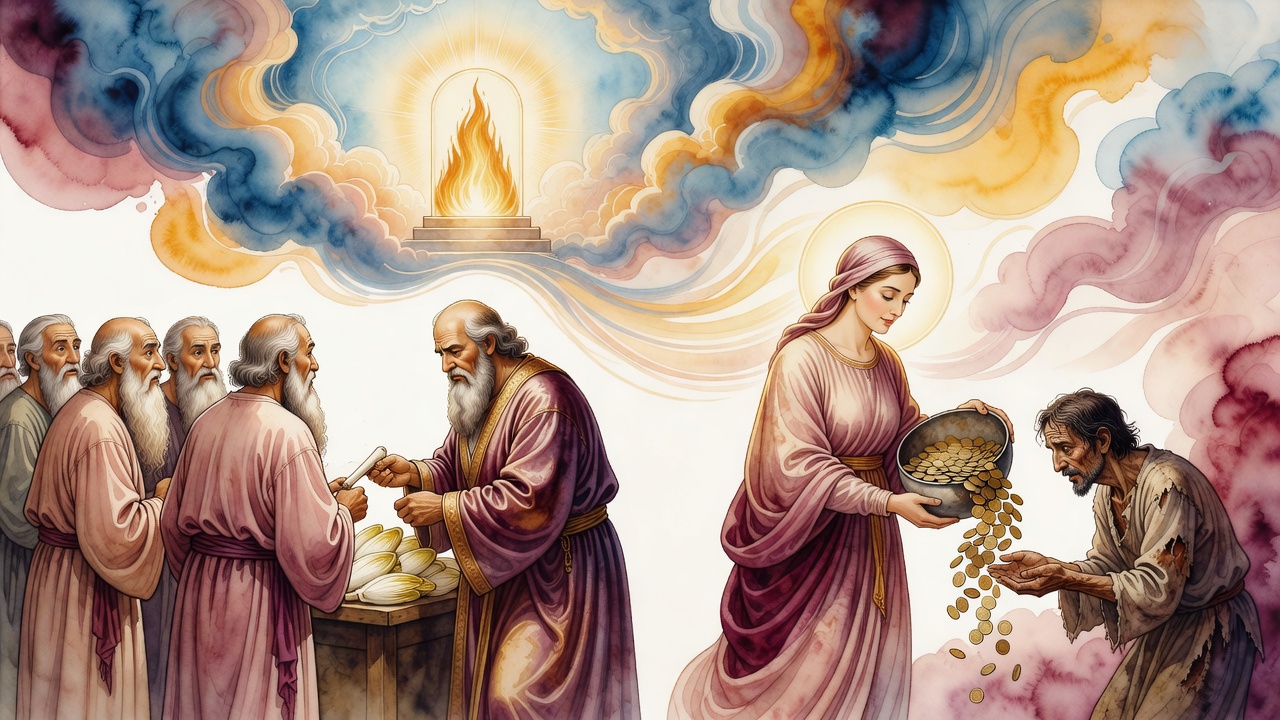
Sages overheard a rich man order wilted greens, walked away, then found his wife pouring a heaped measure of dinars for charity.
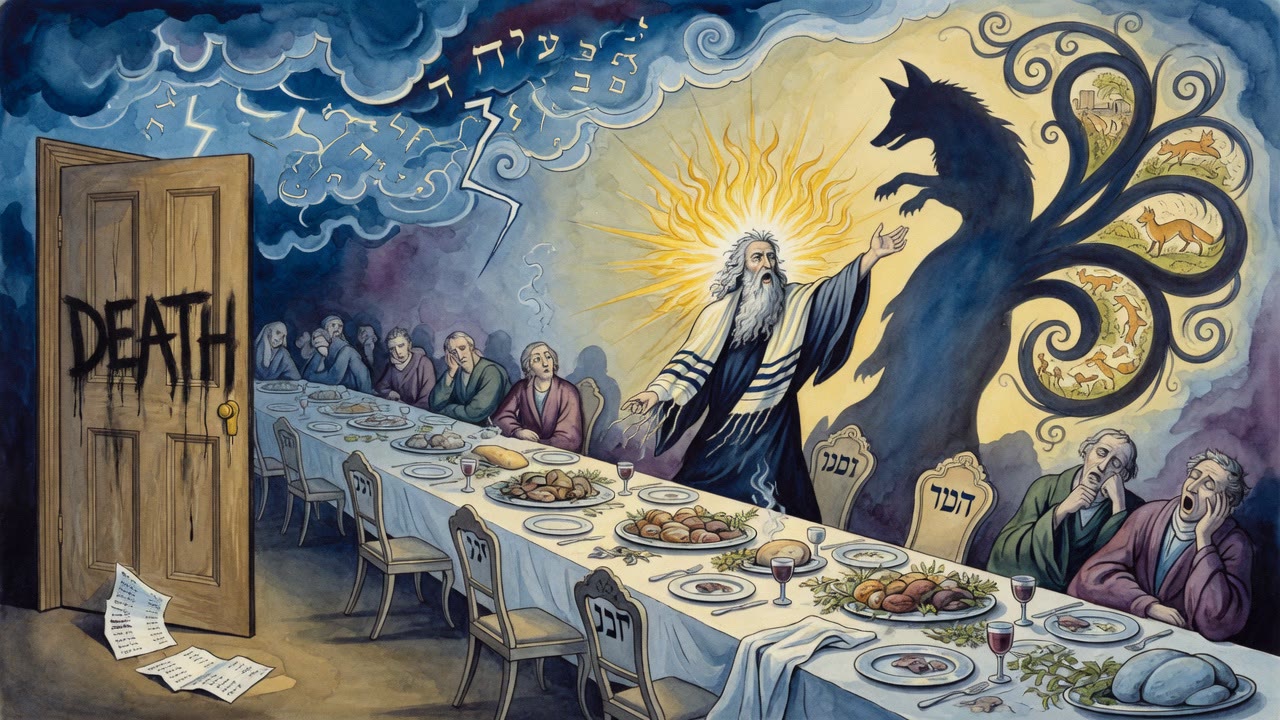
Barbohin's son stood in the doorway with a plate already imagined. "What are we eating today?" he asked. The answer came flat as a coin on wood. "Endives."
 Click for full size
"From those sold at one per maneh, or from those sold at two?"
"From those sold at two," Barbohin said. "The withered ones. They cost less."
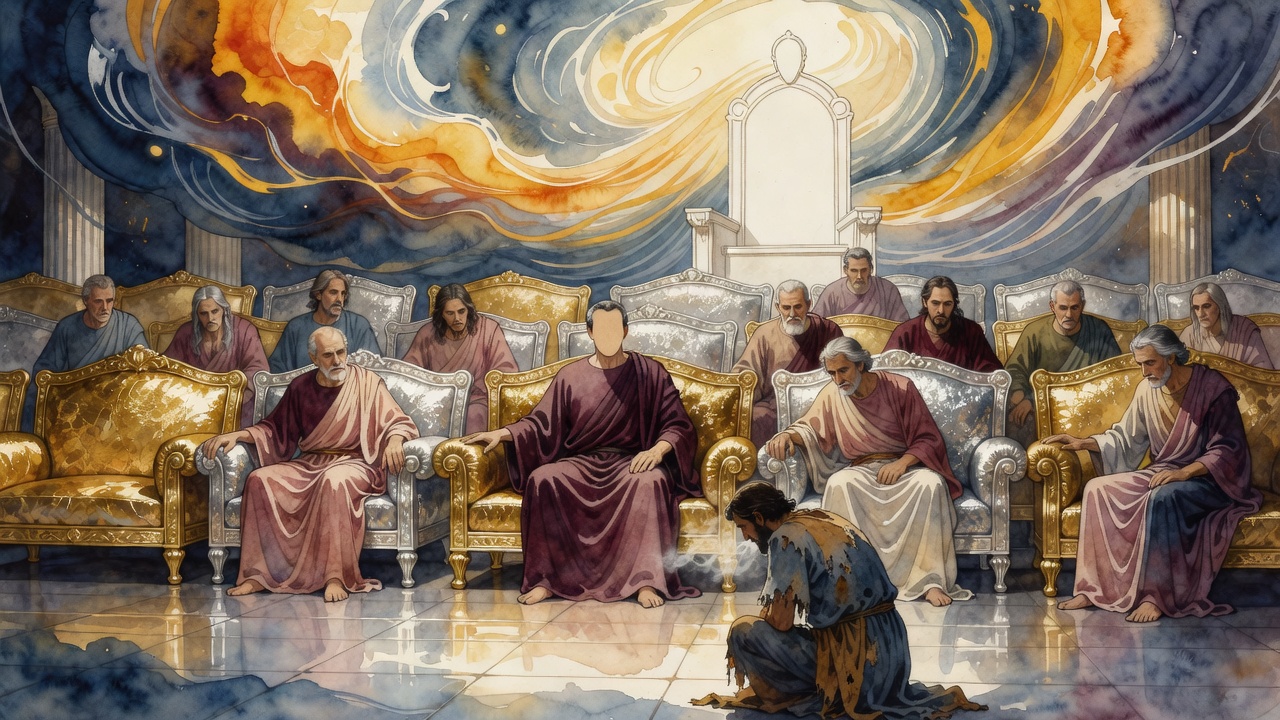
Outside, sages on a fundraising circuit stopped cold. They had come for a gift large enough to keep study alive. What they heard was a household bargaining over limp greens. They turned away, finished other business in the city, and only later walked back with thin hope.
The Cheap Endives
The sages almost left for good. A rich man's noon plate had sounded like poverty, and poverty had sounded like a closed fist. They told themselves they would not waste another hour on a house that counted wilted greens.
Barbohin stayed inside his thrift without apology. Display, he knew, eats a storehouse from the inside. A long feast that matches its first day does not come from throwing silver at every hunger for admiration. It comes from saving the silver for the hunger that is real.
The Heaped Measure
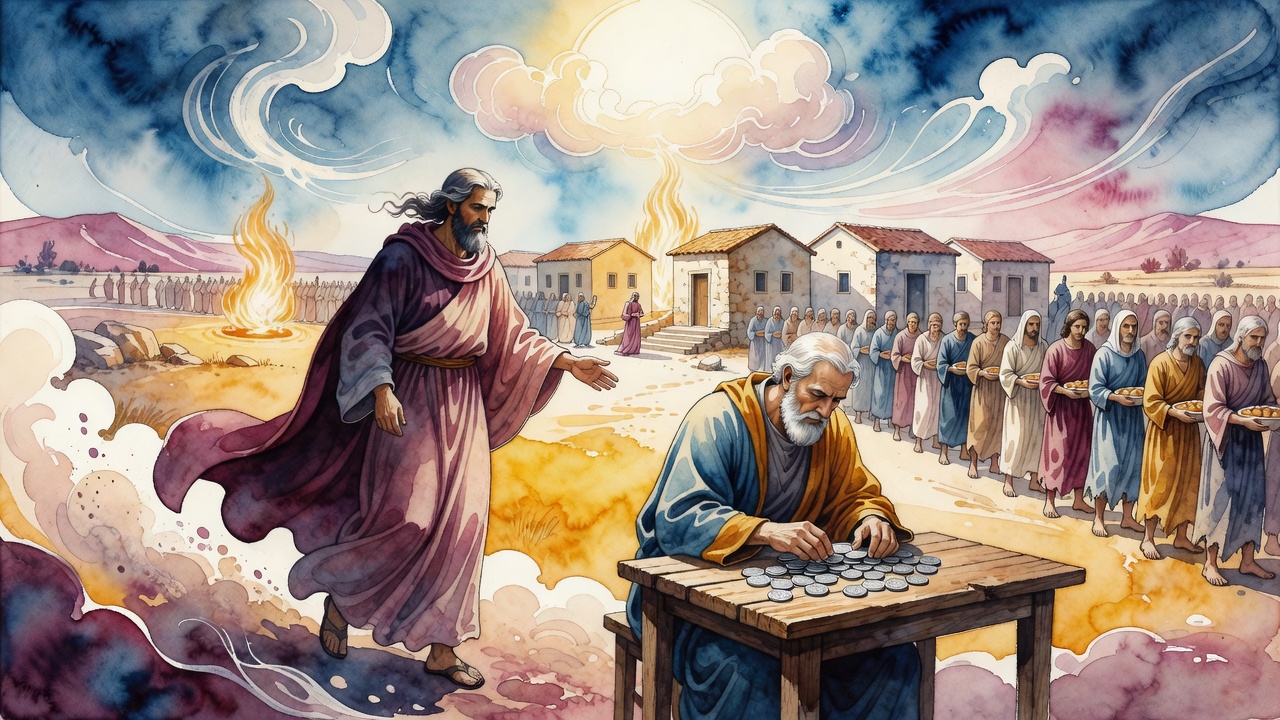
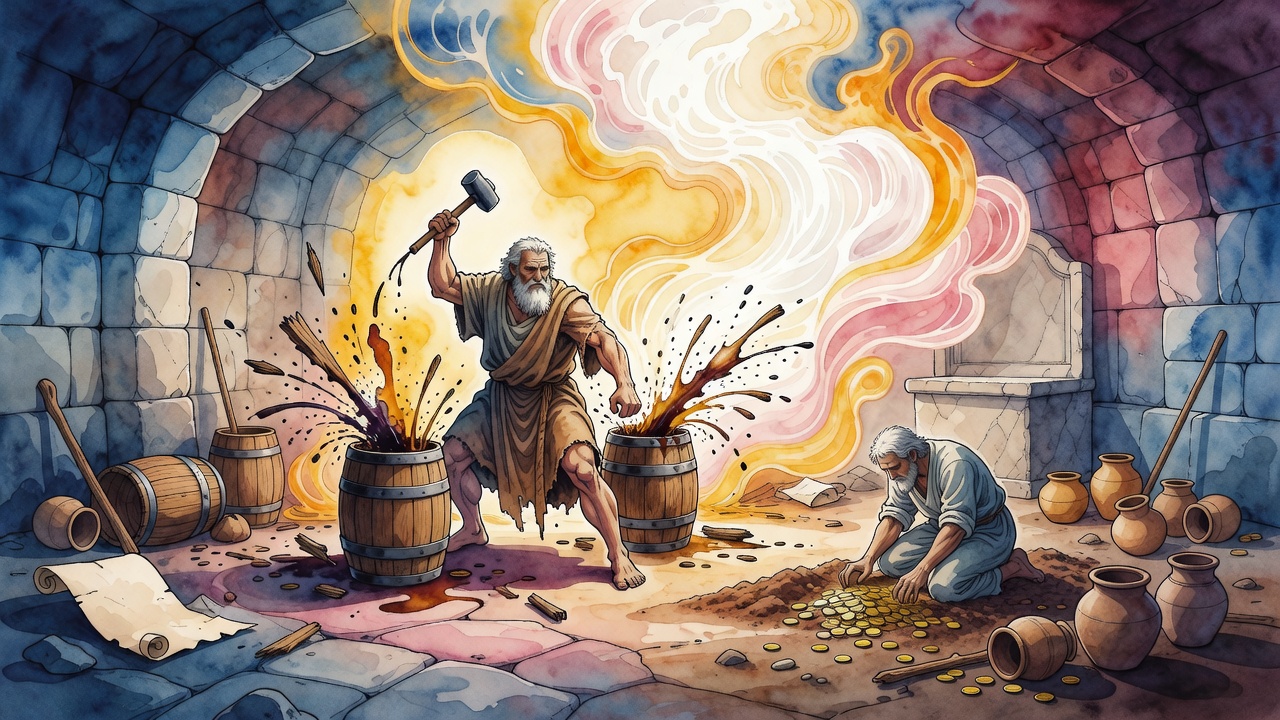
When they finally asked for charity, Barbohin pointed inward. "Go to the one who is inside. She will give you a modius of dinars." His wife asked whether the measure should be heaping or level. They did not know. She heaped it high and said that if he objected she would claim the extra from her marriage settlement.
They returned with the weight of silver and the shock of generosity. He asked which measure she had used. When they told him, he smiled. "That is what I intended. Why did you not come earlier?"
The Fly in the Oil
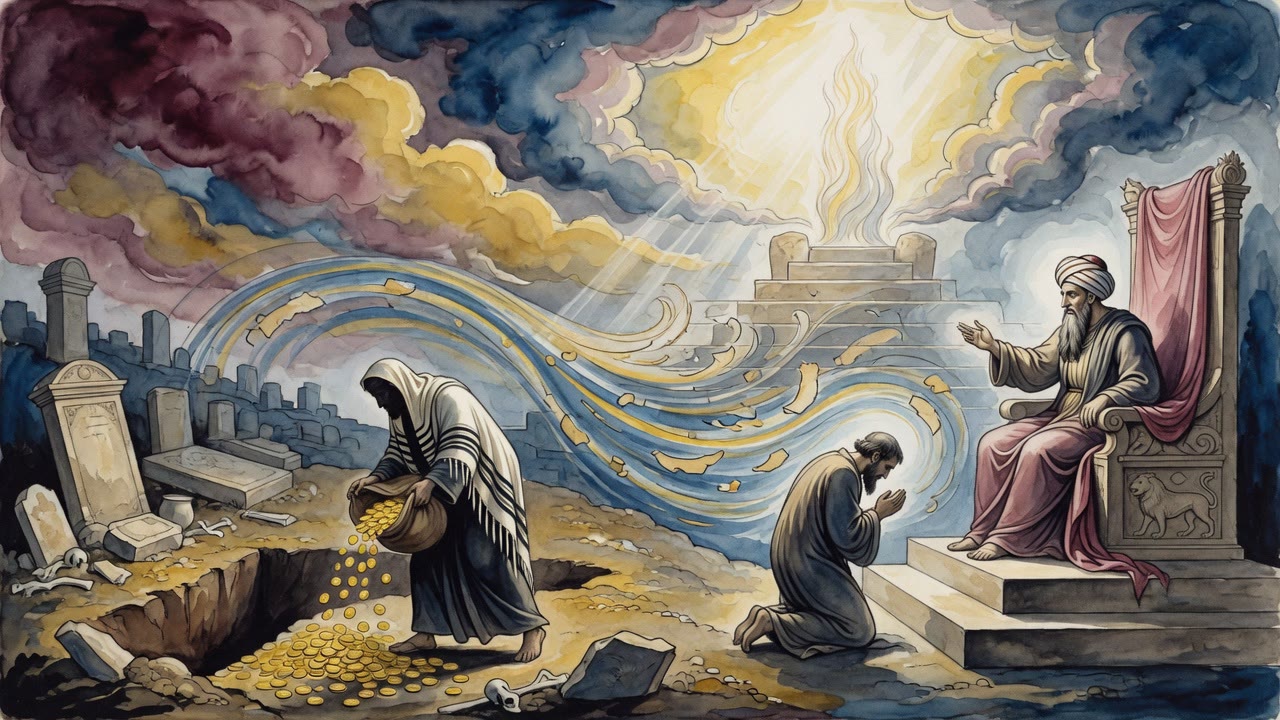
They confessed the endives. Shame sat on their tongues like a bad taste. A little folly of assumption had almost spoiled a great gift, the way a dead fly ruins a jar of perfumer's oil. Ben Azai's warning about a single slip costing much good did not need to be quoted. The collectors had almost become that fly.
Barbohin's wife had understood the ledger without a speech. Between thrift at the table and overflow at the measure, the house practiced one craft. The sages had been looking for a face that looked rich. They almost missed a house that practiced richness as outflow.
The Shared Rejoicing
When Israel is told to rejoice in all the good, the command does not stop at the owner's plate. The Levite without land stands in the doorway. The stranger stands behind him. If the first portion is gone, the second tithe opens. If that is gone, the poor-tithe. If that is gone, peace offerings. If even those fail, charity must still find a loaf.
Barbohin's house lived the ladder in reverse. Cheap greens first. Heaped dinars when the need knocked. The sages left with silver and a new fear of their own ears. Outside, ordinary street noise. Inside, the measure still remembered the heap above its rim.
The pressure did not lift for those standing inside this hour. A child went still. Someone clenched a fist around cloth or staff or coin. The next breath decided more than any later summary would admit. What looked like a small refusal or a small courage became the hinge the whole house turned on. Neighbors would argue the details by morning, but the people inside the moment carried the exact weight in their bones.
← All myths