20 myths
Each story names the sources it was written from.
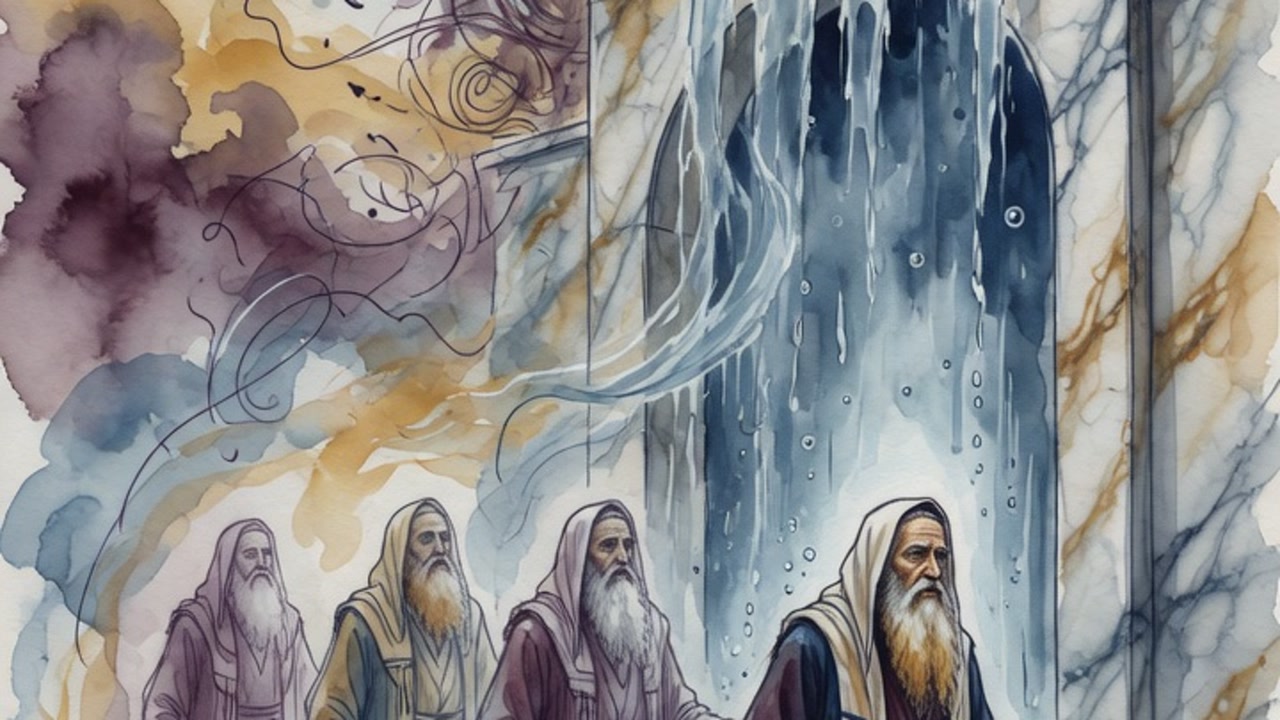
The marble looked like standing water. Akiva told them not to shout. Heaven does not forgive a lie about what sits in front of the eyes.
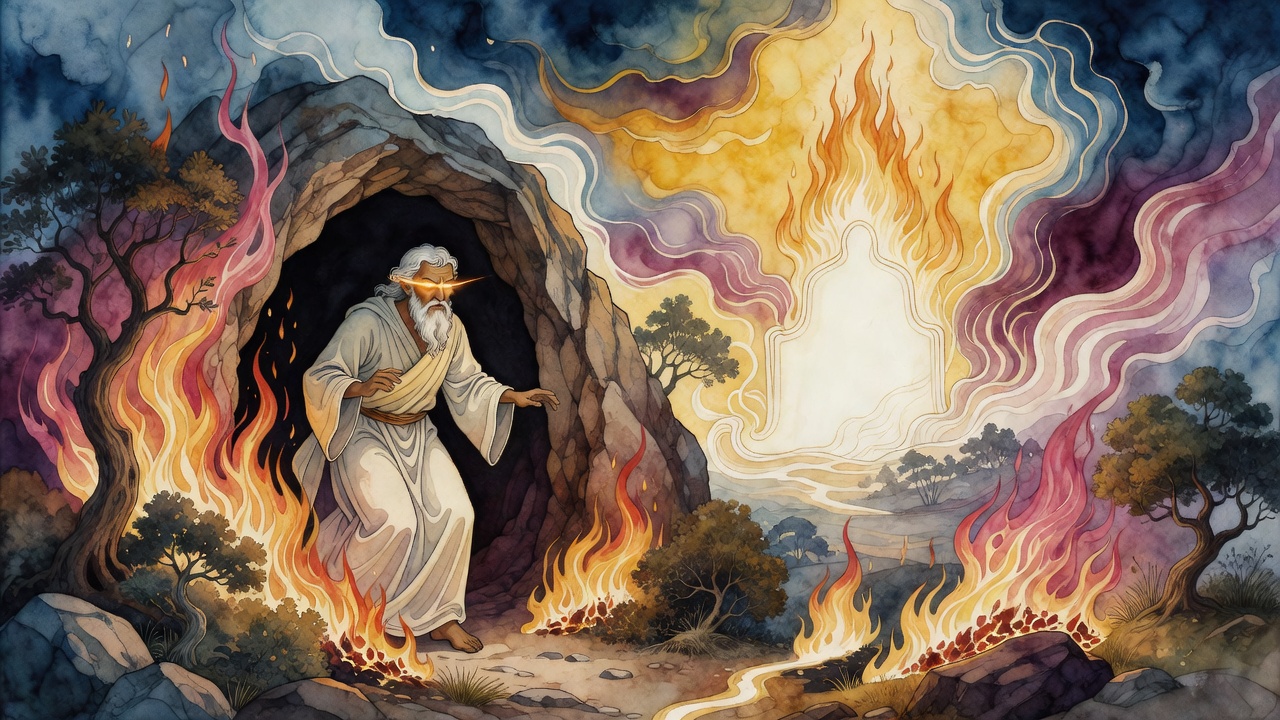
They buried themselves in sand up to the neck so the cloaks would last. When they walked out, a plowed field caught fire under one look.
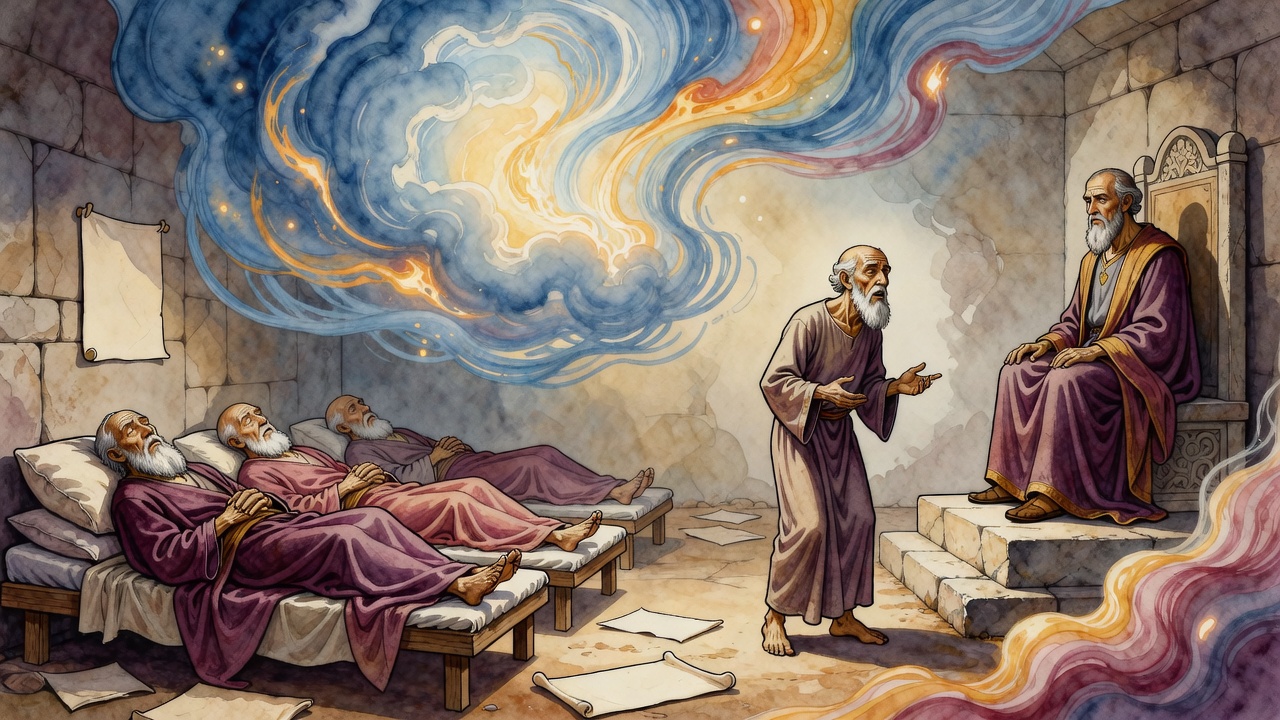
Zavdi's mouth was already dry. He still found a psalm about a table prepared. In Egypt Judah had to find words with no book in his hand.
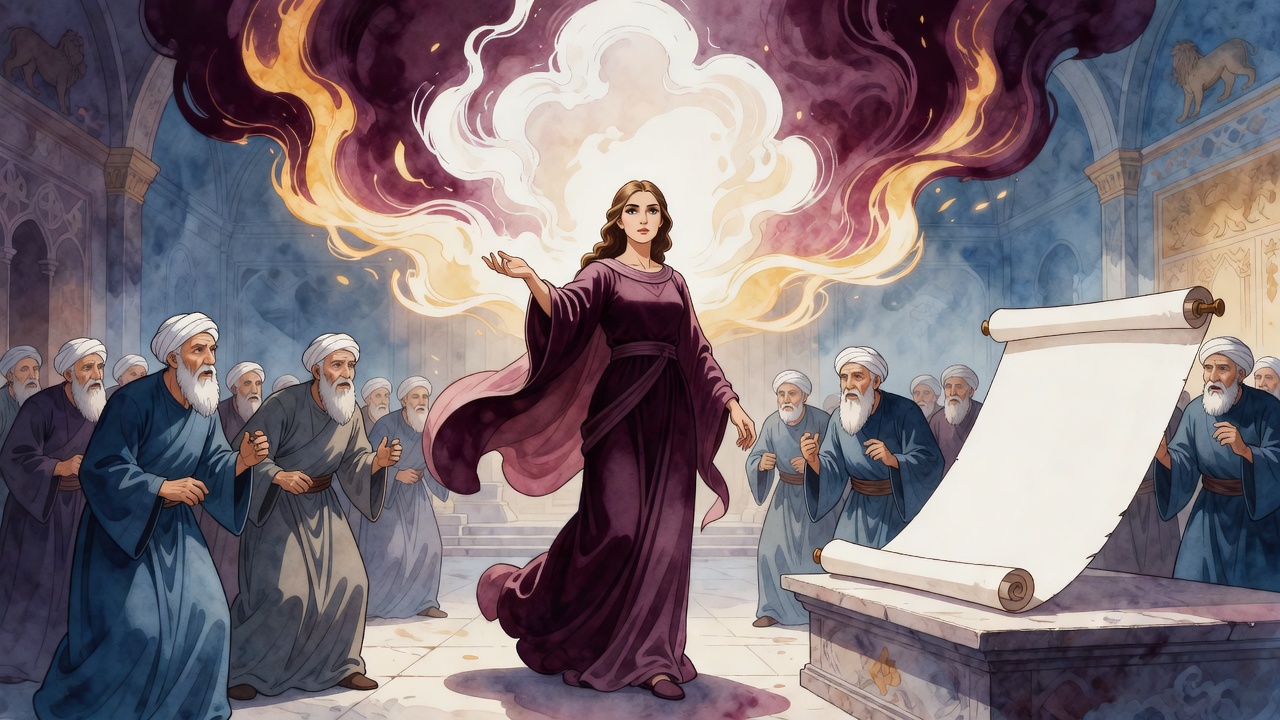
After Shushan was saved, Esther demanded a permanent feast. The sages feared gentile rage until she proved the victory already lived in Persian royal records.
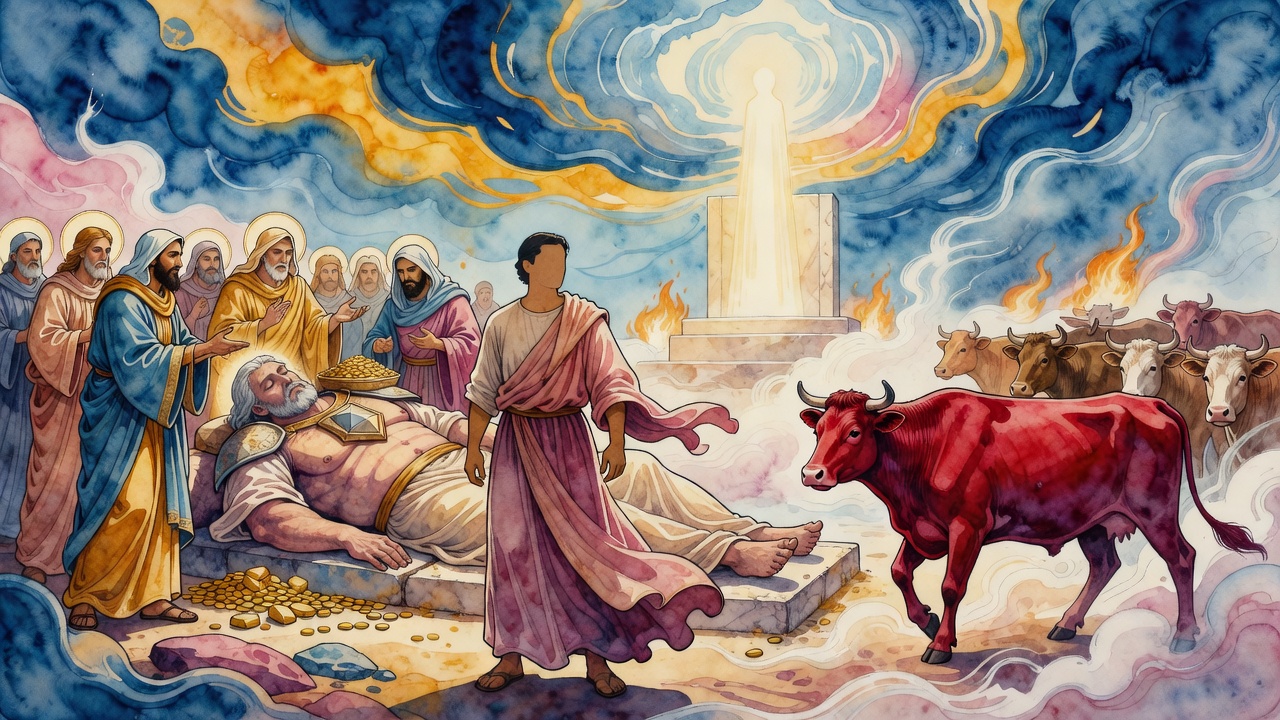
The key sat in a sleeping man's pocket. Temple buyers in Ashkelon kept raising the price, and the son would not move the old man's foot.
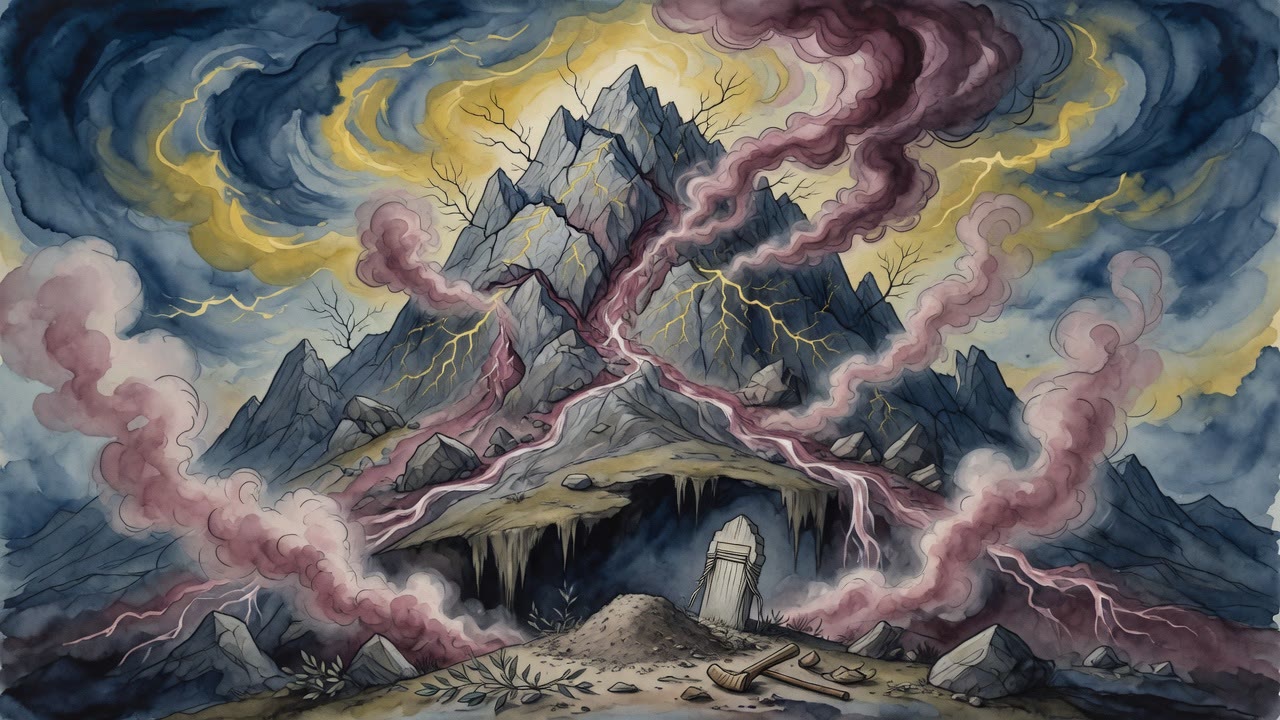
They buried Joshua at Timnath-serah and ran to their new fields. No one spoke over the grave. The hill above him began to move.
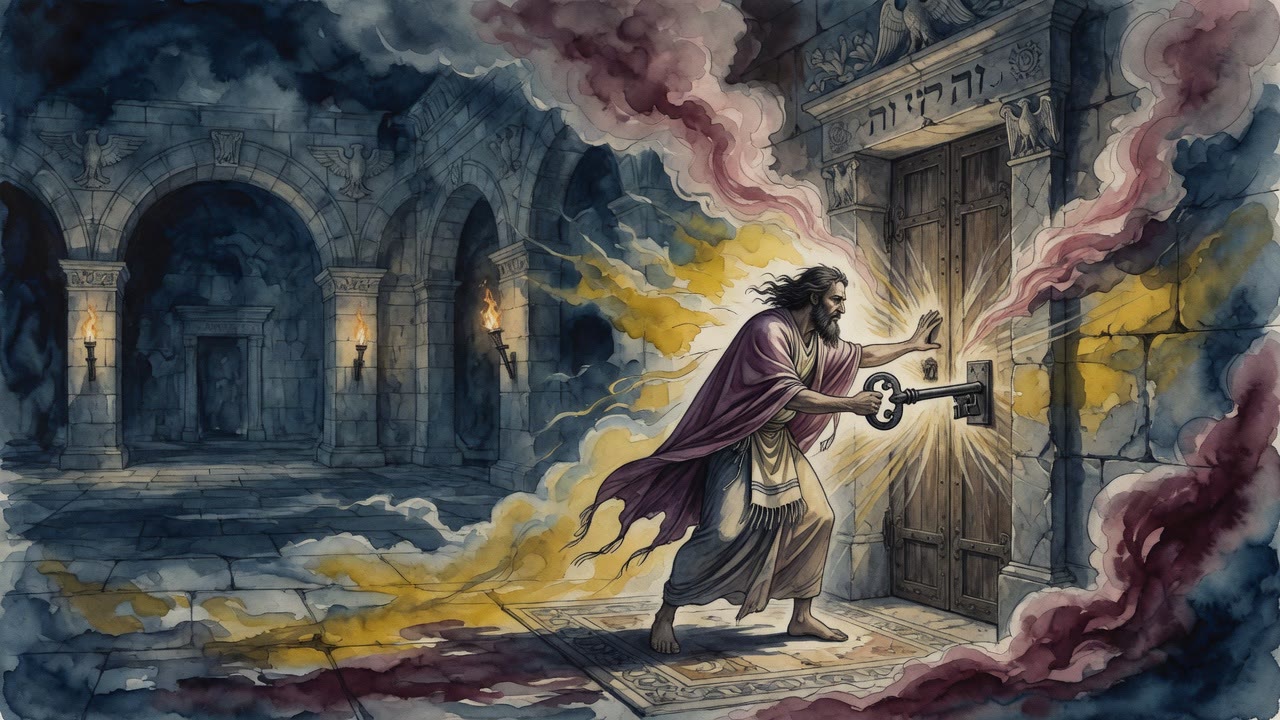
In Rome, Rabbi Joshua locked himself in with a matron, then walked Hadrian past temples and latrines to explain God's missing Name.
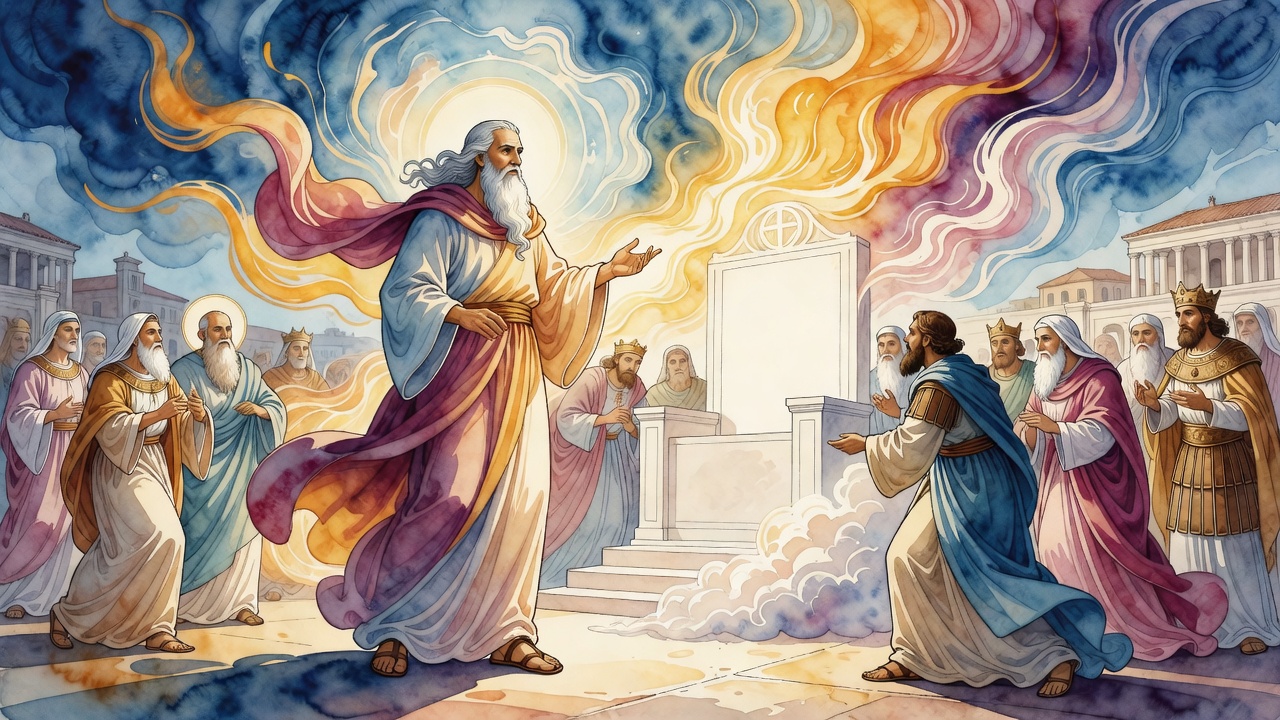
Rome demanded a luminary and asked about pigs. Meir answered with profit and purity, while other sages faced matronas and royal courts.
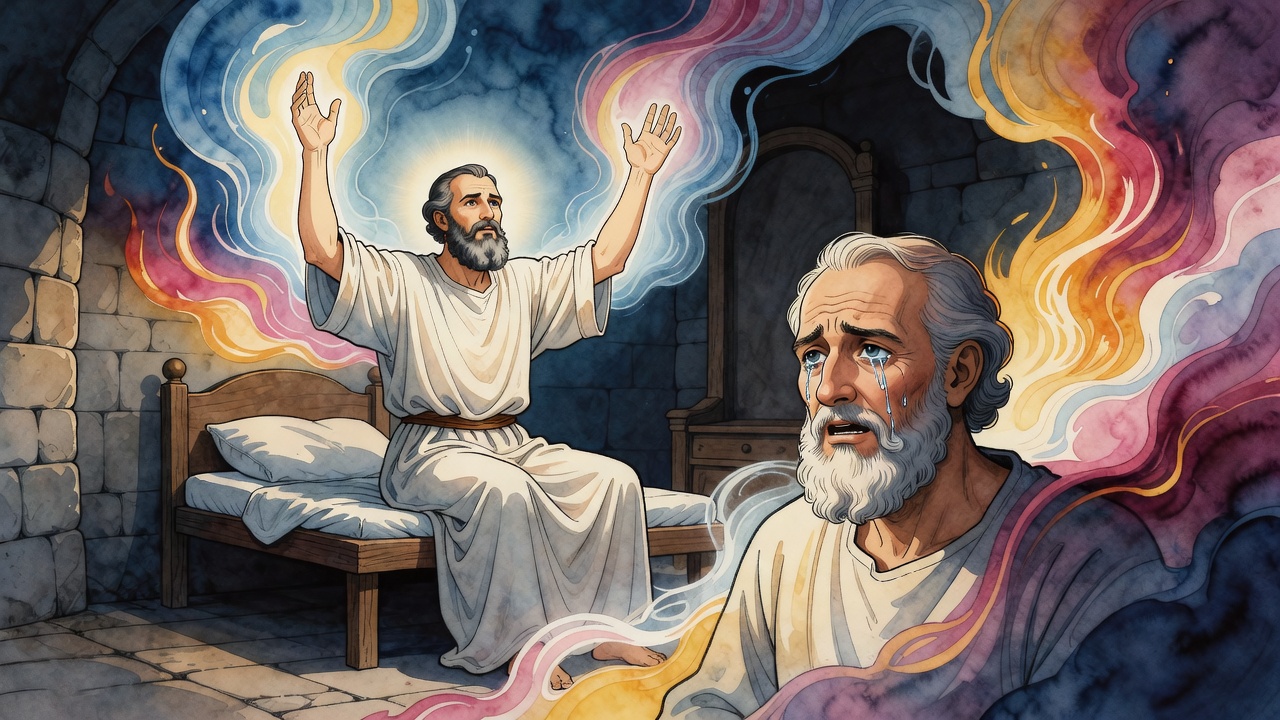
Rabbi Yochanan bared luminous arms in a dark sickroom. Rabbi Elazar wept not for Torah or poverty, but because that beauty would rot in the ground.
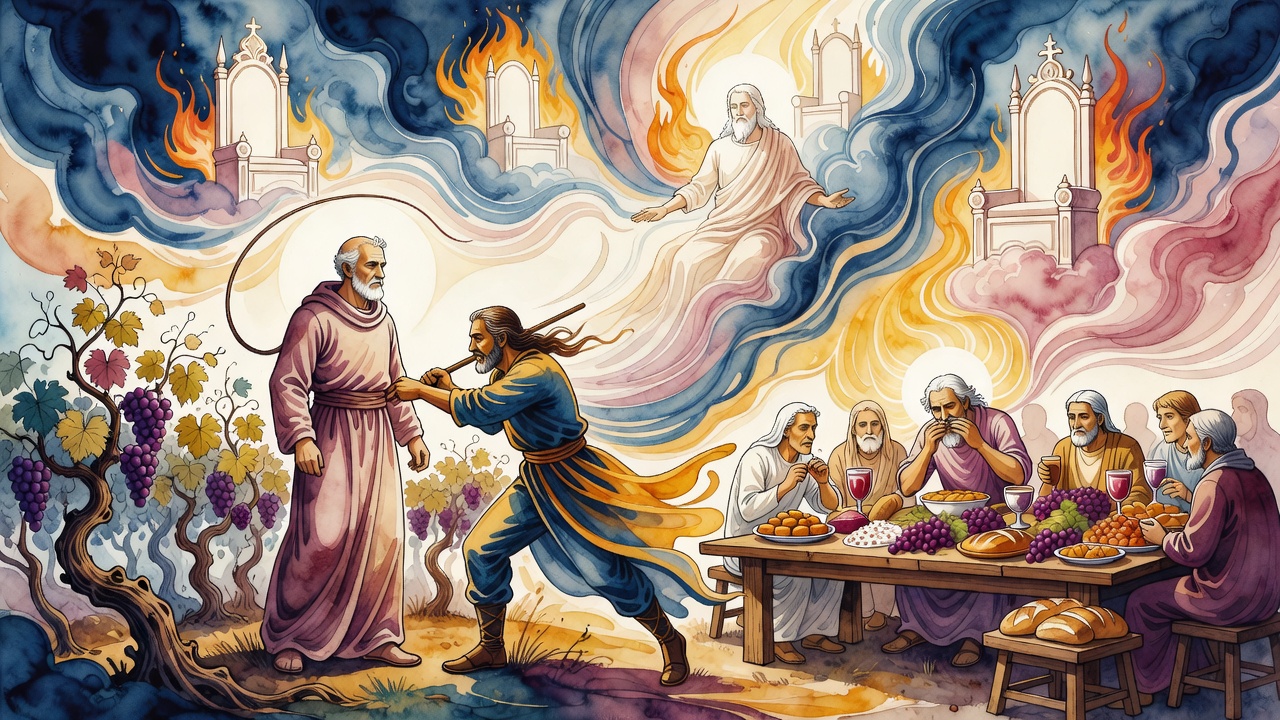
The overseer's stick found the owner of the vineyard. One sentence would have stopped it. Tarfon kept his mouth shut.
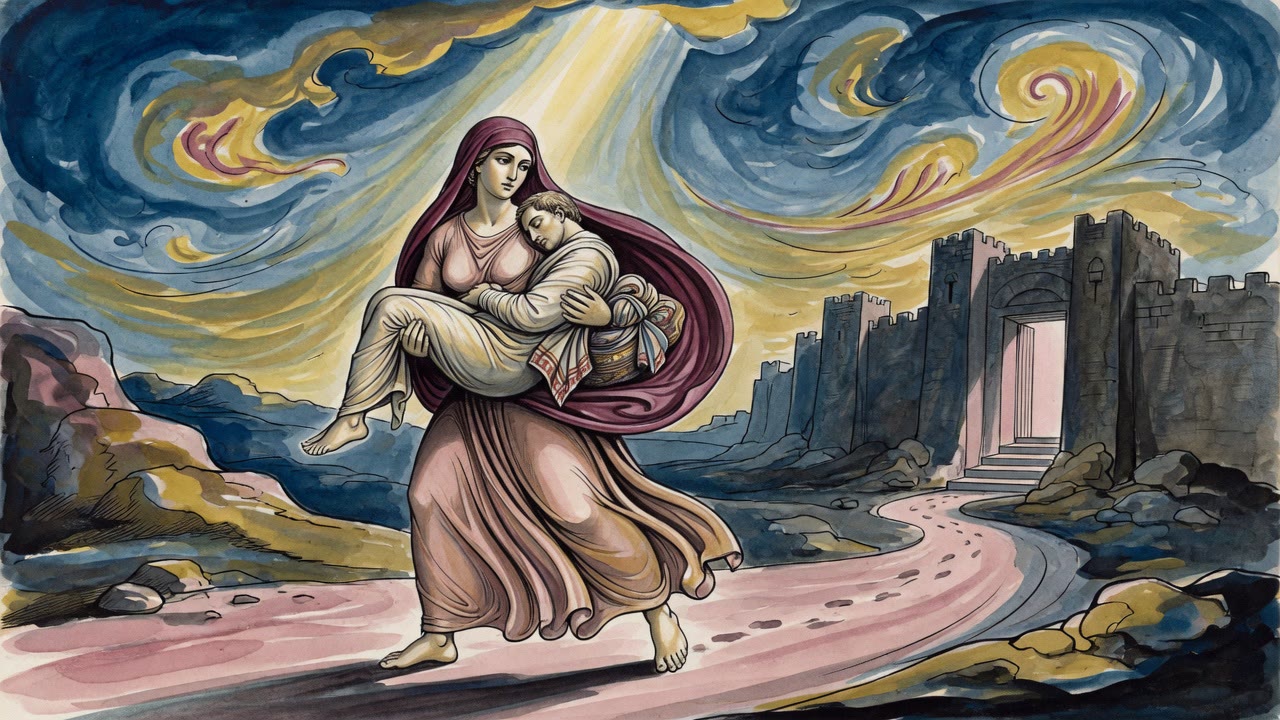
A feverish youth wastes for a woman of his town. The sages refuse every cure that would spend her dignity to buy his recovery.
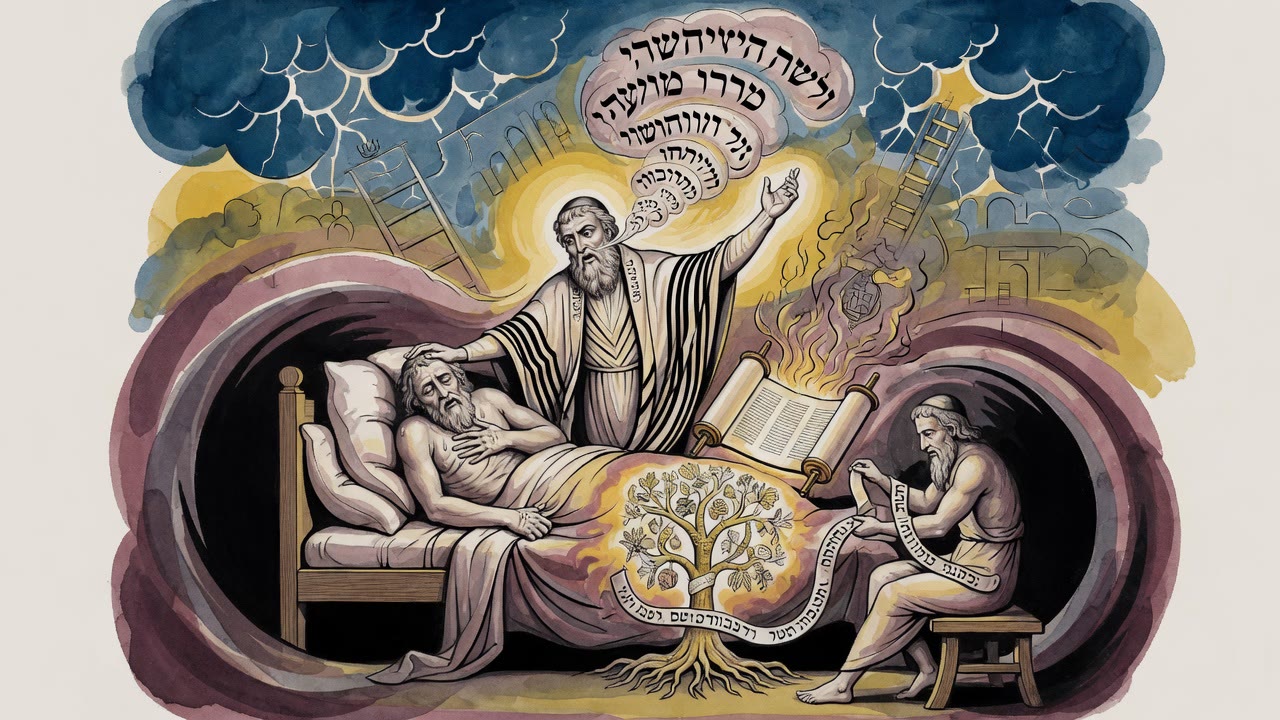
Tarfon called the dying master more precious than the sun. Elazar called him dearer than father and mother. Akiva spoke next, and the sick man sat up.
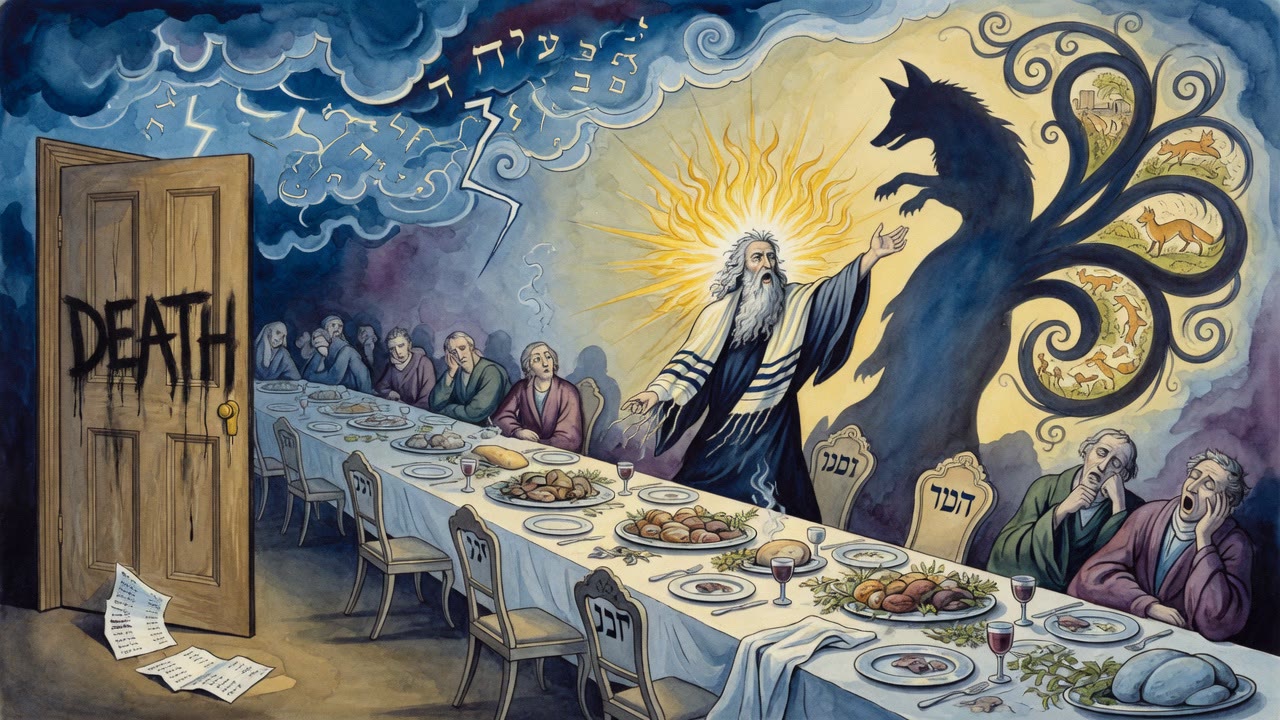
Left off the list, he wrote death on the doorpost. When they seated him at last, he talked until the gravy set and the meat went stiff.
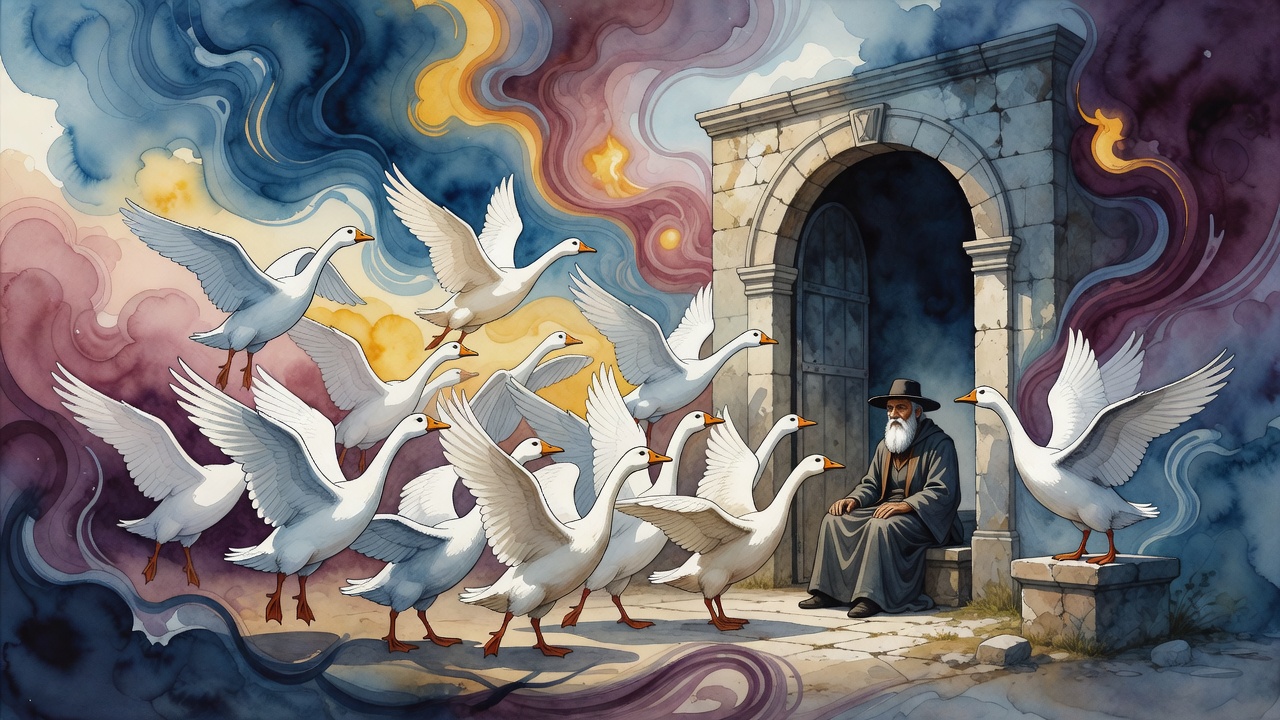
Day after day Rabbi Gidal sat at the bathhouse gate while women passed. Tabillat asked if he was tempted. He answered that they looked like white geese.
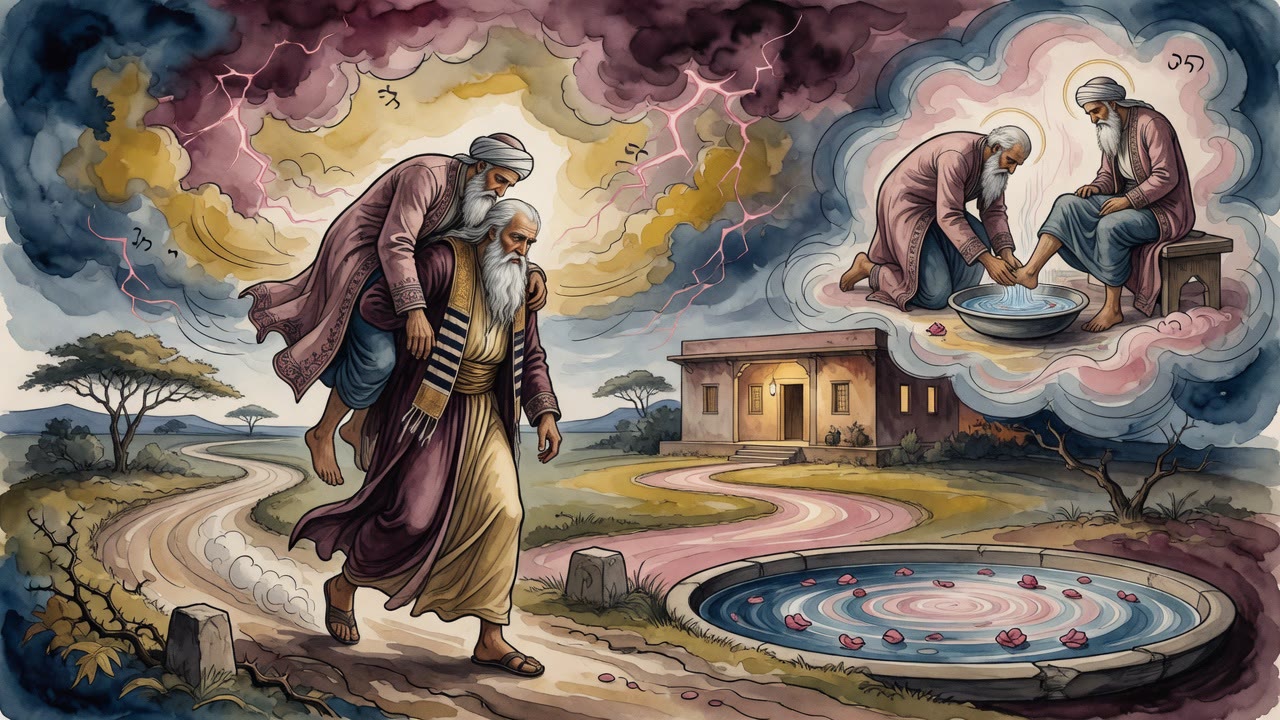
The official's weight sat on Rabbi Hanina's neck the whole walk home. At the basin he washed the man's feet himself.
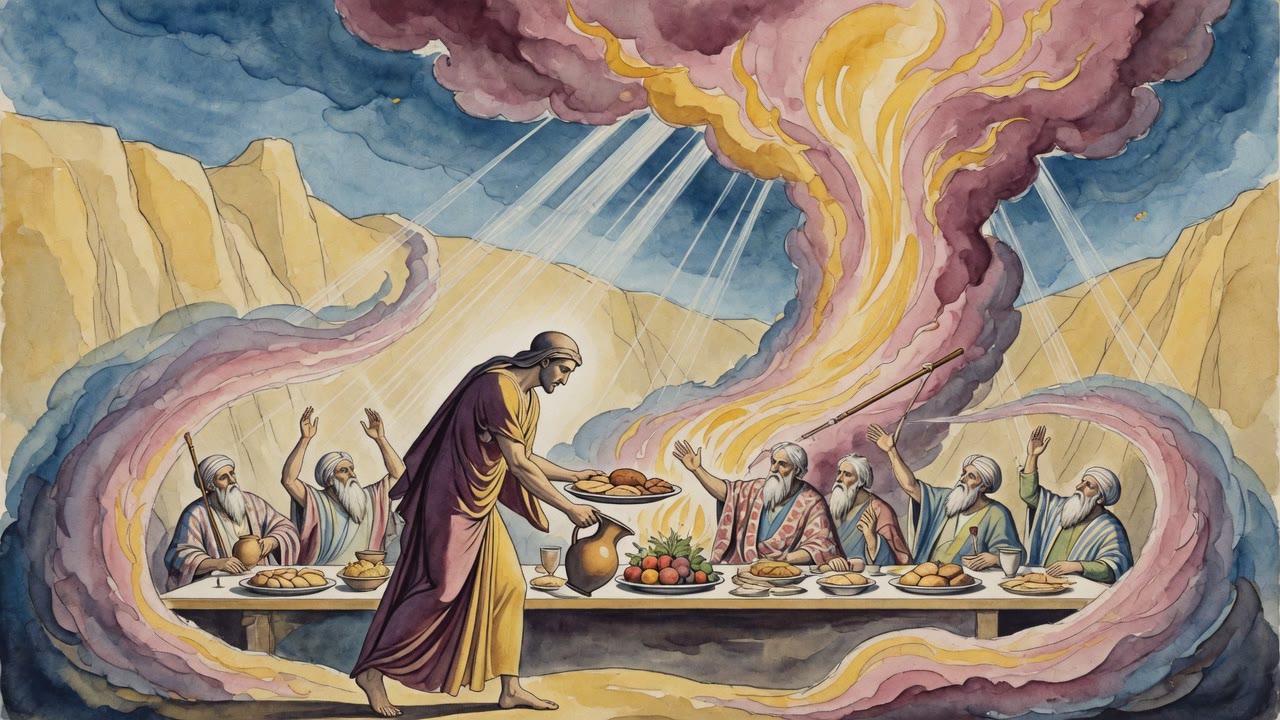
Abraham ran at three strangers he took for idolaters. Centuries later Gamliel poured wine himself, and the sages flinched at the honor.
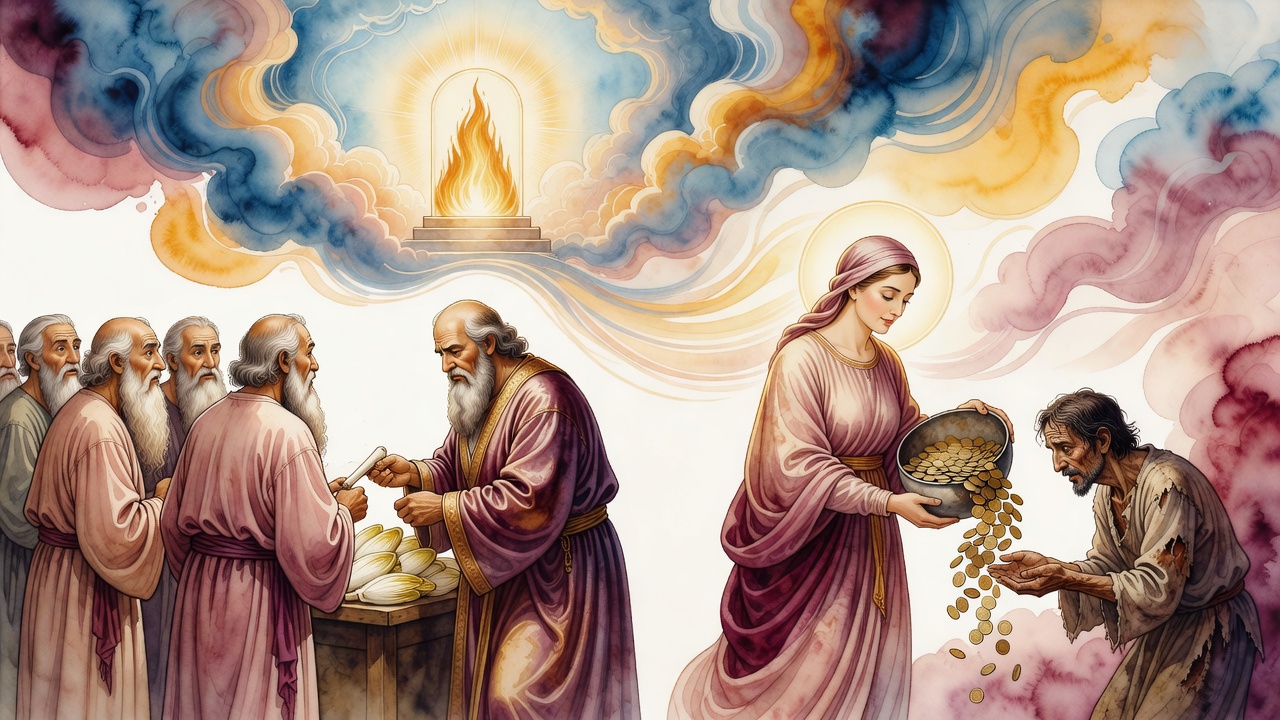
Sages overheard a rich man order wilted greens, walked away, then found his wife pouring a heaped measure of dinars for charity.
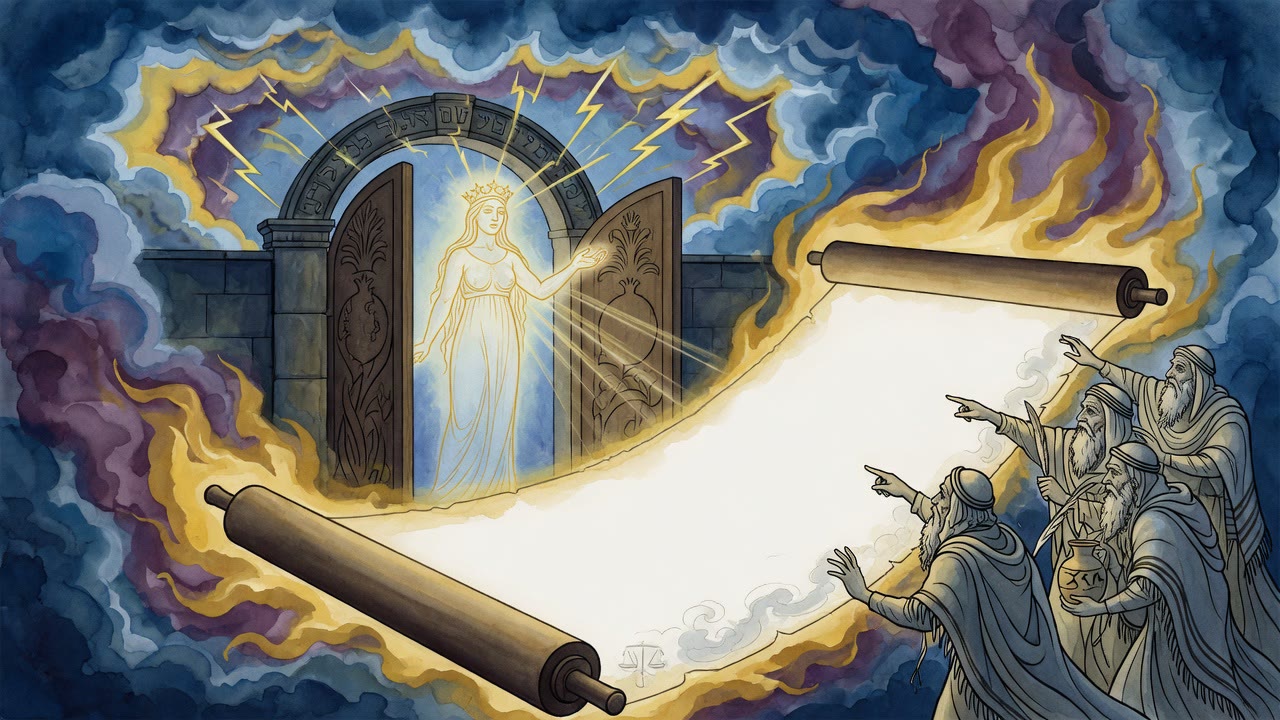
Kohelet sounds like heresy until judgment returns in the last clause. The sages almost suppress the book, then keep it.
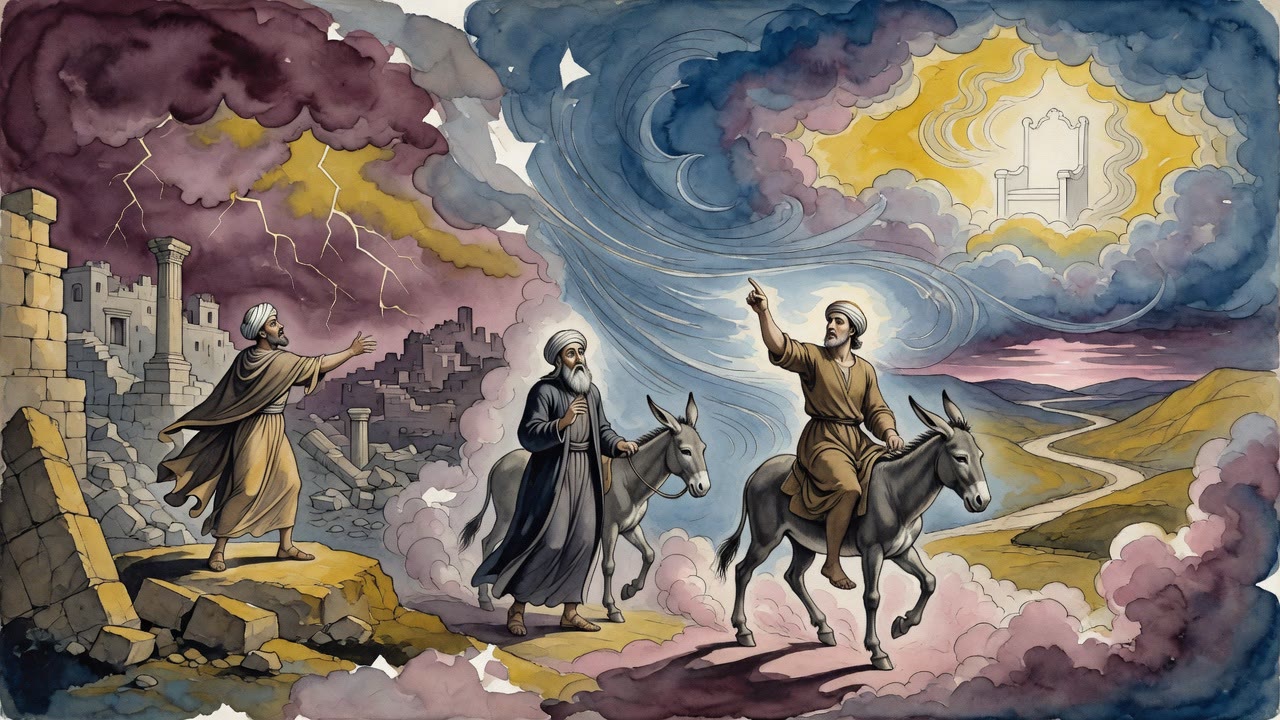
A Samaritan mocked Jerusalem as ruins. Rabbi Yonatan froze. His donkey driver answered from the Flood verse and rode home honored.
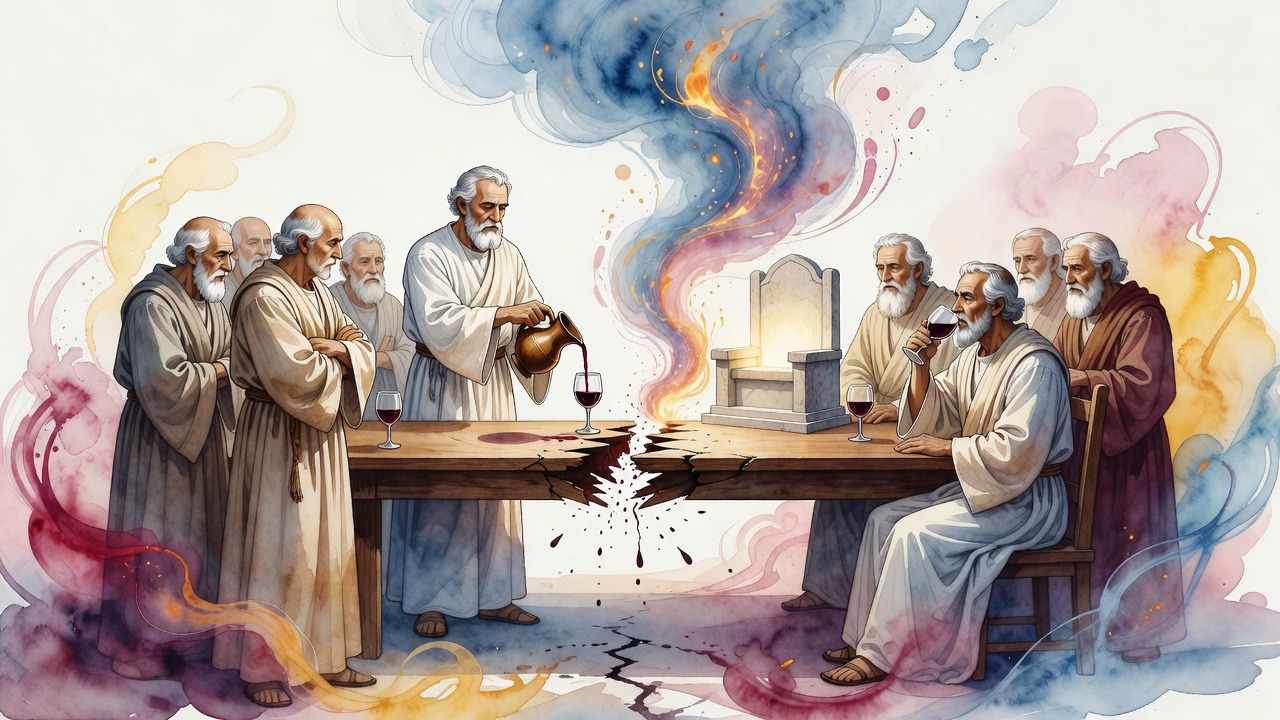
A flute missed a note when Rabbi Eliezer refused the cup. Rabbi Yehoshua drank instead, then set it down. A drop of wine marked the wood like a wound.
