5 min read

The Rich Man Who Buried His Fortune Among the Graves Got It Back

A rich man buried gold among graves because the living still hoped. Years later the poor man he had tested sat as governor and ordered him never to despair.

Curated by Arthur · Told by Maggid ·
Table of Contents
  1. Only the Hopeless Qualify
  2. The Dig at Night
  3. Ten Friends Worth a Thousand Dinars
  4. What Wealth Is For When Hope Still Breathes

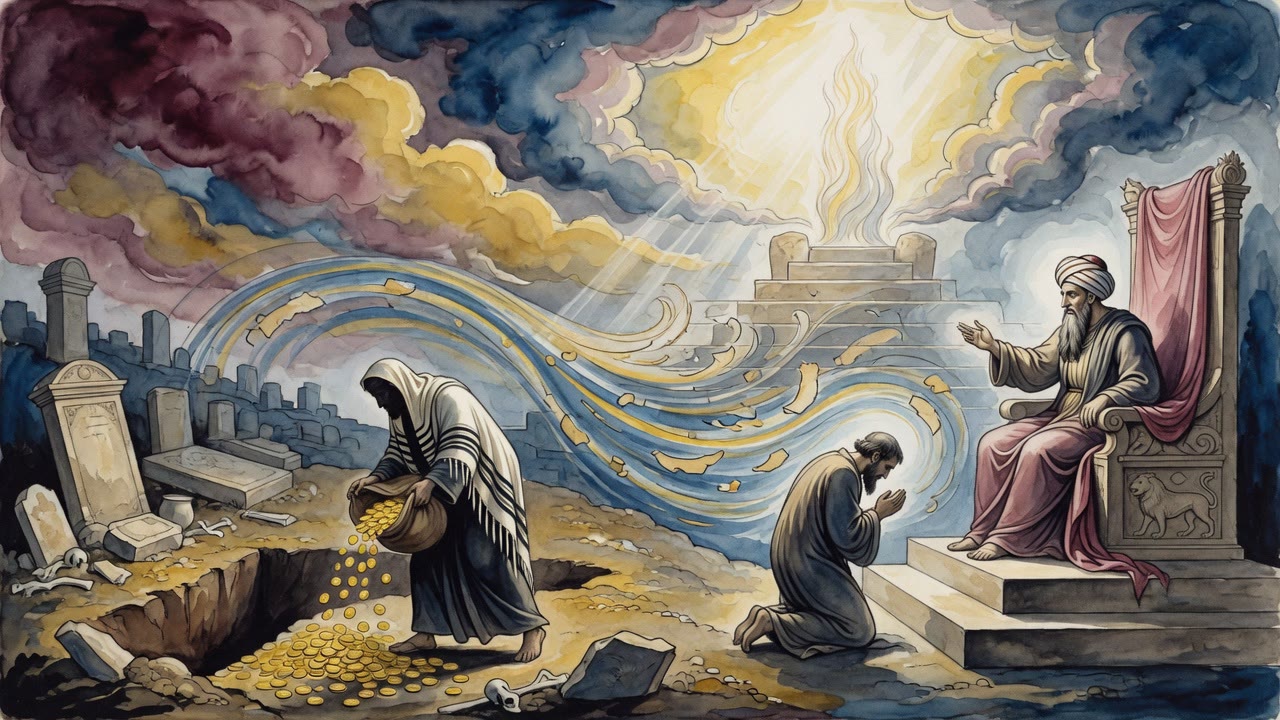
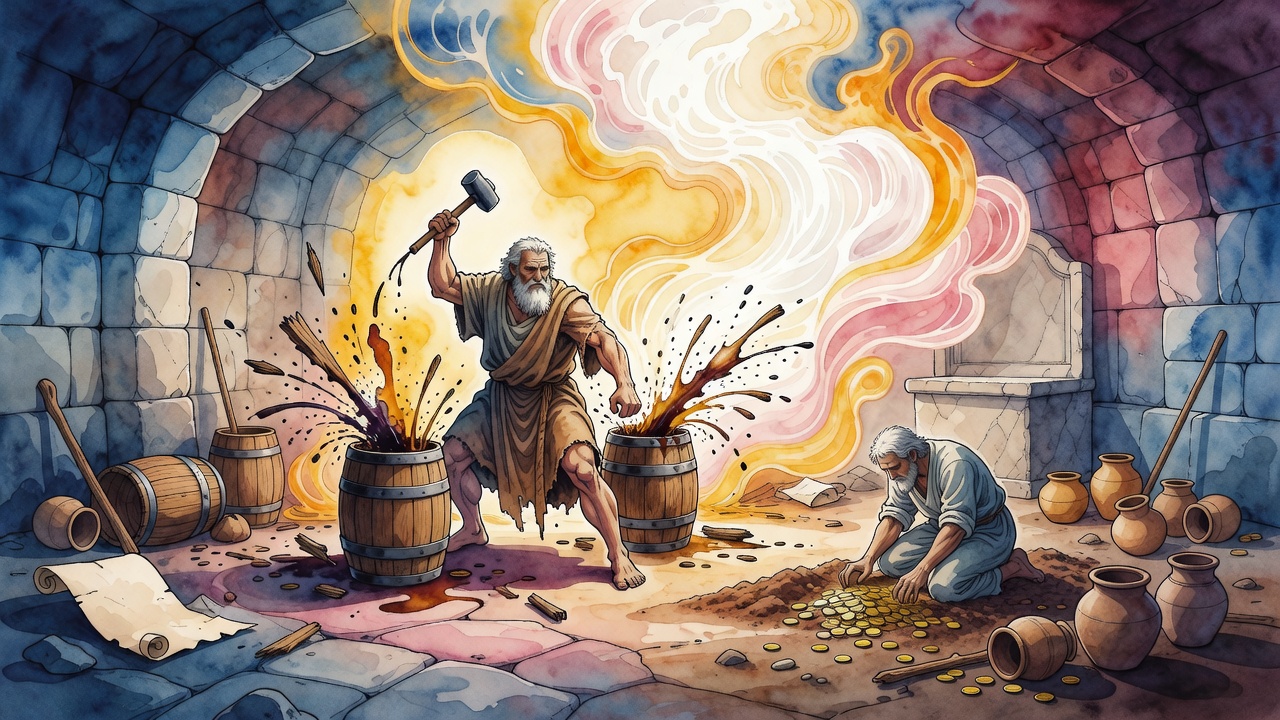
The rich man knelt among the graves at midnight and packed gold into the soil as if he were planting a crop no one would harvest. He had decided the living still hoped too much to deserve his gift.

The Rich Man Who Buried His Fortune Among the Graves Got It Back Click for full size

Only the Hopeless Qualify

Weary of wealth, he resolved to give it away, but not to the ordinary poor of his town. They still prayed. They still spent. They still expected a tomorrow that might be kinder. He wanted a recipient who had closed the book on the future, someone for whom coin could mean nothing because the story had already ended. Outside the walls he found a man in rags sitting in the dust and offered him the entire fortune on those terms, proud of the purity of his experiment.

The poor man refused. "I cannot take your money that way. The Holy One forsakes no one who breathes. Only the dead have truly lost hope. Give it to them if you must."

The rich man took the sentence as instruction rather than rebuke. He carried the bags to the cemetery, buried the fortune among the tombs, and walked away lighter and, he thought, wiser. He had found the only honest charity left in a world of people who insisted on living.

The Dig at Night

Years passed. Other losses found him the way losses do when a man believes he has finished with hope. He became poor himself. Remembering the cache, he returned by night with a spade and a plan to recover what the dead had never spent. Watchmen seized him as a grave robber, a stripper of the dead, and hauled him before the governor while dirt still clung to his nails.

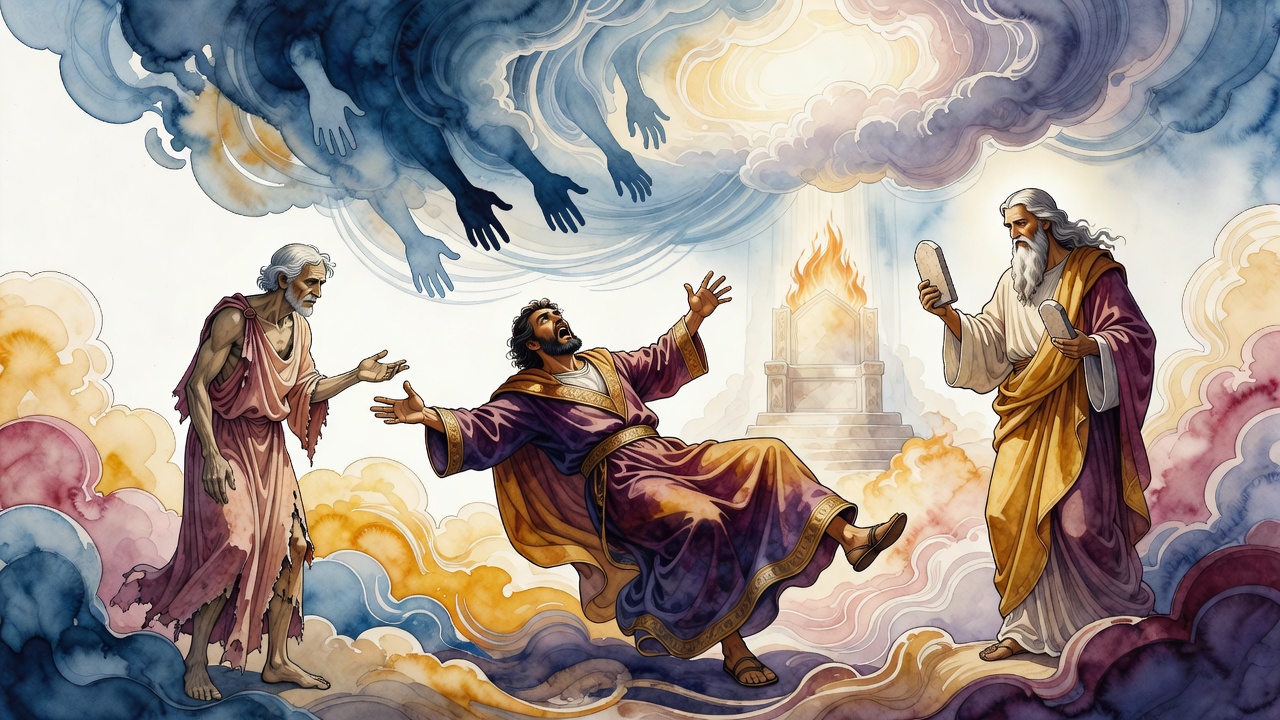
The governor looked up from the bench. He was the same man who had once sat in rags. Noble-born, ruined for a season, he had risen through the long reverse of fortune into office. He recognized the prisoner at once. The prisoner did not recognize him. The governor let the man tell the whole story without interruption: the experiment in despair, the burial among graves, the years of his own collapse, the midnight return.

Then the governor revealed himself. "You wanted to give your fortune to the only person without hope. I told you no living person is without hope. I sat in dust. Now I sit here. Take your money back. Learn what I said then. Al tityaesh. Never despair."

The rich man left with coin and a harder lesson. He had misread the living as already dead, and the dead had taught him nothing until a living man on a bench forced the lesson home.

Ten Friends Worth a Thousand Dinars

Another rich man, dying, faced a different ledger. He had sworn each of ten sons one hundred dinars. Business failed. Fifty dinars vanished from the total. Nine hundred fifty remained. On his deathbed he counted aloud with the sons gathered close enough to smell the end of the oil in the lamp. He paid nine older sons their hundred each and set thirty of the remainder aside for burial.

To the youngest he gave twenty. "In place of the rest," he said, "I leave you the friendship of ten men who were mine. They are worth more than a thousand dinars. You will see."

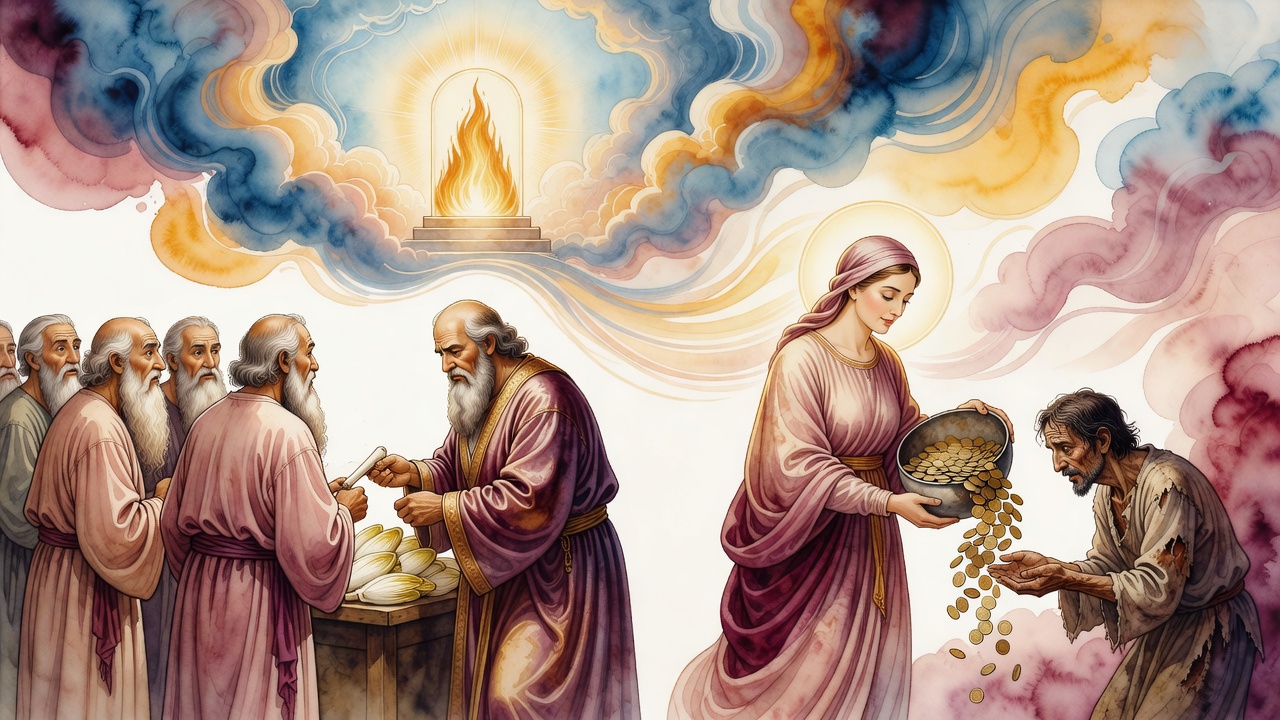
The nine took their coins and went straight to business, as if the father's last sentence had been decoration. The youngest spent his twenty on a feast for his father's friends. He set out what he could. He received them with honor and said, without flourish, "You were my father's. I hope you will be mine." Each man answered with a gift: a cow, a contract, coin, a door opened in a trade the boy could not have forced alone. Before long the youngest outstripped the wealth his father had ever held, not because twenty dinars multiply by magic, but because ten loyal men multiply by will.

The verse the story leans on is plain. "Your own friend and your father's friend, do not forsake" (Proverbs 27:10). Coin spends. Friendship compounds while the spender sleeps.

What Wealth Is For When Hope Still Breathes

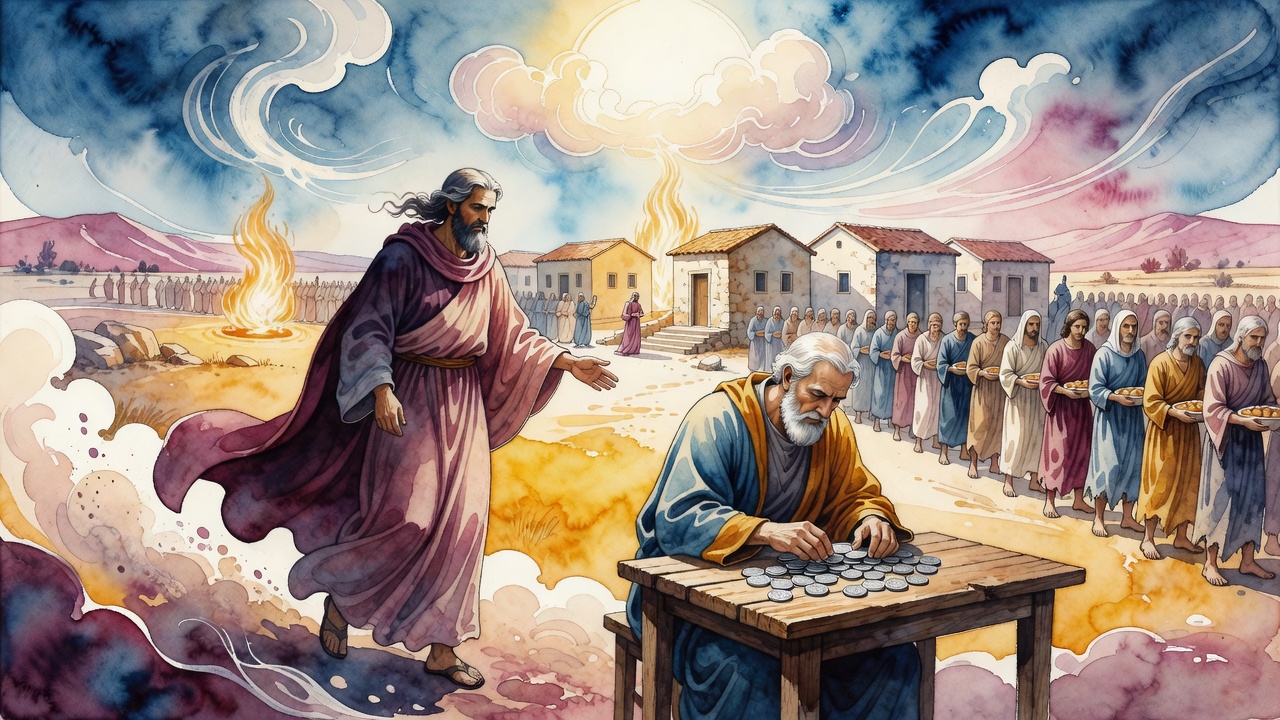
One man buries gold because he no longer believes the living can rise. Another man bequeaths living allies because he knows gold thins. The first learns his error only when the "hopeless" poor man rules him from a governor's seat. The second never needs the correction. His youngest already understands that a table set for ten friends is a better vault than a grave, and that despair is a luxury the breathing cannot honestly claim.

Hope, in both tales, is not cheap optimism. It is the refusal to treat a breathing person as finished merchandise. The governor's seat and the youngest son's feast are the same argument dressed in different clothes. Do not bury what still has a future. Do not spend only what can be counted. Keep the people who will still know your name when the dinars are gone.


← All myths
From the tradition

Sources

2 sources

The texts behind this telling. Some cards carry a translation of the source; others are our own retelling of it, and each card says which. Every card links out to the original.

Gaster, Exempla of the Rabbis No. 414; Nissim Gaon, Chibbur YafehThe Exempla of the Rabbis (1924)

Retold in our words. Read the original at the link below.The Exempla of the Rabbis, Moses Gaster (1924) · PD-US-pre-1929

Gaster's exemplum No. 414, drawn from Rabbenu Nissim Gaon's 11th-century Chibbur Yafeh Me-HaYeshuah, tells the story of a rich man who decided to conduct an experiment on despair.

He was weary of his wealth and resolved to give it away. But he refused to distribute it among the poor of his town, because, he reasoned, the poor still had hope. They would use the money, spend it, pray for more. He wanted to give his money only to someone who had completely given up, someone for whom money could mean nothing, because the future had already closed.

He went outside the town and found a poor man sitting in the dust, dressed in rags. The rich man offered him the entire fortune, explaining his logic: "I want to give my money to one who has lost all hope in this world."

The poor man refused. "I cannot take your money on those terms. The Holy One, blessed be He, is merciful. He forsakes no one who breathes. Only the dead have truly lost hope. Give it to them if you must."

The rich man took the answer literally. He went to the cemetery and buried his wealth among the graves. Only the dead, by his count, had finally given up.

Years passed. His fortune spent in other ways, the rich man fell on hard times himself and became poor. At last, remembering the buried treasure, he went to the cemetery at night to dig it up. The watchmen caught him in the act. He was arrested on charges of stripping the dead and hauled before the governor.

The governor looked up at the accused. He was none other than the same poor man who had once refused the fortune. He had been, it turned out, of noble family, and after years of misfortune had been elected to the governorship.

He recognized the man. The prisoner did not recognize him. The governor let the man tell the whole story, the despair experiment, the burial among graves, the years of his own ruin. Then the governor revealed himself.

"You said once that you wanted to give your fortune to the only person without hope. I told you that no living person is without hope. Look: I sat in rags in the dust, and now I sit in the governor's seat. You buried your fortune among the dead because you did not believe the Holy One still worked in the living. Now take your money back, and learn the lesson I gave you years ago: al tityaesh. Never despair."

The rich man went home wealthier in coin, and incomparably wealthier in understanding.

Full source
Gaster, Exempla of the Rabbis No. 416 (R. Nissim, Chibbur Yafeh, 1924)The Exempla of the Rabbis (1924)

Retold in our words. Read the original at the link below.The Exempla of the Rabbis, Moses Gaster (1924) · PD-US-pre-1929

A rich man once swore an oath before his sons that when he died he would leave each of them one hundred dinars. He had ten sons, so the promise totaled one thousand dinars. Then his business suffered reversals, and fifty dinars were lost. He had nine hundred and fifty left, not one thousand.

On his deathbed, he did the math aloud with his sons gathered around him. I gave my oath. I must keep it to at least nine of you. He counted out nine hundred dinars and gave each of his nine older sons his hundred.

The youngest, the tenth, stepped forward. Father, what do you leave for me?

The father looked at him. You get twenty dinars of the fifty I have left. Thirty must stay aside for my burial. But in place of the rest, I bequeath you something worth more than all my gold: I leave you the friendship of ten men who were mine. They are worth more than a thousand dinars, you will see.

The father died. The nine older sons took their coins and went to their businesses. The youngest, with his twenty dinars, invited the ten friends of his father to a feast. He set out everything he could afford. He received them with honor. He told them: you were my father's; now I hope you will be mine.

The men were moved. Each one, independently, insisted on marking the relationship with a gift. One gave the boy a cow. Another gave him money. Another secured him a contract. Within a short time, the youngest son had become wealthier than his father had ever been.

Gaster's Exempla (No. 416, 1924), drawing from Rabbi Nissim of Kairouan's Chibbur Yafeh mei-haYeshuah (11th century North Africa), uses the parable to illustrate (Proverbs 27:10), your own friend and your father's friend do not forsake. The rabbinic teaching is almost modern. A thousand dinars will be spent in a year. Ten true friends are a compounding investment that grows forever.

Full source