Silver Baskets Returned While Willow Baskets Stayed
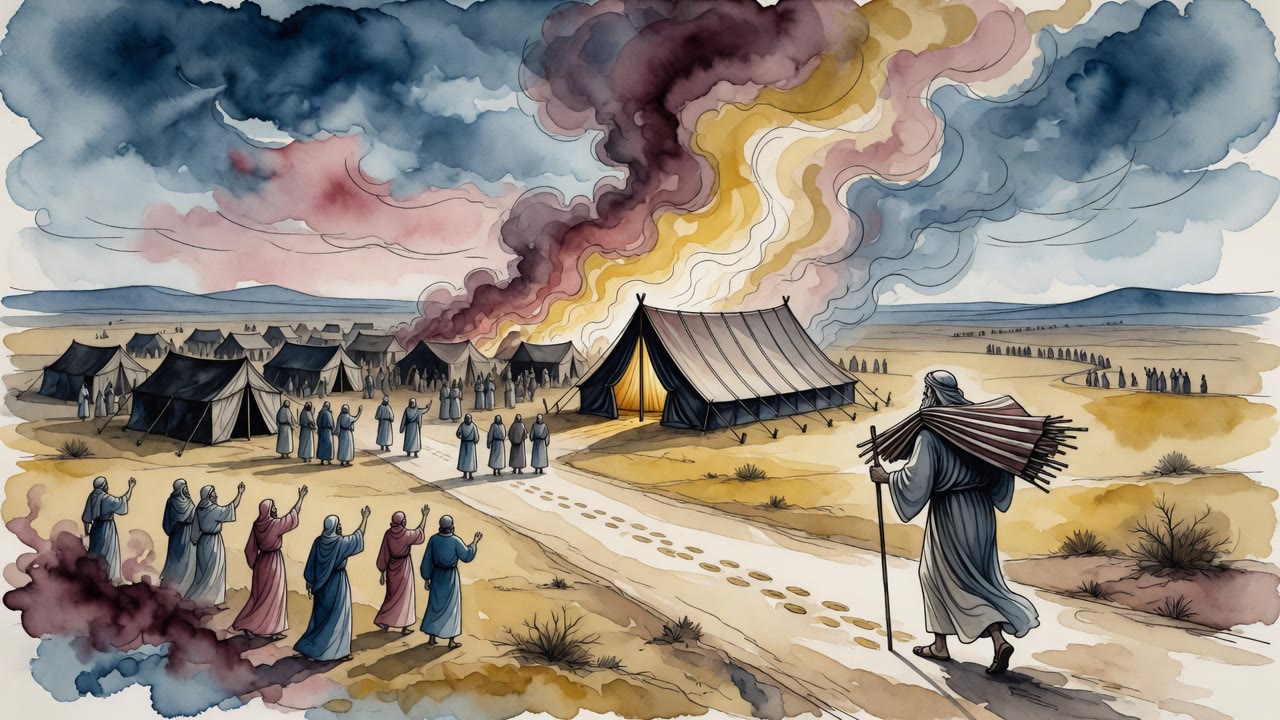
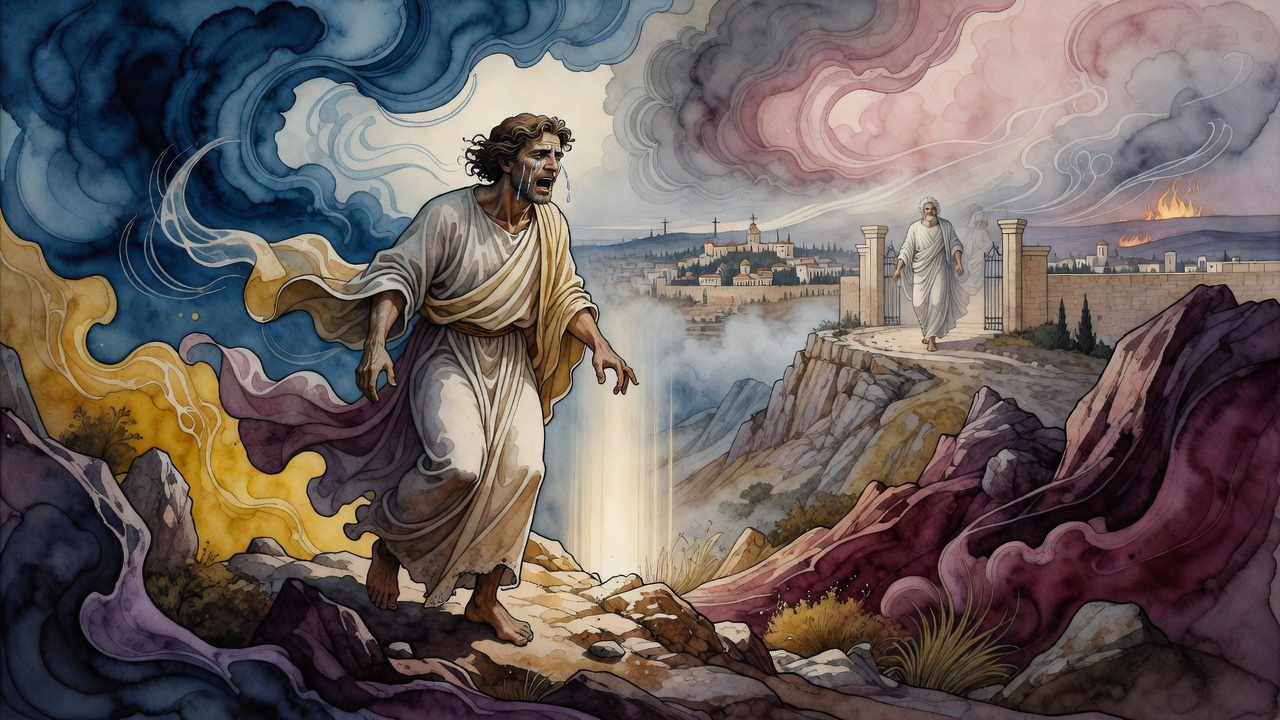
The poor farmer walked down the mountain with juice still on his fingers and nothing else. The rich man's gold basket clicked against his belt.
Table of Contents
 Click for full size
Two Roads Up the Mount
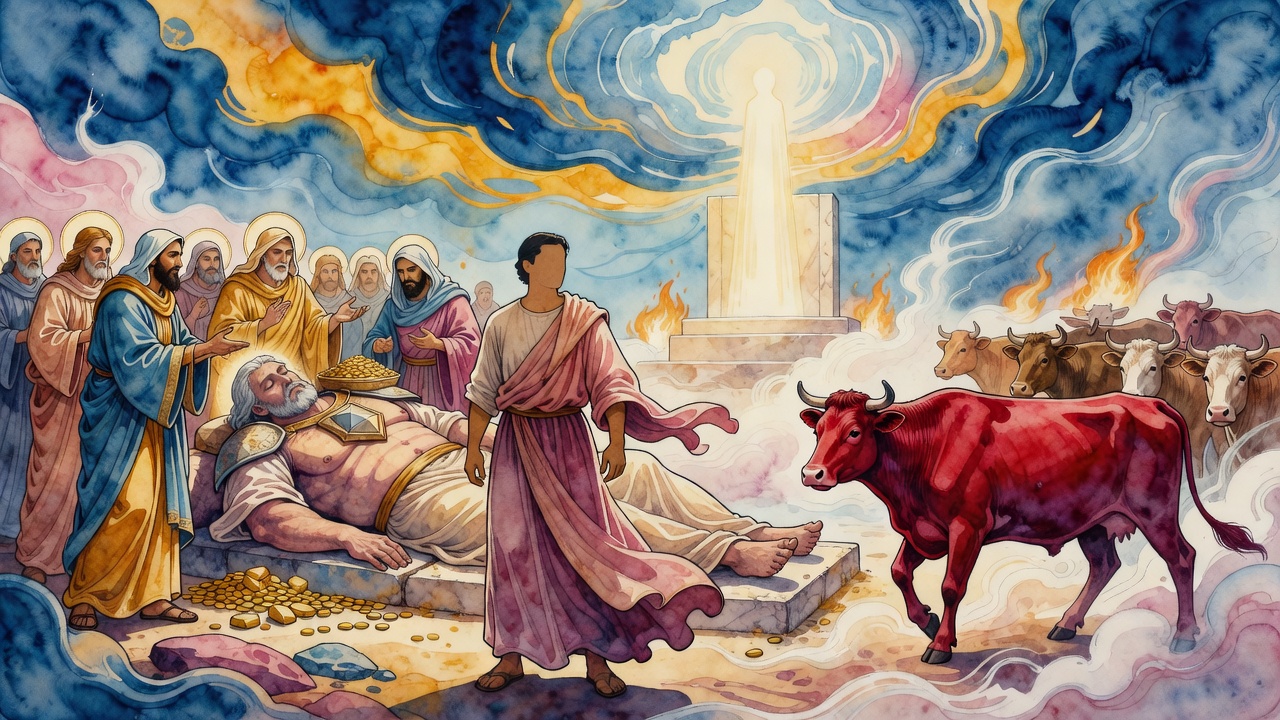
The wealthy climbed with baskets of silver and gold that caught the sun like small shields. The poor climbed with wicker of willow, light in the hand and heavy with the last fruit they could spare. Both roads met at the same altar. Both sets of first fruits were holy. Then the priests did something that made the sages' mouths go thin.
Silver and gold were returned to the rich. Willow baskets were kept. The rich walked down the mountain with their fine vessels. The poor walked down with empty hands. "Is this not backwards?" the protest ran. The one who has little gives more, because he loses even the basket. The one who has much gives less, because his vessel comes home.
Respect That Tips the Scale
The episode became a teaching against undue respect for wealth. Rabbi Shimon ben Gamliel warned that a court which honors the rich man over the poor man in judgment is already failing its work. First fruits were meant to equalize the climb. The baskets reintroduced rank at the exact moment rank should have been silent.
A poor man who loses his willow container loses a tool he needs next season. A rich man who loses nothing of his vessel loses only the performance of generosity. The Temple, by keeping the cheap basket, took more from the one who could least afford theater.
Wicked Buried, Just Forgotten
Kohelet watched another reverse of honor. "I saw the wicked buried" (Ecclesiastes 8:10). Funerals with processions. Names still spoken in the city where they did their harm. The just, under the same midrashic pressure, can vanish from local memory as if righteousness were dust.
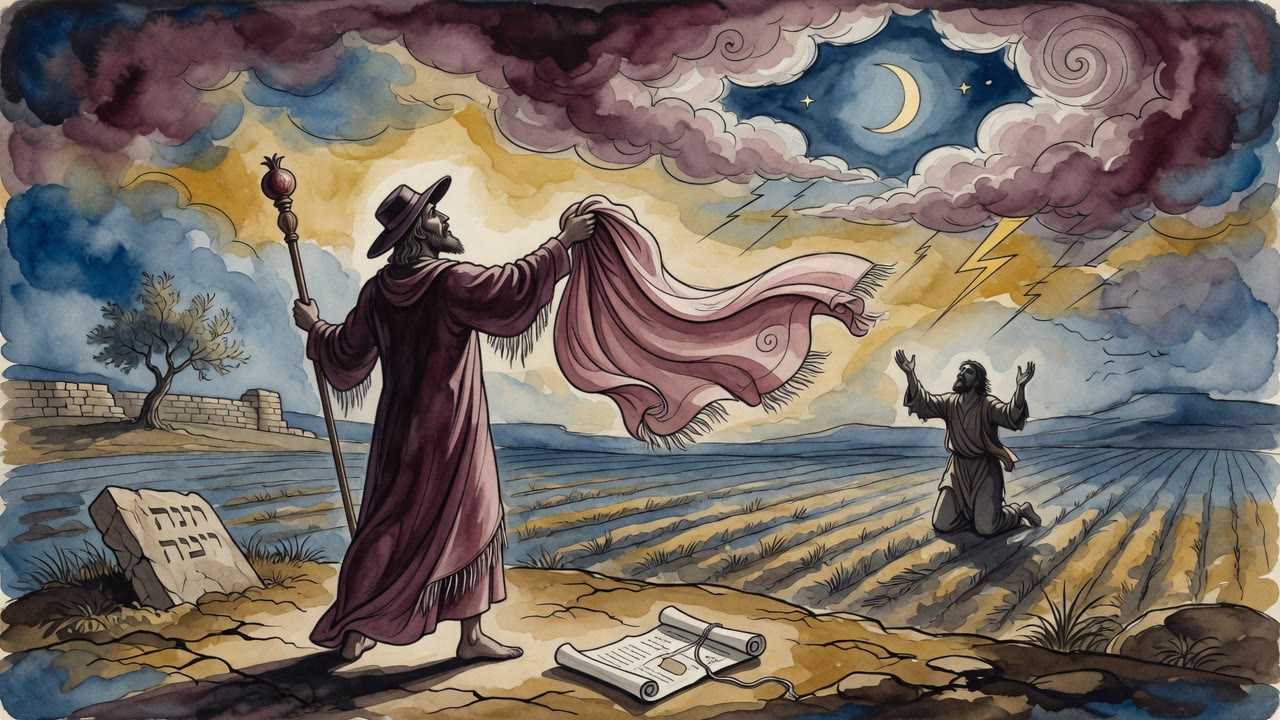
Rabbi Yehuda bar Simon tests false candidates for the wicked who died and came. Not Ezekiel's dry bones, who were righteous. Not the Tzorfat child, who was not buried that way. The midrash lands on Tzidkiya ben Kenaana, the false prophet whose corpse was thrown into Elisha's cave and stood only long enough to be separated from the righteous dead. Revival without honor. Standing without stay. A temporary uprightness that proves the difference between contact with holiness and possession of it.
What the City Remembers
Cities remember volume. Loud wealth. Loud wickedness. Quiet justice leaves fewer plaques. The first-fruits climb and the burial scene rhyme because both expose a public eye that tracks shine instead of weight. Willow is honest. Silver is loud. A wicked man's funeral can be louder than a just man's life.
The sages do not tell these stories to admire the reverse. They tell them to make the reverse unbearable. A court that bows to gold, a city that buries evil with poetry, a Temple procedure that taxes the poor man's basket, all become warnings in the same key.
Walking Down With Empty Hands
The poor farmer's palms are empty on the descent. Juice from the fruit still sticks to his fingers. He has given produce and container. The rich farmer's palms hold cool metal again. He has given produce and kept the stage prop.
Somewhere a just person dies without a crowd. Somewhere a wicked person is eulogized past the truth. The midrash stacks these images until the nausea on the Temple steps has a name. Honor is not a natural resource. Honor is a choice a people keeps making wrong until someone points at the basket and refuses to call the reverse fair.
On the way down, the rich man's gold basket clicked against his belt like a recovered joke. The poor man's hands, empty, kept curling as if the willow handle were still there. First fruits had been given by both. Only one man had been charged a container tax for the privilege of looking less impressive on the climb.
The same city that returned silver could bury a wicked man with poetry and forget a just woman by the next market. Kohelet's nausea and the sages' protest share a throat. Shine is not weight. Procession is not truth. A basket kept or returned can show which way a priesthood's eyes have learned to lean when no one is watching the scales.
← All myths