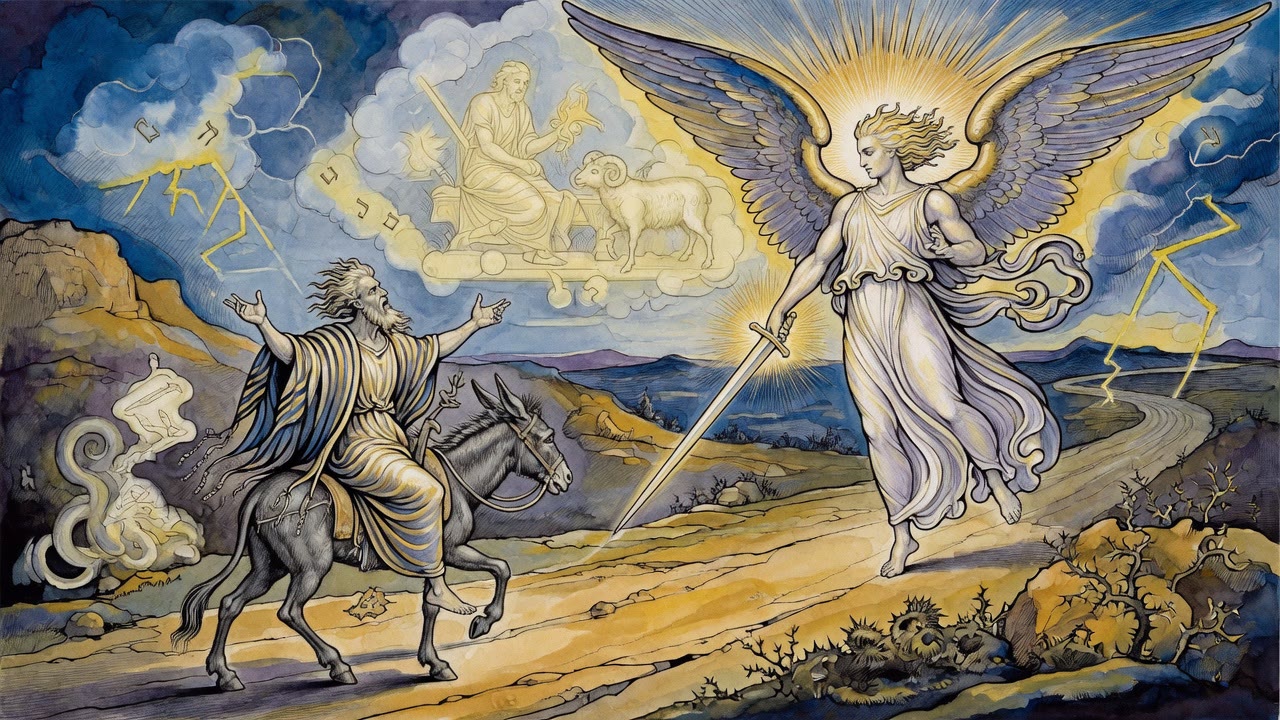
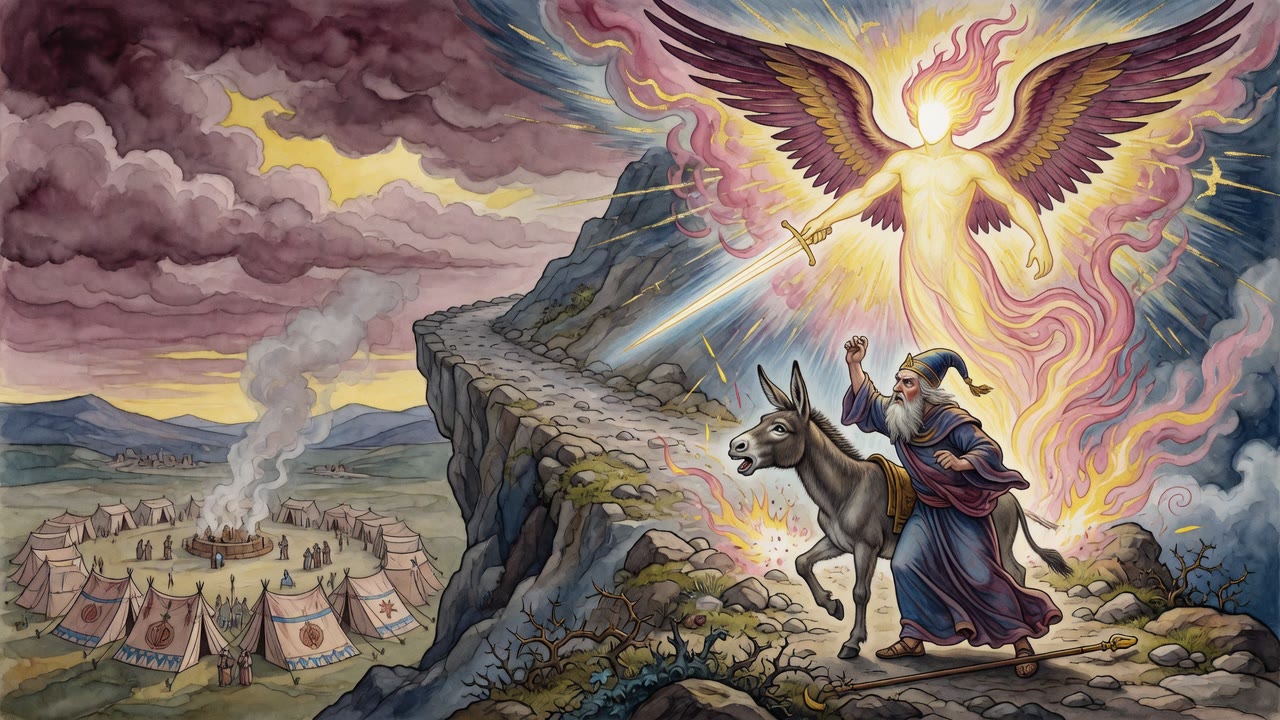
The Flying Scroll That Emptied a Liars House
Zechariah saw a huge curse flying over the land, and the rabbis say a false oath can empty a house the way a jug once full of wine is left hollow and dry.
Table of Contents
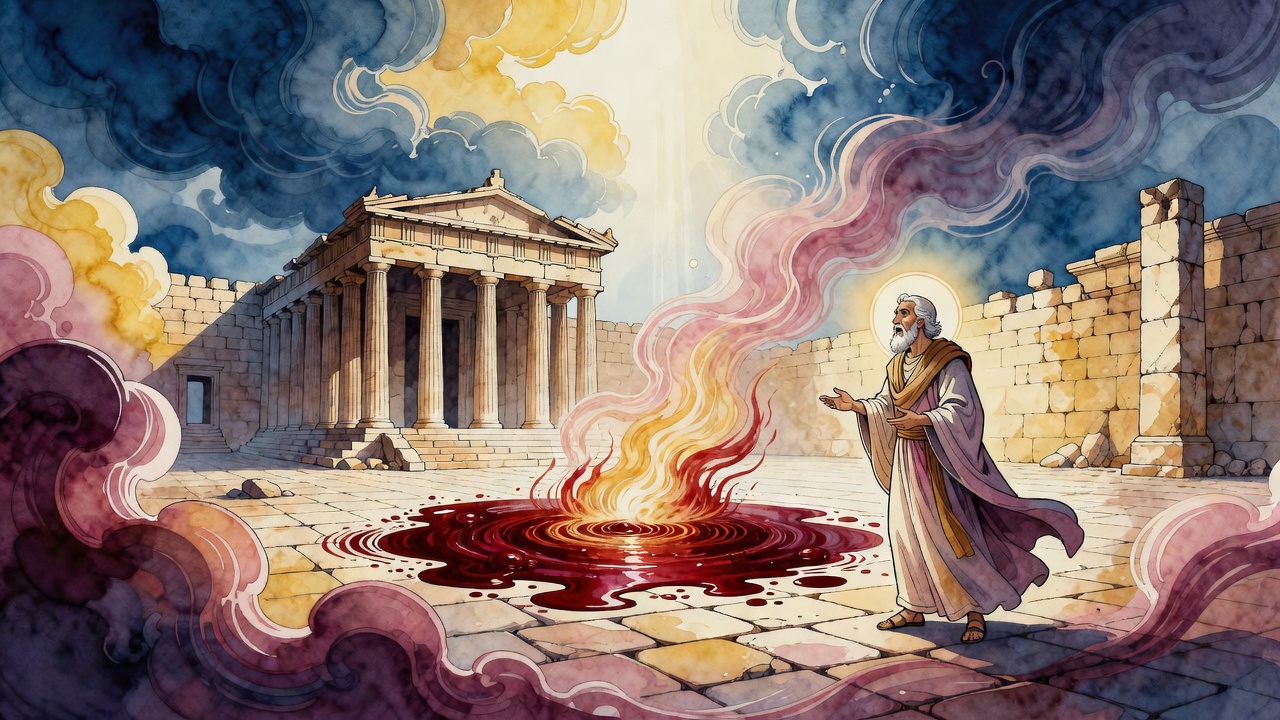
Menachem raised his right hand in the market and swore by the Name that the silver had never been in his pouch. The buyer stepped back. The crowd leaned in. For a moment the air above the stalls seemed too still, as if something large were about to pass through a space too small for it.
 Click for full size
A Scroll the Size of a Curse
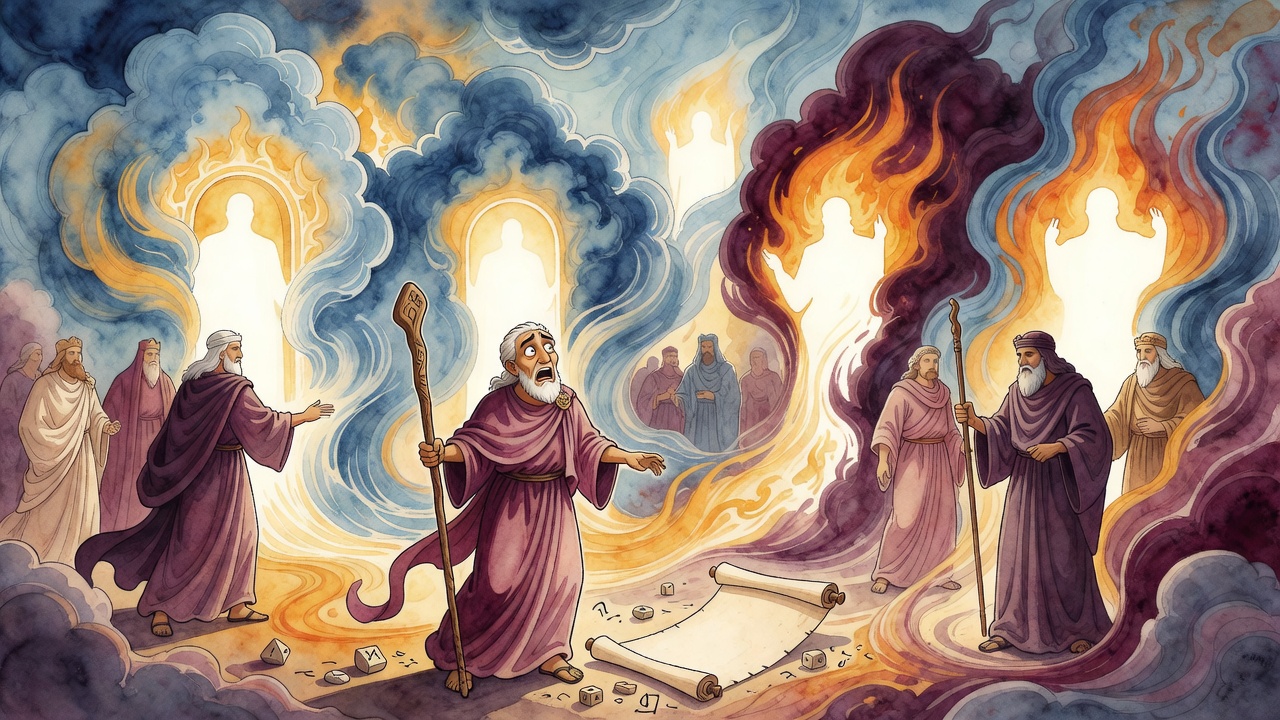
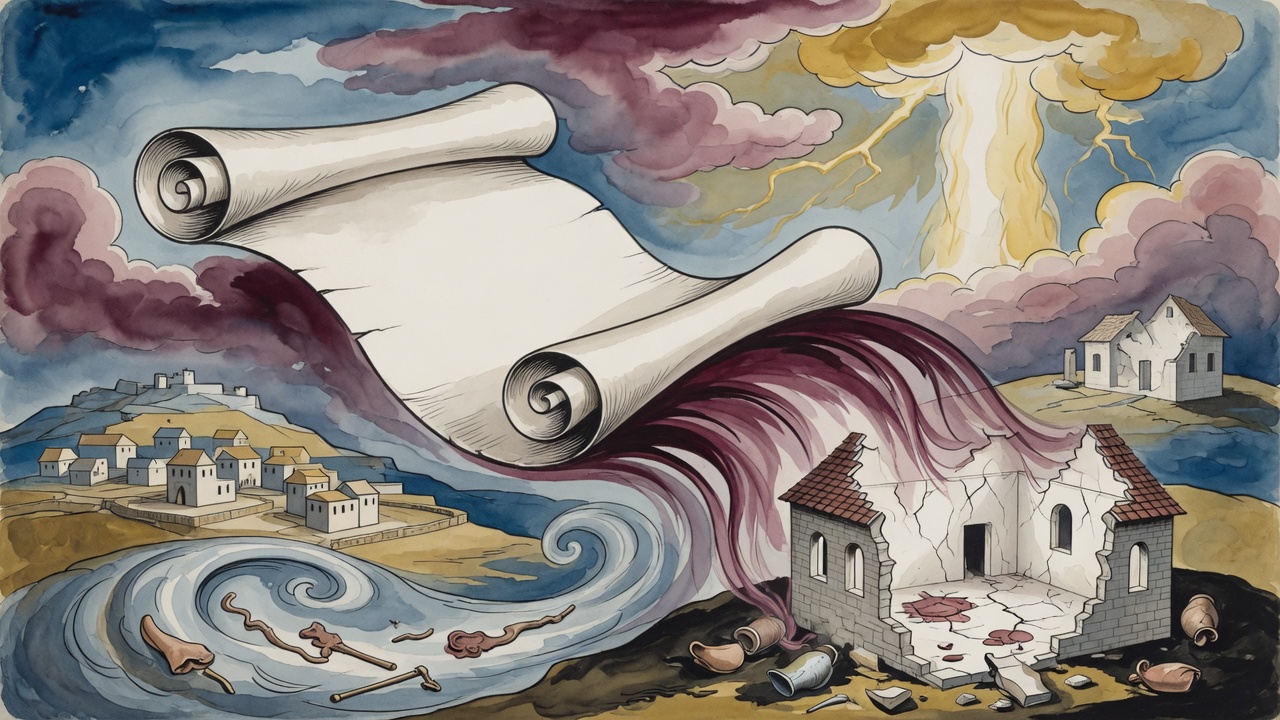
The prophet Zechariah lifted his eyes and saw a scroll flying, afa, the same flight-word Isaiah uses when a seraph flew to him (Isaiah 6:6; Zechariah 5:1-2). The scroll was twenty cubits long and ten cubits wide. Rabbi Abbahu said even an elephant or camel hide would not stretch so far. Size was the first sermon. This was not a private note. This was a public curse wide enough to cover a land.
The writing on it named two crimes that hollow out a people: the thief who steals, and the one who swears falsely. Both shall be swept away. The rabbis said the scroll holds the curses for oaths taken in vain, and that its measure matches the doorway of the Temple's Entrance Hall, forty cubits by twenty in the old measures of Middot, so that judgment wears the scale of the sanctuary itself. Menachem had never measured a cubit of fear. He was measuring it now with his raised hand.
The Empty Jug and the Empty House
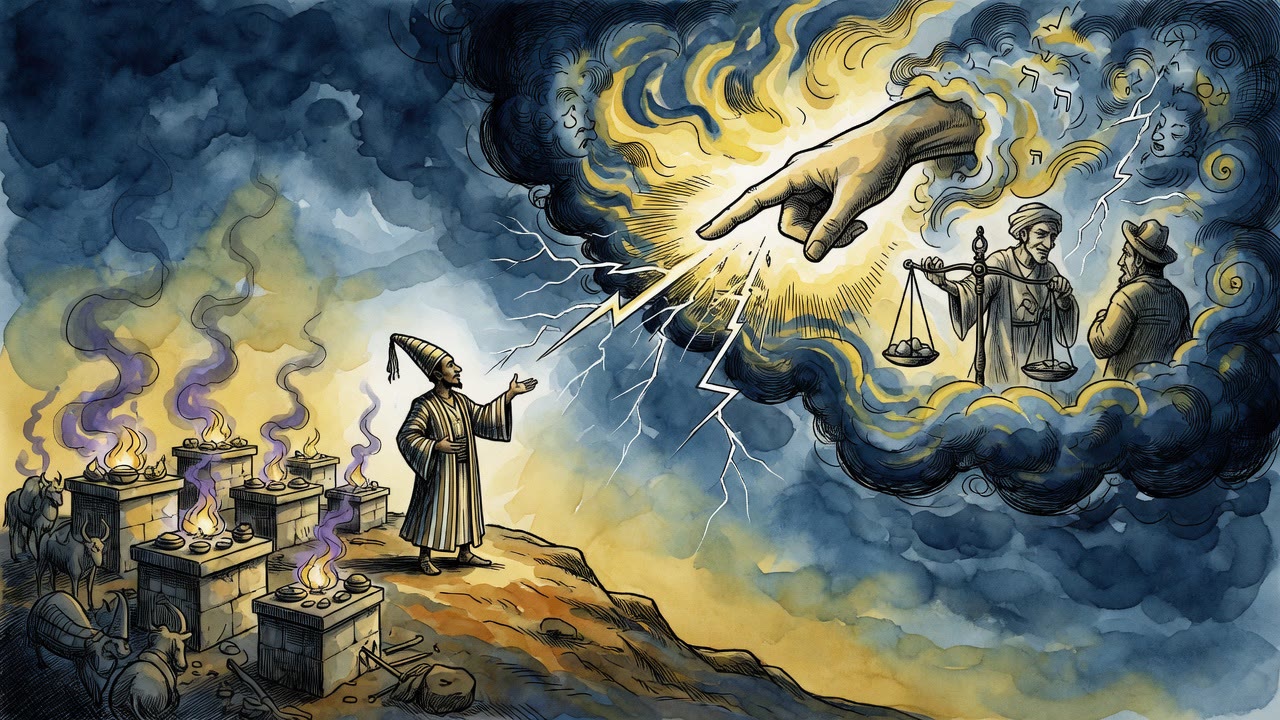
Why, when administering an oath, do the courts bring a Torah scroll and bloated leather jugs? Rabbi Aivu's answer is sharp. The jug once held substance. Now it is empty skin. So too the person who forces another into a false oath, or who swears falsely himself, will be emptied of possessions. The house that looked full becomes a hide with air inside. Menachem did not see a jug that day. He felt one. His pouch still held the silver. His future had already begun to leak.
A false oath is not only a broken sentence. It is a technology for making the world untrue. Once the Name has been rented out to a lie, the market cannot price trust, and the courtroom cannot price fact. The scroll flies because the crime will not stay on the ground where it was spoken. Neighbors who laughed at careful speech would later invent careful locks. A city that treats oaths as theater eventually treats property as rumor.
Four Wounds That Open in the World
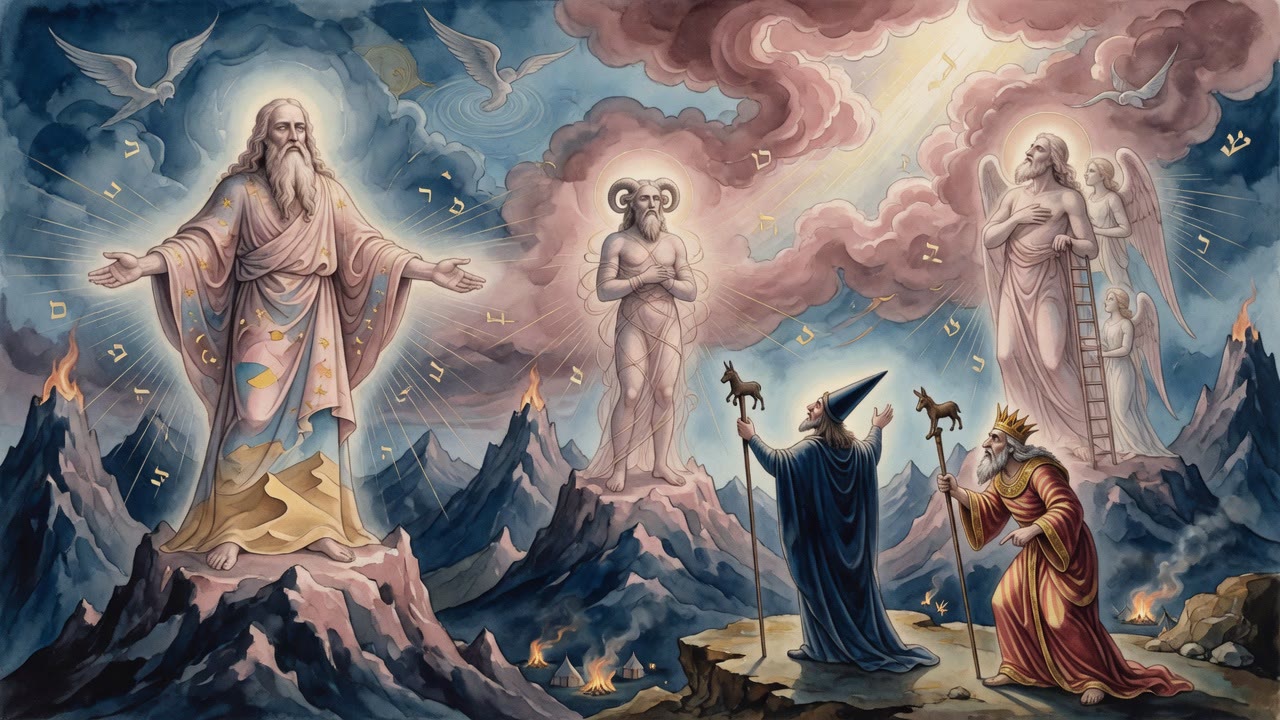
Targum Pseudo-Jonathan on the Decalogue maps the damage crime by crime. Murder opens the door to the sword upon the world. Adultery lets death come forth as a plague of betrayal. Theft brings famine, because when property trust collapses, fields go untended and grain is hoarded until the harvest fails. False testimony stops the rain. Clouds may still form, but they refuse to release water. Drought is the physical echo of a society that no longer tells the truth about itself.
Menachem's oath belonged to the fourth wound. He had not raised a knife. He had raised a word. The word was enough. Heaven's ledger does not need blood to open an account. A lie spoken with the Name is already a weather system. The other three wounds waited nearby in the same marketplace: a knife fight two stalls over, a rumor about a wife, a hand in a grain sack. The Decalogue is not four separate pamphlets. It is one body with four places that can bleed.
When the Market Goes Quiet
By evening the buyer had found other witnesses. The silver returned to its owner under the eyes of men who no longer smiled at Menachem. He walked home through streets that felt narrower. In the night he dreamed of a parchment the size of a city gate, letters black as burnt oil, flying low enough to scrape the roofs. In the dream his house was a jug tipped sideways. Coins ran out like water. He woke reaching for a pouch that was still full and already condemned.
The next market day he stood farther from the stalls. People still traded. Children still ran. But he had learned what Zechariah saw and what the Targum maps: a false oath does not end when the mouth closes. It rises. It flies. It empties. The only repair is truth spoken as publicly as the lie, and a life that refuses to rent the Name for gain.
Years later, when drought pressed the region and neighbors asked which sin had sealed the clouds, the old men did not only speak of idols and violence. They spoke of courts and markets where men had sworn easily. The flying scroll was never only a vision for prophets. It is the weather report of a language that has forgotten fear. Menachem, older then, told his sons one rule with no cleverness left in it: if you must swear, sweeten nothing. If you need a lie to keep silver, let the silver go. Houses empty faster than they fill once the scroll has learned your name.
← All myths