44 myths · Page 1 of 2
Each story names the sources it was written from.
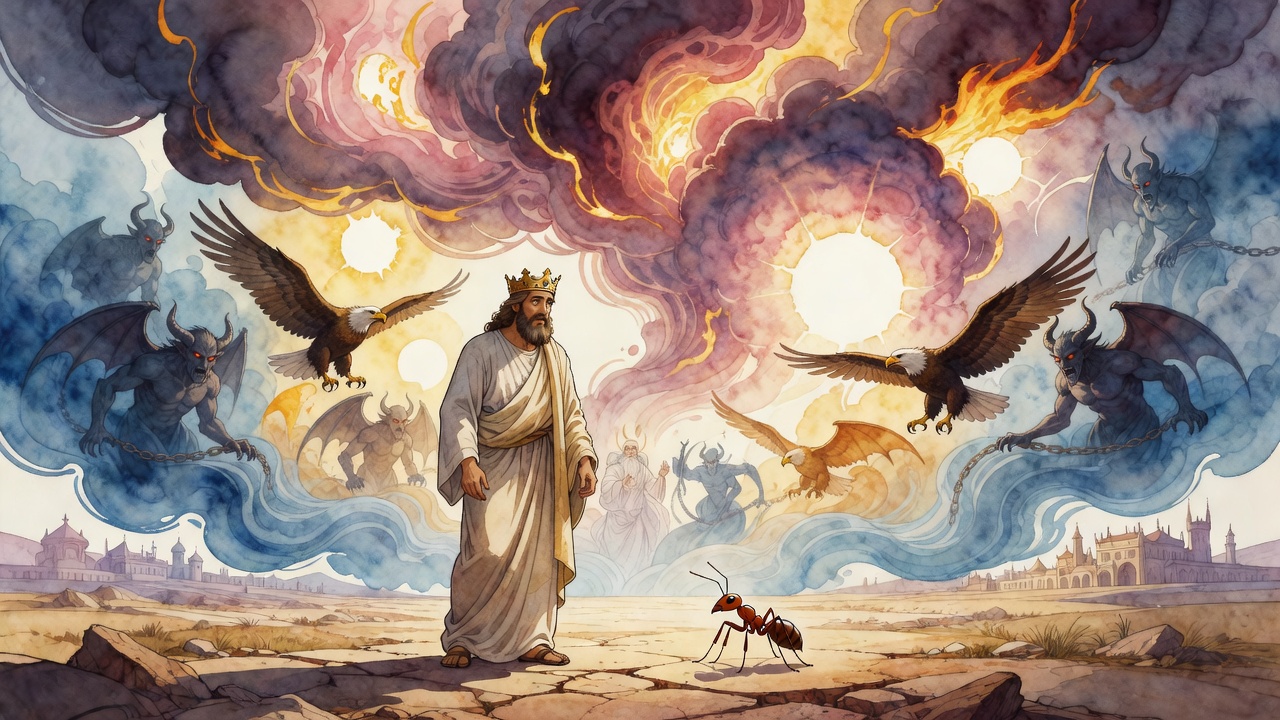
Solomon closed his fist around a live ant and asked who in the world was greater. She answered that God had led the king to her hand.
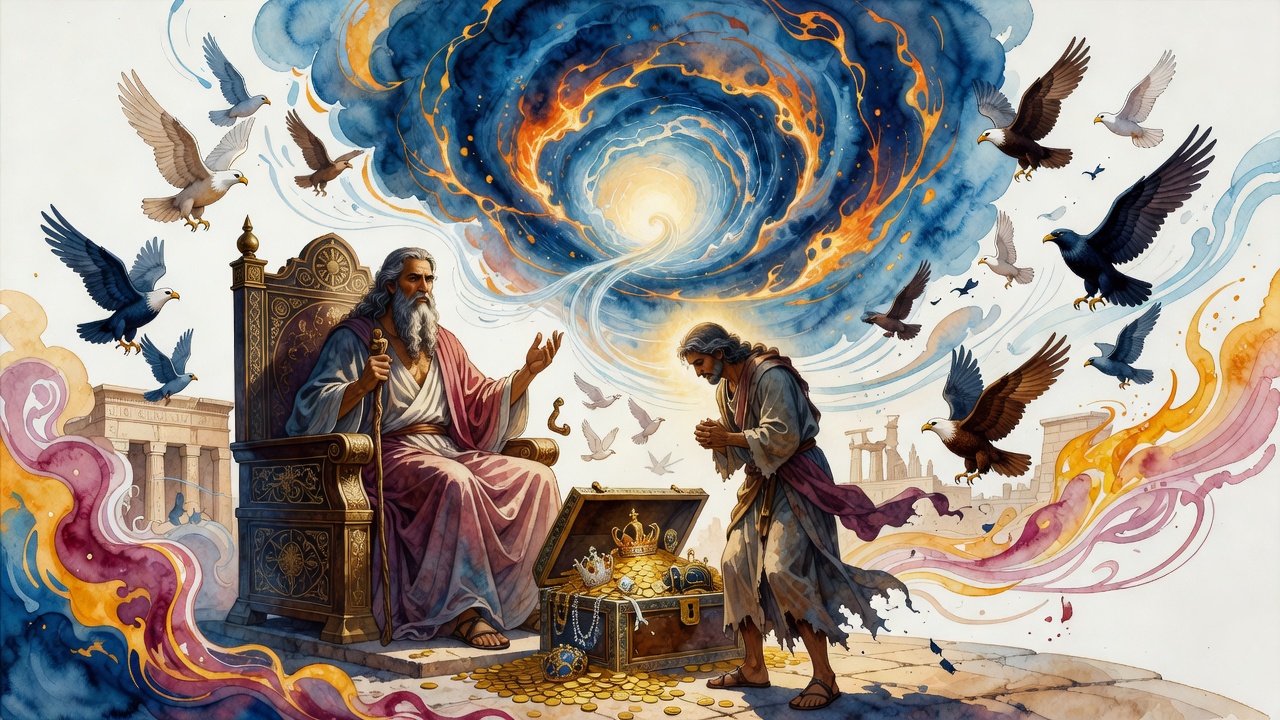
The visitor refused gold. He wanted to hear what the birds said. Solomon taught him, and told him that repeating one word would kill him.
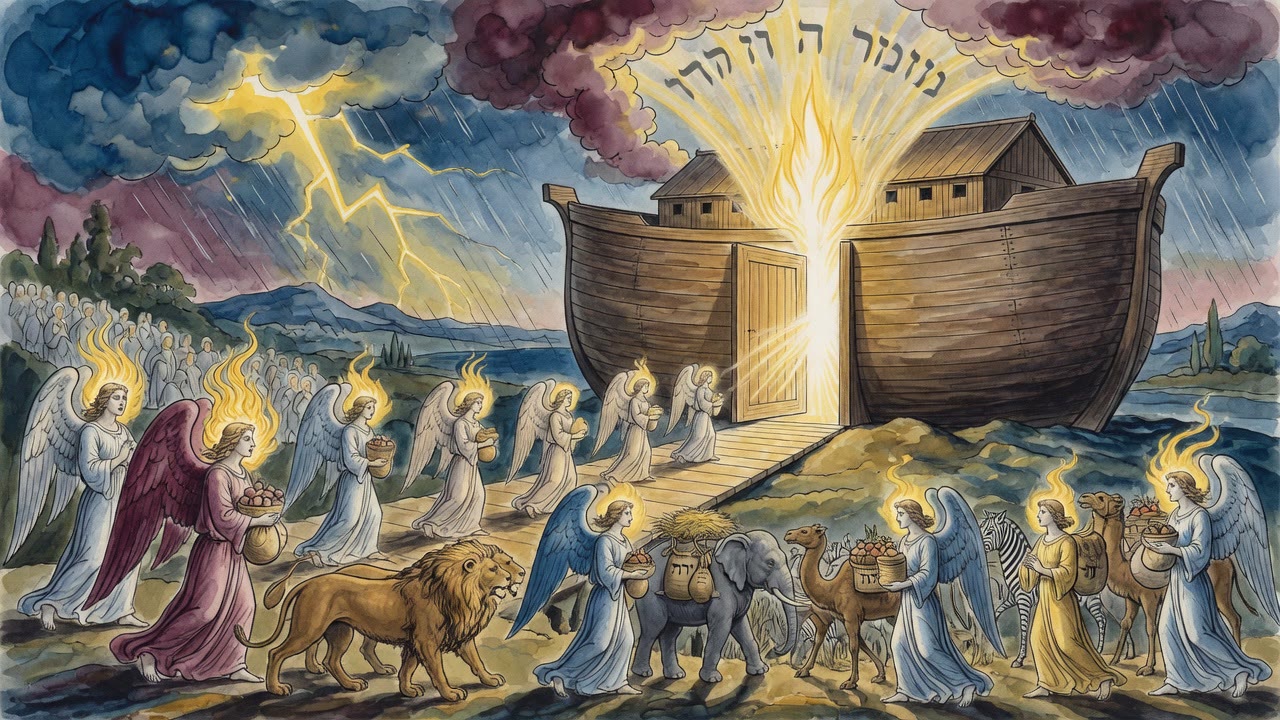
Noah had built the ark. God had the animals covered. Each species arrived with its own angel and a year of food already loaded.
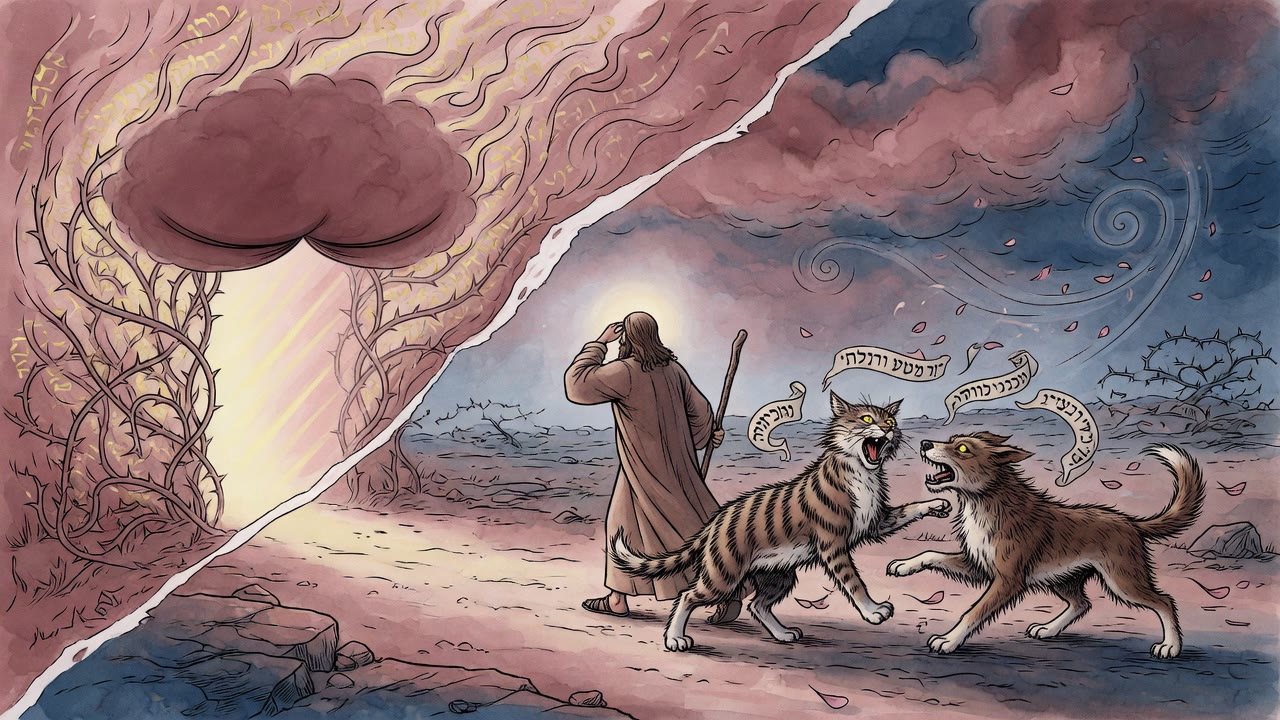
They put their paws together and swore never to share a house. The dog starved his way to Adam's door. The cat was already inside.
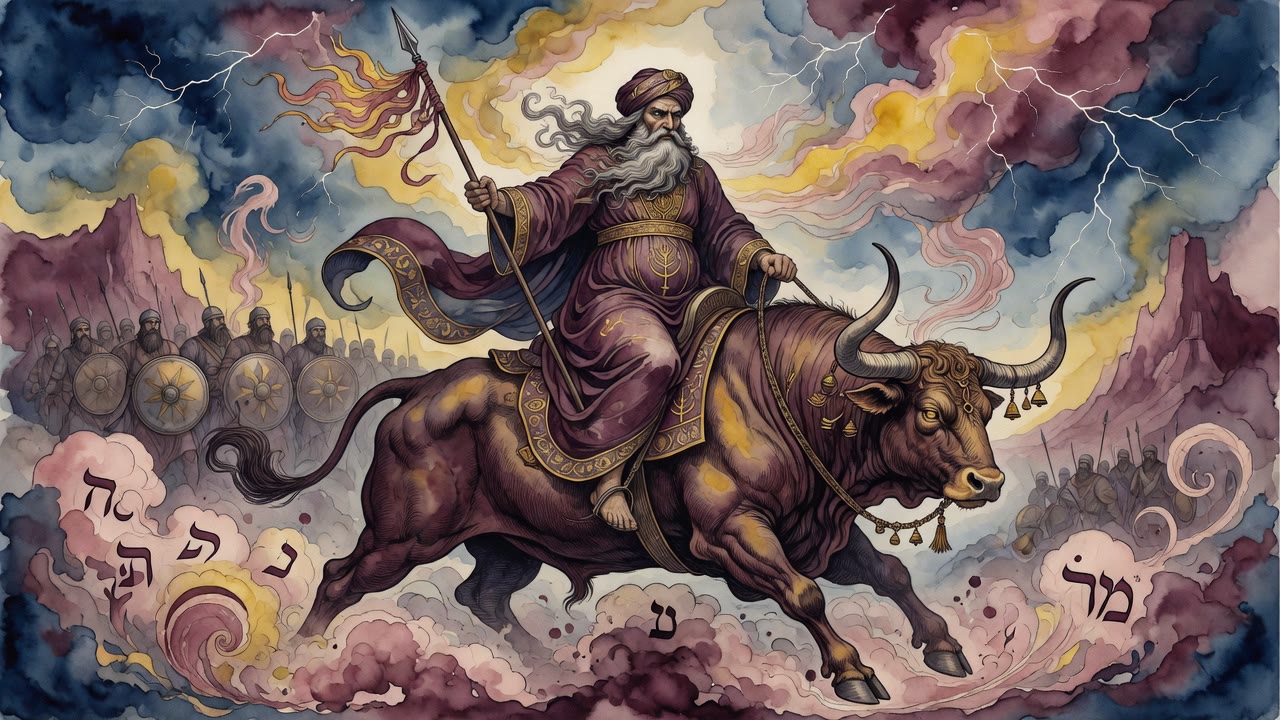
The horse's knees folded in the dust outside Jericho. Joshua came off its back hard. Later he kissed the only animal that held.
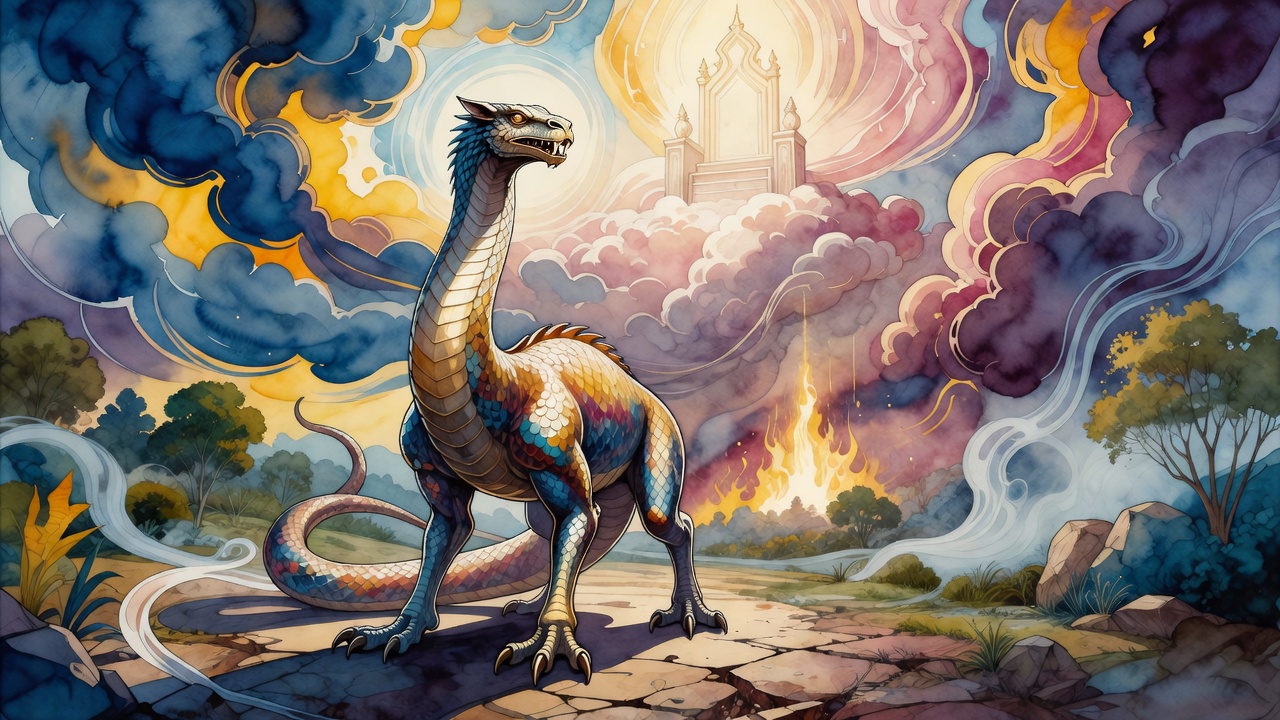
One pair of serpents could have done all of humanity's work and dug up gold and pearls besides. Then one of them decided it wanted Adam dead.
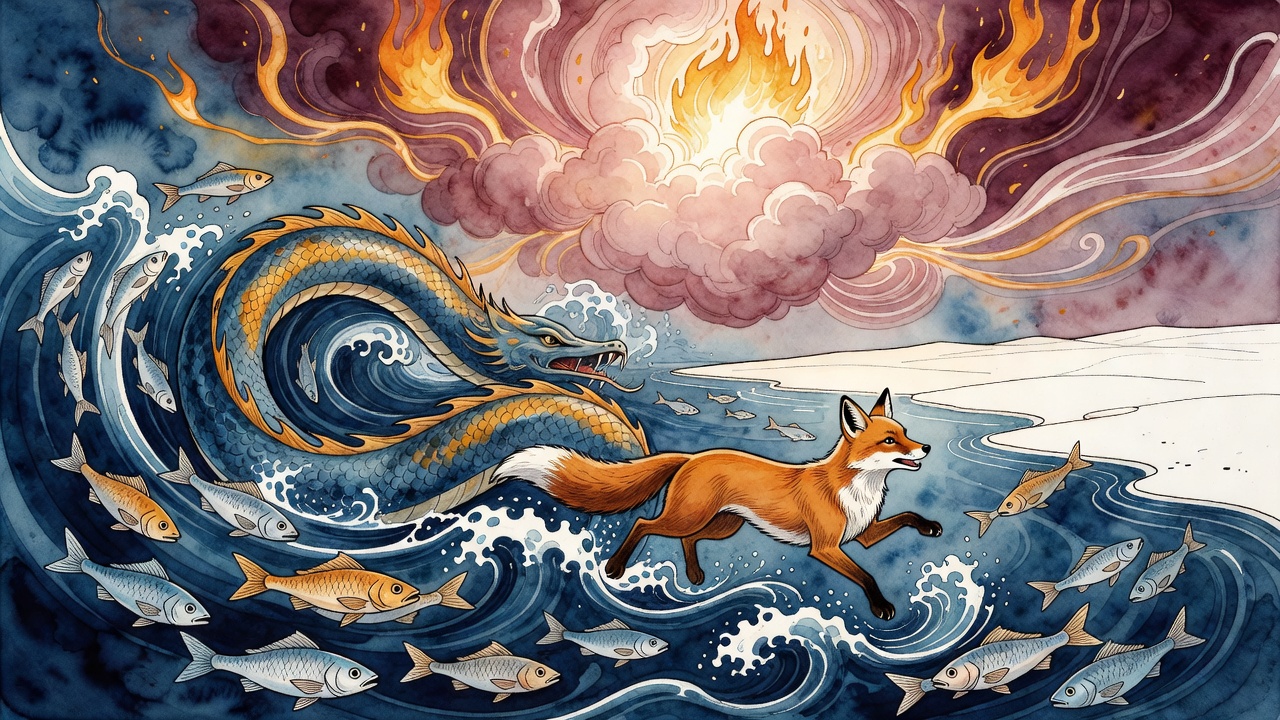
Leviathan sent fish to bring the fox to the deep. The fox descended, then claimed its heart was still on shore and walked free.
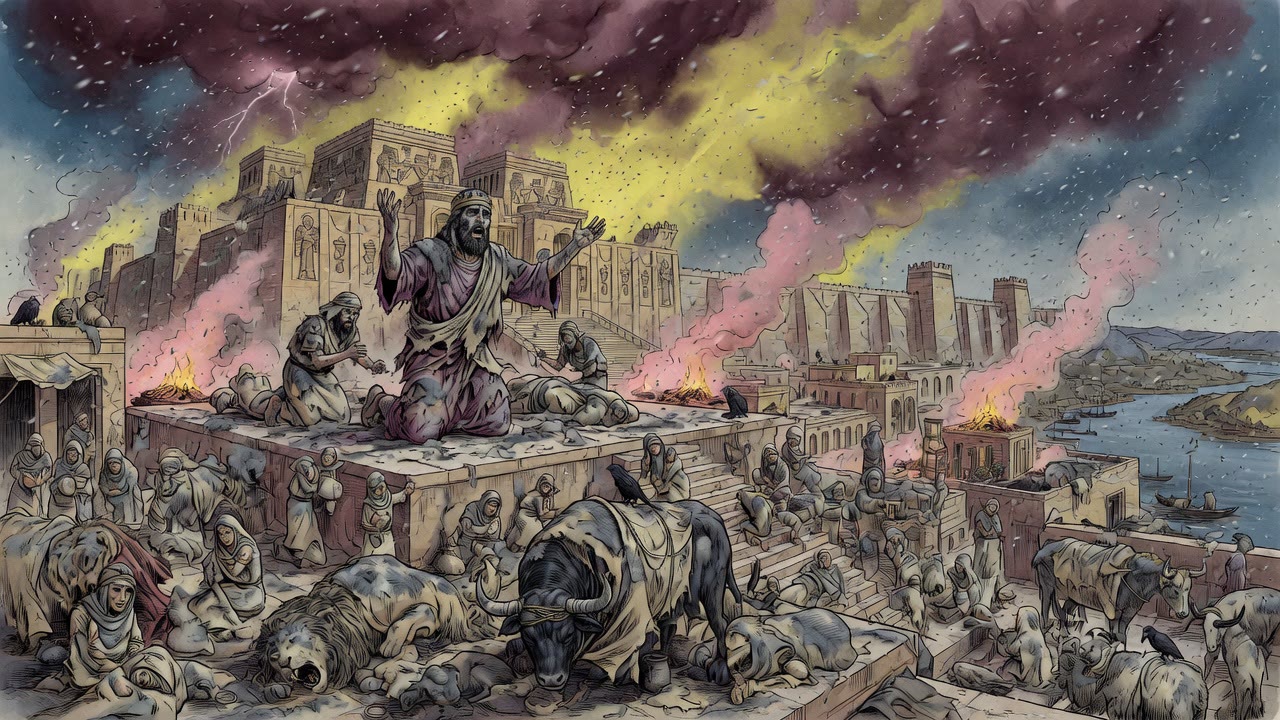
Jonah walked into Nineveh still tasting fish. The king left the throne for the ash heap. Stolen beams had to come out of the houses that held them.
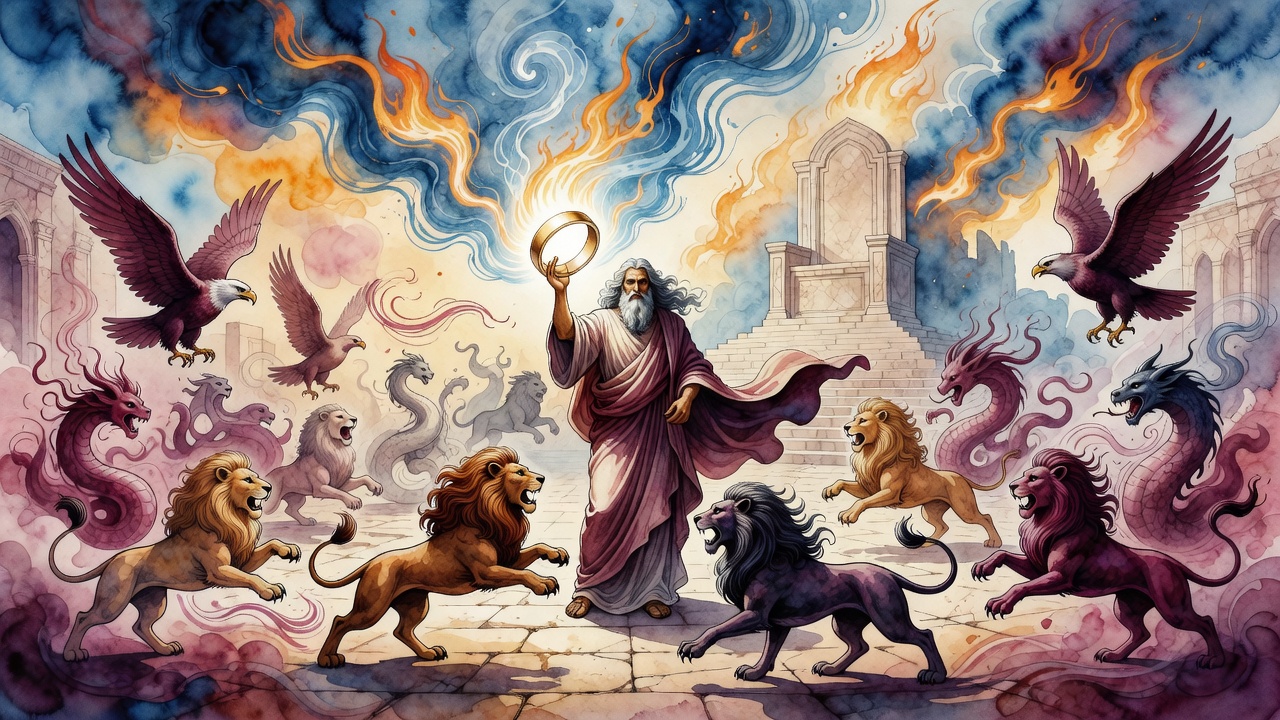
Solomon used a ring inscribed with God's name to call every beast, bird, and demon to his table. Every creature came dancing. Then one did not appear.
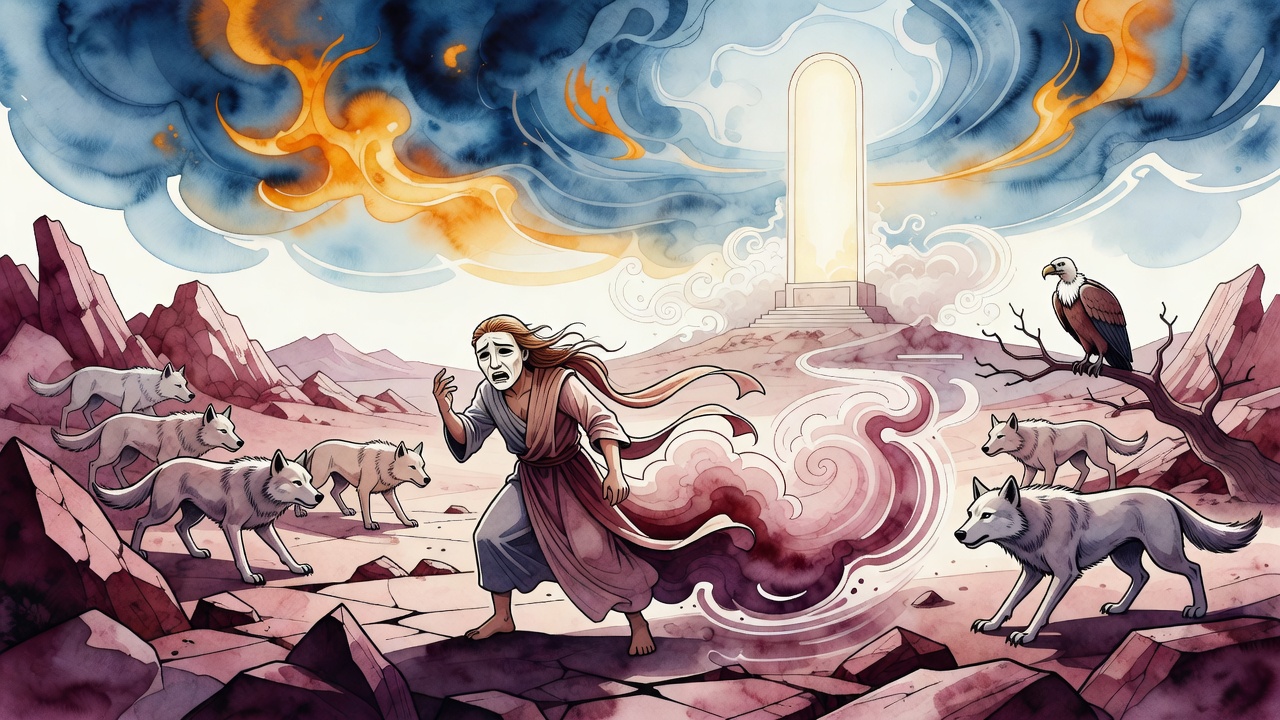
After the murder, Cain faced something harder than punishment. The world itself felt hostile, and the animals waited, and his own guilt pursued him.
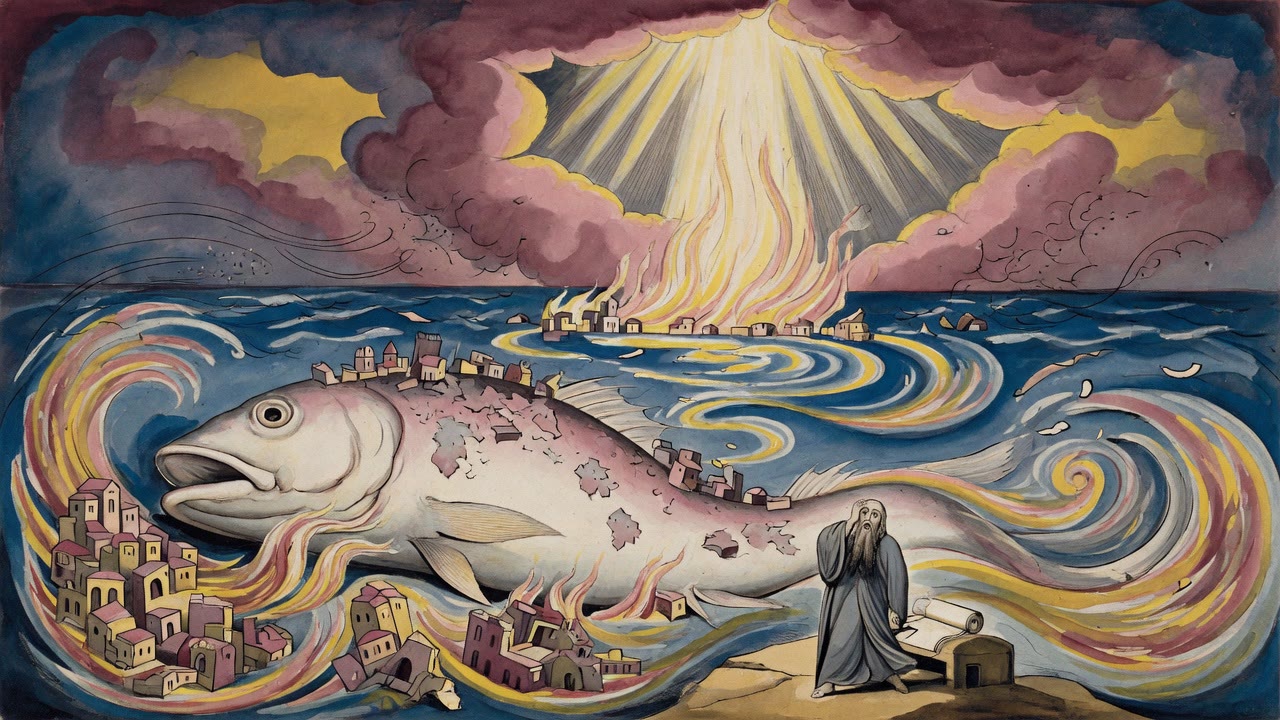
A mud-eater in a nostril killed a fish the size of a coast. When the sea threw the body ashore, sixty cities went under the weight.
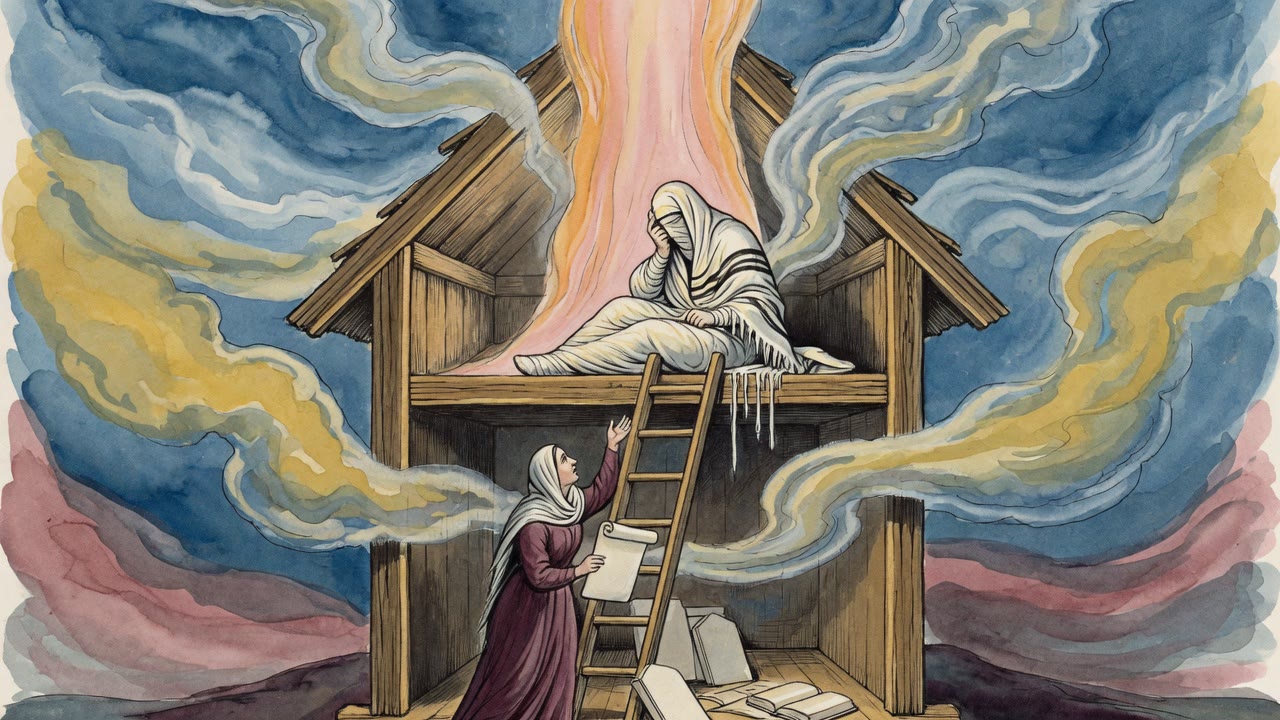
When thieves stole Rabbi Pinchas ben Yair's donkey, it refused to eat for three days rather than touch untithed grain.
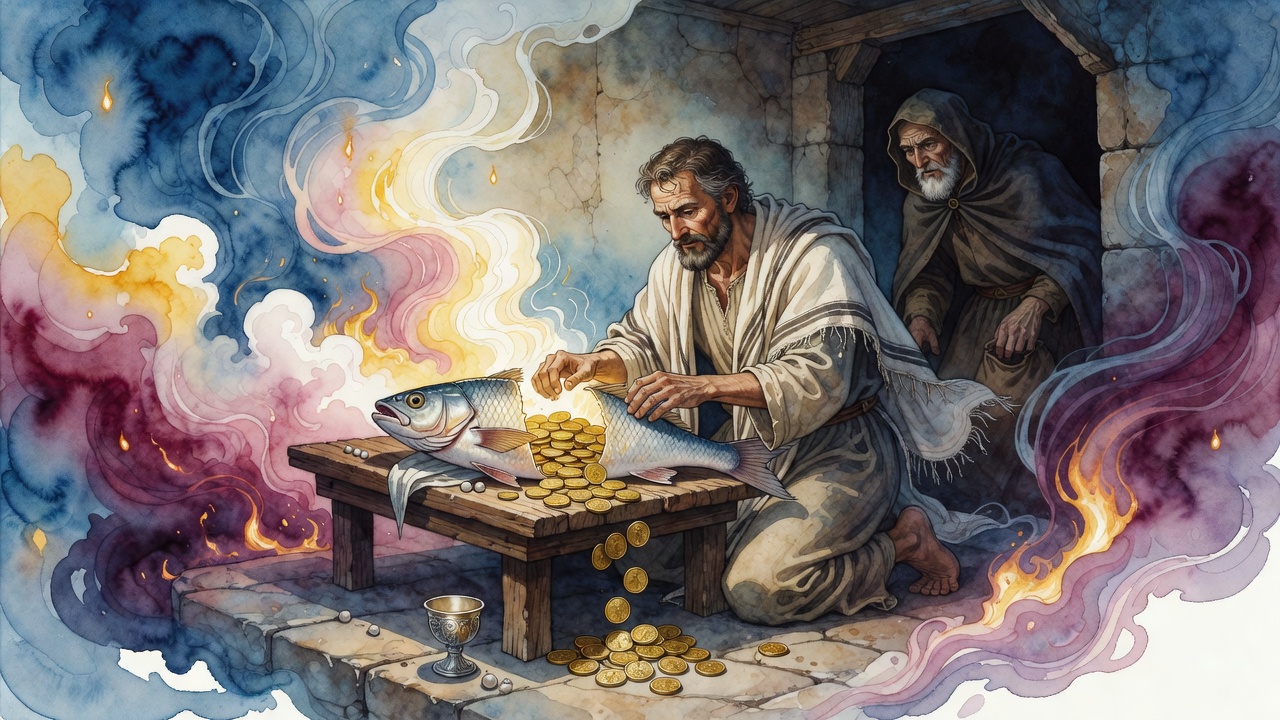
Joseph spent every coin he had on Shabbat food, and a Gentile neighbor tried to cheat the prophecy that Joseph would inherit his wealth.
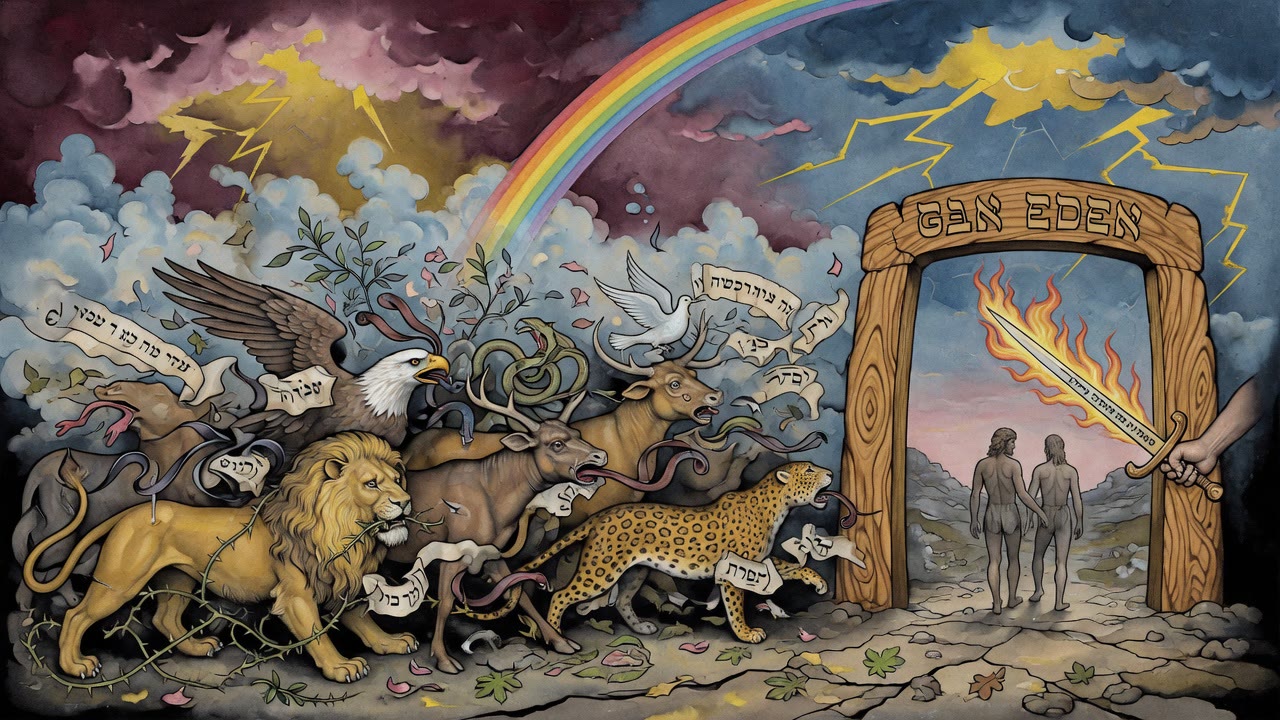
The serpent talked Eve into the fruit in the one language every creature shared. Not long after, every mouth in creation was closed but one.
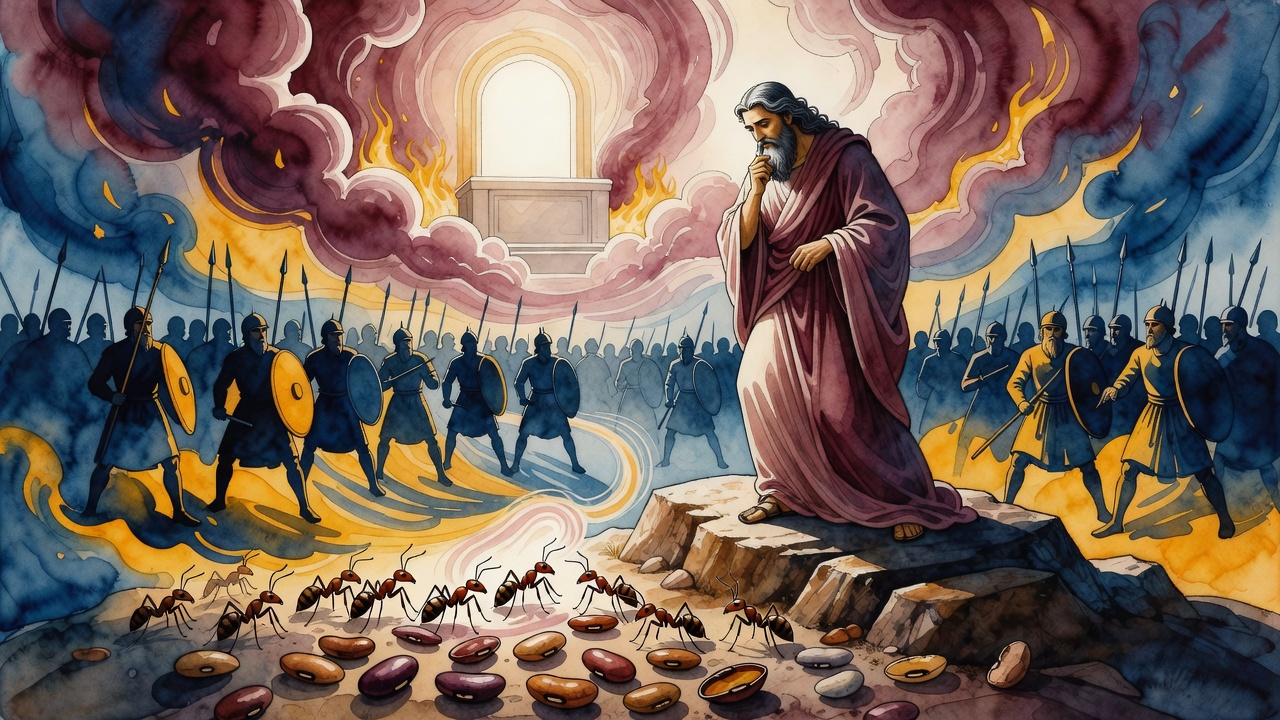
The king who speaks every language hears an ant warn her colony before his army crushes them and learns his glory looks like danger from the ground.
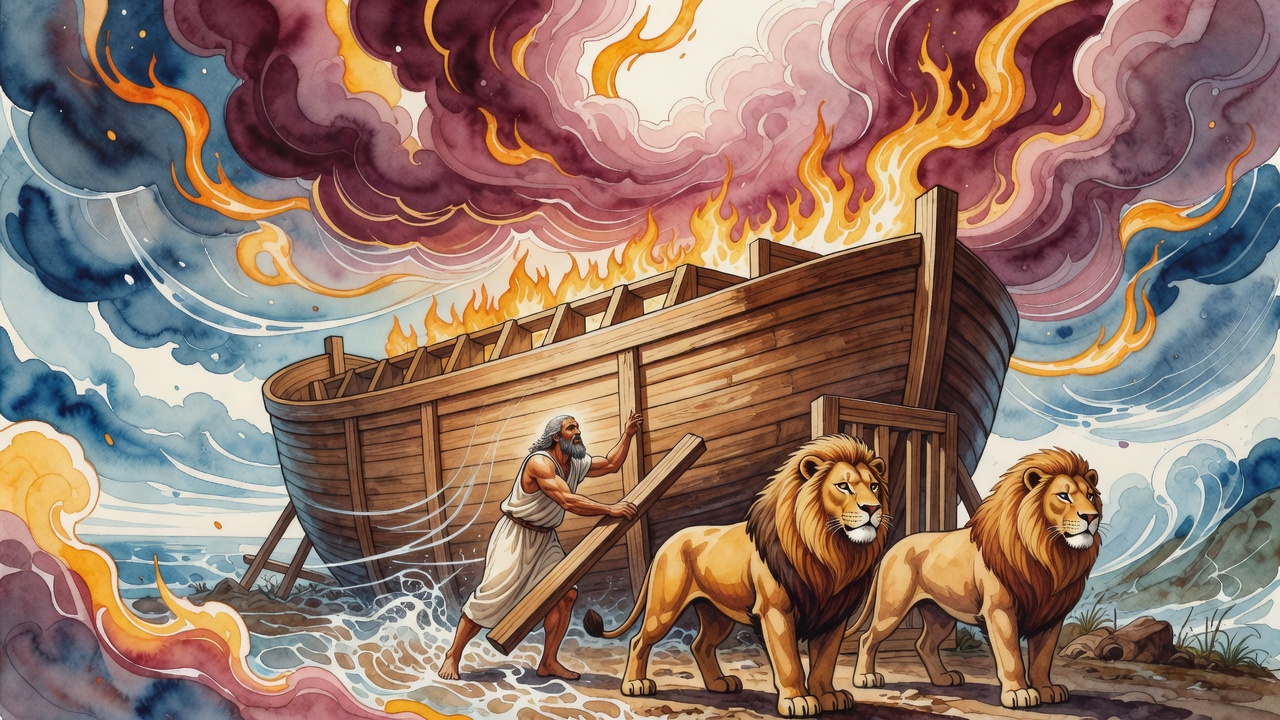
God named the boards before the rain. One hundred fifty cells. A glowing stone from Eden would hold the light for a year.
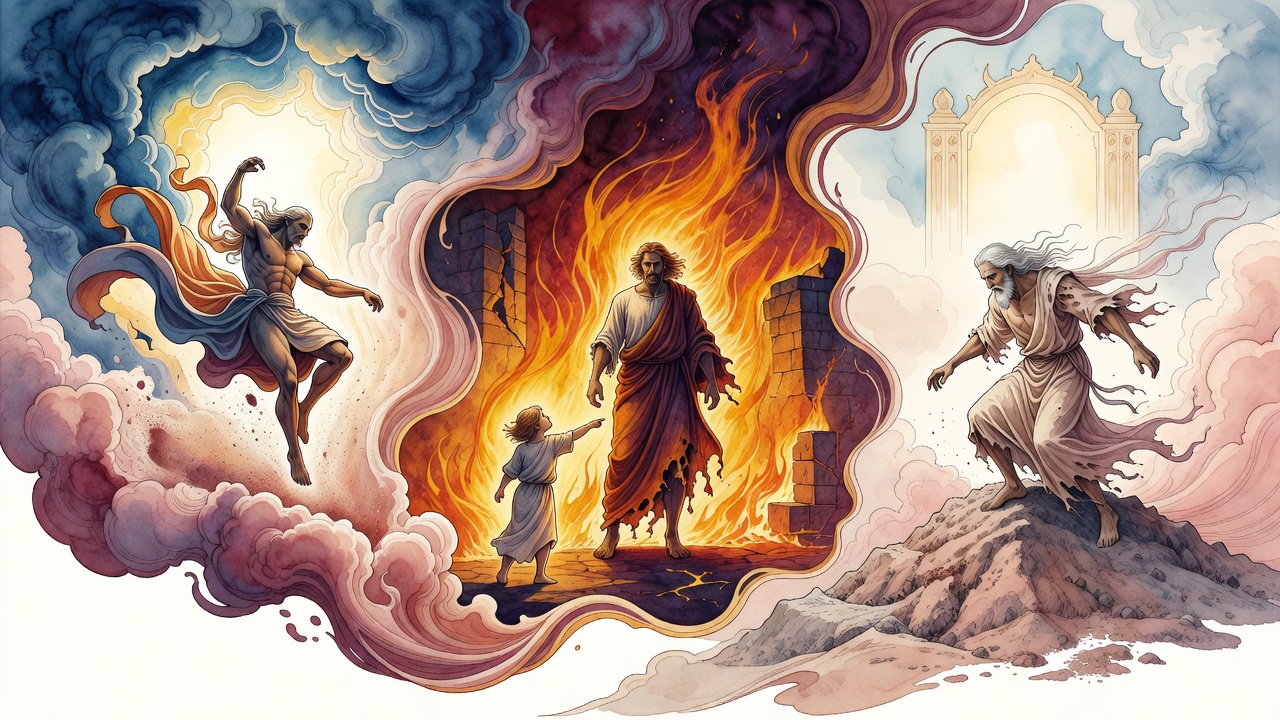
Abraham was twenty days old when he walked out of the cave, and his own mother did not know him. Nimrod heard about it and was afraid.
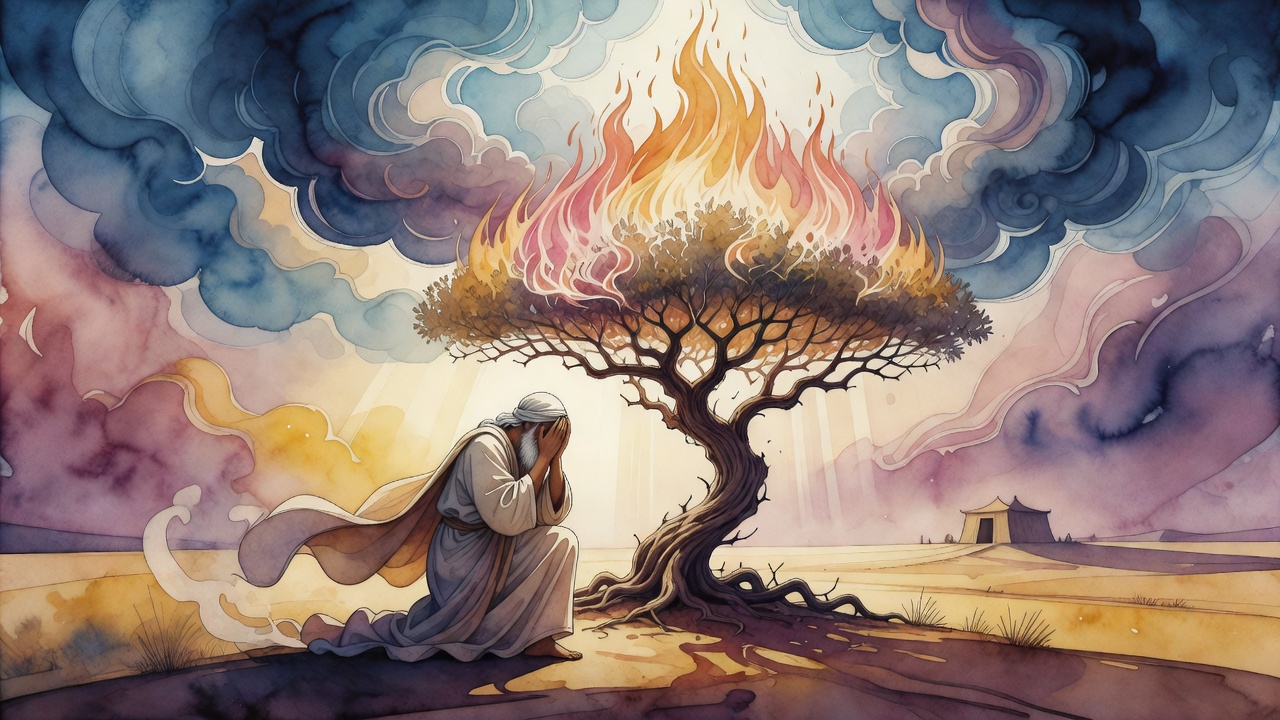
The flame used his father's voice. Moses came closer. Decades later the Tabernacle still would not rise for the craftsmen.
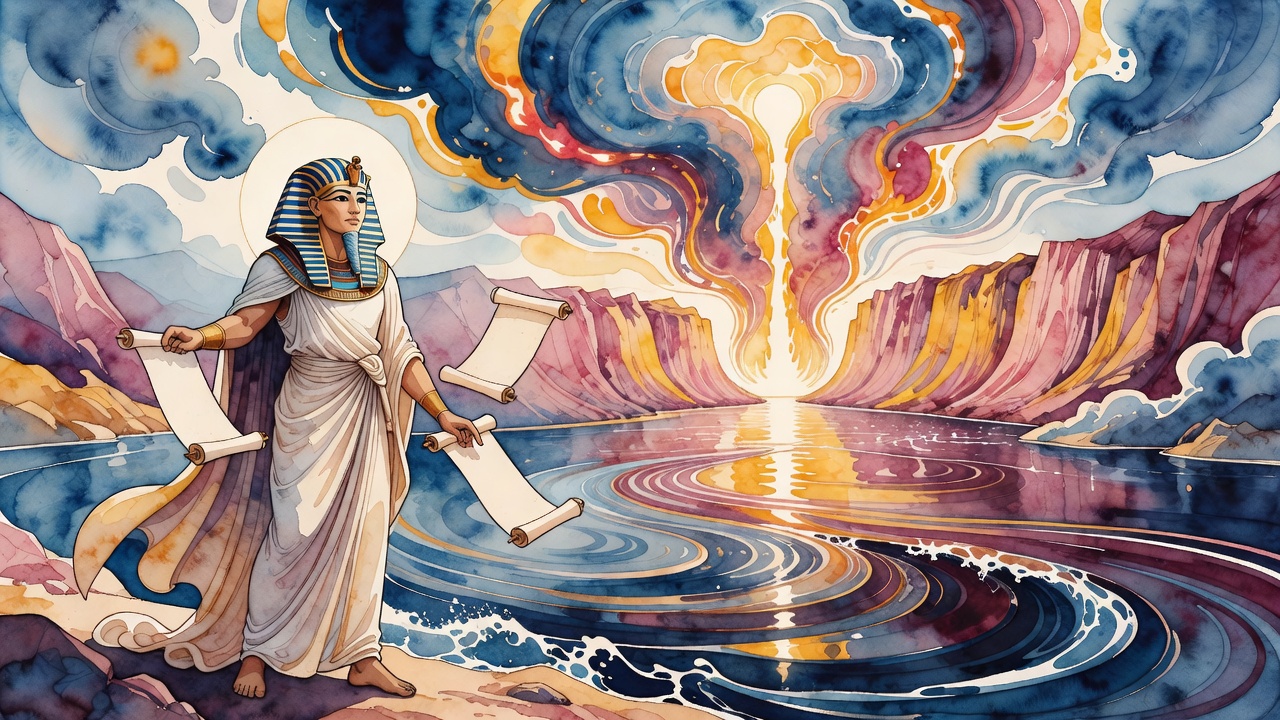
Pharaoh would not use the sword. God had already claimed that weapon. He sent the Hebrew boys into the Nile, sure the oath after Noah would keep heaven quiet.
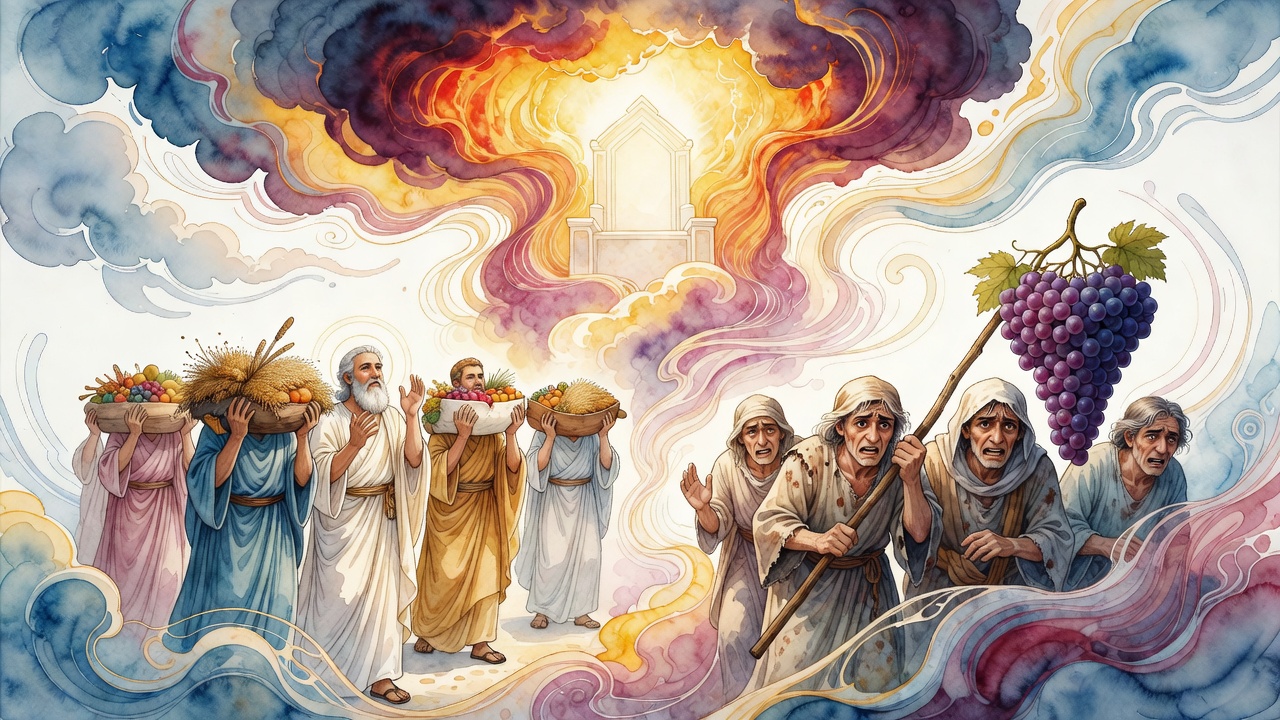
The priests came back with sacred portions and clean hands. The spies came back with fear and a report that cost Israel forty years in the desert.
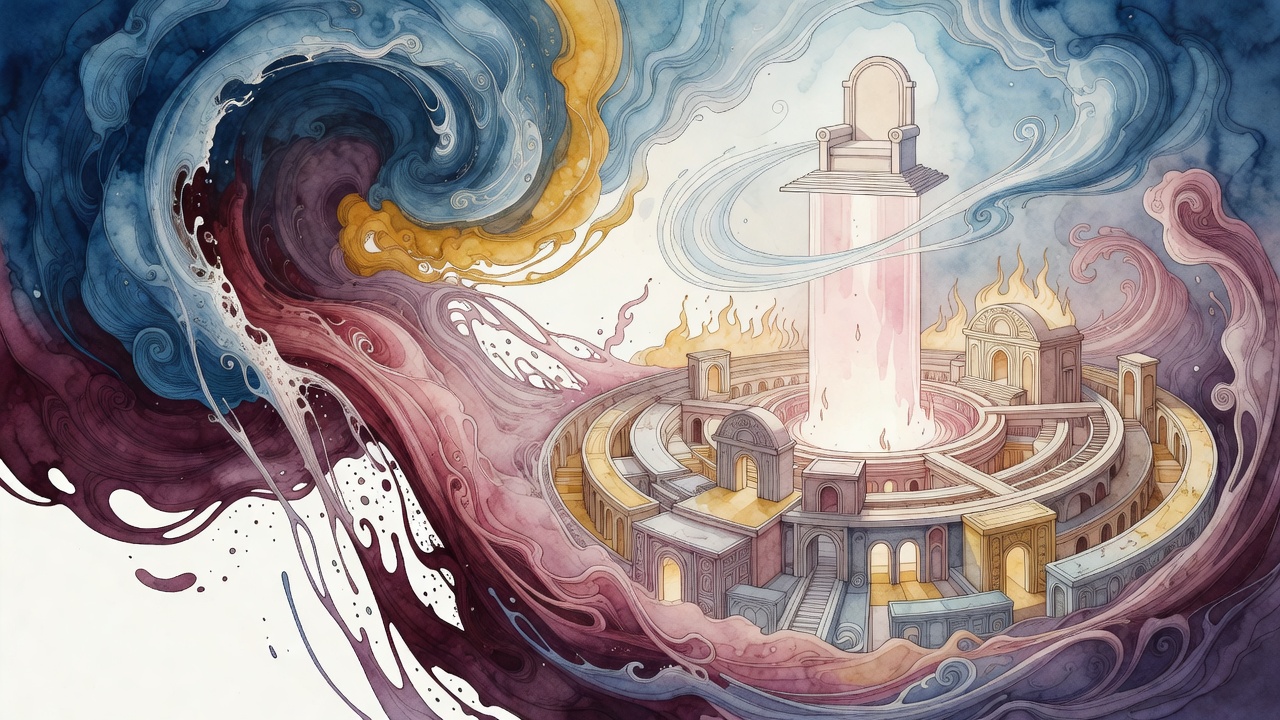
Bereshit Rabbah reads creation as a refining job. The world was already there, hidden under chaos. God drained it, and the craft appeared below.
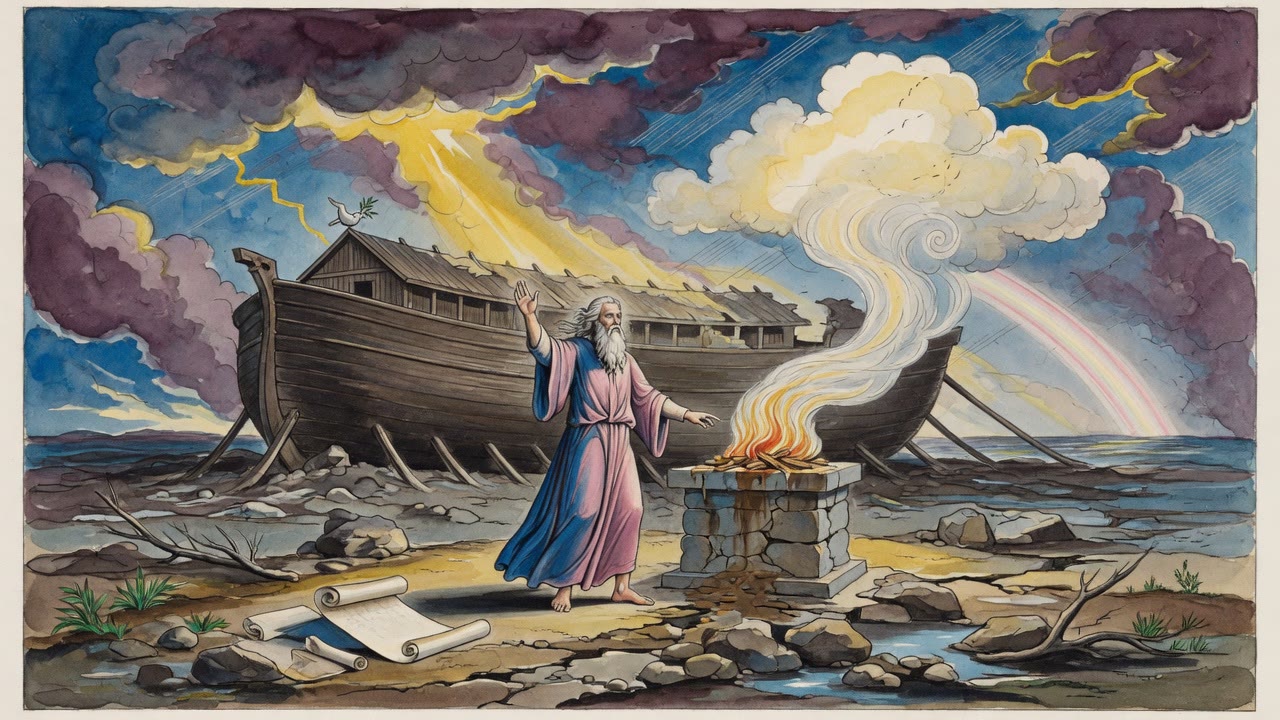
Noah saved spirits without bodies, lashed a reem the size of a mountain to the ark's side, and refused to leave until God swore the world would not flood again.
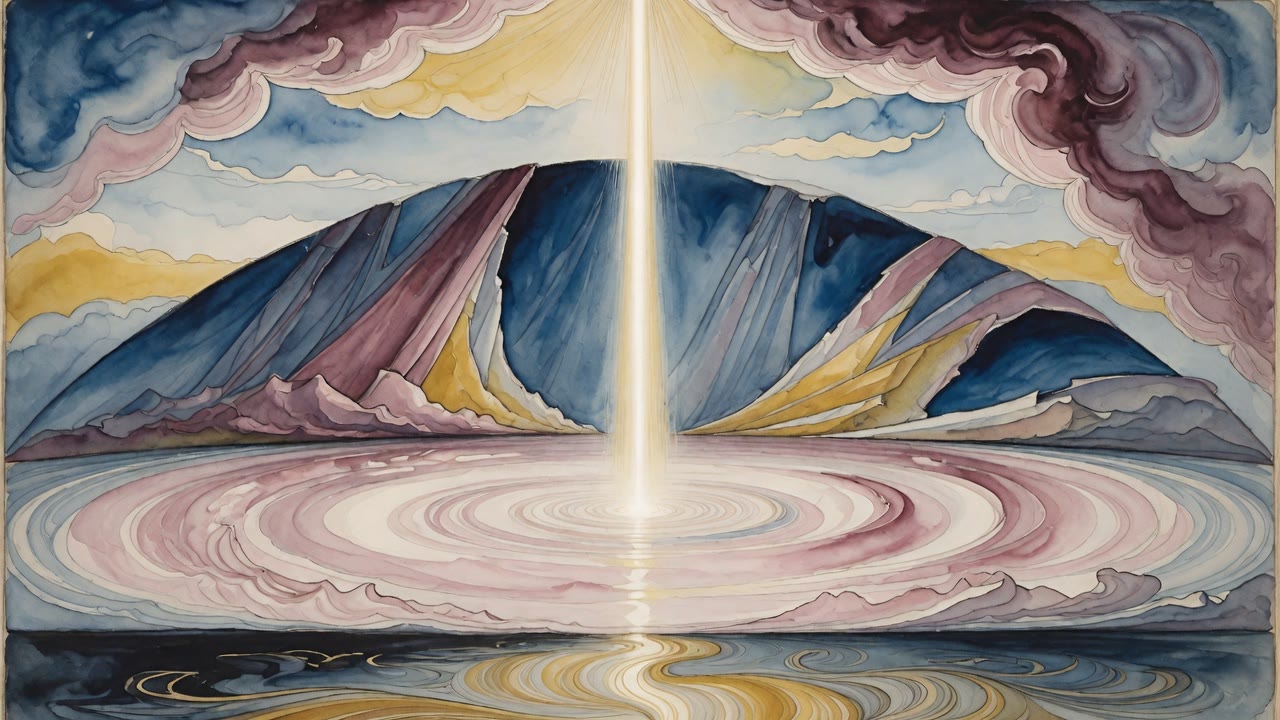
On the second day of creation the sky trembled like fresh milk in a bowl, waiting. One divine word dropped in and the whole expanse seized and stood.
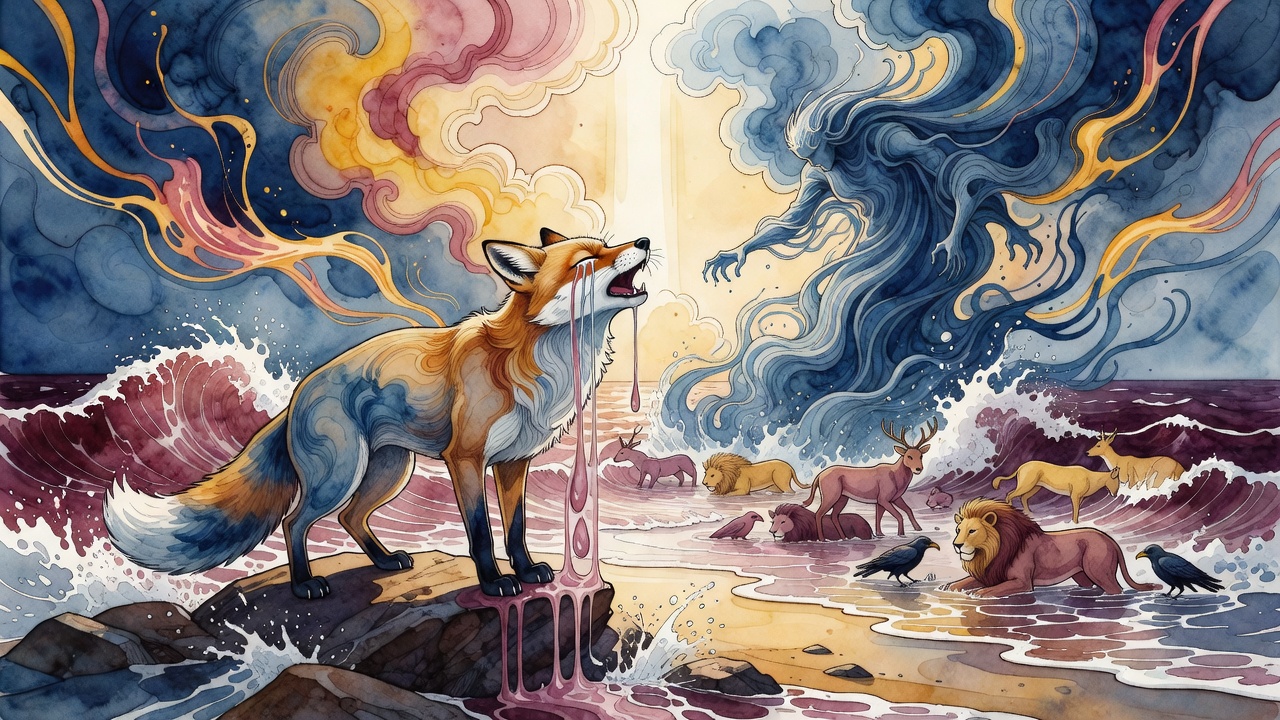
When the Angel of Death came to drown a pair of every beast, the fox alone refused to die, weeping over a mate he never had.
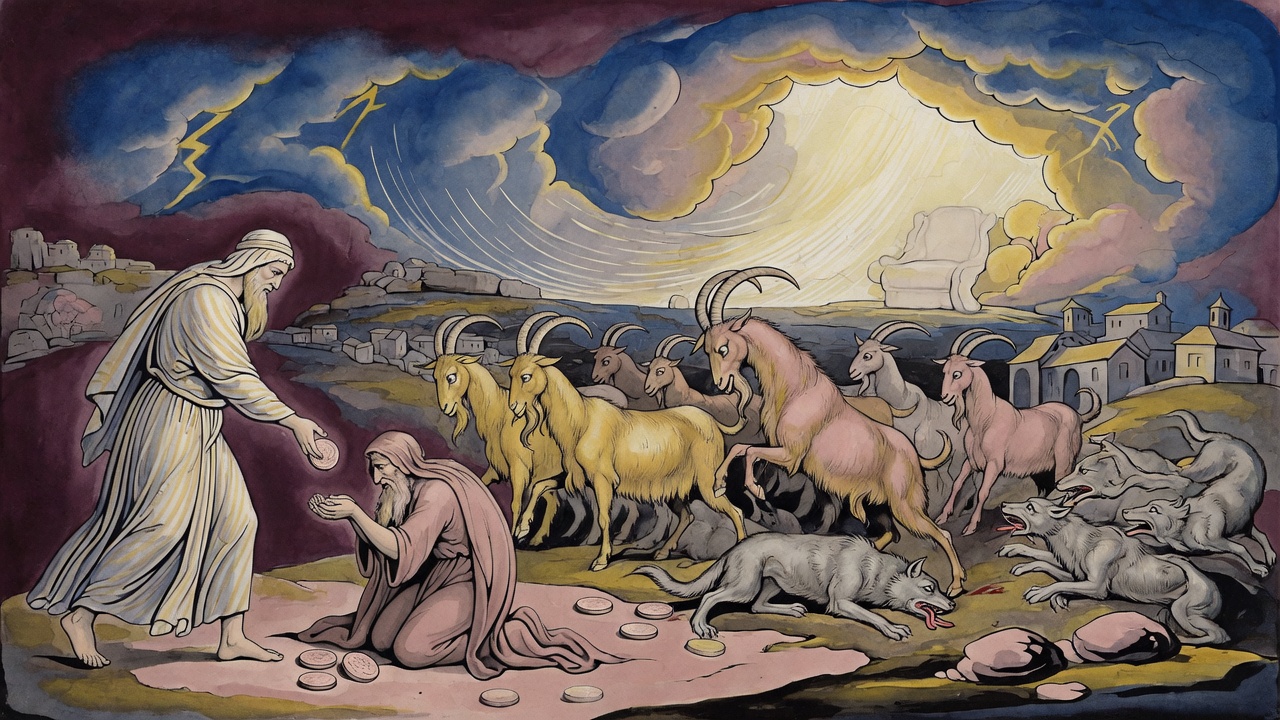
Nebuchadnezzar hoped two silly riddles would break the boy, but Ben Sira answered with Jericho, the ark, and a king left strangely instructed.
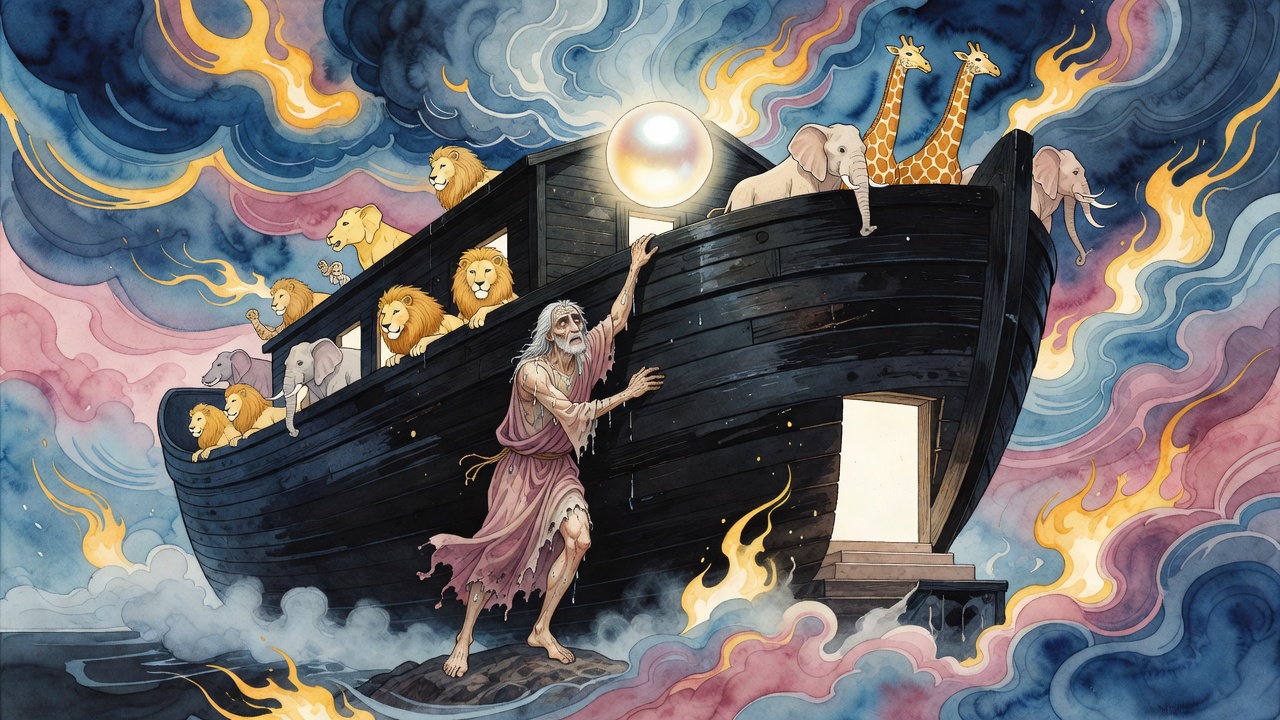
A single glowing pearl is Noah's only clock while he climbs a black ark for a year, feeding every beast on its own hour until the work nearly kills him.
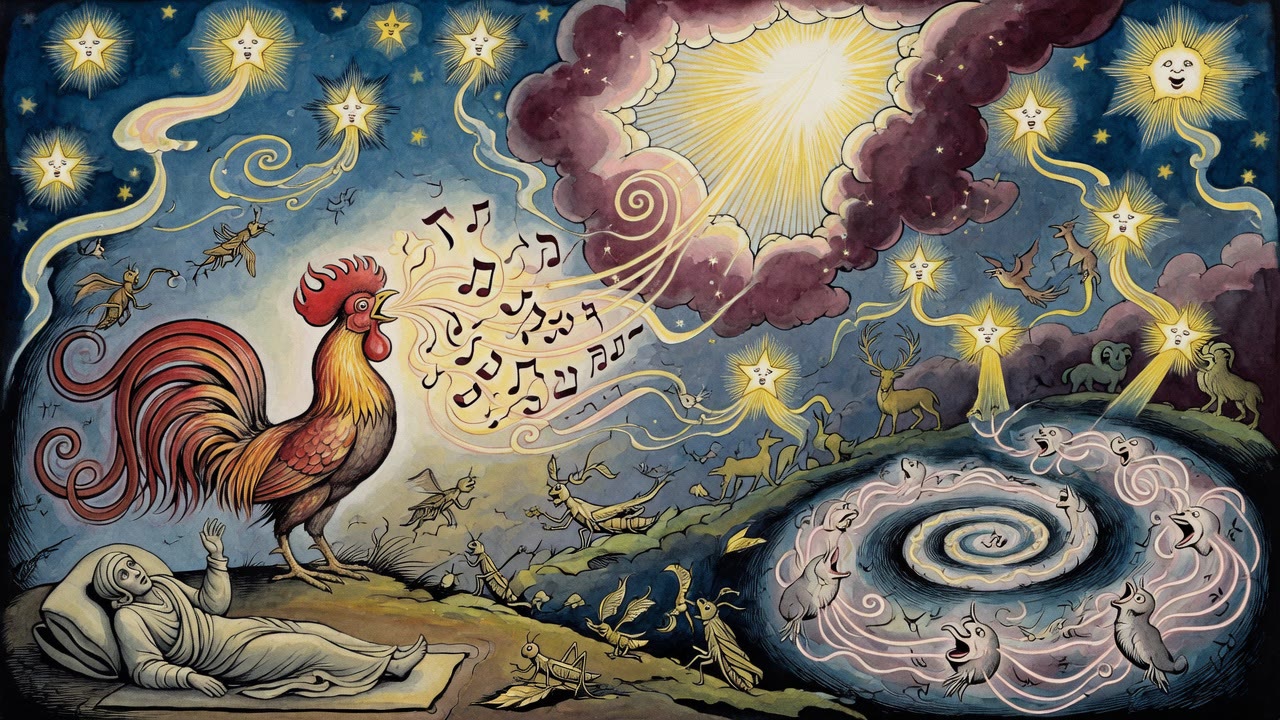
A sleeper wakes at midnight to a rooster crowing seven verses and learns the earth, the sea, the fox, and the frog each carry a praise of their own.
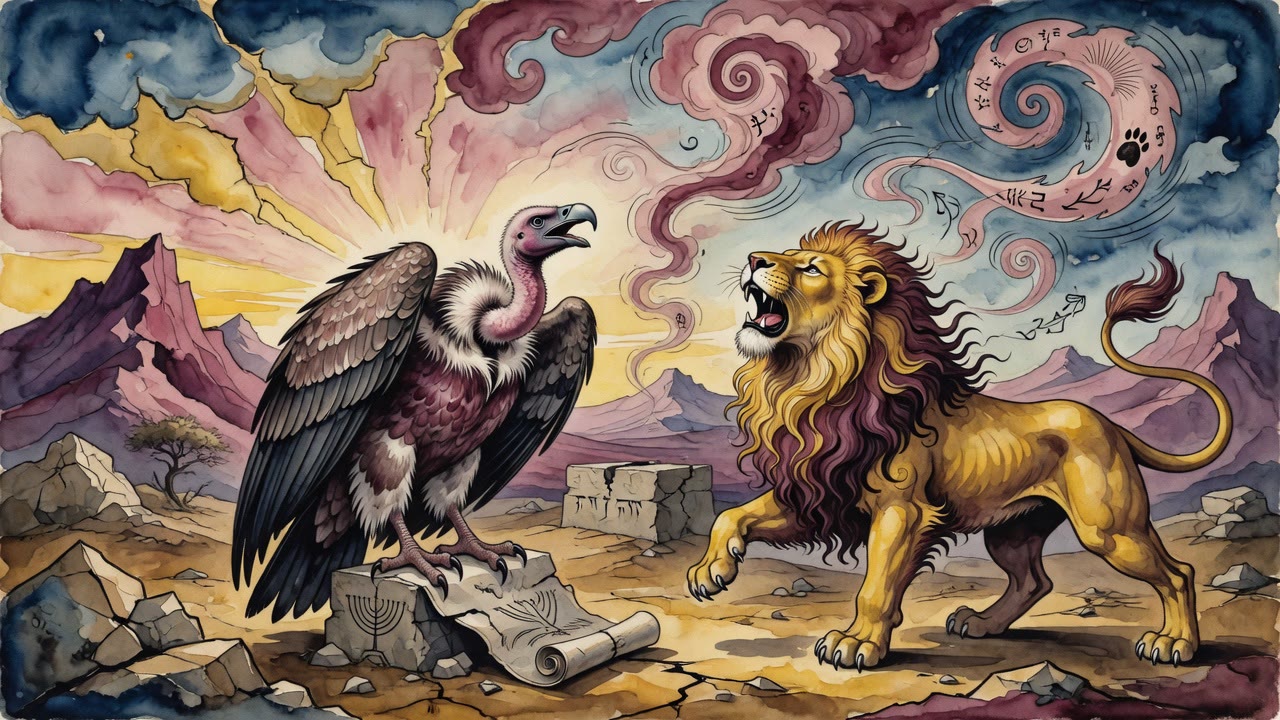
Creatures recite verses of strength and justice. A grounded vulture will one day announce redemption with a line from Zechariah.
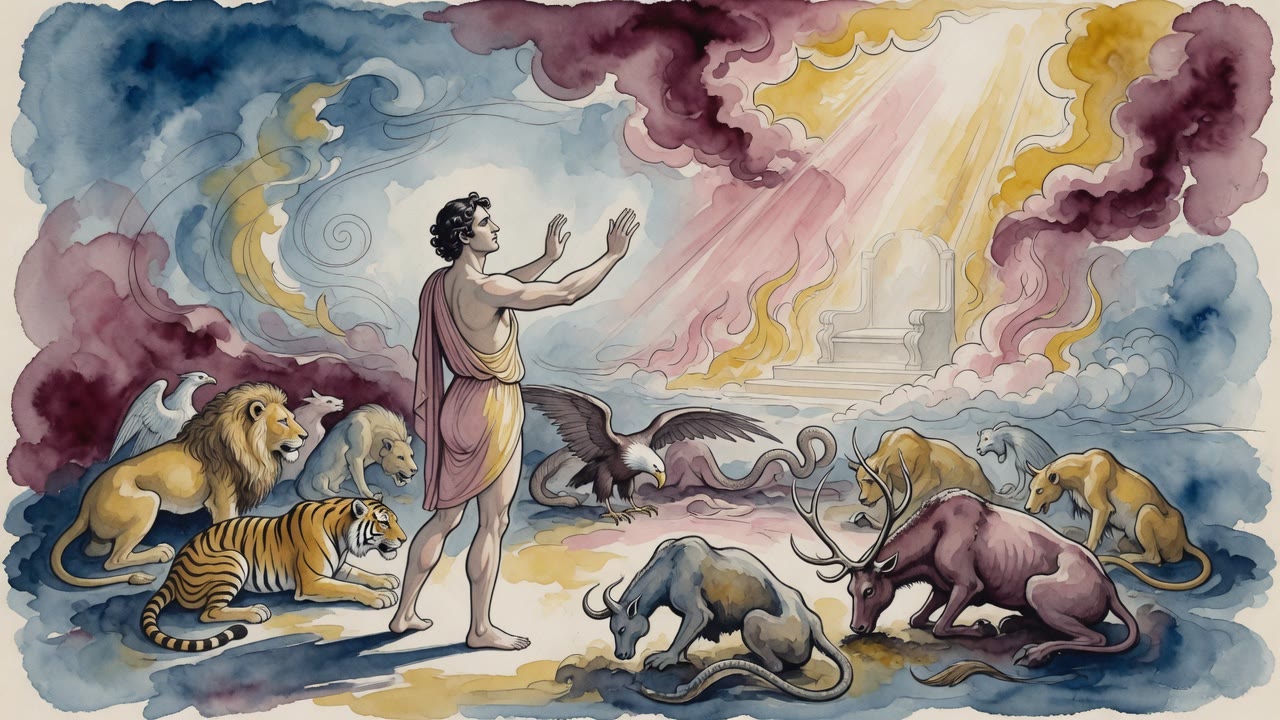
Every creature in the garden drew into a ring around the first man and went down on its knees. He had been alive for less than a day.
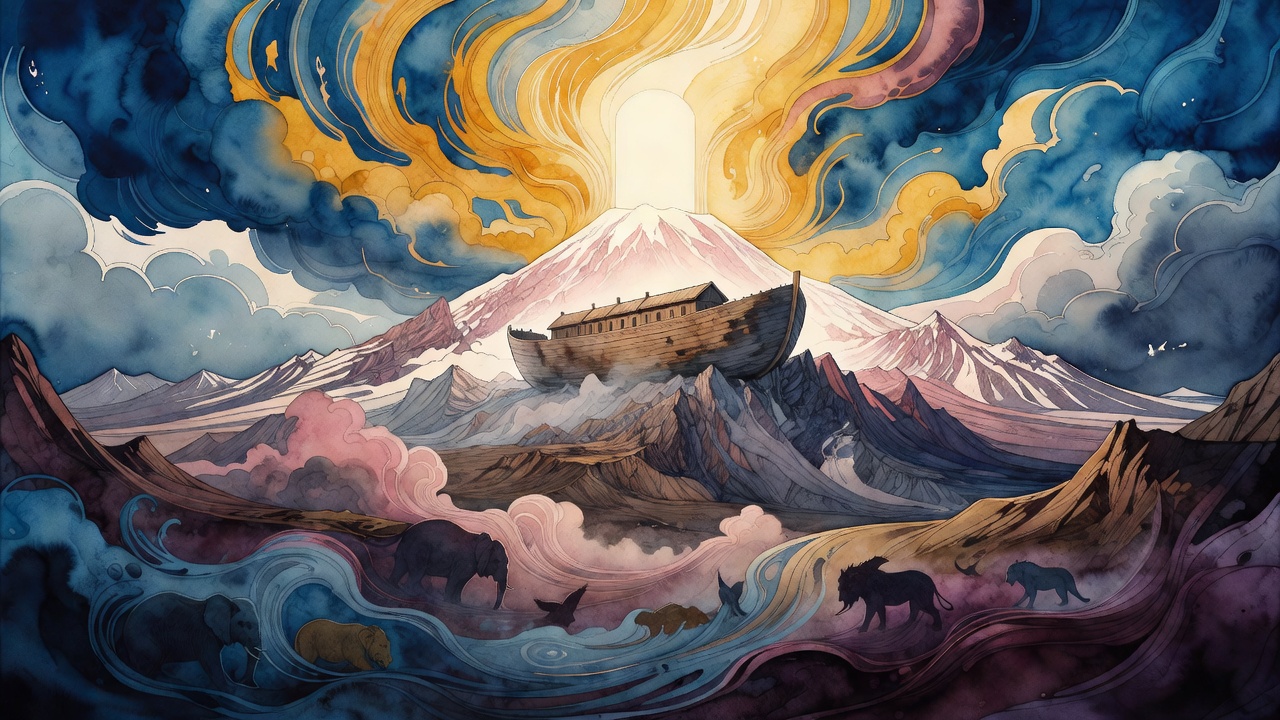
Rain hit the ark's roof without pause. Noah moved among stalls that stank of wet fur. Mercy had not shown its height.
