Children Left Their Drunk Father Among Graves
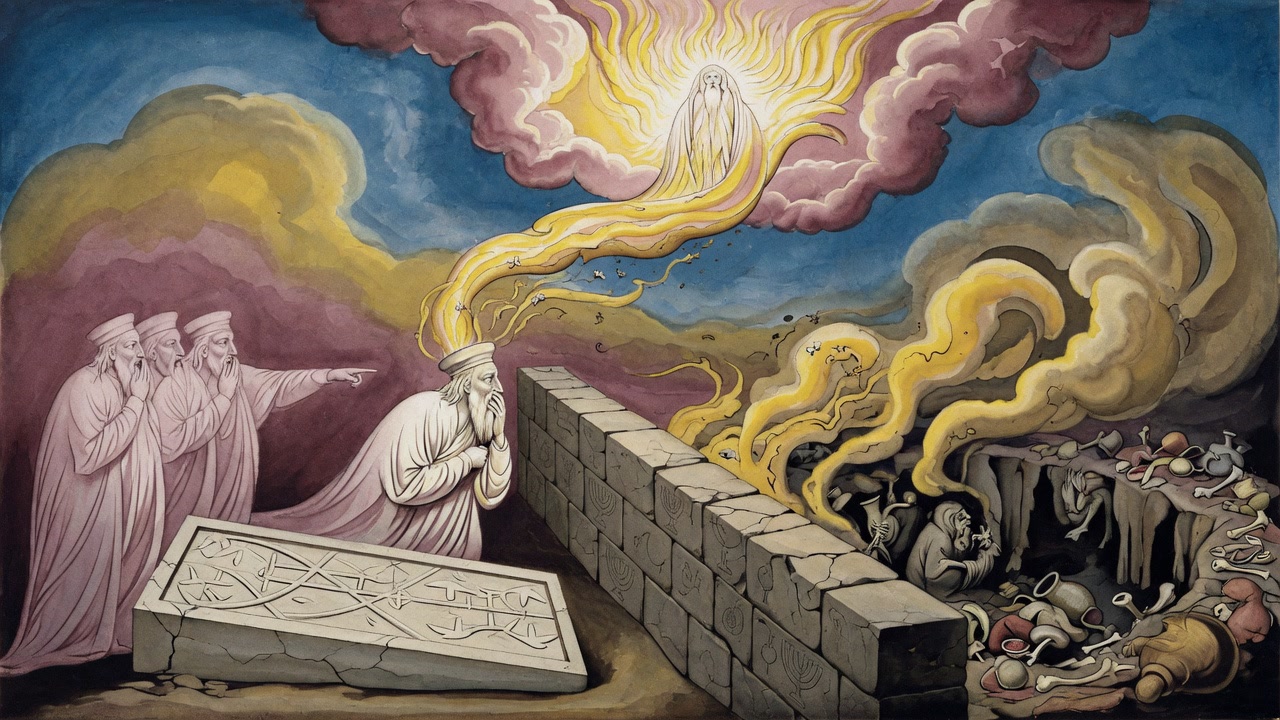
Desperate children carried their father to a cemetery to dry him out, but wine-thieves had stashed jars in a tomb and he drank deeper than before.
Table of Contents
 Click for full size
Wine in the House of Tombs
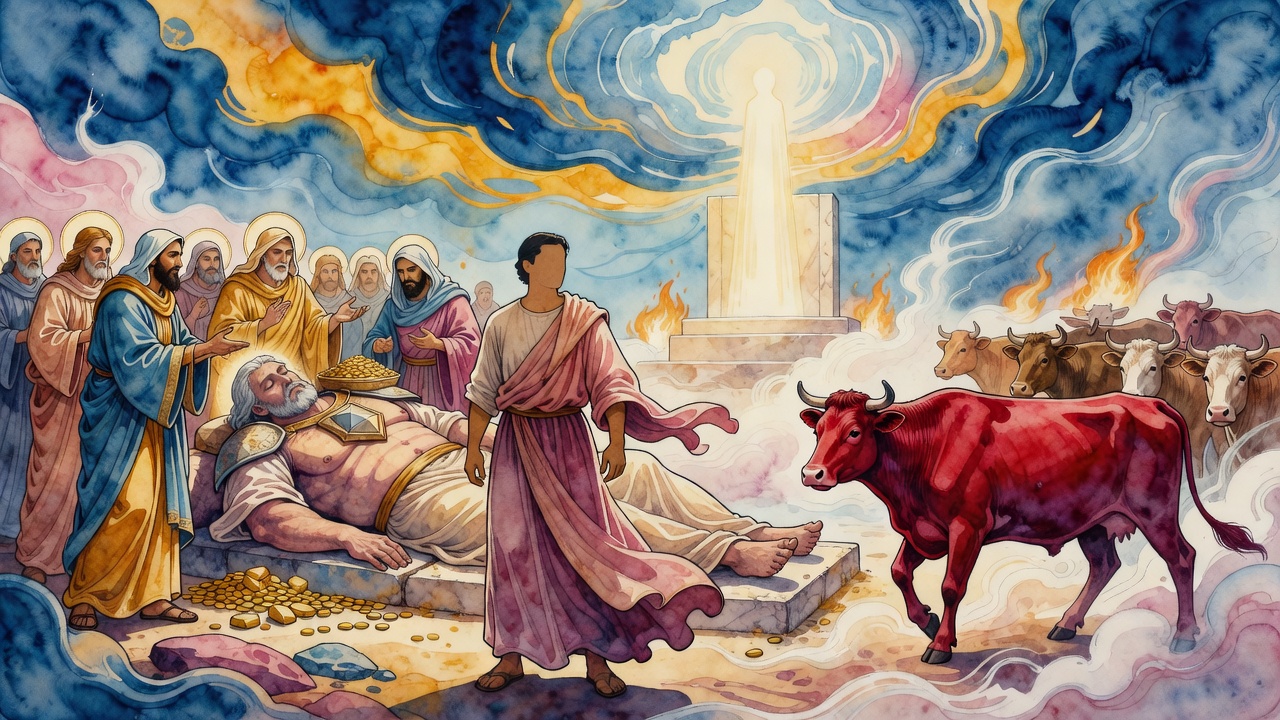
The father would not stop drinking. His children cut off the household supply and watched the cups go dry on the shelf. He found wine anyway, in neighbors' cellars, in hidden corners, in the stubborn routes addiction always invents. Embarrassed and out of softer tricks, they carried him to the cemetery and left him among the graves, hoping silence and empty hands would finally dry him out. Stone and shadow would be the cure the house could not force.
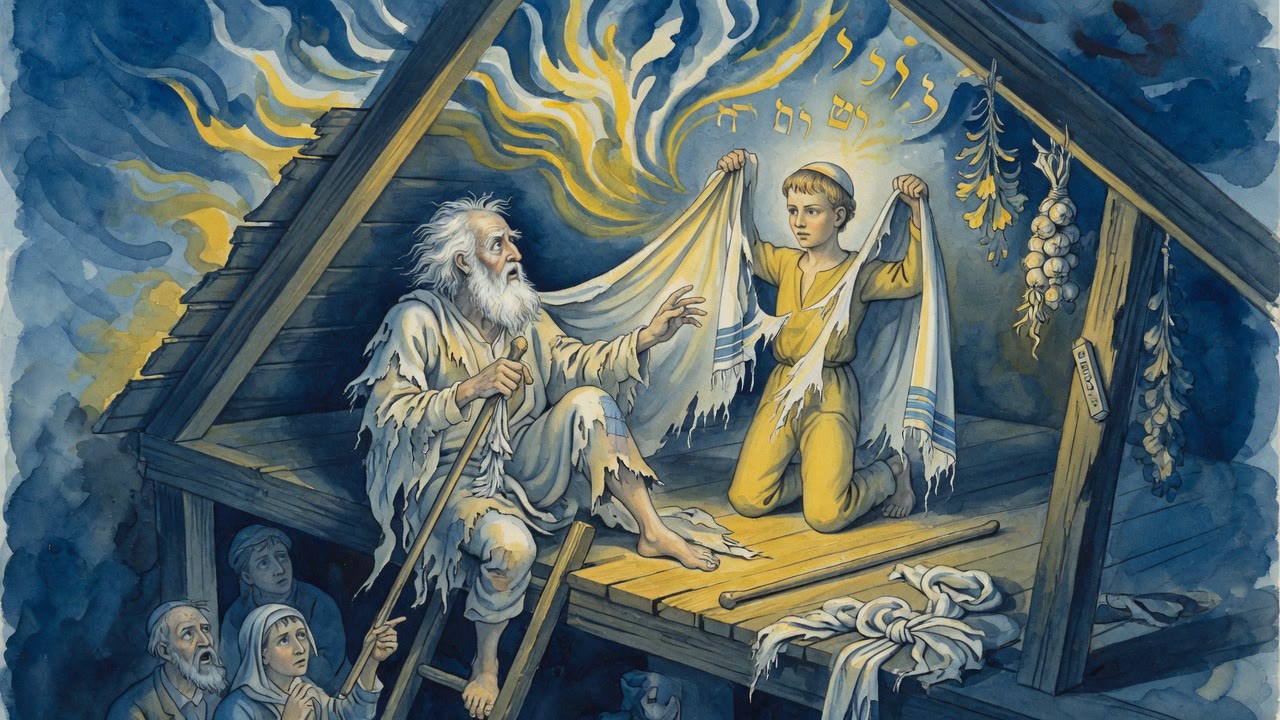
They underestimated thieves. In an empty cave of that same cemetery, a gang had stashed jars of stolen wine, waiting for a quieter night to move them. The old man wandered between markers, found the cave, smelled what he lived for, and drank himself into a worse stupor than the one they had tried to cure. Morning brought the children back with a thin hope. He was drunker than before. They carried him home defeated. Even the cemetery was of no avail. Changing a man's ground does not change his thirst. A drunkard will find wine in a tomb.
The children thought geography could do what conversation could not. Remove the man from the jar and the jar from the man. They did not count on a second market of wine operating under stones. Shame drove them. Shame also limited them. They wanted a cure that would not require them to sit with him through the long nights of refusal, so they chose a dramatic gesture and called it medicine.
A Living Staircase
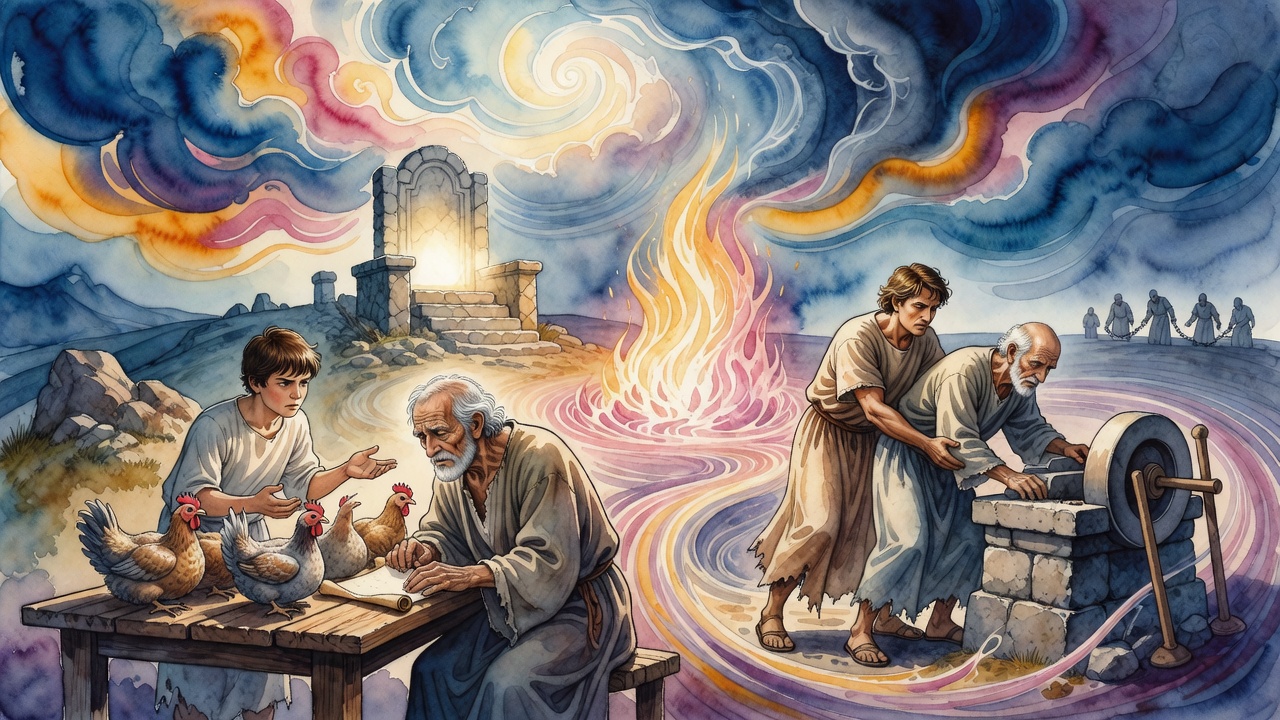
Against that failure stand other rooms, where honor of parents is almost physical and still not enough for the sages. Rabbi Tarfon bent so his mother could climb into bed by stepping on his back. When she needed to descend, she stepped on him again. One of the great sages of Israel made his body into furniture for her comfort, day after day, without complaint he was willing to publish. He boasted of it in the study house, sure he had reached the peak of the fifth commandment. The other sages were unimpressed. "You have not yet reached half the honor due to a parent," they said. "Has she ever thrown your purse into the sea in front of you, and you did not embarrass her?"
Service is not the full measure. Endurance without shame is. The parent may act irrationally, even destructively, wasting wealth or dignity, and the child who keeps honor intact has walked farther than the child who only kneels as a stool when the parent is gentle enough to need a step. Tarfon's mother never needed him to invent a desert for her. She needed a back and a refusal to shame her when she was wrong.
Footsteps Like the Presence
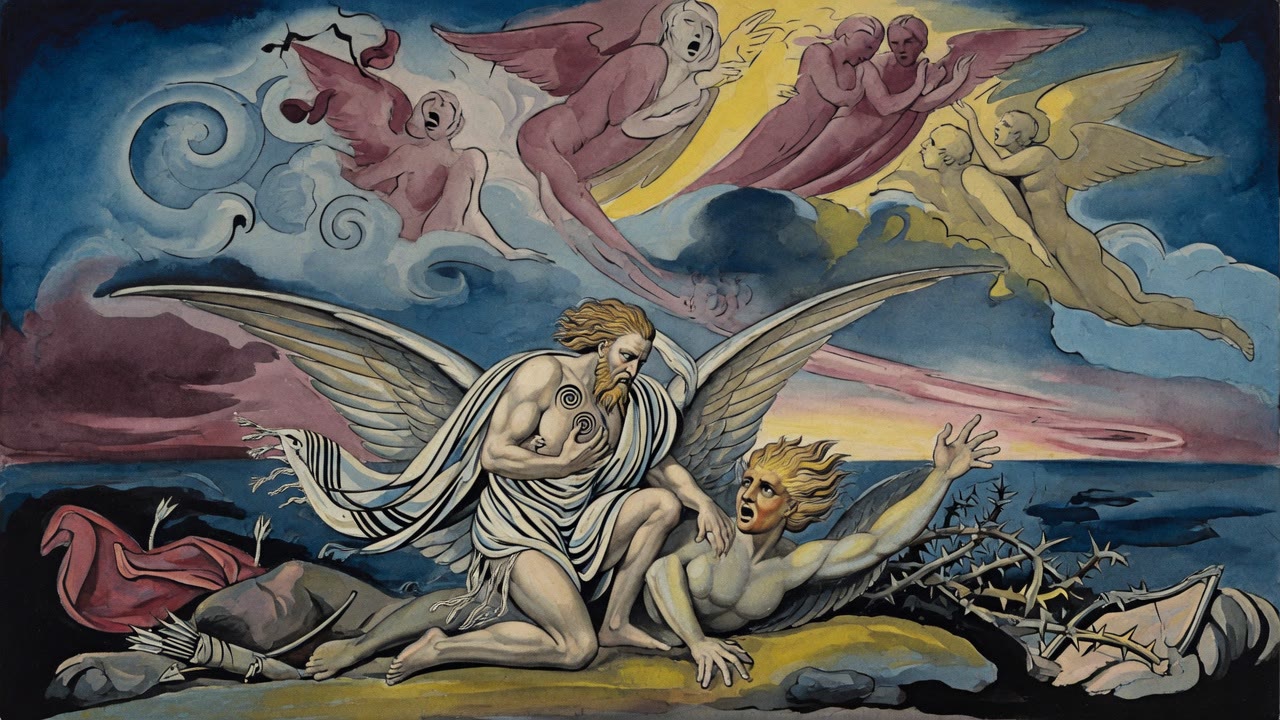
Rabbi Yosef, when he heard his mother's footsteps in the hall, would say, "Let me stand before the Divine Presence that is coming." He treated her approach as if the Shechinah (שכינה), the divine presence, itself were entering the room. The fifth commandment sits on the border between duties to God and duties to people because in honoring parents a person honors the One who created him through them. Casual contempt becomes a kind of sacrilege when that border is taken seriously.
That teaching does not romanticize every parent or erase every wound. It raises the stake of the relationship until the drunk in the cemetery still has children under commandment, and their failed cure does not free them from the harder work of dignity when they carry him home again smelling of stolen wine and grave dust. Yosef's mother needed only footsteps to make her son stand as if holiness had entered.
Two Failures, One Demand
The cemetery story is almost comedy until it is not. Environment is not repentance. Forced sobriety without an inward turn is only a delay, and the delay can end in a cave with better stock than the house ever held. The Tarfon story is almost perfect piety until the sages raise the bar past performance into the territory where a parent can humiliate you and you still refuse to humiliate them back. Both leave the same pressure on the living. You cannot outsource a father's will to a landscape of graves. You cannot finish honoring a mother by public service alone if private shame still rises when she wounds you.
Carry the drunk home again if you must. Bend your back again if she needs the step. Stand when the footsteps come if that is your house's custom. Between the cemetery and the study house the demand is the same and different: do not abandon the parent to a clever scheme, and do not reduce honor to a show that collapses when the parent becomes costly. When the children carried him home the second time, the neighbors saw only a drunk and a failed plan. The sages would have seen a harder assignment still waiting: honor that does not depend on the parent being worthy of a tale, and a cure that no cave can force.
← All myths