Tarfon Took the Beating and Kept His Name Quiet
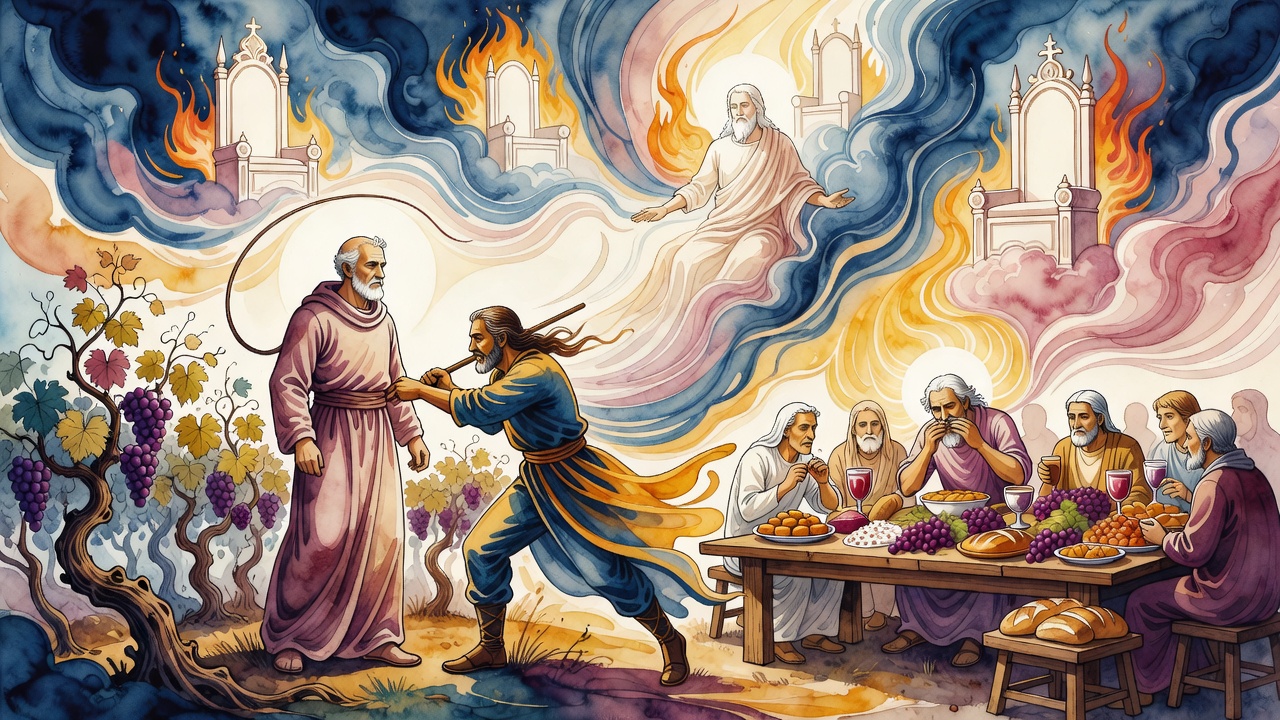
The overseer's stick found the owner of the vineyard. One sentence would have stopped it. Tarfon kept his mouth shut.
Table of Contents
Rabbi Tarfon walked his own rows at the hour when grapes hang heaviest. The soil was his. The vines were his. He checked them the way a man checks rooms in a house he built with his hands.
 Click for full size
The farm supervisor did not recognize him. He saw a stranger among the grapes and treated him as a trespasser, with the full force of a man protecting another man's property.
The Overseer Spent His Anger
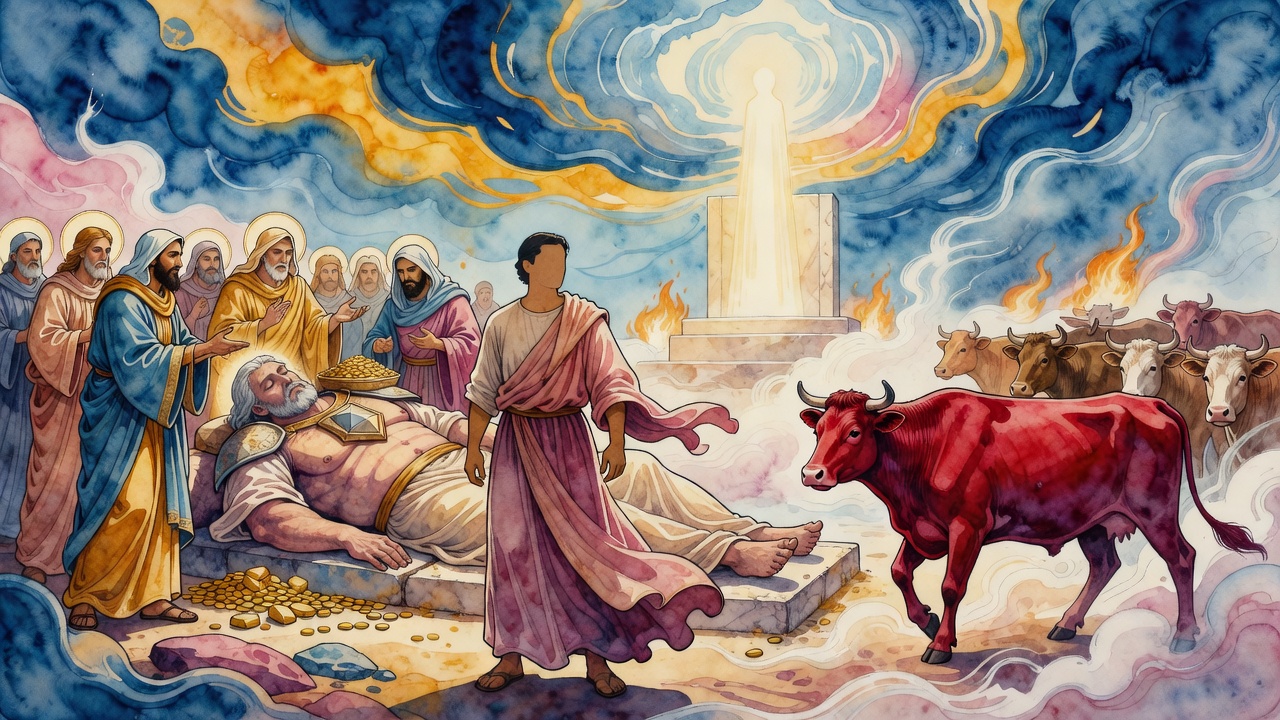
The beating landed hard. Stick, fist, the breath of a man who thought he was doing his job. Tarfon could have stopped it with one sentence. I am the owner. He did not speak. His humility would not let him use his own name as a shield.
He took the blows in silence while the overseer spent his anger on the wrong man, who was the right man, who refused to say so. Blood and bruise bought a privacy he valued more than comfort. The overseer's arms tired before Tarfon's silence did.
Only later, when the truth came out, did the supervisor collapse into apology. Tarfon did not crow. In the fuller telling he even regretted how close he had come to saving his skin with status. The bruise, he decided, was lighter than the error of turning a sage's name into a lever.
He had almost said it. The five seconds when the mouth wants to open and the name is right there, ready, cheap, enough to end the pain. He kept it in. Afterward he blamed himself for even reaching for it.
Eleazar Emptied the Platters
Not every sage's body made itself small. Rabbi Eleazar ben Shimeon was not a small man, and the tales do not hide it. Strength, mass, appetite. All of them ran large.
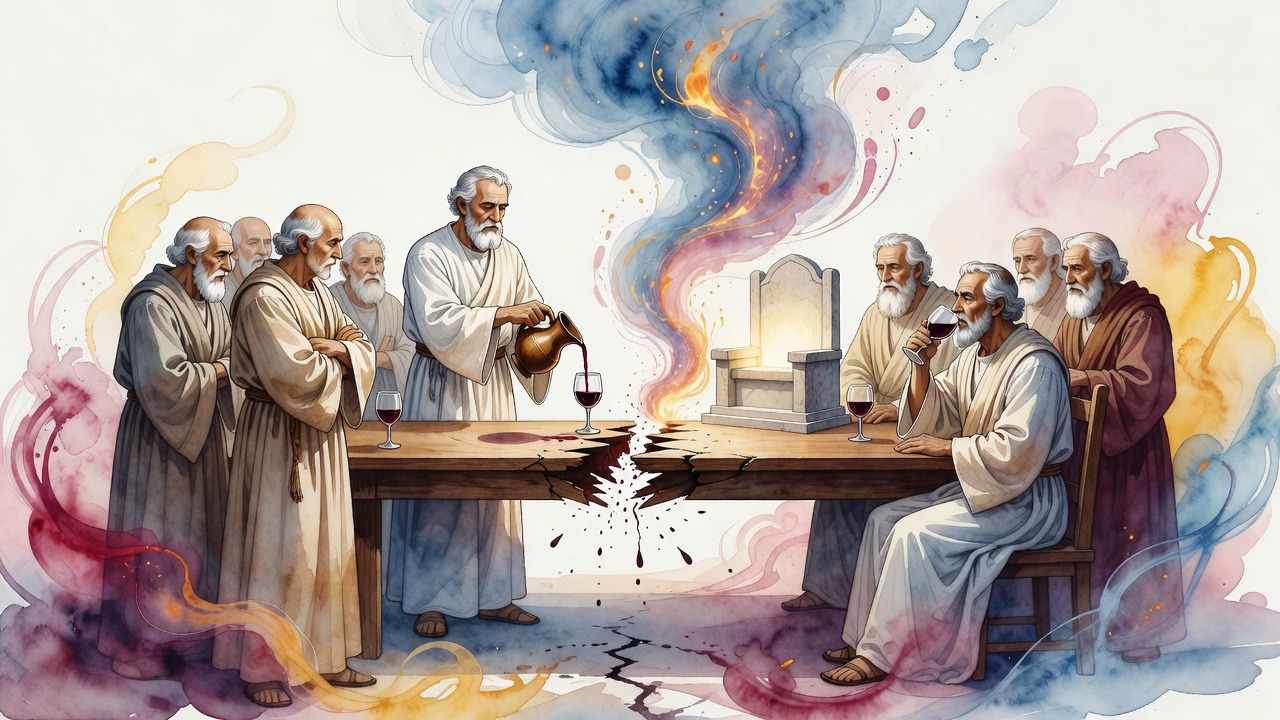
One day he traveled to visit Rabbi Josef ben Laqania. The host prepared a welcome meal the way a careful scholar prepares for a careful guest: measured portions, polite wine, the expectation of moderation taught in every house of study.
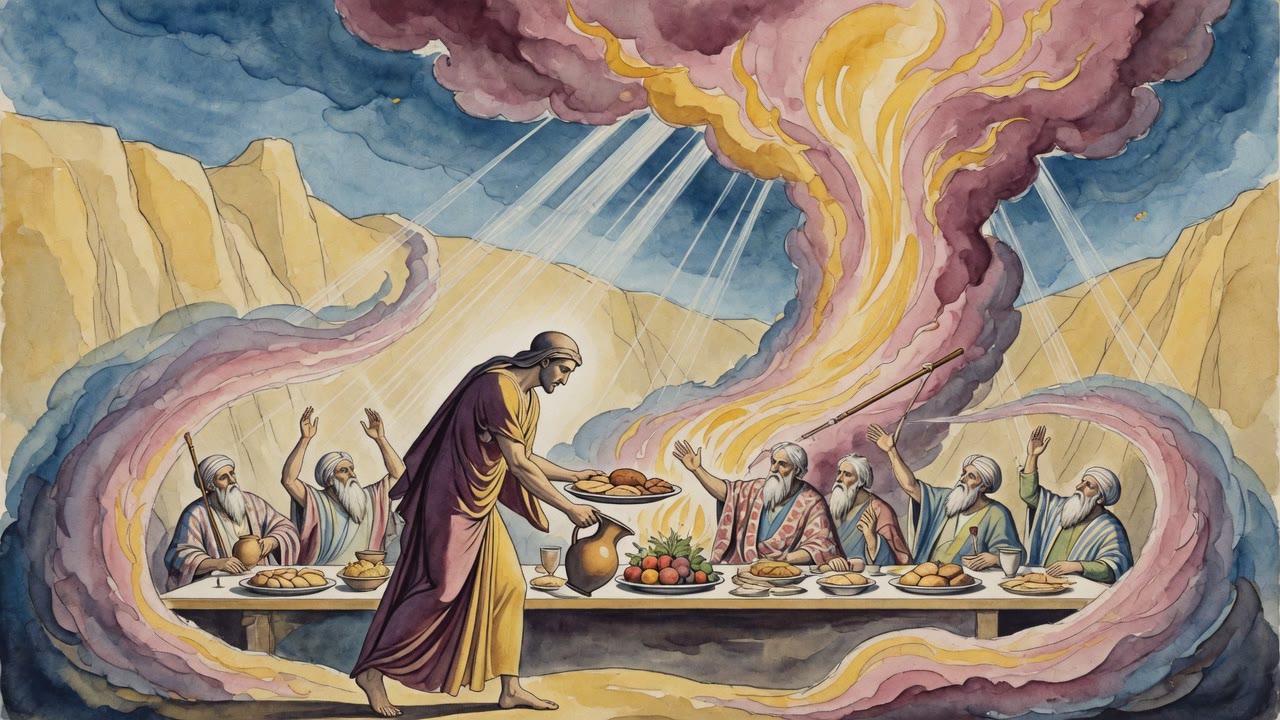
Eleazar ate. He ate past three men's portions, then four. Platters emptied and returned and emptied again. Servants traded glances across the doorway. Wine moved in quantities that made the household forget their manners of silence. Rabbi Josef finally spoke the only sentence left in the room.
"Master," he said carefully, "I have never seen anyone eat like this."
Eleazar's body was a vessel that demanded fuel equal to its work. Elsewhere the tradition remembers that when he died, ordinary carts were not enough to move him. Holiness, in these rooms, did not always arrive thin and whispering. Sometimes it arrived hungry and enormous and still holy, still learning, still welcome at a table that had underestimated him. The servants ran out of platters before he ran out of hunger.
The Pious Lingered Ten Days
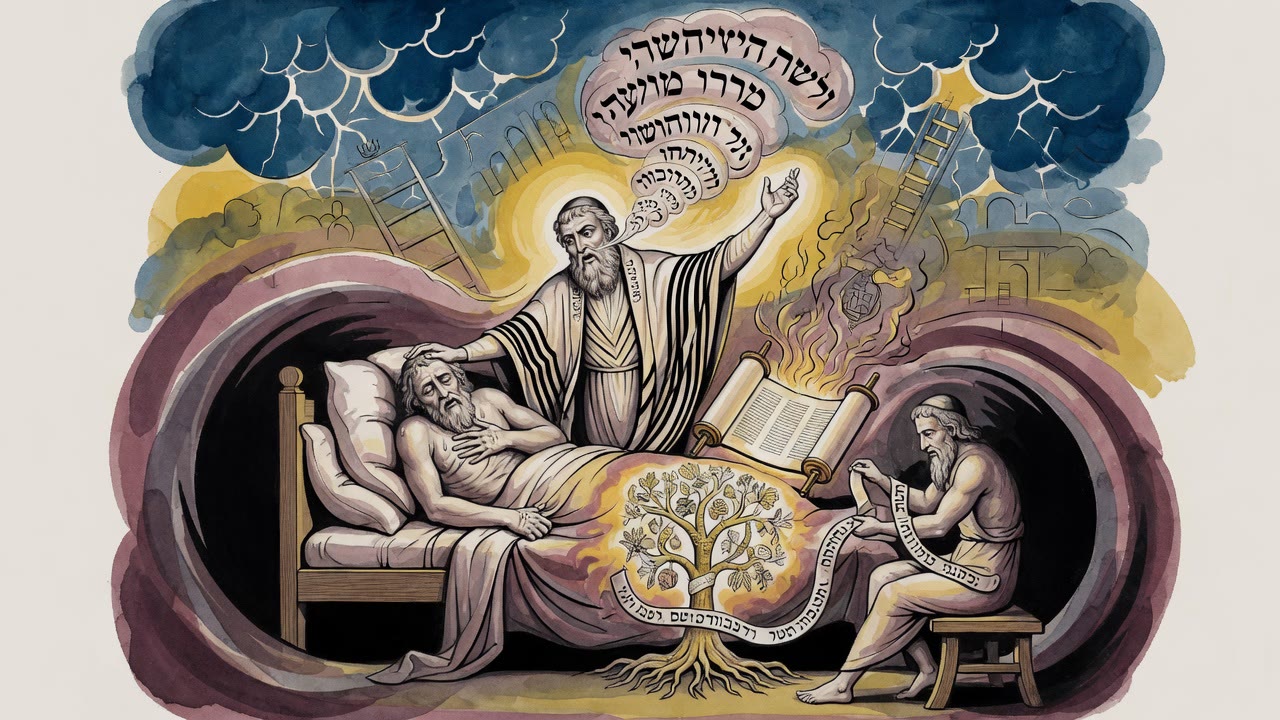
Rabbi Yehudah bar Ilai turned a harder fact of the body into a reading of favor. The earliest pious, he said, often died slowly of a bowel ailment, lingering ten or twenty days. He did not call the pain a curse. He called it a scouring. The prolonged illness purged whatever debt of sin remained so a righteous soul could enter the world to come unburdened.
Wherever Scripture uses the word for expiring of the kind used for Abraham, Yehudah heard that same refining illness hidden under a peaceful word. The body finished work the mouth no longer had to do. Ten days. Twenty. Long enough for the last account to close.
On those beds the early pious outlasted easy explanations. Pain was not proof of disgrace. It was the last labor a body could still perform.
Three Reached a Good Old Age
Only three people in all of Scripture are said to have reached "a good old age": Abraham, David, and Gideon. Lives that ran their full course and ended complete, crowned not only with years but with goodness. Death itself, in Yehudah's framing, became the last act of purification rather than a random collapse.
Tarfon's silence cost him blood in his own vines. Eleazar's size cost a host his composure and later cost a city a special cart. The early pious paid with days of illness that cleaned what remained. None of these rooms asked the body to disappear so the soul could look pure.
A name can become a shield. Tarfon left it unused. A table can become a stage for mockery. Eleazar filled it without apology. A deathbed can become a last court. The pious stayed long enough for the sentence to finish. Between bruise, feast, and long illness, the body told the truth about what the person refused to use for power, what the person needed to learn, and what the person still owed before leaving.
In the vines the overseer's arms gave out first. At the table the platters ended first. On the deathbed the easy death never arrived. Tarfon kept the name in his mouth and walked home with the bruise.
← All myths