6 min read

Sabbath Kept in Heaven Before Any Flesh Knew It

Turnus Rufus asked what made today different from yesterday. He ended up testing it: a conjurer raised his father's corpse six days, never on the Sabbath.

Curated by Arthur · Told by Maggid ·
Table of Contents
  1. No Water Through the Gates
  2. Two Letters That Profane
  3. What Difference Between Today and Yesterday
  4. Manna, the Dead, and the River
  5. Rest From Making, Not From Judgment
Sabbath Kept in Heaven Before Any Flesh Knew It Click for full size

No Water Through the Gates

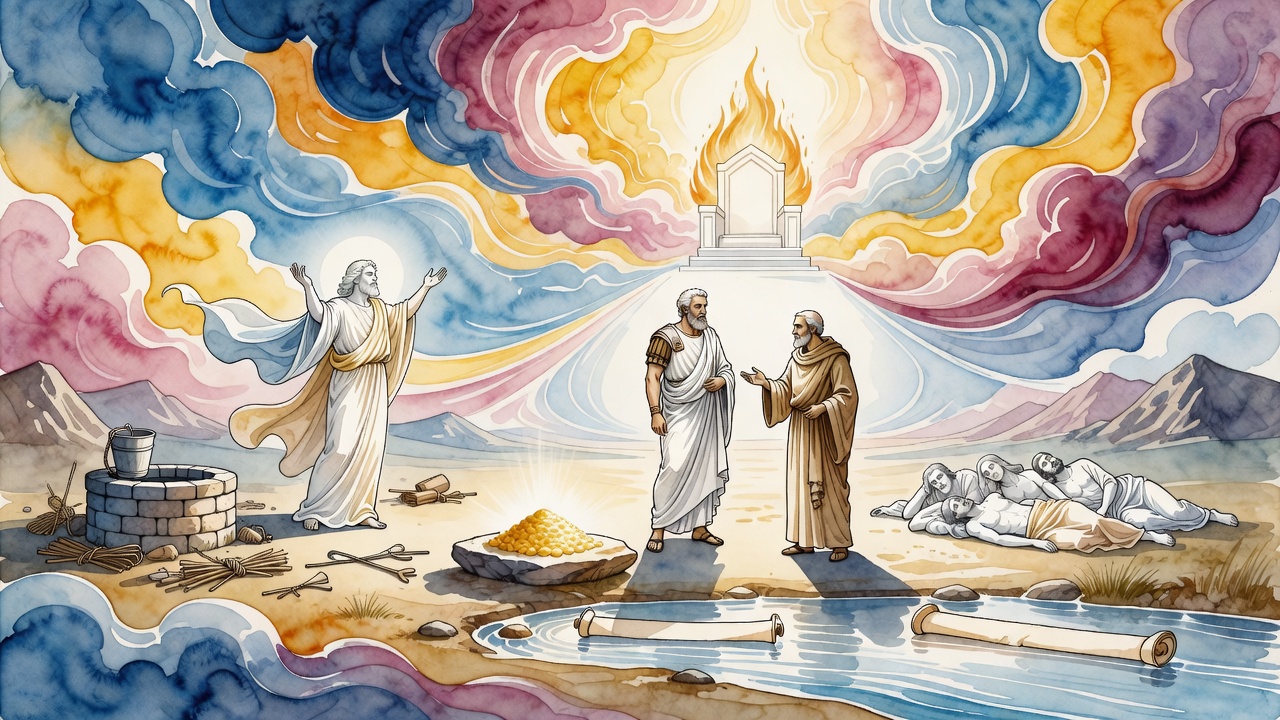
The Book of Jubilees will not soften the seventh day. No drawing water. No burden through the gates that was not ready on the sixth day in the dwelling. No carrying from house to house. The day is "more holy and blessed than any jubilee day of the jubilees." A jubilee already remits debts and returns land to the family that lost it. The Sabbath outranks even that year of release. Hands that want to fetch a bucket must stop. Shoulders that want to move a load between neighbors must wait for nightfall of the next day.

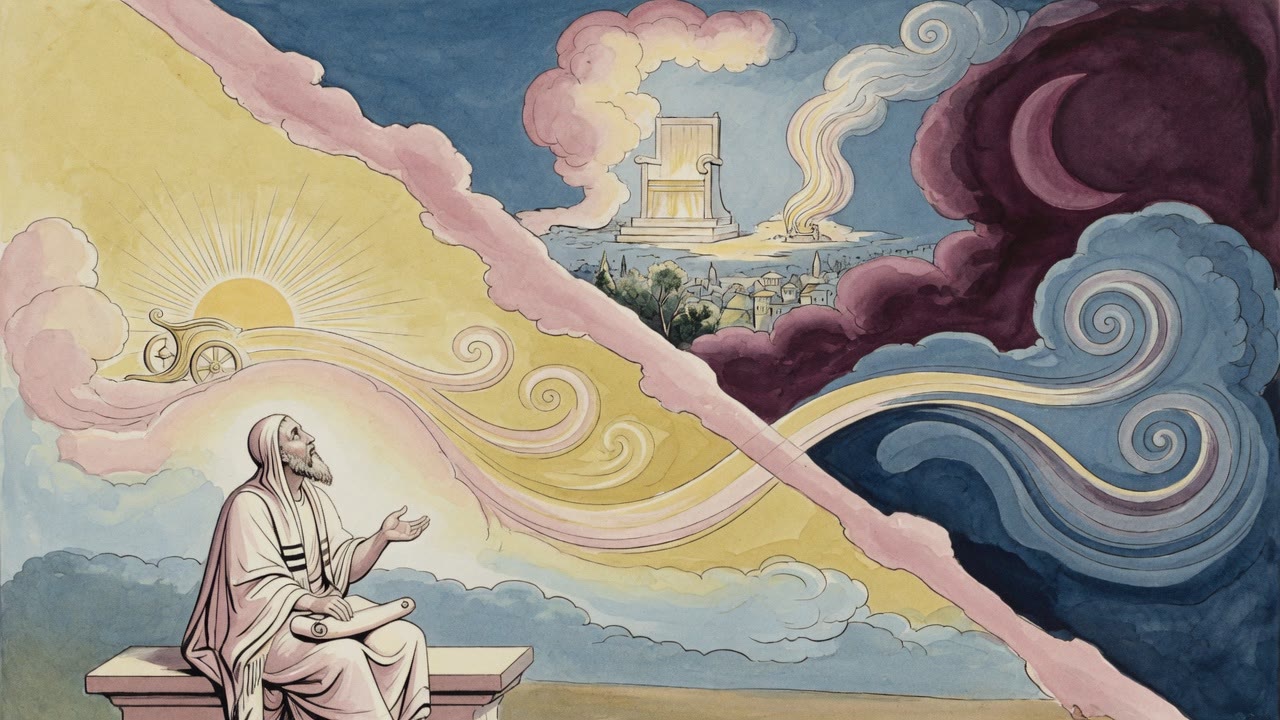
Then the book says what most people never expect. "On this we kept Sabbath in the heavens before it was made known to any flesh to keep Sabbath thereon on the earth." Angels rested before Israel ever stood at Sinai. The rhythm is older than the people who will later carry it in their bones. God blessed the day and did not hand it to every nation as a common tool. Israel alone is sanctified for it. Privilege and weight arrive in the same package. To keep the day is to join a schedule that began above the clouds.

Two Letters That Profane

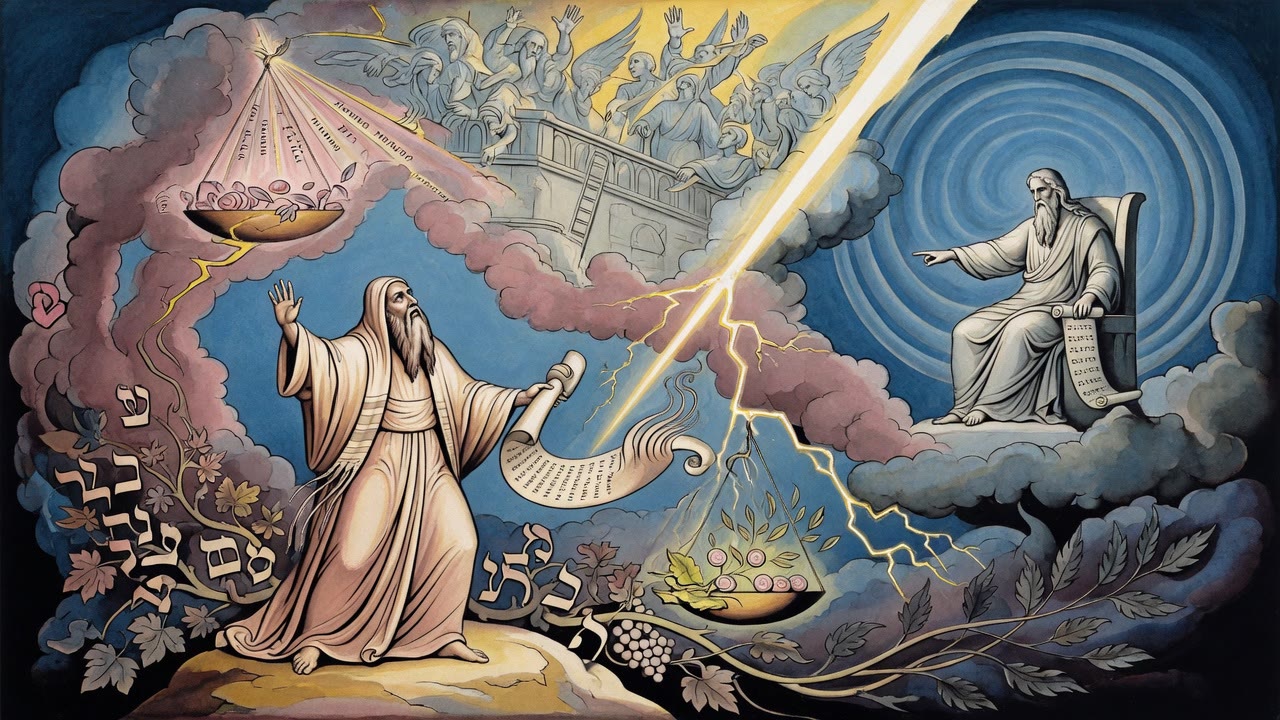
Midrash Tanchuma opens the same day from another door. Write two letters on the Sabbath without meaning to, and the obligation for a sin-offering still stands. A mark is a mark. Thoughtless ink still cuts the rest. The Holy One tells Israel to be jealous for the glory of the Sabbath because He rested from the work of creation (Exodus 20:11). Heaven kept the day when no human calendar yet existed. Now earth must guard its edges with stopped pens and closed gates.

The law is not decoration hung on a pretty week. It is the fence around a rest that began above and must not be chewed away by casual hands that think two letters are nothing.

What Difference Between Today and Yesterday

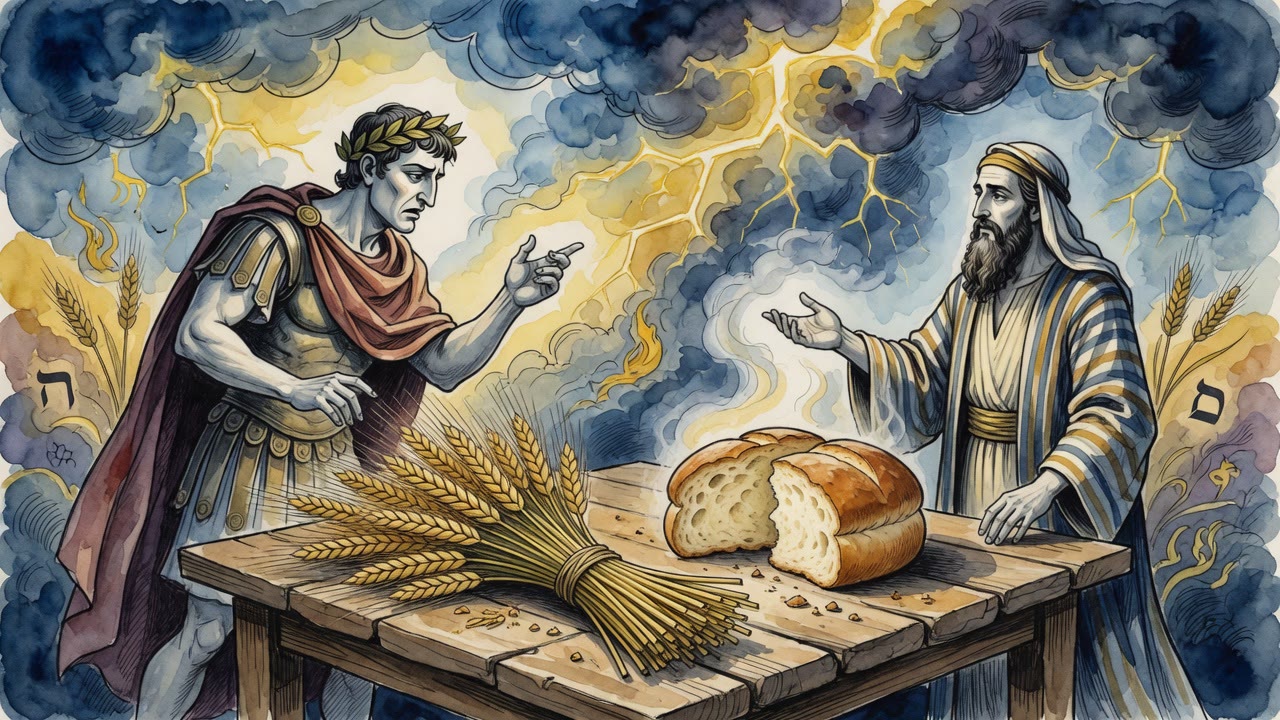
The wicked Turnus Rufus finds Rabbi Akiva in a land under Roman weight and asks the blunt question of empire. "What difference is there between today and yesterday?" Akiva answers with another question, the kind that turns a trap into a mirror. "What difference is there between one strong man and another?" Rufus hates the reflection. Akiva names it without blinking. The king among kings honors Rufus with rank and purple. The King of Kings demands that Israel honor the Sabbath with stopped work and a different kind of day.

Rufus presses harder. If God rests, why do winds still blow, clouds still climb, rain still fall, sun and moon still shine, fruit still ripen, and women in labor still cry out and receive answer on the seventh day the same as on the sixth? Akiva reaches for the law of the eruv, a rule Rufus already knows from watching Jews. Two men share a courtyard. One deposits an eruv, the other does not. Permission does not spill from the careful man to the careless one. But a man alone in a courtyard as large as Antioch may walk it all, because no partner shares the domain with him. God's throne is heaven and the earth is His footstool. His glory fills the world and no one shares it with Him. He moves in His own domain. That walking is not human labor and does not break His own rest from making.

Manna, the Dead, and the River

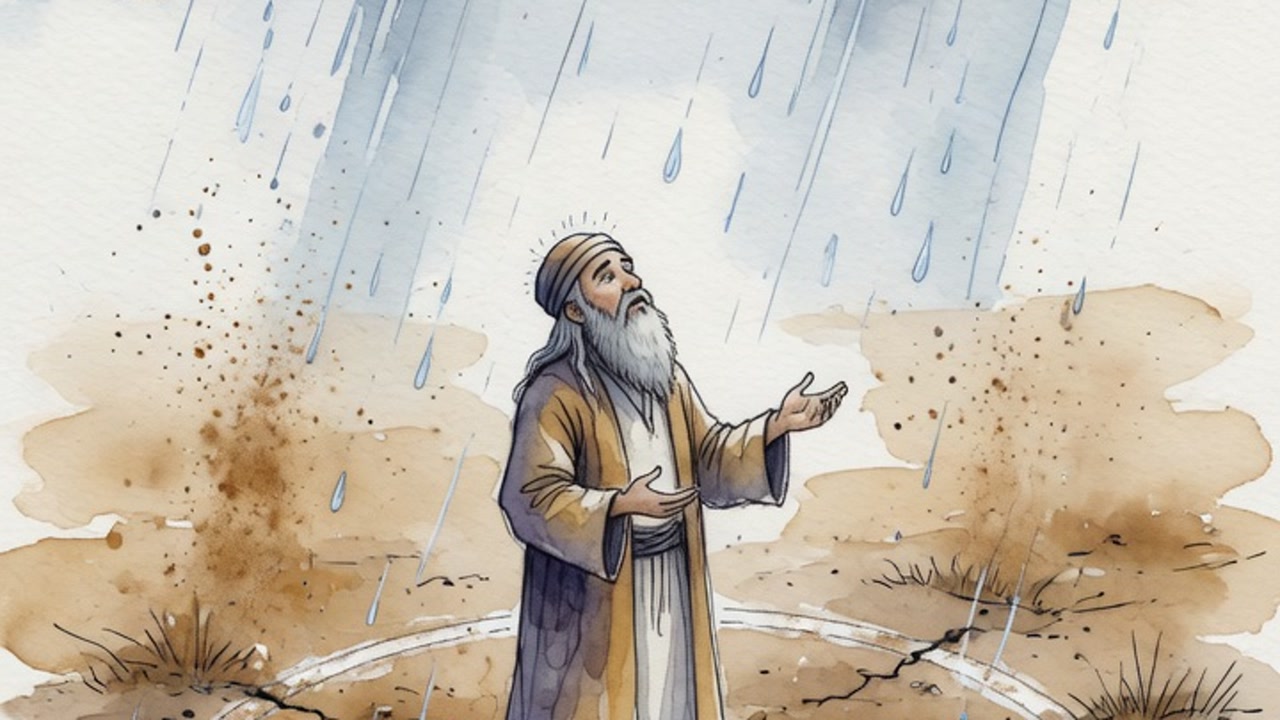
Those who ate the manna testify from the wilderness that still lives in Israel's mouth. The bread fell on weekdays and not on the Sabbath. "Eat that today; for today is a Sabbath" (Exodus 16:25). Those who raise the dead by witchcraft testify the same, and Rufus is forced to run the experiment. On the first day through the sixth the corpse of his father will rise for the conjurer. On the Sabbath it will not. On the first day of the next week it returns as if nothing holy had blocked it. The dead man answers his living son without comfort. Everyone among you who will not keep the Sabbath willingly will keep it unwillingly when he arrives here. On weekdays the dead are judged. On the Sabbath they rest until the Sabbath reading ends, and then the angel of souls casts them back into the land of thick darkness (Job 10:22).

The river Sabbatyon joins the witnesses with a roar that stops on schedule. All week it flings stones and sand as if the world were still being built. On the Sabbath it rests and the water holds its tongue. Creation itself keeps a calendar. Rufus wants a trick he can laugh at in the governor's house. His father's corpse and a restless river refuse him one.

Rest From Making, Not From Judgment

Rabbi Phinehas, in the name of Rabbi Joshua, draws the last line so that no one confuses rest with absence. "He rested from all His labors" (Genesis 2:2) means rest from the work of creation, not rest from weighing the deeds of the righteous and the wicked. Punishment is called work (Jeremiah 50:25). Reward is called work (Psalms 31:20). God ceases building worlds on the seventh day. He does not cease knowing who stood and who fell, who kept the gates closed and who wrote two letters when the pen should have slept.

Rabbi Joshua son of Hanina hears the Holy One say the Sabbath equals the entire law. Keep language for the day matches keep language for the commandments. Both arrived through Moses in the wilderness. Heaven kept the day first among angels. Israel is commanded to keep it last and forever, with no water through the gates, no casual mark of the pen, and a difference between today and yesterday that even a Roman cannot erase, while winds still blow through a courtyard that belongs only to One.


← All myths
From the tradition

Sources

2 sources

The texts behind this telling. Some cards carry a translation of the source; others are our own retelling of it, and each card says which. Every card links out to the original.

Book of Jubilees 2:52Book of Jubilees

Retold in our words. Read the original at the link below.Sefaria Community Translation · CC-BY

Book of Jubilees turns to Strict Sabbath Laws Forbid Drawing Water.

A day where you can't even draw water, or carry anything through your gates that you didn't already prepare the day before. Sounds intense. Jubilees insists on this level of observance, stressing that you shouldn't move things from house to house either. This isn't just any ordinary holy day, it emphasizes; it's "more holy and blessed than any jubilee day of the jubilees!" A jubilee, by the way, refers to a special year of remission and restoration described in the Torah. So, to say the Sabbath is holier than that is saying something.

Here's the really part: Jubilees claims that we kept Sabbath in the heavens before it was even revealed to humanity on earth. for a second. The concept of resting on the seventh day, of ceasing from labor, was already part of the cosmic order. It was woven into the fabric of creation itself.

Who gets to participate in this cosmic rhythm? According to Jubilees, the Creator blessed the Sabbath, but didn't sanctify all peoples and nations to keep it. Only Israel.

Why Israel alone? What does it mean to be chosen for such a profound observance? Is it a privilege? A responsibility? A burden? Or perhaps all three? These are the kinds of questions that Jubilees, and the Sabbath itself, invite us to ponder. It's not just about following rules; it's about connecting with something ancient, something cosmic, something deeply, uniquely ours.

Full source
Midrash Tanchuma, Ki Tisa 33Midrash Tanchuma

Retold in our words. Read the original at the link below.Townsend 1989 translation of Midrash Tanhuma, S. Buber Recension · CC-BY

And the Lord said unto Moses: “Write thou these words” (Exod. 34:27). May our masters teach us: Is one who writes two letters on the Sabbath (while unmindful of the prohibition or of the Sabbath) obligated (to bring a sin-offering)? Thus do our masters teach us: One who writes two letters thoughtlessly on the Sabbath is obligated (to bring a sin-offering) because he has made a mark and profaned the Sabbath. The Holy One, blessed be He, said to Israel: Be zealous of the glory of the Sabbath, for on that day I rested from the work of creation, as it is said: And He rested on the seventh day (ibid. 20:9).

It happened that the wicked Turnus Rufus encountered R. Akiba and asked him: “What difference is there between today and yesterday?” He responded: “What difference is there between one strong man and another?” Rufus retorted: “I asked you a question, yet you reply with another question.” R. Akiba then said: “You asked me what difference was there between the Sabbath and any other day, and I asked you what is the difference between Turnus Rufus and any other man.” “The king among kings wished to honor me,” he answered. R. Akiba replied: “It is the King of Kings who demands that Israel honor the Sabbath.” “If that is so,” he argued, why does He labor on the Sabbath?” “What labor does he perform on the Sabbath?” queried Akiba. “Exactly what He does during the week,” said Rufus. “He makes the winds to blow, the clouds to soar, the rain to fall, the sun and the moon to shine, the fruits to grow, and answers (the prayers) of women giving birth as they do on any other day of the week.” Akiba retorted: “I know that you are familiar with the law of eruv. Now if two men reside in one courtyard and one deposits an eruv while the other does not, you would not maintain that they are both permitted to walk about on the Sabbath.

However, if a man lived alone in a courtyard as large as Antioch itself, he could walk about that courtyard, for no one else shares the area with him. So, too, the Holy One, blessed be He, may His name and His memory be blessed, has His throne in heaven and the earth is His footstool, His glory fills the earth and no one shares it with him, hence He goes about in his world. Nevertheless those who ate the manna testify that it descended on weekdays and not on the Sabbath, as it is said: Eat that today; for today is a Sabbath (ibid. 16:25). Likewise, those who conjure up the dead through witchcraft testify that the dead arise on weekdays but not on the Sabbath. If you doubt this, consult your father’s (corpse), may his bones be ground to dust.”

He went to the sorcerer on the first day of the week and his father’s corpse was brought up. That occurred also on the second, the third, the fourth, the fifth, and the sixth day of the week, but on the Sabbath day it did not ascend. Then, on the first day of the next week, it reappeared. He asked his father’s corpse: “Now that you are dead, why do you behave as a Jew, observing the Sabbath?” He replied: “My son, everyone among you who does not observe the Sabbath as it is decreed will do so unwillingly when he arrives here.” He asked him: “What work do you do on weekdays? He answered: “On weekdays we are judged, but on the Sabbath we rest until the Sabbath ends and the Sabbath reading is completed. When the Sabbath reading is concluded, the angel in charge of souls comes and takes the souls of those people and casts them back into the pit of the earth that is called A land of thick darkness as darkness itself; a land of the shadow of death, without any order (Job 10:22).” What is meant by tzalmavet (“shadow of death”)? It means tze’u lemavet (“they go out to death”), since they have already completed reading the text for the Sabbath. He then asked him: “If that is so, then why does the Holy One, blessed be He, work on that day?” He replied: “He is like one who walks about a courtyard four cubits in size. The river Sabbatyon testifies to this fact, for it carries stones and sand throughout the week, but on the Sabbath it rests.” He said to him: “Do you intend to fob me off (with this answer)?” He said to him: “It is written: He rested on the seventh day from all His labors (Gen. 2:2) (My answer is intended seriously).”

R. Phinehas stated in the name of R. Joshua: Though it is written concerning Him that He rested from all His labors, it indicates merely that He rested from the work of creation, but not that He rests from considering the deeds of the righteous and the acts of the wicked. Rather, He works with them. He reveals to these (the righteous) the essential character of their deeds and to those (the wicked) the essential nature of their acts. How do we know that the punishment of the wicked is called work? It is said: The Lord hath opened His armory and hath brought forth the weapons of His indignation; for it is a work that the Lord God of hosts hath to do (Jer. 50:25). How do we know that rewarding the righteous is considered work? It is said: Oh, how abundant is Thy goodness, which Thou hast laid up for them that fear Thee; which Thou has wrought for them (Ps. 31:20).

Thus you learn that even the dead are aware of the Sabbath day. R. Joshua the son of Hanina declared: The Holy One, blessed be He, said to Israel: “Keep the Sabbath, for it is equal to the entire law.” About the Sabbath, it is written: Keep the Sabbath day (Deut. 5:12), and concerning the law it states: Ye shall diligently keep the commandments (ibid. 6:17). The Sabbath was given through Moses: See that the Lord hath given you the Sabbath (Exod. 16:29), and similarly, the law was given through Moses.

Full source