Three Accusers and One Defense from Song of Songs
Angels demand the Torah at once. Nations sneer at freed slaves. Then a third voice asks whether Israel was ever worth the trouble at all.
Table of Contents
 Click for full size
The Angels Who Could Not Wait
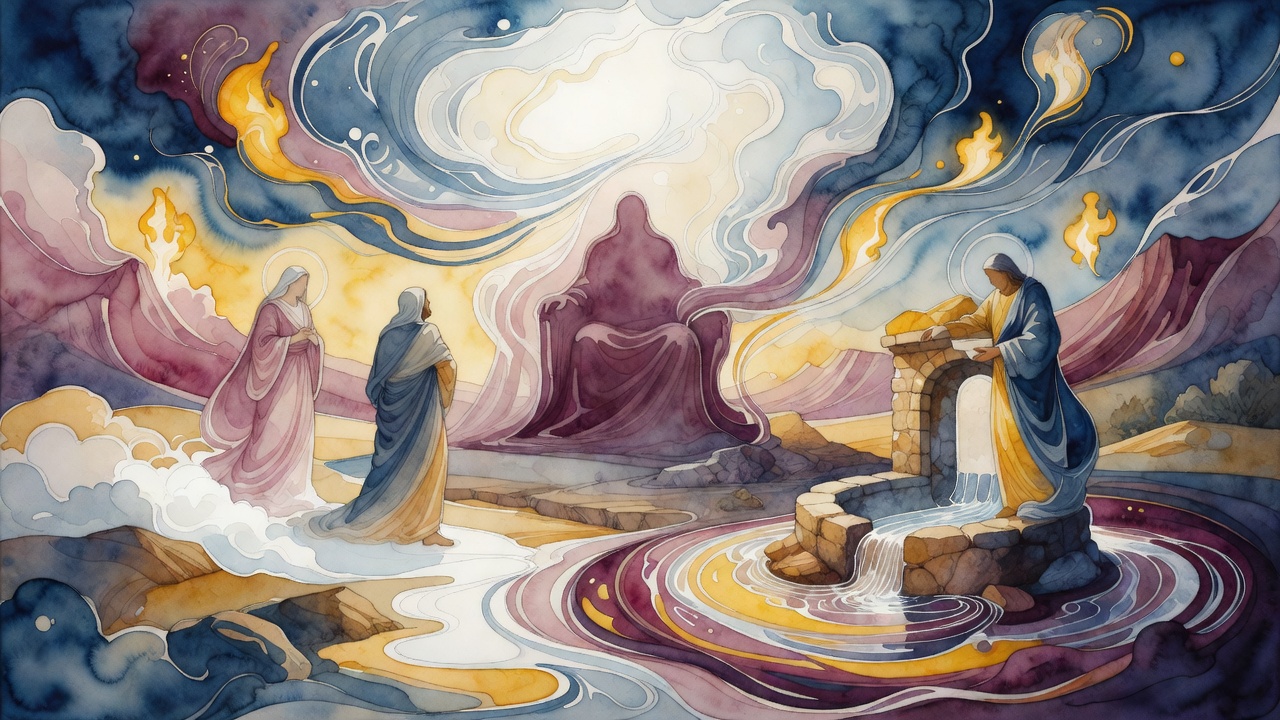
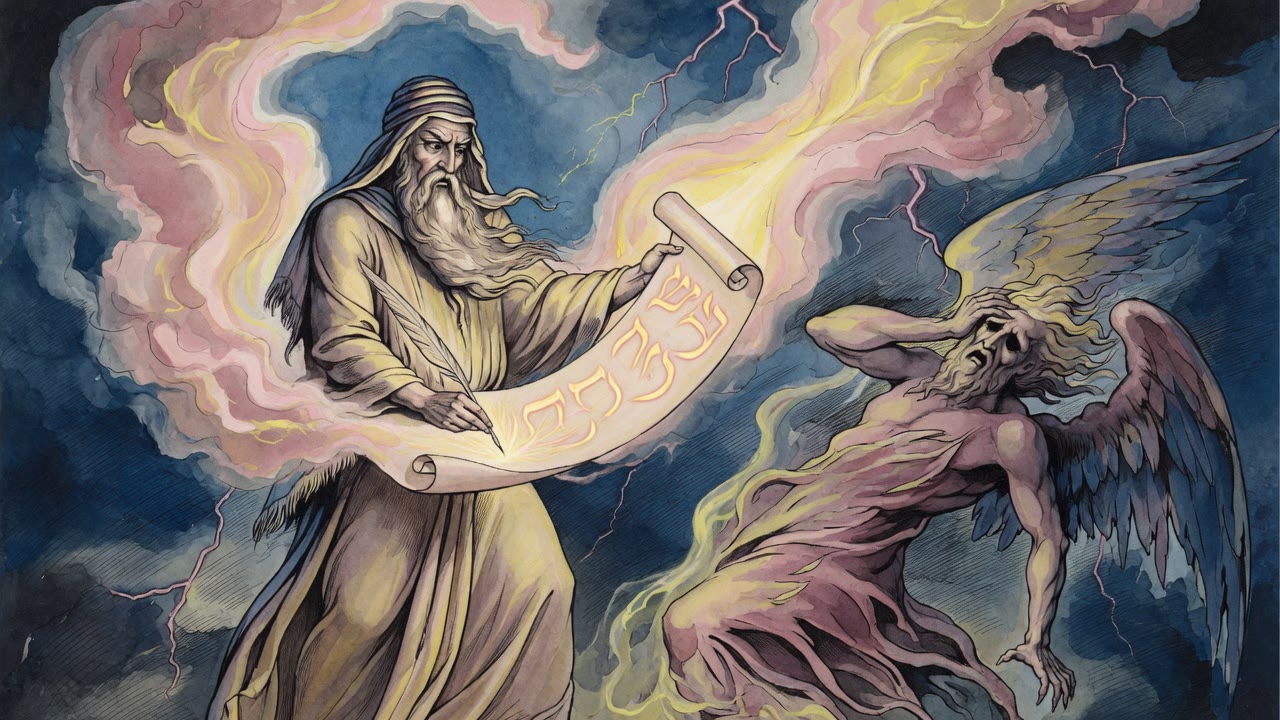
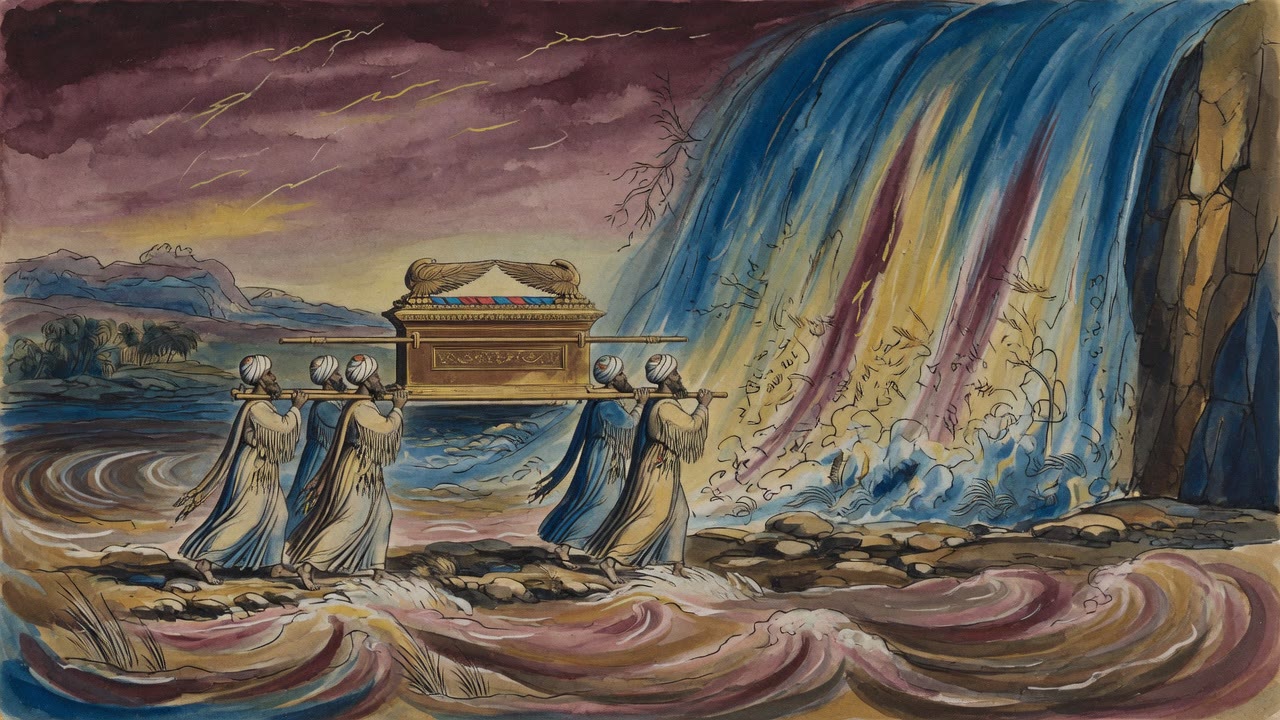
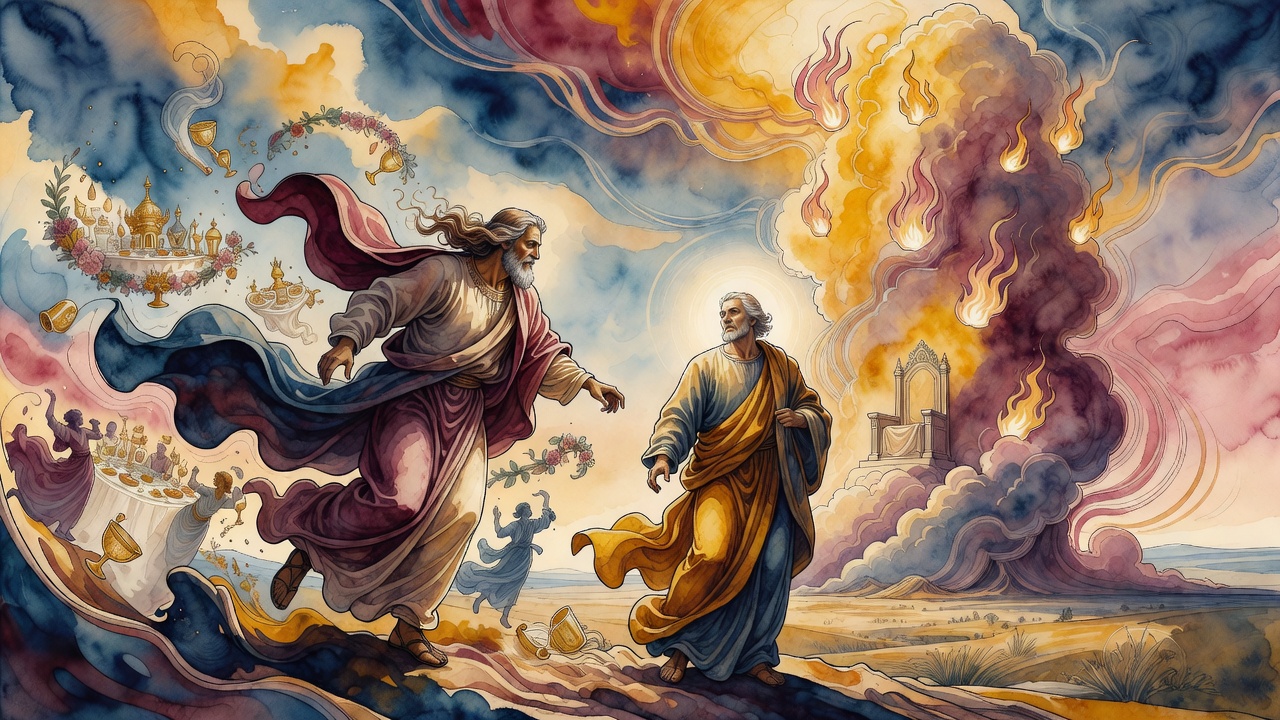
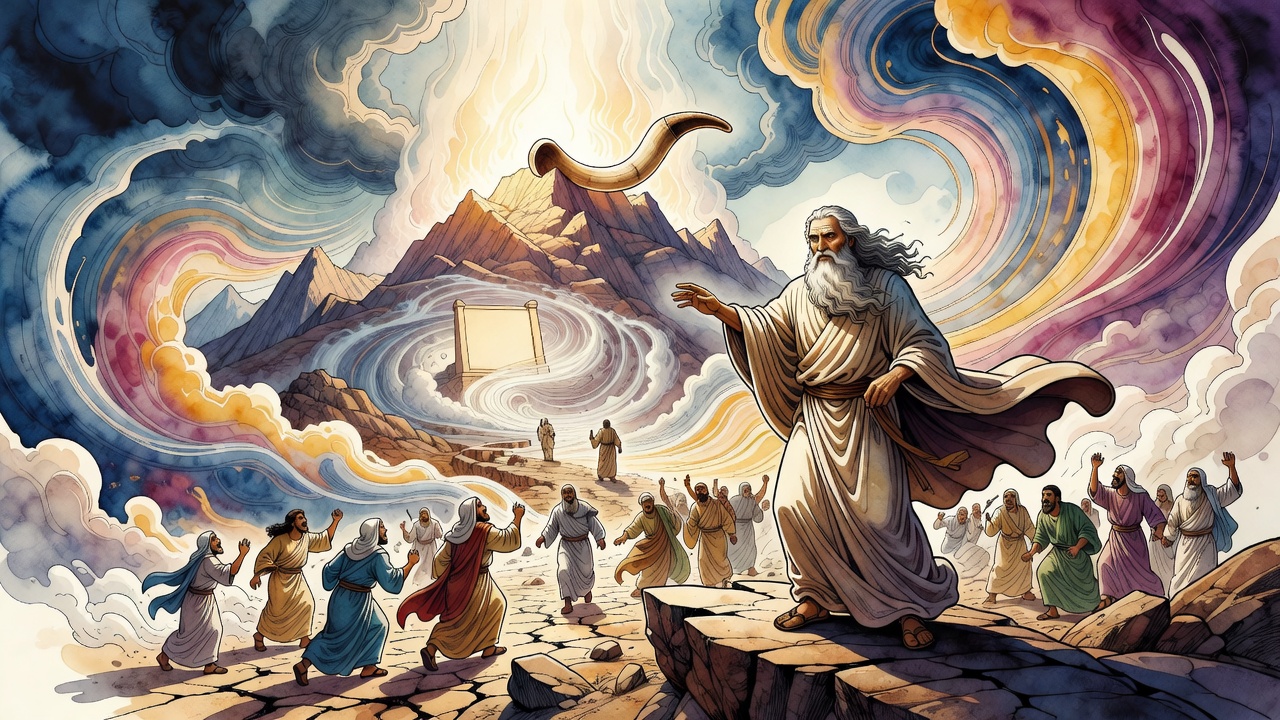
The Israelites had just crossed the sea. They were standing on the far bank, wet and alive, and the ministering angels were already at the throne arguing about the Torah. "Give it to them now," the angels said. "They have earned it. They walked through a divided sea."
God told them a story instead of arguing.
Picture a prince who has just survived a long and brutal illness, the kind that strips a child down to bone and shadow over months. He is standing upright again. He can walk the length of a room without help. His father, the king, summons him to the throne room and the royal tutor shows up at the gate the same afternoon. "Send him to the academy immediately," the tutor says. "He is recovered. There is no time to waste."
The king looks at the tutor the way a father looks at someone who has never sat beside a sick child in the dark. "My son has not gotten his color back yet," the king says. "Three months of food and sunlight and being held. Then we discuss Torah."
The tradition reading Song of Songs heard that story in the line: I am asleep, but my heart is awake. The people on the far bank of the sea were standing, but they were not ready. The Beloved would not rush the convalescence.
What the Nations Said
The nations had a different objection. Not impatience but contempt. "These are slaves," they said, "people whose own bodies were not their own for four hundred years. They built Pharaoh's cities. They bowed before his magicians. What does a people like this do with a Torah?"
The Song of Songs gave the tradition its answer in the line about the tents of Kedar. I am black but comely, the bride says, like the tents of Kedar. Kedar was a desert tribe whose tents were famous for being filthy, sun-scorched goat hair blackened by smoke and years of use, the visual equivalent of poverty.
But the rabbis asked what was inside those tents. Not the outside. They imagined the interior: gems, fine cloth, objects of value piled in the corners that no traveler riding past would ever suspect. The scholar in the threadbare coat. The people who look like nothing carrying the thing that will outlast every empire that despised them.
The Accusation Behind Both
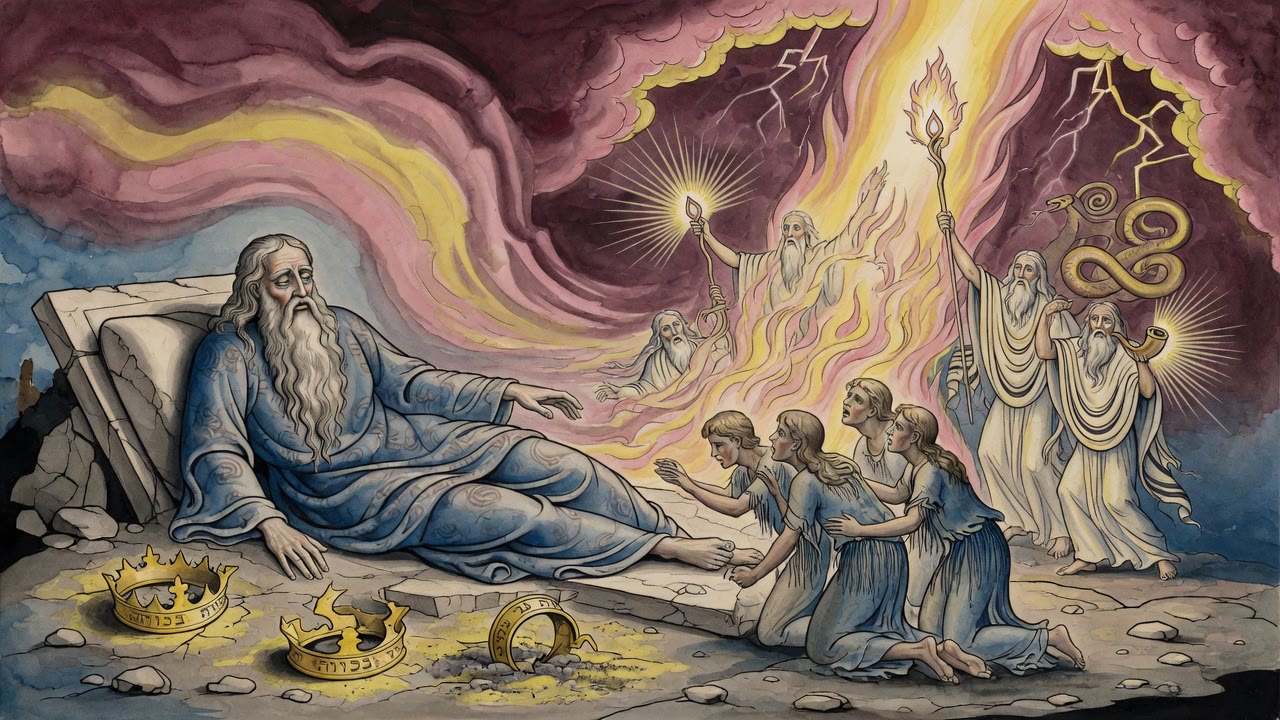
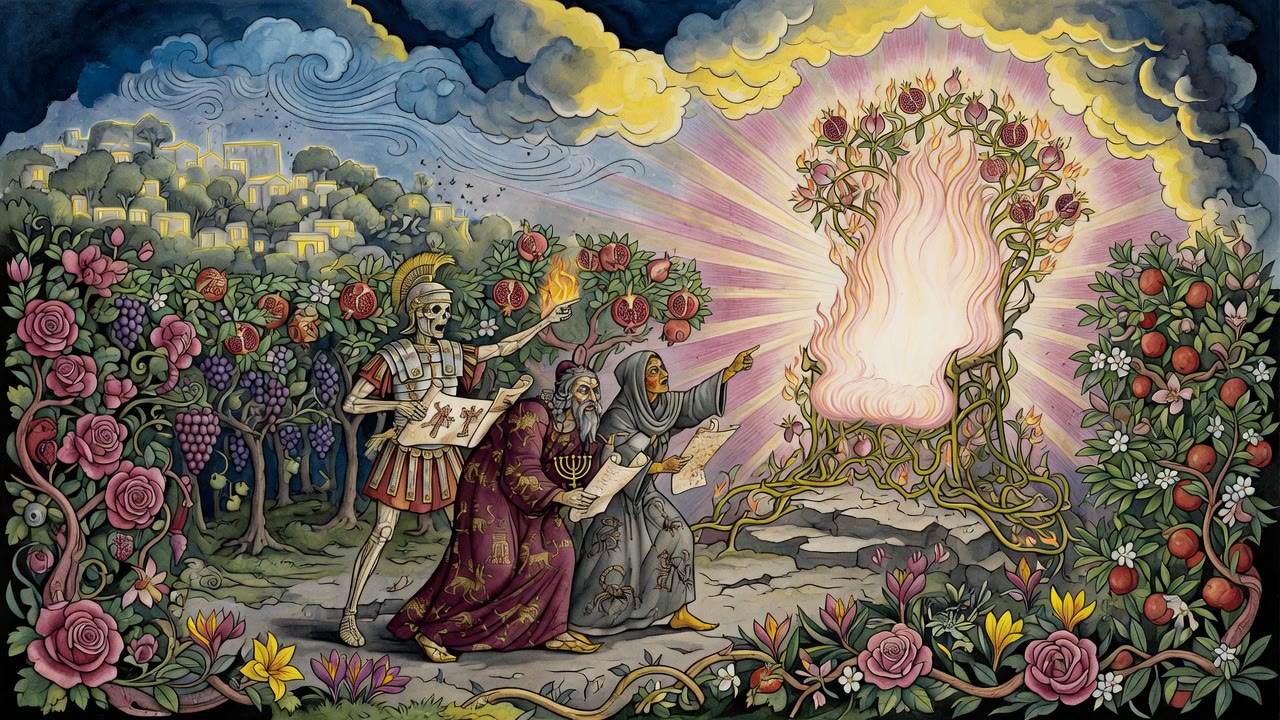
The third challenge was quieter and harder to answer. Not impatience and not contempt. Something more intimate: the suspicion that Israel was simply too damaged to receive what God kept offering. The angels who wanted to rush and the nations who sneered were both visible enemies. This third voice was Israel's own doubt about itself, projected outward and given teeth.
The tradition's answer to this one ran through Reuben, the eldest son who tried to save Joseph from the pit and failed, and through the verse in Song of Songs about the bride whose eyes revealed her entire character. The rabbis read the eyes as what you are when you are being looked at honestly, not when you are performing virtue. Reuben at the pit was a man who meant well and arrived too late and spent years trying to repair what he could not undo. Israel in Egypt was a people who had survived without most of what religion required and still preserved something the nations had never quite managed: the capacity to recognize a word addressed to them and turn toward it.
The Defense Brief
The three accusers got three different answers because they were asking three different questions. The angels wanted to know about timing. The nations wanted to know about worthiness by their own standards. The third voice wanted to know about inner condition. The tradition reading Song of Songs as a defense brief found a different verdict for each charge and the same defendant underneath all three: a people who had been sick and were getting up, who looked like Kedar's tents from the outside and carried something different inside, and who were being asked whether they wanted to receive the Torah before anyone checked their qualifications.
They said yes.
← All myths