5 min read

Simon Took the Purple Then Watched Allies Turn

Israel gave Simon purple, gold, and sole right to assemble. Soon a partner refused two thousand troops and sent Athenobius to reclaim cities.

Curated by Arthur · Told by Maggid ·
Table of Contents
  1. Purple for One Man
  2. Two Thousand Men Refused
  3. Flattery From a Throne Still Fighting Itself
  4. What Absolute Local Power Cannot Buy
  5. Pleased, Then Cornered
  6. Power at Home, Weather Abroad
Simon Took the Purple Then Watched Allies Turn Click for full size

Purple for One Man

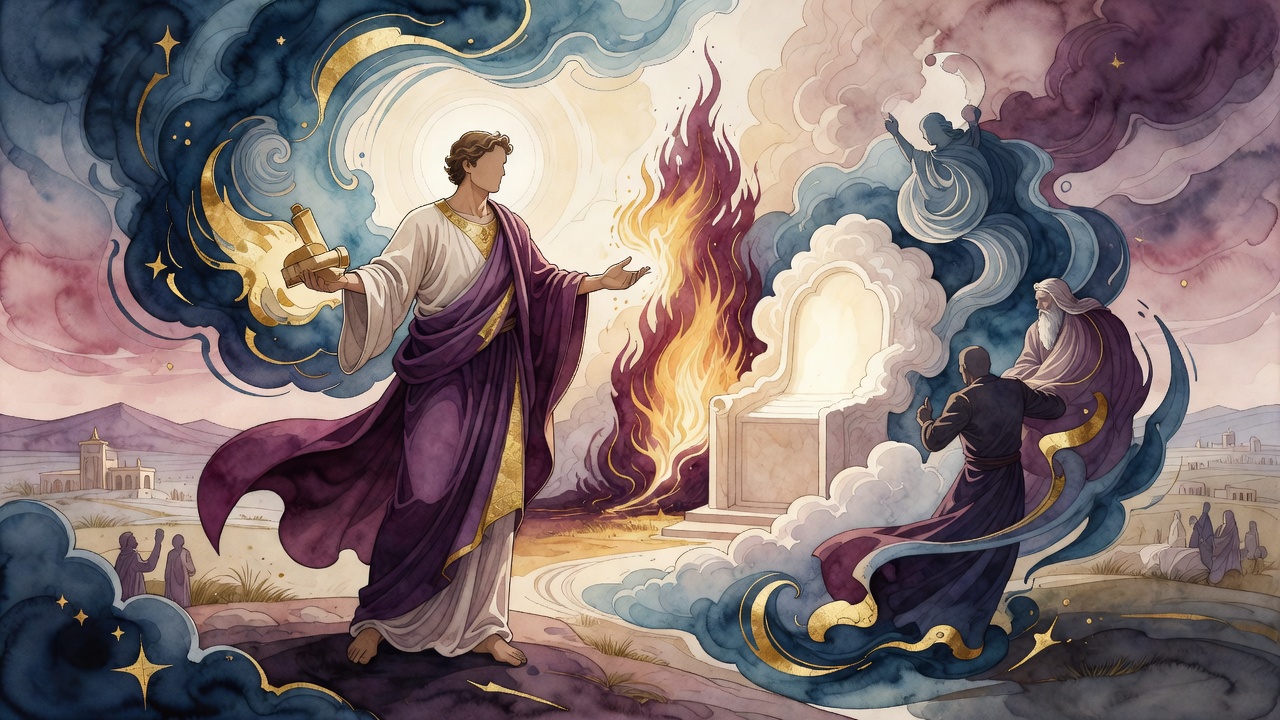
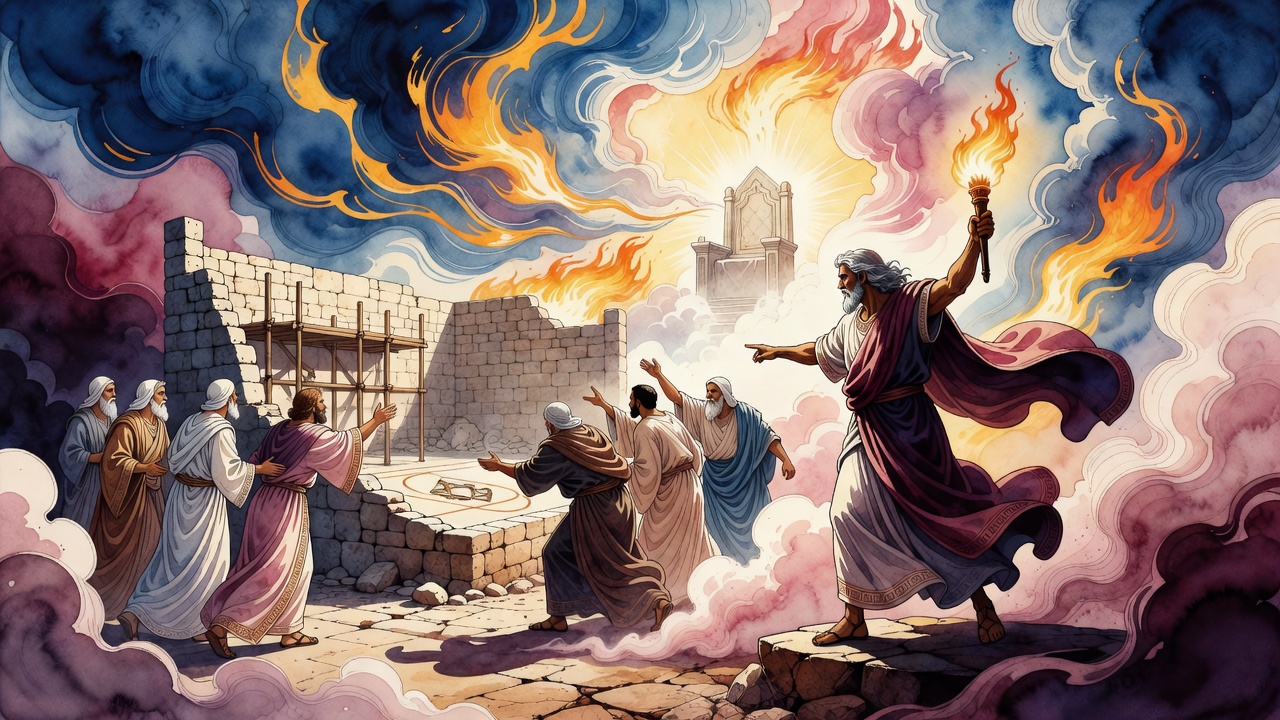
The people did not offer Simon a polite title. They declared that everyone must obey him. Every official writing in the country would run in his name. He alone would wear purple and gold. No priest or commoner would break those rules, question his word, hold an assembly without leave, or put on the royal color without his say.

Simon accepted and was well pleased to be high priest, captain, and governor of the Jews and priests, their defender. After years of Maccabean blood, the surviving brother stepped into a structure that looked like kingship even when the word was still careful. Power that had been fought for in hills arrived as a legal monopoly of color and paper.

He did not flinch from the gift.

Two Thousand Men Refused

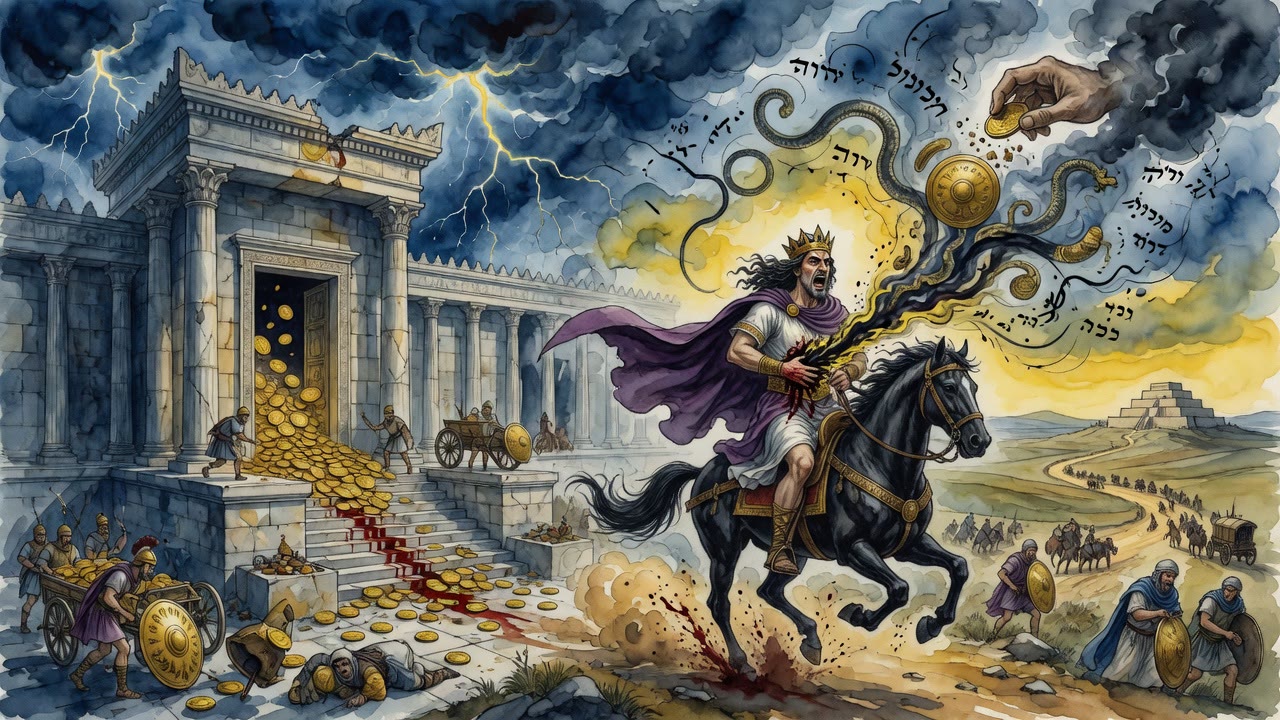
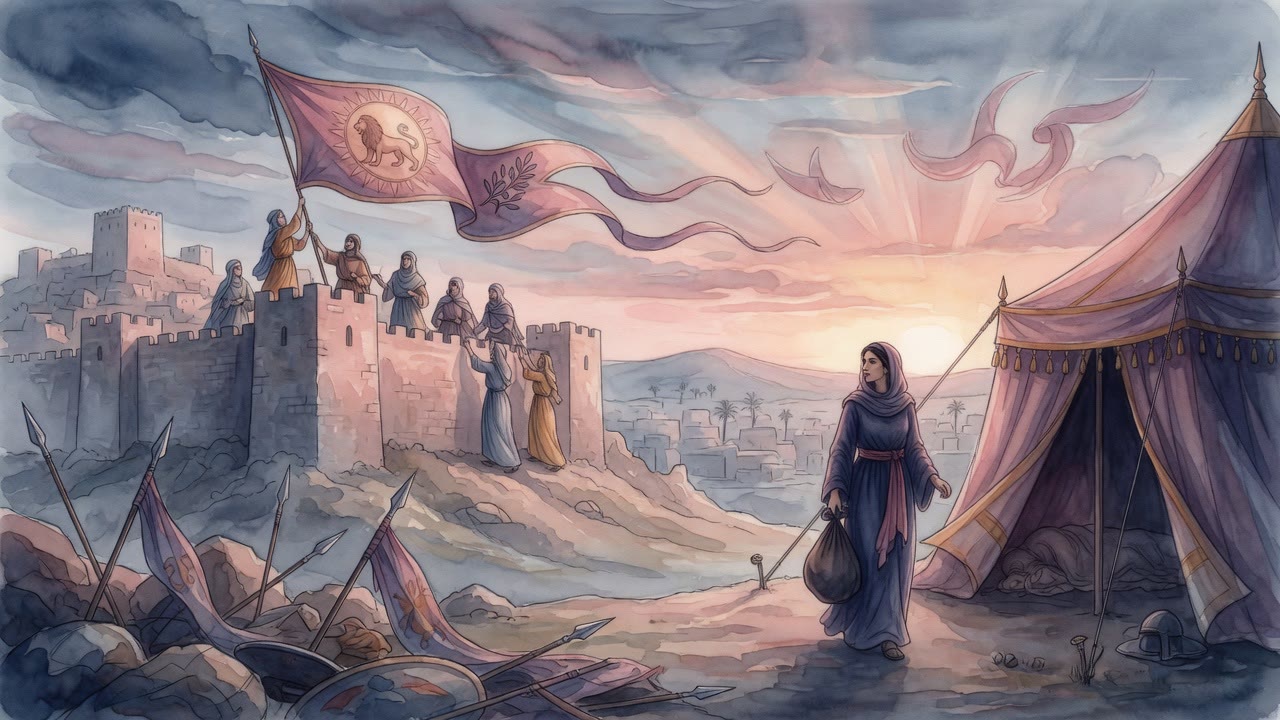
Later he sent a partner two thousand chosen men, silver, gold, and much armor. The partner would not receive them. He broke the covenants made before and became strange. Distance replaced alliance without a clean battle to explain the coldness.

Then came Athenobius, "one of his friends," with no apology. The message was a bill. You withhold Joppa and Gazera and the tower in Jerusalem, cities of my realm. You have wasted borders, done great hurt, and taken dominion inside my kingdom. The man who had been offered help answered with an inventory of stolen geography.

Friendship turned into an invoice overnight.

Flattery From a Throne Still Fighting Itself

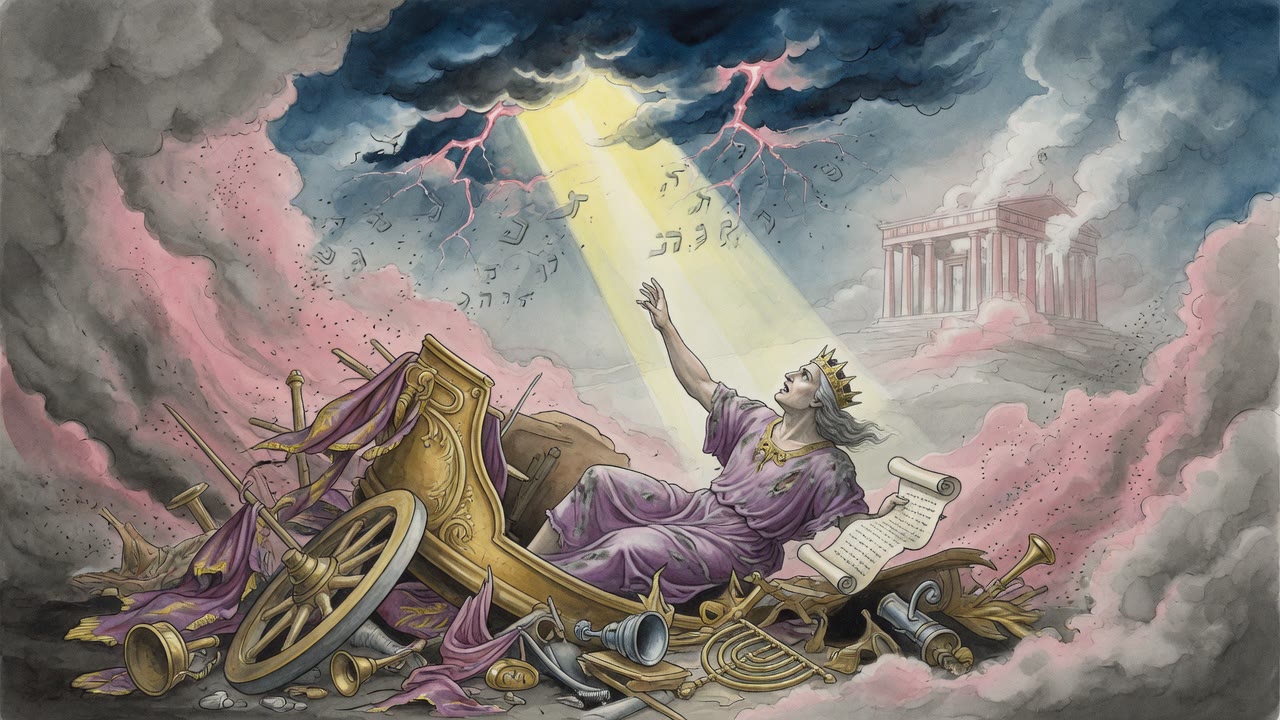
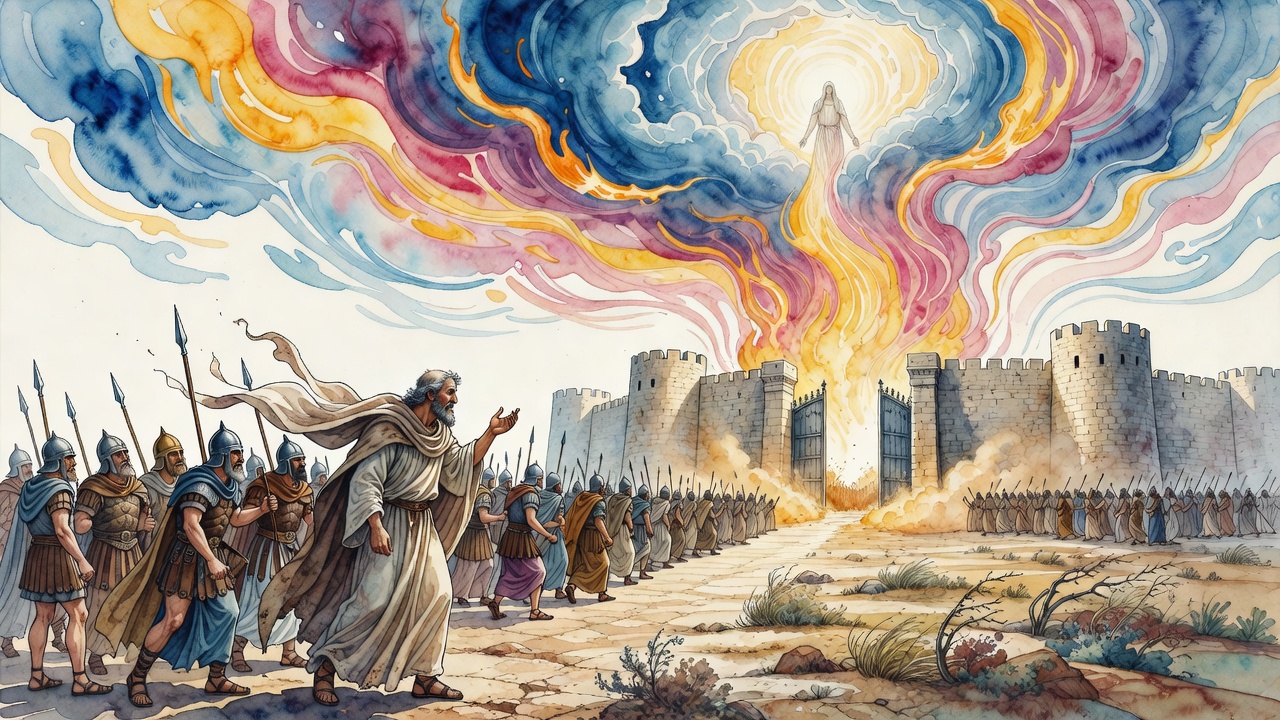
Antiochus VII Sidetes wrote honey while he hunted rivals. He promised that when his kingdom was secured he would honor Simon, the nation, and the temple so that their honor would be known through the world. In the same stretch of years he gathered forces, left few with Tryphon, and drove that rival toward Dora by the sea as support melted.

Simon's purple sat inside a weather of Greek civil war. Promises of global honor depended on which claimant still had an army at the end of the month. The Book of Maccabees lets the flattery and the pursuit stand side by side without pretending they are the same as peace.

A pleased high priest still needed a map of other men's collapses.

What Absolute Local Power Cannot Buy

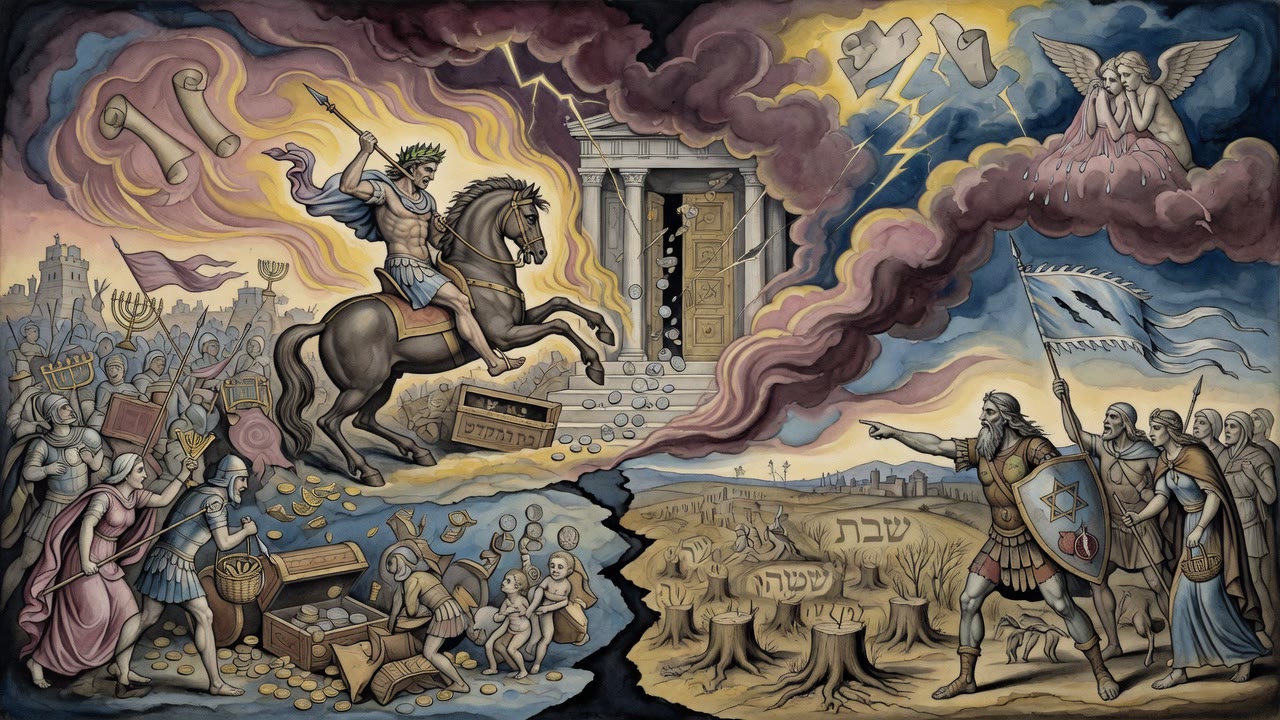
Control of assemblies and documents at home did not freeze foreign will. Simon could forbid purple on a neighbor's shoulder and still watch a treaty partner refuse free troops. He could hold Joppa and Gazera as facts on the ground and still hear them renamed as theft by a messenger who called himself a friend.

The Maccabean project had always been two wars: one against those who defiled the temple, one against the habit of empires to rewrite friendship after the crisis cools. Simon's generation inherited both. The first made him governor. The second sent Athenobius.

Internal obedience is not external safety.

Pleased, Then Cornered

He had been well pleased. The pleasure was not foolish. A people exhausted by war needed one center of decision, one name on the writs, one defender with gold on his body so the office could be seen from a distance. The danger was not the purple. The danger was believing purple could purchase reliable allies.

Two thousand unused soldiers and a list of reclaimed cities taught the limit. Antiochus's sweet letter taught another: honor promised after a throne is secure is honor still held in escrow by another man's civil war. Simon ruled a nation that had won the right to name its own ruler and still lived inside larger games.

The defender's title remained. The map around it never stopped moving.

Power at Home, Weather Abroad

Simon's purple solved a local problem. A people tired of fractured command needed one name on every writ, one man who alone could wear gold and call assemblies. He was well pleased, and the pleasure had reasons. The same years proved that domestic monopoly cannot freeze foreign will. Two thousand chosen men, silver, and armor were refused. Covenants broke without a clean battle. Athenobius arrived as a friend and spoke like a creditor listing Joppa, Gazera, and the tower in Jerusalem as stolen goods.

Antiochus VII wrote of future honor for Simon, nation, and temple while he hunted Tryphon to Dora and watched rival forces melt. Flattery traveled in the same season as other men's collapses. Honor promised after a throne is secure remains honor held in escrow. Simon ruled a nation that had won the right to name its defender and still lived inside larger civil wars he did not start.

The title remained. The borders kept moving. Purple does not purchase reliable allies.


← All myths

From the tradition

Sources

3 sources

The texts behind this telling. Some cards carry a translation of the source; others are our own retelling of it, and each card says which. Every card links out to the original.

The Book of Maccabees I 14:50The Book of Maccabees I

Retold in our words. Read the original at the link below.Sefaria Community Translation · CC-BY

This wasn't some small-time promotion. This was a complete overhaul of the existing power structure.

The people declared that Simon should be obeyed by everyone. Not just some people, not just when it was convenient. Everyone. And it went even further than that.

A world where every document, every official writing in the entire country, had to be in his name. Where he alone was allowed to wear the royal color of purple and adorn himself with gold. Sounds like something out of a fairytale. But this was real, and it was offered to Simon.

It wasn't just about the perks and the status. It was about control. The text goes on to say that no one – priest or commoner – could break these rules. No one could question his word. No one could even hold an assembly without his permission. And definitely no one could even think about rocking purple or gold buckles without his say-so.

The punishment for disobedience? Unspecified, but you can bet it wasn't a slap on the wrist. This was serious business.

So, what did Simon do? Did he balk at the sheer audacity of it all? Did he worry about the corrupting influence of absolute power?

Nope.

"Then Simon accepted hereof, and was well pleased."

He was "well pleased" to be kohen gadol (the High Priest), high priest, and captain, and governor of the Jews and priests. He was "well pleased" to be their defender.

Now, on the one hand, you can see this as a moment of triumph. After all the struggles, the sacrifices, the battles fought by the Maccabees to liberate their people, here was Simon, finally receiving the recognition – and the authority – he deserved. He was stepping into a role of leadership at a crucial time.

But isn't there also a tinge of something else here? A hint of the dangers of unchecked power? The Book of Maccabees I doesn't explicitly judge Simon's decision. It simply states the facts. But as we read these words, "Simon accepted hereof, and was well pleased," we’re left to ponder the complexities of leadership, the allure of power, and the fine line between defending a people and ruling them. Did Simon see himself as a servant of the people, or something more? And what happens when a leader becomes too comfortable with power, even with the best intentions?

Full source
The Book of Maccabees I 15:29The Book of Maccabees I

Retold in our words. Read the original at the link below.Sefaria Community Translation · CC-BY

The feeling is, unfortunately, timeless. And it's a feeling Simon Maccabaeus knew all too well, as we find in the Book of Maccabees I.

You're fighting for your people, for your faith, against overwhelming odds. You forge alliances, you offer aid. And then… the rug gets pulled out from under you.

That's precisely what happened. The verse reads, "At that time Simon sent him two thousand chosen men to aid him; silver also, and gold, and much armour." Two thousand seasoned fighters, plus a treasure trove of resources. That's not a small gesture. That's a significant commitment, a real investment in a partnership.

What was the response? "Nevertheless he would not receive them, but brake all the covenants which he had made with him afore, and became strange unto him." He refused the help! He broke the agreements! He became… strange. Distant. Unreachable. The disappointment? The sense of… what was it all for?

And it gets worse. The erstwhile ally, not content with mere rejection, then sends Athenobius, described as "one of his friends," as an envoy. But it's not to apologize. It’s not to explain. It’s to make demands.

Athenobius’ message is blunt: "Ye withhold Joppa and Gazera; with the tower that is in Jerusalem, which are cities of my realm." He's accusing Simon of occupying territory that rightfully belongs to him.

"The borders thereof ye have wasted, and done great hurt in the land, and got the dominion of many places within my kingdom." The accusations pile up. Waste! Hurt! Dominion! The language is harsh, the tone accusatory.

What a slap in the face! After offering so much, Simon is now being treated as an enemy, an aggressor, a thief. Even in the midst of epic struggles for freedom, human nature – with all its complexities and betrayals – remains a constant. How would you have reacted? The story, as always, continues…

Full source
The Book of Maccabees I 15:10The Book of Maccabees I

Retold in our words. Read the original at the link below.Sefaria Community Translation · CC-BY

The Book of Maccabees, a historical account not included in the Hebrew Bible but important for understanding the Hanukkah story, gives us a glimpse.

The Seleucid king, Antiochus VII Sidetes, is on the throne. He's written a letter to Simon Maccabeus, the High Priest and leader of the Jewish people. And it's… well, surprisingly flattering.

“When we have obtained our kingdom, we will honour thee, and thy nation, and thy temple, with great honour, so that your honour shall be known throughout the world."

Sounds pretty good. A promise of respect, recognition, even honor on a global scale. You can almost hear the sigh of relief: maybe, just maybe, this newfound freedom will last.

But, as with many political promises, there's a catch. Or, more accurately, a power struggle brewing in the background.

The Book of Maccabees I 15 shifts our focus. "In the hundred threescore and fourteenth year went Antiochus into the land of his fathers: at which time all the forces came together unto him, so that few were left with Tryphon."

Who is Tryphon? He’s the guy who had been controlling part of the Seleucid empire, a rival claimant to the throne. Antiochus is heading back to consolidate his power, gathering his forces as he goes. And guess what that means for Tryphon? Trouble. Big trouble.

"Wherefore being pursued by king Antiochus, he fled unto Dora, which lieth by the sea side: For he saw that troubles came upon him all at once, and that his forces had forsaken him."

Tryphon, realizing the game is up, flees to Dora, a coastal city. He’s losing his army, his support… everything is crumbling around him.

What does this mean for Simon Maccabeus and the Jewish people? Well, for one thing, it demonstrates the precariousness of their situation. They're navigating a complex world of shifting alliances and power plays. The promise of honor from Antiochus is nice, but it’s contingent on his maintaining power. And power, as we see with Tryphon, can be fleeting.

The narrative subtly reminds us that even after achieving remarkable victories, the struggle for freedom and security is an ongoing process. External forces, political instability – these are constant variables that require vigilance and shrewd leadership. It’s not enough to win the battle; you have to work through the peace. The Tanakh, the Hebrew Bible, is full of stories of such challenges.

So, as we celebrate Hanukkah, let's remember that the story doesn't end with the lighting of the menorah. It continues with the challenging work of building a lasting peace, navigating a complex world, and ensuring that the light of freedom continues to shine, even when surrounded by darkness. And perhaps, too, it is a reminder that even the grandest promises are only as good as the person – or the power – making them.

Full source