Jonathan Trusted the Offer and Lost Ptolemais
He sent most of his army home for a promised gift of strongholds, then walked a thousand men into a city that slammed its gates.
Table of Contents
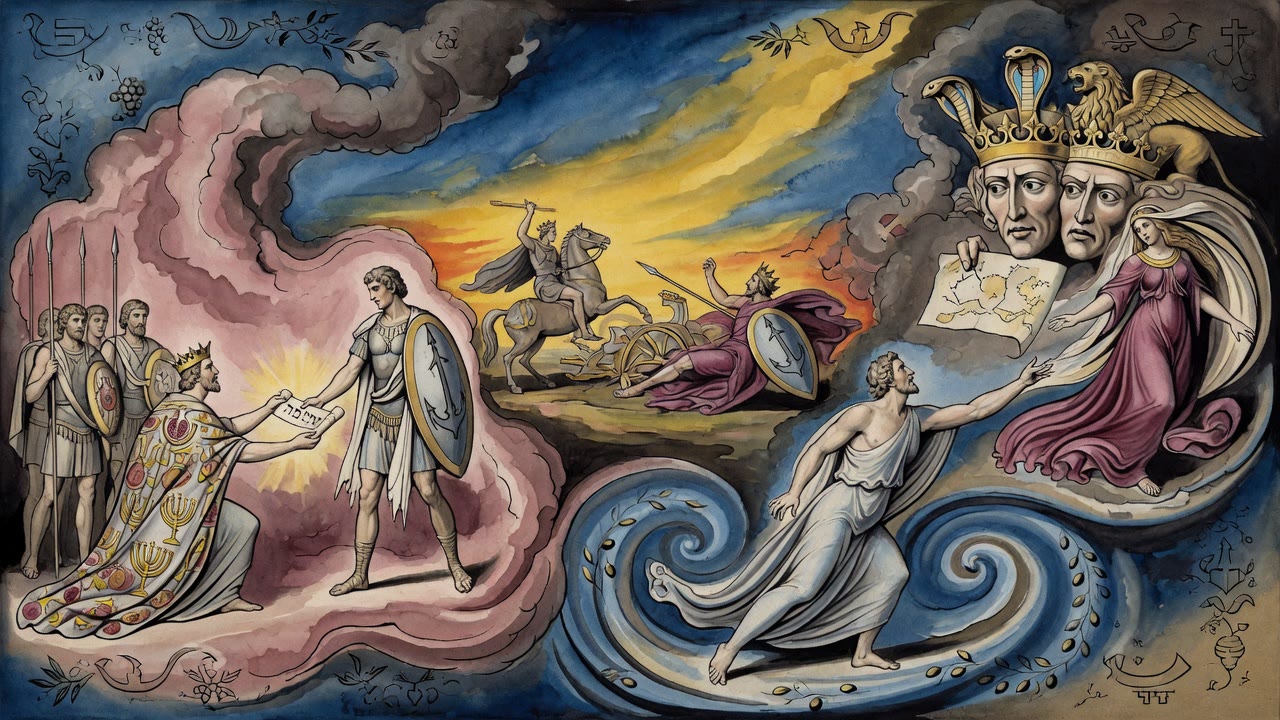
Jonathan heard the promise and felt the war loosen its grip on his shoulders. Strongholds would be his. Forces would be his. The man across from him would take what he needed and leave. "For this is the cause of my coming," the voice said, and it sounded like a door finally opening after years of siege talk and thin alliances.
 Click for full size
The Gift That Asked for Disarming
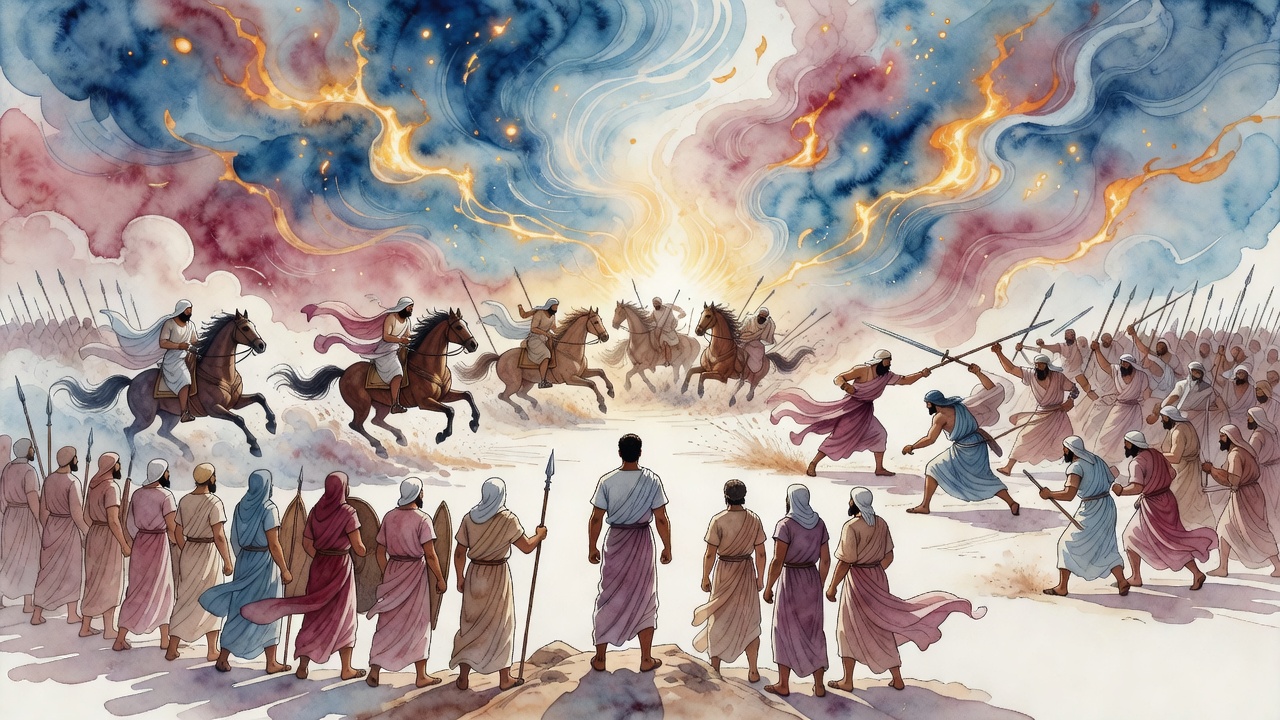
Jonathan ruled Judea in a season of knives and treaties. Every ally was a calculation written in blood and coin. When the offer came, sweet and large, he believed it because he needed to believe something could end without another hill taken by force. He sent his main host back into the land of Judea. He kept three thousand men. Of those he sent two thousand toward Galilee and kept one thousand at his side. A commander who dismisses his army is already half captured, though he may still sit a horse like a free man.
The coastal city of Ptolemais waited with harbor light on its walls. Its gates stood open like a mouth that had practiced smiling for guests who would not leave as guests.
The Whisper Before the Blade
Ben Sira knew the gestures of a man who is not offering friendship. He shakes his head. He waves his hand. He changes his face with much whispering. Pitch clings to the hand that touches it, and fellowship with a scorner teaches his ways until the student cannot wash the stain off. Jonathan walked toward a performance. The stage was a harbor city that wanted him inside more than it wanted him alive.
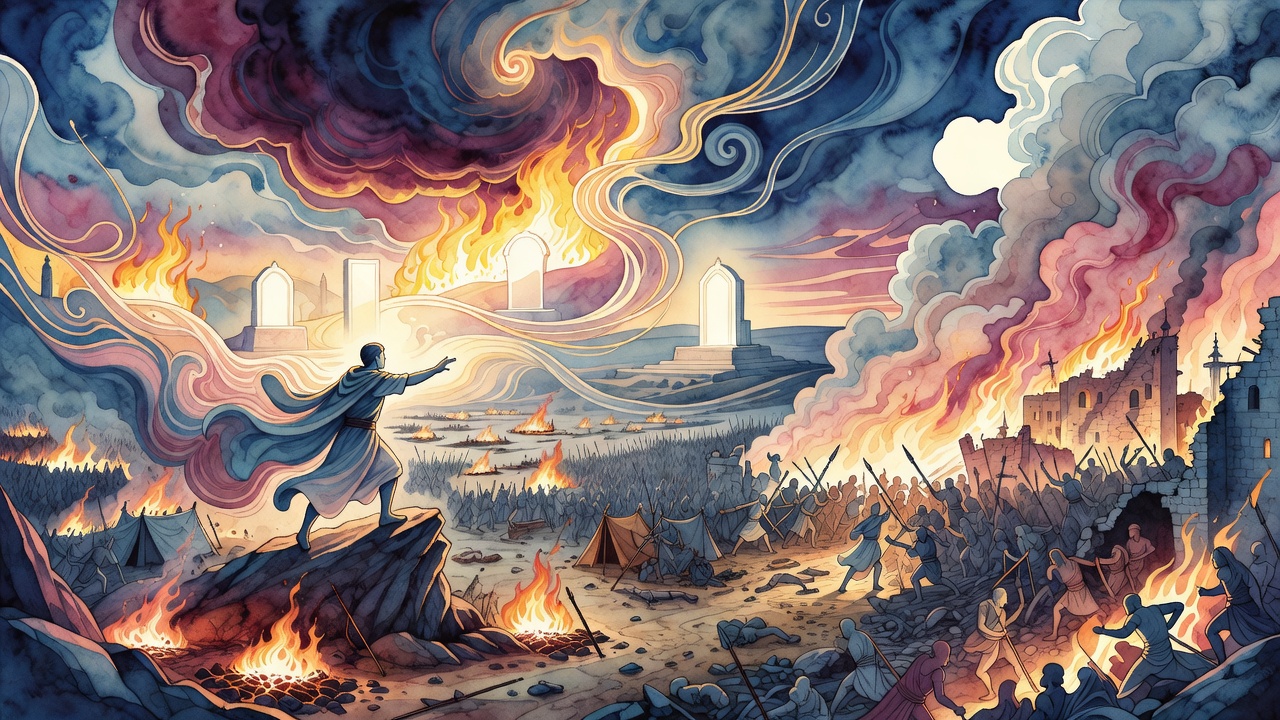
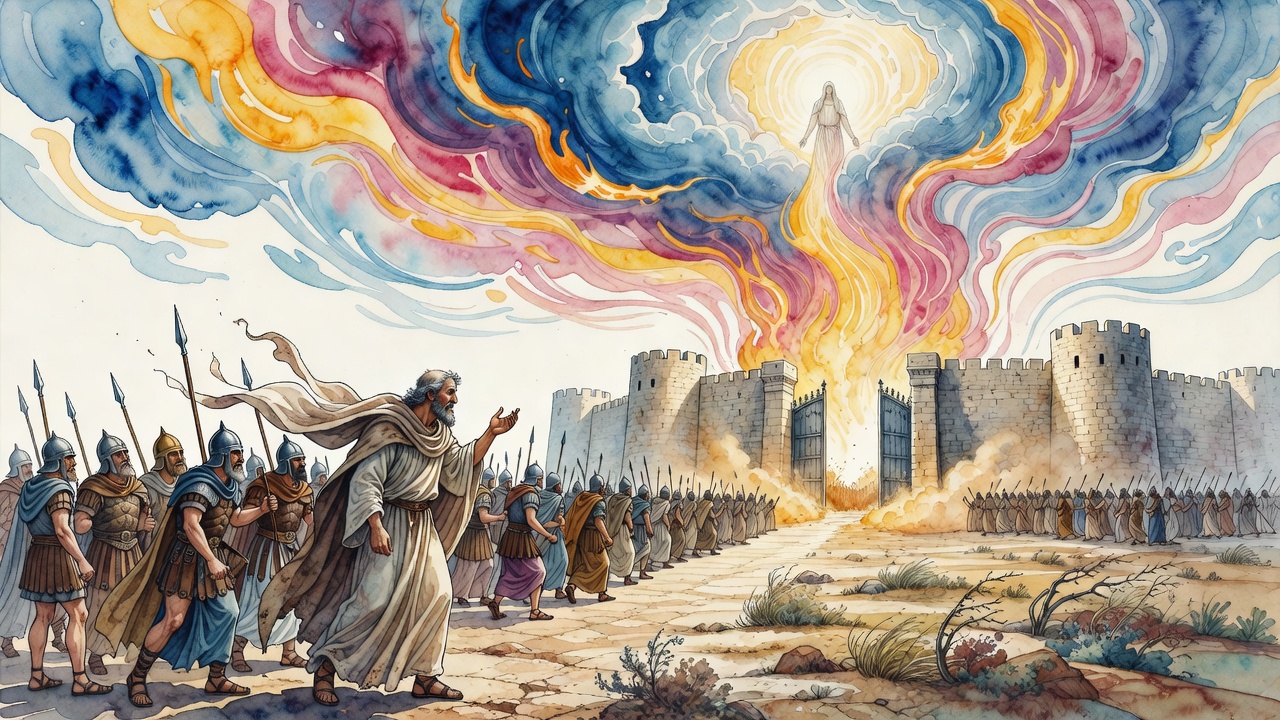
He entered with his thousand. The people of Ptolemais shut the gates. Steel followed the slam. Those who had come with him fell by the sword in streets that had looked like welcome an hour earlier. The man who had spoken of gifts kept the only gift that mattered to him: a Jewish leader sealed in a box of walls, his army scattered by his own order.
Trust as a Battlefield
Jonathan's error was not hope. Hope had kept Judea fighting since the days of his brothers, when altars were broken and children learned the sound of foreign speech in the Temple courts. His error was treating a political smile as a covenant sealed before Heaven. In war, words can be weapons with better manners than spears. A promise of "I will give it to you and depart" can be the soft edge of an ambush dressed as generosity.
The survivors who heard the news in Judea measured the cost in missing faces, not in proverbs. Still the proverb fits. Touch pitch, and it stains. Stand too close to a scorner's theater, and you begin to act in his play, speaking your lines on cue, walking where the trap needs you to walk.
Three thousand became one thousand, and one thousand became a list of the dead. Numbers on a campaign tablet turned into names mothers would not hear again.
What the Gates Remember
Ptolemais did not need a long siege. It needed Jonathan to believe that security had finally arrived wearing a friendly face. The thousand men who walked in with him learned how quickly open gates become teeth. The two thousand in Galilee learned that distance from their commander was not safety for him, only absence when the shouting started.
Jewish memory keeps this scene among the Maccabean storms because it is not only history of a coastal betrayal. It is a warning with a body count. Generosity from a rival power is sometimes a net. The hand that waves you forward may already be counting the steps to your cell. The head that shakes in sympathy may already be measuring the width of your neck for a chain.
Jonathan had won battles by refusing to be charmed out of readiness. On the day of Ptolemais he let charm do what armies had failed to do. The city closed. The story stays open as a scar.
Before the gates closed, the harbor smelled of salt and tar. Jonathan's thousand moved like men who believed the worst of the war had paused. Some laughed. Some checked straps from habit. None expected the hinges to answer the promise. When the doors slammed, sound replaced speech. The trap did not need long speeches. It needed Jonathan's hope more than it needed his sword.
Ben Sira's scorner does not always mock aloud. Sometimes he whispers kindness while measuring the pitch he will leave on your palm. Jonathan left Judea thinner of soldiers because a voice offered rest. Rest became a cell. The Maccabean books keep many victories. They keep this loss too, so that later leaders remember that strongholds promised by an enemy can be a map to your own capture.
← All myths