5 min read

Jonathan Trades Peace for Demetrius Favor

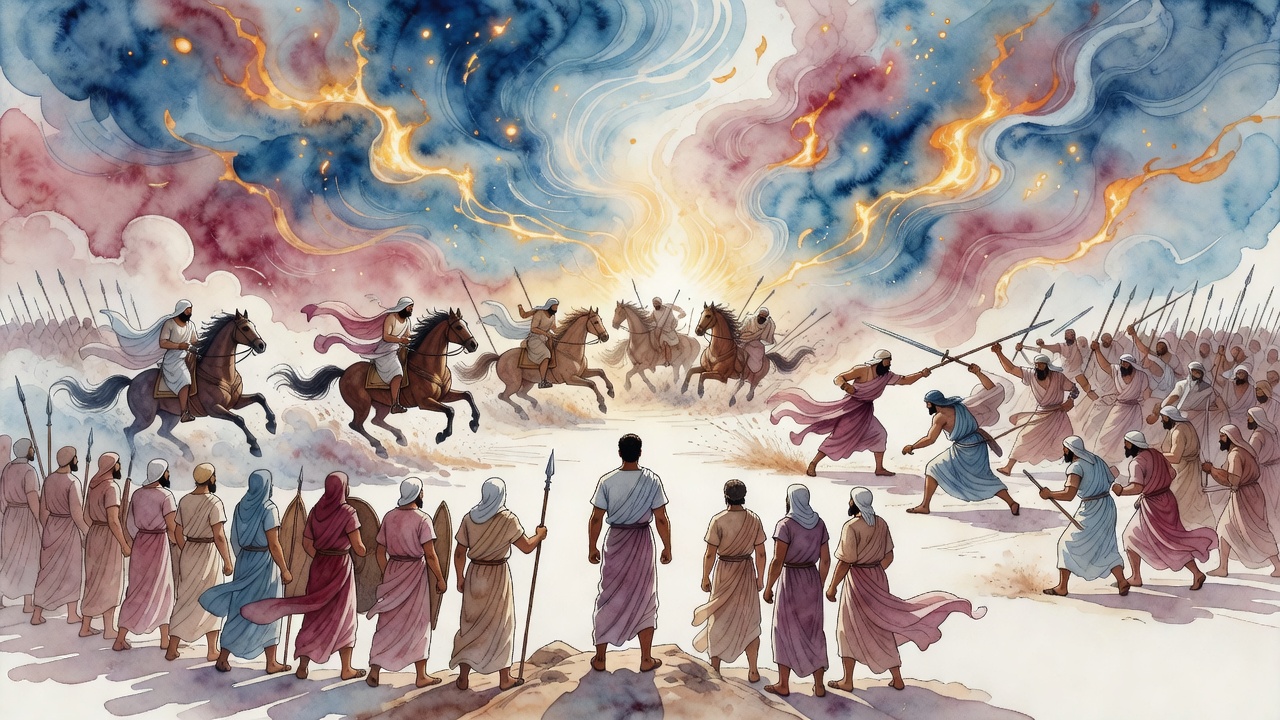
Judas's friends gathered like men around a cold hearth. We have no man like him, they said, and gave the command to his brother. Bacchides hunted him next.

Curated by Arthur · Told by Maggid ·
Table of Contents
  1. The Empty Place of Judas
  2. Peace Asked on Bloody Ground
  3. The Smile That Unpaid Debt
  4. Captain Without a Guarantor
Jonathan Trades Peace for Demetrius Favor Click for full size

The Empty Place of Judas

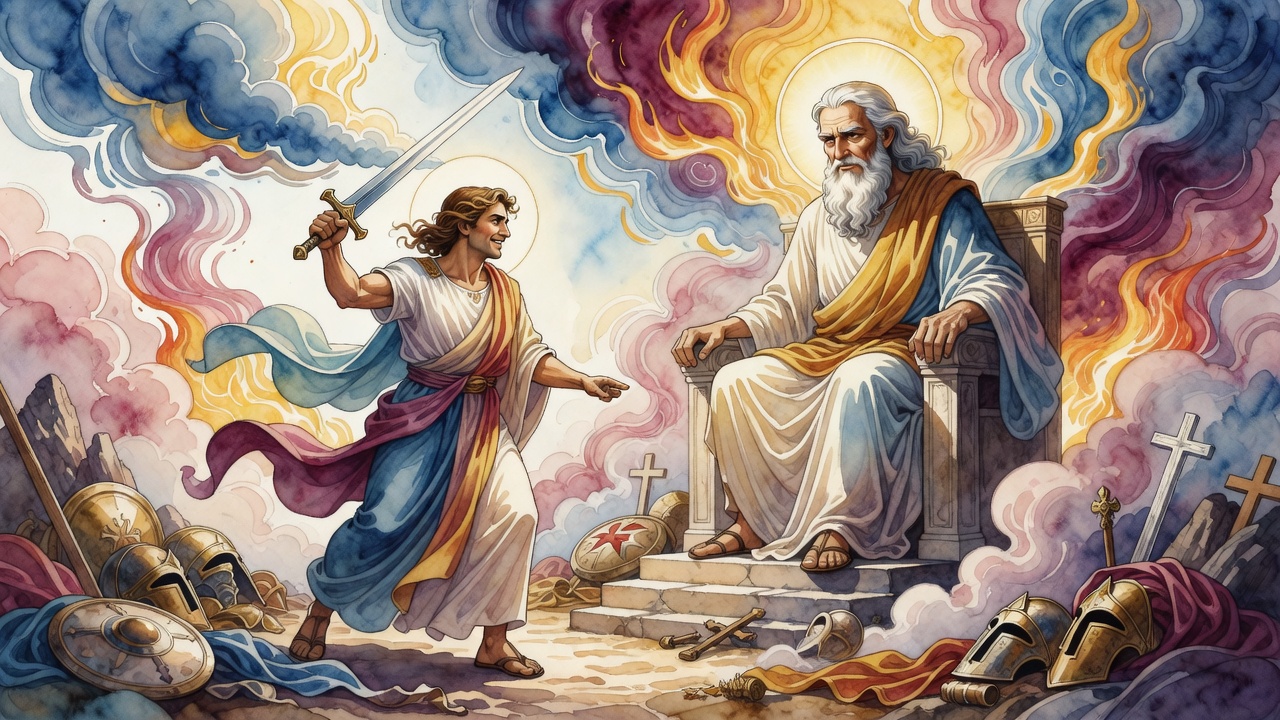
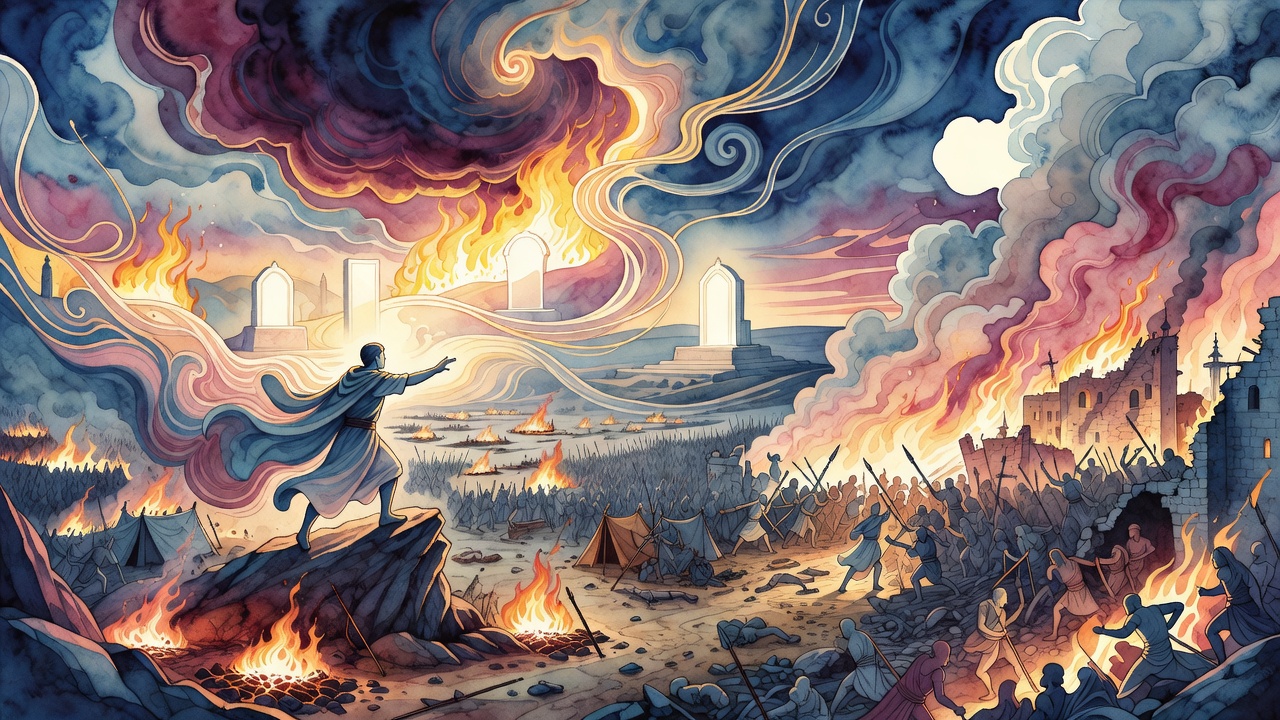
When Judas Maccabeus fell, the friends who had fought under him gathered like men around a cold hearth. We have no man like him to go forth against our enemies, against Bacchides, against the adversaries inside our own nation. The sentence was grief wearing the mask of strategy.

They turned to Jonathan. Be our prince and captain in his stead. Fight our battles. Jonathan took the governance and rose into his brother's shape. Bacchides heard and began to hunt the new name the way he had hunted the old one.

Judea did not get a season to mourn cleanly. Leadership was a target painted in oil. Jonathan stepped into the paint anyway.

Peace Asked on Bloody Ground

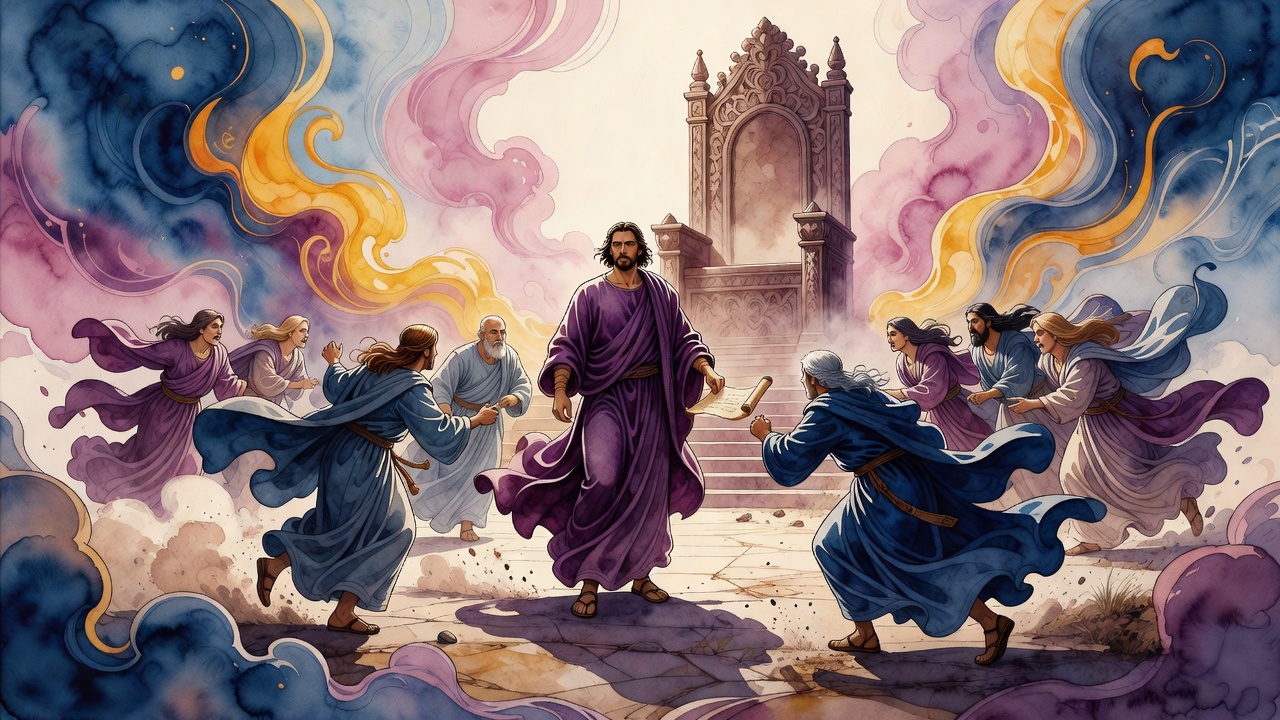
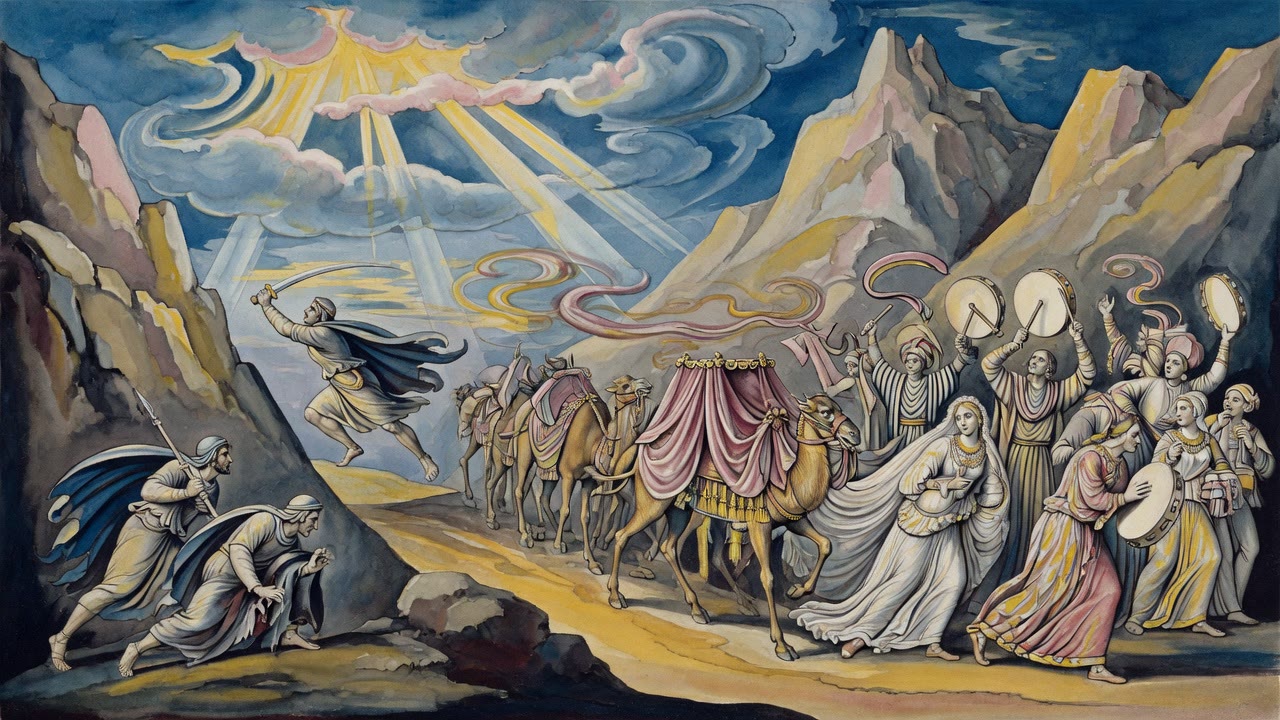
Later the other side found its own exhaustion. Grant us peace, and let the Jews cease from assaulting us and the city. Weapons dropped with a clatter that sounded like relief pretending to be policy. Peace was made. The Jews were honored in the sight of the king and of all in his realm. They returned to Jerusalem with great spoils, carts heavy, throats raw with songs that still tasted of iron.

For a moment the math looked simple. Strength had bought quiet. Honor had followed blood. Jonathan could almost believe the ledger of favors would be paid in kind.

King Demetrius sat on his throne and the land went quiet before him. Quiet is a dangerous cloth. It can wrap a gift or a knife.

The Smile That Unpaid Debt

Nevertheless he dissembled in all that ever he spake, and estranged himself from Jonathan. He did not reward him according to the benefits he had received. He troubled him very sore. The sentence in the old book is almost dry. On Jonathan's side of the table it would have burned.

Every alliance Jonathan had stitched with risk began to fray under royal boredom. Courts forget the hill-fighters who made their thrones possible. Demetrius learned the cheap art of distance. Praise in public memory. Coldness in present policy.

Jonathan had taken governance because no one else could fill Judas's outline. Now he learned that foreign crowns do not love outlines. They love usefulness, then silence.

Captain Without a Guarantor

In Jerusalem the spoils were counted and stored. In the king's halls, Jonathan's name thinned. The man who had been chosen to fight Israel's battles now fought the slower war of being owed and unpaid. Bacchides had tried to slay him with soldiers. Demetrius tried to diminish him with neglect dressed as sovereignty.

Jonathan did not get to return to private life. The people who had said we have no man like Judas still needed a captain. Need does not dissolve when a treaty is signed. It only changes its weapons.

Night on the walls of Jerusalem smelled of smoke and stored grain. Somewhere a clerk wrote Demetrius's titles in full. Somewhere a Judean widow stacked wood paid for by spoils that had not bought lasting friendship. Jonathan walked between those smells and kept the sword close, not because he loved war, but because peace without truth is only a pause between hunts.

The throne stayed quiet. The quiet did not belong to him.

In the first weeks after Judas's death, Jonathan slept in short pieces. Every messenger could be Bacchides. Every gift could be a snare. The men who had chosen him watched his face for Judas's fire and found a colder fuel. Calculation. Endurance. A willingness to talk when talking bought a hill.

When the peace came, some soldiers hated the quiet. Quiet made room for memories of brothers under stones. Others drank as if the spoils could rinse the years. Jonathan walked the stores of captured gear and counted not treasure but time. How long would Demetrius remember who stabilized his borders?

The answer arrived without a battle horn. Fewer invitations. Shorter letters. Advisors who spoke of Jonathan as a useful brigand from the hills rather than a partner. Estrangement has a smell. It smells like a court perfume covering a debt the throne no longer intends to pay.

Jonathan sharpened more than iron. He sharpened the knowledge that Jewish survival could not be outsourced to any foreign smile. Peace was real while it lasted. It was also a weather system. Captains dress for weather that can change before noon.

Envoys still used polite titles when they spoke of Judea. Polite titles are cheap. Jonathan listened for verbs of aid and heard fewer each month. He began to plan supply routes that did not run through Demetrius's moods. A captain who has buried Judas learns not to staple his future to another man's gratitude.

In Jerusalem's alleys, children played at war with sticks and called one side Jonathan's. The real Jonathan hated the game and loved the loyalty under it. Spoils from the peace year paid for repairs on gates. He walked those gates at dusk and touched the stone as if stone could promise what kings would not.


← All myths

From the tradition

Sources

2 sources

The texts behind this telling. Some cards carry a translation of the source; others are our own retelling of it, and each card says which. Every card links out to the original.

The Book of Maccabees I 11:61The Book of Maccabees I

Retold in our words. Read the original at the link below.Sefaria Community Translation · CC-BY

The Book of Maccabees I turns to Demetrius in David's Court.

After what must have felt like an eternity of conflict, the passage Imagine the scene: "Grant us peace, and let the Jews cease from assaulting us and the city." Think about the desperation in that request! After so much fighting, all anyone wanted was a reprieve.

For a moment, it seems like they got it. Weapons were cast aside, treaties were made, and the Jews were honored – not just by the king, but by everyone in his realm. They returned to Jerusalem, laden with spoils of war. What a moment of triumph! A return home, victorious. You can almost hear the cheers, feel the relief.

King Demetrius, now secure on his throne, starts to show his true colors. "Nevertheless he dissembled in all that ever he spake, and estranged himself from Jonathan." It’s a classic power play, really. He begins to distance himself from Jonathan, the very man who helped secure his kingdom.

And it gets worse: "neither rewarded he him according to the benefits which he had received of him, but troubled him very sore." Talk about a betrayal! Instead of gratitude, Jonathan is met with trouble and strife. It's a stark reminder that political alliances can be as fragile as glass.

This little passage, tucked away in the Book of Maccabees, speaks volumes about the complexities of victory and the ever-present threat of betrayal. That the promises of those in power can be hollow.

What do you make of Demetrius's actions? Does this sound like a story that resonates today? A story of power, betrayal, and the constant struggle for lasting peace? These ancient texts, they really do hold a mirror up to the human condition, don't they? They show us, time and again, that even after the greatest victories, the fight for justice and true peace is never truly over.

Full source
The Book of Maccabees I 9:31The Book of Maccabees I

Retold in our words. Read the original at the link below.Sefaria Community Translation · CC-BY

His brother, the legendary Judas Maccabeus, had just fallen in battle. Judas, the hammer – that's what his name meant in Hebrew, Maccabee comes from the word for hammer, makevet – had led the Jewish people to unbelievable victories against the Seleucid Empire. He was a hero, a symbol of hope.

So, what happens when that light goes out?

That's where we pick up the story in the First Book of Maccabees. The situation is dire. Judas is gone, and the people are desperate. "For this cause," the verse says, "all Judas' friends came together." They turn to Jonathan, Judas' brother. scene for a moment. A group of battle-hardened warriors, grieving, scared, looking for someone – anyone – to lead them. They say to Jonathan, "Since thy brother Judas died, we have no man like him to go forth against our enemies." And they name their enemies explicitly: Bacchides, the Seleucid general, and "them of our nation that are adversaries to us" – the Hellenized Jews who had sided with the oppressors.

The request is blunt, almost a demand born of desperation: "Now therefore we have chosen thee this day to be our prince and captain in his stead, that thou mayest fight our battles."

What would you do?

Jonathan, to his credit, doesn't hesitate. "Upon this," the Book of Maccabees says, "Jonathan took the governance upon him at that time, and rose up instead of his brother Judas." He accepts the mantle, the responsibility, the terrifying challenge.

But the story doesn’t let him – or us – breathe for long. The threat is immediate. "But when Bacchides gat knowledge thereof, he sought for to slay him." The enemy knows Jonathan is now the leader, and they're coming for him.

This moment is so raw, so human. It's not just a historical account; it's a story about succession, about grief, about the weight of expectation. Jonathan steps up, knowing full well the dangers he faces, and knowing that the enemy is already hunting him.

The Maccabean story, as we see here with Jonathan, is not just about military victories and political maneuvering. It’s about courage in the face of overwhelming odds, about leadership in times of crisis, and about the enduring power of hope – even when that hope seems fragile and fleeting. And it all starts with a brother stepping into the impossible shadow of a legend. What happens next? Well, that's a story for another time. But let me tell you, it's a wild ride.

Full source