Bagris Marches on Zion After Nicanor's Fall
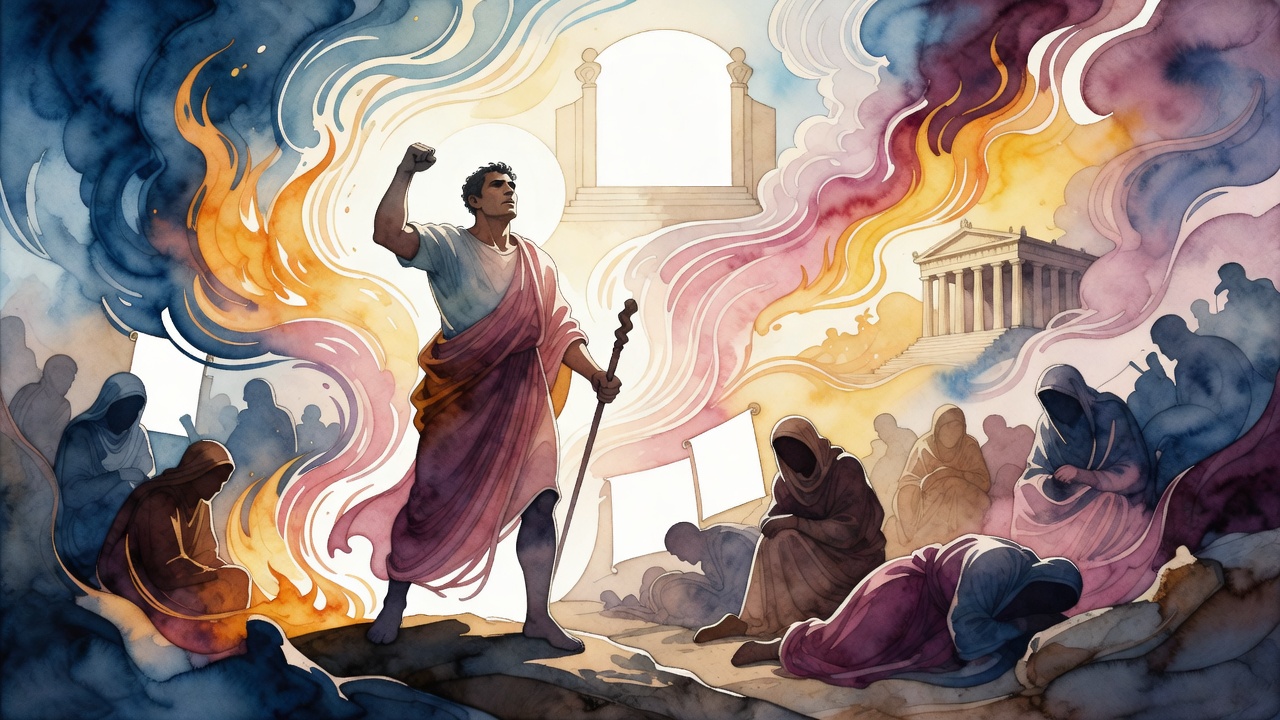
Judah's men cut off Nicanor's arm and hung it at the Temple gate. Antiochus answered by sending Bagris to outlaw the Sabbath and circumcision.
Table of Contents
 Click for full size
An Arm at the Gate
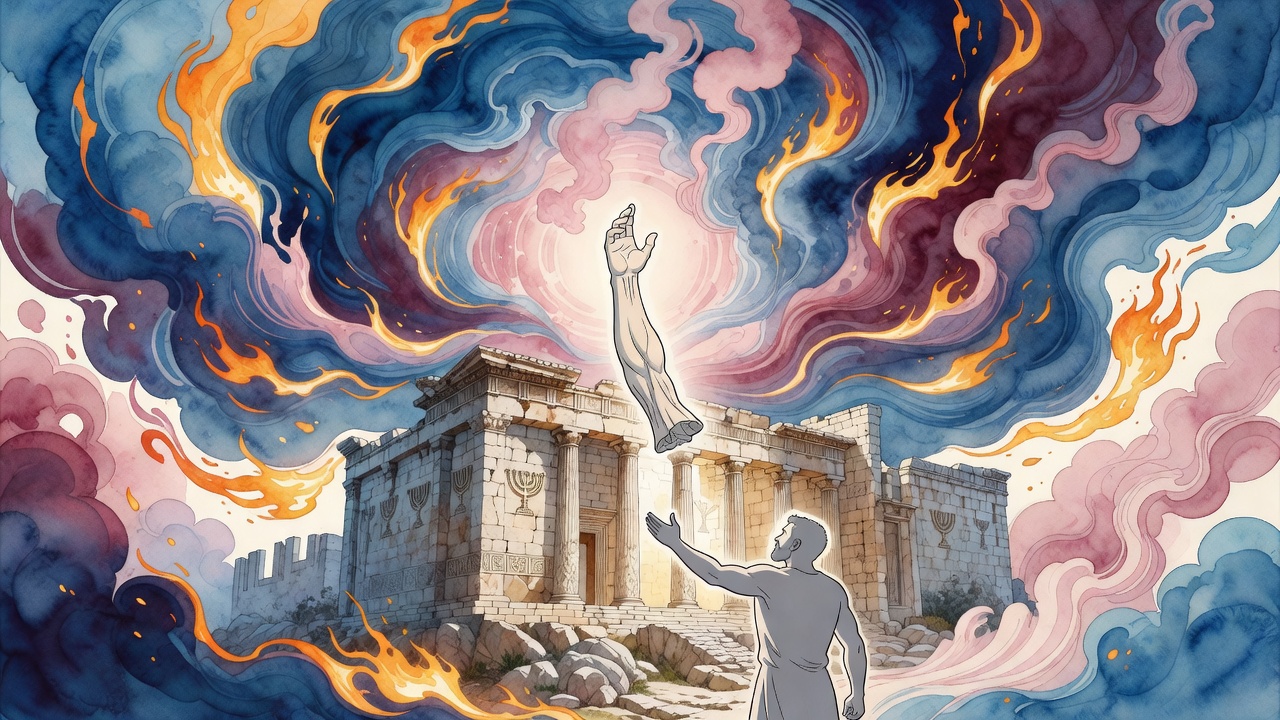
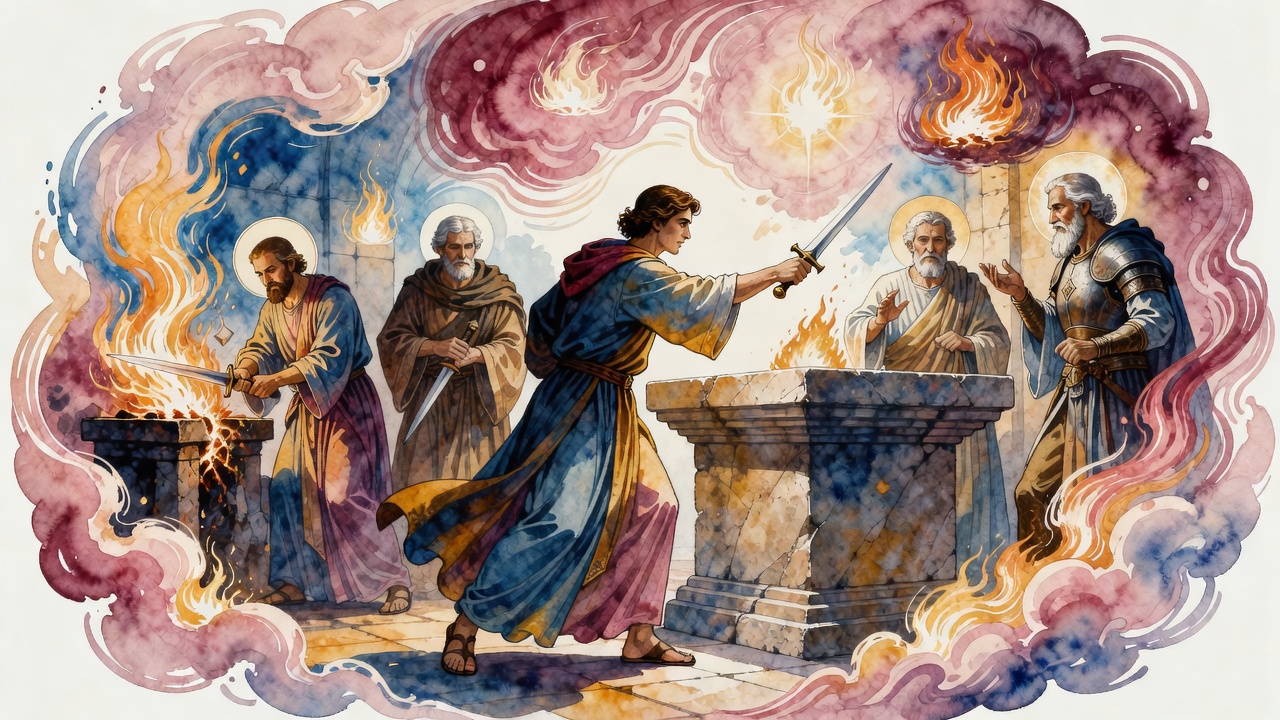
Nicanor had stretched his hand toward the Temple and sworn to burn it if Judah was not delivered into his power. The priests inside heard the oath the way men hear thunder against a roof they love. They wept at the altar and asked the Lord to avenge the house that bore His name. The battle answered with steel and panic. Nicanor's army broke on the field. Judah's men cut off the head and the arm that had threatened the sanctuary and hung them before the gate for every pilgrim to see.
From that day the gate kept Nicanor's name like a scar that refused to fade. Feasting on the thirteenth of Adar later tasted of wine and near-fire, one day before Purim's other rescue. News of that shame traveled farther than any courier with a sealed letter.
Antiochus Counts His Wounds
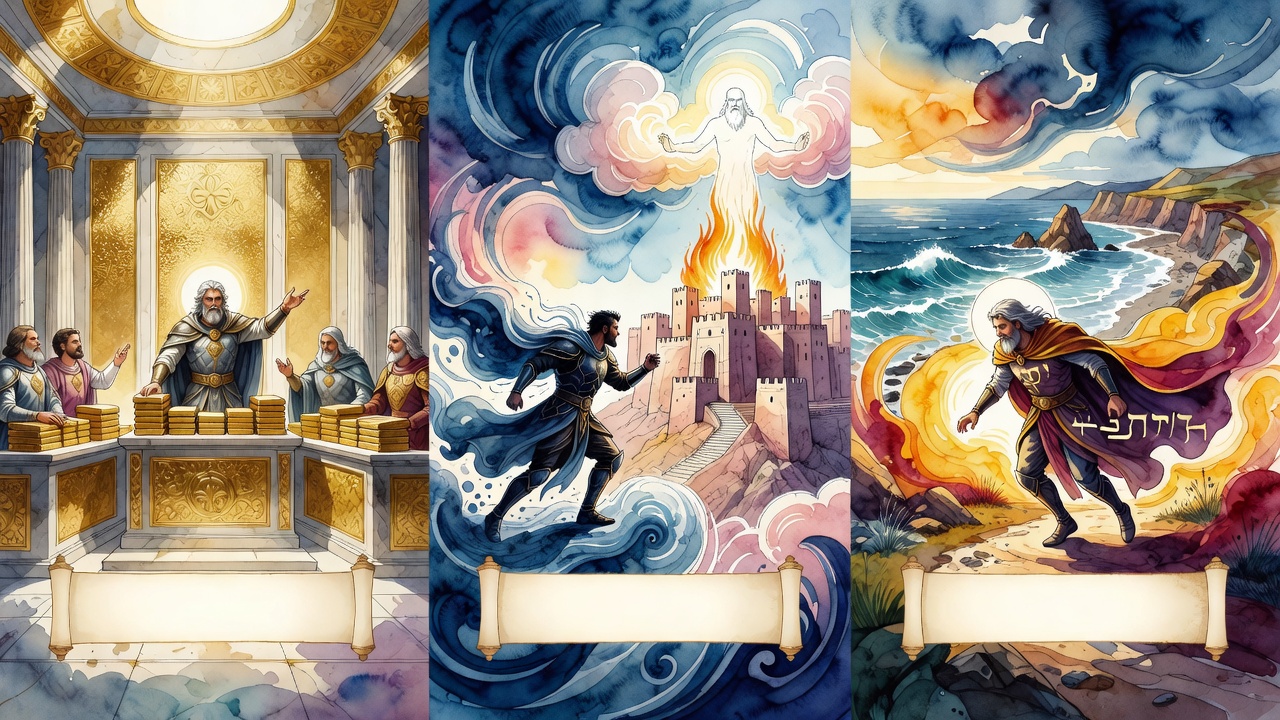
Antiochus summoned Bagris, the wicked who led people astray, and laid out the ledger of loss in a voice that tried to sound like strategy and sounded like fear. Israel had slain his hosts, despoiled his camps, and made officers into cautionary tales told in barracks. He asked whether anyone could still trust wealth or call a house his own while such a people lived unbound by his will.
Then he named the real target. Not only walls and treasuries. The covenant itself: Sabbaths, new moons, circumcision. "Come," he urged, "let us destroy the bond their God made with them." Bagris listened the way a blade listens. He was not hired for subtlety or for treaties that leave a calendar intact.
Decree in Haste
Bagris entered Jerusalem with armies and killed many in the streets until the stones remembered blood as ordinary weather. The decree that followed came in haste, ink still wet with panic. Rest on the seventh day became a crime. Marking the new moon became a crime. Cutting the covenant into a son's flesh eight days after birth became a crime. The oppressors understood what a tax collector sometimes forgets: a people can survive a lighter purse longer than a silenced calendar and a broken sign in the body.
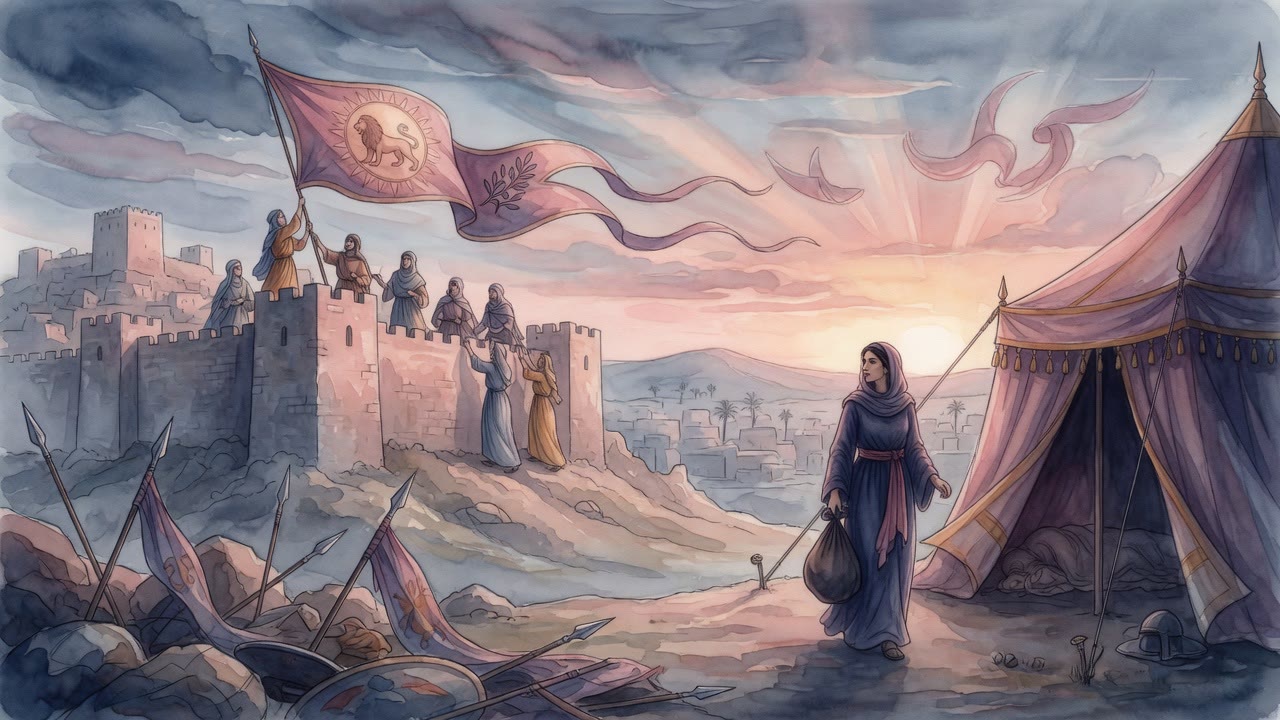
They soon found a man who had circumcised his son. They seized the father, the mother, and the infant, and hung the parents opposite the child so that the city would learn the price of a blade used in faith. A widow later climbed the wall of Jerusalem holding her own circumcised son, a living refusal raised above the stones while patrols watched. The city saw a mother's body become a banner no empire had ordered.
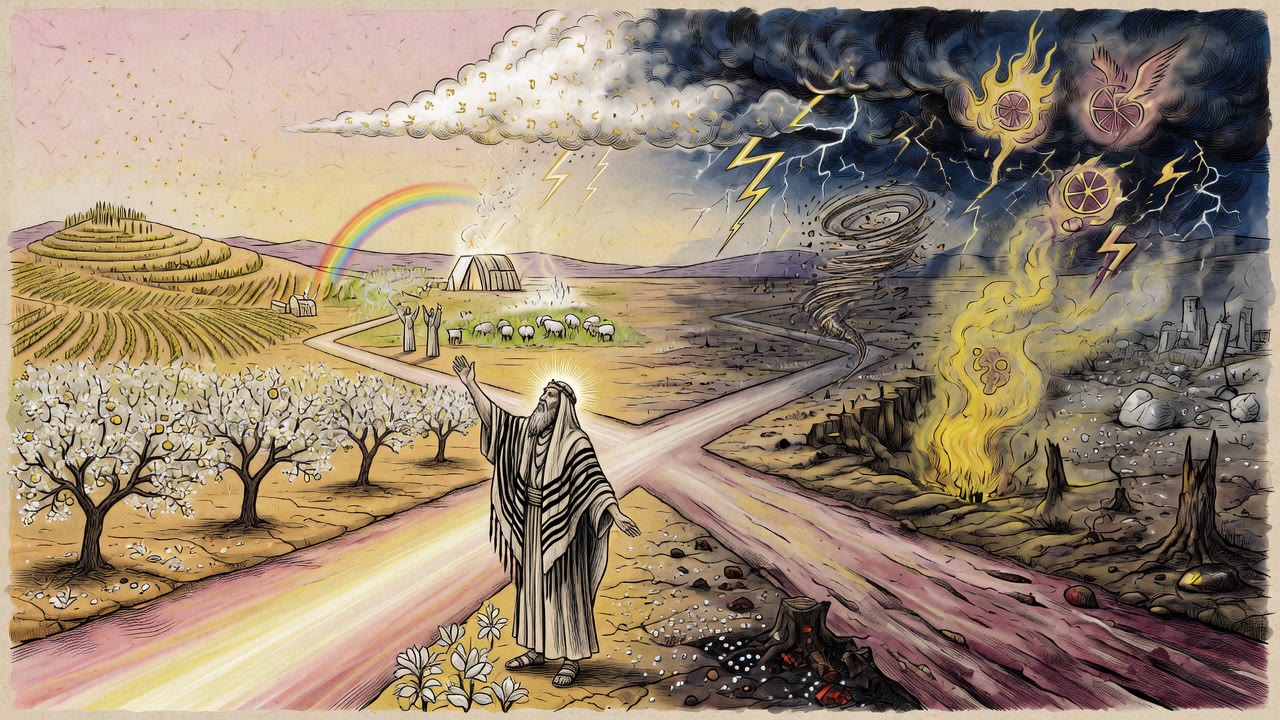
In side streets other mothers whispered the calendar so children would not forget which night the moon renewed. Some lamps stayed dark on Friday lest a patrol read the light as guilt. Covenant shrank to kitchens and blood and memory until the widow on the wall made it large again.
Elephants and Dung
War answered persecution with the mess of real fighting. In the press of battle El'azar went for the elephants, those walking towers of the Seleucid line, and sank into dung while the beasts thundered and men screamed. The story does not polish the detail into glory. Victory can smell like that and still be victory. Israel rose from the mess and punished enemies by fire, sword, and rope according to the hard justice of the hour.
Bagris, who had led the people astray and tried to lead Israel off its own map, burned at Israel's hand. When Antiochus heard that Bagris was dead and the campaign broken, he fled by boat to far places. Wherever he went, crowds named him coward. The king who had tried to unmake a covenant became a traveling joke with a royal title and no quiet harbor.
What the Gate Still Says
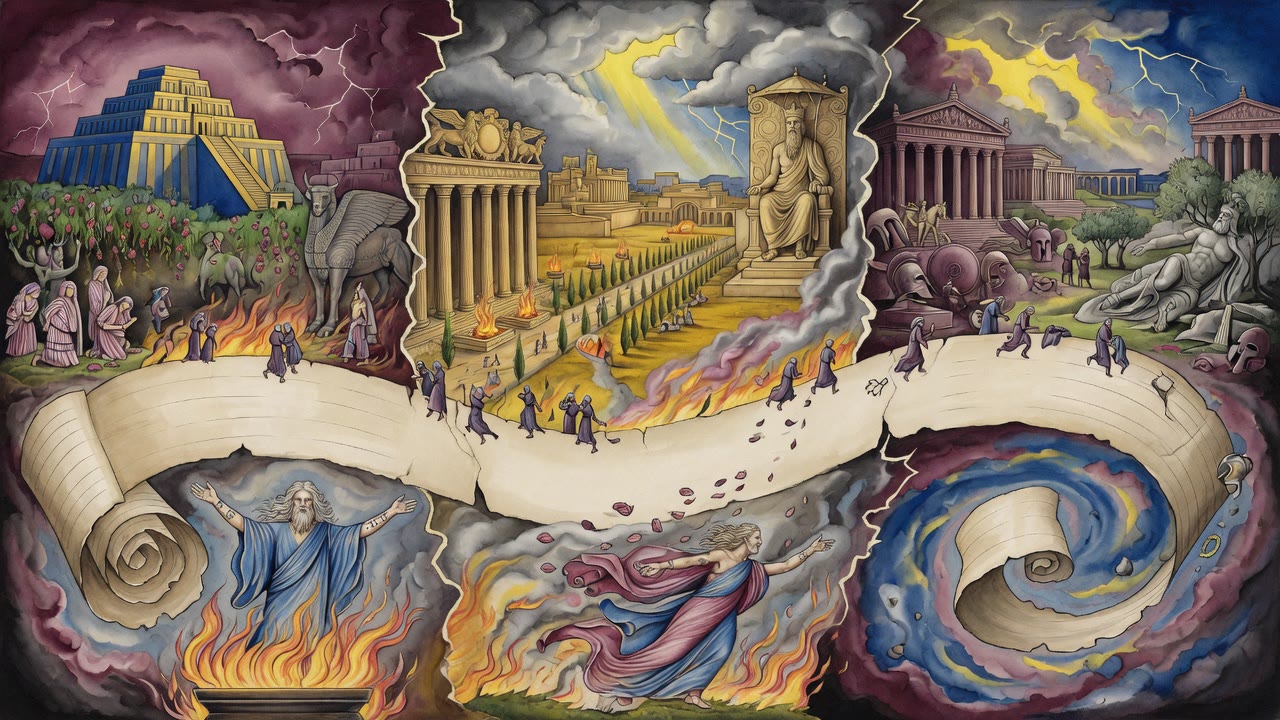
Nicanor's arm at the Temple gate and Bagris's ashes in Zion belong to one pressure: an empire that cannot bear a people who stop for Sabbath and mark their sons for a God the throne does not appoint. The scroll of those days is short, hard, and unembarrassed by blood. It leaves the gate hanging in memory so that later feasts still know why a near-burning of the house of God must be answered with both mourning and stubborn joy.
Judah's prayer before the fight had reminded heaven of the angel who once struck down Assyria's host in a night. The answer this time was human arms and a hung arm, a burned persecutor, and a calendar that outlived the decree written in haste.
In the camps of Judah men cleaned blades and counted the living. No one pretended the war was clean. They only knew that a hung arm at the gate was better than a burned sanctuary, and that a burned Bagris was better than a city without Sabbath. Songs rose that mixed David's psalms with the raw shout of people who had almost lost the right to sing them. The decree written in haste became ash in memory, and the covenant written in flesh remained.
← All myths