5 min read

The Small City Under Siege of the Evil Inclination

The body is a small city. The yetzer hara, the evil inclination, besieges it with a thirteen-year head start. The good inclination can still save the gates.

Curated by Arthur · Told by Maggid ·
Table of Contents
  1. A Great King at the Gates
  2. You Did Not Remember. I Remember.
  3. How Long Will You Refuse
  4. Those Sent on a Mitzvah Walk Guarded
  5. Listen at the Gate
The Small City Under Siege of the Evil Inclination Click for full size

A Great King at the Gates

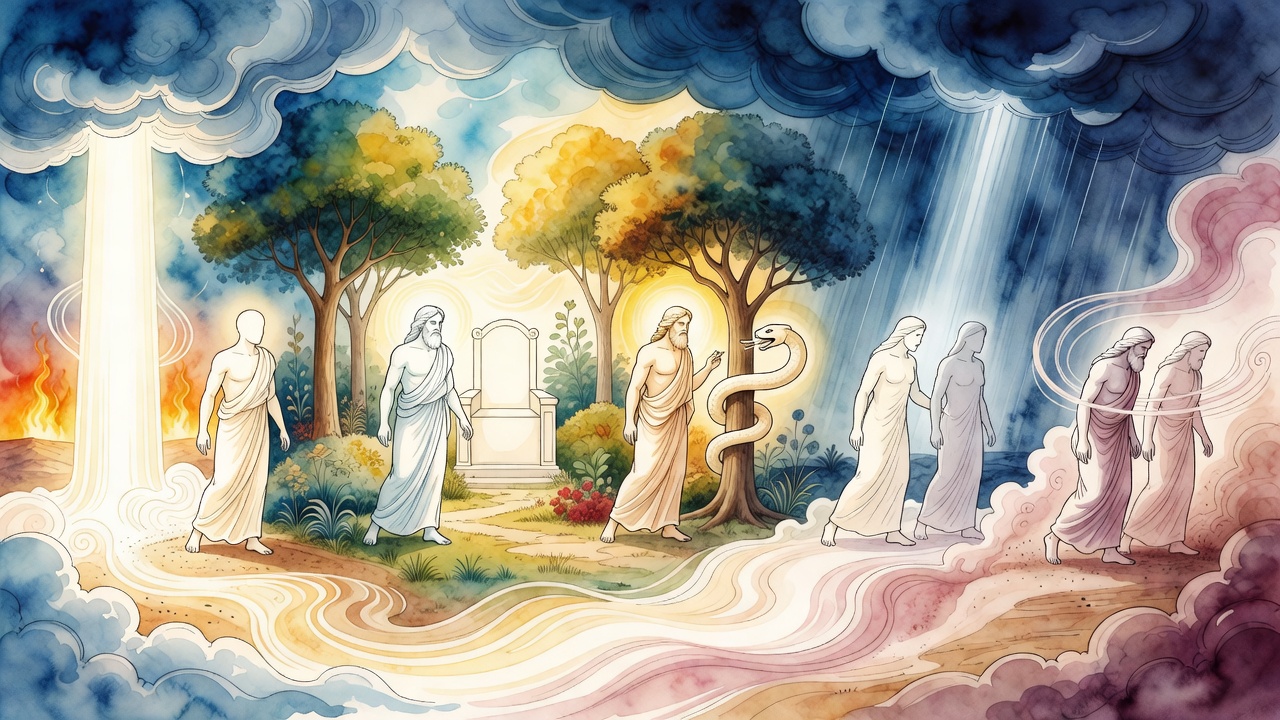
The body is a small city. Its limbs are a few men on the walls. Outside, a great king has already begun the siege. Kohelet Rabbah names him without flattery. He is the yetzer hara, the evil inclination. Why great? Because he arrives early. He has a thirteen-year head start on the good inclination. He surrounds the city and builds works against it. He does not always charge the gate. He waits, whispers, and learns which stone is loose.

Inside the walls lives a poor wise man. That is the yetzer hatov, the good inclination. Why poor? Because it does not speak in everyone with equal force, and even when it does, most people do not listen. Still the verse says he saved the city by his wisdom. Happy is the one who attends to the helpless, reads the midrash as praise for anyone who heeds that quiet counsel (Psalms 41:2).

You Did Not Remember. I Remember.

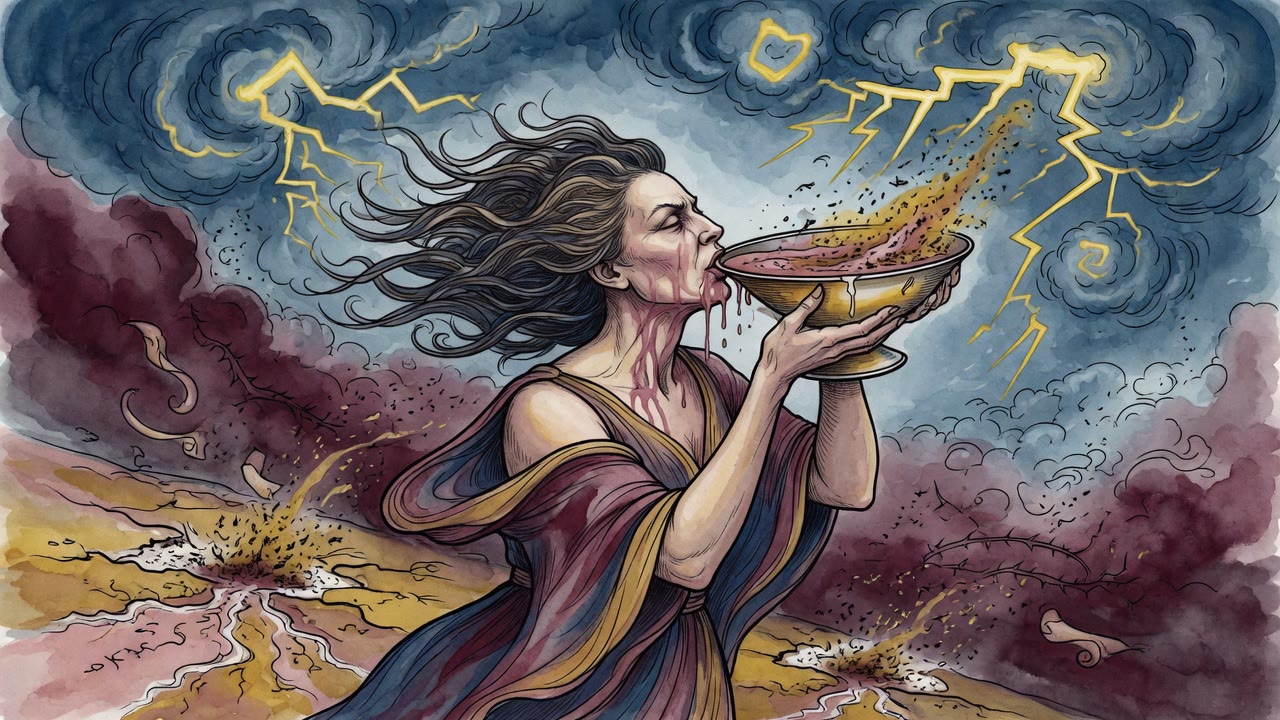
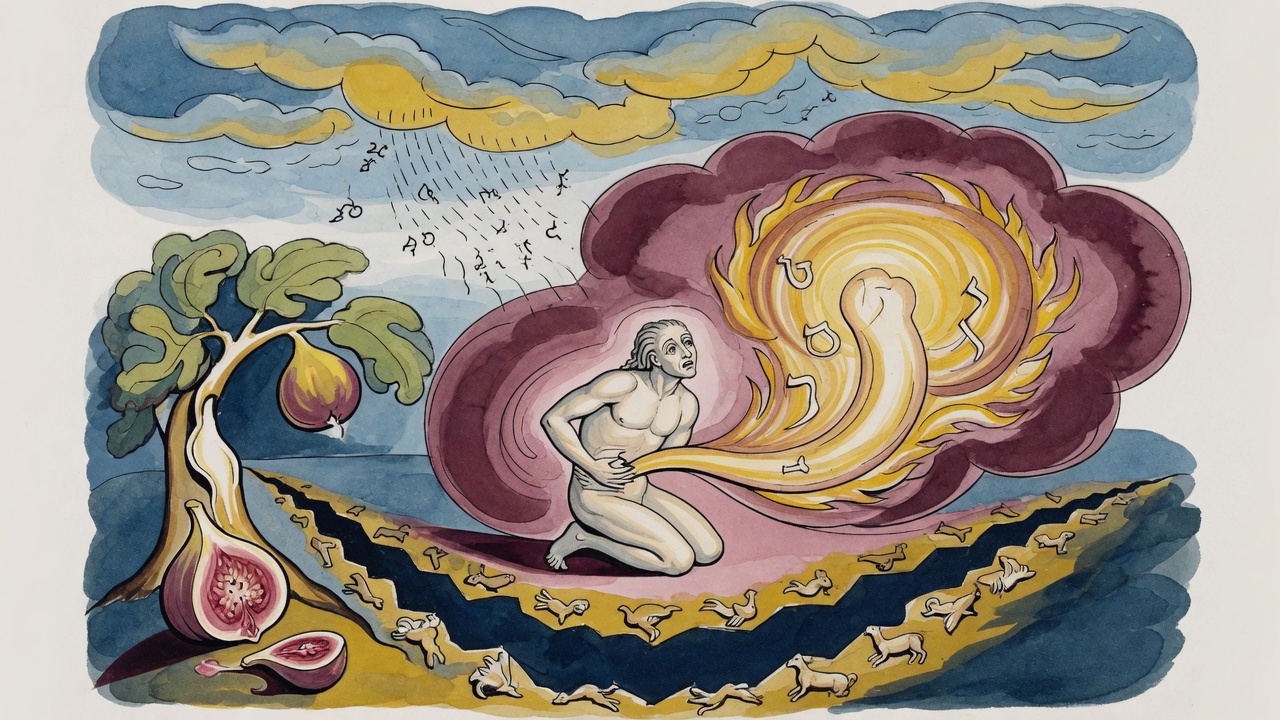
But no one remembered the poor man, the book says. The people forgot the wisdom that could have held the gate. Then the Holy One speaks. You did not remember it. I remember it. I will remove the heart of stone from your flesh (Ezekiel 36:26). The siege is real. The forgetfulness is real. The help from above is also real. God remembers the good inclination even when the city has stopped posting its watch.

The small city does not win by boasting. It wins when someone inside still listens to the poor advisor, and when heaven softens the stone that made listening hard.

How Long Will You Refuse

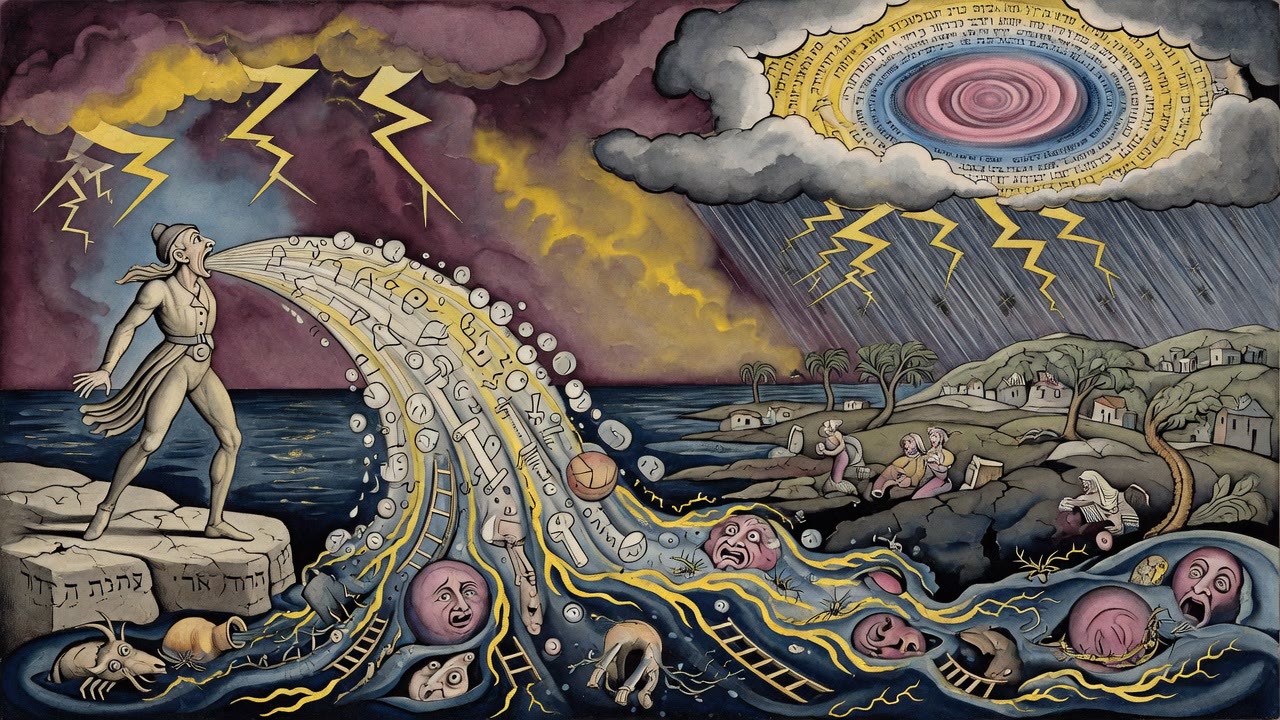
When some of the people violate the Sabbath, the rebuke falls not on them alone but on all Israel. How long will you refuse to keep My commandments, the Holy One asks. Rabbi Yehoshua puts the full weight of the question into a recital of grace. I brought you out of Egypt. I split the sea. I sent the manna, raised the well, drove up the quail, and worked wonder after wonder for you. After all of that, how long will you refuse?

God closes the excuses in advance. Do not claim the burden is too heavy, for at Marah only one commandment was given, and even that was not kept. Do not ask what reward the Sabbath-keeper earns, for Scripture already answers, Happy is the man who does this (Isaiah 56:2). Keeping the Sabbath holds a person far from sin. A folk proverb is woven in at the end. When the thorn is struck, the cabbage beside it is struck too. The few who broke the day drew the rebuke down upon the whole nation.

The yetzer hara (the evil inclination) loves a breach in communal time. One open market stall on the holy day is a siege engine wheeled to the wall of many houses.

Those Sent on a Mitzvah Walk Guarded

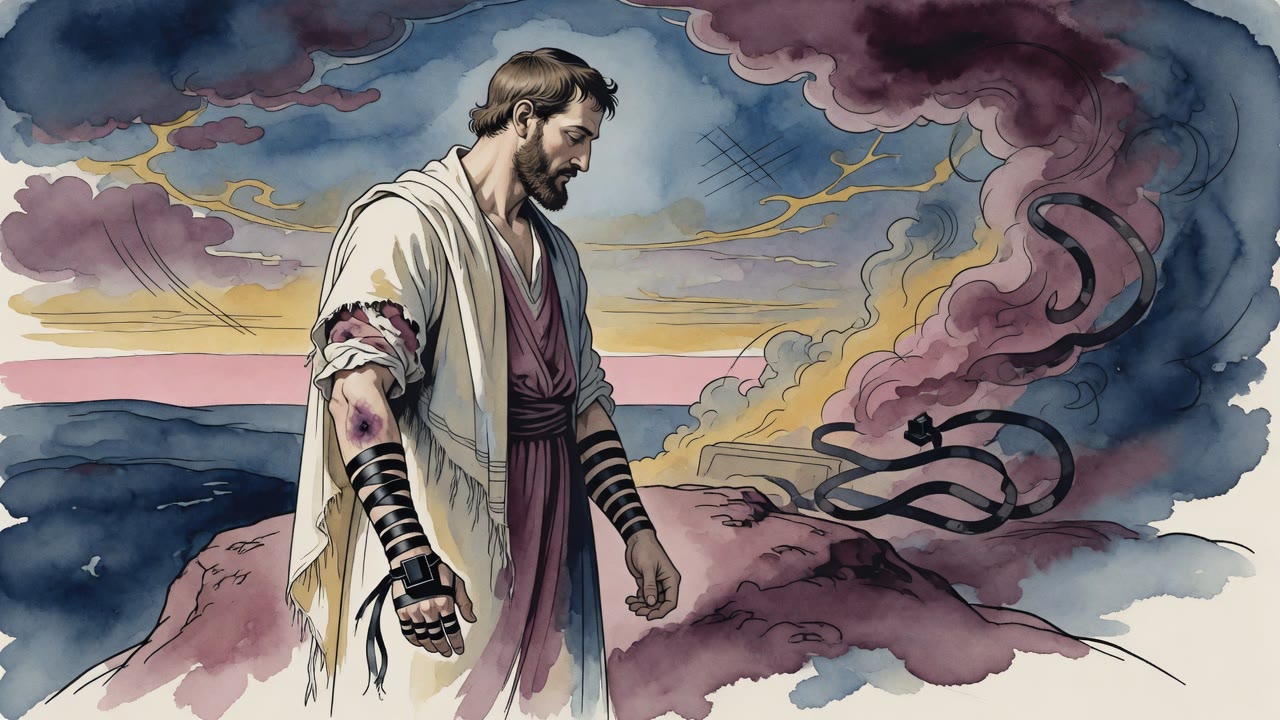
Rabbi Eleazar laid down a rule that has comforted travelers for centuries. Those sent to perform a commandment are not harmed, not on the way there and not on the way home. Isi ben Yehudah read, And no man shall covet your land, as a promise of guarded peace. Picture the pilgrim climbing toward Jerusalem for the festival. He leaves his farm behind. Logic says it should be plundered the moment his back is turned.

Instead the Torah promises something stranger. His cow grazes safely in the open meadow and no predator touches it. His hen scratches in the rubbish heap and no weasel pounces. If even animals, who live exposed to danger, are shielded while their owner does a mitzvah (a commandment), then surely the pilgrim himself walks under the same protection. And you shall turn in the morning and go to your tents means you will arrive home and find it whole.

The small city can send a man out on holy errand and trust the walls will still stand when he returns. The siege is not the only power in the story.

Listen at the Gate

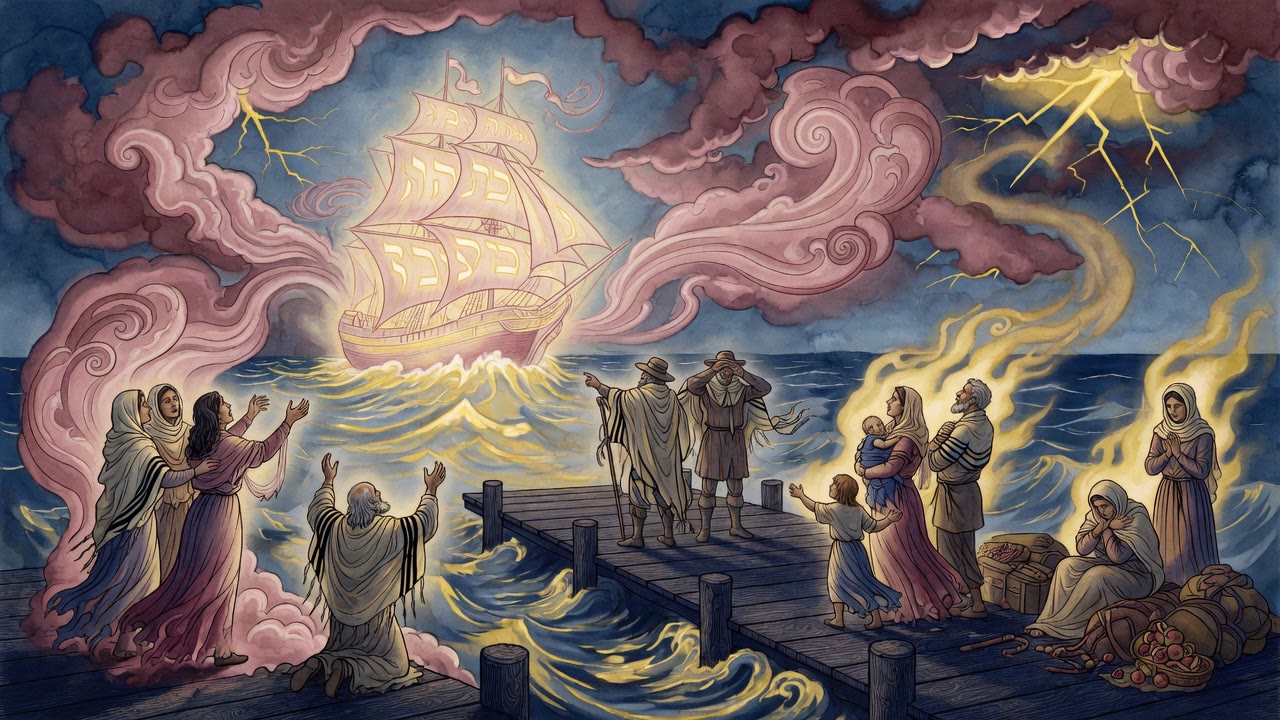
Night falls on the little city. The great king still camps outside with thirteen years of practice. The poor wise man still sits inside with advice that sounds too quiet to matter. Somewhere a Sabbath lamp is lit on time. Somewhere a pilgrim's road stays clear. Somewhere a heart of stone feels the first crack.

God remembers the counselor the people forgot. The body under siege is not abandoned. It is waited for.


← All myths

From the tradition

Sources

3 sources

The texts behind this telling. Some cards carry a translation of the source; others are our own retelling of it, and each card says which. Every card links out to the original.

Kohelet Rabbah 9:14Kohelet Rabbah

Retold in our words. Read the original at the link below.The Sefaria Midrash Rabbah, 2022 · CC-BY

Kohelet Rabbah, a midrashic (rabbinic interpretive commentary) compilation on the Book of Ecclesiastes, uses a powerful allegory to describe this very struggle. It speaks of a "small city" besieged by a "great king." What does this city represent? It's our own body. And the "few men in it"? Those are our limbs, our very capabilities.

Who is this "great king" laying siege? It’s none other than the yetzer hara, the evil inclination. Now, why "great"? Kohelet Rabbah gives a fascinating reason: because the evil inclination arrives on the scene much earlier than its counterpart! It has a thirteen-year head start (as noted in the commentary)!

This "great king" doesn't just show up at the city gates. No, no. He "surrounded it and built a great siege upon it" – meaning he uses ambush and subterfuge. He's sneaky, persistent, and knows our weaknesses.

All hope isn't lost! Within this small city, there's a "poor, wise man." This is our yetzer hatov, the good inclination. Why "poor"? Because, as Kohelet Rabbah points out, it doesn't exist in everyone, and even when it does, most people don't listen to it. Ouch.

But here’s the crucial part: "He saved the city in his wisdom." When we heed that small, quiet voice of goodness, we are saved. As King David says, "Happy is one who attends to the helpless" (Psalms 41:2) – good for the one who listens to the yetzer hatov.

So, if the yetzer hara is so powerful and the yetzer hatov so often ignored, is there any hope for us? The text offers a profound and comforting answer. "But no one remembered…" – meaning, you, the people, didn't remember the good inclination. But the Holy One, blessed be He, says: "You did not remember it; I remember it." And what does He do? "I will remove the heart of stone from your flesh…" (Ezekiel 36:26).

God remembers our potential for good, even when we forget it ourselves. He promises to help us overcome our hardened hearts, to make it easier to choose the path of righteousness.

What a powerful message! We have the potential for good within us, and we have divine help to nurture it. Maybe, just maybe, that small city can withstand the siege after all.

Full source
Yalkut Shimoni on Torah 261:4Yalkut Shimoni on Torah

Translation of the source text.Torat Emet (Yalkut Shimoni) · CC-BY-NC

"And the LORD said to Moses, How long do you refuse?" (Exodus 16:28). Rabbi Yehoshua says: the Holy One, blessed be He, said to Moses, Say to Israel: I brought you out of Egypt, I split the sea for you, I brought down the manna for you, I raised up the well for you, I drove up the quail for you, (I waged war against Amalek for you,) I performed miracles for you - how long will you refuse to keep My commandments? And lest you say, I imposed many commandments upon you - did I not at Marah command you a single commandment to keep, and you did not keep it? And lest you say, whoever keeps the Sabbath, what reward does he receive for it? The verse teaches (Isaiah 56:2), "Happy is the man who does this" - hence we learn that whoever keeps the Sabbath is kept far from transgression.

Rava said to Rabba bar Mari: from where comes the proverb people say, "Along with the thorn the cabbage is smitten"? He said to him: as it is written, "Why do you contend with Me? All of you have transgressed against Me" (Jeremiah 2:29). He said to him: you say it from there, and I say it from here - "How long do you refuse to keep My commandments?"

Full source
Yalkut Shimoni on Torah 403:1Yalkut Shimoni on Torah

Translation of the source text.Torat Emet (Yalkut Shimoni) · CC-BY-NC

"And no man shall covet your land" (Exodus 34:24). Rabbi Eleazar said: those who are sent to perform a commandment are not harmed, neither on their way out nor on their way back. According to whom is this? According to this Tanna, for it was taught: Isi ben Yehudah says, regarding what the Torah said, "And no man shall covet your land," this teaches that your cow shall graze in the meadow and no wild beast shall harm it, and your hen shall peck at the dunghill and no weasel shall harm it. And is this not a matter of inference from minor to major [kal va-chomer]? If creatures whose nature it is to be harmed are not harmed, then a person, whose nature it is not to be harmed, how much more so! I would know this only for the journey out; from where do I know it for the return? The verse states, "and you shall turn in the morning and go to your tents" (Deuteronomy 16:7), teaching that you shall go and find your tent in peace. But once it is derived from "and you shall turn in the morning" that even on the return one is not harmed, why do I need a verse for the journey out? It is needed for the teaching of Rabbi Ami: whoever owns land goes up for the pilgrimage festival, and whoever does not own land does not go up for the festival.

Full source