6 min read

The Baal Shem Tov Drove Off Death and Nearly Lost Both Worlds

Three times the Baal Shem Tov sees the Angel of Death in a room where no one else can, and the one rescue nearly costs him both worlds.

Curated by Arthur · Told by Maggid ·
Table of Contents
  1. Death Dancing Behind a Tax Collector
  2. A Melody in the Middle of Vidui
  3. The Proclamation on the Road to Khmelnik
  4. An Ointment for the Lice
  5. The Angel Over Rabbi Leibish's Bed
The Baal Shem Tov Drove Off Death and Nearly Lost Both Worlds Click for full size

Death Dancing Behind a Tax Collector

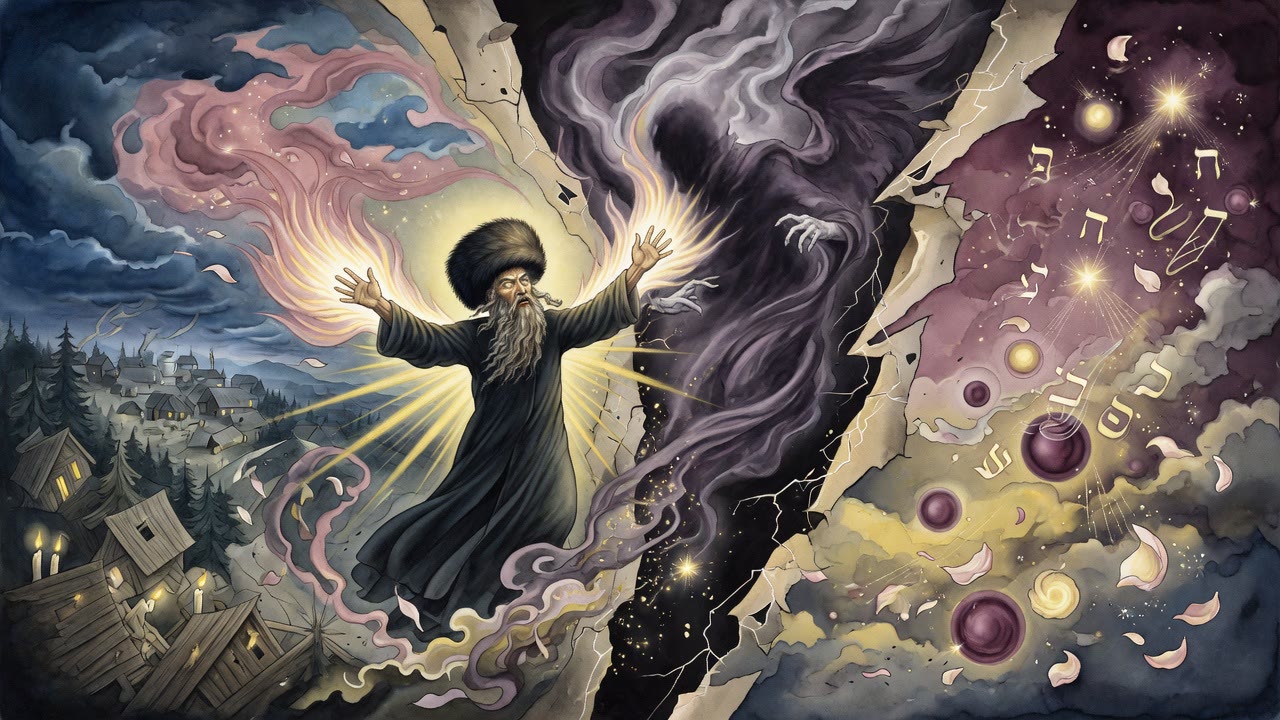
The man came about his mazal. It had gone bad the way weather goes bad, and he wanted the Baal Shem Tov to say a word over it and set it right. He stood with his hat in his hands. Behind him, where the wall met the doorframe, the Angel of Death was dancing.

The Baal Shem Tov said nothing about the dancing. He spoke about repentance instead, hard and plain, the way a man speaks when the roof is already burning. "Why should you go after the acquisitions of this world? It is better to repent and repair your ways."

The tax collector heard a price being named and reached for his purse. The Baal Shem Tov would not take a coin, and the man went out insulted, still worried about his mazal.

"Fool," the Baal Shem Tov said once the door had shut. "Today or tomorrow he will die, and he worries about his mazal."

Rabbi Gershon, his brother-in-law, turned on him. "Why did you bring bad words out of your mouth about an Israelite?"

"What can I do for you, since you are blind and did not see that the Angel of Death was going after him?"

A Melody in the Middle of Vidui

Rabbi Gershon let it go. The tax collector drove home. And Rabbi Jacob, another brother-in-law, lately widowed and traveling to marry again, took the same road, there being only the one.

He stopped in a village beside the tax collector's own, and the man laid out a fine meal for him. Rabbi Jacob would not eat the meat. They set dairy food at the far end of the table for him, and the tax collector made jokes about it until everyone went to bed.

In the dark the tax collector woke with his head splitting and cried loudly enough to wake the house. He asked for vidui, and nobody there knew how to lead a dying man through it. Rabbi Jacob, mocked four hours earlier over a plate of cheese, sat down beside him and said the words, and the tax collector answered after him in a melody, phrase by phrase, in tune, the way a man prays at the amud on a festival morning.

The wife stepped back from the bed. "Perhaps he has slept a little and it is easier for him." She looked again a few minutes later. He was dead.

Rabbi Jacob rode home and said it out loud in front of everyone. "In truth, we are blind."

The Proclamation on the Road to Khmelnik

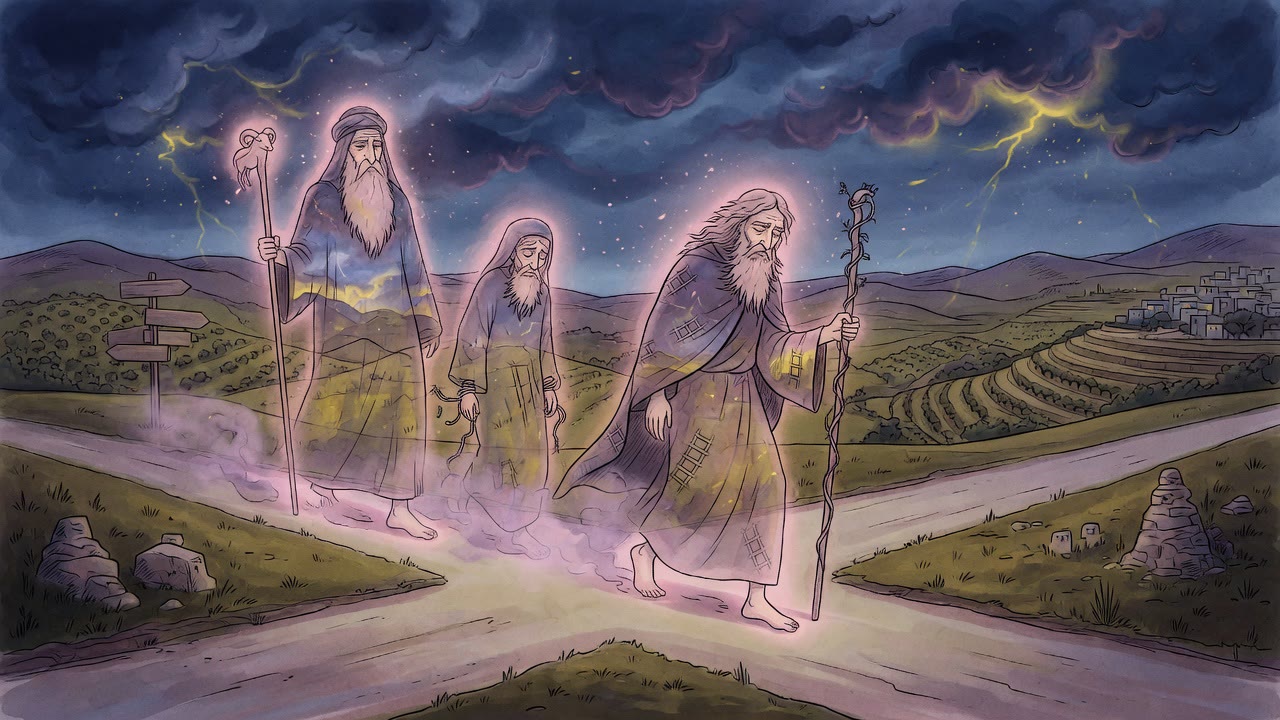
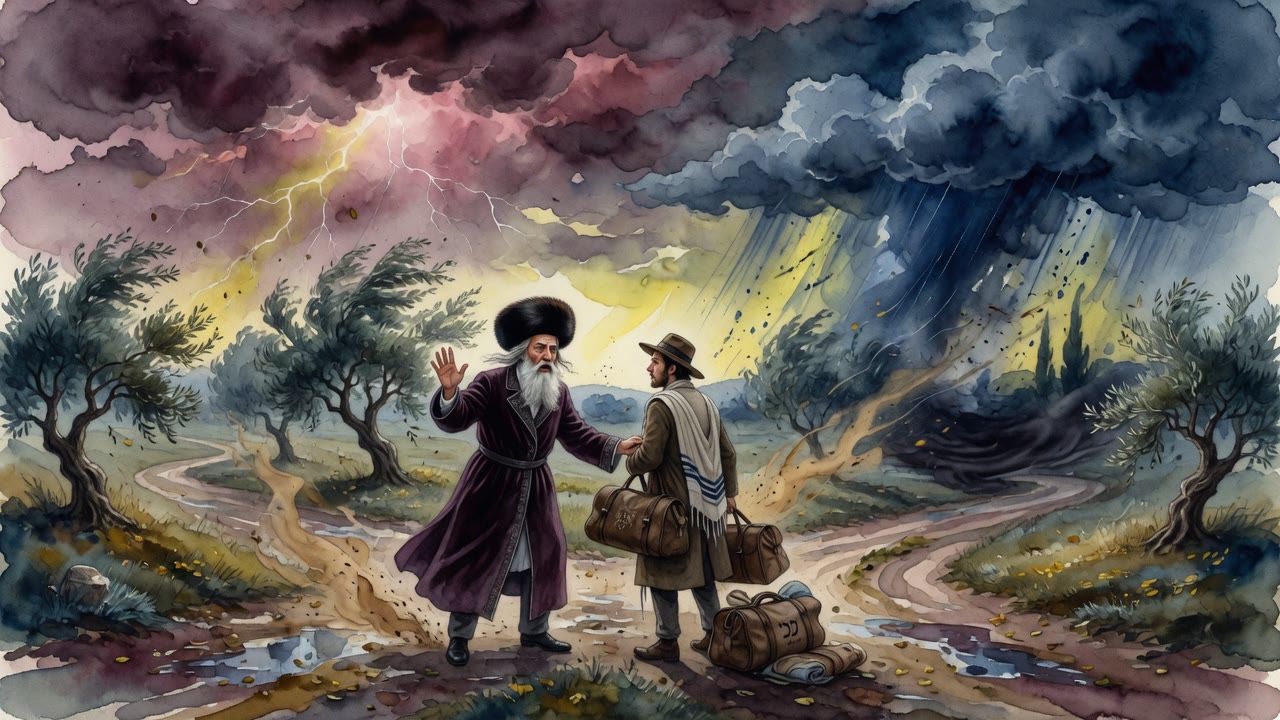
Sight like that is not a thing a man can put down. On the road to Khmelnik a proclamation went out overhead, and the name in it belonged to Rabbi Yosef, a teacher of children in that town. He will die.

The townspeople met the Baal Shem Tov at the edge of the houses. Rabbi Yosef was burning with fever, they said, and they would pay whatever the healing cost. He refused, and gave no reason. He left them holding their coins and thinking whatever they would think about a man who walks into a town, learns their children's teacher is dying, and walks out again.

An Ointment for the Lice

A doctor arrived after the Baal Shem Tov had gone. He gave his medicines, the fever broke, and Rabbi Yosef sat up and got well. The Baal Shem Tov came back through Khmelnik while the doctor was still there, and they told him the news with some pleasure. He took it without a word.

He was standing in the room when Rabbi Yosef, scratching, asked the doctor for something against the lice that the long fever had left crawling in his scalp. The doctor mixed an ointment and handed it over. Rabbi Yosef rubbed it in with both hands, and it went into him, and he died.

Only then did the Baal Shem Tov tell them what he had heard on the road.

The Angel Over Rabbi Leibish's Bed

Twice he had watched a decree come down and kept his hands at his sides. The third time came during the Days of Awe, when Rabbi Leibish of Mezritch fell ill just before Rosh Hashanah. The Baal Shem Tov worked over him through both nights, the eve of the festival and the festival itself, and no sign of death showed on him at all. So he walked to the study house for prayer with an easy mind.

While he stood at prayer, Rabbi Leibish's mind clouded and his strength drained out of him. Men ran to the study house and stood there, unable to do the one thing they had come for, because nobody would shout at a man in the middle of the Rosh Hashanah prayers. Rabbi Isaac of Mezritch watched them whispering, gave up on decorum, and shouted across the room.

The Baal Shem Tov came out of the prayer like a man surfacing. "Why did they not tell me?"

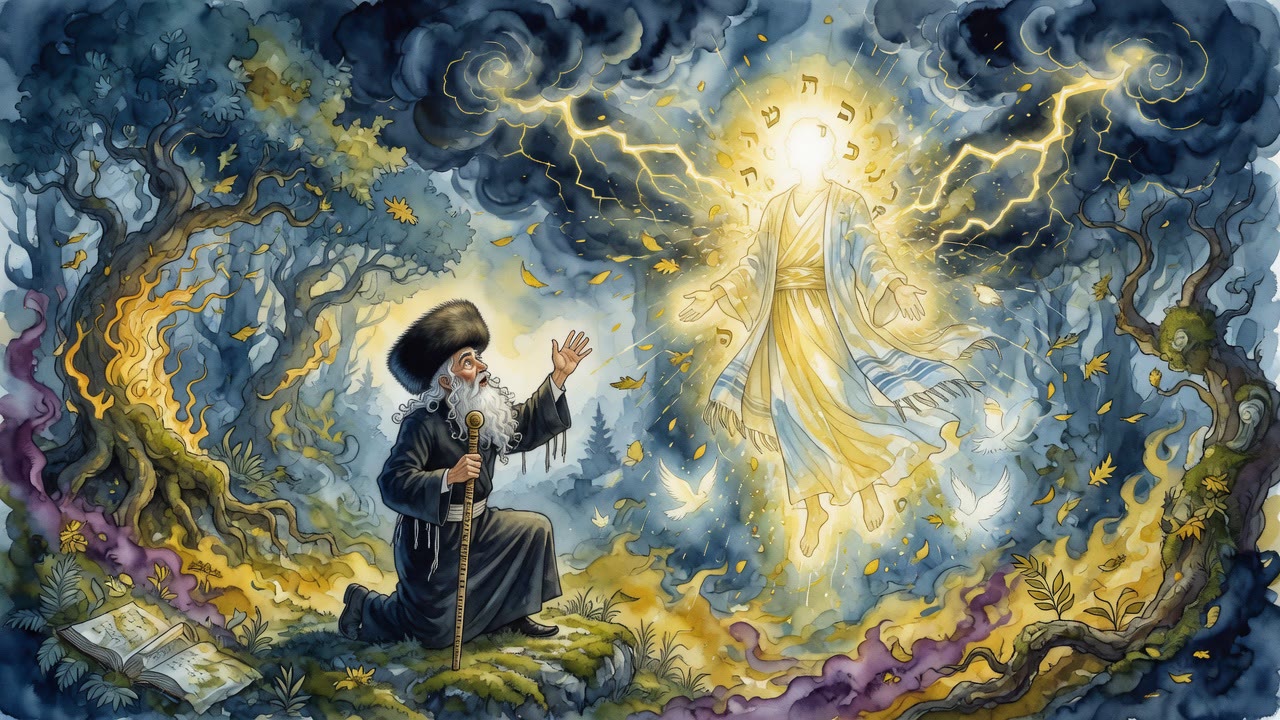
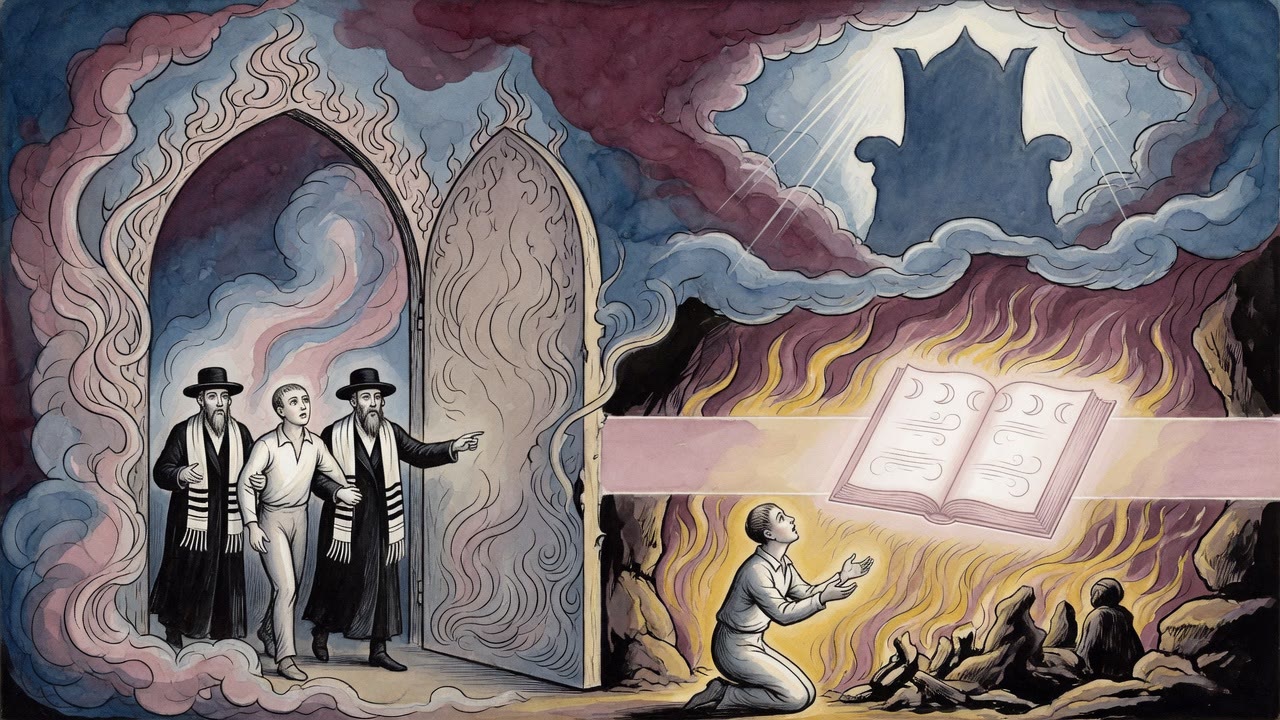
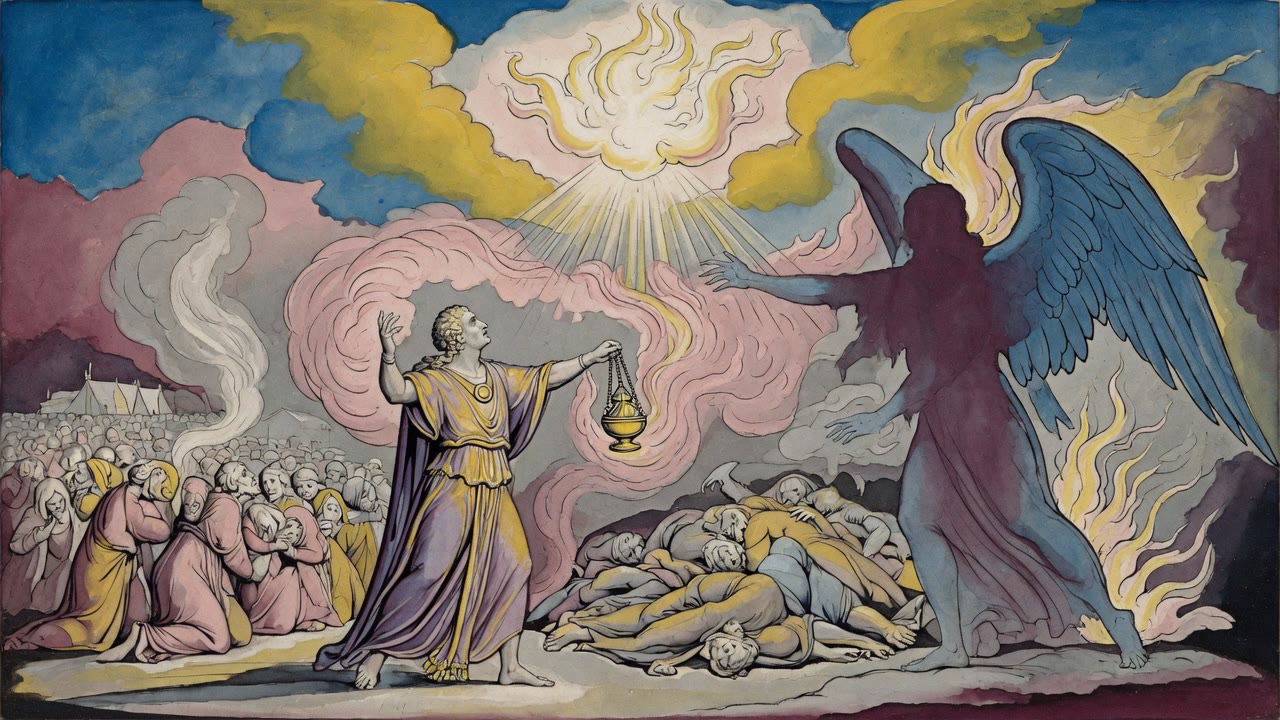
He ran. The Angel of Death was standing over the bed, and the Baal Shem Tov rebuked it to its face and drove it out the way a householder throws a thief out of his kitchen. He took Rabbi Leibish by the hand, and the man recovered where he lay. He would not leave him there. He walked him to the study house and kept him through the day, because he did not trust the angel to stay outside the door he had just thrown it through.

Afterward he said what the hour had cost. Above, they wanted to push him out of this world and out of the World to Come. He had done it, he said, only because the thing came on him suddenly. No sign had shown on Rabbi Leibish beforehand, not one, and when the angel appeared over the bed with no warning, his heart grieved for him and his hands moved before heaven could tell him to hold them still.


← All myths
From the tradition

Sources

3 sources

The texts behind this telling. Some cards carry a translation of the source; others are our own retelling of it, and each card says which. Every card links out to the original.

Shivchei HaBesht 7Shivchei HaBesht

Translation of the source text.Shivchei HaBesht, Kopyst 1815 + JewishMythology.com faithful English Beta translation · Public Domain

Another tax collector came whose mazal had become very ruined. The Baal Shem Tov saw that the Angel of Death was dancing behind him, and he spoke words of rebuke to him so that he would repent. "Why should you go after the acquisitions of this world? It is better to repent and repair your ways."

The man suspected that the Baal Shem Tov wanted money, and he wanted to give him money, but the Baal Shem Tov did not accept anything from him. When he left, the Baal Shem Tov said, "Fool. Today or tomorrow he will die, and he worries about his mazal."

His brother-in-law, Rabbi Gershon, rebuked him and said, "Why did you bring bad words out of your mouth about an Israelite?" He answered him, "What can I do for you, since you are blind and did not see that the Angel of Death was going after him?" Then the man traveled home.

At that time, the Baal Shem Tov's brother-in-law, Rabbi Jacob, was widowed from his wife and traveled to marry a woman by way of that tax collector, for they shared one road. When they came to an inn, he lodged in a village near the tax collector's village. The tax collector made a fine meal for him, but Rabbi Jacob did not want to eat meat, so they gave him dairy food at the end of the table, and the tax collector mocked him. Afterward they went to sleep.

In the night, the tax collector woke with a great pain in his head and with a great cry, and he asked that they say vidui with him. There was no one there to say vidui with him, so Rabbi Jacob said vidui with him, and he answered after him in a melody. Rabbi Jacob was astonished at this. Afterward the tax collector's wife went away from him, because she said, "Perhaps he has slept a little and it is easier for him." After a little while she looked at him, and he was dead. Rabbi Jacob returned home to report, "In truth, we are blind."

Full source
Shivchei HaBesht 83Shivchei HaBesht

Translation of the source text.Shivchei HaBesht, Kopyst 1815 + JewishMythology.com faithful English Beta translation · Public Domain

Again I heard from him: once, while the Baal Shem Tov was traveling to Khmelnik, he heard a heavenly proclamation about Rabbi Yosef the teacher from that community: he will die.

When he came to the town, the people of the town came to him and wanted to pay him to heal Rabbi Yosef. He did not want to heal him and did not reveal his reason.

After the Baal Shem Tov traveled away from there, a doctor came and healed Rabbi Yosef, and he became well. The doctor was still there when the Baal Shem Tov returned to that town. They told him that Rabbi Yosef had recovered through the medicines of the doctor, who had healed him.

While the Baal Shem Tov was standing there, Rabbi Yosef asked the doctor to make him some kind of bandage to drive the lice from his head, for they had multiplied greatly because of his severe illness. The doctor gave him an ointment to smear on his head. He smeared his head with that ointment and died.

Then the Baal Shem Tov revealed his reason for not wanting to heal him: because of the voice of the proclamation he had heard.

Full source
Shivchei HaBesht 56Shivchei HaBesht

Translation of the source text.Shivchei HaBesht, Kopyst 1815 + JewishMythology.com faithful English Beta translation · Public Domain

I heard from the rabbi of our community that Rabbi Leibish of the holy community of Mezritch was with the Baal Shem Tov during the Days of Awe, and he became ill before Rosh Hashanah. The Baal Shem Tov occupied himself with healing him all the night of the eve of Rosh Hashanah and also the night of Rosh Hashanah, and he saw no sign of death at all, Heaven forbid.

When the Baal Shem Tov went to the study house at the time of prayer, the aforementioned Rabbi Leibish became confused and very weak. They informed the Baal Shem Tov, but he did not hear, because they were afraid to cry out to him aloud. When Rabbi Isaac of the holy community of Mezritch saw that the Baal Shem Tov did not turn, he cried out to him in a loud voice.

The Baal Shem Tov answered and said, "Why did they not tell me?" He ran to his house and found the Angel of Death standing over Rabbi Leibish. He rebuked him harshly, and the Angel of Death fled. The Baal Shem Tov took Rabbi Leibish by the hand, and immediately he recovered. He brought him to the study house, because he was afraid to leave him at home lest, Heaven forbid, the Angel of Death return.

Afterward the Baal Shem Tov said that because of this matter they wanted to push him away from this world and from the World to Come. He said that he had done it only because the matter came upon him suddenly. He had not seen any sign of death in Rabbi Leibish beforehand, and when he suddenly saw the Angel of Death, his heart grieved for him, and he did this thing.

Full source