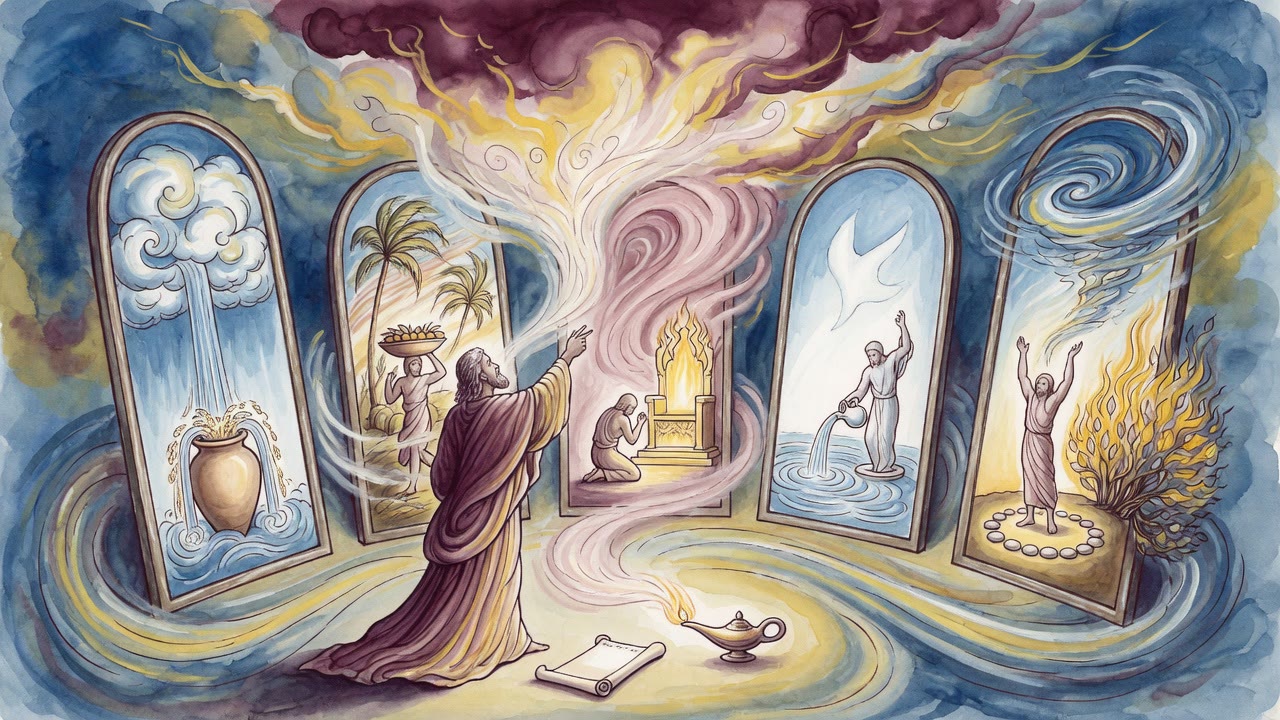
The Doctor Watched Meat Broth Wake a Silent Man
The doctor closed his bag over a silent mouth. The Baal Shem Tov asked for meat broth and waited until the soul signed.
Table of Contents
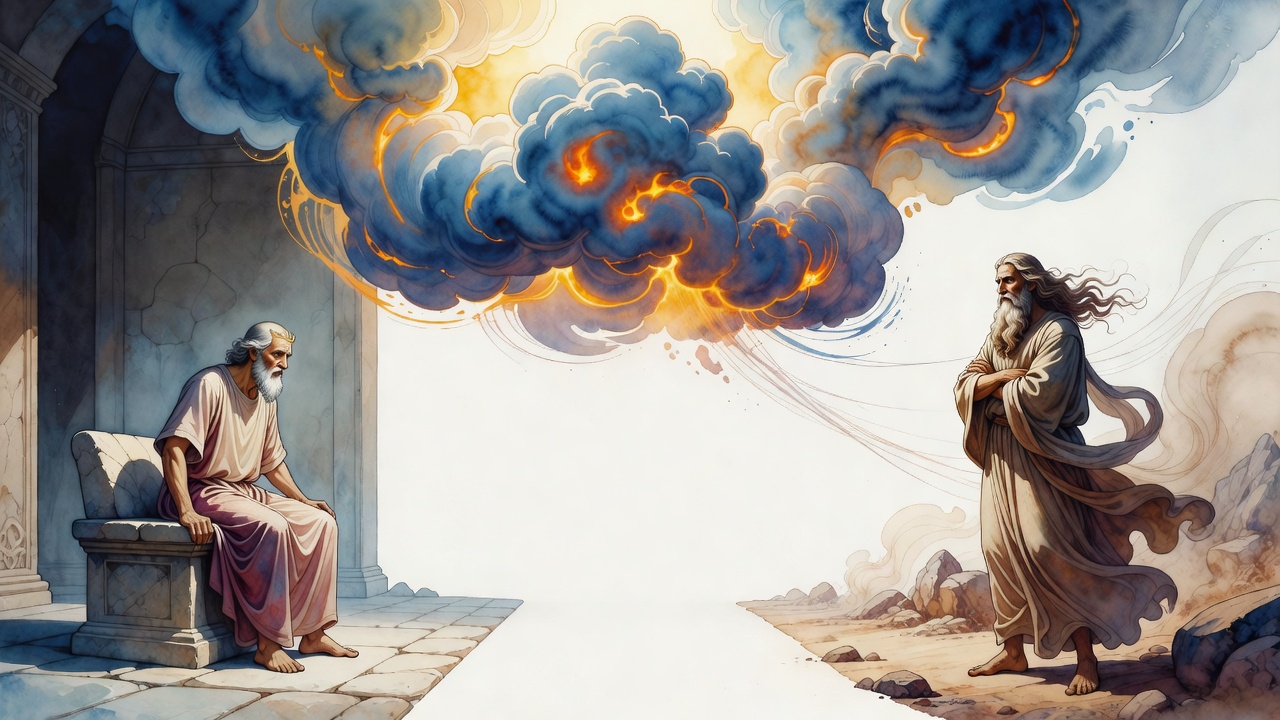
The doctor closed his bag. The sick man could not speak. Damaged sinews, the doctor said, do not grow back, and no craft he knew could stitch them. The room smelled of boiled cloth. Family members moved like people afraid a floorboard might tip a scale.
 Click for full size
The Baal Shem Tov came in without theater and asked for meat broth. "Give it to him," he said, "and he will speak."
Broth Reached a Stopped Mouth
They boiled the meat. Steam fogged the small window. A daughter held the bowl with both hands because one hand was shaking. The Baal Shem Tov did not chant over it. He nodded at the spoon.
The first sip sat in a mouth that had forgotten work. The spoon clicked against teeth. Color returned in thin stages, first in the ears, then in the lips. A sound followed, not yet a word, then a word, then a second word shoved free as if speech were a path being shoveled of snow.
The doctor watched the bowl. He knew the pathways. He knew they had failed. Soup had insulted his training. Speech had begun to wake in a mouth the doctor had already buried.
"How?" he asked. "Those sinews cannot be repaired."
"You saw the sick man materially," the Baal Shem Tov said. "I saw him spiritually."
He Spoke to the Soul First
A human being has 248 limbs and 365 sinews, and the commandments stand opposite them. When a person damages the covenant, the matching limb or sinew is damaged too. Blood stops flowing where the soul has closed itself. That was how he worked in the sickroom. Not magic broth as chemistry. Broth as the first kindness after a soul has agreed to reopen.
He did not begin with the sinews. He spoke to the soul and had it accept repentance. Once the soul accepted, the limbs and sinews could be repaired. The body opened because the inner court had signed. The doctor had been knocking on the wrong door with perfect technique.
The man who spoke again did not confess in public. He asked for water in his own voice. The room took that as enough. The Baal Shem Tov took it as evidence that the closed place had opened.
A Grave Still Gave Orders
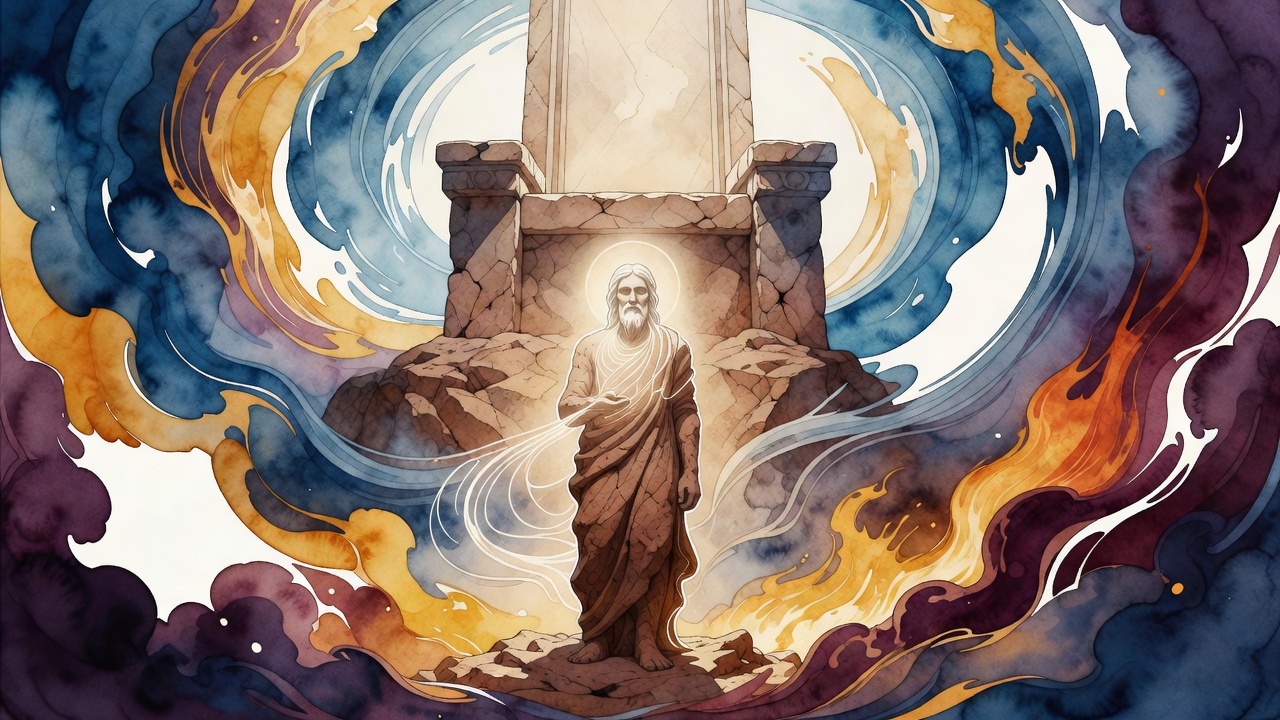
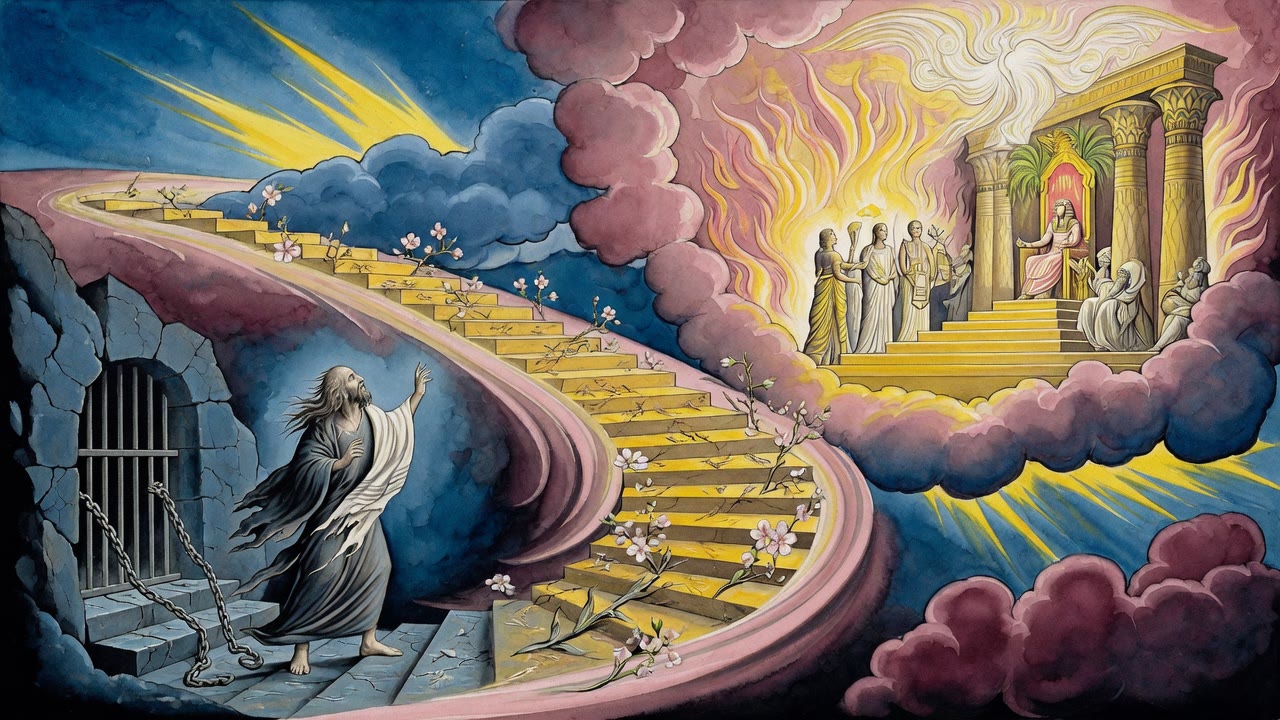
Years later Rabbi Nachman went to the Baal Shem Tov's grave before traveling to the Land of Israel to redeem captives. Dust. Stones. A cemetery that knows too many names. Rabbi Yosef of Kaminka walked beside him and heard wind.
Nachman came back joyful, which is not the usual face of a man leaving graves. "The Baal Shem Tov commanded me to go," he said.
Yosef stopped. "Where did he speak with you?"
Nachman stared at him. "Did you not see him standing there, speaking?"
One man left with orders. One man left with weather.
On the road Nachman sat with a preacher who warned that no one escapes a foreign thought. Even at the end of a clean prayer a thin thought can arrive, dressed like a scholar, and an accuser is born from it. Captives waited somewhere ahead. The command at the grave had to stay louder than that fear.
A year later Nachman died on Shabbat in Tammuz. Rabbi Mendeli sat near him in Shabbat clothes, kiddush still on his breath. They sent for him from the turnip course of the meal and found Nachman studying Zohar as his soul left at Minchah. The book stayed open. The command from the grave had already been spent on the road he took.
Six Rings in the Windpipe
Rabbi Nachman of Breslov later taught that a wicked singer can snare a listener, while a righteous singer can change a soul. Human song is drawn from birds. Pure birds nurse from the place prophets nurse. That is why a prayer leader is called a chazan (חזן), from chazon (חזון), vision. A righteous voice draws from a prophetic source. A wicked voice catches listeners the way birds are caught in a trap (Ecclesiastes 9:12).
Night study of Oral Torah repairs the six rings of the windpipe through which voice rises. Joy follows repaired song. Joy opens gates of wisdom no somber grind can force.
In the sickroom a throat opened after a soul signed. At the grave a dead mouth still gave orders. In the prayer house a clean voice climbs the same pipe the doctor thought was only sinew.
The doctor left with a patient who could talk and a theory he could not use. Rabbi Yosef left a cemetery having heard only wind. In a later house of prayer a chazan opened his mouth, and the six rings of his windpipe did the work the doctor had declared impossible. The sick man's first word was small. It was still a word. The bowl sat empty on the table, cooling.
← All myths