The Estrie Loosened Her Hair and Died Hungry
Two women held her down twice in a sickroom. Days later a cat stepped into a lane, and the woman at the door asked for bread and salt.
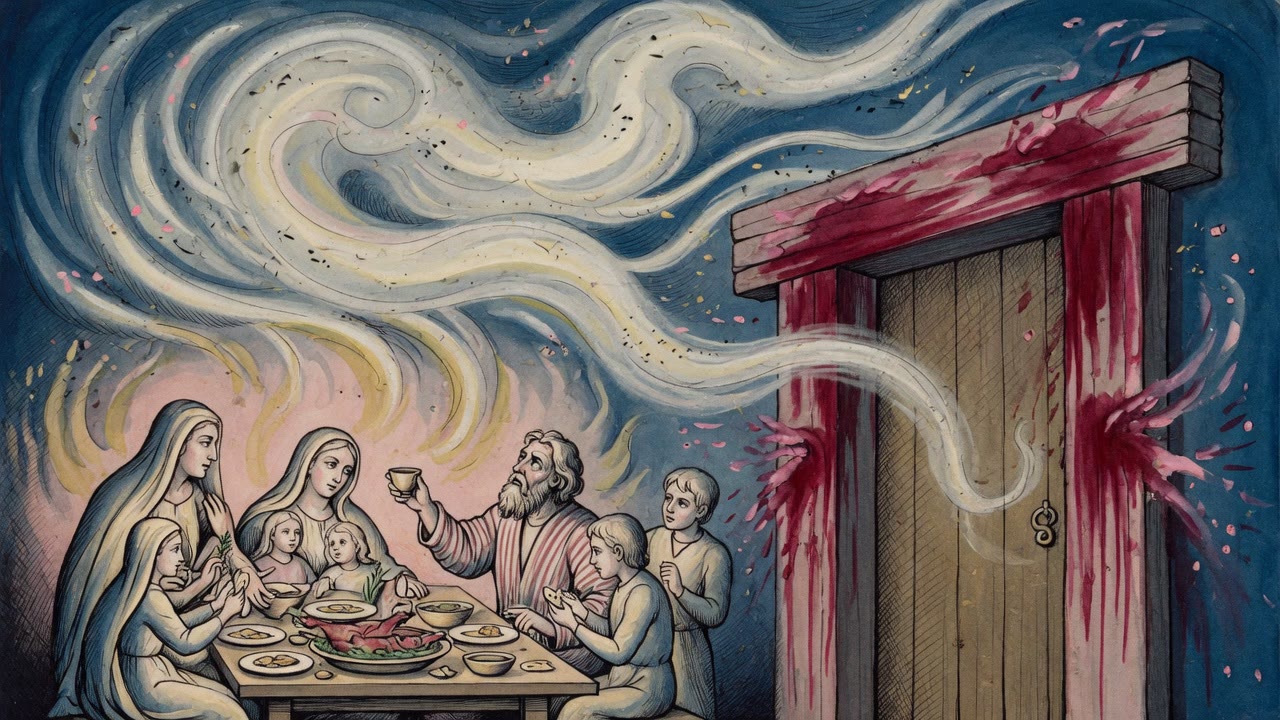
The lamp burned low in the sickroom. One woman lay under a thin blanket, breathing hard enough to lift the cloth. Another sat upright on a stool with her back to the door and her eyes fixed on the bed. Between them the air smelled of vinegar, sweat, and the iron edge of fever.
 Click for full size
The sick woman sat up without a groan.
The Braid Comes Down
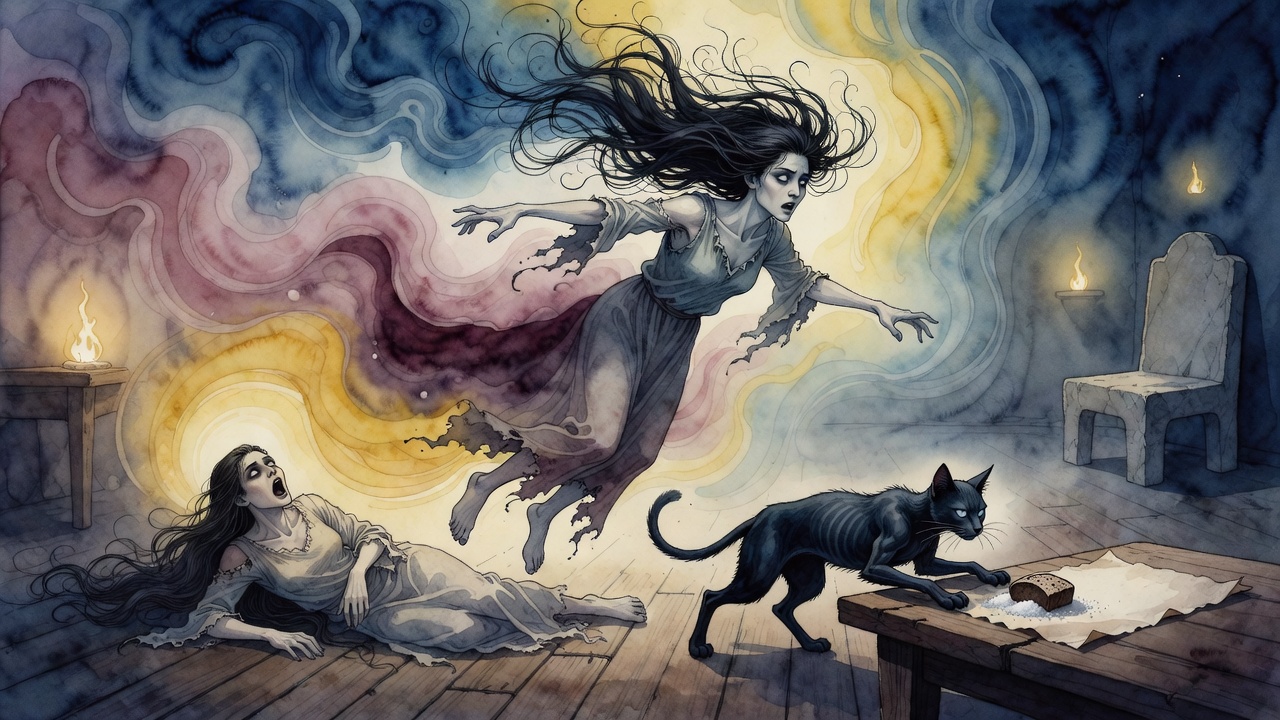
She did not call for water. She did not ask for a cloth. She reached both hands into the braid at the nape of her neck and shook it free until dark hair fell over her shoulders and down her arms. The watcher stiffened. Hair like that, unbound at night in a closed room, was not vanity. It was a change of shape beginning.
The sick woman rose. Her feet barely took weight. For a breath she looked like any patient who had overestimated her strength. Then her shoulders lifted as if a draft had caught under them, and her body tilted toward the sleeper on the far pallet, mouth open for blood.
The watcher shouted. The sleeper jerked awake. Together they seized wrists, hair, the hard line of a jaw that no longer looked entirely human. The sick woman thrashed once, twice, then went slack in their hands, not dead, only denied. They pressed her back onto the bed and bound her hair again. The watcher did not leave the stool. The sleeper did not close her eyes all the way.
The Second Watch
Exhaustion wins rooms the way fever wins bodies. Near the second watch the sleeper's chin dropped. The watcher stayed upright by biting the inside of her cheek. Across the room the sick woman stirred again.
Hair first. Always hair. Fingers worked the knots free. The braid became a black spill. She stood. She leaned into the air as if the air owed her flight. Toward the sleeper again. Toward the pulse under a thin neck.
The watcher crossed the floor before the feet left the ground. The sleeper woke mid-scream. Hands closed on the same arms. The same jaw. The same hungry tilt of the head. They held her until the flight went out of her limbs and only sickness remained, or what looked like sickness.
Creatures made at twilight can change the form in which they were made. The estrie is one of them. She lives by what she takes from living flesh. If she had finished the work, if blood and meat had entered her mouth from another human body, she would have lived. Because they stopped her twice, the hunger had nowhere to land.
She died before morning. Not of the fever alone. Of the meal that never reached her teeth.
A Cat on the Path
Days later a Jew walked a narrow lane near the edge of town. A cat stepped from a wall shadow into his path, soft-footed, ordinary in every way that matters until the moment it is not. He struck it hard enough to send it skidding into the mud. The cat yowled and vanished under a gate.
He wiped his hand on his cloak and went home. He told no one. A man does not report every cat he hits in a lane.
The next day a woman stood at his door. He knew her face from the market and from whispered warnings. People said she was an estrie. People say many things. She asked for his bread and his salt.
He almost fetched both.
The Elder at the Doorframe
Bread and salt from the hand that struck her could restore what the blow had taken. Injury and repair share a table in these old notices. She did not threaten. She asked as a neighbor asks for a loan of flour. Her voice was steady. Her eyes watched his hands more than his face.
He stepped toward the crock where the salt sat. An elder who had been sitting in the courtyard rose and put a palm on the doorframe.
"Do not give it," the elder said.
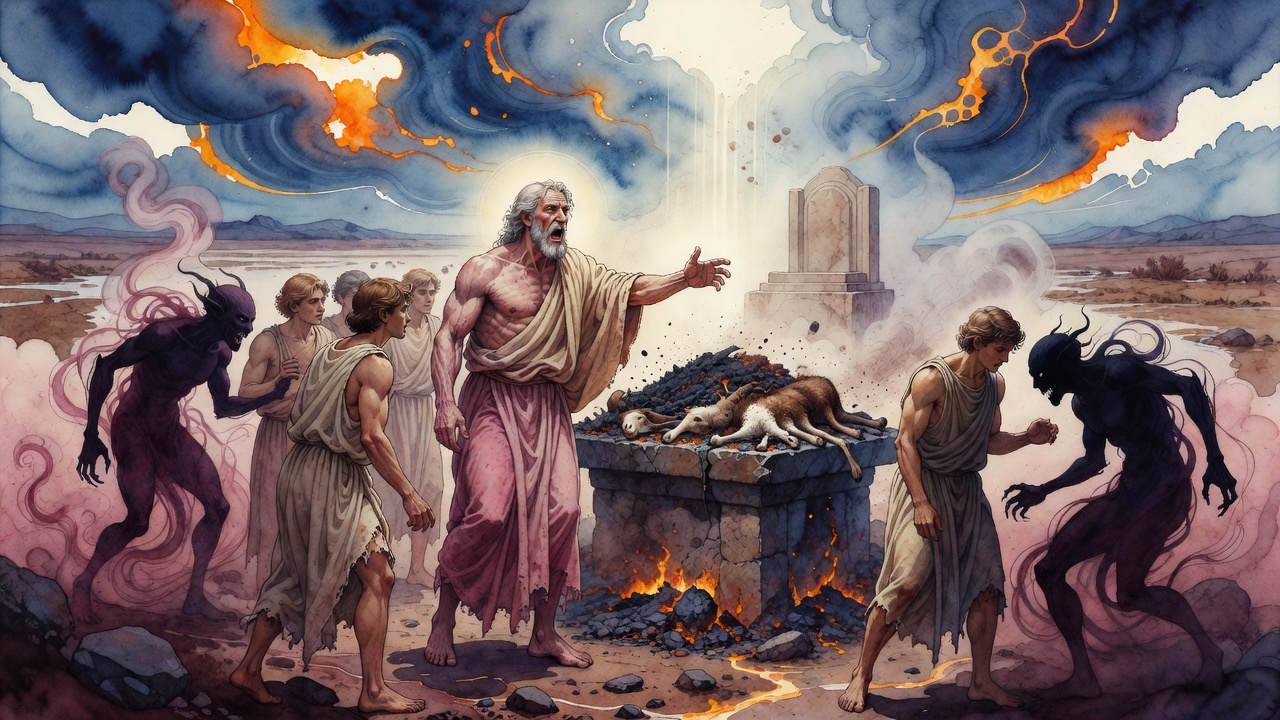
The man hesitated. Mercy is easy when the asker looks tired and human. The elder did not soften the sentence. If she lives, he said, she will harm human beings. Sparing what has been delivered into your hands can itself become a sin. He named Saul and Amalek, the old failure of pity that left a knife for later generations.
The woman at the door did not argue. She waited for bread. The man looked from the elder's hand to the salt crock to her mouth, and the room felt smaller than it had a minute before.
He did not give the bread. He did not give the salt. The woman turned from the threshold without a curse he could hear. Whether she found another table that night, no one wrote down. What remains is the pressure on the man who wanted to be kind and was told that kindness here feeds a mouth that will open again over someone else's throat.
In the sickroom the hair had been the first sign. In the lane the cat had been the second. At the door the request for bread and salt was the third. Each time the shape changed. The hunger did not. The lamp in the first room had gone out before dawn. The stool still faced the empty bed. Outside, salt stayed in its crock, and a man stood with clean hands that felt dirtier than the mud on the cat's fur.
← All myths