The Fox Ate the Heart the Ass Never Owned
A toll-gathering ass dies under a lion's paw. The fox eats the heart and swears the beast never owned one, or it would not have charged a lion.
Table of Contents
 Click for full size
Toll on a Narrow Road
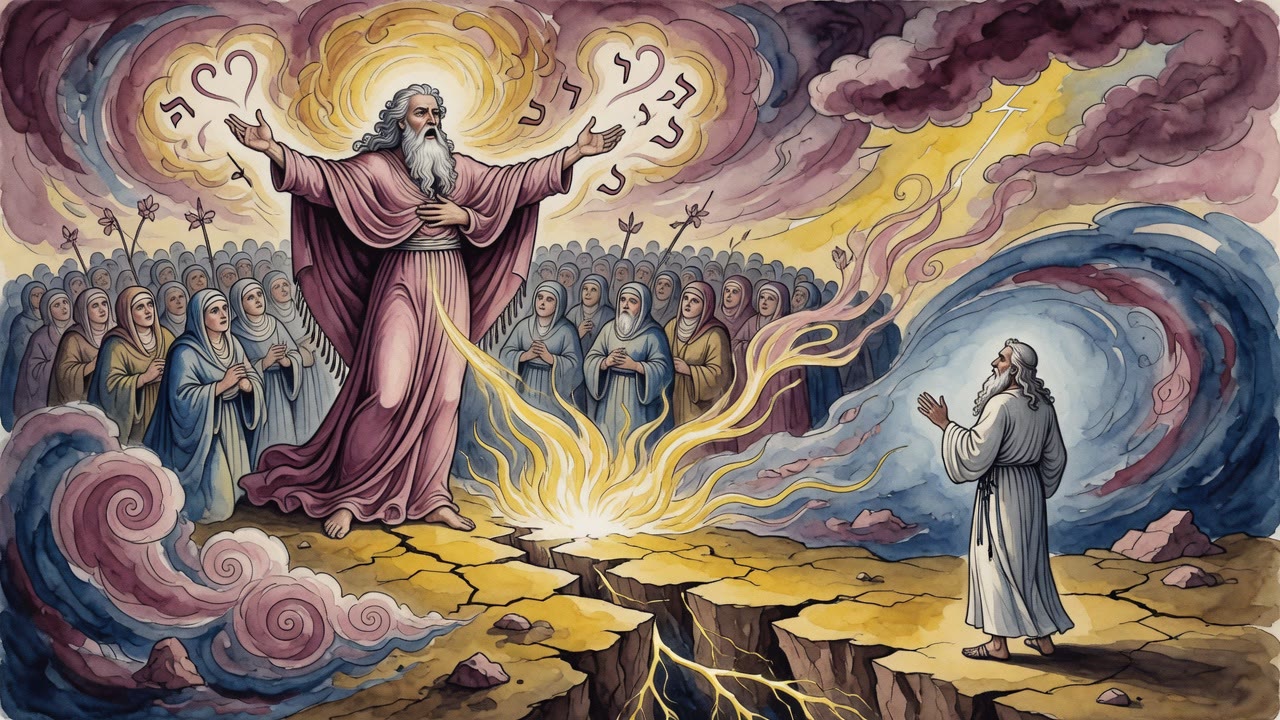
The king set an ass as toll-gatherer on a narrow road and trusted the beast to stop every traveler. A lion and a fox came down the path together. The ass lifted his head and demanded the fee as duty required. The lion roared once and struck him dead where he stood, then walked on full of his own power. The fox stayed to feast. He ate the heart first and most carefully, as if the organ were the only part of the story worth owning.
When the lion returned and asked where the heart had gone, the fox answered smooth as ice. "Your majesty, this ass never had a heart. If he had possessed one, he would never have charged toll from a lion." The fable ends there, with a carcass, a liar, and a king of beasts who accepts the joke because it flatters his roar. Procedure dies under force, and cunning writes the epitaph.
The Friend Who Said I Did It
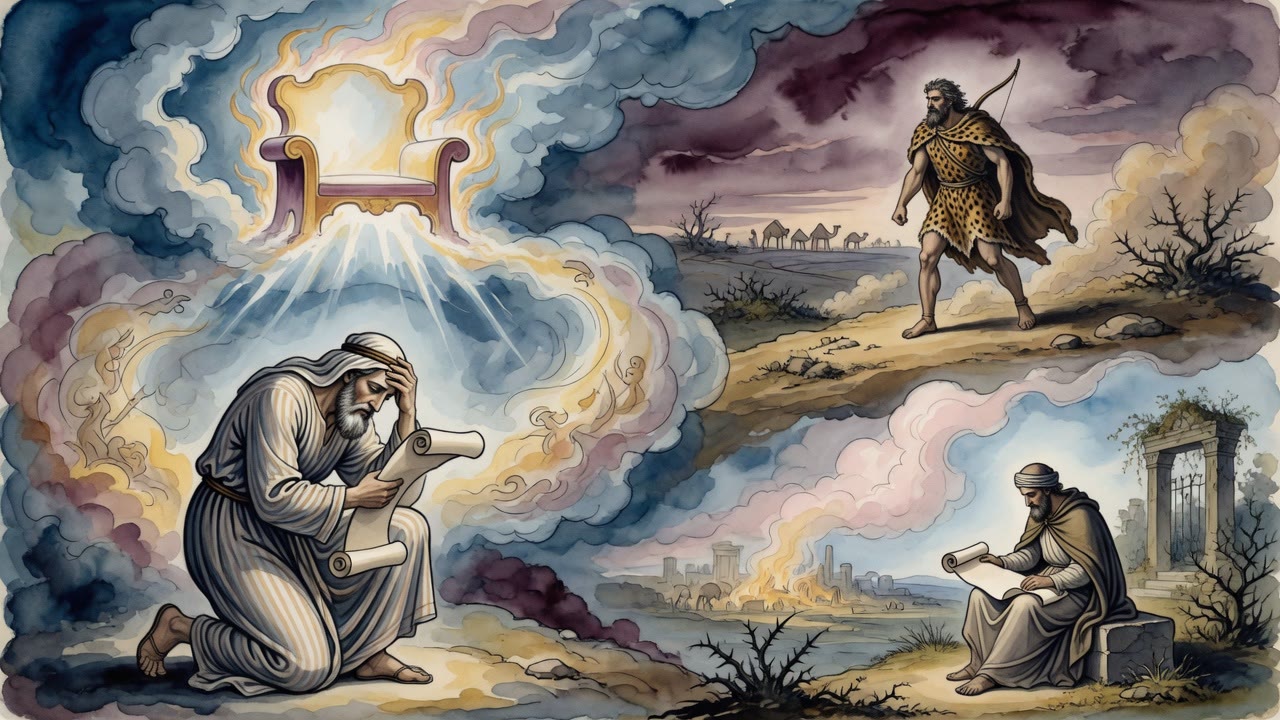
In another court a man faces execution for a crime he did not commit. His friend knows the truth and steps forward anyway. "I did it," he says. "Release that man." He is not guilty. He knows he is not guilty. He also knows only a false confession will open the door while the judges still believe confessions more than they believe complicated innocence. The court accepts the word. The innocent walks free. The friend stands condemned until the truth finally surfaces and spares him from the blade.
The sages set this beside the figure of the righteous who bear what is not theirs, the servant wounded for others' sins in Isaiah's speech about the people and the sufferer. The Jewish telling stresses that the friend did not price a reward. He priced a life against his own name and accepted the ledger without bargaining for applause.
Where the fox rewrites a victim to protect a predator's pride, the friend rewrites himself to protect a victim's breath. Both use false speech. Only one spends it as love.
Akiva in the Pea Market
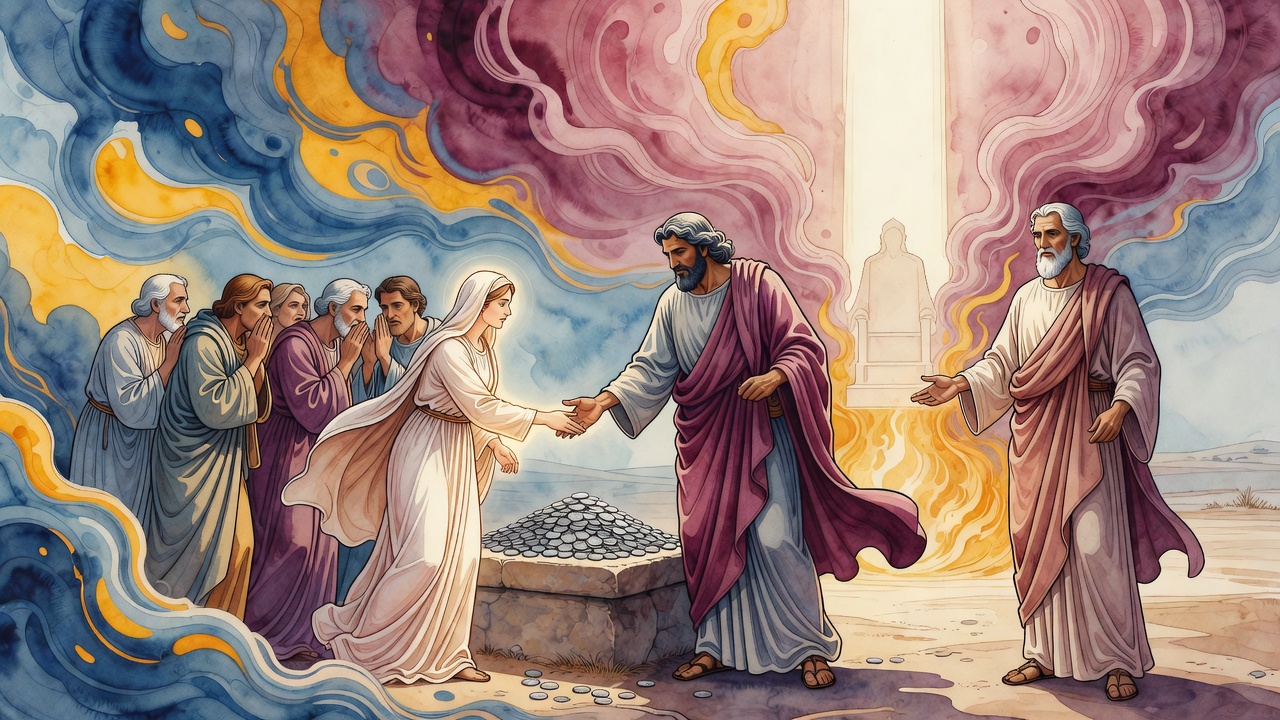
Rabbi Akiva once pushed a lineage case past his masters. Rabbi Yehoshua had called a young man a ben niddah. Akiva called him both mamzer and ben niddah, and the elders bristled at a disciple who outran them. Akiva went to the market where the mother sold peas under a canvas shade. He promised her a share in the World to Come if she answered every question. She demanded an oath. He swore with his lips and nullified the oath in his heart, then drew out the truth of the bridal chamber: she had entered as a niddah, and her husband had not kept away.
The sages blessed him for overcoming his masters. The same tradition refuses to leave the victory clean. He had sworn falsely to win a true ruling. "You shall not take the name of the Lord your God in vain," and "Keep far from a falsehood," stand on the page beside the praise. Even a needed verdict can bruise the mouth that bought it with a hollow oath. The pea baskets keep rattling while the bruise stays.
Hearts, Confessions, and Market Stalls
The fox's lie is pure cynicism: rewrite the victim so the predator looks wise. The friend's confession is inverted sacrifice: rewrite the self so the victim lives. Akiva's oath sits in a harder middle, a legal mind cutting toward truth with a tool the Torah itself forbids. Three markets of speech. One sells flattery to a lion. One sells a life for a life. One sells a status ruling for a cracked vow.
The ass dies because he followed procedure in front of raw force. Procedure without discernment is not holiness; it is a schedule that cannot see fangs. The friend lives or dies by a court that believes confessions too quickly. Akiva wins a point and inherits a bruise that later anthologists will not polish away. Power, loyalty, and law all use words that do not match the heart, and the tradition keeps all three stories so no single use of false speech looks simple or safe.
What the Heart Was For
If the ass had owned a heart in the fox's sense, he would have stepped aside for the lion. The fable calls that wisdom. Another ethic calls it cowardice dressed as prudence. Jewish storytelling often sides with the weak who keep their posts, even when the post is fatal, and then laughs bitterly with the fox because the world of kings rewards the joke and reprints it.
Against that laugh stand the friend and, complicatedly, Akiva. One spends his name to save a body. One spends a vow to fix a lineage so a young man's status will not rest on rumor alone. Neither is the fox. Neither is clean. The anthology that preserves them wants readers to feel the cost of every sentence spoken under pressure, whether on a toll road, before a bench, or among pea baskets where a mother's word can remake a son's future and a rabbi's oath can still ring false in heaven's ear.
← All myths