7 min read

The Last Two Sons of Mattathias Bought a Free Judea

Judas Maccabeus was dead and the fields were empty. Jonathan took the sword, swam the Jordan under fire, and two kings began bidding for him.

Curated by Arthur · Told by Maggid ·
Table of Contents
  1. The Brother They Begged to Take the Sword
  2. The Sabbath Charge Into the Jordan
  3. Two Kings Bidding for One Man
  4. The Trap at Ptolemais
  5. The Last Son Finishes the Work

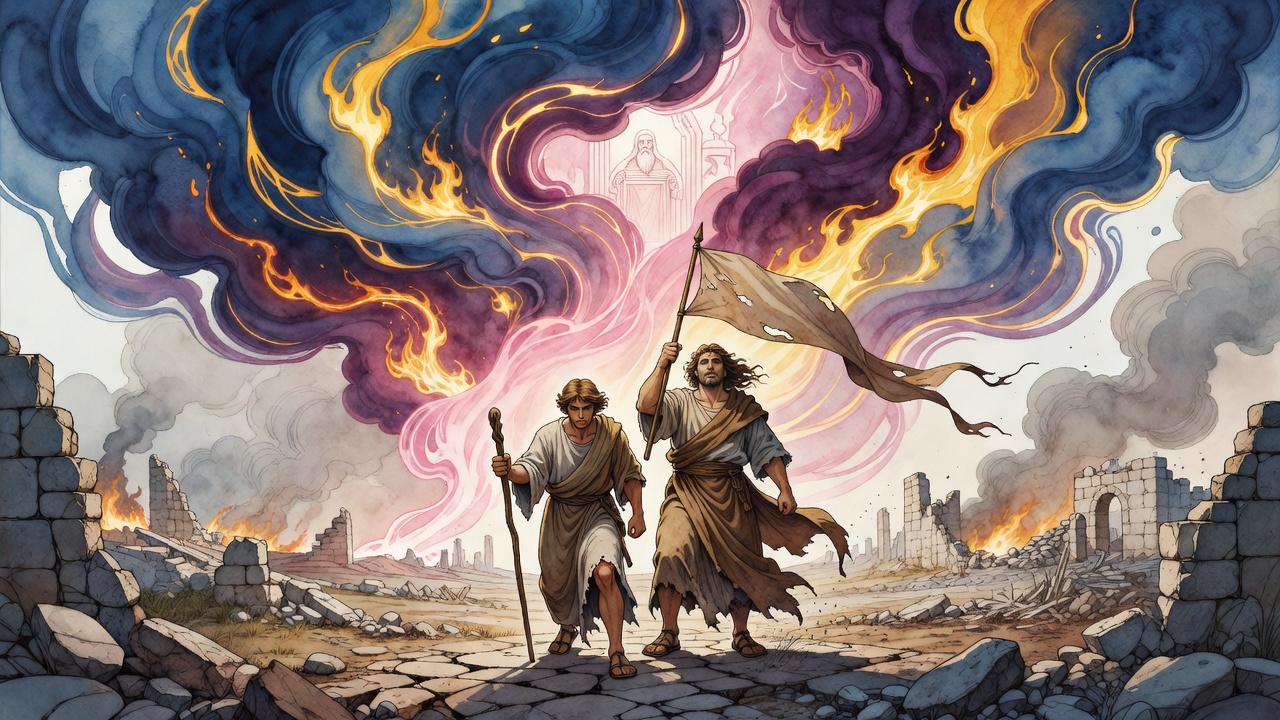
The famine came first. Then the traitors. Judas Maccabeus had fallen in battle, and everything he built began sliding back into the empire's hands. Across Judea the lawless crept out of hiding, the loyal went hungry, and men who could carry neither starvation nor persecution abandoned their fields and went over to the Macedonians. Bacchides, the Seleucid general, hunted down anyone who still loved the Maccabean name, and he tortured them before he killed them.

The Last Two Sons of Mattathias Bought a Free Judea Click for full size

The Brother They Begged to Take the Sword

The survivors of Judas's band came to his brother Jonathan and asked him to lead them. He did not flinch. He told them he was ready to die for his people exactly as his brother had died, and he took the command.

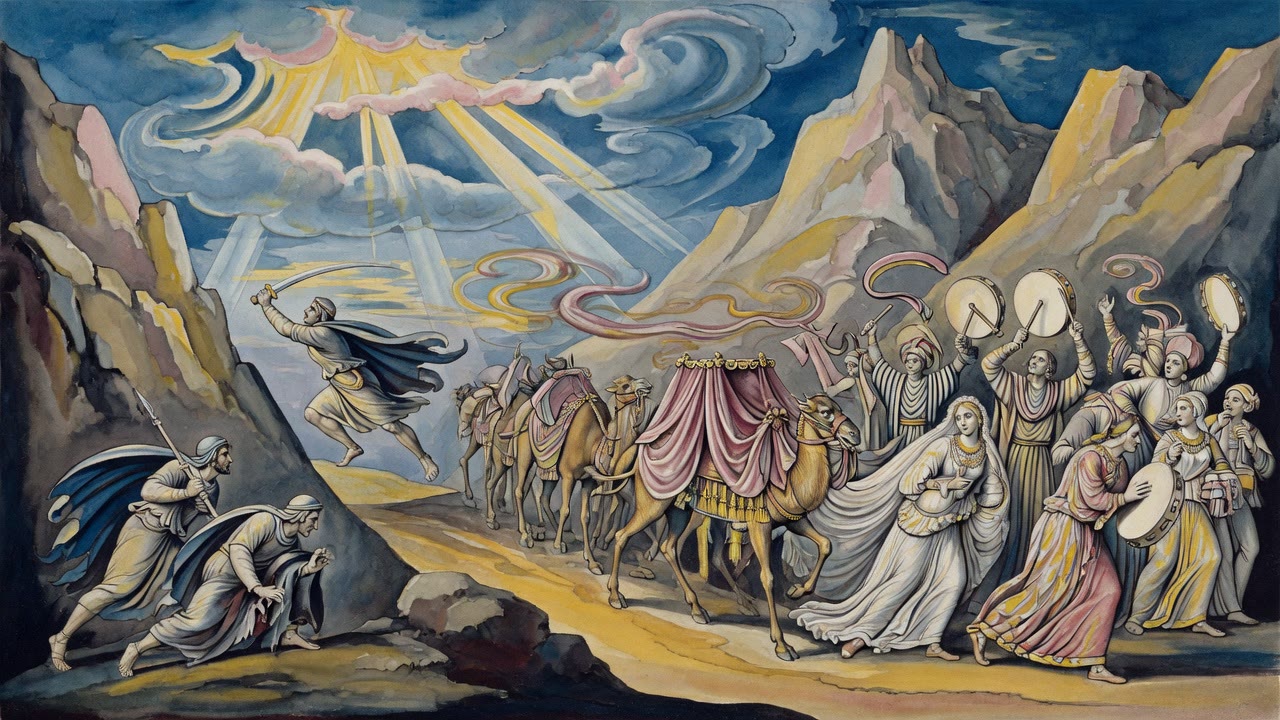
Bacchides moved to kill him at once. Jonathan and his brother Simon slipped into the wilderness near the Jordan and camped by a lake called Asphar. When Jonathan sent a third brother, John, to hide their baggage with the friendly Nabateans, the sons of Ambri rode down on the convoy, murdered John, and stripped the wagons bare. Jonathan and Simon did not mourn quietly. They waited for an Ambri wedding, fell on the bridal procession in the open, and took back what they had lost.

The Sabbath Charge Into the Jordan

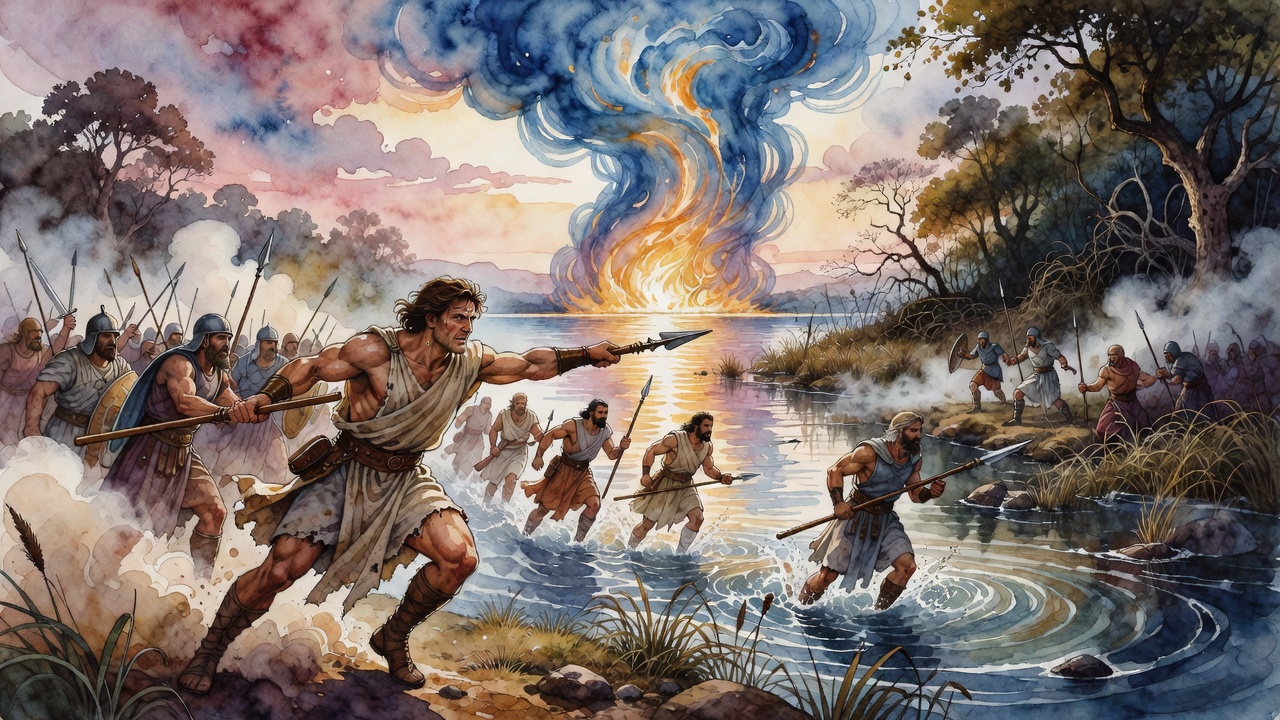
Bacchides found them on the Sabbath, pinned against the river, and attacked, sure these were men who would not lift a hand on the holy day. Jonathan had read that history and refused to repeat it. He told his fighters there was only water at their backs and only the sword ahead, so their lives hung on their own arms. He prayed, then charged straight at Bacchides. His blow fell and the general twisted aside. When the line buckled, Jonathan and his men threw themselves into the Jordan and swam for the far bank while a thousand Seleucid soldiers lay dead behind them. Bacchides did not follow them into the water.

For two years the general held Judea with garrisons and hostages locked in the Jerusalem citadel. Then Jewish collaborators schemed to hand Jonathan over. The plot leaked. Jonathan killed fifty of the plotters and pulled back to the fortress of Bethbasi, and when Bacchides besieged it, Simon burned the siege engines from within while Jonathan struck from without. Bacchides, furious at the traitors who had dragged him back into Judea for nothing, executed several of them himself, made peace, returned his hostages, and marched out of the country. He never came back.

Two Kings Bidding for One Man

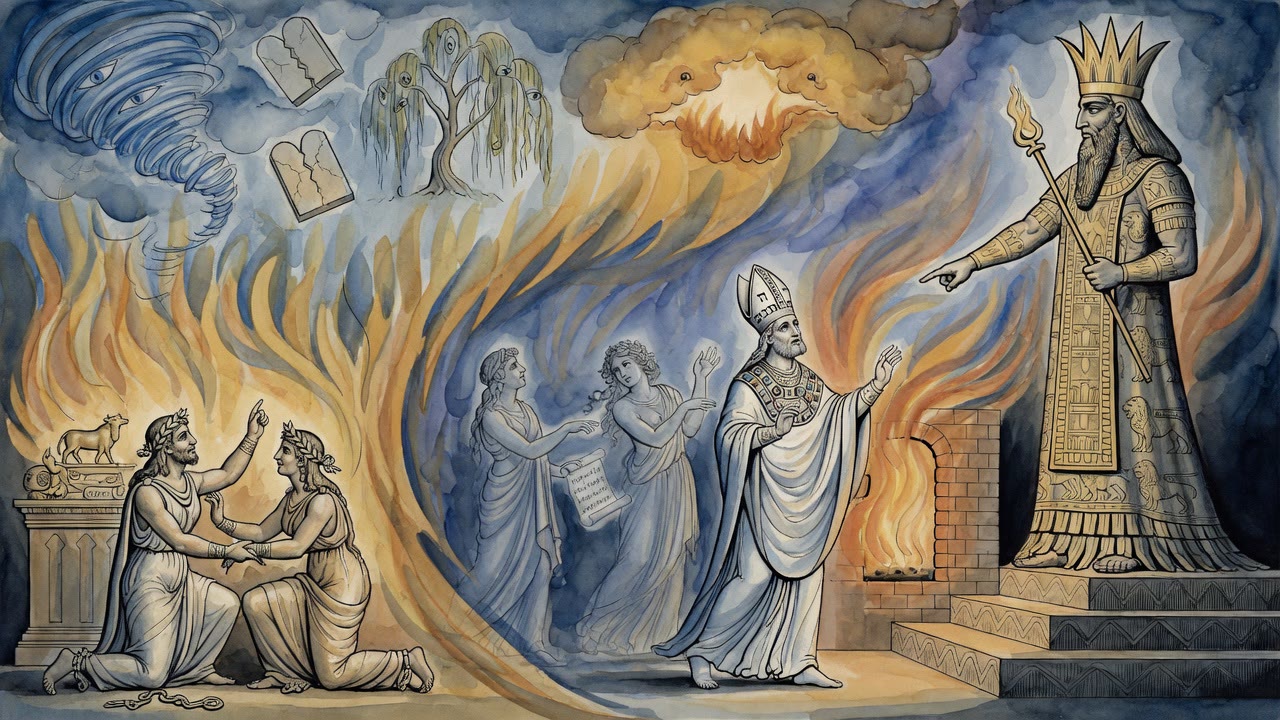
The empire that had hunted Jonathan began to devour itself. Alexander Balas seized the Syrian throne from Demetrius, and suddenly two kings needed the Jewish general more than he needed either of them. Demetrius offered Jonathan the right to raise an army and to pull the hostages out of the citadel. Alexander offered something no foreign king had ever laid before a Jew. He offered the High Priesthood itself.

At the Feast of Tabernacles Jonathan put on the sacred vestments. The hunted man of the caves now wore the robe of the priest and carried the sword of the commander, and his people, who remembered only misery from Demetrius, threw their weight behind Alexander. At the royal wedding in Ptolemais, where Alexander married Cleopatra, the daughter of the Egyptian king, the king sat Jonathan beside him on the throne, wrapped him in royal purple, and warned every courtier present that no one was to speak a word against him.

The Trap at Ptolemais

When Demetrius's son came from Crete with hired soldiers to take back his father's crown, his general Apollonius dared Jonathan to come down from the hills and fight in the open. Jonathan brought ten thousand men to Joppa, took the city that shut its gates on him, and pushed on to Ashdod. Apollonius hid cavalry to swallow him, but Jonathan held the field for hours until Simon's charge broke the ambush, and the survivors fled into the temple of Dagon. Jonathan burned the idol's house and the town around it.

He also fought a war without armies. He sent envoys across the sea to Rome and to Sparta, and the Romans wrote back that any enemy of the Jews was to be surrendered to Jonathan for punishment. A fugitive from a lakeside camp had made his nation a name among the powers of the world.

Then Trypho smiled at him. The general invited Jonathan to Ptolemais with only a small escort and a promise of friendship. Inside the walls the doors closed. Trypho's men cut down the escort, seized Jonathan alive, and held him. Nineteen years he had led, undone by one trusting walk through a city gate.

The Last Son Finishes the Work

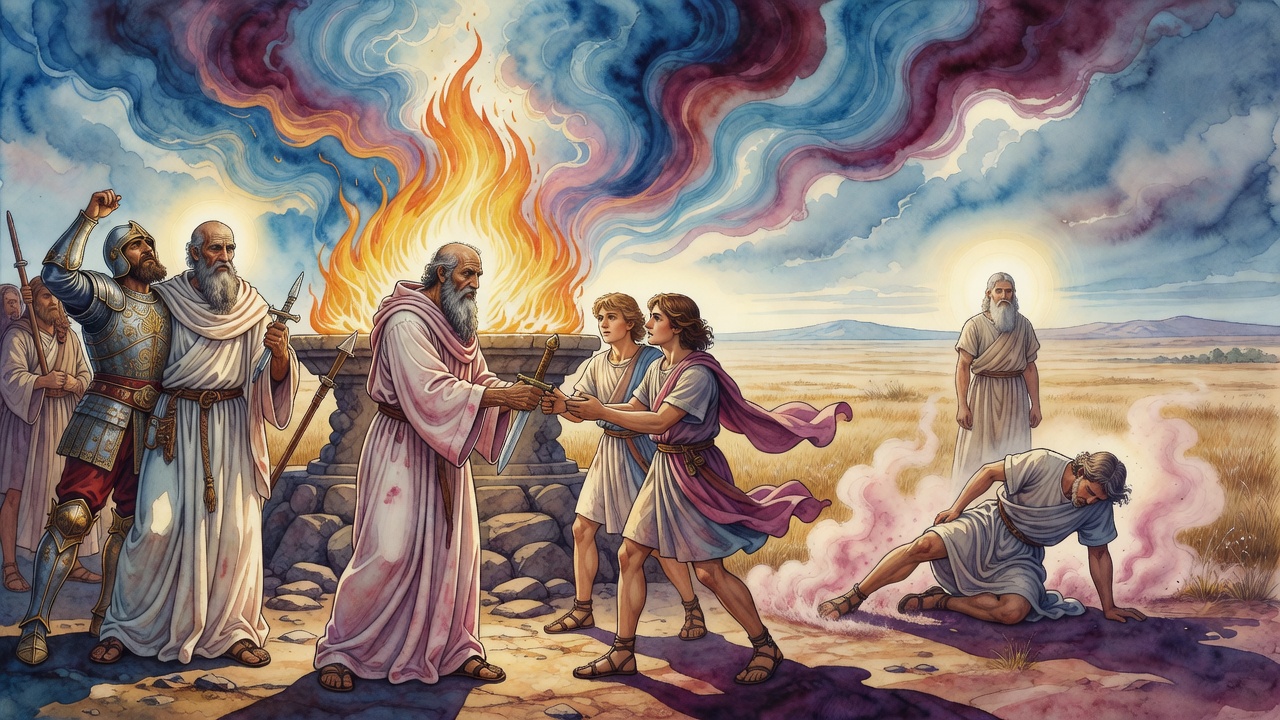
Only Simon remained, the eldest and the last of the five sons of Mattathias. The people of Jerusalem crowded to him, and he stood before them and said, "My brothers have all perished for the sake of the laws and the worship of God. I am the only one left. And I will not spare myself in any time of danger."

Trypho demanded a hundred talents of silver and Jonathan's two sons as the price of release. Simon paid it, certain the man would betray him, and the man did. Trypho pocketed the silver, kept the children, and killed Jonathan anyway. Simon carried his brother's body home to Modin and raised a monument of seven marble pyramids over the tomb, one for each parent and one for each of the five brothers.

He was old now. When Antiochus turned on him and sent an army under Cendebeus to burn Judea, Simon fought like a young man. He laid ambushes in the mountain passes and scattered the invaders. His greatest victory left no bodies at all. He broke the yoke of tribute that had bent the Jewish neck for a hundred and seventy years, and the people began dating their contracts "in the first year of Simon, benefactor and ethnarch of the Jews." He tore down the hated citadel in Jerusalem and spent three years leveling the very hill beneath it, so that nothing in the city would ever again stand higher than the Temple.

Treachery found Simon too. At a banquet his own son-in-law, Ptolemy, killed him and two of his sons and seized his wife. But a third son, John Hyrcanus, slipped out of the trap alive, and the free Judea that five brothers had bought with their lives passed into his keeping.


← All myths
From the tradition

Sources

3 sources

The texts behind this telling. Some cards carry a translation of the source; others are our own retelling of it, and each card says which. Every card links out to the original.

Antiquities XIII.1-3Antiquities of the Jews (Josephus)

Retold in our words. Read the original at the link below.Antiquities of the Jews, trans. William Whiston · Public Domain

After Judas Maccabeus fell in battle, everything he had fought for nearly collapsed. Josephus opens Book XIII of his Antiquities with a bleak picture: the lawless and the disloyal surged back across Judea. A famine gripped the countryside. Jews who could not endure both hunger and persecution abandoned their homeland and went over to the Macedonians. Bacchides, the Seleucid general, rounded up anyone loyal to the Maccabean cause, tortured them, and executed them.

The surviving companions of Judas turned to his brother Jonathan and begged him to take command. Jonathan accepted, declaring he was ready to die for his people just as his brother had. He became the new leader of the Jewish resistance.

Bacchides immediately tried to assassinate him. Jonathan and his brother Simon escaped into the wilderness near the Jordan River, camping by a lake called Asphar. When Jonathan sent his brother John to store their supplies with the friendly Nabatean Arabs, the sons of Ambri ambushed the convoy, killed John, and plundered everything. Jonathan and Simon avenged their brother by attacking a wedding procession of the Ambri clan, killing many and recovering their stolen goods.

Bacchides found Jonathan camped by the Jordan and attacked on the Sabbath, expecting no resistance. But Jonathan had learned from history. He told his men their lives depended on fighting, trapped as they were between the river and the enemy. After praying to God, Jonathan led the charge. He personally struck at Bacchides, who dodged the blow. When the battle turned against them, Jonathan and his men leaped into the Jordan and swam to the far bank. Bacchides did not pursue. A thousand Seleucid soldiers had fallen that day.

Bacchides fortified cities throughout Judea, took hostages from leading families, and imprisoned them in the Jerusalem citadel. But two years later, Jewish collaborators hatched a plan to hand Jonathan over. When the plot was uncovered, Jonathan executed fifty of the conspirators and withdrew to the fortress of Bethbasi in the wilderness. Bacchides besieged him there, but Jonathan slipped out, rallied allies from neighboring tribes, and counterattacked. Simon simultaneously burned the Seleucid siege engines from inside the fortress. Bacchides, furious at the collaborators who had dragged him back to Judea for nothing, executed several of them himself. Jonathan offered peace terms. Bacchides accepted, returned his hostages, and left Judea for good. He never came back.

Full source
Antiquities XIII.4-6Antiquities of the Jews (Josephus)

Retold in our words. Read the original at the link below.Antiquities of the Jews, trans. William Whiston · Public Domain

The Seleucid Empire was tearing itself apart, and Jonathan knew exactly how to exploit it. Josephus records that after Alexander Balas overthrew Demetrius I and claimed the Syrian throne, both rival kings competed to buy Jonathan's loyalty. Demetrius offered him the right to raise an army and reclaim Jewish hostages held in the citadel. But Alexander outbid him with a prize no Seleucid had ever offered a Jew: the High Priesthood itself.

Jonathan put on the sacred vestments at the Feast of Tabernacles. A guerrilla fighter in the wilderness had become both the military commander and the spiritual leader of his people. When Demetrius tried to counter with even more extravagant promises, the Jewish people rejected him. They remembered that Demetrius and his father had brought nothing but misery to Judea. They cast their lot with Alexander, and with Jonathan.

Alexander honored Jonathan lavishly. At his royal wedding in Ptolemais, where he married Cleopatra, daughter of Ptolemy Philometor of Egypt, Alexander seated Jonathan beside him on the throne, dressed him in royal purple, and publicly forbade anyone to speak against him. Jonathan had gone from hunted rebel to the most favored ally of the king of Syria.

When Demetrius's son, Demetrius II, arrived from Crete with mercenaries to reclaim his father's throne, his general Apollonius challenged Jonathan to come down from the mountains and fight on open ground. Jonathan responded by taking 10,000 soldiers to Joppa, which shut its gates against him. He stormed the city, then marched to meet Apollonius at Ashdod. The Seleucid general set a cavalry ambush, but Jonathan held his ground for hours until Simon led a charge that broke the enemy line. The fleeing soldiers took refuge in the temple of the idol Dagon at Ashdod. Jonathan burned the temple and the city around it.

But Jonathan also fought a quieter battle. He sent ambassadors to Rome and to Sparta, renewing old alliances and establishing the Jewish nation as a recognized power in the Mediterranean world. Josephus preserves the actual texts of these diplomatic letters, in which the Romans ordered that any enemies of the Jews should be handed over to Jonathan for punishment.

Jonathan's luck finally ran out when the cunning general Trypho lured him to Ptolemais with a small escort, promising friendship. Once inside the city, Trypho's soldiers slaughtered Jonathan's men, seized Jonathan himself, and later executed him. He had held power for nineteen years, building the Hasmonean dynasty from a band of fugitives into a sovereign state.

Full source
Antiquities XIII.7-9Antiquities of the Jews (Josephus)

Retold in our words. Read the original at the link below.Antiquities of the Jews, trans. William Whiston · Public Domain

When Trypho murdered his brother Jonathan, Simon, the last surviving son of Mattathias, took command. He was the eldest of the five brothers and the only one still alive. Josephus records that the people of Jerusalem welcomed him with wild enthusiasm. Simon stood before the assembly and reminded them of everything his family had sacrificed: "My brothers have all perished for the sake of the laws and the worship of God. I am the only one left. And I will not spare myself in any time of danger."

Trypho had been holding Jonathan as a hostage, promising to release him in exchange for a hundred talents of silver and Jonathan's two sons as hostages. Simon paid the ransom, knowing Trypho would never keep his word. He was right. Trypho took the money and the children, then killed Jonathan anyway. Simon recovered his brother's body and buried him at Modin, building a grand monument over the family tomb with seven marble pyramids, one for each parent and each of the five brothers.

Simon then allied with Antiochus VII, the new Seleucid claimant, against Trypho. Together they drove Trypho from fortress to fortress until he was captured and killed. But Antiochus proved as treacherous as every other Seleucid king. Once Trypho was gone, he turned on Simon and sent his general Cendebeus to ravage Judea. Though Simon was now old, Josephus writes that he fought like a young man, setting ambushes in mountain passes and routing Antiochus's forces in every engagement.

Simon's greatest achievement was not military but political. He negotiated full independence from the Seleucid Empire. The yoke of foreign tribute that had weighed on the Jewish people for 170 years was finally lifted. The people were so grateful that in their contracts and official records they wrote: "In the first year of Simon, benefactor and ethnarch of the Jews." He also conquered Gazara, Joppa, and Jamnia, and captured the hated Seleucid citadel in Jerusalem, demolishing it and leveling the entire hill it stood on so the Temple would tower over every other structure in the city. That demolition took three years of nonstop labor.

Simon ruled for eight years before treachery found him too. His own son-in-law, Ptolemy, ambushed him at a banquet, murdered Simon and two of his sons, and seized Simon's wife. But a third son, John Hyrcanus, escaped. He would carry the Hasmonean dynasty forward into its most powerful era.

Full source