4 min read

Tryphon Crowned a Child and Hunted Jonathan

Tryphon set a boy on Antioch's throne with war elephants. Jonathan took gold and purple, then marched at night while spies counted enemy tents.

Curated by Arthur · Told by Maggid ·
Table of Contents
  1. Two Brothers Against a Split Empire
  2. Spies, Night Watches, and No Respite
  3. Gold That Could Not Buy Trust
  4. The Hunt That Never Fully Slept

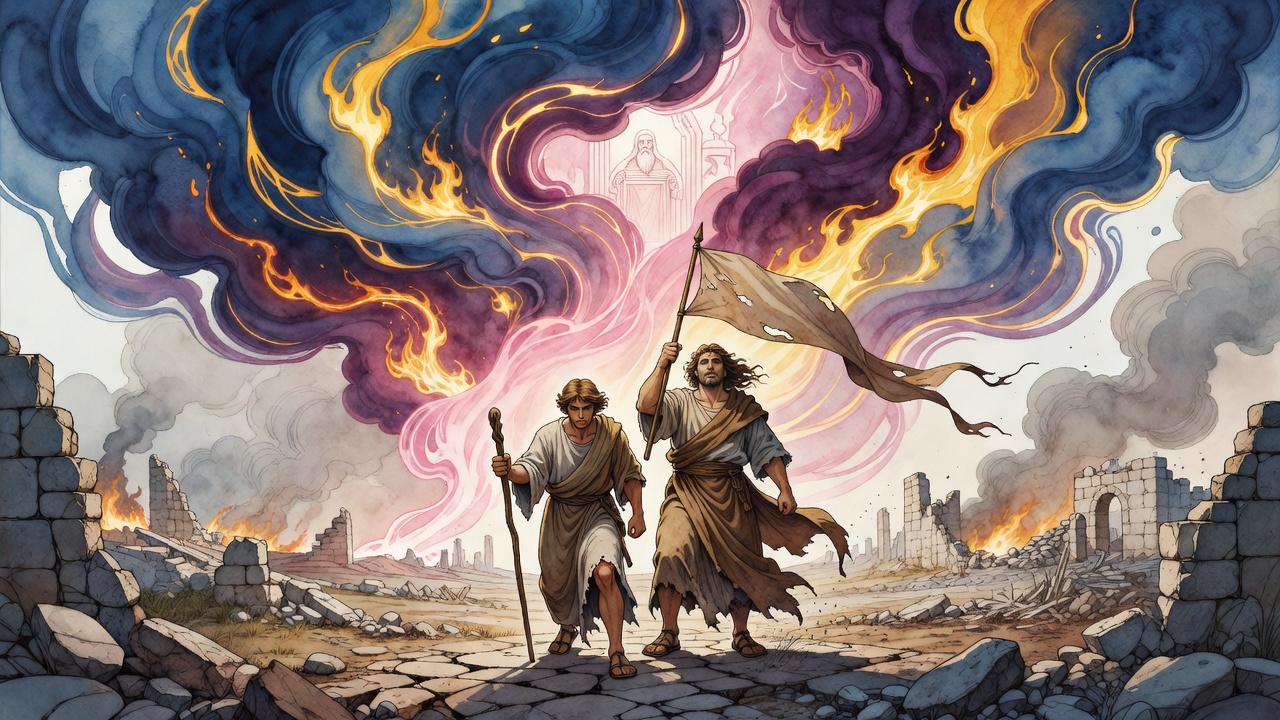
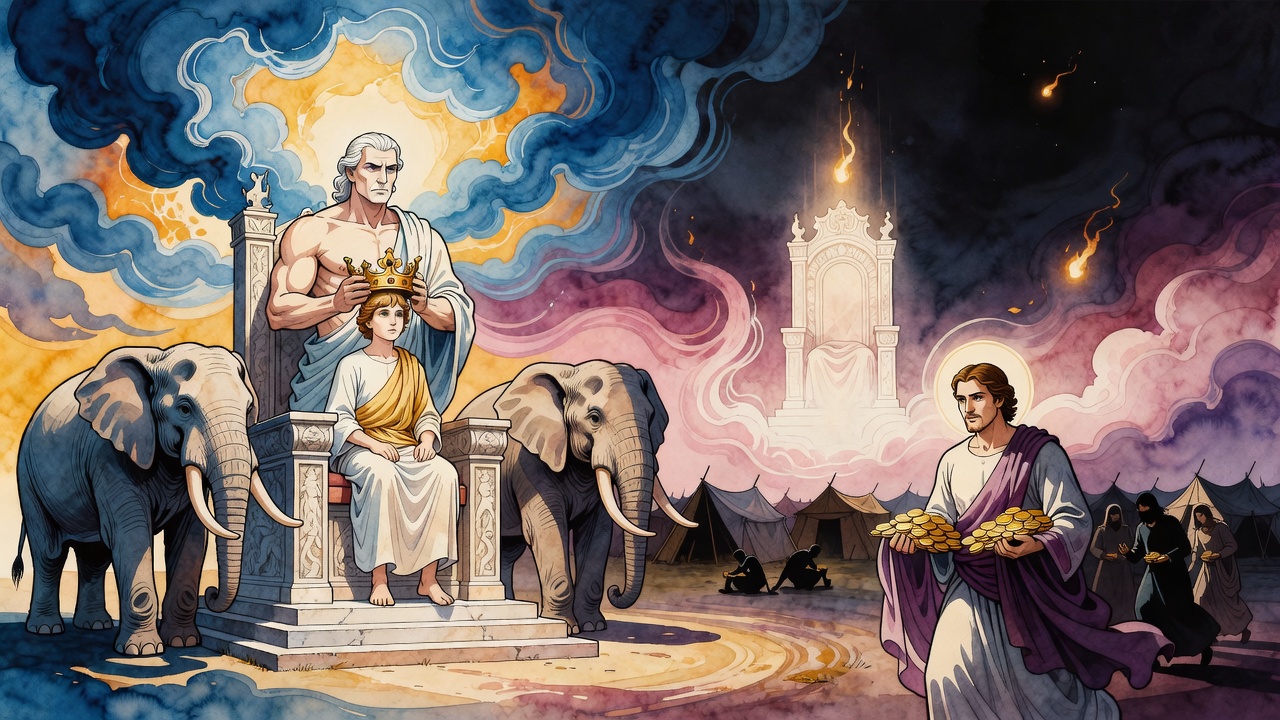
Tryphon did not need to be king if he could hold the hand that wore the crown. He returned with young Antiochus and set him on the throne as Antiochus VI. Around the boy he gathered soldiers Demetrius had dismissed. Grievance recruits itself. Demetrius fled. Tryphon seized the war elephants and rode their fear into Antioch.
Tryphon Crowned a Child and Hunted Jonathan Click for full size

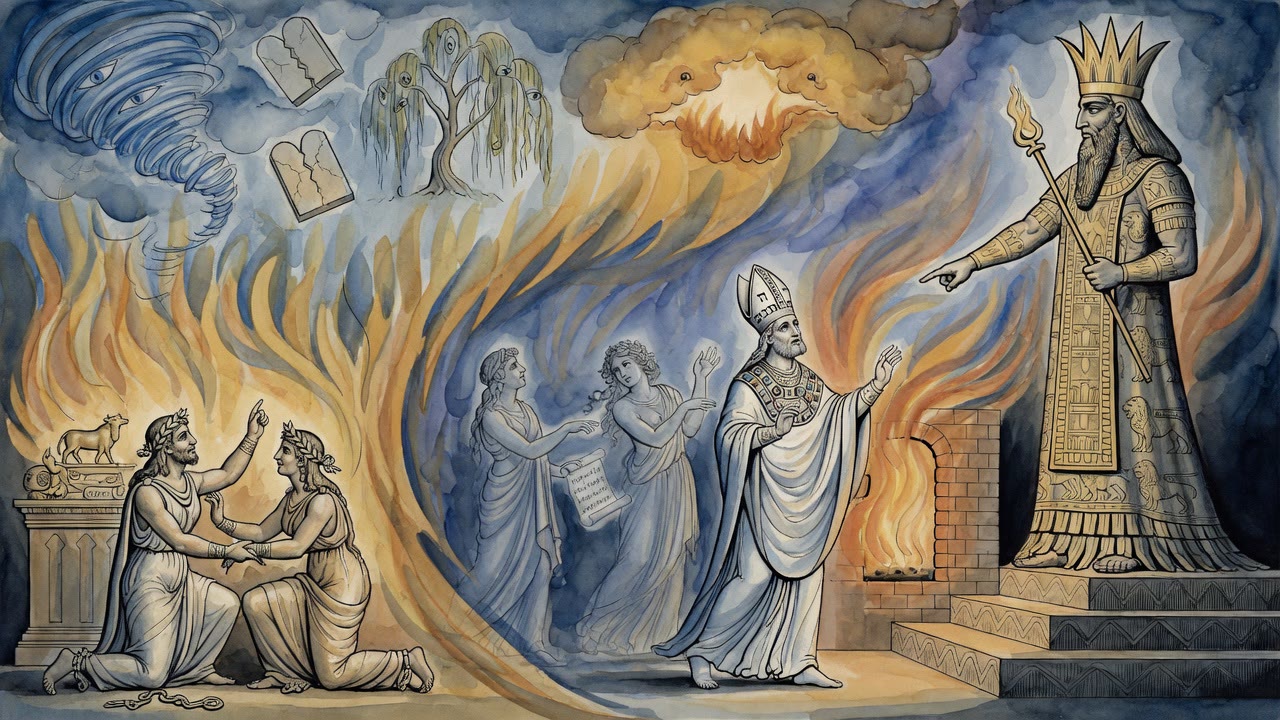
Power that arrives on elephants still writes letters. In the child's name Tryphon confirmed Jonathan Maccabeus in the high priesthood, gave him four governments, named him a king's friend, and sent golden vessels, purple, and a gold buckle. A rebel woke dressed like a court.

Two Brothers Against a Split Empire

Demetrius' princes marched toward Kedesh in Galilee to erase Jonathan. He went out to meet them and left his brother Simon to hold the land. Simon besieged Beth-zur through a long season, granted peace on his terms, expelled the old garrison, and installed his own.

Jonathan camped by Gennesar and moved at dawn toward Hazor. One brother held a hill town. One held a northern road. The Seleucid world cracked, and Judea learned to walk the cracks without falling in.

Spies, Night Watches, and No Respite

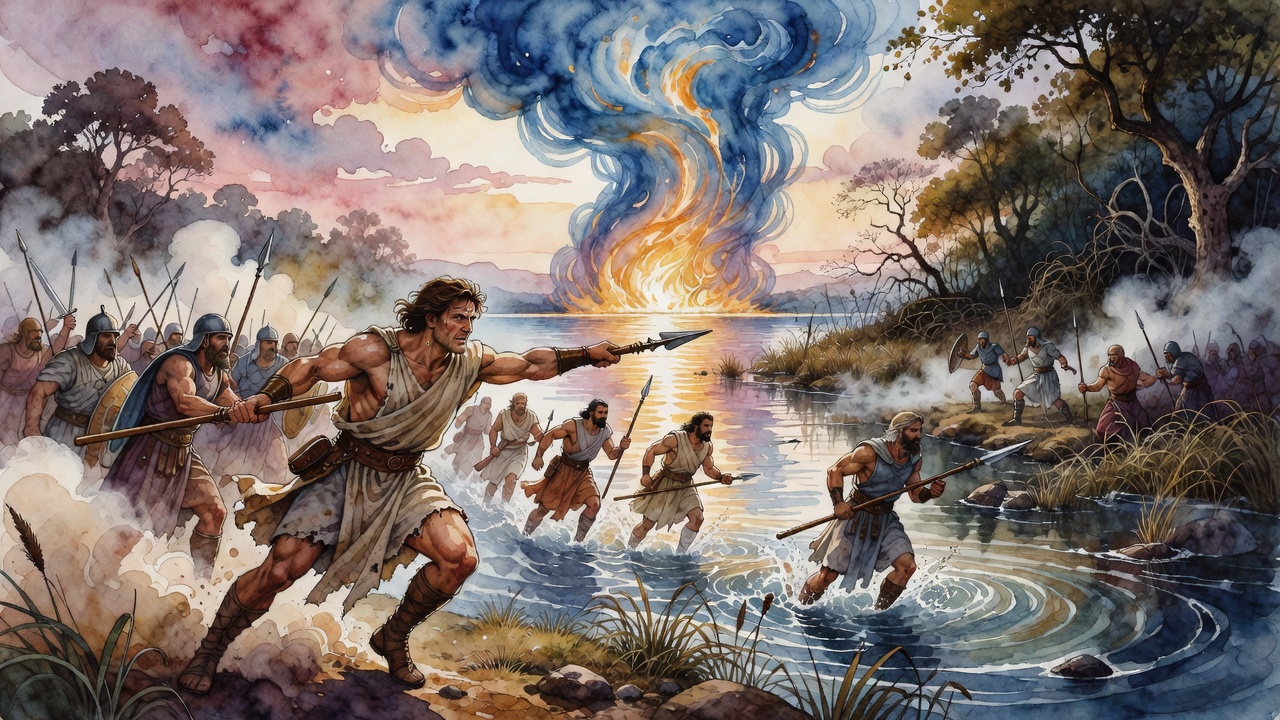
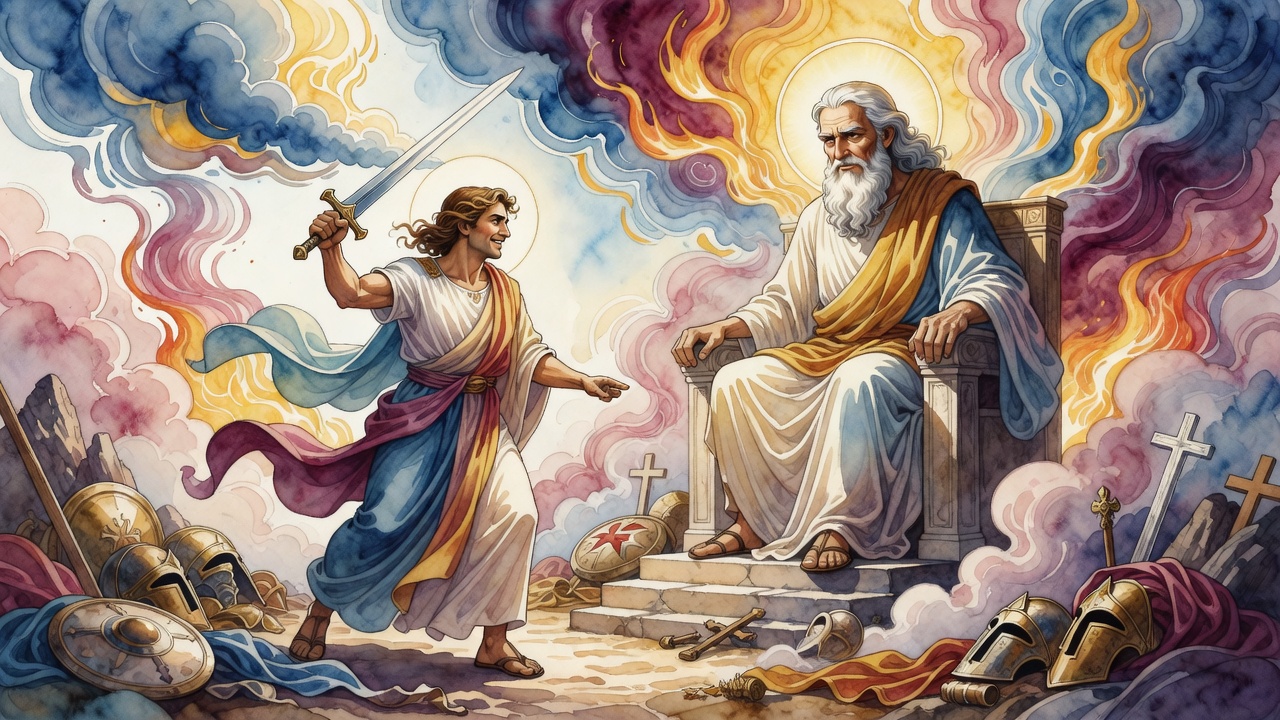
When a larger host came, Jonathan met them in Hamath and gave them no respite to enter his country. Spies returned with a night plan. At sundown he ordered arms and watches for the whole night. Sentinels ringed the host. Leadership here is not a speech. It is a circle of men who will not be surprised.

Earlier, after Alcimus died, Judea had two years of rest. Jonathan dwelt without care. Then mischief-makers whispered to Bacchides. A plot failed. About fifty plotters were seized and slain. Rest without vigilance is only a pause between knives.

Gold That Could Not Buy Trust

Purple and elephants and a child's seal look like safety. They are inventory in another man's war. Tryphon's gifts made Jonathan visible to friends and hunters. Confirmation of priesthood was a leash cut to Antioch's mood. Jonathan took what protected the Temple and still marched as if the next letter might cancel the last.

Simon took cities. Jonathan took nights. Freedom in the days of the Maccabees was forced marches interrupted by treaties that aged like milk.

The Hunt That Never Fully Slept

Two years of quiet. Then betrayal. Then elephants. Then gold cups. Then spies in the dark. Jonathan's greatness was not that he trusted Tryphon. His greatness was that he could wear purple and still set a watch.

The Book of Maccabees keeps Jonathan between feast and ambush. Tryphon crowned a child and hunted a high priest with the same ambition. Jonathan answered with two brothers, two fronts, and a refusal to let the sun go down on an unguarded camp.

Jonathan's spies did not only count tents. They counted the kind of night an empire prefers: surprise, sleep, slaughter before dawn. He answered with sentinels and drawn steel until morning refused the ambush its favorite hour.

Simon at Beth-zur and Jonathan at Hazor were one policy with two fists. Hold the south. Strike the north. Wear the child's purple if it buys Temple gold, and still sleep in armor if Tryphon smiles.

Bacchides had already taught the price of two soft years. Fifty corpses of mischief-makers marked that lesson in blood. Jonathan took the elephants' owner's gifts and kept the watch that elephants cannot keep.

Antioch's letters dried fast. Judean boots dried on northern roads. Between seal and sandal the high priest learned that a child-king's friendship is weather, and weather in Syria changes before a Sabbath ends.


← All myths

From the tradition

Sources

4 sources

The texts behind this telling. Some cards carry a translation of the source; others are our own retelling of it, and each card says which. Every card links out to the original.

The Book of Maccabees I 11:67The Book of Maccabees I

Retold in our words. Read the original at the link below.Sefaria Community Translation · CC-BY

1 Maccabees 11, and believe me, the drama is turned up to eleven.

So, Tryphon – remember him? He’s the guy who’s been maneuvering behind the scenes, a real puppet master. Well, he makes his big move. He comes back with young Antiochus, a child, really, and crowns him king. This is Antiochus VI, by the way, if you're keeping track of the royal lineage – and frankly, it's hard to keep track!

Tryphon's not just showing up with a kid in a crown. He’s gathered an army. And who does this army consist of? All the soldiers that Demetrius – the current guy on the throne – had dismissed. Ouch. These disgruntled soldiers are more than happy to fight against their former boss. Demetrius? He doesn’t stand a chance. He turns tail and runs.

It's not just a simple victory. Tryphon captures the elephants. Yes, you read that right, war elephants. In ancient warfare, those were the tanks of their day. He then uses these mighty beasts to take Antioch, a major city. It's a total power play, a complete shift in the balance.

But here's where it gets interesting, and where Jonathan Maccabeus, our hero, comes back into the picture. Young Antiochus, or rather, Tryphon acting in his name, sends a letter to Jonathan. This isn't just any letter. It's a full-on endorsement.

"I confirm thee in the high priesthood," Antiochus writes (or, more likely, Tryphon dictates). "And appoint thee ruler over the four governments, and to be one of the king's friends."

Wow. for a second. Jonathan, the leader of the Jewish rebellion, now recognized and legitimized by the very king he was fighting against! It’s a stunning turnaround. And the perks don't stop there. Antiochus sends Jonathan golden vessels for use in the Temple service – a sign of royal favor. He gets permission to drink from golden goblets, to wear purple robes (the color of royalty), and even a golden buckle. Talk about an upgrade!

One moment you’re a rebel leader, the next you're practically royalty yourself. But what does it all mean? Is this a genuine alliance? Or just another move in Tryphon's complicated game? Does Jonathan trust Tryphon and Antiochus? And should he? That’s the question hanging in the air as we turn the page on this chapter.

Full source
The Book of Maccabees I 11:76The Book of Maccabees I

Retold in our words. Read the original at the link below.Sefaria Community Translation · CC-BY

That feeling is all too familiar in the story of the Maccabees.

We pick up the story with Jonathan, who’s been leading the Jewish people in their fight for freedom. He gets word that Demetrius’s princes – that is, the leaders representing the Seleucid king Demetrius – are on their way to Cades (also known as Kedesh), a city in Galilee. And they’re bringing a whole lot of force, with the express purpose of getting rid of Jonathan once and for all. We find this account in the Book of Maccabees I, chapter 11.

So what does Jonathan do? He doesn’t back down. He immediately goes to meet them, ready for a fight. But he’s also smart. He knows he can’t leave the rest of the country undefended, so he leaves his brother, Simon, in charge.

Simon, he's no slouch either. While Jonathan is dealing with the threat from Demetrius's princes, Simon sets his sights on Bethsura (or Beth-zur). He surrounds the city, engaging in what the text calls "a long season" of fighting.

Imagine the scene: the siege, the constant tension, the back and forth. It must have been grueling.

Eventually, the people of Bethsura realize they’re in a tough spot. They ask Simon for peace. And Simon, ever pragmatic, grants it. But there’s a condition. He expels them from the city, takes it over, and installs his own garrison. So, while peace is achieved, it’s on Simon’s terms.

Meanwhile, Jonathan and his army are making their own moves. They set up camp at the water of Gennesar, which we know as the Sea of Galilee. And bright and early the next morning, they head for the plain of Nasor – likely Hazor, a strategically important location.

What's striking about this passage is the sheer determination of these leaders. They're constantly on the move, constantly responding to threats, constantly strategizing. There's no time for rest, no room for complacency. It's a relentless struggle. And yet, they persevere, driven by their belief in their cause.

What principles are so important that we'd dedicate ourselves to them with that same level of commitment? The story of Jonathan and Simon is a powerful reminder of the strength that comes from conviction and the sacrifices we make for what we believe in.

Full source
The Book of Maccabees I 12:28The Book of Maccabees I

Retold in our words. Read the original at the link below.Sefaria Community Translation · CC-BY

The Book of Maccabees I turns to Jonathan Marches Out and the Enemy Retreats.

The scene is set: Jonathan, the leader of the Jewish people, receives word that Demetrius’ princes are marching against him with an army even larger than before. This isn't some minor skirmish; this is a serious threat to their freedom and their very existence. What does Jonathan do? Does he cower behind the walls of Jerusalem, hoping the storm will pass? Absolutely not.

The verse reads, "He removed from Jerusalem, and met them in the land of Amathis: for he gave them no respite to enter his country." He doesn't wait for the enemy to come to him. He takes the fight to them, refusing to let them set foot on his people's land. It's a bold move, a clear declaration that he will defend his people at all costs.

Jonathan’s strategic thinking doesn’t stop there. He understands the importance of intelligence. "He sent spies also unto their tents, who came again, and told him that they were appointed to come upon them in the night season." He gathers information, uncovering the enemy's plan for a surprise night attack.

Now, what does Jonathan do with this crucial information? Does he panic? Does he underestimate his foe? No. He acts decisively. "Wherefore so soon as the sun was down, Jonathan commanded his men to watch, and to be in arms, that all the night long they might be ready to fight: also he sent forth sentinels round about the host."

He prepares his men for battle, ensuring they are vigilant and ready to defend themselves. He doesn't just rely on his own instincts; he sets up a network of sentinels, a watchful guard around the entire camp. He leaves nothing to chance.

This passage, though brief, reveals so much about Jonathan's character. He is courageous, proactive, and deeply committed to protecting his people. He embodies the qualities of a true leader: quick thinking, strategic planning, and unwavering resolve in the face of adversity. And the story isn’t just about battles and strategies; it’s about the human spirit, the courage to stand up for what you believe in, and the power of leadership to inspire and protect.

Full source
The Book of Maccabees I 9:64The Book of Maccabees I

Retold in our words. Read the original at the link below.Sefaria Community Translation · CC-BY

The Book of Maccabees I turns to Death of Jonathan.

After the death of Alcimus, the high priest appointed by the Seleucid king, Bacchides, the Syrian general, heads back to the king. And for a brief, shining moment – two whole years, to be exact – the land of Judea experiences… rest. A breather. Just two years of peace after all the turmoil?

1 Maccabees 9 tells us "the land of Judea was in rest two years." A small blessing, easily missed, but so important. It shows us that even amidst great conflict, there are periods of quiet, moments of respite.

Jonathan, understandably, takes advantage of this lull. He and his companions relax, dwelling "without care." They let their guard down, perhaps believing the worst is over. They settle into a rhythm, a semblance of normalcy.

But, of course, that’s never the end of the story, is it?

The tranquility is shattered when some treacherous folks, described as "authors of that mischief," hatch a plan. They whisper in Bacchides' ear: "Behold, Jonathan and his company are at ease, and dwell without care: now therefore we will bring Bacchides hither, who shall take them all in one night." It’s a classic betrayal, fueled by envy or perhaps a desire for power.

Bacchides, ever the opportunist, wastes no time. He gathers a "great host" – a formidable army – and, adding insult to injury, sends secret letters to his supporters within Judea. The message is clear: seize Jonathan and his men.

But here's where the plan hits a snag. Maybe Jonathan wasn't quite as unguarded as they thought. Maybe his followers were more loyal than the conspirators anticipated. Whatever the reason, the plot fails. "Howbeit they could not," the text tersely notes.

So, what happens to the plotters? Justice, of a sort, is served. "Wherefore they took of the men of the country, that were authors of that mischief, about fifty persons, and slew them." Fifty people. A brutal response, displaying the volatile environment of the time.

What does this brief passage from 1 Maccabees 9 tell us? Rest is possible, but vigilance is always required. And that betrayal can come from the most unexpected places. It also underlines the reality of the ancient world, where justice was often swift, and often harsh.: how often do we let our guard down when things seem to be going well? And what happens when we do? This story of Jonathan, Bacchides, and the fleeting peace in Judea resonates even today. It’s a lesson about the cyclical nature of conflict and the ever-present need for awareness. Maybe that's why these ancient stories continue to captivate us.

Full source