The Soul That Screamed From Inside the Stable
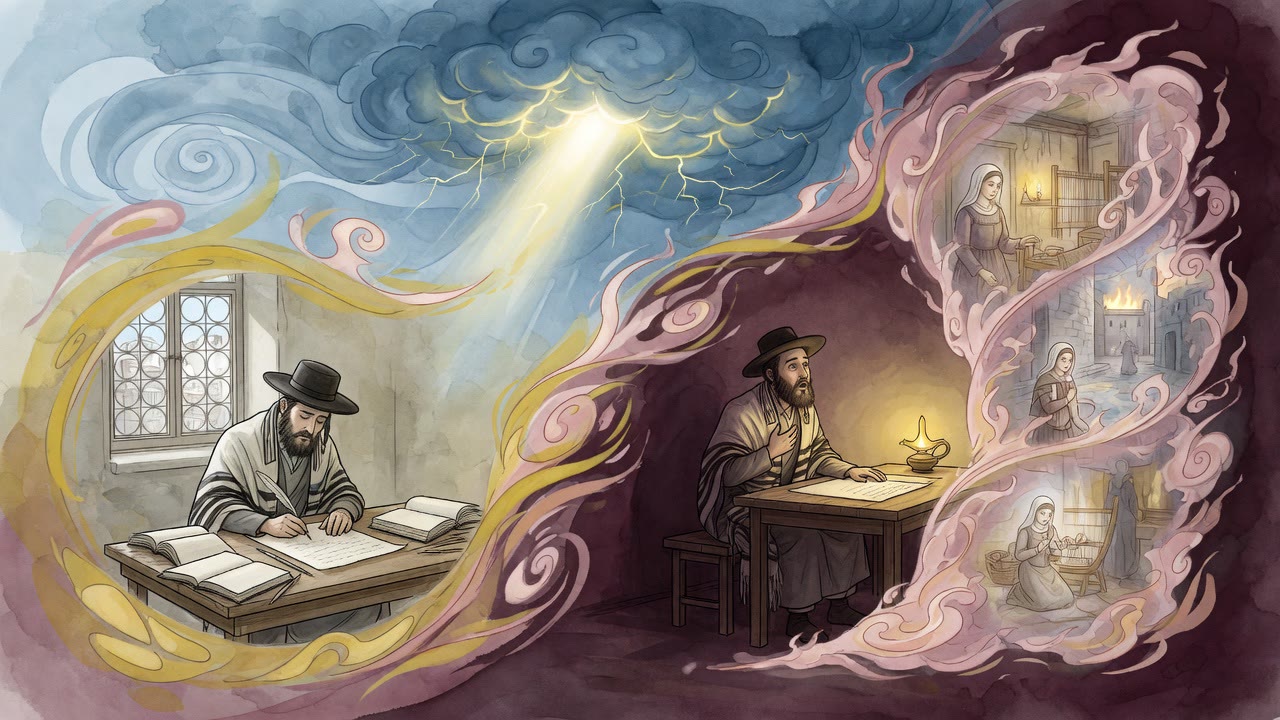
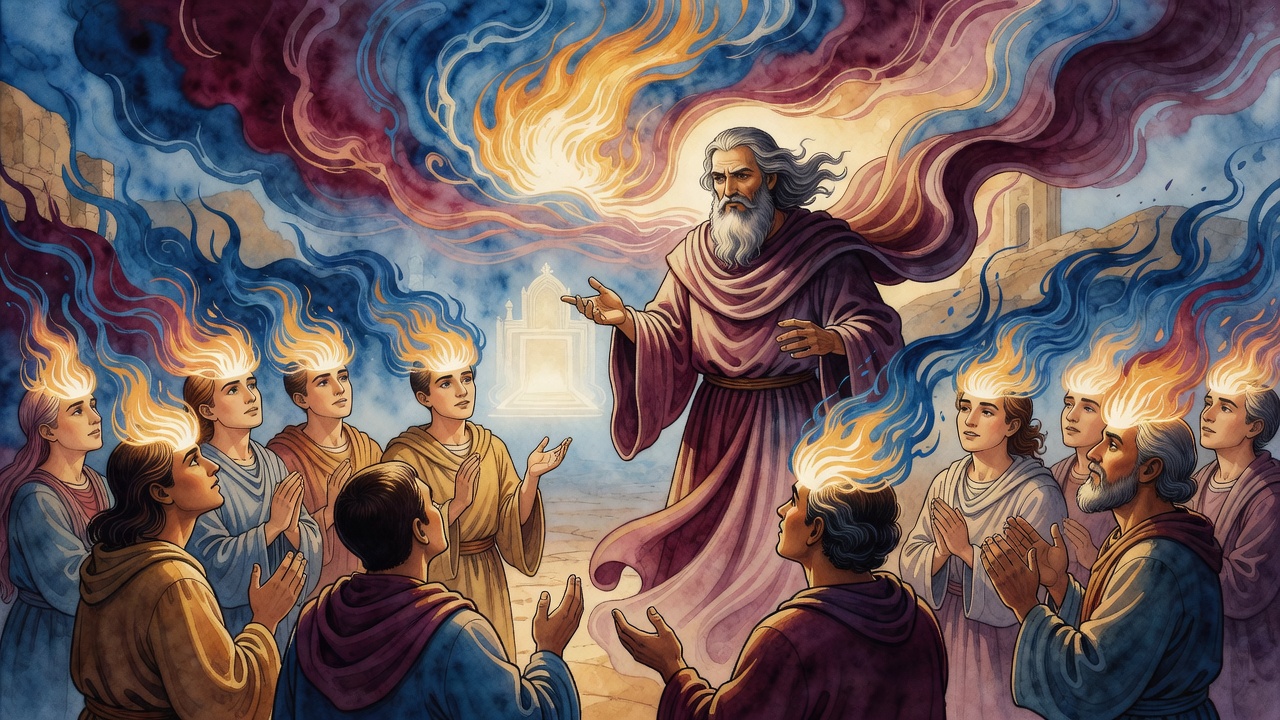
A sinner reborn as a killer filly, Ishmael's soul in a speaking donkey, a dead man in a widow. Gilgul, reincarnation made flesh, and the rabbis who set it free.
Table of Contents
 Click for full size
The Filly That Killed Every Hand That Fed It
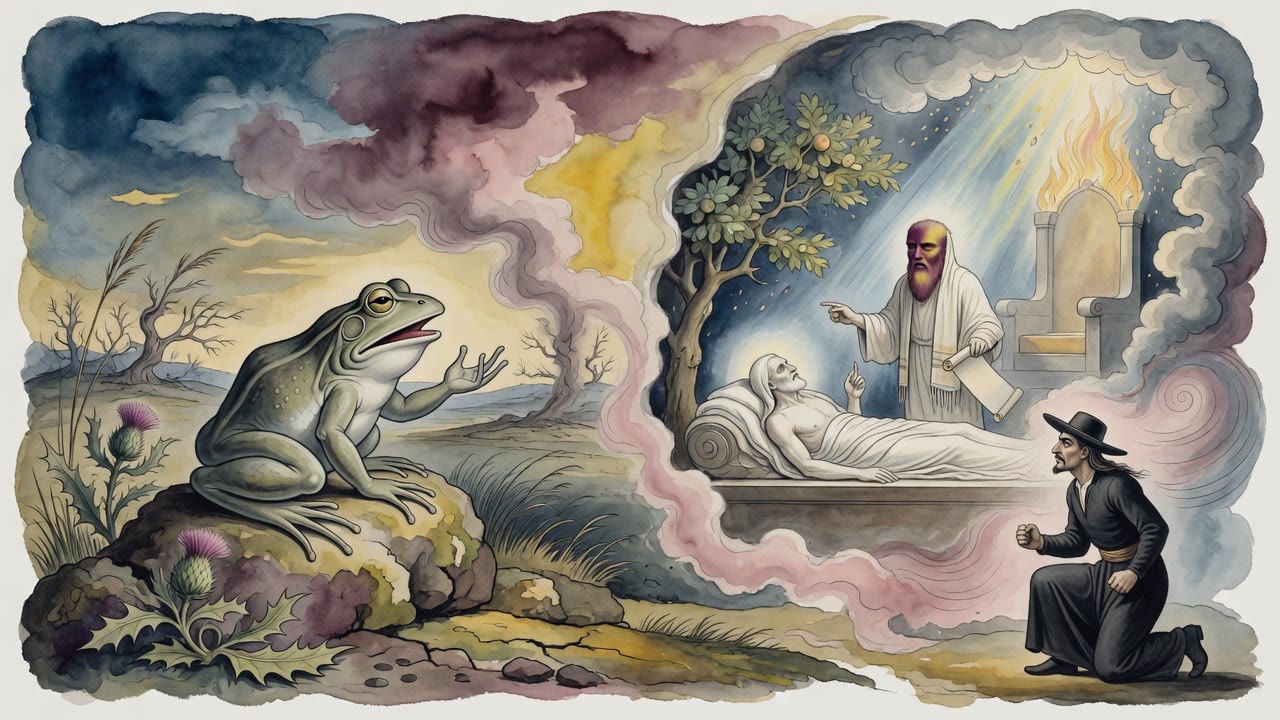
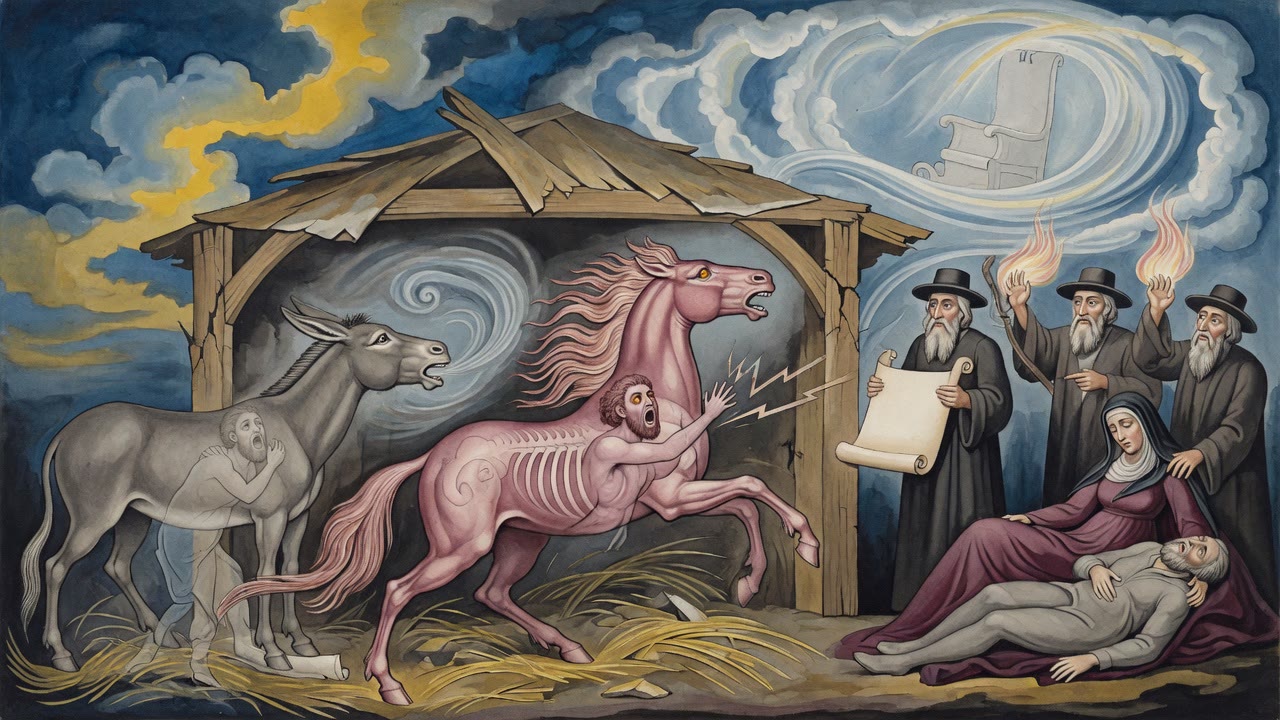
In the house of Rabbi Elazar a filly was foaled, and by the end of the week it had killed the first man who tried to bridle it. Then the second. The stable hands refused to enter. Rabbi Elazar stood at the half door and watched the young horse pace its stall, beautiful and wrong, its eye rolling toward him with something behind it that was not a horse at all.
He could not tame it, and could not slaughter it either, because a slaughtered beast can take its blessing and rise, and he did not know what would rise out of this one. So he sent it to the king. At the royal stables the filly let no man touch it except the Jews among the grooms, and stood for them like a lamb. The king rode it into the worst of a war, and it carried him through and turned the battle, and he kept his crown. Then, the fighting done, the horse went vicious again. No bit, no whip, no kindness held it, and the king sent it back the way a man returns a cursed thing to its first owner.
The Voice of the Wicked Priest
One morning the horse spoke. Not a neigh shaped like a word, but a man's full voice climbing out of the animal's throat, naming its own crimes.
It had been a priest called Abiathar, corrupt to the marrow. It had died the way few men die. A fiery serpent came up out of its own belly and burned it from the inside, and the soul went down into Gehinnom, where there is a torment shaped for every sin, and Abiathar's sins had been many. When the fire had done its work, the soul was pushed back into a hare, a short life, and then it died again and was punished again.
From the pit it watched the righteous go up toward Gan Eden, and Abiathar called after them, begging them to plead his case, to let him out of the wheel he was bound to. Once, the begging was answered. The soul was sent up and put into the body of a young man, given a mouth and a chance to live cleanly. It did not last.
The Exorcist Who Drove It From Body to Body
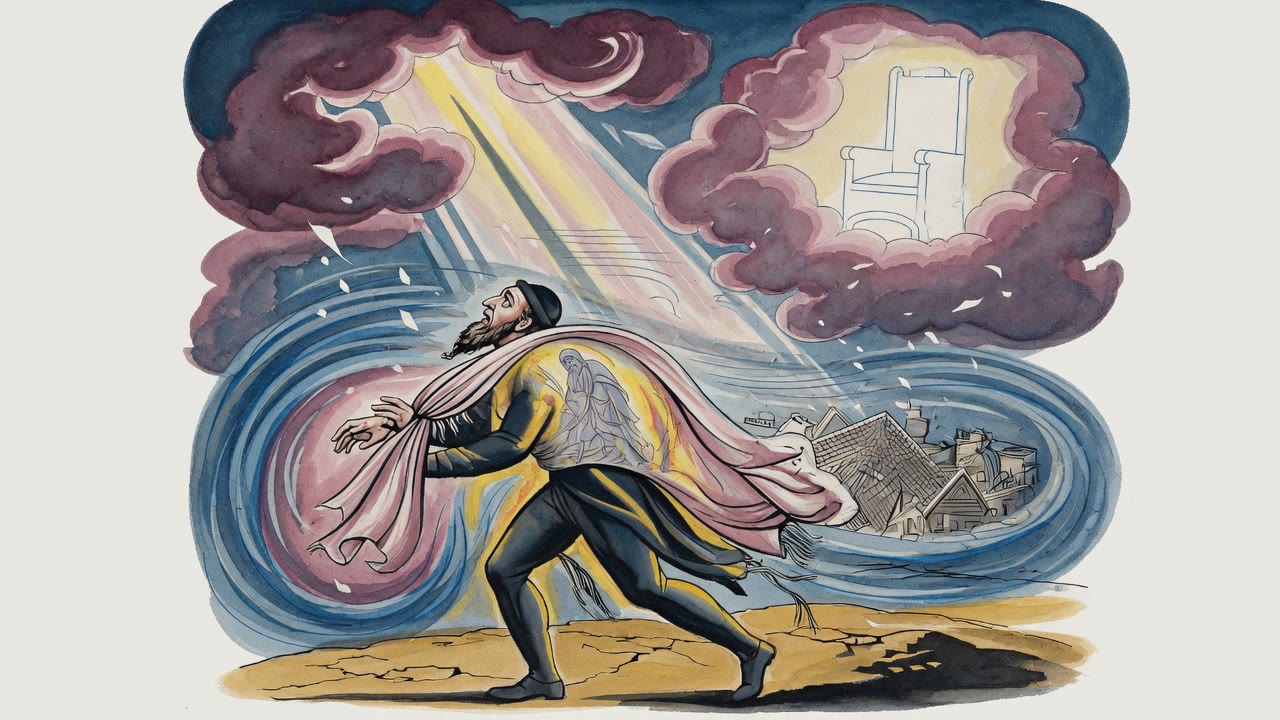
Rabbi Nathan of Jerusalem came to the young man and worked the spirit loose. The soul did not ascend. It fled sideways, out of the man and into the nearest vessel large enough to hold its fury, the newborn filly in Rabbi Elazar's stable. That was the thing in the stall, the eye rolling toward the half door. A dead priest, hunted through hare and man and horse, screaming inside an animal because every door upward kept closing.
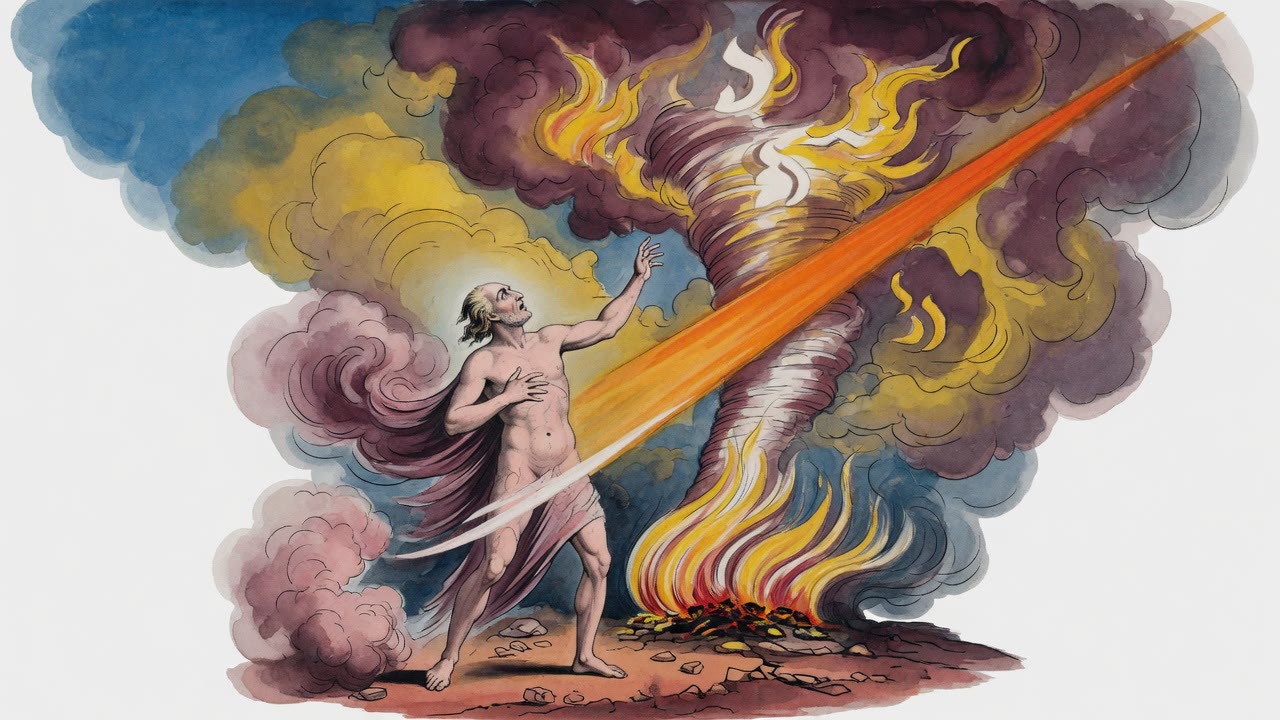
Rabbi Nathan came a second time, to the horse now, and spoke the words again. This time the spirit did not flee to another body. It tore out of the animal as a sheet of flame, burned whatever it touched, and the horse dropped dead where it stood. They buried it with honor, because a soul in agony had used it as a hiding place, and such a grave is owed.
When war came again, the king rode out without his terrible horse and lost his nerve. He went to Rabbi Elazar, who gave him no weapon. The rabbi taught him to say the Shema, "Hear, O Israel, the Lord our God, the Lord is one," and certain verses besides, in a clear and steady voice. On the field a rider appeared on a white horse, an old man with a white beard who turned the slaughter the king's way and was gone. It was Elijah. The horse that had carried a damned soul was in the ground, and rescue came on a different horse entirely, sent by the same heaven the priest had spent three lives begging.
The Donkey on the Road to the Curse
The mystics who came after named the engine running under the world. A soul stained one way slides into an unclean animal, a donkey, a camel, a mule. Not as punishment. As schooling. Each body another lesson failed the last time.
So they told it of Ishmael, the firstborn of Abraham. His soul, for its own mending, went first into the she-donkey of Balaam, the animal that on the road to the curse saw the angel of the Lord with a drawn sword before the prophet riding her saw anything at all. She balked. She was beaten for it. Then she opened her mouth and refused to carry the man one more step toward his sin. A soul learning, at last, how to tell the truth out loud.
The same soul traveled forward again, into the donkey of Rabbi Pinchas ben Yair, which would not eat grain from which the tithe had not been taken. One donkey that would not lie. One that would not eat what was stolen. The soul of Ishmael was being taught one lesson twice, that the law is the frame inside which a soul finally becomes honest.
The Widow Who Spoke With a Man's Voice
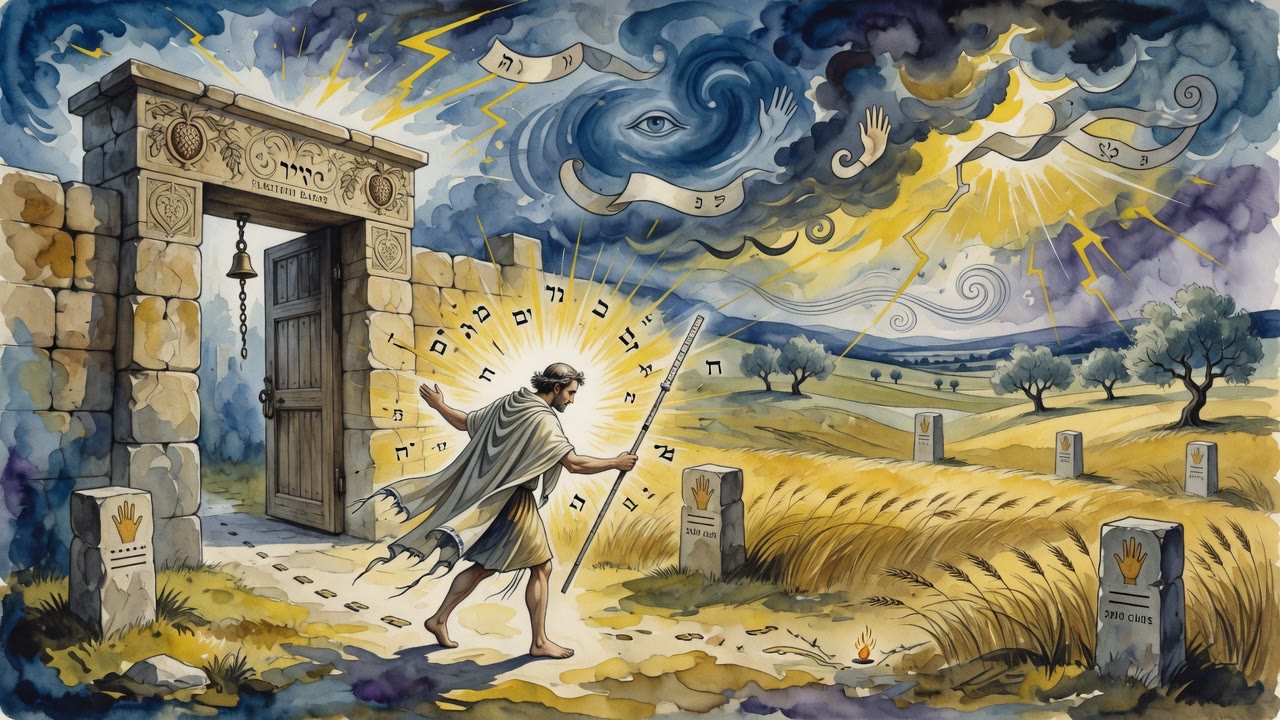
The same horror walked into a house in Safed, the Galilean city where the masters of Kabbalah taught that a soul can pass a thousand lifetimes purifying itself. There lived a widow the whole town knew for her piety. One day a man's voice poured out of her mouth. A wandering soul, a dybbuk, had climbed inside her and would not leave, and she was tormented in a body no longer hers.
She sent for the disciples of Isaac Luria, the Ari, known to have power over such things. Joseph Arsin went first, and before he could begin the voice spoke his name. He froze. The spirit told him they had known each other once, in Egypt, that it had been his own student. Arsin reached back through the years, found the young man's face, and it was true. His pupil's soul was loose in the world and lodged in this widow, and when Arsin demanded to know what had driven it to seize a pious woman, the trapped thing confessed a sin it had carried out of life and could not set down.
A priest in a horse. A patriarch's son in a donkey. A student in a widow's throat. The dead riding inside the world, hunted from vessel to vessel, until a living voice that knew the law spoke clearly enough to pry them loose.
← All myths