Two Captains Chased a Name and Lost Thousands
Judas was still fighting in Gilead. Back home, Joseph and Azarias looked at the road to Jamnia and decided a name was sitting unused.
Table of Contents
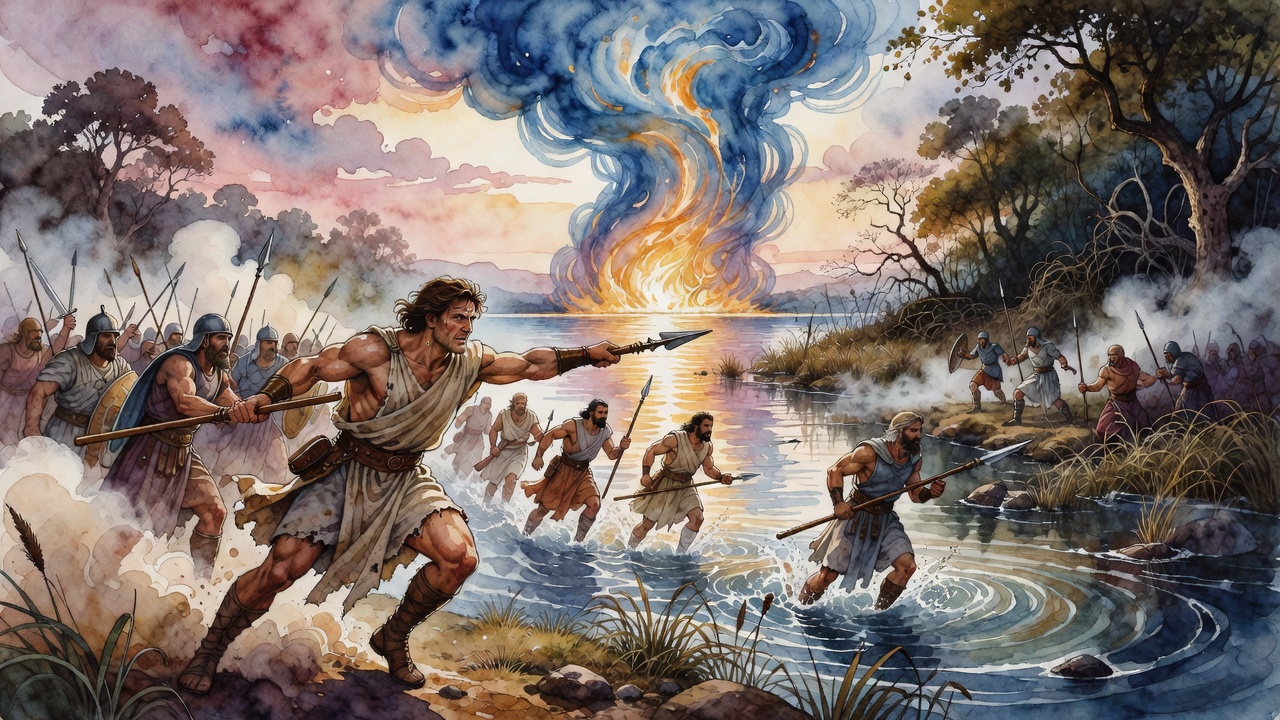
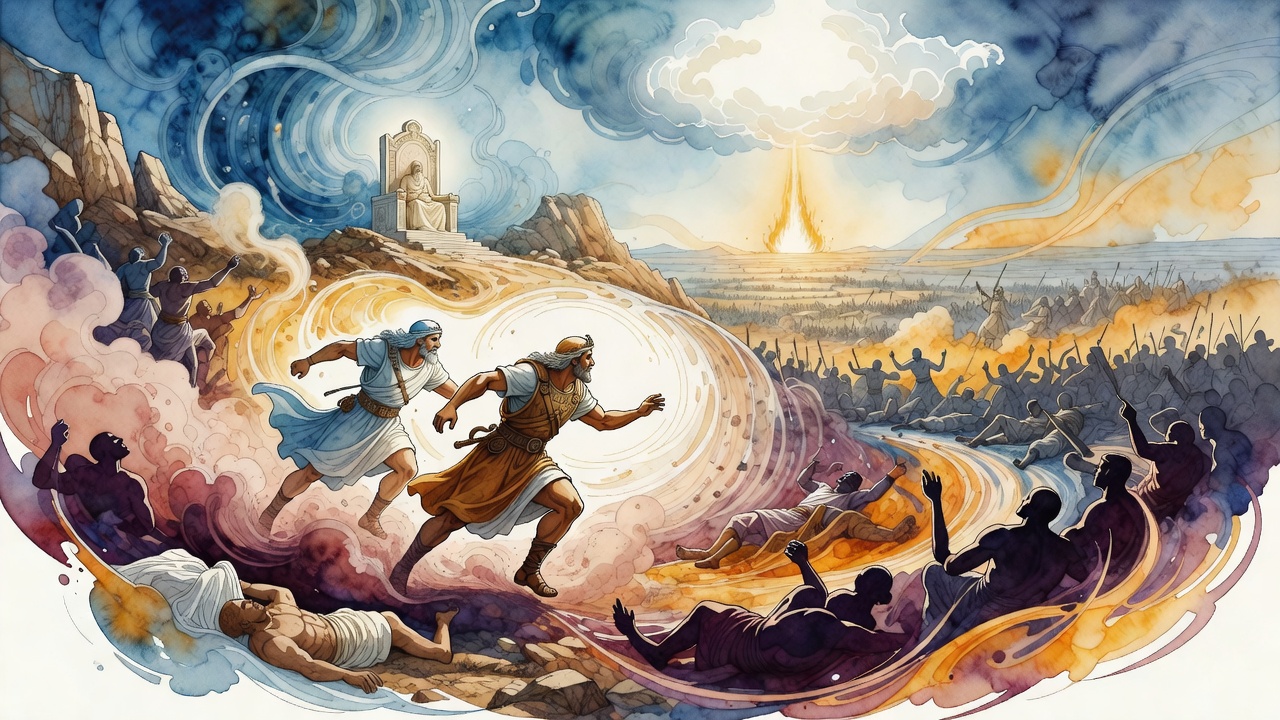
Judas Maccabeus was in Gilead with Jonathan, doing the work that had made their names. Simon held Galilee. Back home, two captains sat on garrison duty and felt the fame blowing from other provinces. Joseph son of Zacharias and Azarias looked at each other and said the sentence that kills armies. "Let us also get us a name, and go fight against the heathen that are round about us."
 Click for full size
They gave charge to the garrison that was with them and marched toward Jamnia.
Gorgias Came Out of the City
Gorgias came out of Jamnia with men who knew their trade. The fight was short. Joseph and Azarias broke. Gorgias chased them all the way to the borders of Judea. About two thousand Israelites fell on that road, thousands lost for a title their captains had wanted to wear.
The two men who had spoken the sentence lived to see the count. Ambition without the skill that had tempered Judas's campaigns wrote its bill in bodies. They had invented a front because the real one was elsewhere. Jamnia had been waiting for exactly that kind of invention.
Shut This Army in Your Hand
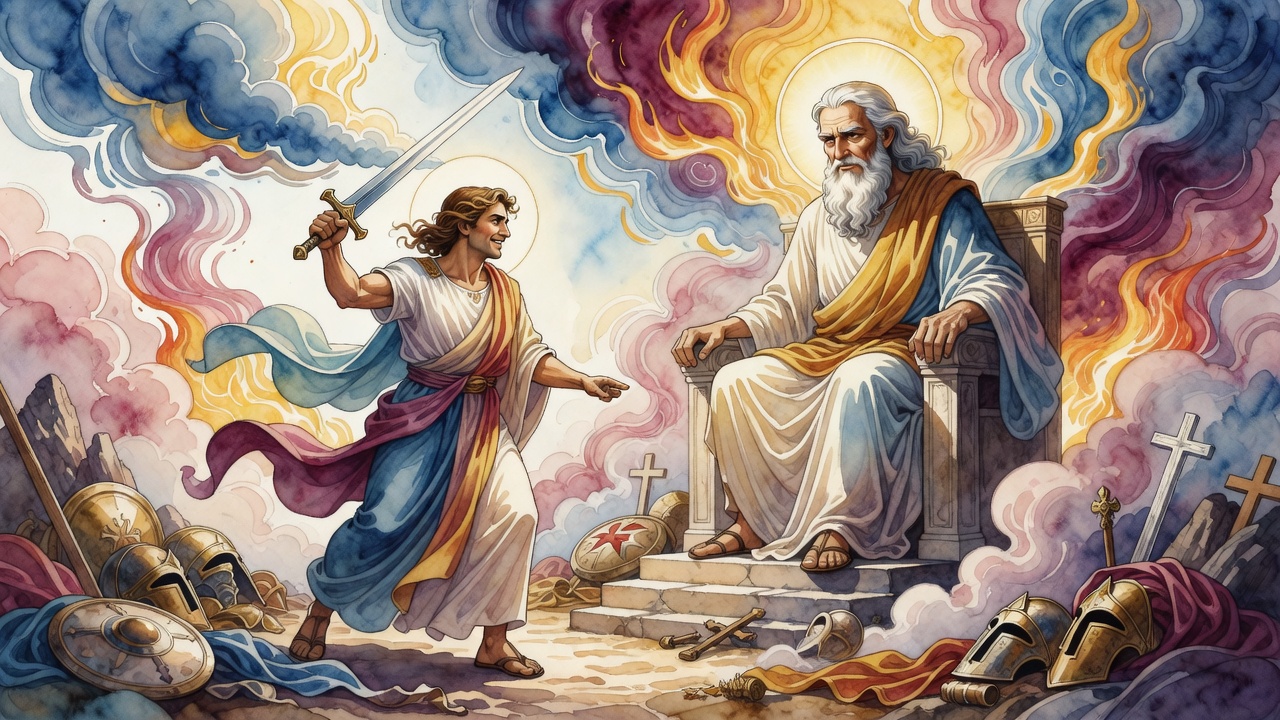
Elsewhere, when the work was done under Judas's discipline, the prayer sounded different. Not "let us get a name." "Shut up this army in the hand of thy people Israel." Make horsemen useless. Strip courage from the bold. Cast them down with the sword of those that love thee, and let those who know thy name praise thee with thanksgiving.
They joined battle. About five thousand of Lysias's host fell. Lysias saw the manliness of Judas's soldiers, men ready to live or die, and withdrew to Antioch to gather a larger foreign army for another round. Victory under Judas did not end the war. It bought a breath. Breath is not the same as a name hunted for its own shine.
The captains at Jamnia wanted the shine without the prayer and without the commander who knew when not to march. They got the chase instead.
A Man Swore to Burn the House
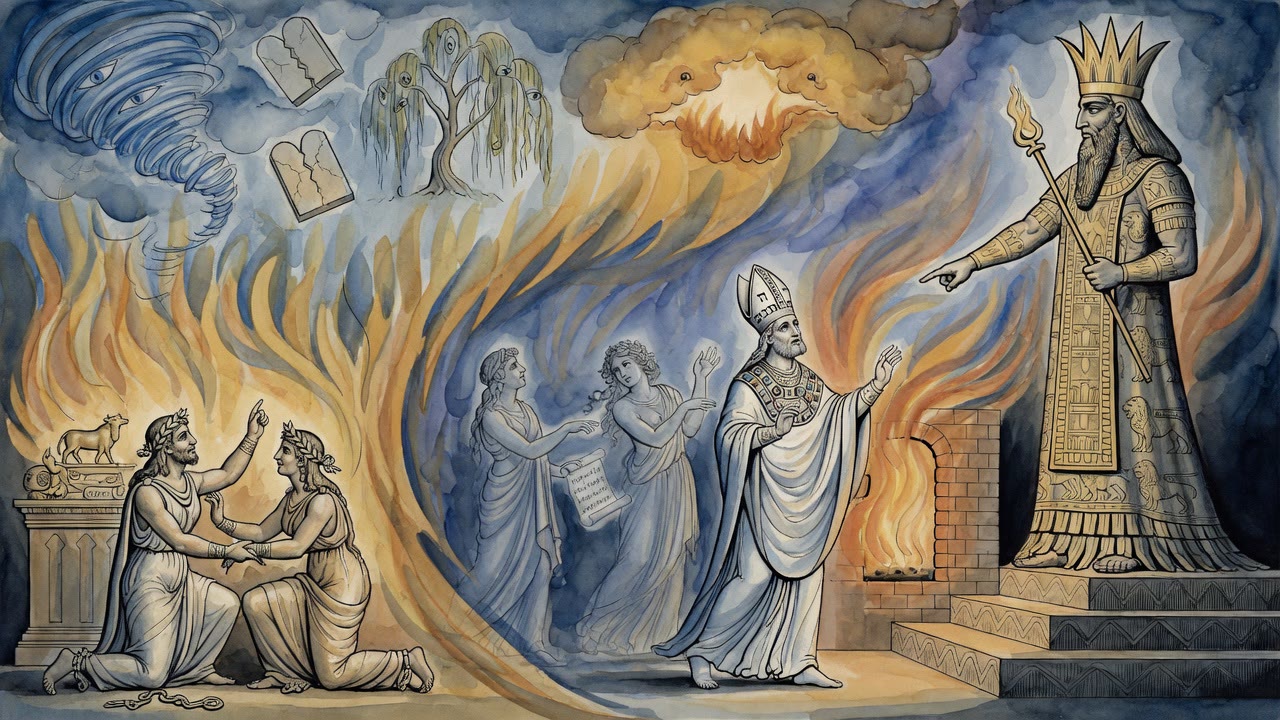
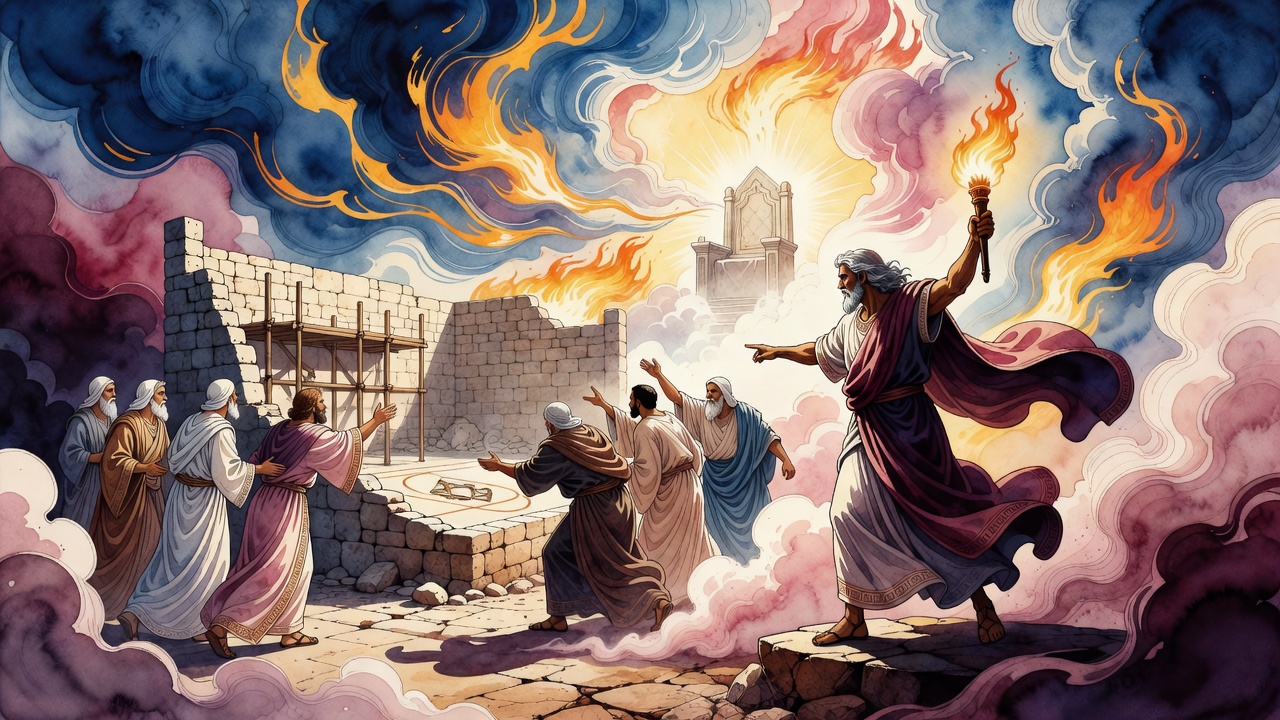
In the Temple, another kind of fight. Nicanor mocked the priests, laughed at them, and swore in his wrath that if Judas and his army were not delivered into his hands, he would burn the house called by God's name. He stormed out on the heat of his own oath.
The priests did not chase him with steel. They stood before the altar and wept. "Thou, O Lord, didst choose this house to be called by thy name, and to be a house of prayer and petition for thy people. Be avenged of this man and his host. Remember their blasphemies."
The war had fronts in Gilead, Galilee, Jamnia's approaches, and the inner court where tears were the only weapons left. Judas's generation fought with both. The two captains borrowed only the sword and left the altar's patience behind.
After Judas, the Wicked Put Forth Their Heads
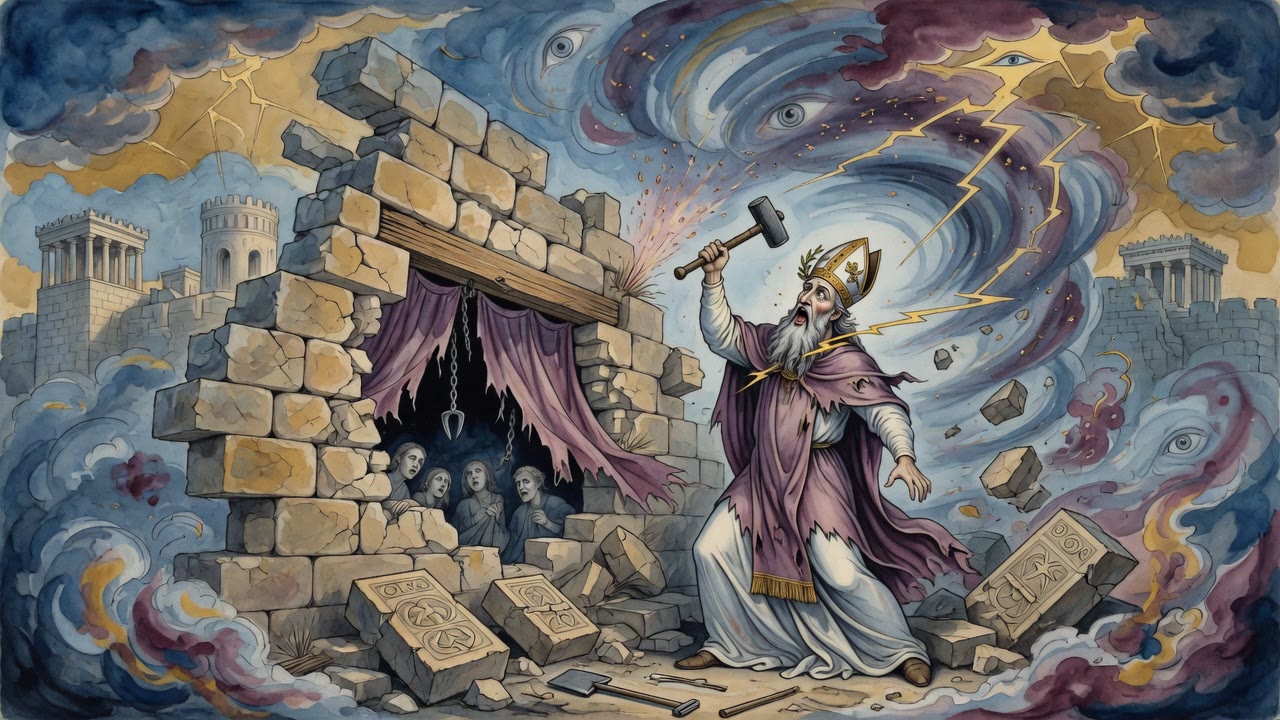
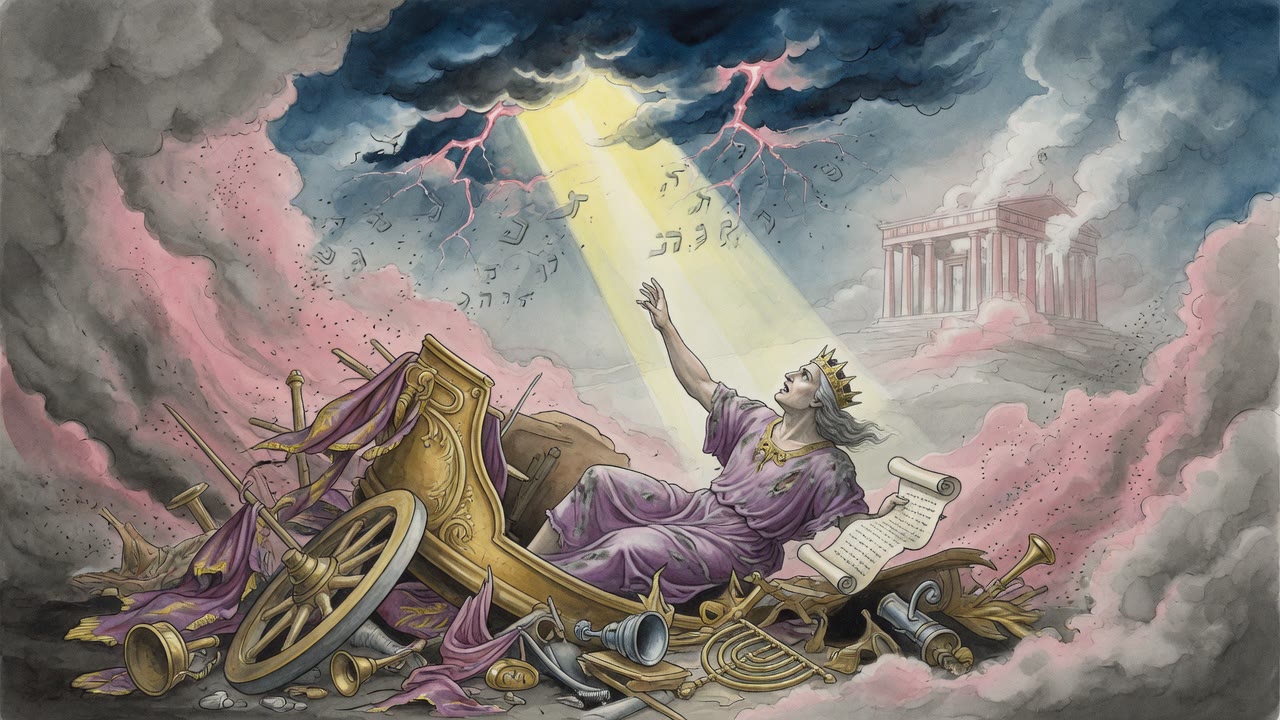
When Judas fell, the wicked put forth their heads in all the coasts of Israel. Famine walked with them. The country revolted and went with them, because empty stomachs renegotiate loyalty. Bacchides appointed those wicked men as lords of the country. Then the purge. Friends of Judas hunted, dragged, used despitefully. Great affliction in Israel, the like whereof was not since the time that a prophet was not seen among them.
The people who had watched Judas pray down horsemen now watched collaborators wear authority. The captains who had wanted names did not live to see how cheap names become when the center falls. The wicked named themselves in the vacuum.
Judea learned again that one generation's valor does not keep the next from hunger and bad appointments. Lysias had already planned to return with strangers. Bacchides arrived into a land where famine made recruits for the wrong side.
Jamnia's road stayed stained with the cost of a front invented for a title. Gilead's road stayed stained with a different lesson. Fight where the captives need you, under the commander who still knows how to ask heaven to shut an army's courage down. When Judas was gone, both lessons were tested in the dark of a prophetless affliction, and the wicked put forth their heads as if the years of strength had never happened.
Joseph and Azarias had wanted a name. The famine gave names to the wicked instead, lordships written in hunger, sealed with the blood of Judas's friends.
← All myths