80 myths · Page 2 of 2
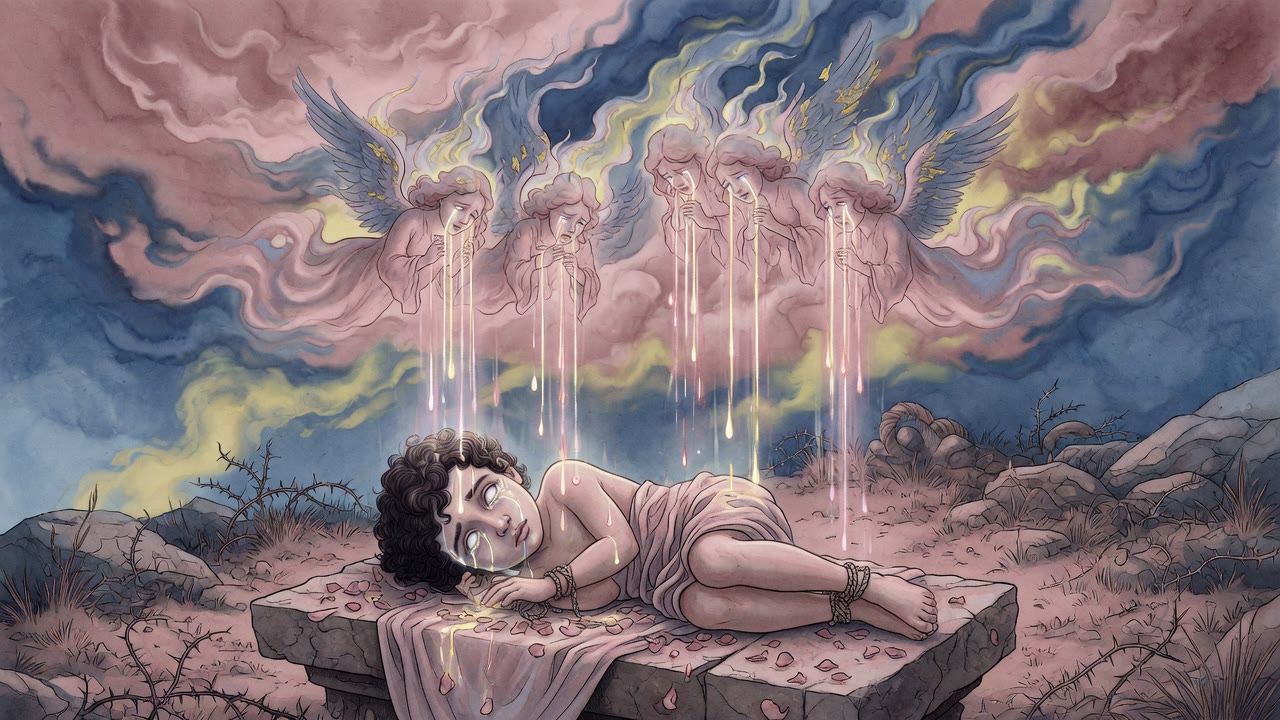
Take your son, your only son. Abraham answered with two names until Heaven spoke Isaac, then walked three days past a river Satan raised.
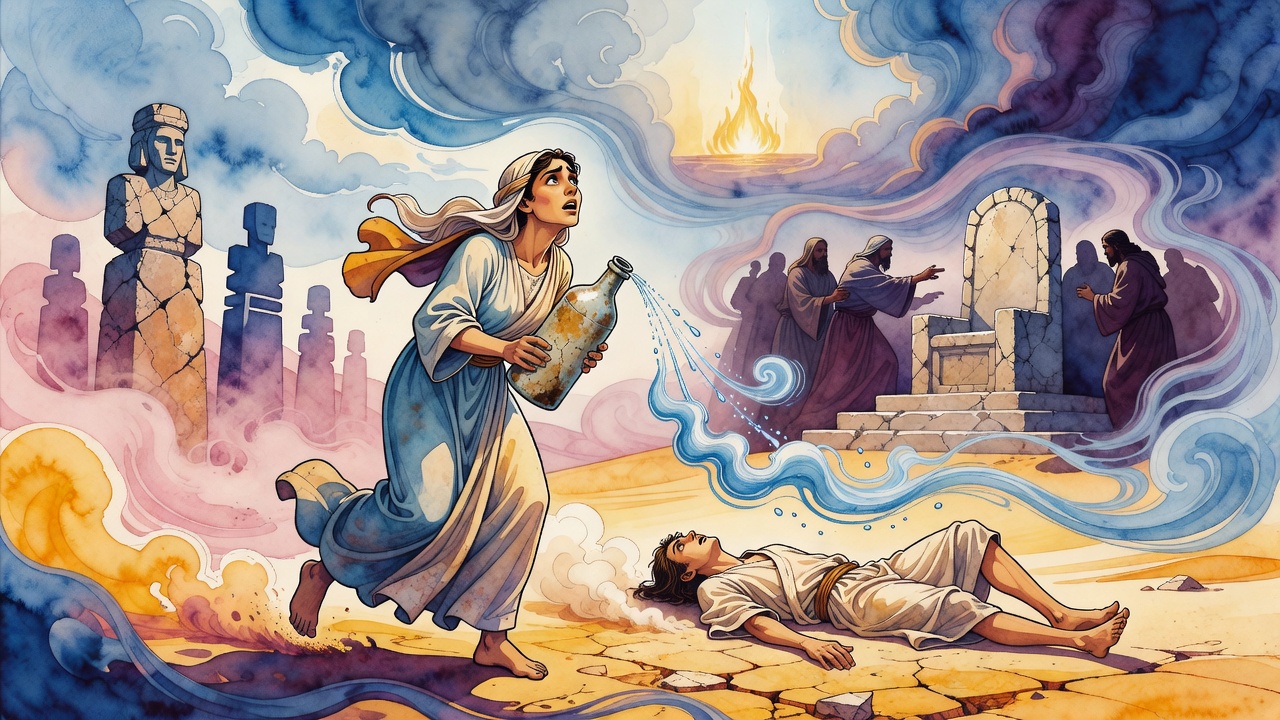
The bottle should have been empty days ago. It lasted on Abraham's merit until Hagar's heart went back to Egypt. Her son was seventeen when he fainted.
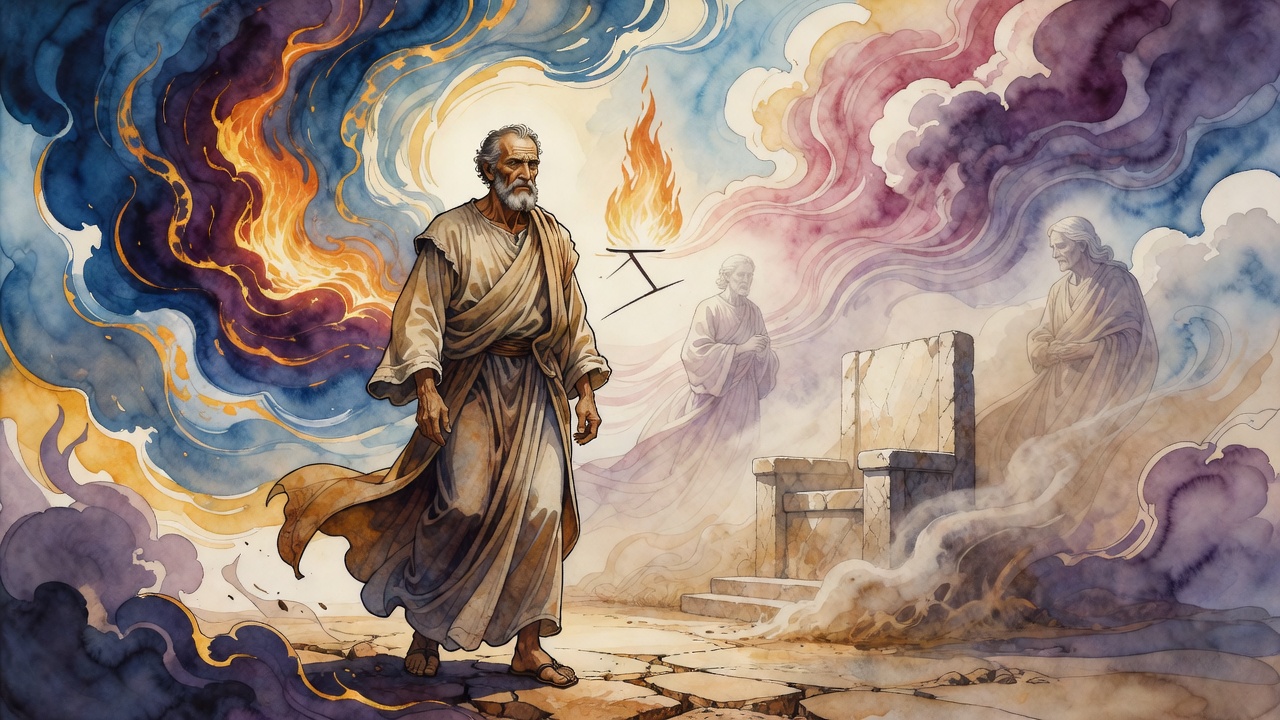
The boy was named before he existed. Ishmael mocked the cut done on an infant. On Moriah, Isaac at thirty-seven laid his own life down.
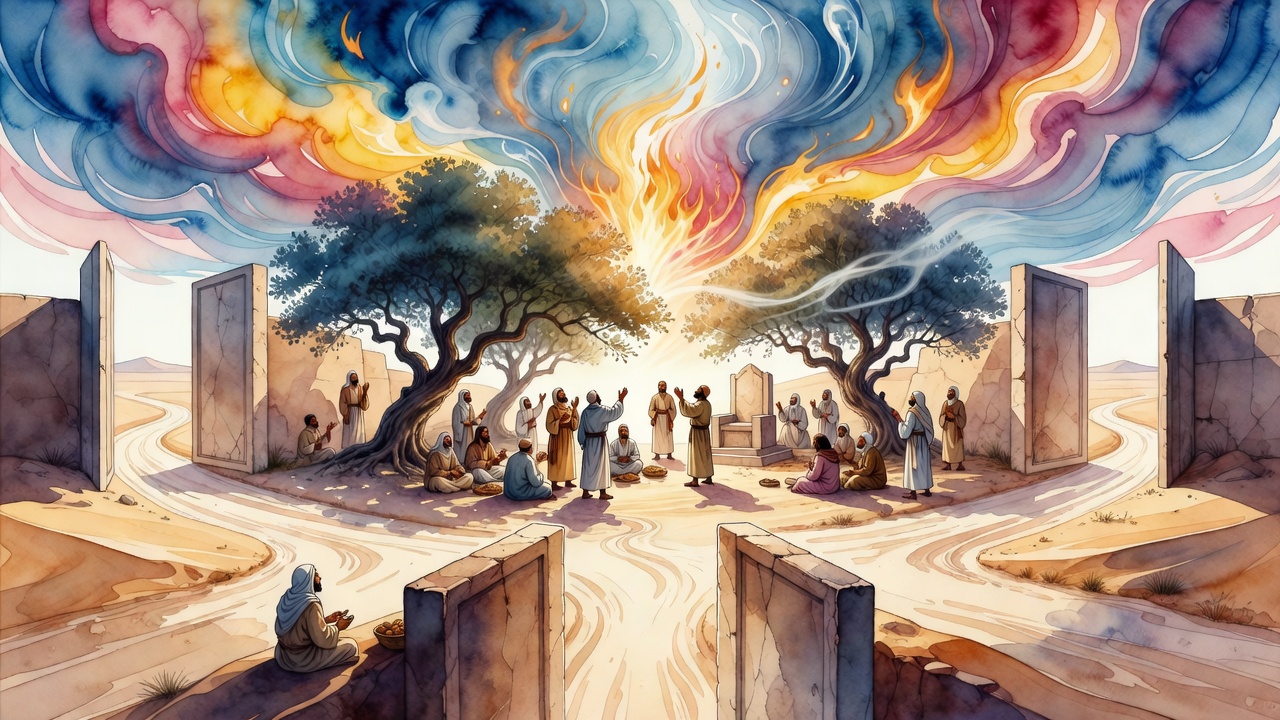
A traveler rose to thank Abraham for the bread. Abraham stopped him. The blessing belonged to the Host who feeds all flesh.
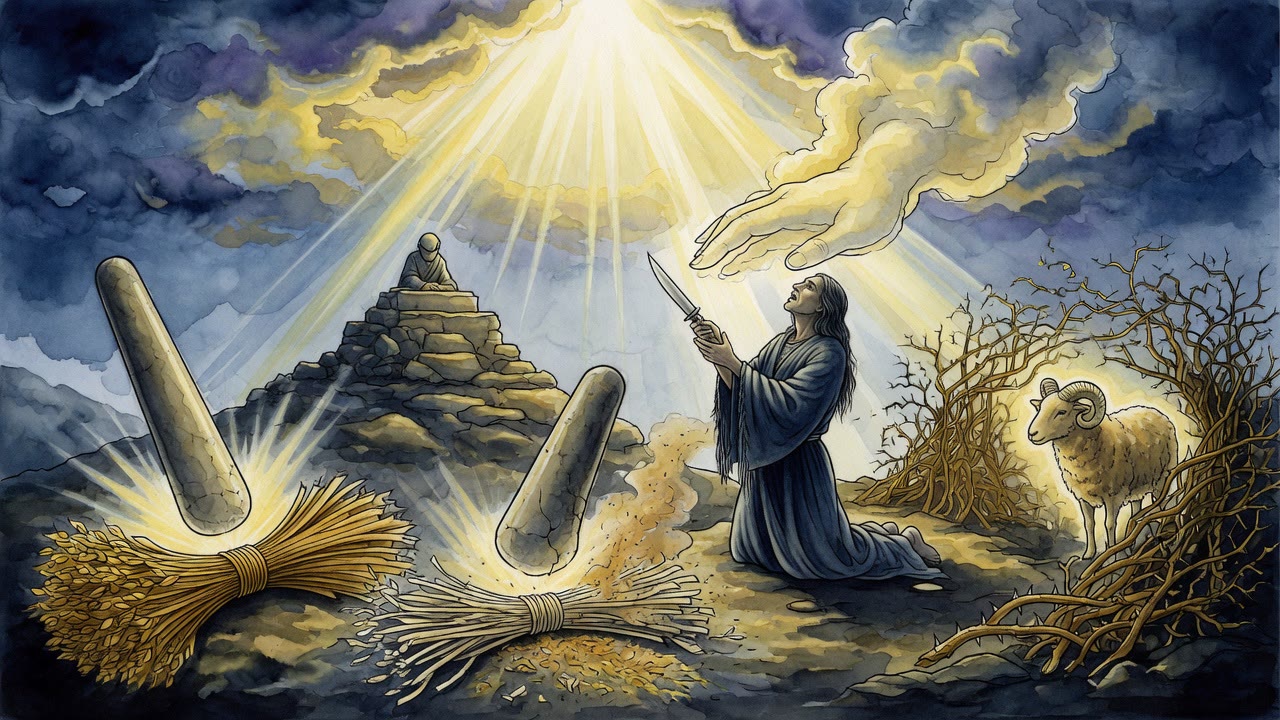
Isaac asked where the lamb was. Abraham did not look at the knife. A ram was already caught in a thicket on Moriah.
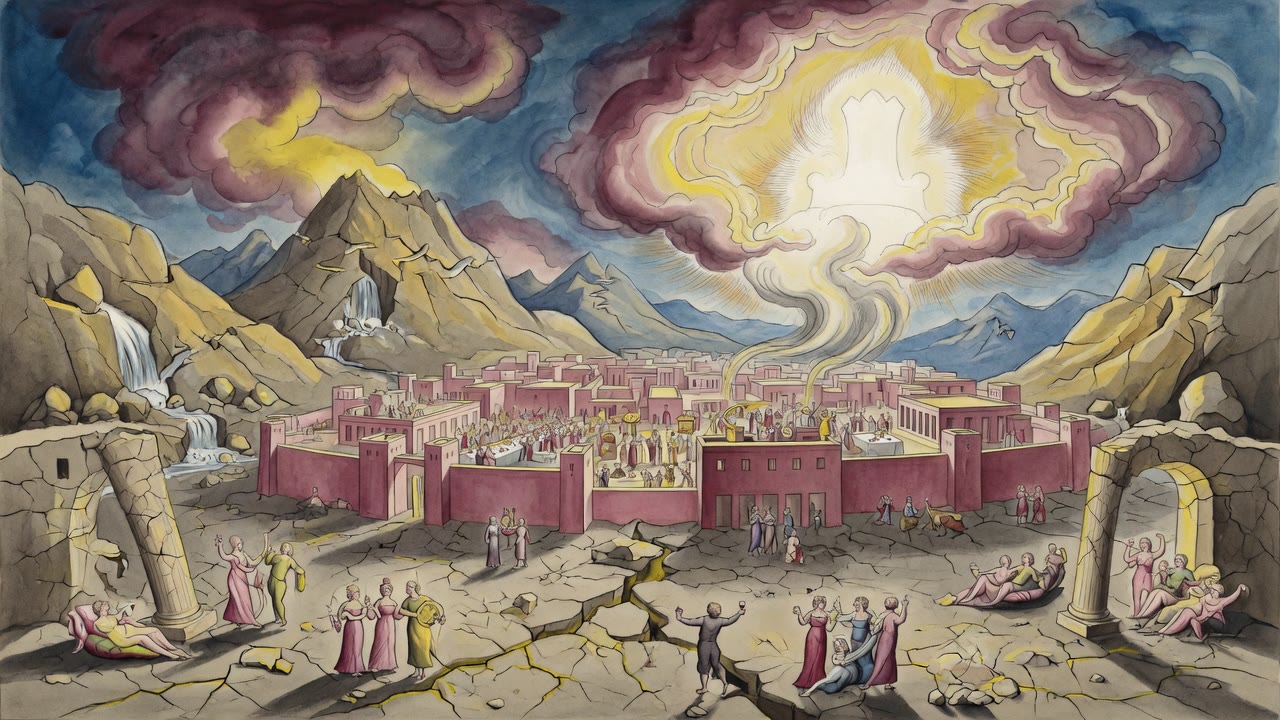
For fifty-two years the mountains quaked over Sodom as a call to return. When the city refused, the same heaven that sends manna poured fire instead.
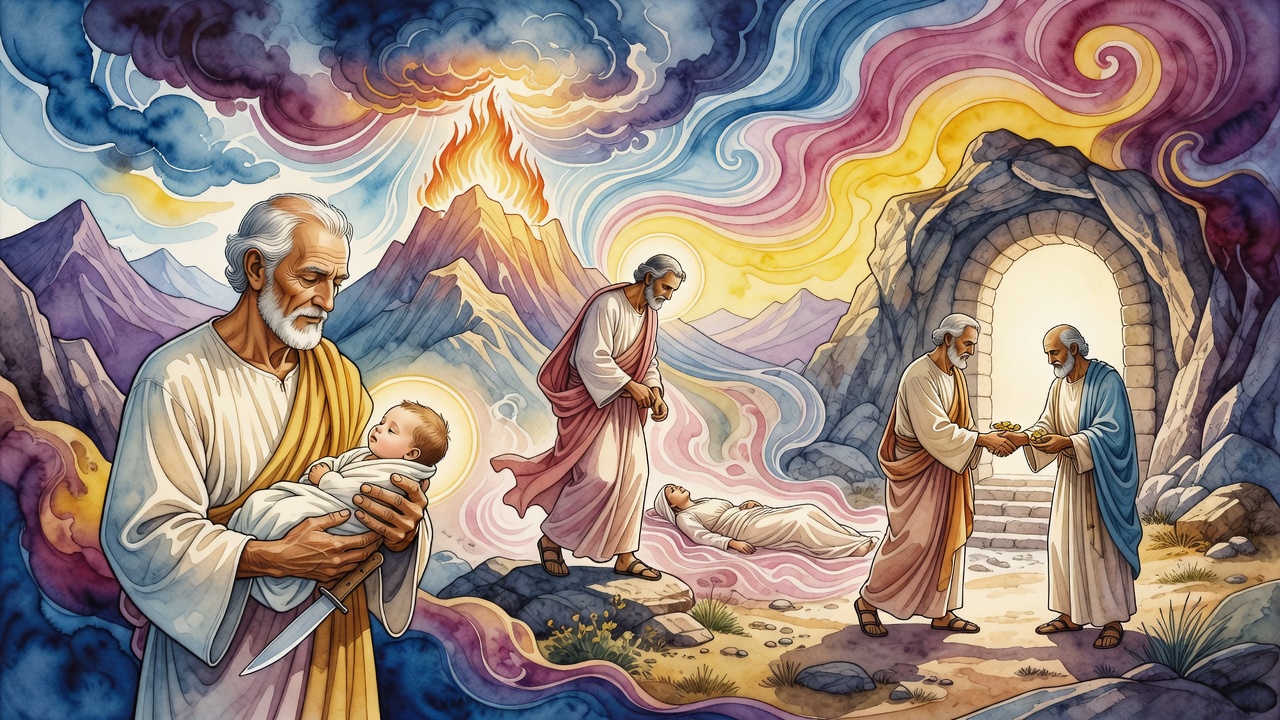
At one hundred Abraham held a son. On Moriah he held a knife. Coming down, he found Sarah dead and paid four hundred shekels for a grave.
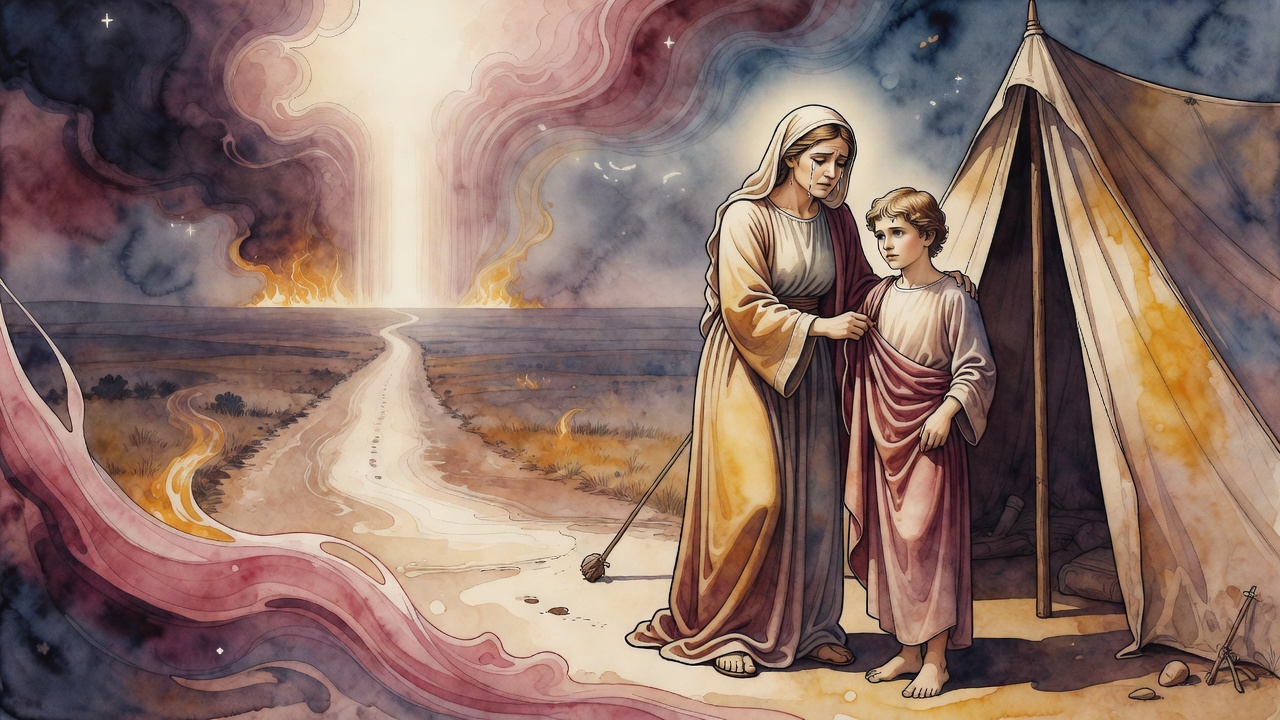
Sarah packed bread and water as if the road were ordinary. Out on the open land Isaac's voice broke her, and even the servants wet the ground weeping.
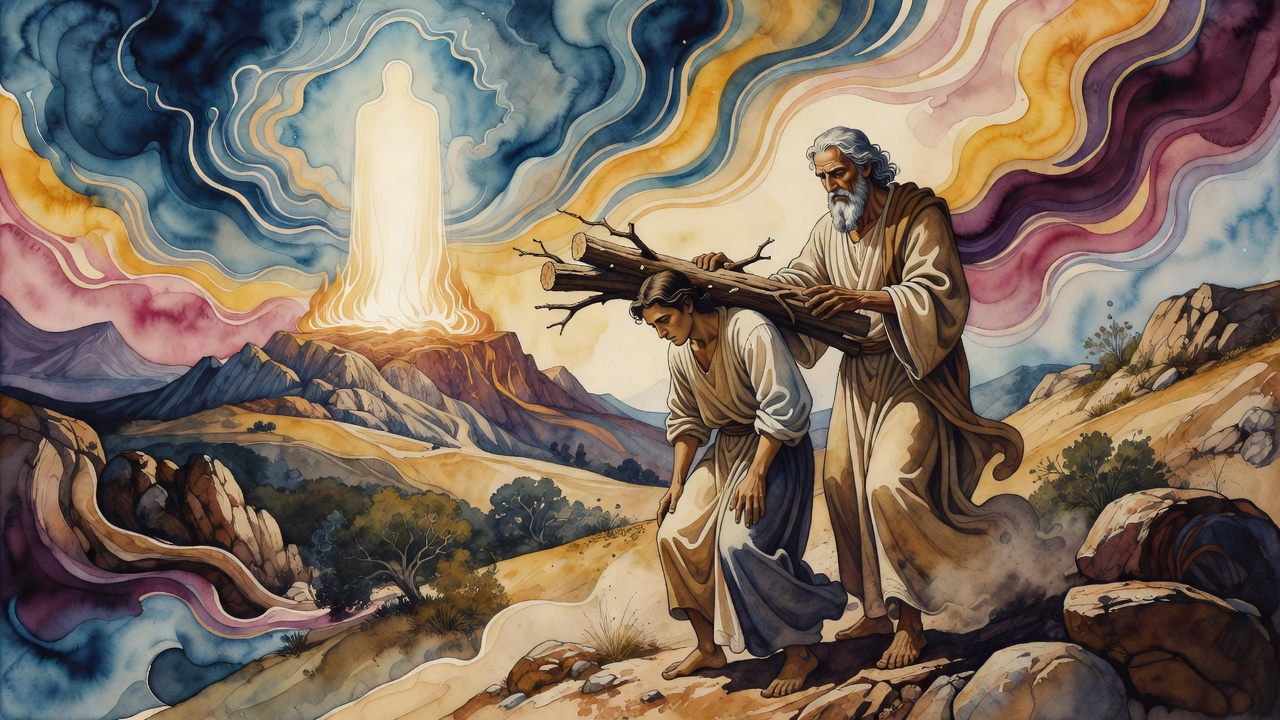
Abraham laid the altar wood on Isaac's back. Father and son climbed Moriah together, one to bind, one to be bound.
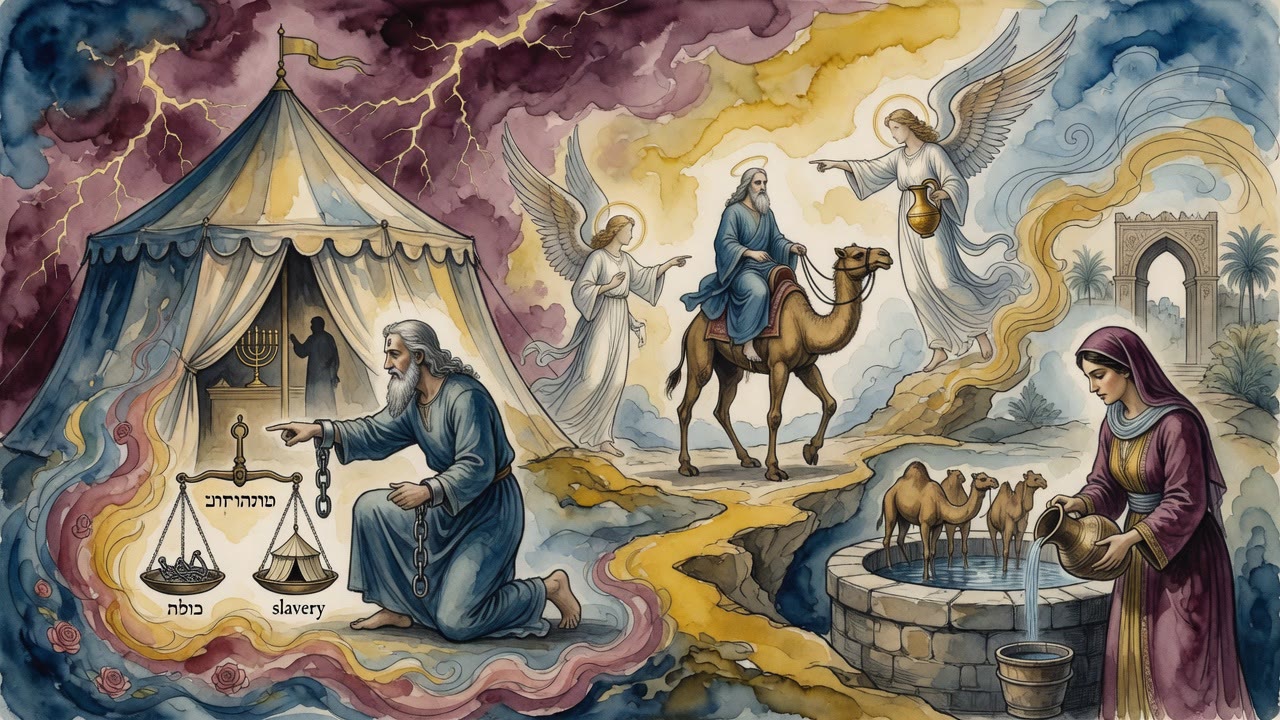
Isaac was bound on the wood, breath shallow enough to count. A doubled name hit the ridge, and a ram fought the thorns in his place.
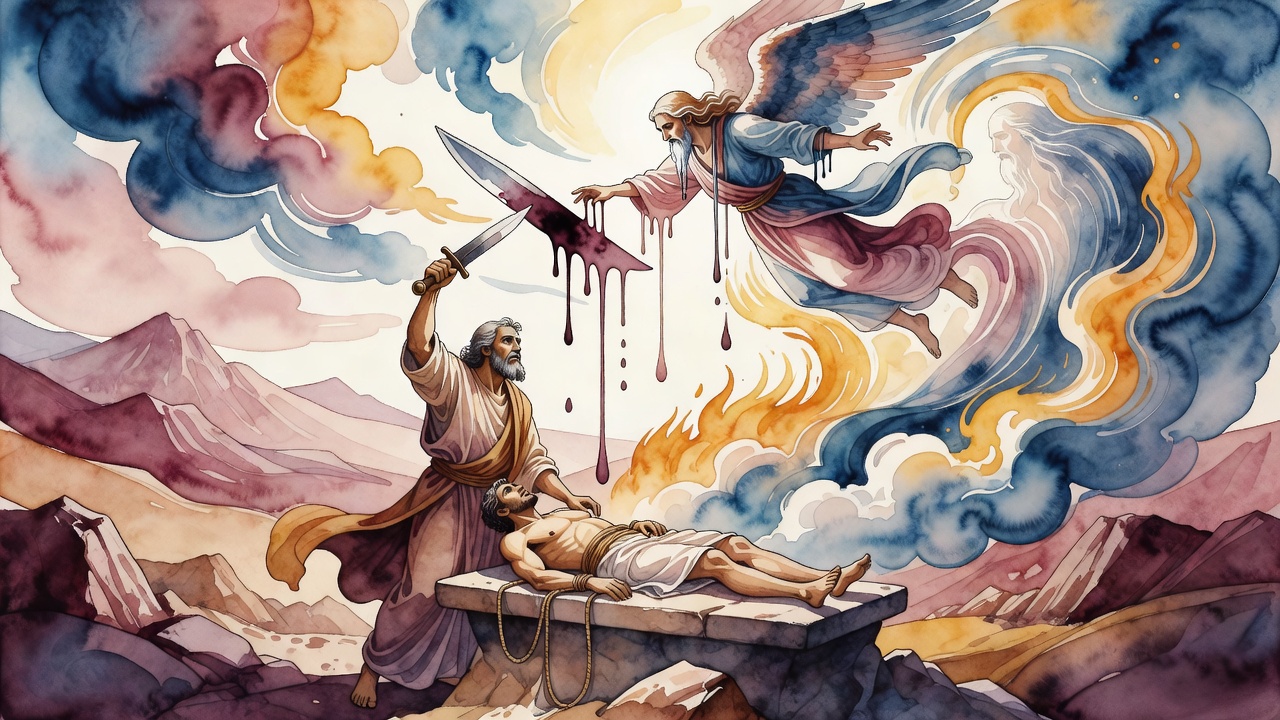
Angel tears fell on the blade and dulled the edge. Abraham would not lower it. A voice telling him to spare the boy might be the Accuser in borrowed pity.
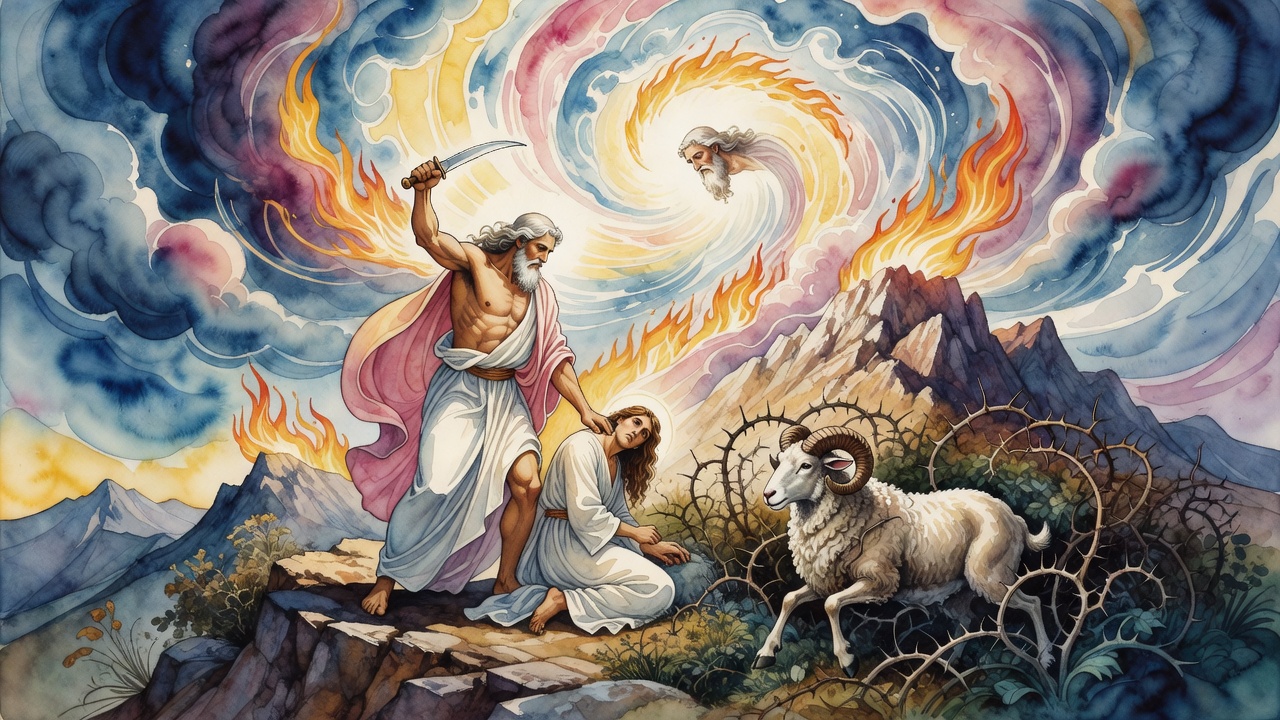
A Moabite king once burned his own firstborn on a city wall to buy a battle, and the smoke bought nothing. On the mountain, Isaac's wrists felt the rope.
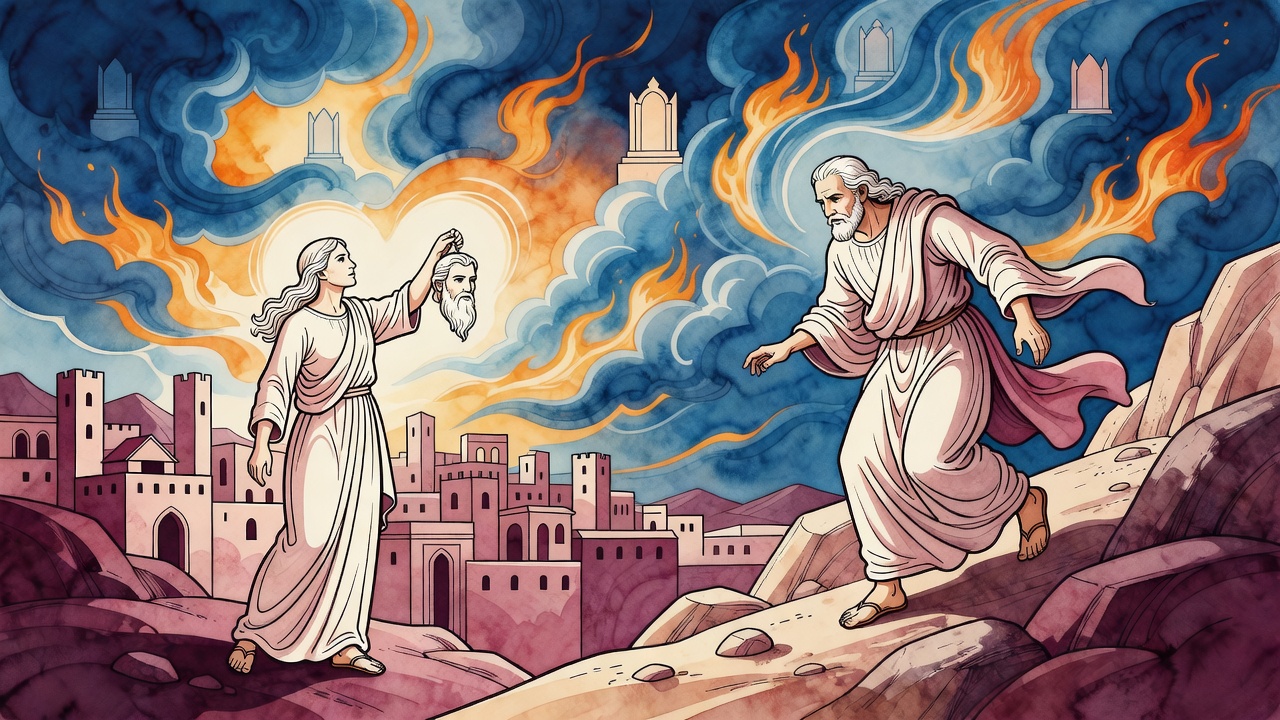
Abraham sees Serah save a city with one rebel's head, then climbs down from fifty righteous to ten in his plea for Sodom.
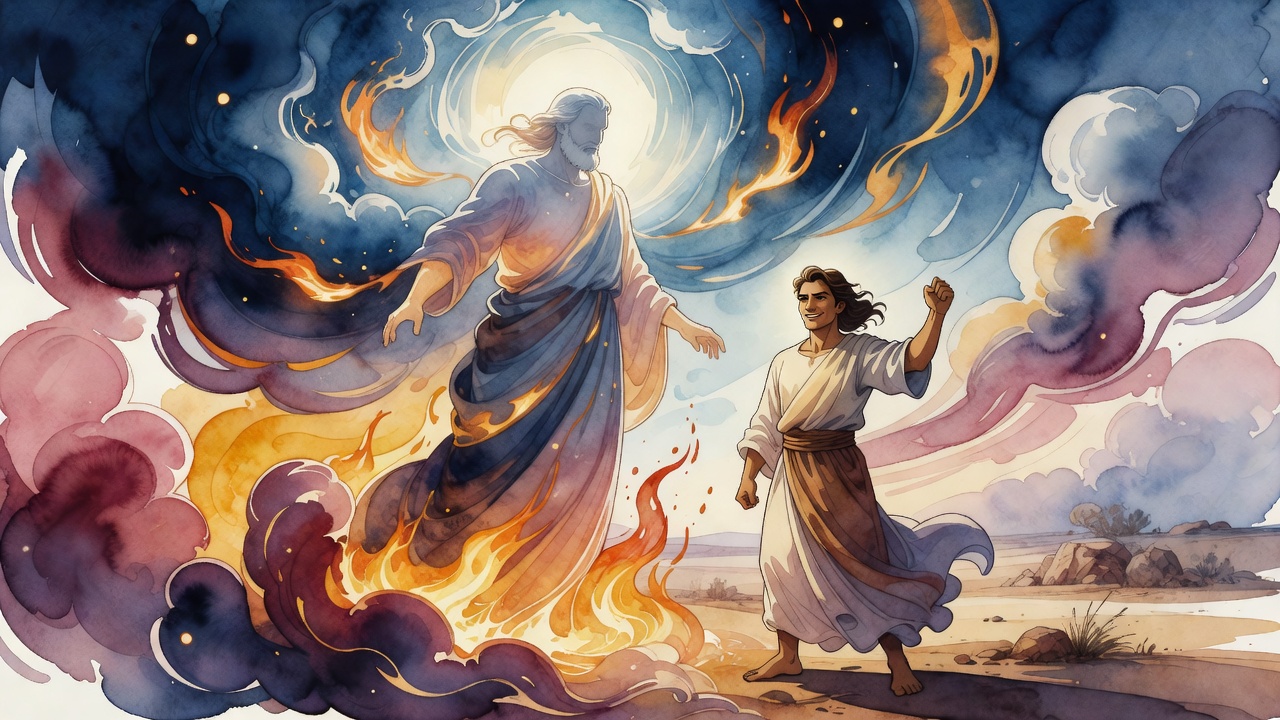
Before the Akedah, Ishmael brags of willing circumcision at thirteen, and Isaac answers that he would offer his whole life if God asked.
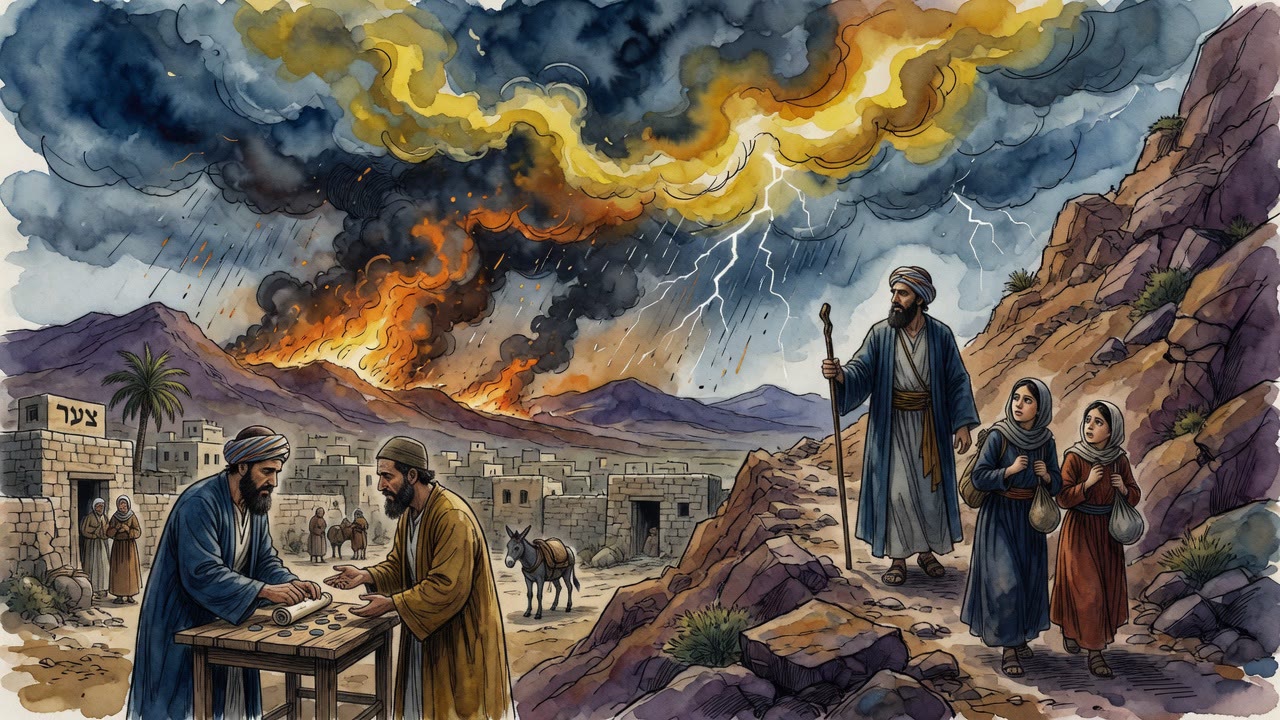
Angels pull Lot from fire. He bargains for a small city, loses his wife to salt, and ends in a cave because even Zoar feels too near judgment.
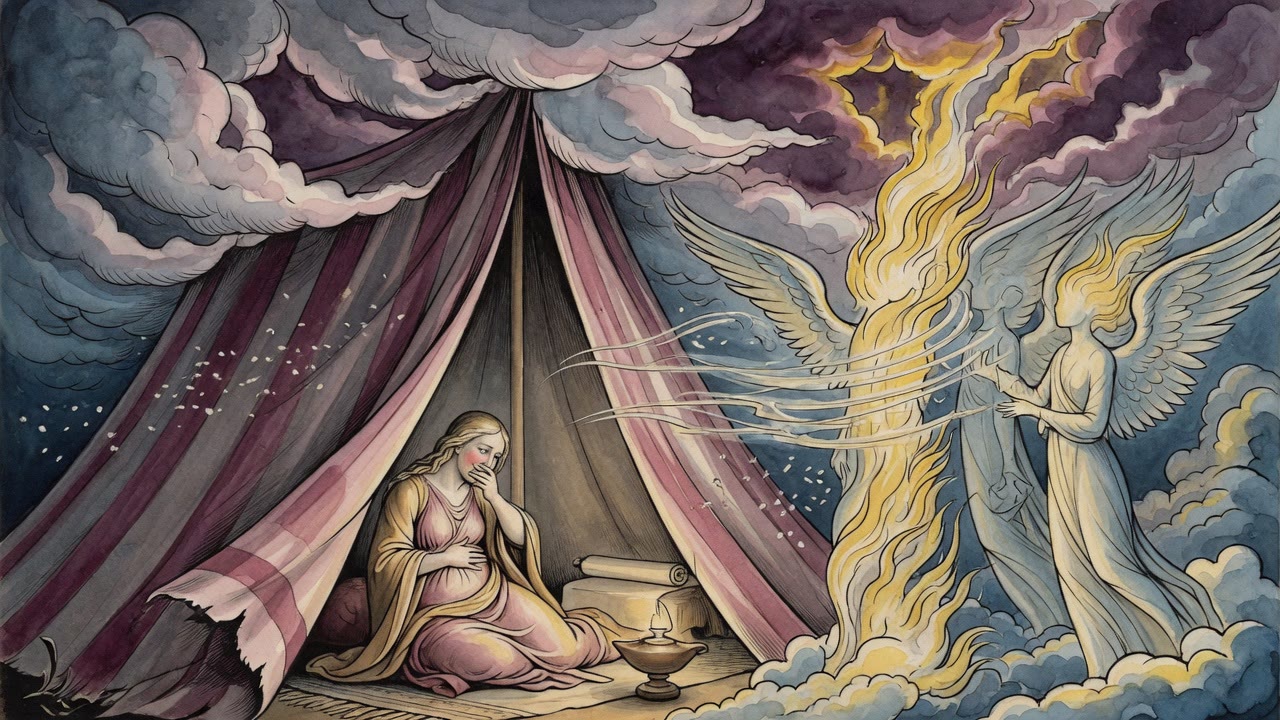
Abraham had bargained heaven down from fifty righteous. Inside the city, Lot's wife drew a line through her own house so the guests stood only on his half.
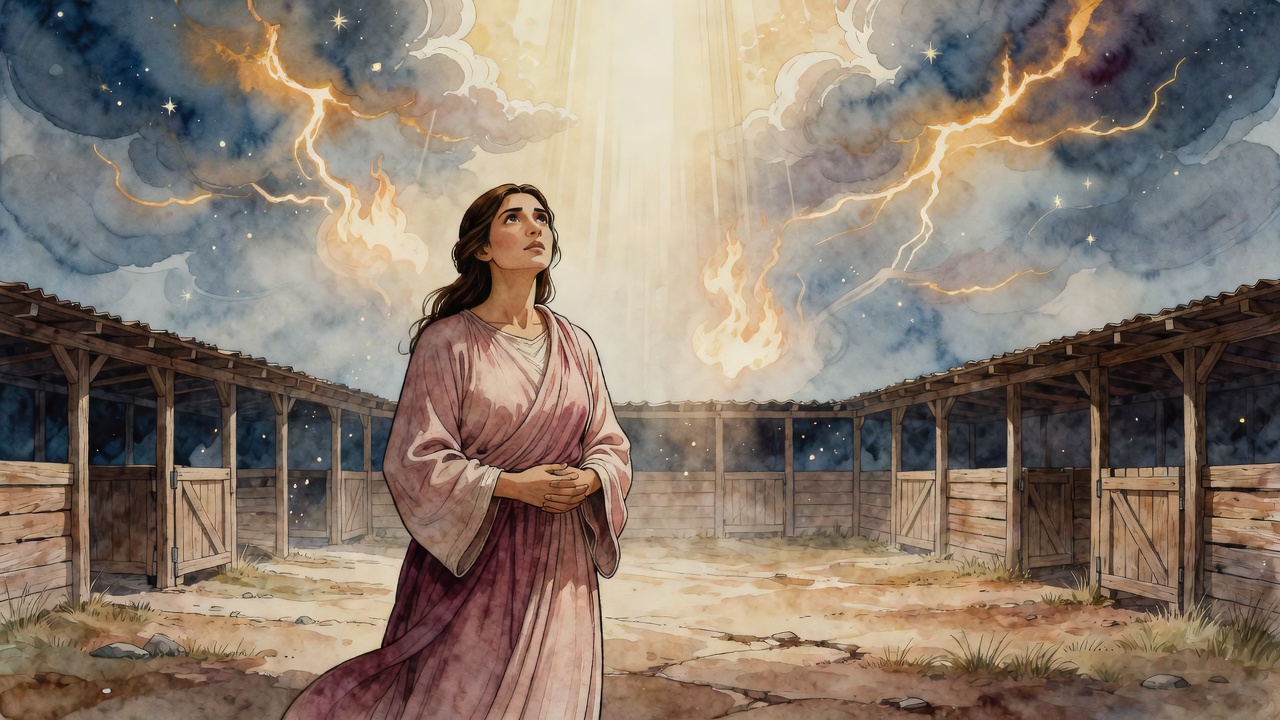
No calf bawled in the courtyard, no ewe answered from the pen. The household whispered, some blaming her womb, some blaming Abraham's seed.
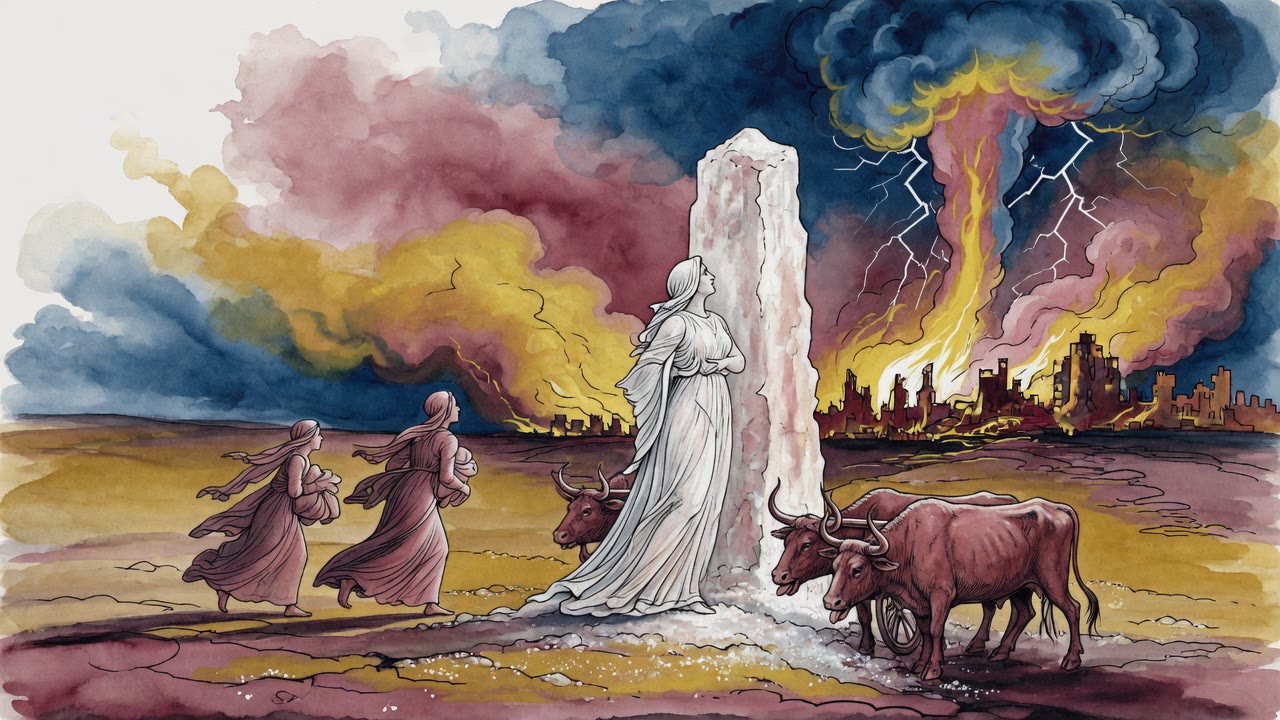
Fleeing Sodom under orders not to look behind, Lot's wife turned once toward the fire and stiffened into a pillar of salt the oxen still lick by day.
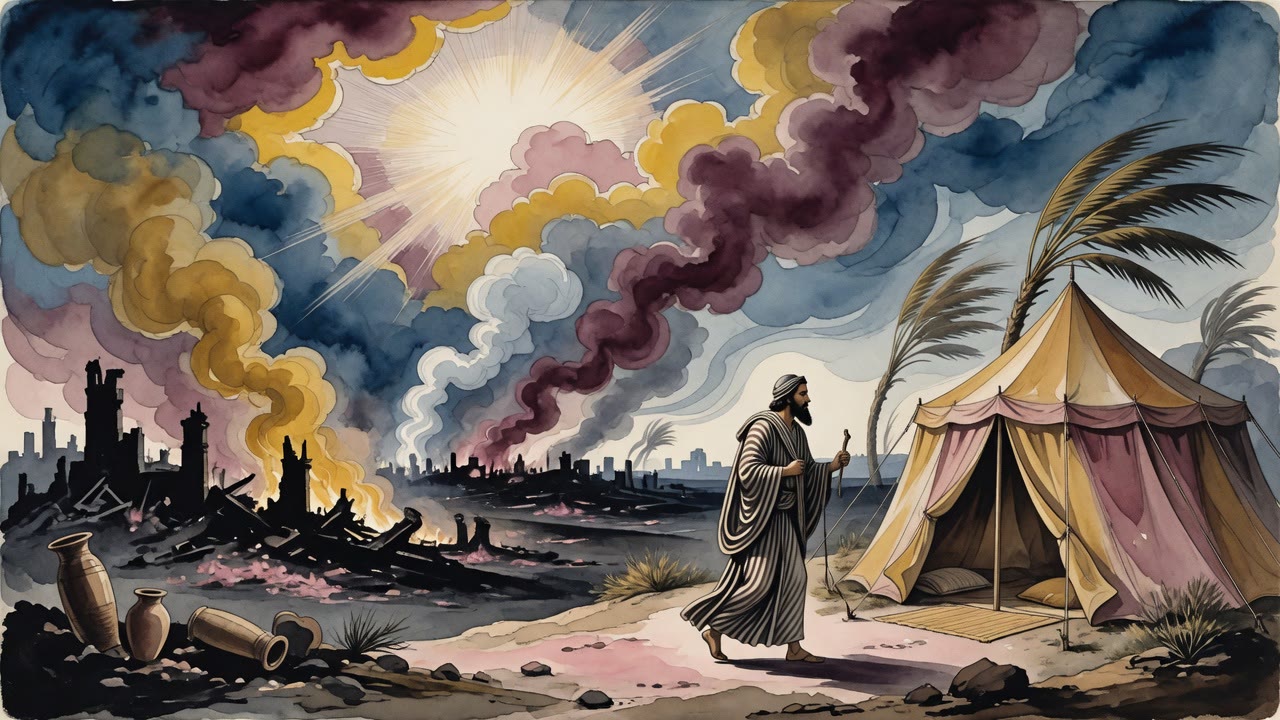
Three unborn guests ate with Abraham. Later blessings cast Israel's seed like angels, while God alone lights dark and clothes the bare.
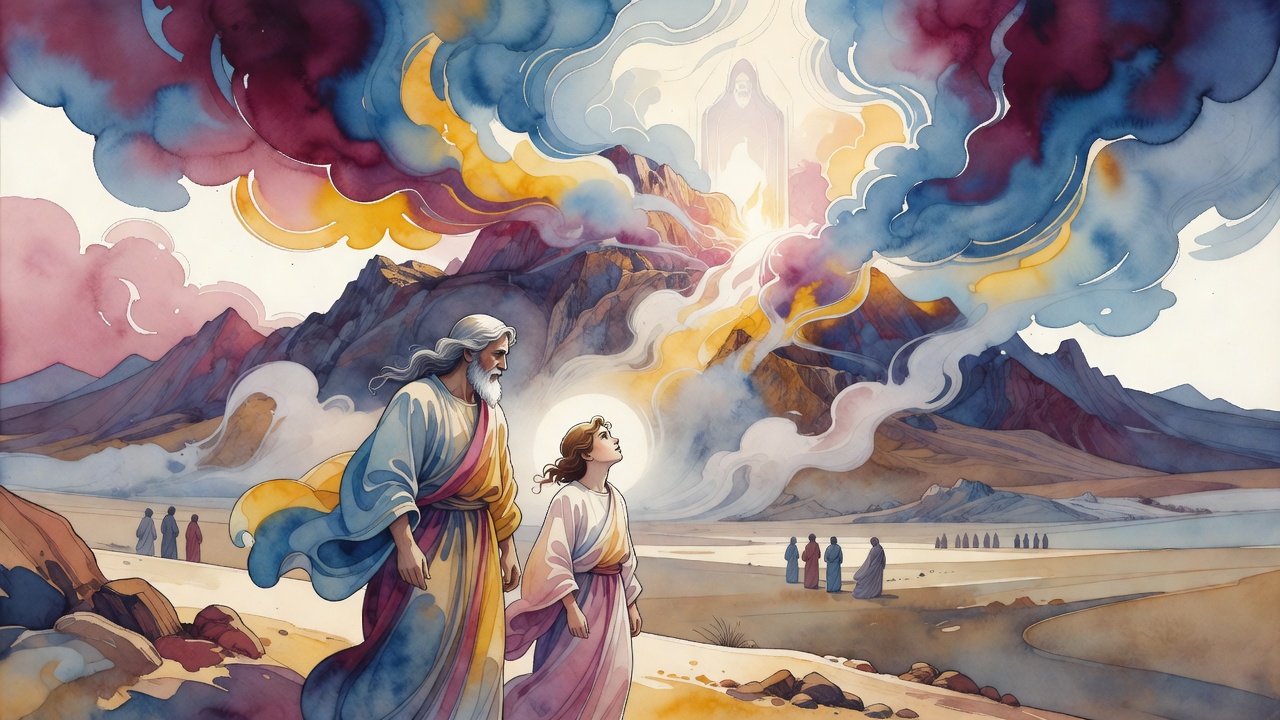
On the third day Abraham stopped and asked his son what he saw. Isaac named a mountain wrapped in cloud. The servants named only desert.
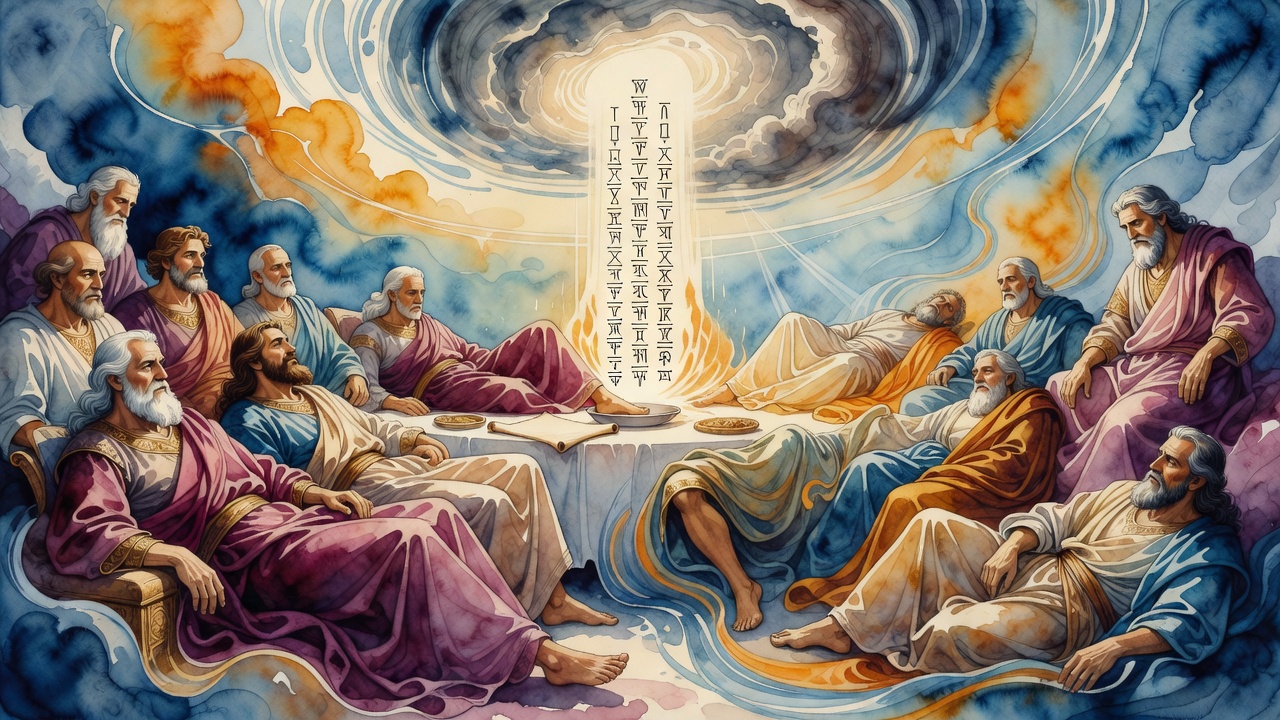
Every one of the thirty-one kings Joshua killed had once reclined at Abraham's weaning feast, their names later written in a column read in one breath
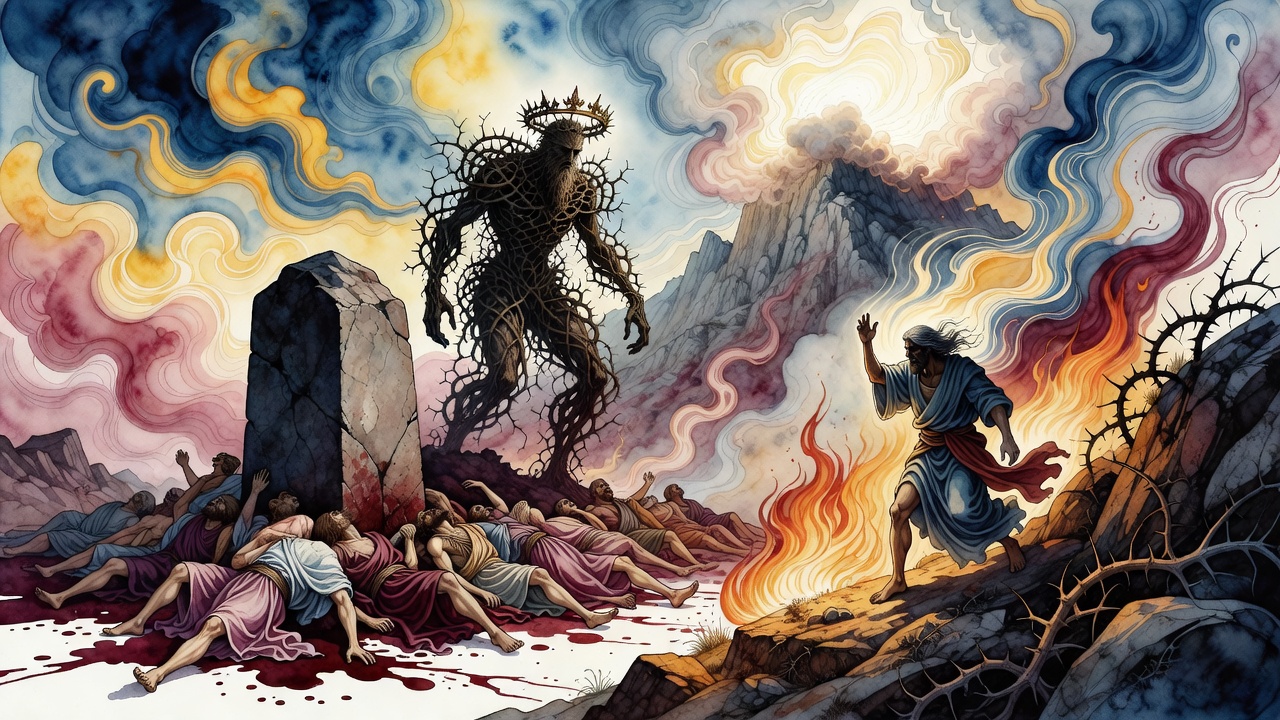
Abimelech butchered seventy brothers on one stone for a crown, so the last survivor climbed Gerizim and cursed the bramble king with fire.
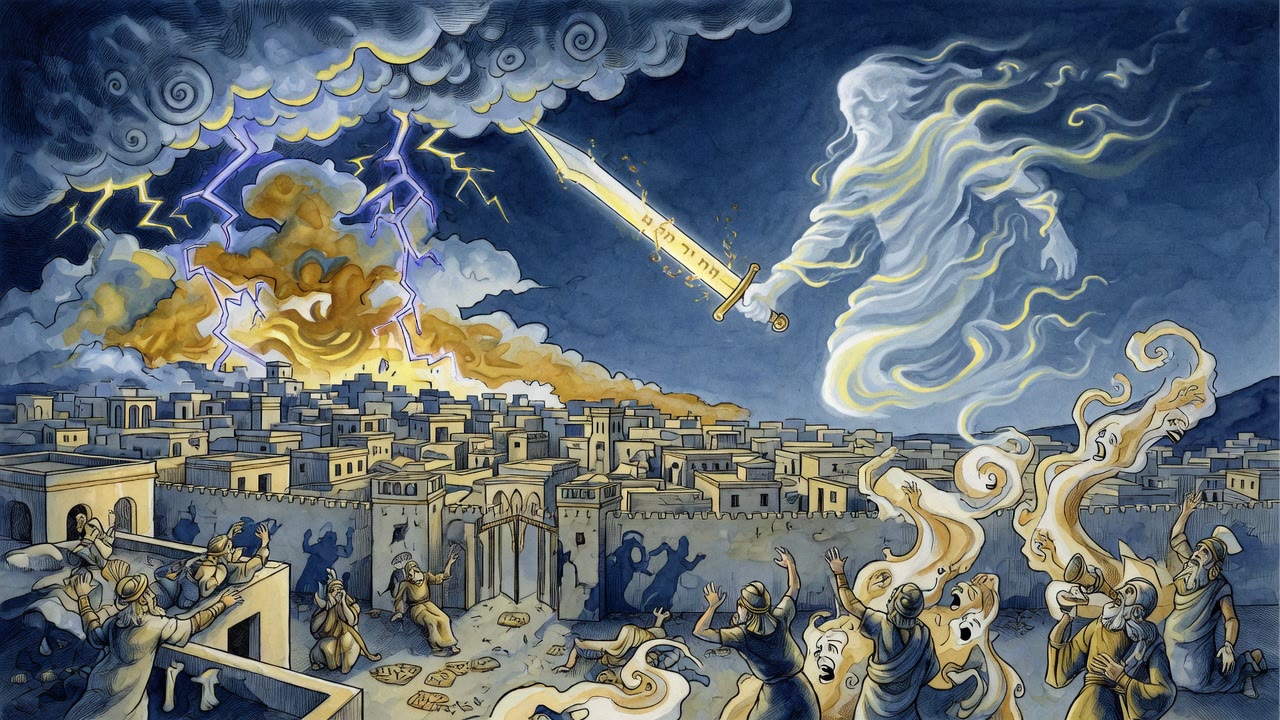
A drawn sword moves unseen through Gerar, men fall in the dark, and a wailing rises that no Philistine can fight or explain.
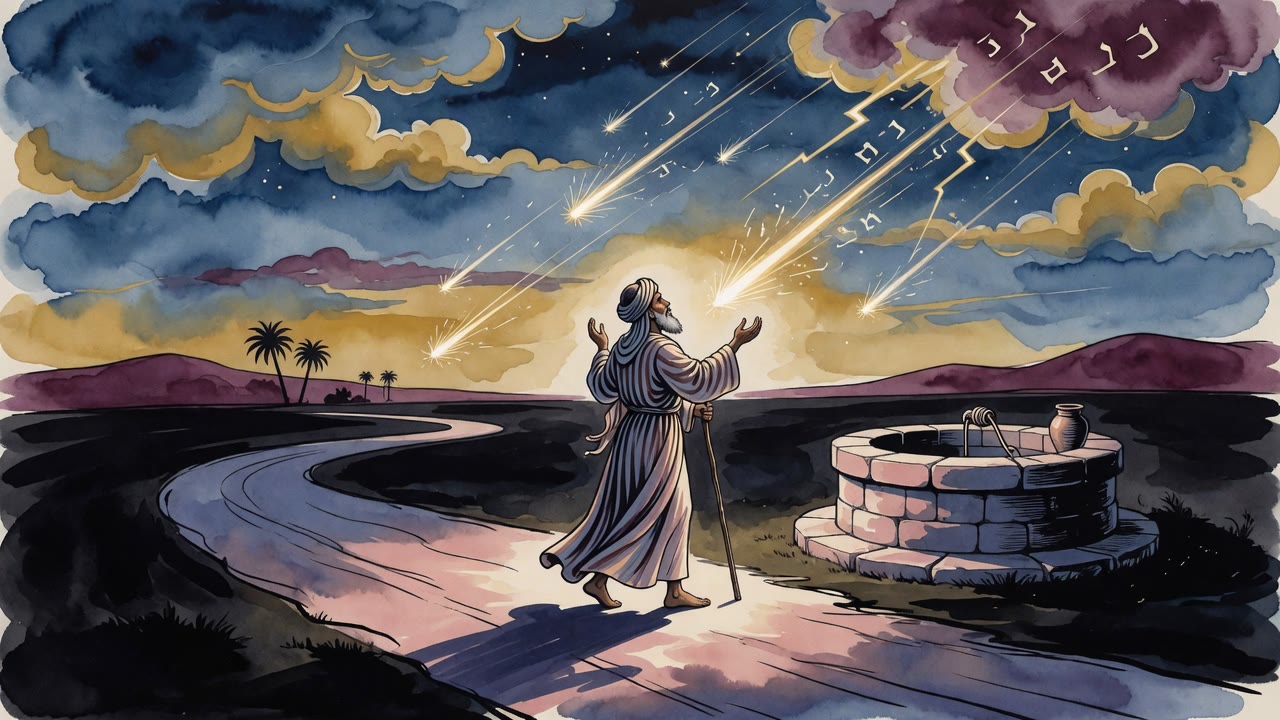
Isaac was born, and the Philistine king rode to Hebron with twenty advisors. He asked for three generations of peace, no more.
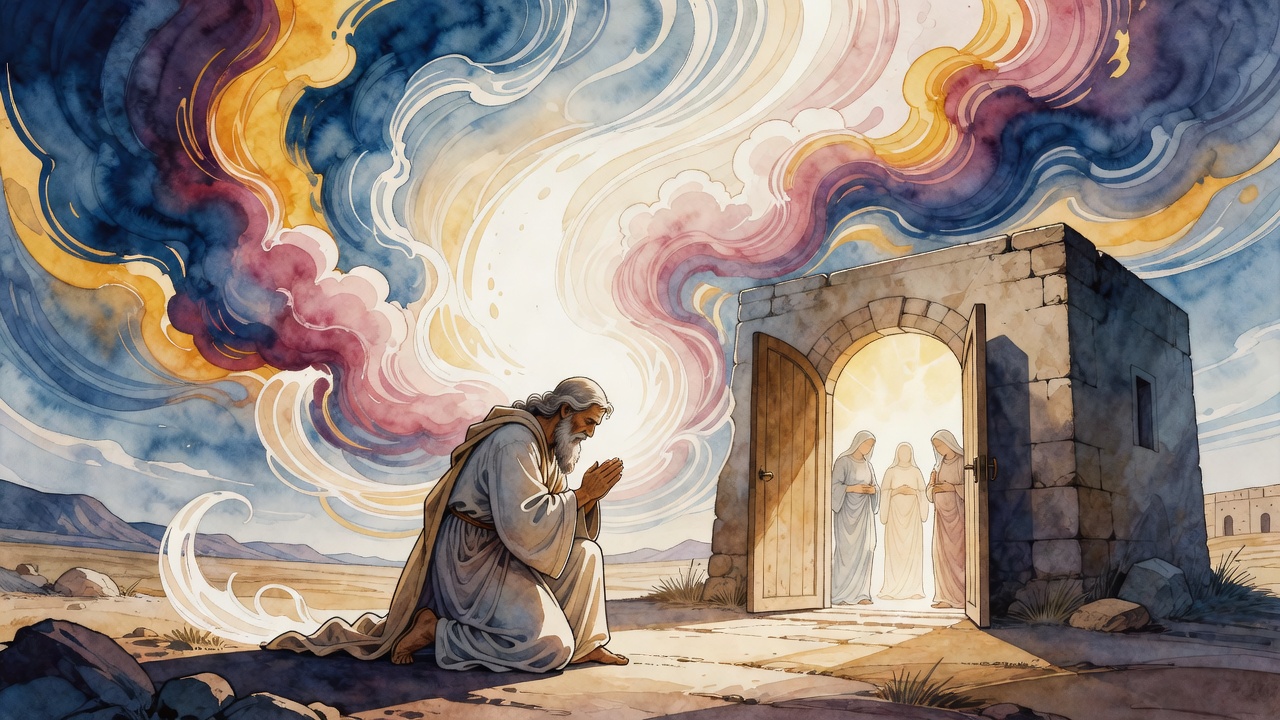
Gerar's king had taken Sarah, and every womb in his house shut. Abraham asked God to let them multiply instead. Abimelech's barren wife bore a child.
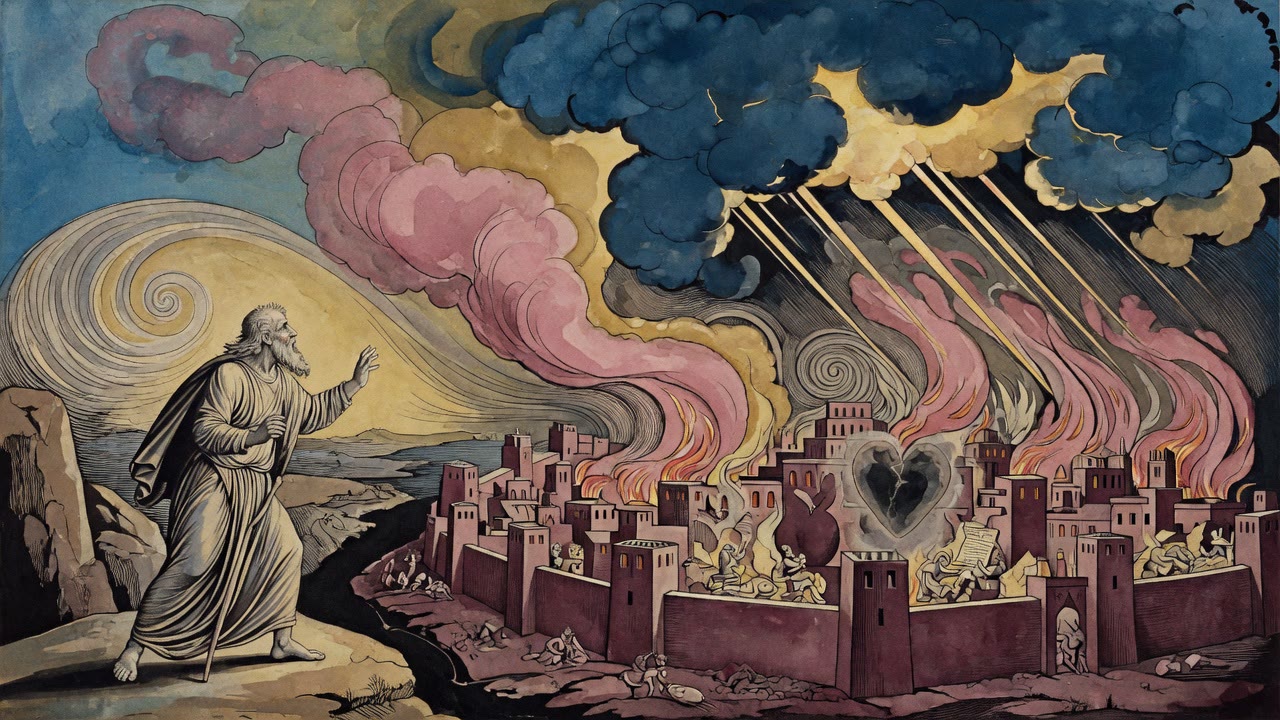
To seal a peace with a Philistine king, Abraham handed over seven ewes. God had not asked for them, and Samson, Saul, and Eli's sons paid the bill.
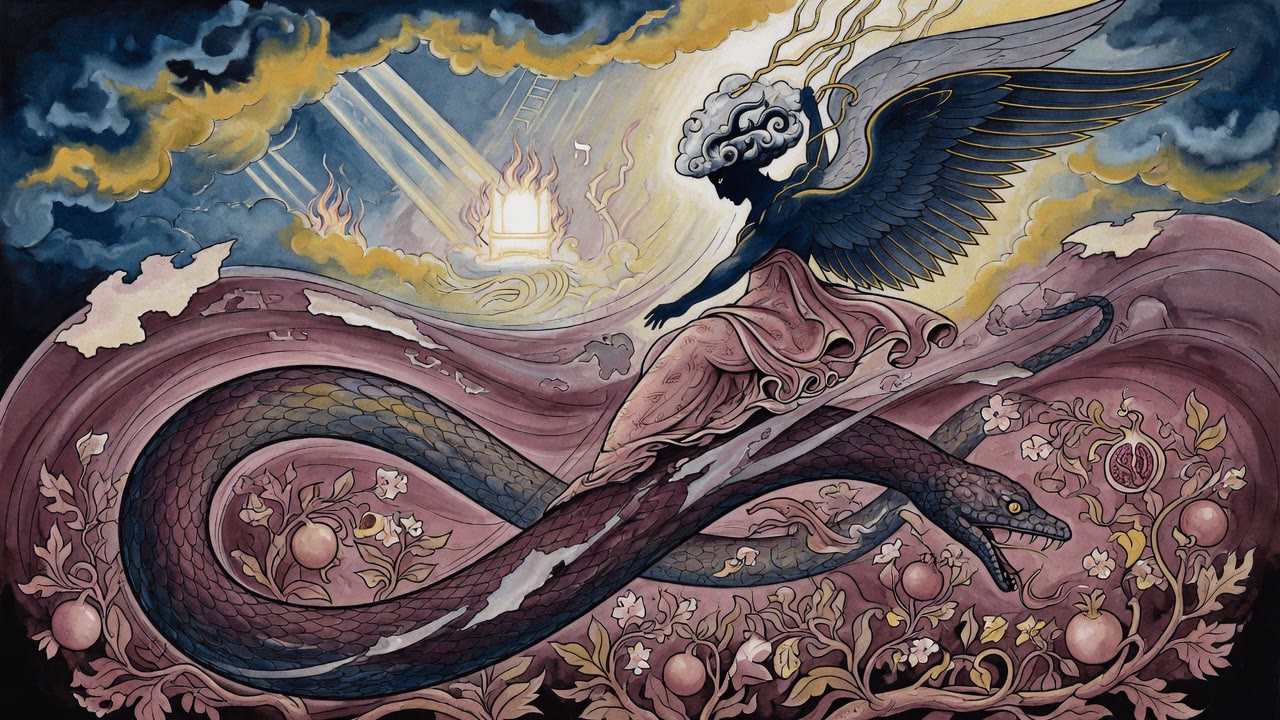
A king stood by a baker's oven. For a friend he drew out warm bread. For an enemy he raked up coals from the same fire.
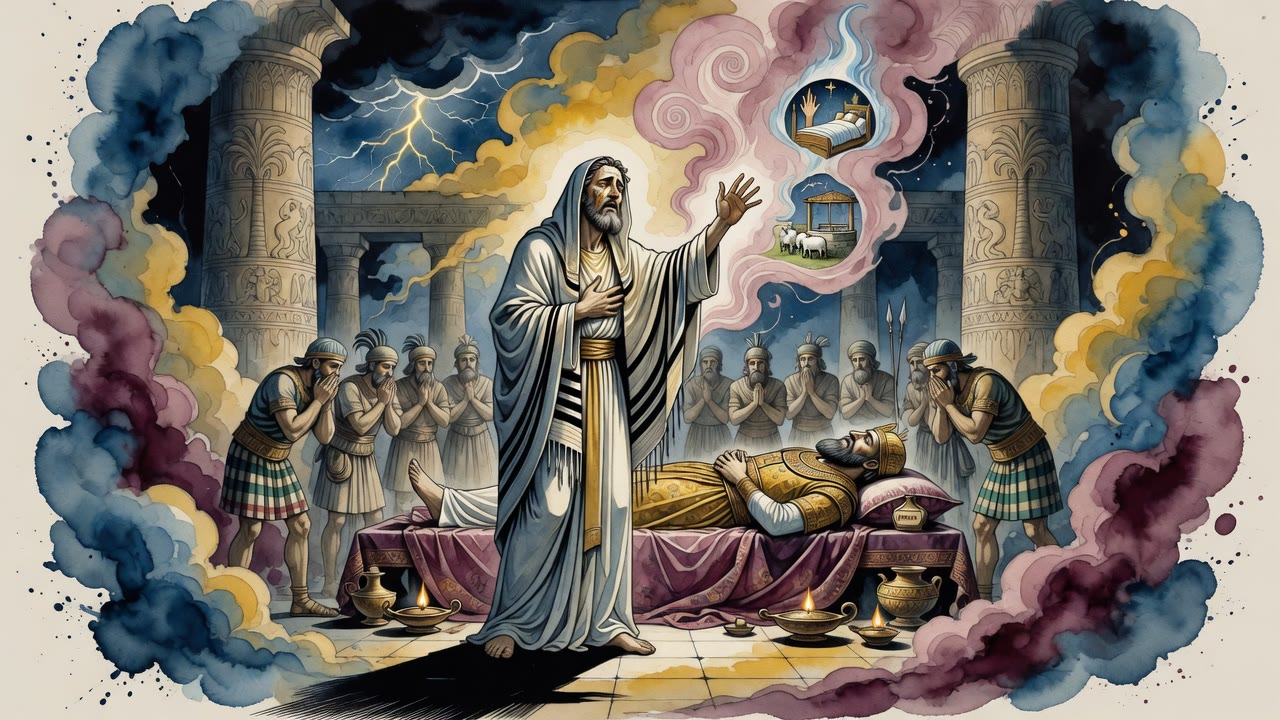
A twelve-year-old sat on Abimelech's throne and wore his father's name. Abraham came to Gerar to mourn, not to take land.
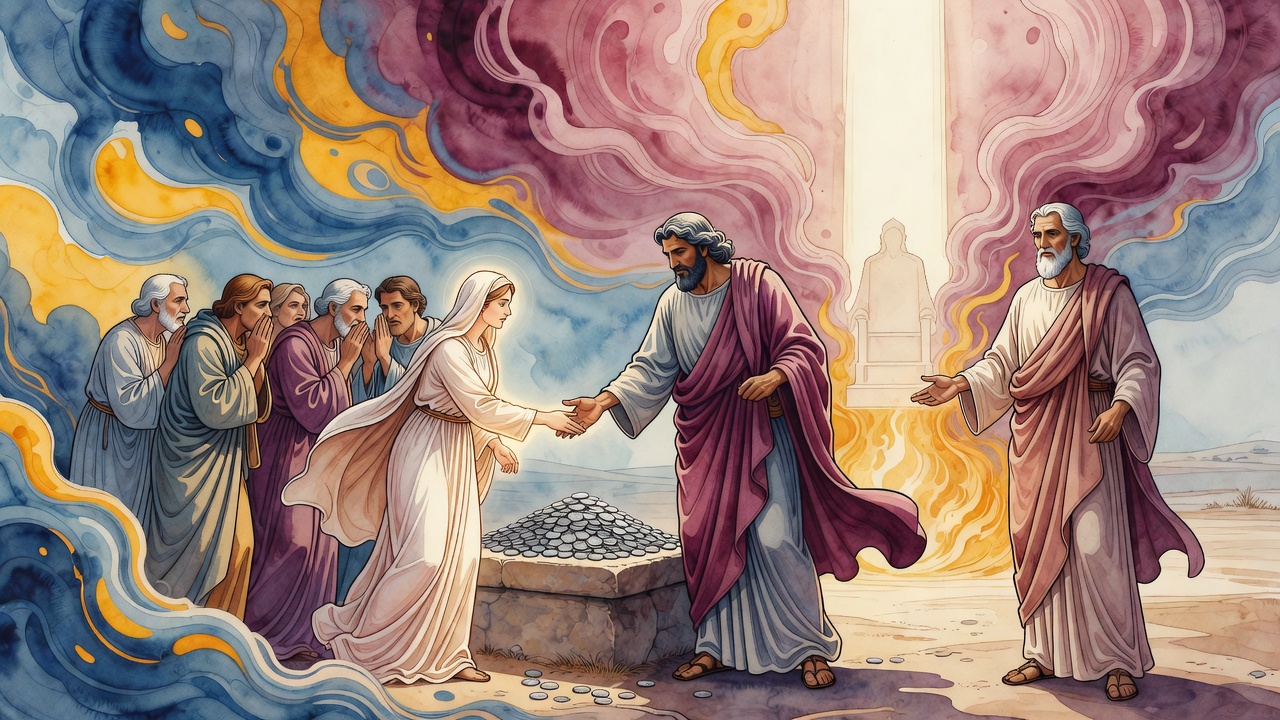
Sarah spent a night in the palace at Gerar. The king had not touched her, and he paid a thousand silver coins in public to stop the talk.
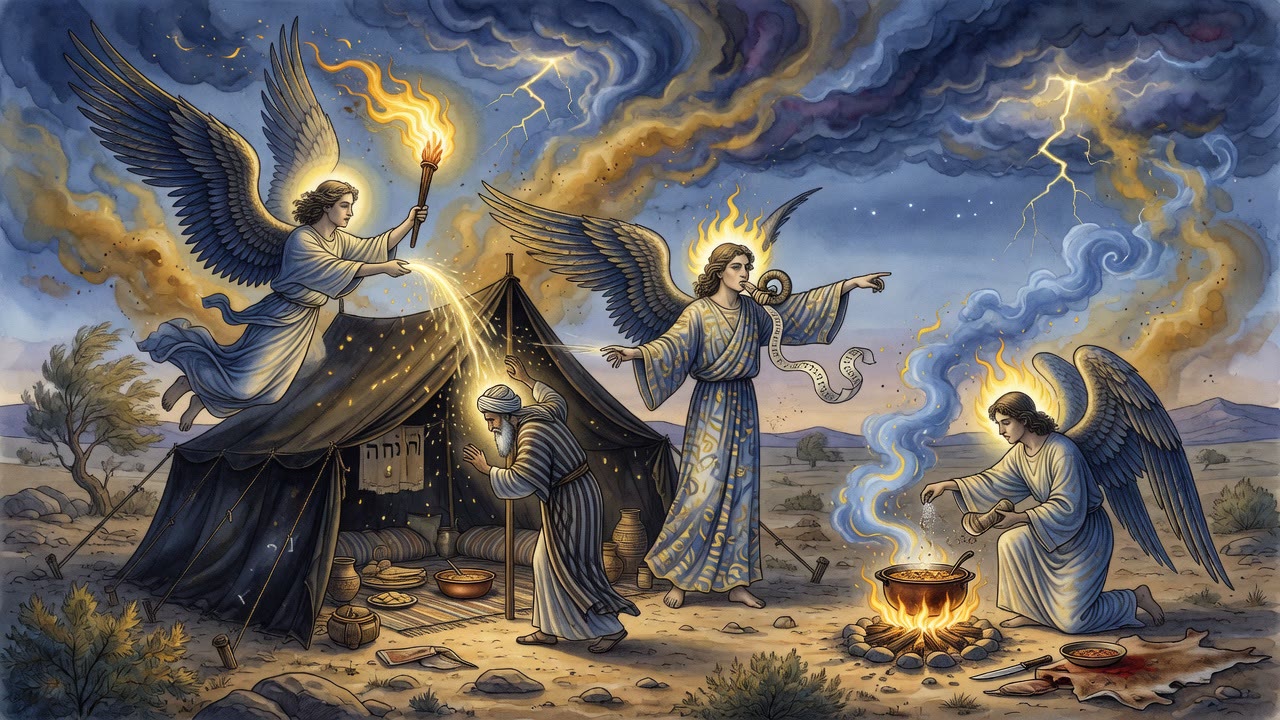
Abraham sat in the tent door three days after the knife, the air hot as Gehinnom. He still ran when the three men appeared on the road.
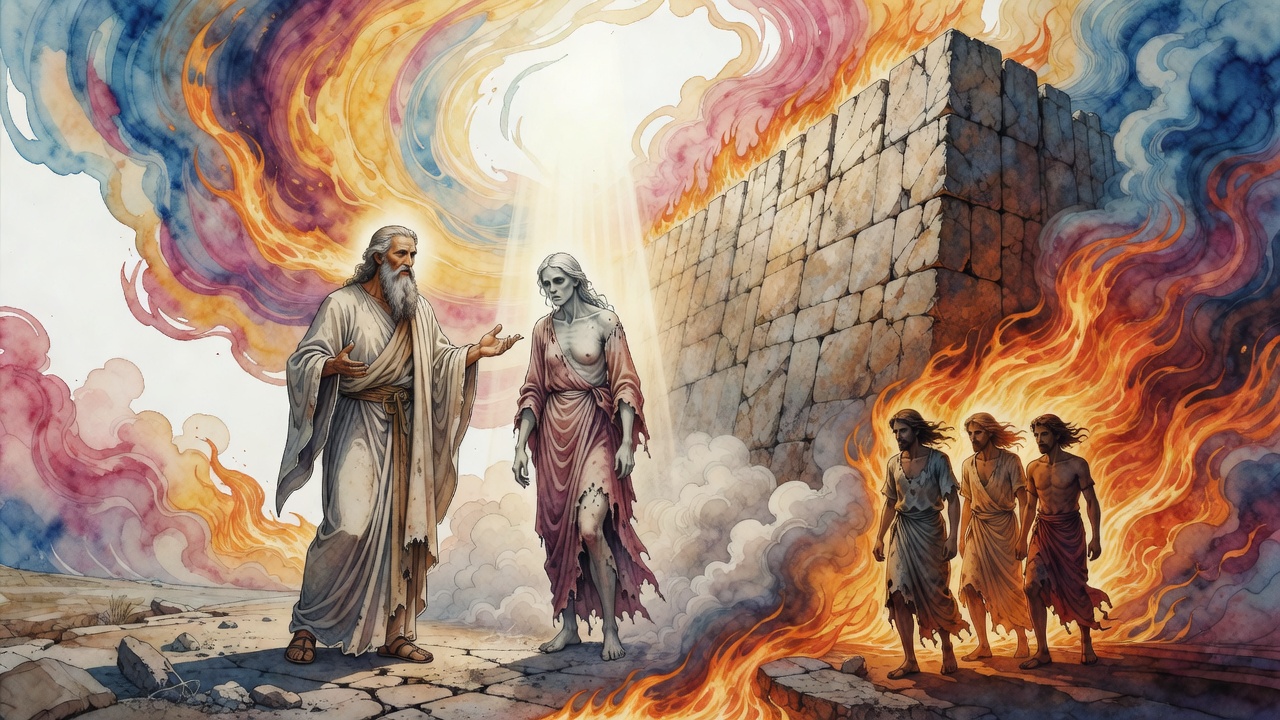
Two guests stood in the square until evening. Only one door opened. The city had cisterns and bread and no milk for anyone but itself.
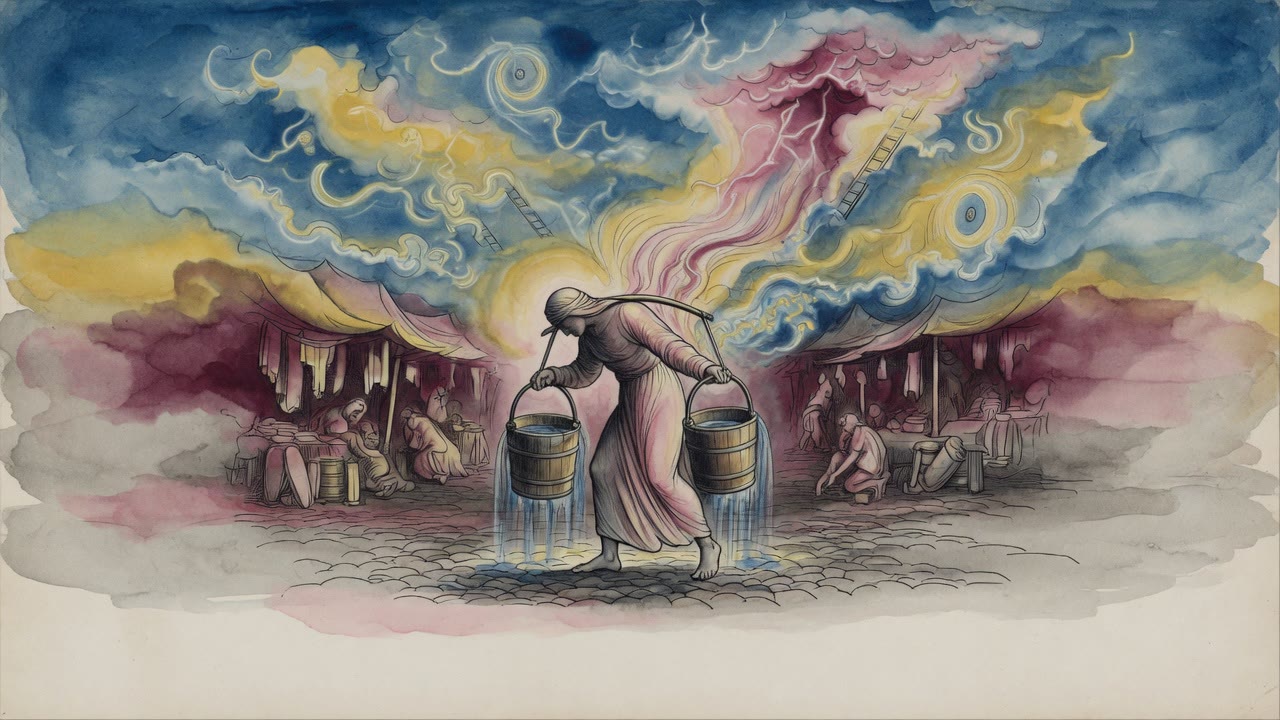
A water carrier lifts one more bucket as the world rests on his bent back. He is one of thirty-six hidden righteous, and he must never find out.
