Angels

1,809 texts · Page 17 of 38

The heavenly host in Jewish tradition: Michael, Gabriel, Raphael, and the countless angels who serve as messengers, warriors, and guardians.

When Abraham Argued With God for Sodom

Kabbalah & Mysticism Kabbalah & Mysticism

Rabbi Levi Yitzchak of Berditchev opens his commentary on Parshat Vayera (Genesis 18:1) with a puzzle: the Torah says "God appeared to him," using only the pronoun "him" instead of...

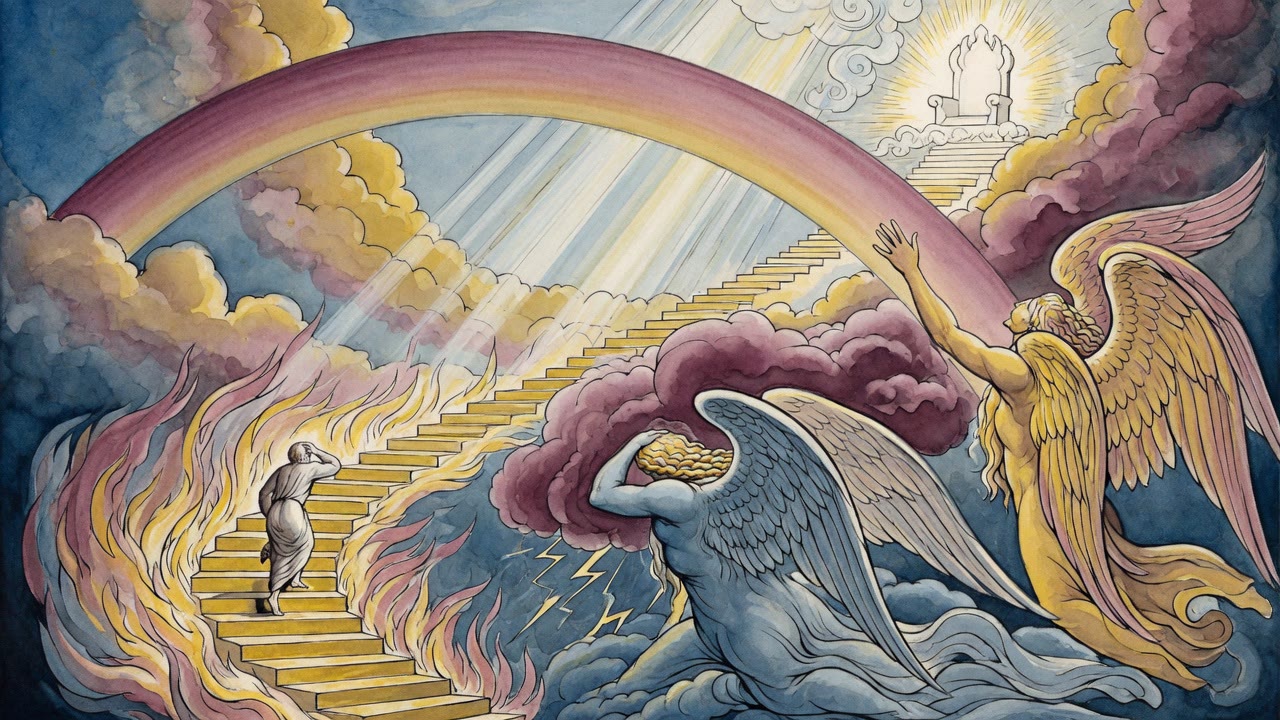
Jacob's Ladder and the Angels Going Up and Down

Kabbalah & Mysticism Kabbalah & Mysticism

"Jacob left Beer Sheva" (Genesis 28:10). Rabbi Levi Yitzchak of Berditchev connects this verse to a surprising topic: Chanukah. The word Chanukah (חנוכה) derives from chinukh (חנוך...

Jacob Wrestles the Angel and Wins a New Name

Kabbalah & Mysticism Kabbalah & Mysticism

"I have remained a stranger at Laban's" (Genesis 32:5). Rabbi Levi Yitzchak of Berditchev reports his father's brilliant reading of Jacob's message to Esau. The Hebrew word garti (...

Abraham's Tent Open on All Four Sides

Kabbalah & Mysticism Kabbalah & Mysticism

The opening of Parashat Vayera—"And God appeared to him at the terebinths of Mamre" (Genesis 18:1)—seems straightforward. Abraham is sitting at his tent, and God appears. But Rebbe...

The Book an Angel Gave Adam After Eden

Kabbalah & Mysticism Kabbalah & Mysticism

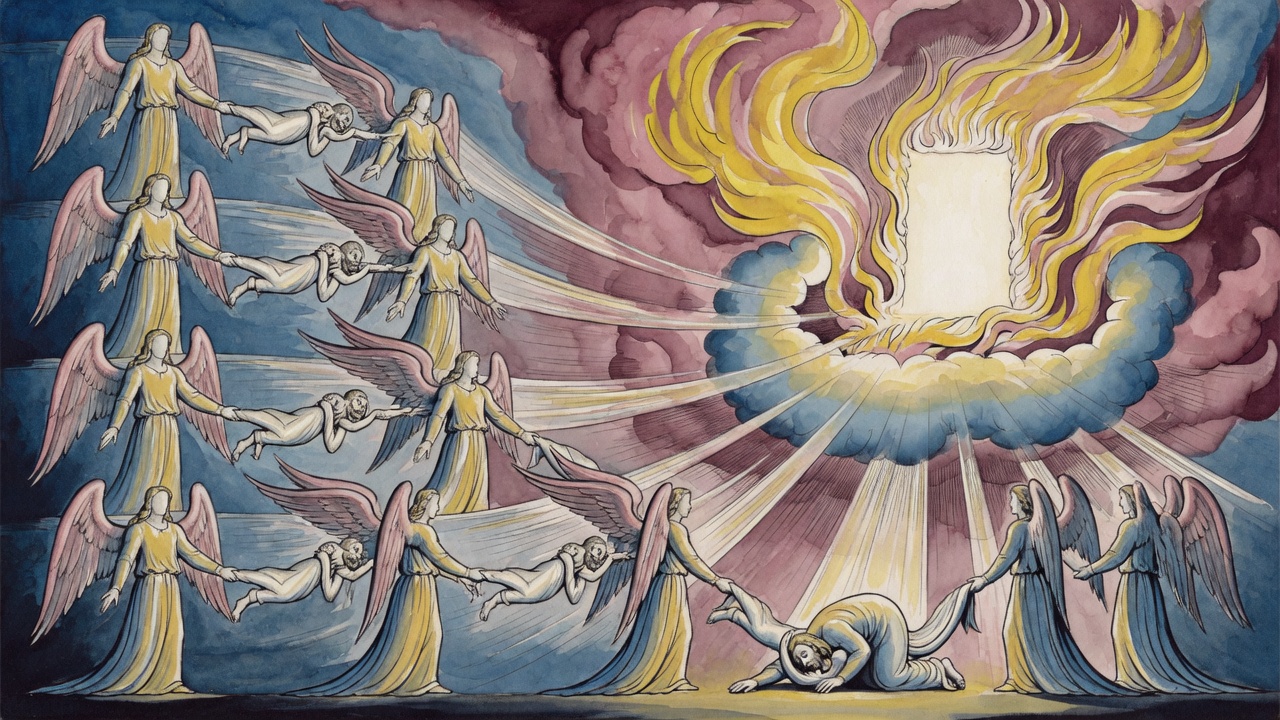
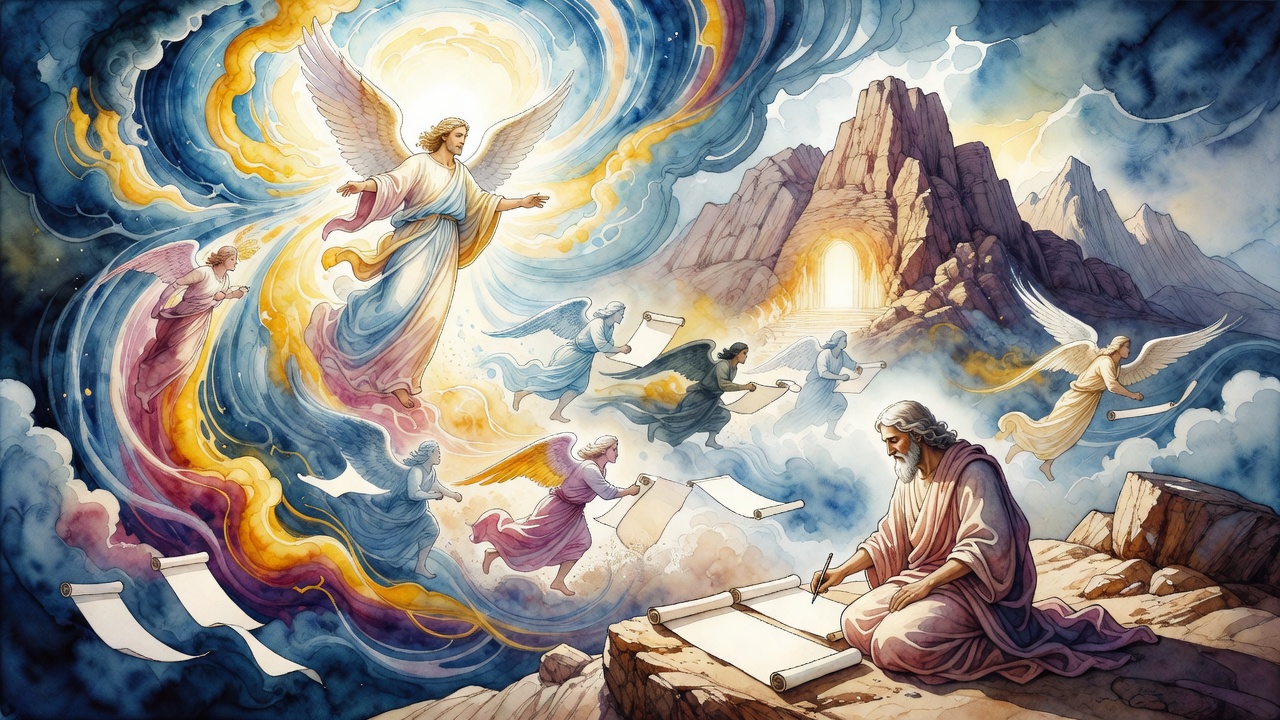
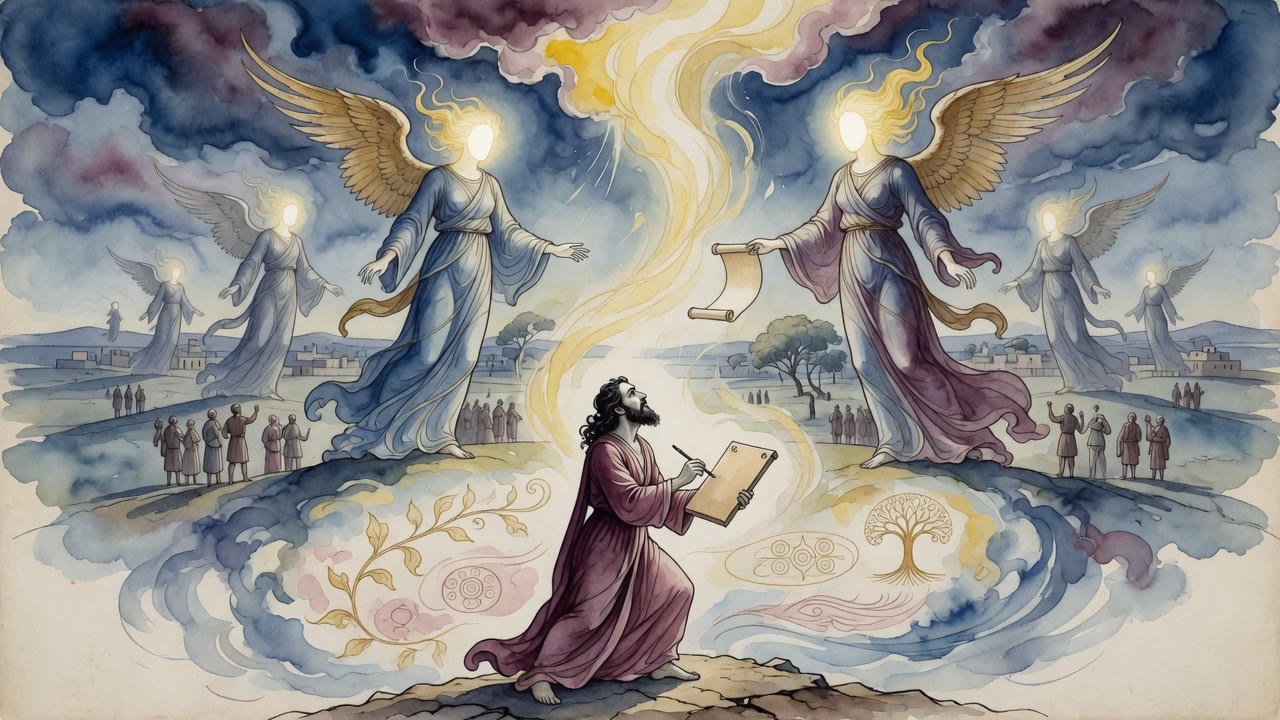
Sefer Raziel HaMalakh (ספר רזיאל המלאך), the Book of the Angel Raziel, opens with one of the most dramatic scenes in all of Jewish mystical literature. When Adam and Eve were expel...

The Seven Angel Armies Ranked by Raziel

Kabbalah & Mysticism Kabbalah & Mysticism

Sefer Raziel HaMalakh organizes the angelic realm into a staggeringly detailed hierarchy. This is not a vague reference to "hosts of heaven." The text names specific angels, assign...

Seven Heavens Mapped in Sefer Raziel

Kabbalah & Mysticism Kabbalah & Mysticism

Sefer Raziel HaMalakh contains a detailed cosmological map of the seven heavens—a tradition rooted in early rabbinic literature (Chagigah 12b) and expanded dramatically in the Hekh...

Angel-Inscribed Amulets That Guard the Living

Kabbalah & Mysticism Kabbalah & Mysticism

The most widely used section of Sefer Raziel HaMalakh in everyday Jewish life was not its theology or cosmology—it was its collection of amulets. Known as kame'ot (קמעות), these pr...

The Angel Raziel's Guide to Stars and Seasons

Kabbalah & Mysticism Kabbalah & Mysticism

Buried in the middle of Sefer Raziel HaMalakh is a detailed astronomical and calendrical section that reads more like a scientific manual than a mystical text. It catalogs the move...

How the Book of Raziel Passed From Adam to Solomon

Kabbalah & Mysticism Kabbalah & Mysticism

The narrative frame of Sefer Raziel HaMalakh traces an extraordinary chain of transmission—a single book passed from hand to hand across the entire span of biblical history, each r...

Raziel's Secret Alphabet for Writing Angel Names

Kabbalah & Mysticism Kabbalah & Mysticism

Sefer Raziel HaMalakh contains something truly unusual for a mystical text—an alternative alphabet. Several of them, in fact. These are not the standard 22 Hebrew letters but speci...

The Sword of Moses and Its Chain of Angels

Kabbalah & Mysticism Kabbalah & Mysticism

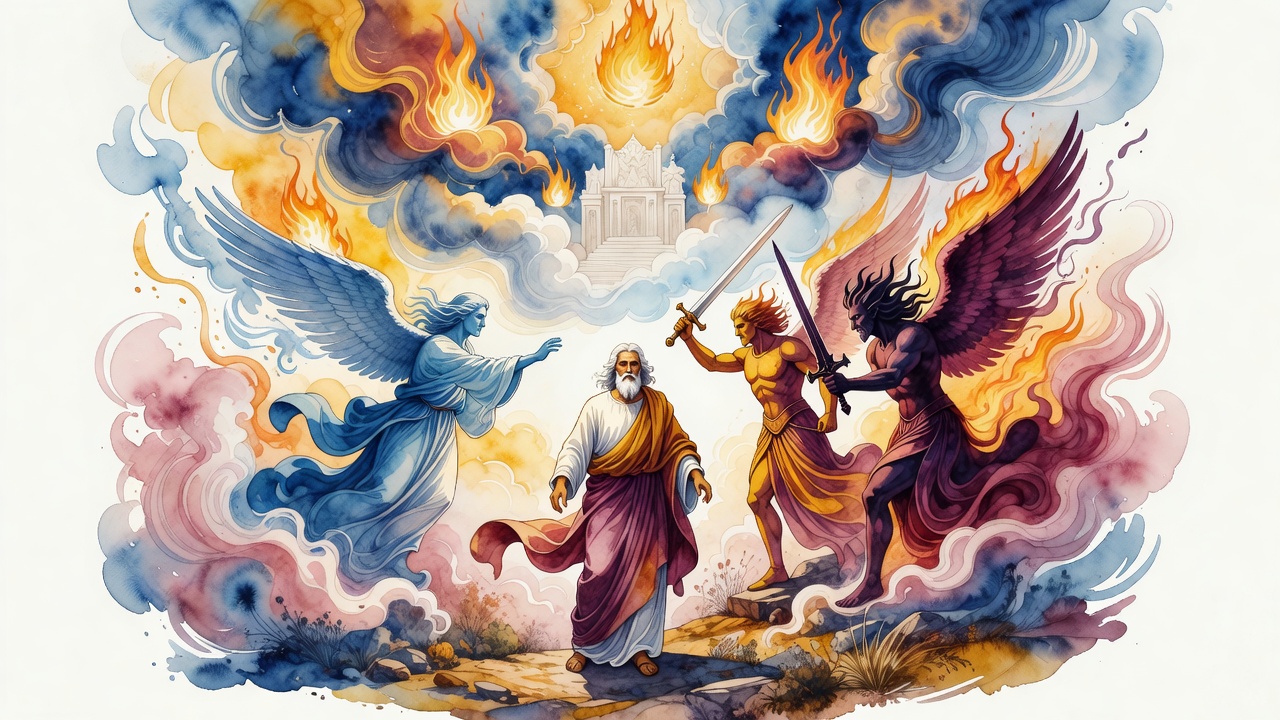
Harba de-Moshe (חרבא דמשה), the Sword of Moses, is one of the most important Jewish theurgic texts from the Geonic period. First published by Moses Gaster in 1896 from a unique man...

From God to Moses to Metatron to You

Kabbalah & Mysticism Kabbalah & Mysticism

The transmission narrative in Harba de-Moshe (the Sword of Moses) is one of the most elaborate chains of divine authority in all of Jewish literature. It traces a path from God to ...

Seventy Divine Names Hidden in the Sword of Moses

Kabbalah & Mysticism Kabbalah & Mysticism

The heart of Harba de-Moshe (the Sword of Moses) is its catalog of divine names—and the greatest of these is the Great Name, composed of 70 component names. The number 70 is not ar...

Adjurations for Healing and Protection in the Sword

Kabbalah & Mysticism Kabbalah & Mysticism

The practical section of Harba de-Moshe (the Sword of Moses) reads like a catalog of emergencies and the divine names that solve them. Fever, snakebite, enemy attack, court cases, ...

Angels of the First Heaven Control the Weather

Kabbalah & Mysticism Kabbalah & Mysticism

Sefer HaRazim (ספר הרזים), the Book of Mysteries, is a Jewish theurgic text dating to approximately the 3rd-4th century CE, making it one of the earliest structured works of Jewish...

Angels of Punishment Dwell in the Second Heaven

Kabbalah & Mysticism Kabbalah & Mysticism

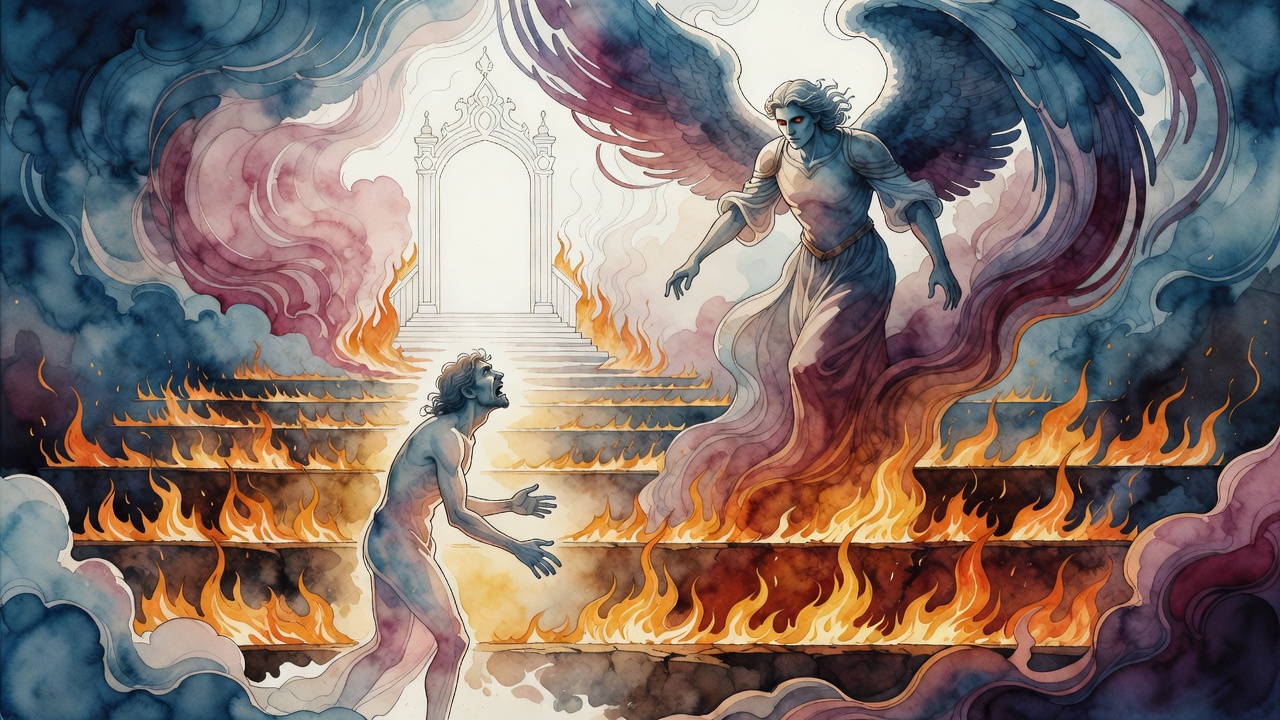
The second heaven in Sefer HaRazim takes a dark turn. Where the first heaven teems with angels who serve human needs—weather, healing, agriculture—the second heaven is populated by...

Angels of Fire and Light in the Third Heaven

Kabbalah & Mysticism Kabbalah & Mysticism

The third heaven in Sefer HaRazim is a realm of fire and celestial light—but not the destructive fire of the second heaven. Here, fire is creative and purifying. The angels of the ...

Angels Who Drive the Chariot of the Sun

Kabbalah & Mysticism Kabbalah & Mysticism

The fourth heaven of Sefer HaRazim is dominated by a single spectacular image—the chariot of the sun, pulled across the sky each day by angels of fire. This is not a metaphor. The ...

Angels of Divine Wrath Guard the Fifth Heaven

Kabbalah & Mysticism Kabbalah & Mysticism

The fifth heaven of Sefer HaRazim marks a transition from the functional heavens below—weather, punishment, light, and the sun—to the more abstract and terrifying realms above. Her...

Angels of Purity and Wisdom in the Sixth Heaven

Kabbalah & Mysticism Kabbalah & Mysticism

The sixth heaven of Sefer HaRazim is a realm of crystalline purity where the angels exist in a state of perpetual holiness. After the escalating intensity of the lower heavens—from...

The Throne of God in the Seventh Heaven

Kabbalah & Mysticism Kabbalah & Mysticism

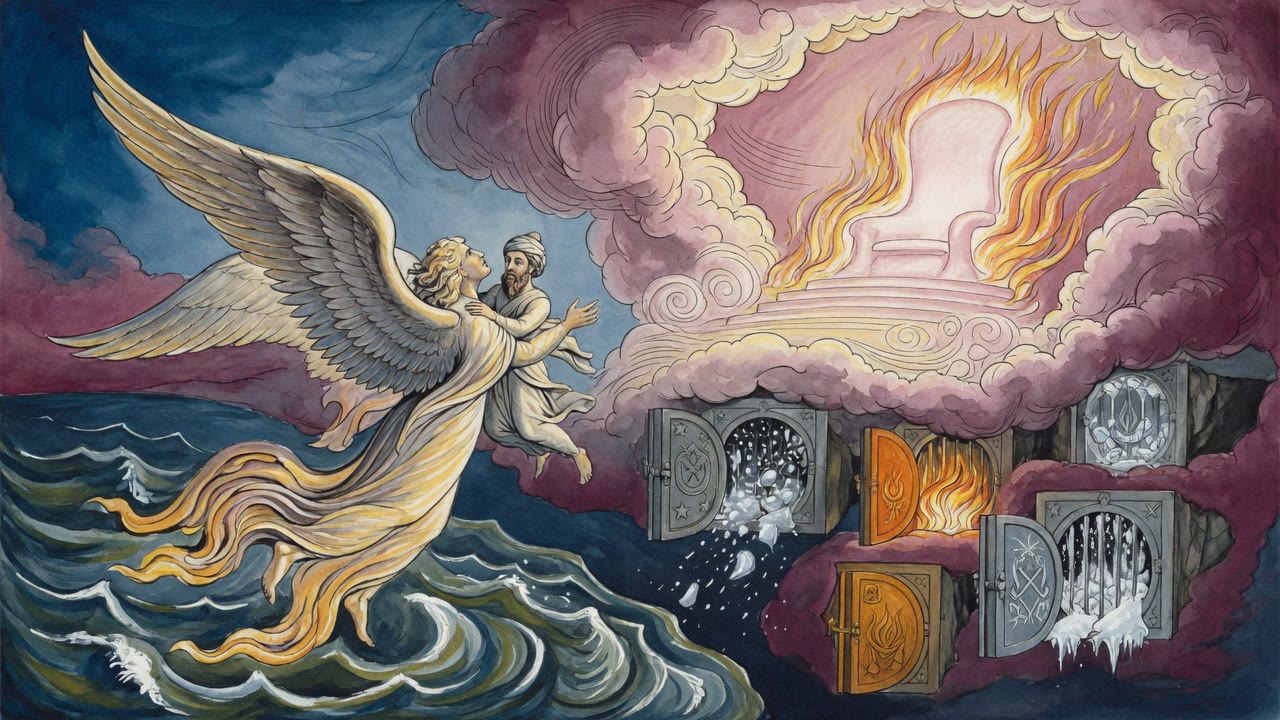
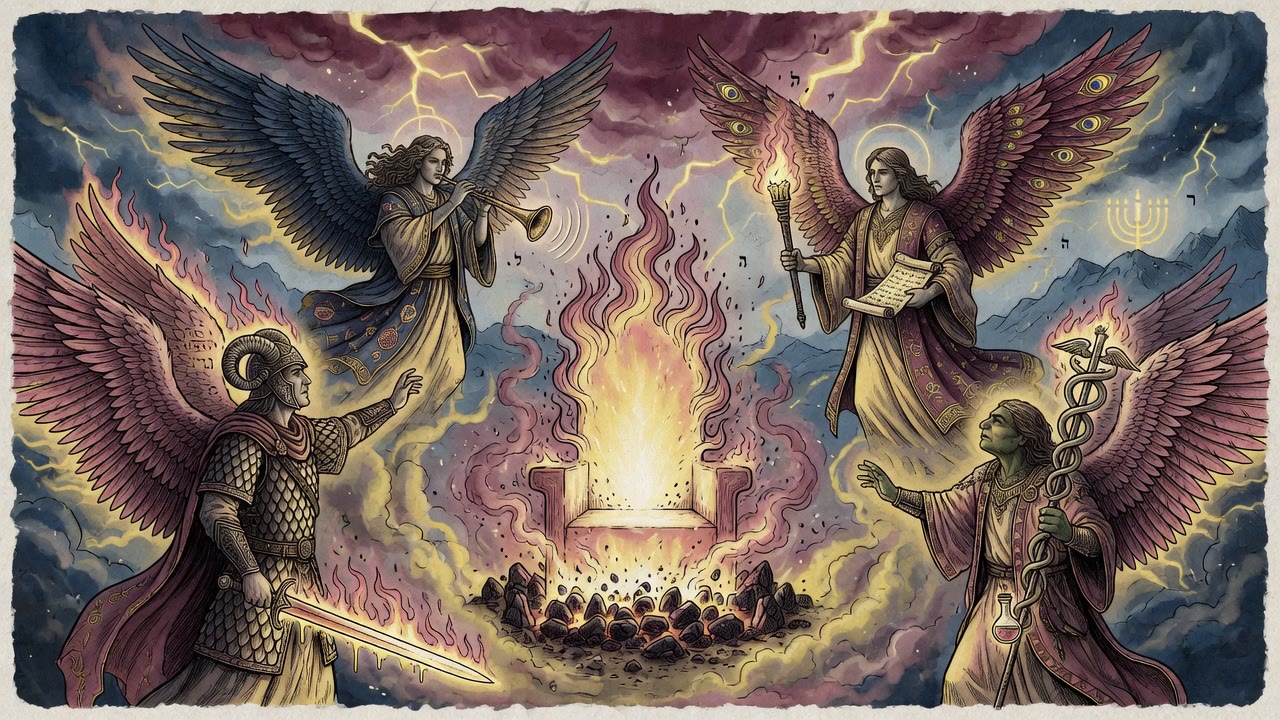
The seventh heaven in Sefer HaRazim is where the text's ascending structure reaches its climax—the Kisei HaKavod (כסא הכבוד), the Throne of Glory, where God sits in unapproachable ...

Psalms That Shield You From Danger

Kabbalah & Mysticism Kabbalah & Mysticism

The protection Psalms in Shimush Tehillim are the text's most famous and widely practiced section. For centuries, Jewish communities around the world have recited specific Psalms i...

The Mystic Ascends Through Seven Heavenly Palaces

Kabbalah & Mysticism Kabbalah & Mysticism

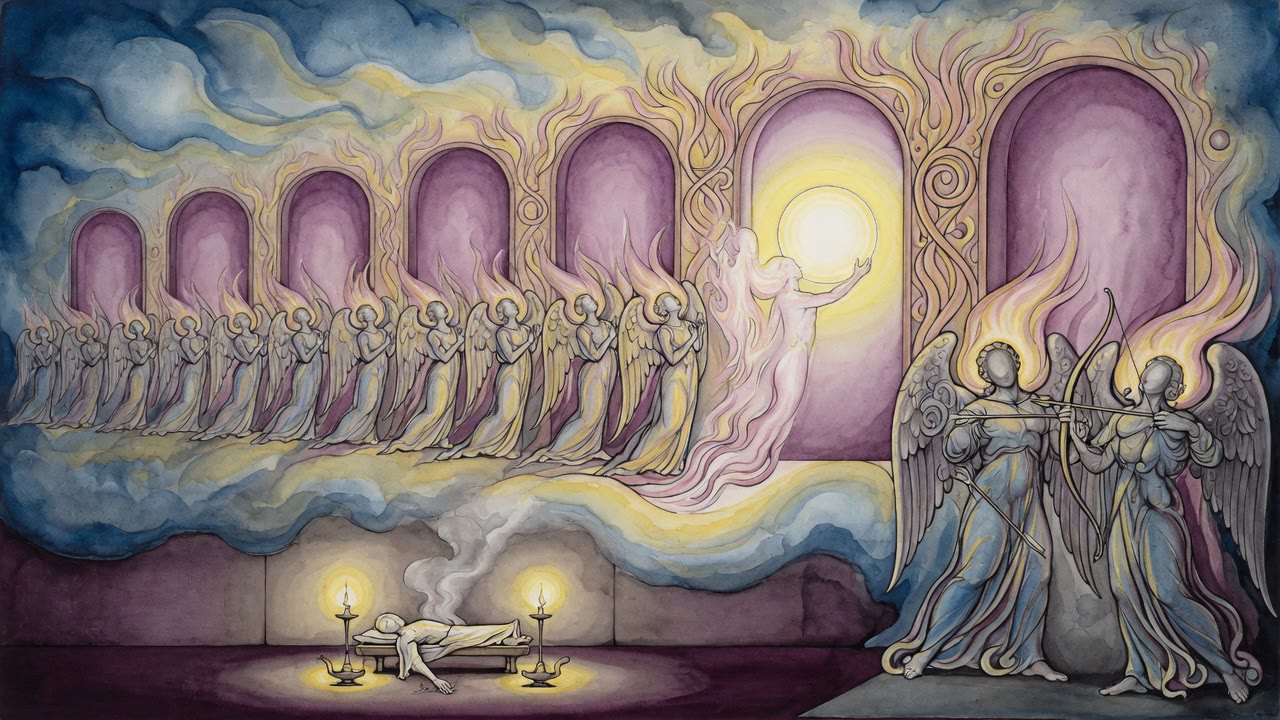
Maaseh Merkavah (מעשה מרכבה), the Work of the Chariot, is a Hekhalot (the heavenly palaces) text that provides a first-person account of the mystic's ascent through the seven heave...

Angelic Guards Demand Passwords at Every Gate

Kabbalah & Mysticism Kabbalah & Mysticism

The most dangerous part of the heavenly ascent described in Maaseh Merkavah (the Divine Chariot) is not the destination—it is the journey. At each of the seven gates leading to the...

What the Mystic Sees in the Throne Room of God

Kabbalah & Mysticism Kabbalah & Mysticism

The climax of Maaseh Merkavah (the Divine Chariot) is the mystic's arrival in the seventh palace—the throne room of God. After passing through six gates, surviving the challenges o...

Shedim, Mazzikim, and Ruhot - A Field Guide to Jewish Demons

Kabbalah & Mysticism Kabbalah & Mysticism

Jewish demonology recognizes three main classes of evil spirits, though as Joshua Trachtenberg noted, medieval Jews had long stopped distinguishing between them. The shedim (שדים) ...

How Angels Served as Magical Agents in Jewish Tradition

Kabbalah & Mysticism Kabbalah & Mysticism

If demons crowded the dark spaces of medieval Jewish life, angels filled the light. Joshua Trachtenberg showed that Jewish angelology was not merely theological—it was operational....

The Power Hidden Inside God's Secret Names

Kabbalah & Mysticism Kabbalah & Mysticism

The most potent force in Jewish magic was not an herb, a stone, or a demon. It was a name. Joshua Trachtenberg demonstrated that the entire architecture of Jewish supernatural prac...

How Medieval Jews Waged War Against Demons

Kabbalah & Mysticism Kabbalah & Mysticism

Medieval Jews did not merely fear demons. They fought them—systematically, ritually, and with an arsenal of weapons that combined Talmudic tradition, Kabbalistic innovation, and sh...

Black-Handled Knives and Child Mediums in Jewish Divination

Kabbalah & Mysticism Kabbalah & Mysticism

Despite the Torah's explicit prohibition against divination (Deuteronomy 18:10-12), medieval Jews practiced it extensively—and spent centuries debating exactly where the line fell ...

The Talmud's Dream Interpretation Manual

Kabbalah & Mysticism Kabbalah & Mysticism

Dreams occupied a unique space in Jewish tradition—neither fully trusted nor fully dismissed, they hovered between divine communication and meaningless noise. The Talmud devotes ex...

Mazal, Zodiac Signs, and Poisoned Water at the Equinox

Kabbalah & Mysticism Kabbalah & Mysticism

The Hebrew word mazal (מזל) originally meant "constellation" or "star." Only gradually did it shift to mean "luck"—and the journey of that word tells the story of Jewish astrology ...

Why Rabbi Yochanan Dismounted When Eleazar Expounded the Chariot

Kabbalah & Mysticism Kabbalah & Mysticism

Rabbi Yochanan ben Zakkai was riding his donkey along a road when his student Rabbi Eleazar ben Arach asked for permission to expound the secrets of the Ma'aseh Merkavah, the myste...

And whence is it derived that they did not change their names

Mekhilta DeRabbi Yishmael Mekhilta DeRabbi Yishmael

One of the most remarkable claims in rabbinic tradition is that the Israelites preserved their identity throughout centuries of Egyptian bondage by refusing to change their names. ...

God Struck Egypt's Firstborn Personally, Not Through Any Angel

Mekhilta DeRabbi Yishmael Mekhilta DeRabbi Yishmael

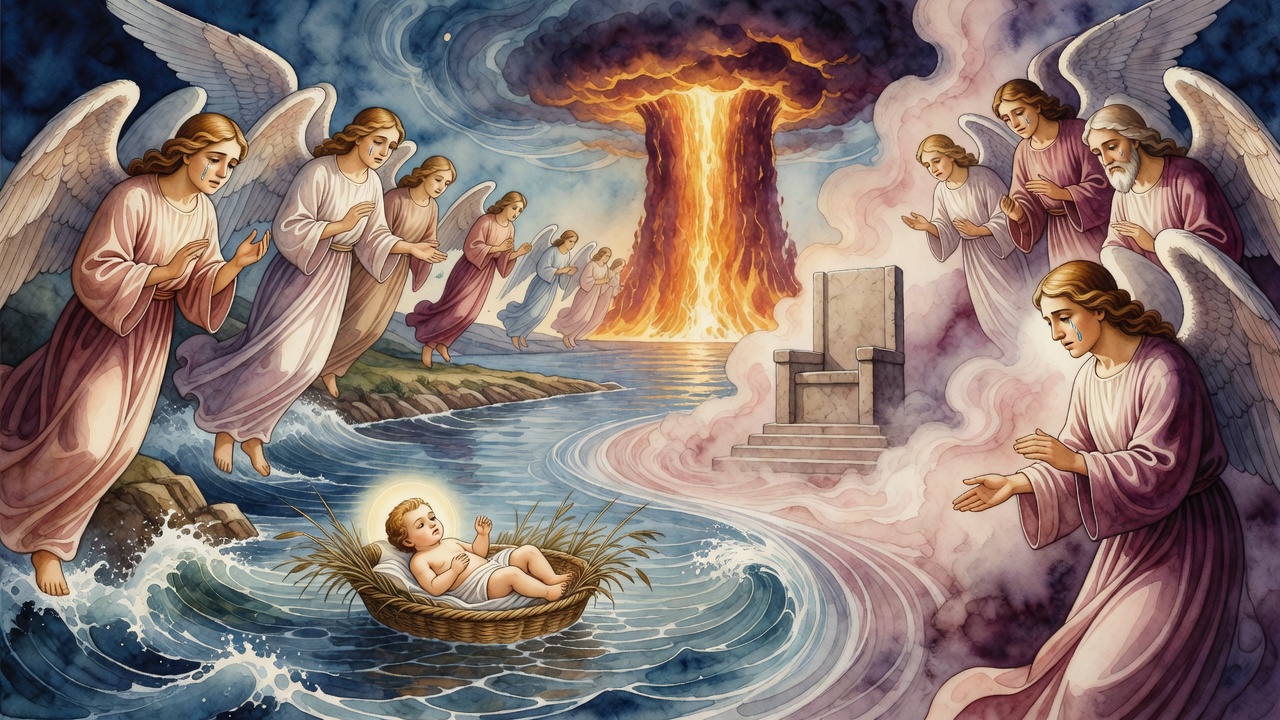
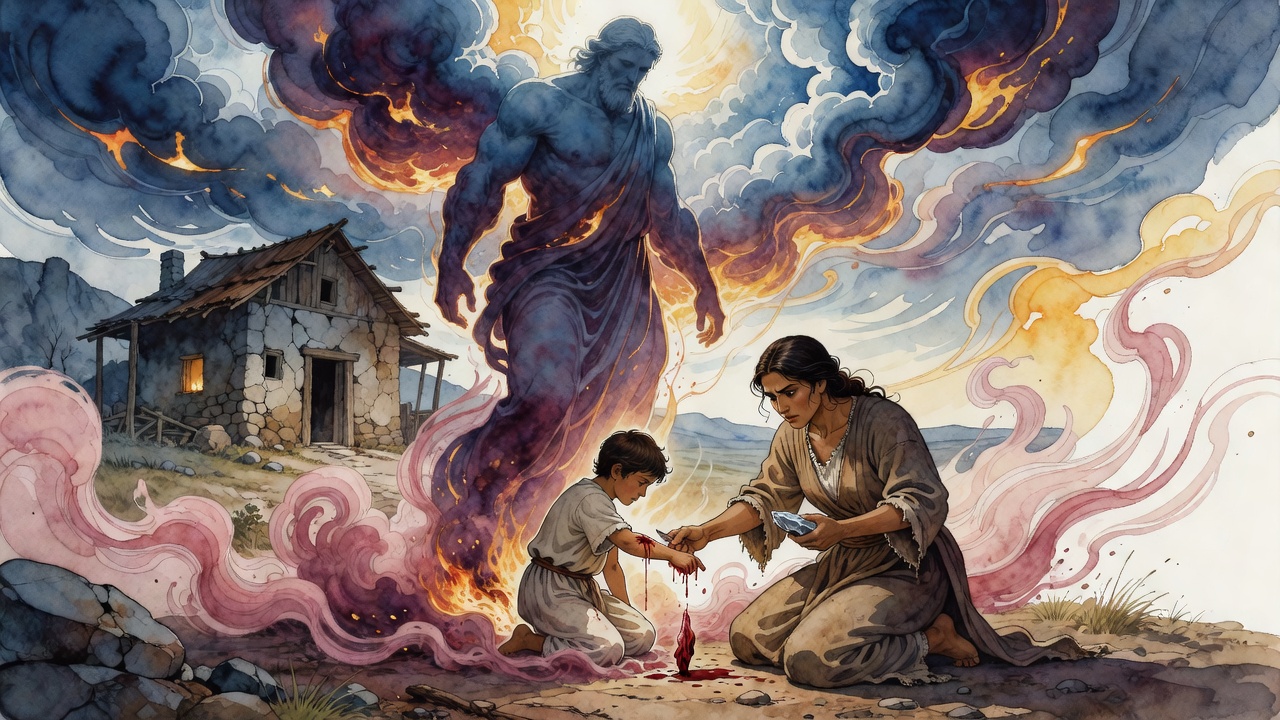
The night of the tenth plague was unlike anything Egypt had ever witnessed. Every firstborn in the land — from the heir of Pharaoh sitting on his throne to the firstborn of the cap...

I took out your hosts" — the hosts of Israel

Mekhilta DeRabbi Yishmael Mekhilta DeRabbi Yishmael

The Torah describes the Exodus with the phrase "I took out your hosts." The Mekhilta asks a question that might seem obvious but carries deep theological weight: whose hosts are be...

and the L–rd smote every first-born" — I might think through

Mekhilta DeRabbi Yishmael Mekhilta DeRabbi Yishmael

The Mekhilta, the tannaitic midrash on Exodus, addresses a question that cuts to the heart of the Passover story: who actually killed the firstborn of Egypt? The verse states simpl...

"and it was at the end of four hundred (Exodus 12:41)

Mekhilta DeRabbi Yishmael Mekhilta DeRabbi Yishmael

(Exodus 12:41) "and it was at the end of four hundred and thirty years": We are hereby apprised that when the time arrived, the L–rd did not delay them for one moment. On the fifte...

21) "And the L–rd went before them by day" — We are hereby

Mekhilta DeRabbi Yishmael Mekhilta DeRabbi Yishmael

(Exodus, Ibid. 21) "And the L–rd went before them by day": We are hereby taught that as one metes it out to others, so is it meted out to him. Abraham accompanied the ministering a...

"And the L–rd went before them by day" — Can (Exodus 13:21)

Mekhilta DeRabbi Yishmael Mekhilta DeRabbi Yishmael

(Exodus 13:21) "And the L–rd went before them by day": Can this be said? Is it not written (Jeremiah 23:22) "'Do I not fill the heavens and the earth?' says the L–rd"? and (Isaiah ...

Variantly — "Stand ready to see the salvation of the L–rd"

Mekhilta DeRabbi Yishmael Mekhilta DeRabbi Yishmael

Variantly: "Stand ready to see the salvation of the L–rd": They: When? Moses: Tomorrow. They: Moses our teacher we do not have the strength to wait. At that time Moses prayed and t...

"And the angel of G–d, who went before (Exodus 14:19)

Mekhilta DeRabbi Yishmael Mekhilta DeRabbi Yishmael

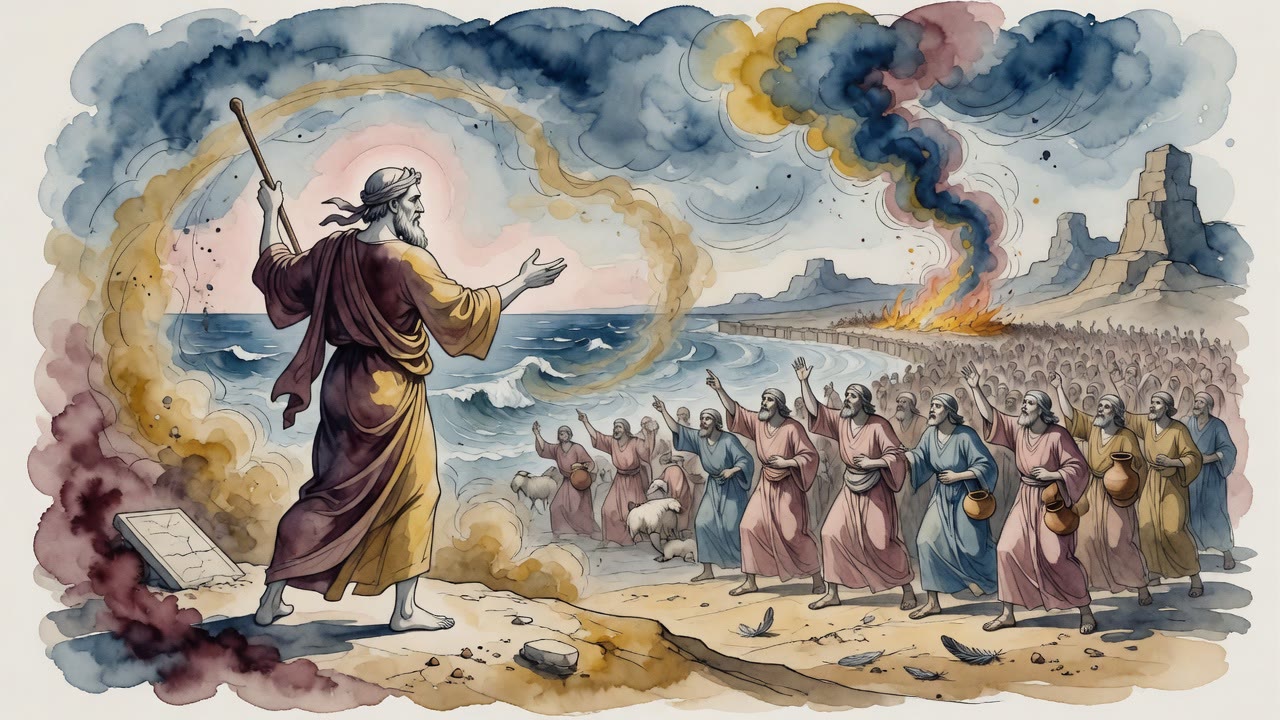
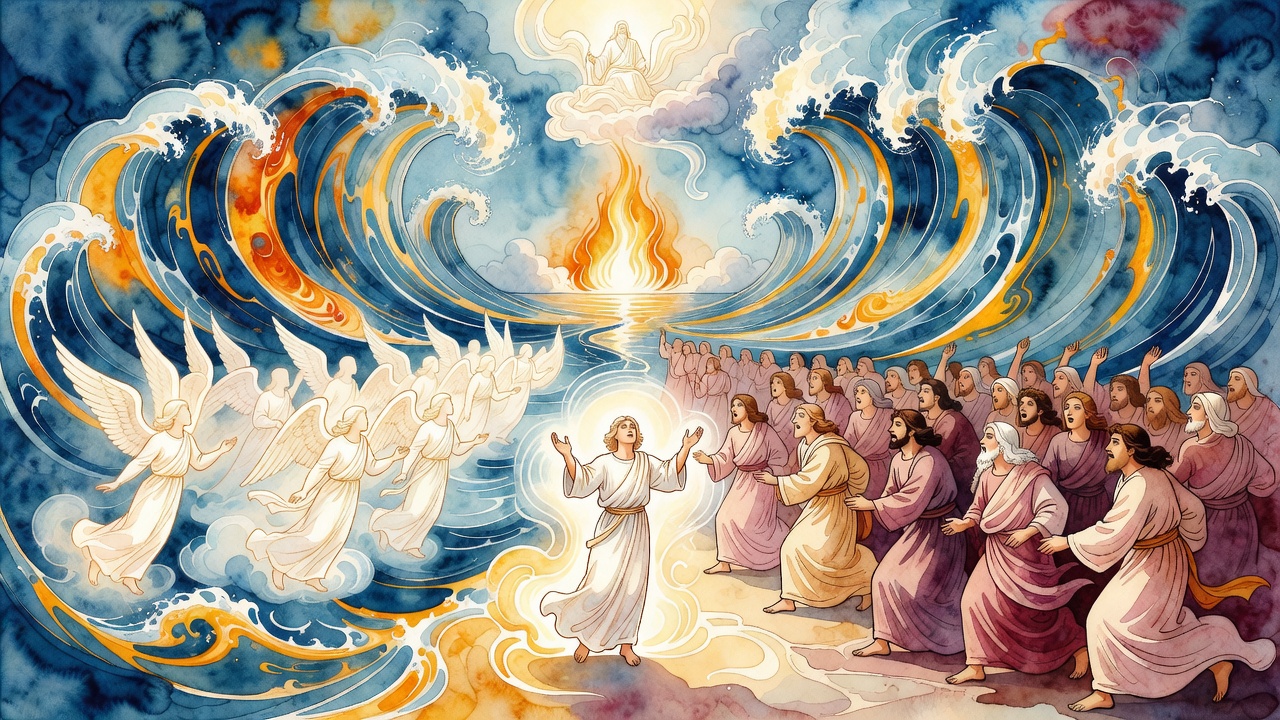
When the Israelites stood trapped between the sea ahead and Pharaoh's army behind, a single verse describes the moment the divine rescue began (Exodus 14:19): "And the angel of God...

Yochai — In all places you find "the angel of the L–rd

Mekhilta DeRabbi Yishmael Mekhilta DeRabbi Yishmael

R. Nathan asked R. Shimon b. Yochai: In all places you find "the angel of the L–rd ("yod-keh-vav-keh")—(Genesis 16:7) "and an angel of the L–rd found her"—(Ibid. 9) "and the angel ...

"And it (the cloud) came between the camp (Exodus 14:20)

Mekhilta DeRabbi Yishmael Mekhilta DeRabbi Yishmael

(Exodus 14:20) "And it (the cloud) came between the camp of Egypt and the camp of Israel, and it was cloud and darkness"—cloud for Israel and darkness for Egypt; Israel in the ligh...

An analogy — A dove, fleeing a hawk, enters a king's palace

Mekhilta DeRabbi Yishmael Mekhilta DeRabbi Yishmael

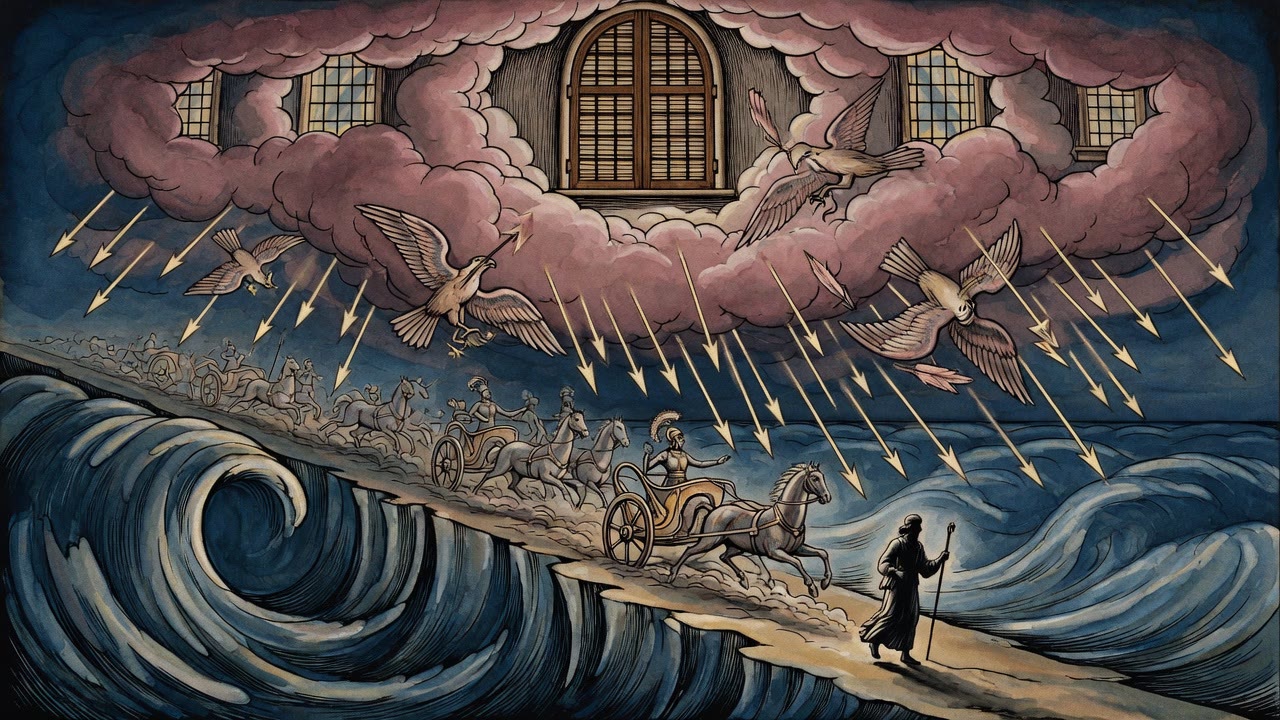
An analogy: A dove, fleeing a hawk, enters a king's palace, whereupon the king opens the eastern window for her, whence she escapes. The hawk, following, the king closes all the wi...

And the ministering angels were astounded (at Israel's

Mekhilta DeRabbi Yishmael Mekhilta DeRabbi Yishmael

The ministering angels were astounded (at Israel's survival), saying: "Idolators walking on the dry land in the midst of the sea!" And whence is it derived that the sea, too, was f...

Pappus expounded (Genesis 3 — 22) ("and the L–rd G–d said — )

Mekhilta DeRabbi Yishmael Mekhilta DeRabbi Yishmael

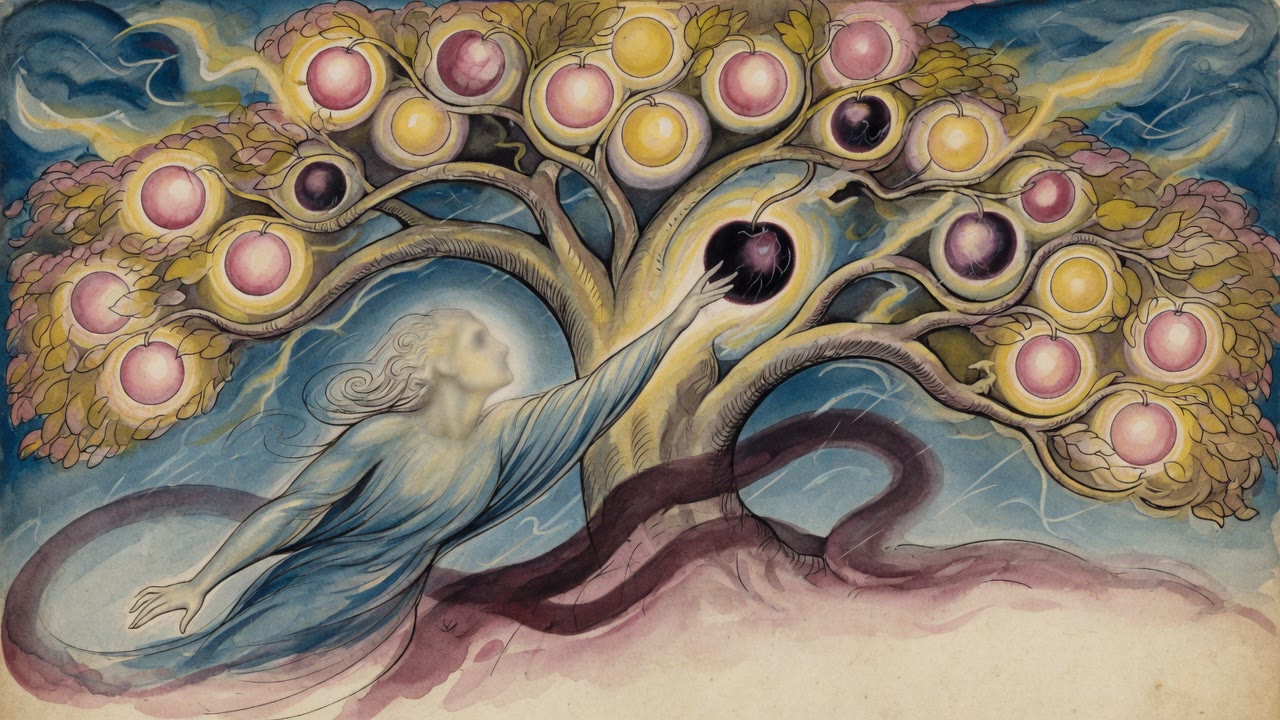
Pappus and Rabbi Akiva clashed again, this time over one of the most enigmatic verses in Genesis. After Adam ate from the Tree of Knowledge, God said: "Behold, the man has become l...