7 myths
Each story names the sources it was written from.
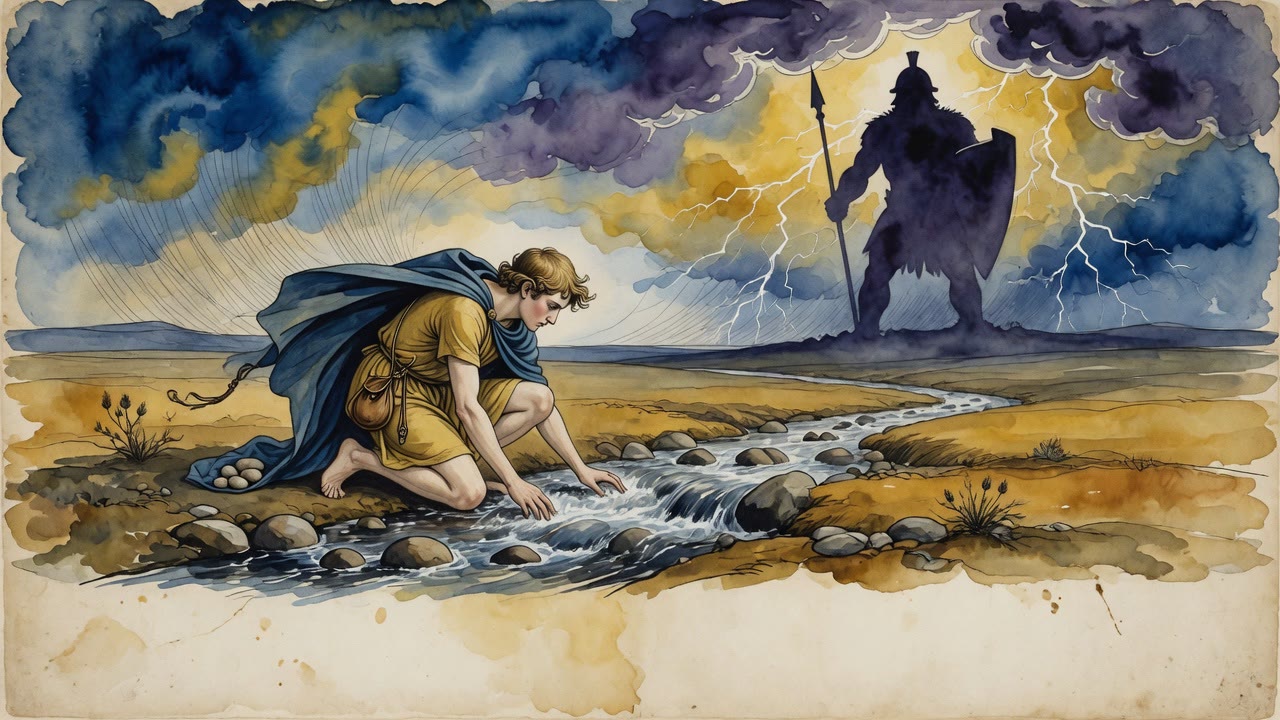
David chose five stones at the brook, but the midrash makes the whole created world hurry into his hand before Goliath fell.
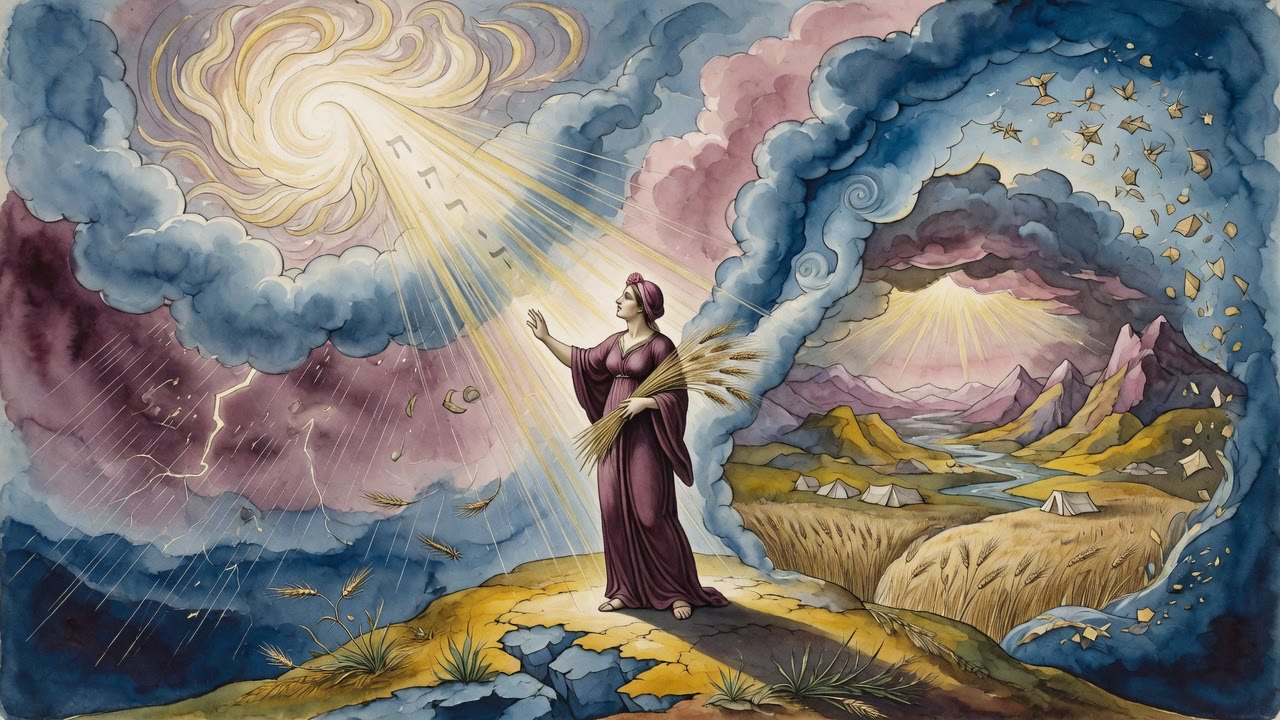
Ruth bowed in Boaz's field and asked why he had shown her kindness. The Tikkunei Zohar saw the Shekhinah, the Divine Presence, in her posture.
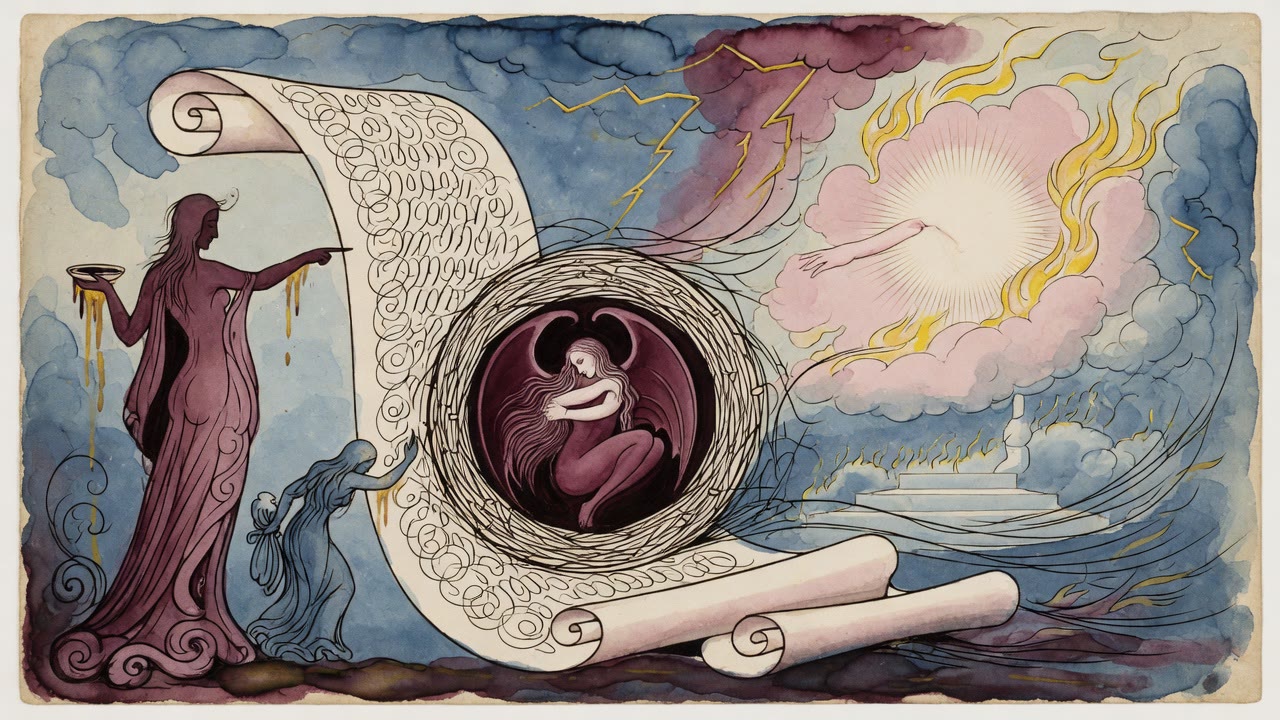
Joseph saw a sheaf stand upright in a field. The Tikkunim read it as the letter Aleph wearing a crown, the same letter at the top of Jacob's ladder.
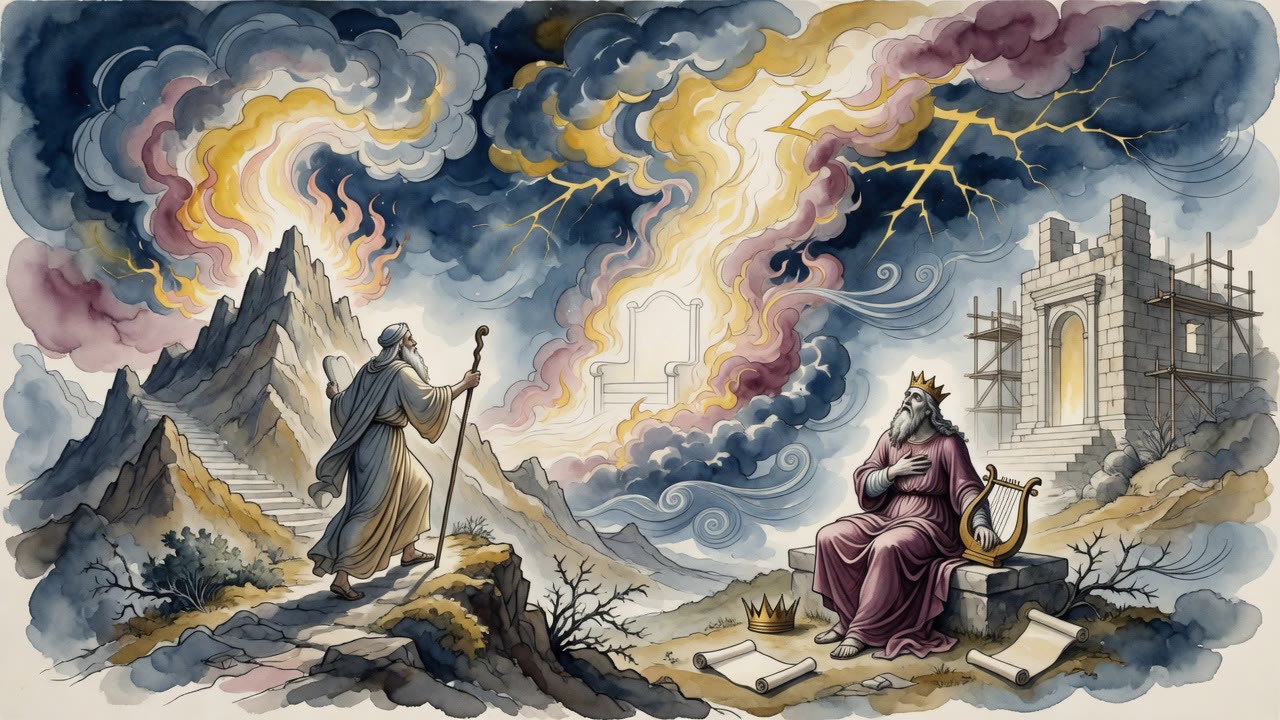
Bereishit is the first word of the Torah. The mystics say Lilith hid inside its six letters and waited there for a crack she could widen.
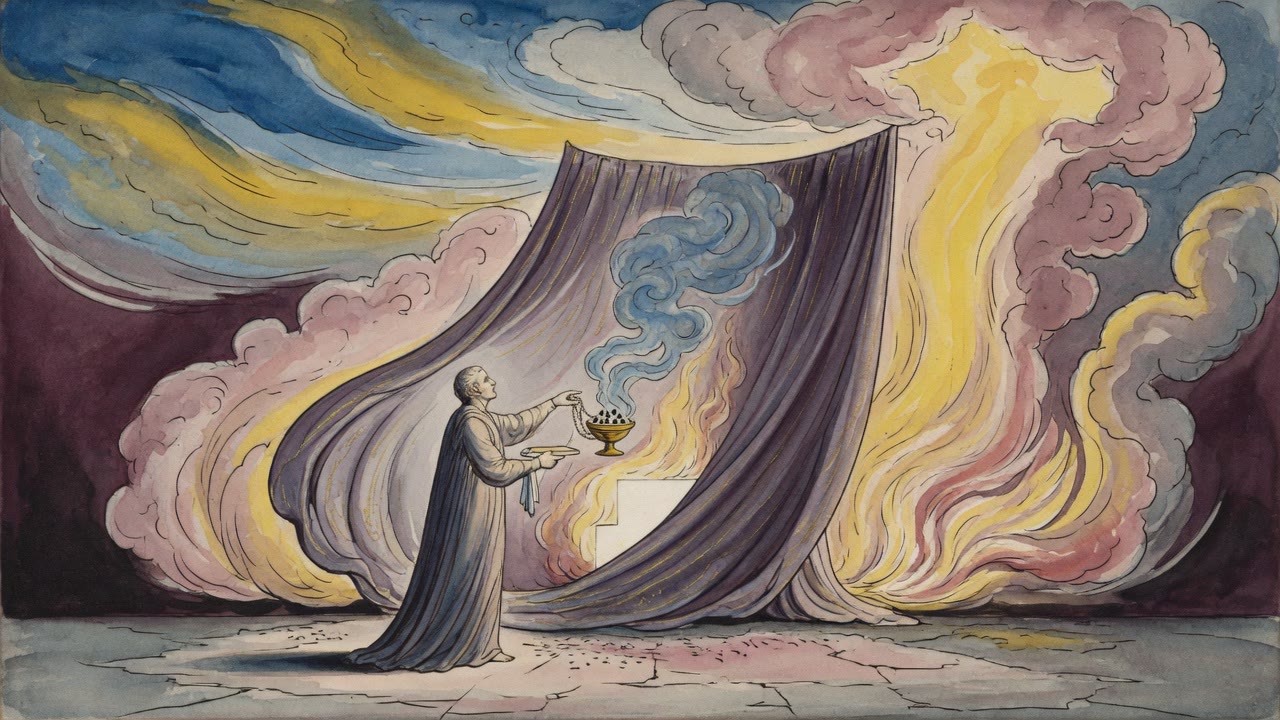
Aaron stopped at the veil with incense and the word zot, this. The Presence stood near or far by the side he took, and even goodness could taste death.
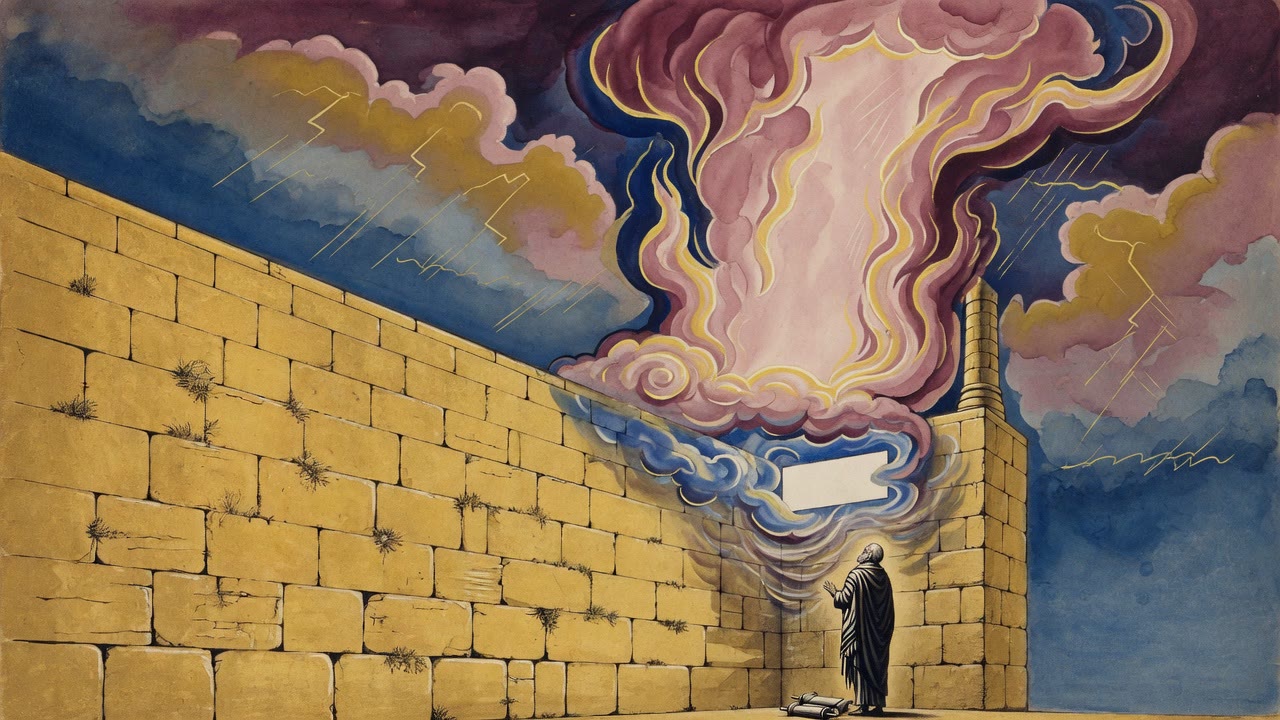
At the Western Wall she does not leave. Tradition places the Divine Presence at the northern corner, waiting for eyes trained by a life of Torah.
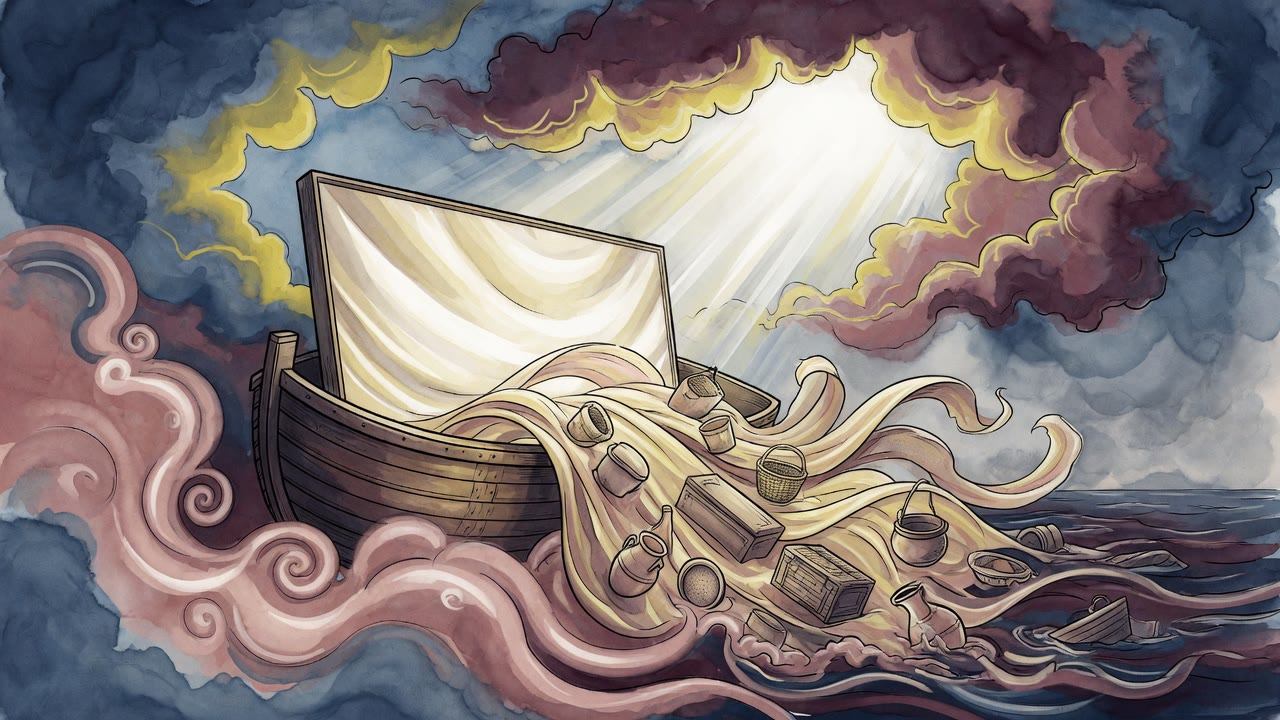
When the last vessel refused the flood of light and threw it back, the rejected light turned, clothed what it fled, and became every container of the world.
