Abu Golis Went Blind for Theft and Named the God Who Sees
Men left money with him for safekeeping because he held a religious office. He spent it and woke up blind. His fellow priests blamed the idol.
Table of Contents
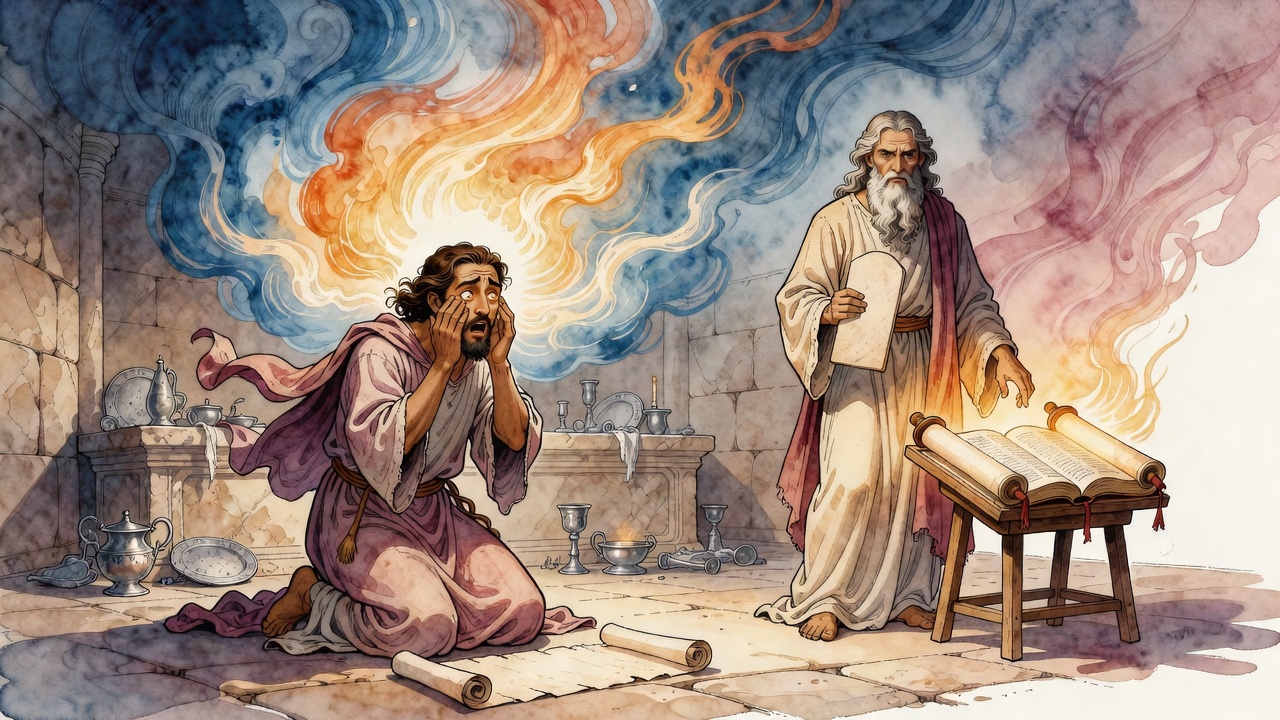 Click for full size
Theft Under an Idol's Shadow
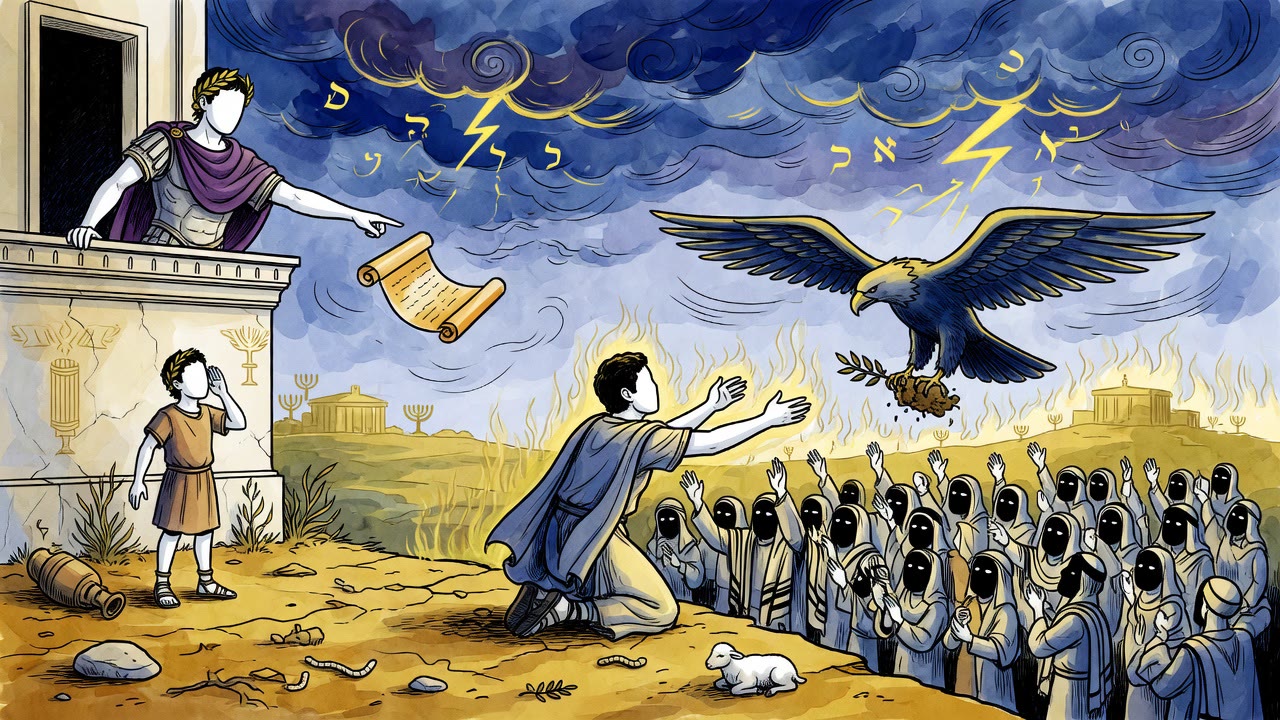
Abu Golis served an idol in Damascus and later lived in Tiberias, a pagan priest who prospered by taking what he pleased from temple offerings. One day money was placed in his hands for safekeeping because men trusted a religious office. He spent it on his own comforts. Shortly afterward he woke blind. No remedy recovered his vision.
His fellow priests nodded as if the case were closed. The idol has punished him for his theft, they said. Abu Golis, shaken and sightless, made the long journey back to Damascus. He stood before the assembly of priests and refused their easy theology.
Who Actually Sees
You are wrong, he said. This idol has never punished me before, though I stole from him for years. But the God of Israel, who sees everything, has punished me now. It is not the idol who saw. It is God. Before the astonished gathering his sight returned. A great number of the listeners, moved by what they had just witnessed, became Jews.
The difference between a god and the God is not which shrine you sweep. It is which One actually sees you when you empty a purse that was never yours.
A Glowing Face on Trial
In another town a gentile watched Rabbi Jehuda ben Hai and disliked how healthy and well-fed the sage looked. He drew an ugly conclusion. Such prosperity, he assumed, could only come from dishonest gain. He accused the rabbi of growing rich through usury, lending at interest in ways Jewish law forbids among fellow Jews. To the outsider, a glowing face seemed proof of crime.
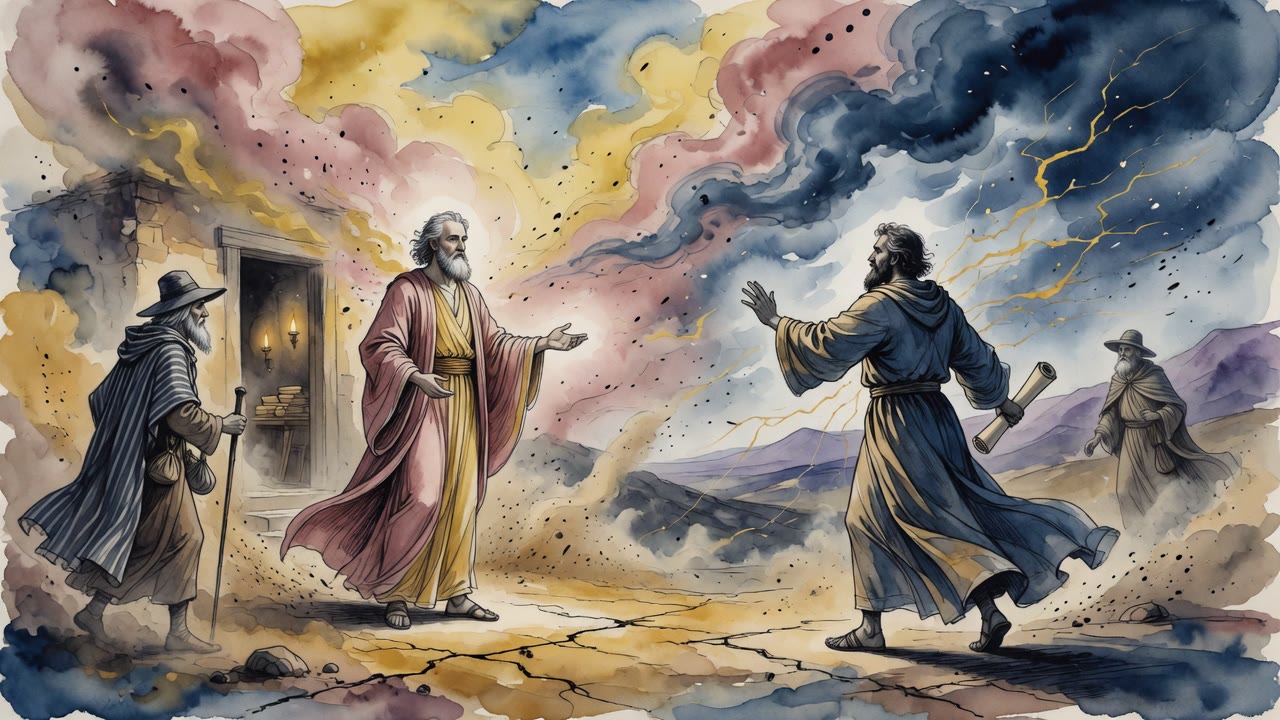
Rabbi Jehuda answered without panic. His appearance did not come from charging interest, nor from raising swine, nor from drinking. All of those paths were closed to him. What made his face shine was the study of Torah. The labor of the law, far from wearing a person down, sustained and brightened those who gave themselves to it.
Two Accusations, One Reversal
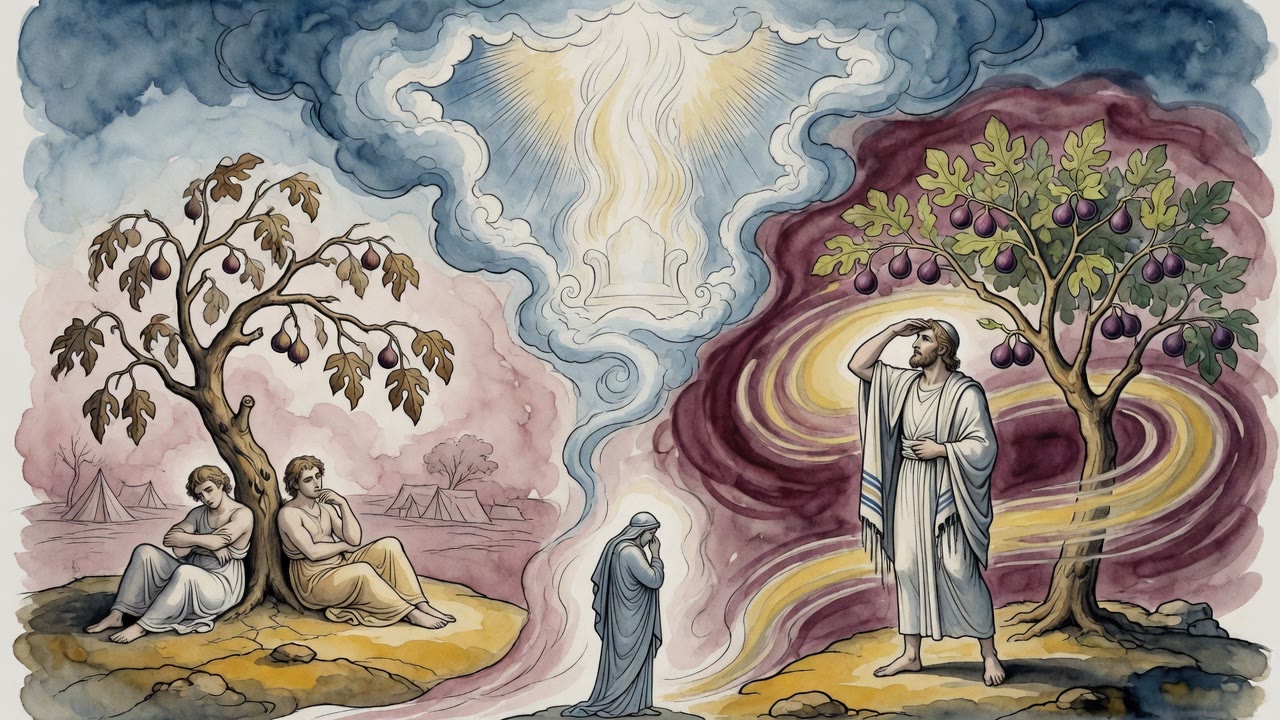
Abu Golis was accused by his peers of being struck by wood and stone. He answered that Heaven had struck him, and the answer healed him. Rabbi Jehuda was accused of feeding on forbidden profit. He answered that Heaven fed him through learning, and the answer shamed the charge. In both scenes the eye of the outsider fails. Priests misread blindness. A stranger misreads health. The truth runs the other way: punishment can be mercy, and radiance can be study.
Stand Abu Golis in the doorway after his sight returns. He has stolen, suffered, confessed, and seen. Stand Rabbi Jehuda in the street after the accusation. He has been judged by his skin and answered with the only wealth he claims. One man leaves idols. One man remains inside Torah. Both force the watching world to admit it does not know how God keeps accounts.
What the Face Cannot Hide
People still read bodies like ledgers. Fat means guilt. Thin means piety. Blindness means the nearest god is angry. The old stories laugh at that arithmetic. They insist that the God of Israel tracks theft even when an idol is silent for years, and that a face lit by Torah confounds every market theory of success.
If you want to know who sees you, watch what happens when you steal. If you want to know what feeds a sage, watch what he studies when no one is buying his figs or praising his glow.
Idols That Never Audit
Abu Golis had stolen for years without consequences, and that long silence was the idol's true theology. A god that never notices is convenient for priests. The God of Israel ruins that convenience. He can wait, then strike in a way that forces a public confession. Restored sight after truth-telling is not a magic trick for crowds. It is a verdict: reality answers to the One who sees, not to the shrine that collects fees.
Rabbi Jehuda's glowing face is the opposite scandal. People want prosperity to mean corruption because that story is simple. Torah study as the source of health is harder to accept, especially for a stranger who has never watched a man live on learning and restraint. The accusation of usury is really an accusation against a whole way of life that refuses certain profits. Jehuda does not defend himself with ledgers. He defends himself with the claim that forbidden paths were never open to him, so they cannot explain his face.
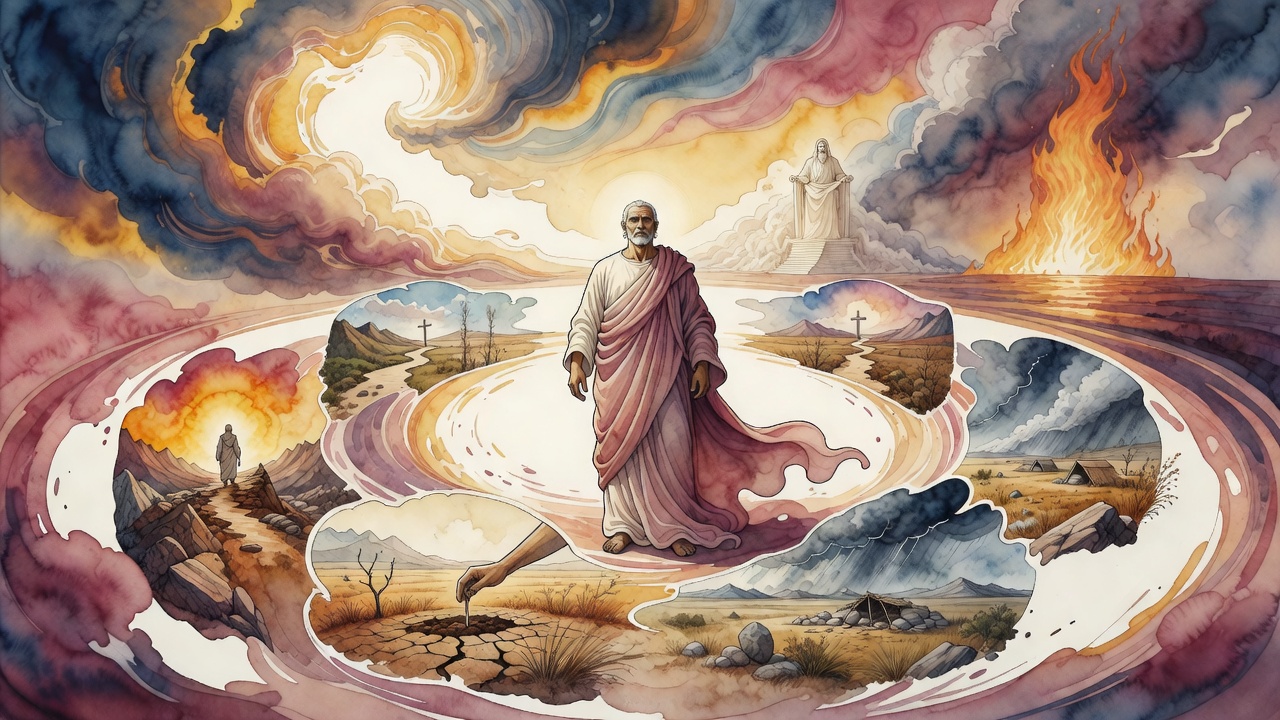
Set the two men across a street from each other in the mind. One leaves idolatry because punishment finally had a true Author. One remains inside Judaism because praise and blame from outside cannot redefine what feeds him. Both stories teach outsiders and insiders the same correction: stop reading bodies with greedy eyes, and start asking which God, or which book, actually governs the person's days.
← All myths