Achsah Demanded Springs and the Kenites Chose Dust Over Gold
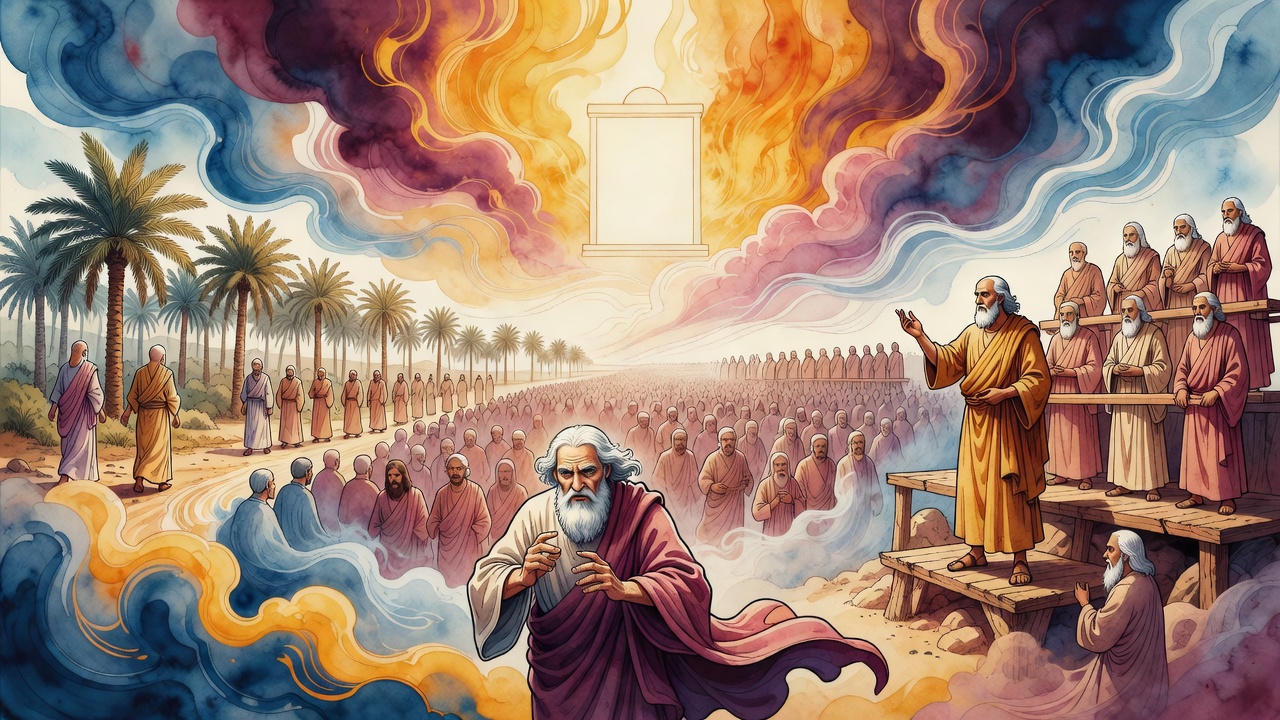
Achsah slid off the donkey before its hooves had settled. A donkey over an empty manger brays, she told her father, and the land he gave her was dry Negev.
Table of Contents
 Click for full size
The Bride Who Slid Down From Her Donkey
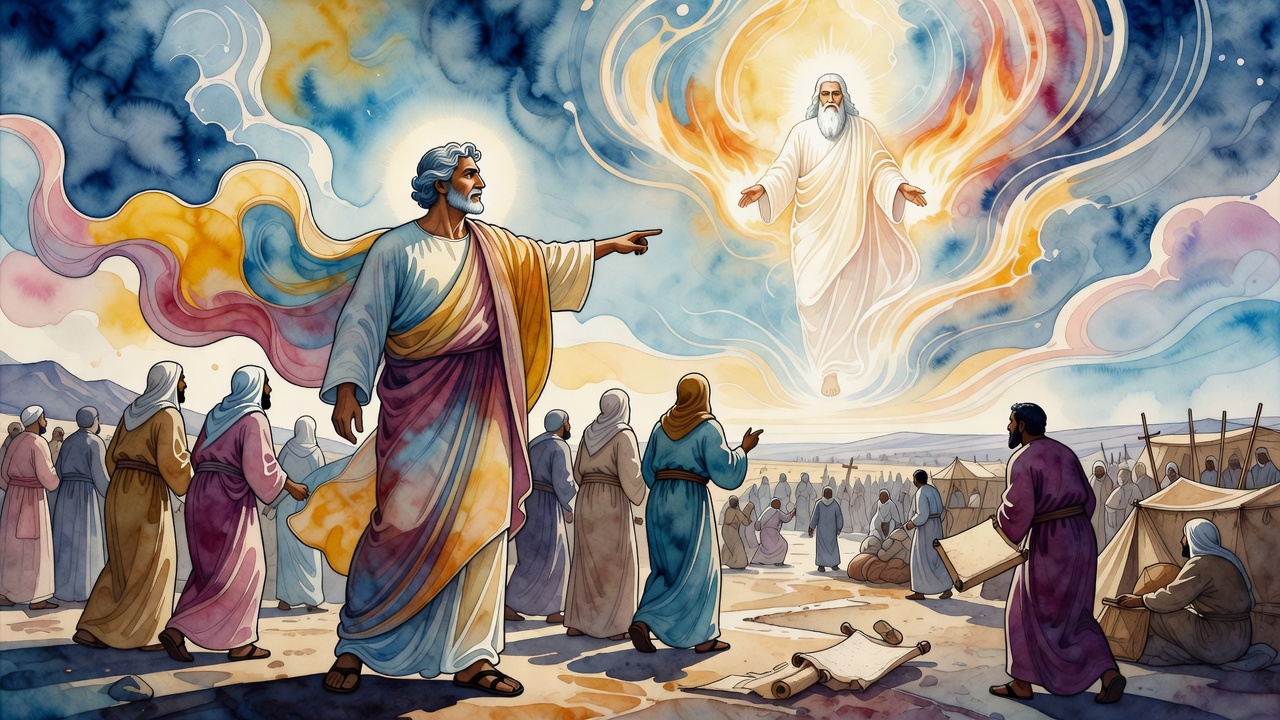
Caleb had made the offer in front of the whole camp. Whoever struck down Kiriath-Sefer, the town whose name meant the city of the book, would take his daughter as a wife. A younger man went up and took it, and the man was Othniel son of Kenaz, Caleb's own kin.
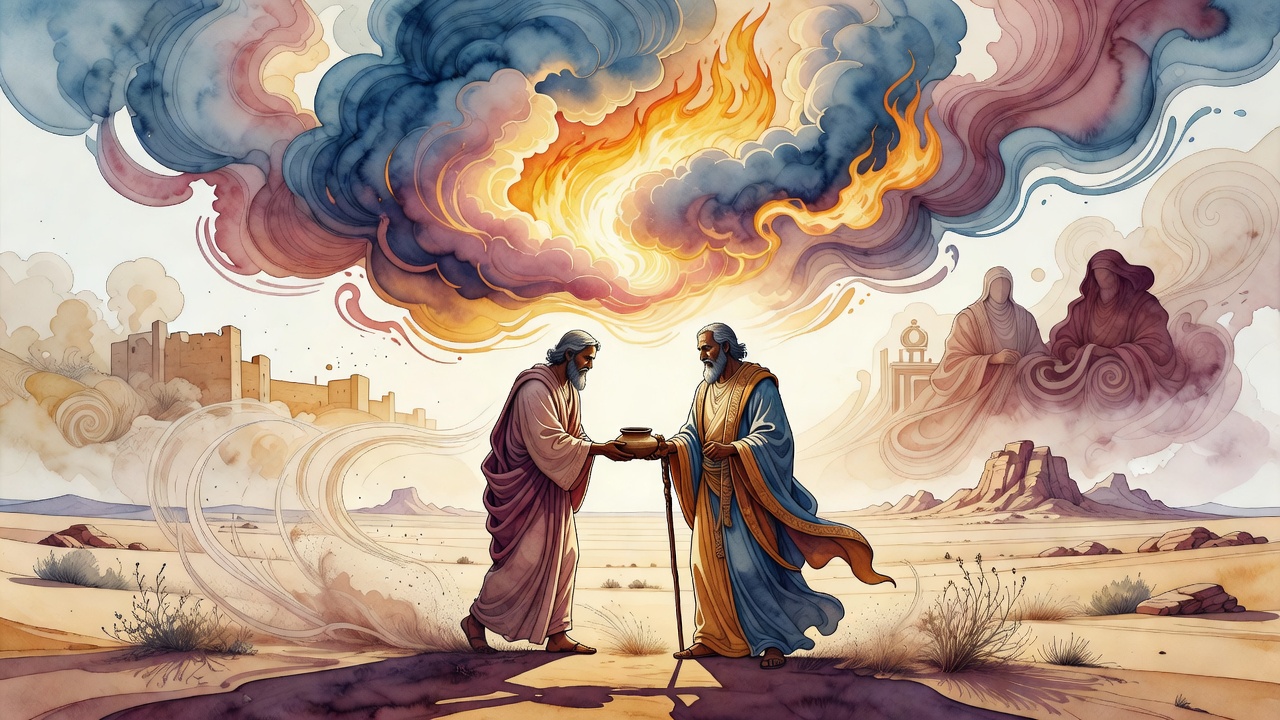
On the day they brought her to him, Achsah rode out to meet her father. She slid down from the donkey before its hooves had settled, and Caleb read the fury in her face. "What is it you want," he asked. She did not answer softly, the way a daughter answers a father. She answered the way an animal answers an empty trough.
"When a donkey stands over a manger with no straw in it, it brays," she said. "When a wife sits in a house with no produce in it, she cries out. You have given me a land of the Negev." She let the word dry in her mouth. A man scorched of every good thing, a husband with nothing in the whole of him but words of Torah. "So give me springs of water."
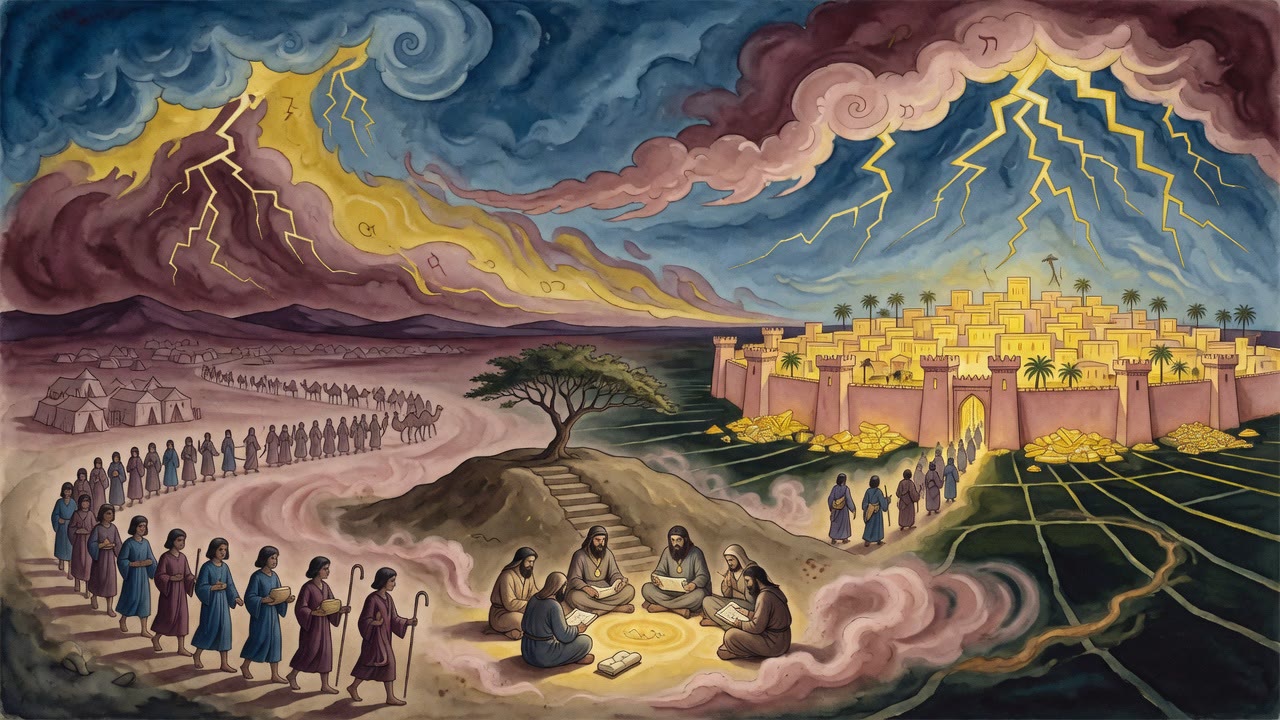
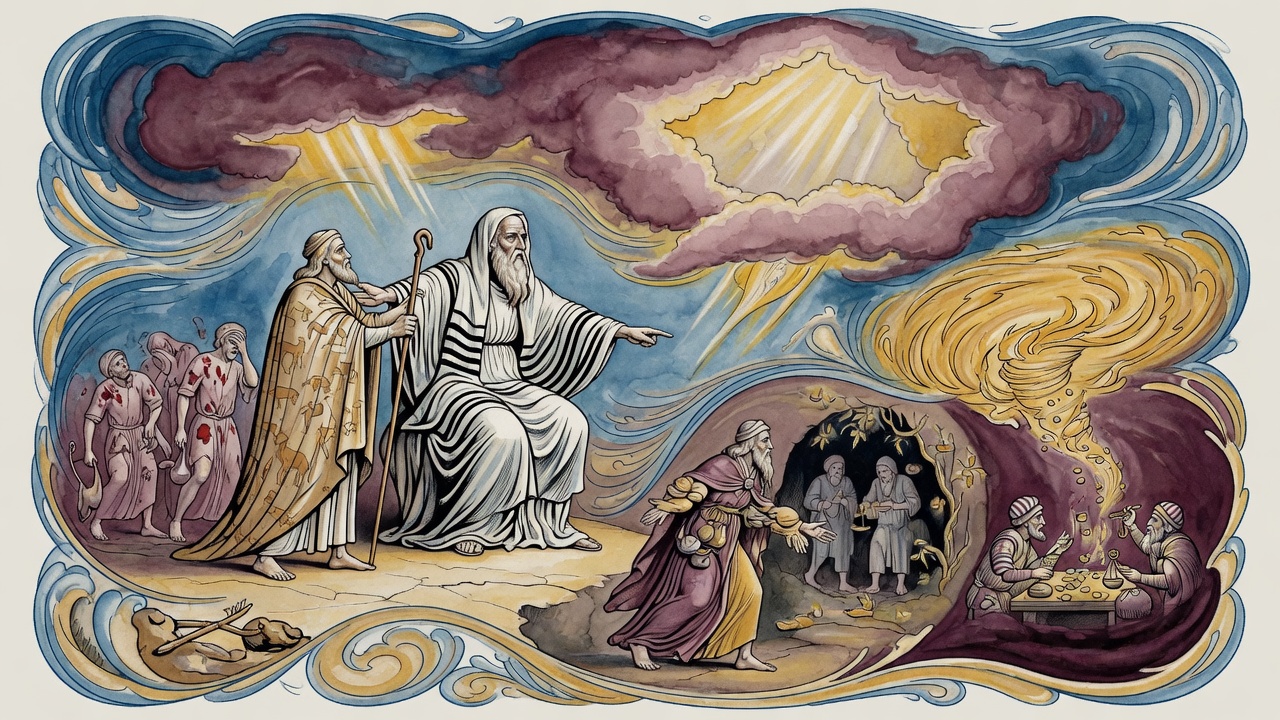
Caleb did not send for shovels or deed her a well. He gave her the upper springs and the lower springs, and the giving was not of land. He turned her toward the One to whom the secrets of the upper world and the lower world lie open, and told her to draw her bread from there. Her husband had no field. Her husband had the mouth that spoke Torah, and behind that mouth stood the Owner of every hidden spring.
The Man They Called by Three Names
They called him the fig, sweet and slow to be picked, and the fig was Othniel, and Othniel was Jabez. Each name held a different truth about him. Othniel, because God answered him when he called. Jabez, because he sat and planted the Torah deep in Israel until it took root in a generation that had almost lost it. And under both names his given name was Judah.
He was the man who won a walled city and then went home to a study bench, and the two were the same victory. When he called on the God of Israel he did not ask for spoil. "If You will bless me," he prayed, and the blessing he wanted was Torah. "Enlarge my border," and the border he wanted was disciples. "Let Your hand be with me," so that he would never forget a word he had learned. "Keep me from harm," so that he would have companions cut from his own cloth to argue the law beside him. "That it may not grieve me," so that the evil inclination would never pull him up off the bench. If God would grant it, well. If not, he would go down worn to the grave.
Others heard that same prayer differently and said he begged for sons and daughters, for a steady hand in trade, for a life without headache or earache or aching eyes. Both readings kept the man whole. God answered him, and the answered name stuck.
The Kenites Walked Out of the Palm City
Down in the valley sat Jericho, the city of palm trees, and Jericho was fat. When Israel divided the land they had cut out its richest square, five hundred cubits by five hundred cubits, and set it aside unclaimed. Whoever ended up with the Chosen House built in his portion, they agreed, would take that garden as his prize.
The Kenites could have stayed and grown rich in its shade. They were the children of Jethro, the priest of Midian who had walked away from idols before Israel ever asked him to, and they carried that instinct in the blood. So they went up out of the city of palm trees. They left the dates and the warm walls of Jericho behind and came to Arad, to the dust, to sit at the feet of Jabez and learn.
Pious men had come to study beside a pious man. They settled where he taught, and in time the record simply called them the families of the scribes who dwelt at Jabez. They had shaved their heads in mourning and sat at the gates of Jerusalem and cried out to heaven and been answered. Their fathers had stood close enough at Sinai to hear the trumpet-blast tear the sky. They put no oil on their skin and lived in booths, and they gave up gardens for a bench in the sand.
The House They Mourned Before It Fell
The garden of Jericho did go to a family, and it was the house of Jonadab son of Rechab, whose people ate from that rich square for four hundred and forty years, straight through until the Temple stood. Then the Divine Presence came to rest in the portion of Benjamin, and the sons of Benjamin came and cleared the Rechabites off the land, because the House had landed in their tribe and the prize was theirs by the old agreement.
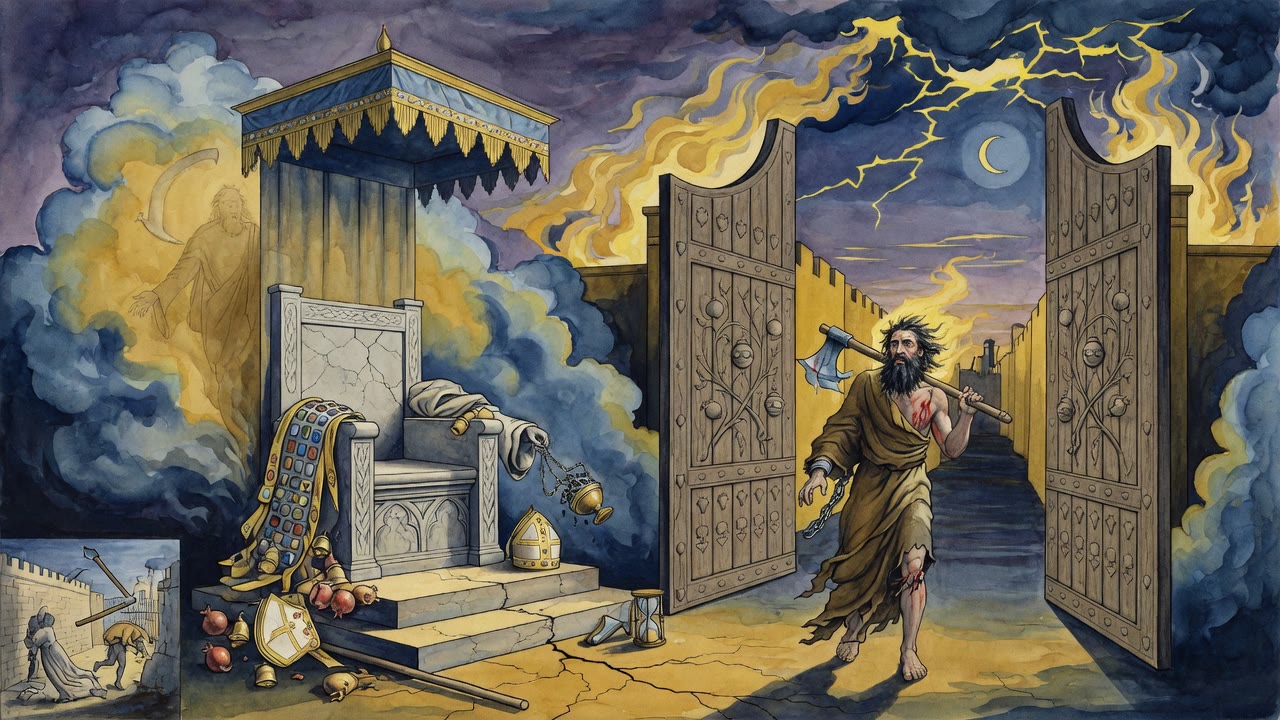
The Rechabites did not grieve the loss. They had never trusted the walls in the first place. They drank no wine and built no houses and pitched tents instead, keeping the vow their father Jonadab had bound on them. And they looked at the Temple, standing new and gold, and said among themselves that since this House was one day going to be torn down, they would count it as already fallen and mourn it now. So they mourned a Temple that was still standing.
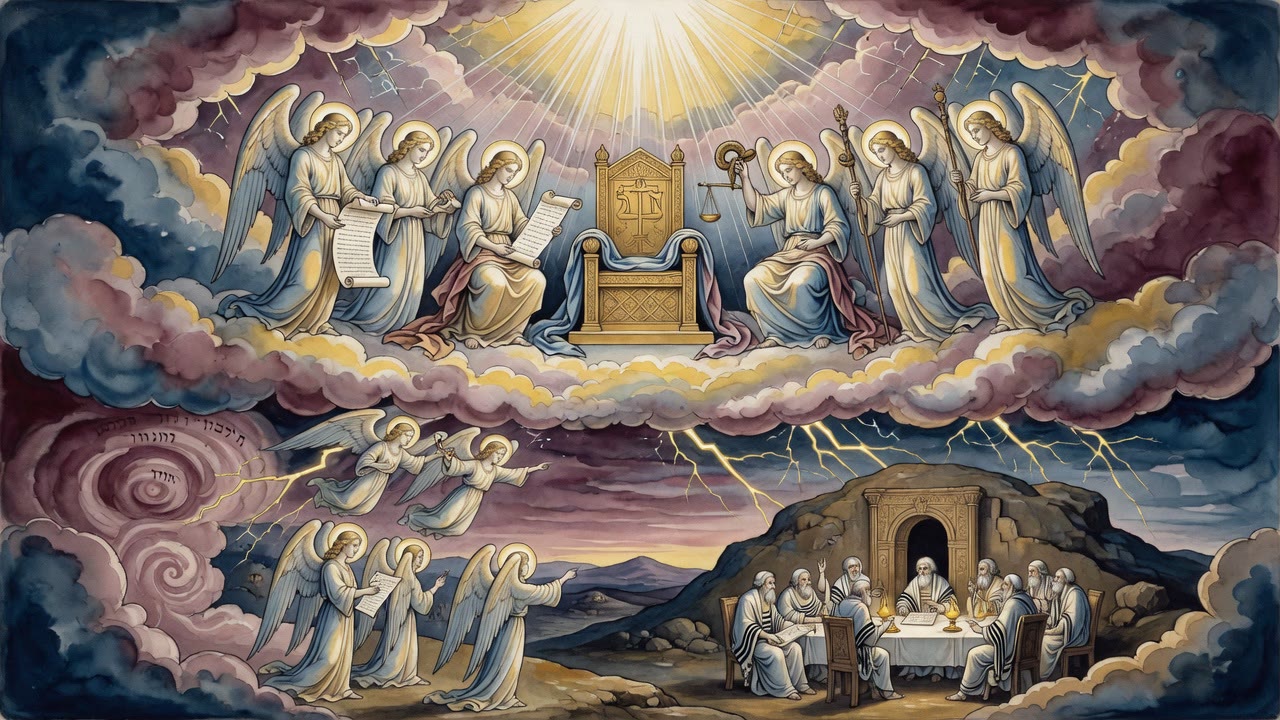
Heaven honored that stubborn faith. The covenant God cut with the house of Jonadab, one sage said, ran deeper than the covenant cut with David, because David's promise carried a condition and Jonadab's carried none. Their daughters married into the priesthood, their grandsons climbed the ramp and laid offerings on the altar, and converts descended from a Midianite priest sat in the Sanhedrin (the high rabbinic court in Jerusalem) and taught the law of Israel back to Israel. They had left Jericho's springs for a dry bench in Arad, and there, beside Jabez, they drank from the upper and the lower wells that Achsah had been sent to find.
← All myths