5 min read

Balaam Doomed Amalek and Promised the Kenites a Nest in the Rock

Balaam and Jethro had once sat in Pharaoh's council together. From a hilltop above Moab, Balaam finally said what he thought of the man who walked out.

Curated by Arthur · Told by Maggid ·
Table of Contents
  1. Hired to Curse, He Looked at Amalek
  2. Then He Saw Jethro's People
  3. You Were in Pharaoh's Room With Us
  4. Set Your Nest in the Rock
  5. The Mountains of Darkness
Balaam Doomed Amalek and Promised the Kenites a Nest in the Rock Click for full size

Hired to Curse, He Looked at Amalek

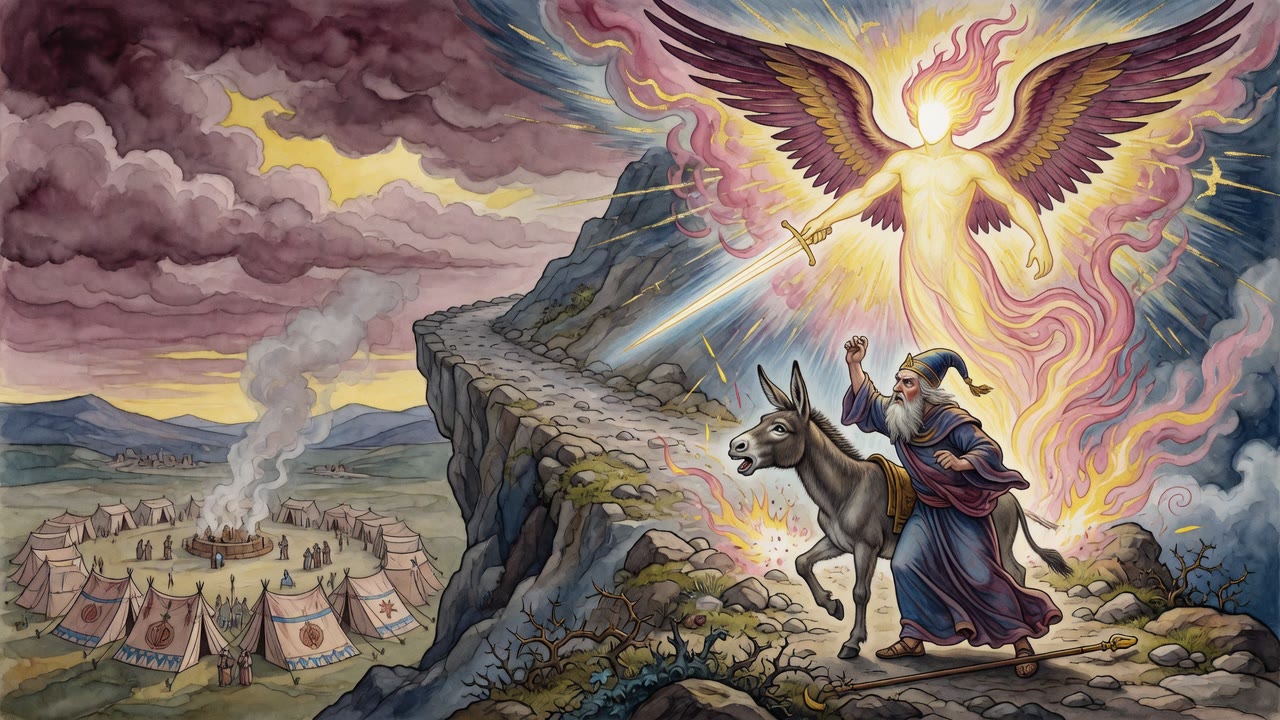
Balaam stood on the high place above Moab with Balak's money already counted out behind him, opened his mouth to curse Israel, and heard himself scheduling funerals for everyone else.
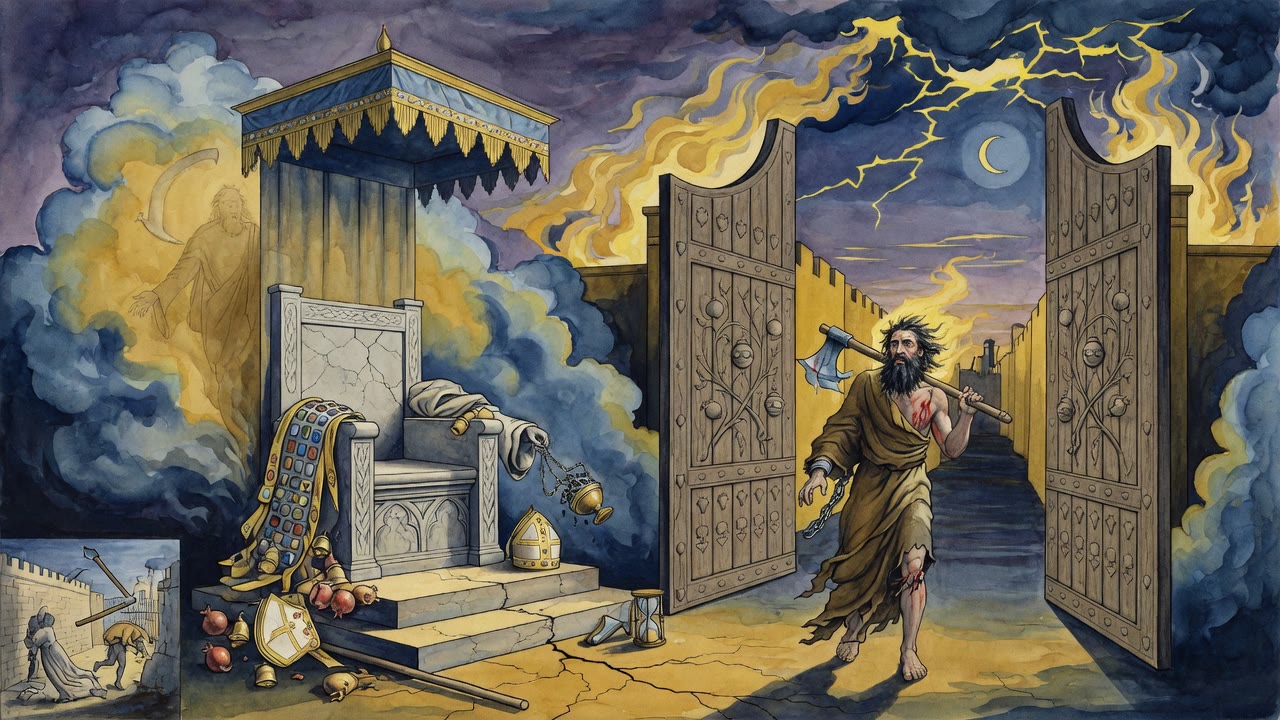
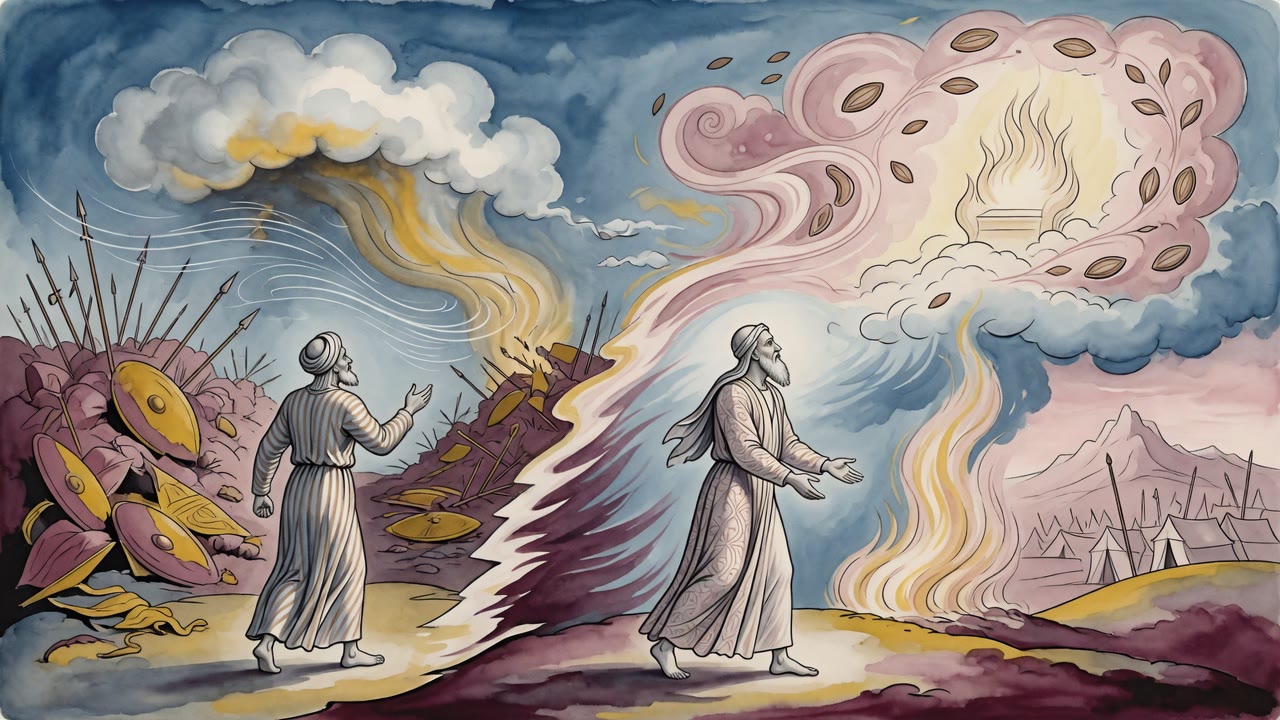
He looked out at Amalek and saw the old muscle of Esau in that camp, a nation sure enough of itself to come at Israel in daylight on the open road out of Egypt. First of the nations, his mouth said. First to lift a hand. And his end is destruction.

Balak had paid for a curse on Israel and was getting one on the neighbors. Amalek would fall, and the mouth that doomed him belonged to a man who had been hired to say the opposite. Someone would come down out of Jacob, the oracle went on, and cut down the survivors of the city. Samson son of Manoah, some said afterward. The King Messiah, said others. Neither of them had been born.

Then He Saw Jethro's People

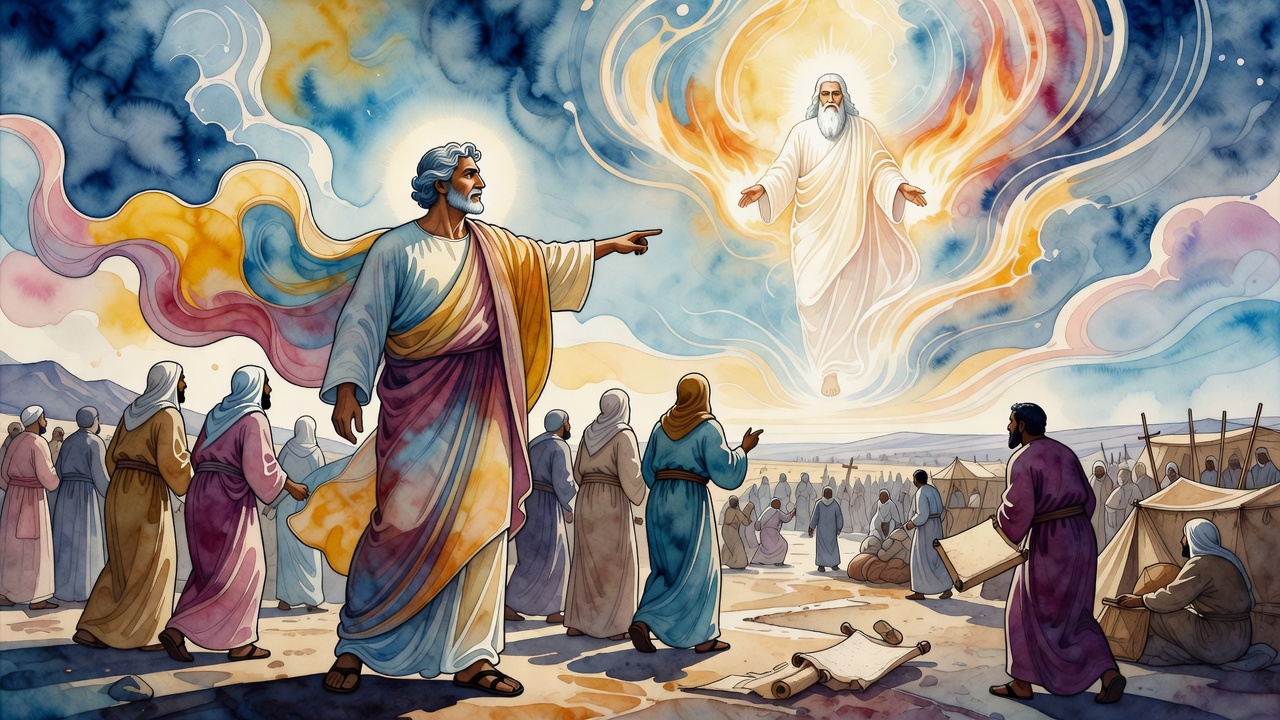
Camped inside Amalek's own country, quiet, in tents that had clearly been standing a long while, were the Kenites. Balaam knew that family. They belonged to Jethro.

"Firm is your dwelling place," his mouth said, and it was not a curse. Amalek will not touch you. Nothing in that country will lay a hand on Jethro's house.

Generations later Saul marched an army into Amalek to blot the nation out, and before the sword came down he sent word ahead to the Kenites. Go. Get down out of the middle of them. My quarrel is not with you. That warning was already hanging in the air over the plains of Moab, spoken by a man drawing wages to destroy the people the Kenites had joined.

You Were in Pharaoh's Room With Us

Then Balaam stopped prophesying and started settling a score.

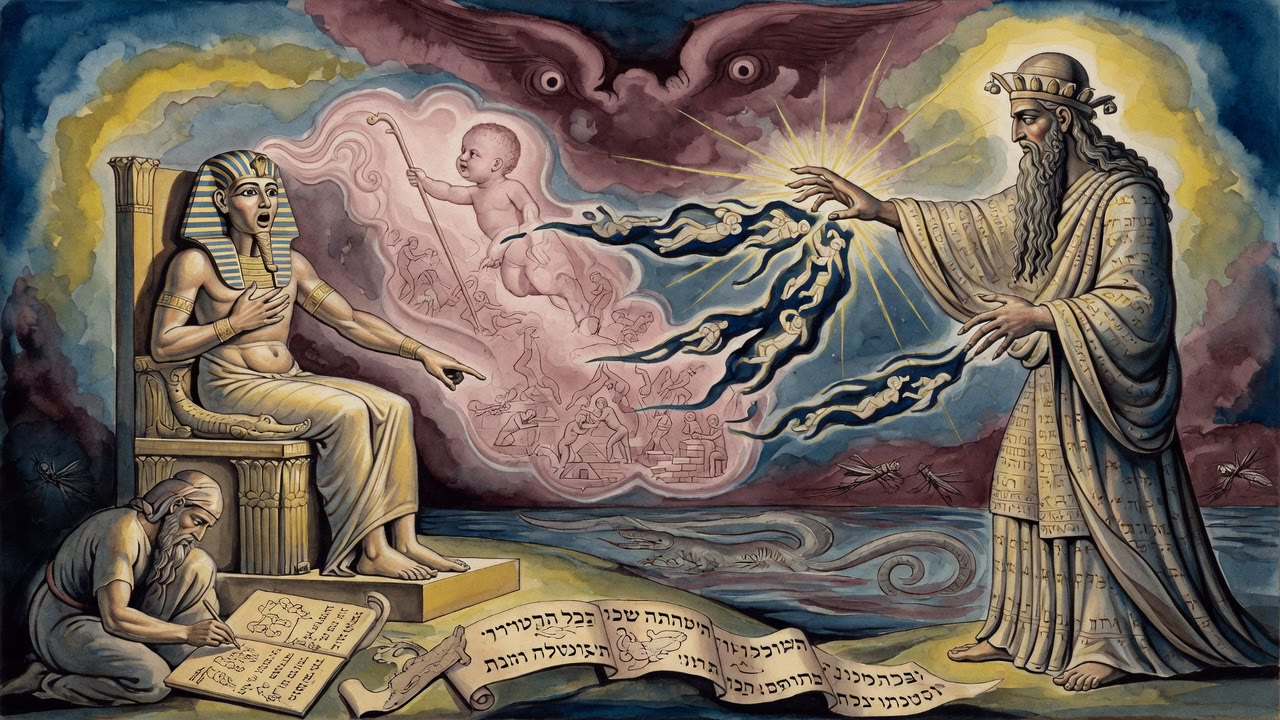
"You were with us in Egypt," he said to Jethro across forty years and a desert. "One counsel. One room. You should have carried your share of that work with the rest of us. Instead you went over. You attached yourself to the seed of Abraham."

Jethro had walked out of Midian's gods, walked out of Pharaoh's room, and given his daughter to a fugitive with a stammer who was hiding at a well. His old colleague was still angry about it from a hilltop, with a king's silver waiting at the bottom of the hill.

Set Your Nest in the Rock

"Set your nest in the rock," Balaam told them, and he meant it the way a man means a threat dressed as advice. Find a walled town. Get behind stone. When the nations come for Israel they will come for whoever is standing next to Israel, and Kain will be wasted, and how long do you think a family like yours lasts? Until Assyria. Until Sennacherib comes up and throws the whole world into confusion and carries the pieces off in carts.

The rock he named turned out to be more than one rock.

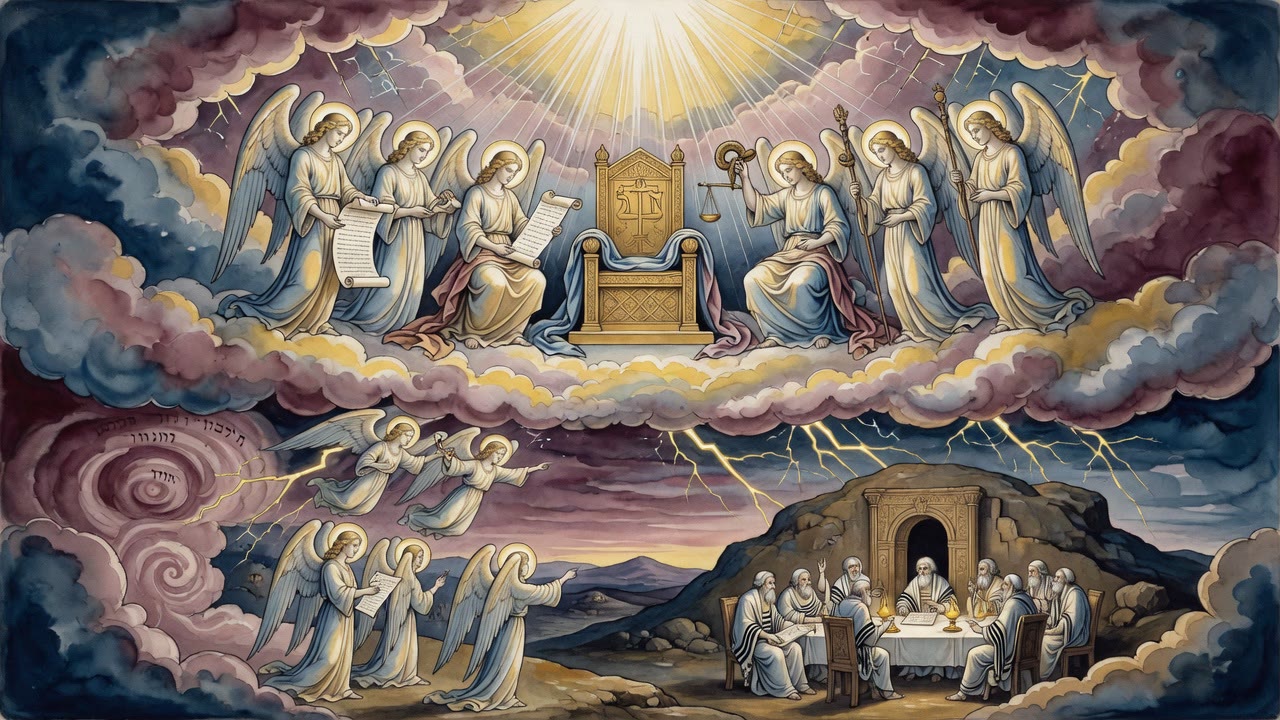
Jethro's grandsons ended up in the Chamber of Hewn Stone in Jerusalem, teaching Torah out loud where anyone could stand and listen. The scribal families who lived at Jabez came out of that house, the Tirathites, the Shimeathites, the Suchathites. That is cut stone, and it sits inside the Temple, and the Temple is the crag and the stronghold. Underneath all of it is the rock Jethro had actually run to when he left Midian, the one David would later sing about as his rock and his fortress.

The Mountains of Darkness

The bill Balaam had predicted came due. The tribes went into exile. Jerusalem fell. The Temple burned, and the roads north filled with people walking in ropes.

The sons of Jonadab ben Rechab, Kenites, descendants of the man Balaam had sneered at, were not in any of those columns. God had put them in the mountains of darkness, and nobody found them there. The nest promised out of spite held.

Balaam had one oracle left in him and it came out as a howl. Who will still be alive when God appoints him, he cried, and by God he meant an angel, one sent to throw the whole world into confusion. Woe to the nation that happens to be standing there on the day the Holy One buys his children back. Woe to any man who makes himself a god.

Then he walked down off the mountain. Edom would be a possession, garrisoned by David. Mount Seir would go to Israel when the saviors came up on Mount Zion to judge the mountain of Esau. Every exile would come home and take hold of the land.

Balak got nothing for his silver. Jethro's family got an address.


← All myths
From the tradition

Sources

4 sources

The texts behind this telling. Some cards carry a translation of the source; others are our own retelling of it, and each card says which. Every card links out to the original.

Midrash Aggadah, Numbers 24:20Midrash Aggadah

Translation of the source text.Midrash Aggadah (Buber), Public Domain, on Sefaria · CC-BY-SA

"And he saw Amalek" (Numbers 24:20). That is to say, he saw that with that same strength of Esau, and Amalek supposed that he would be able to reveal himself against them in war; therefore it is said, "and Amalek came." He began to say, "Amalek is the first of the nations," for he fought against Israel first; therefore "and his end shall be unto destruction," as it is said, "I will utterly blot out the remembrance of Amalek" (Exodus 17:14).

Another interpretation: "and one shall come down from Jacob", that one is destined to go forth from the children's children of Jacob, and he is Samson son of Manoah, who shall destroy the survivor from the city. And some say: this is the King Messiah.

"And he saw the Kenite" (Numbers 24:21). He saw the seed of Jethro who was dwelling in the midst of Amalek. He began to say, "Firm is your dwelling-place", that you fear the war of Amalek, that they will not wish to do you harm, because you are of the children's children of Jethro; as it is written, "And Saul said to the Kenite, Go, depart, get you down from among the Amalekites" (1 Samuel 15:6); and from here I counsel you.

"And set your nest in the rock", that you should dwell in a fortified city and in a strong place, for if you do not do so...

Full source
Midrash Aggadah, Numbers 24:22Midrash Aggadah

Translation of the source text.Midrash Aggadah (Buber), Public Domain, on Sefaria · CC-BY-SA

"Nevertheless Kain shall be wasted (ki im yihyeh le-va'er Kayin)", for the nations will seek to consume you, and on account of the hatred of Israel, how long will you be able to be saved, until Sennacherib king of Assyria comes and confounds the whole entire world. This is "how long? Asshur shall carry thee away captive (ad mah Asshur tishbeka)."

Another interpretation: "Strong is thy dwelling-place (eitan moshavekha)." Balaam said to Jethro: You were with us in Egypt in one counsel, and you ought to have toiled with us, but instead you became a proselyte and cleaved to the seed of Abraham, who is called "Ethan the Ezrahite."

"And thou puttest thy nest in a rock (ve-sim ba-sela kinnekha)." Our Sages of blessed memory said: The grandsons of Jethro, they sat in the Chamber of Hewn Stone and taught Torah in public, as it is said, "And the families of the scribes which dwelt at Jabez; the Tirathites, the Shimeathites, the Suchathites" (1 Chronicles 2:55). And "rock" means nothing but the Temple, as it is said, "upon the crag of the rock, and the strong place" (Job 39:28).

Another interpretation: "And thou puttest thy nest in a rock." This is the Holy One, blessed be He, who is called "rock," and he came to take shelter under the wings of the Holy One, blessed be He, as it is said, "The Lord is my rock, and my fortress" (2 Samuel 22:2). For were it not so, "nevertheless Kain shall be wasted." And from when does it become liable to be consumed? From when the tribes were exiled; but those who were in Jerusalem were not exiled. And even at the destruction of the Temple, the sons of Jonadab son of Rechab, who were of the sons of the Kenite, were not exiled, for the Holy One, blessed be He, sent them to the mountains of darkness.

Full source
Midrash Aggadah, Numbers 24:18Midrash Aggadah

Translation of the source text.Midrash Aggadah (Buber), Public Domain, on Sefaria · CC-BY-SA

"And Edom shall be a possession" (Numbers 24:18). And that was in the days of David, as it says, "and he put garrisons in Edom" (2 Samuel 8:14). "And Seir also shall be a possession for his enemies", this was Mount Seir, which shall be a possession for Israel in the days of the Messiah, they being the enemies, as you say, "And saviors shall come up on Mount Zion..." (Obadiah 1:21). "And Israel shall do valiantly", at that hour all the exiles shall return to the Land of Israel and shall possess their land, as it says, "And they of the South shall possess the mount of Esau... and the captivity of this host of the children of Israel..." (Obadiah 1:19-20).

Full source
Midrash Aggadah, Numbers 24:23Midrash Aggadah

Translation of the source text.Midrash Aggadah (Buber), Public Domain, on Sefaria · CC-BY-SA

"Oh, who shall live when God appoints him" (Numbers 24:23). "El", this is the angel who will throw the whole world into confusion.

Another interpretation: Woe to the nation that will be found present at the hour when the Holy One, blessed be He, performs redemption for His children.

Another interpretation: "Alas, who shall live", [this refers to] one who makes himself a god; and he prophesied also concerning Ashur (Assyria).

"And the children of Israel journeyed." Eight journeys did Israel turn backward, as far as Moserah, on account of the death of Aaron, when they sought to return to Egypt, were it not that the tribe of Levi pursued after them and made war with them and killed four families of them, and they killed two families of the Levites there. And why have I mentioned the death of Aaron here? On account of the Israelites who died in the plague, twenty-four thousand; for had he been alive, he would have offered the incense, and not so many would have died. Therefore I was obliged to mention his death here.

Full source