29 myths
Each story names the sources it was written from.
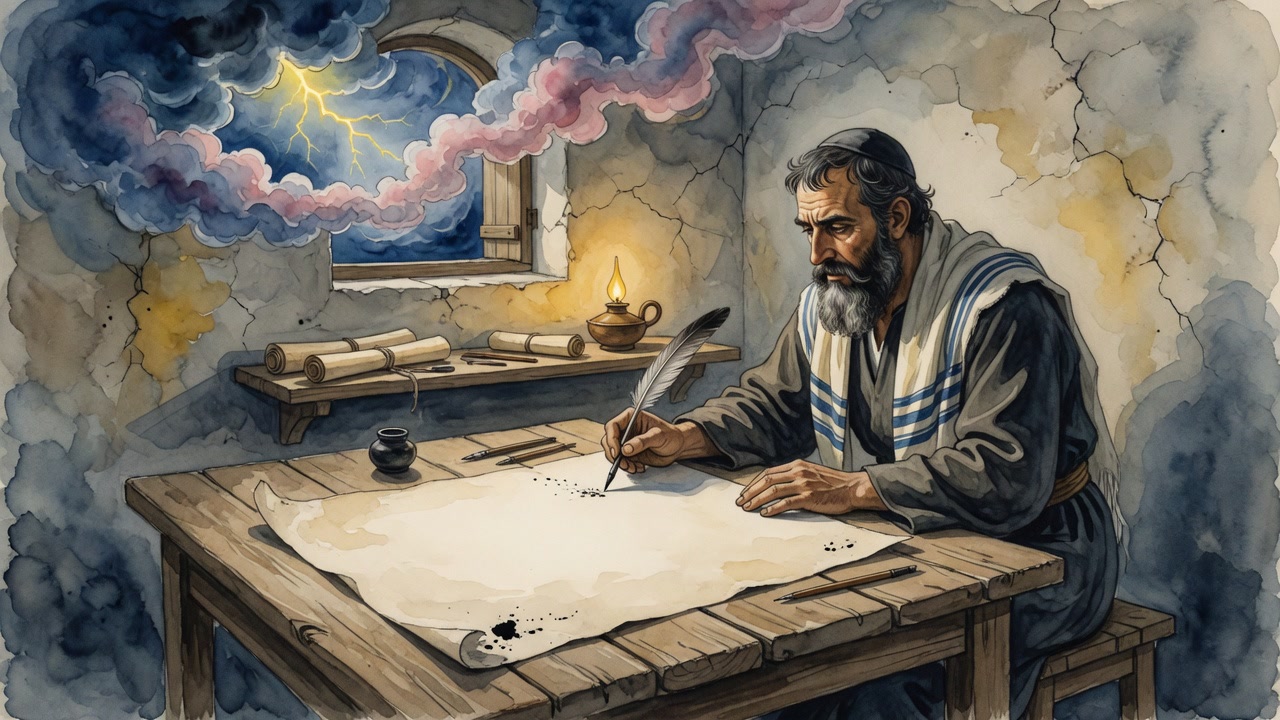
They died house by house from Gevat to Antipatris. When the seven weeks ended, Akiva had seven men left and a country full of graves.
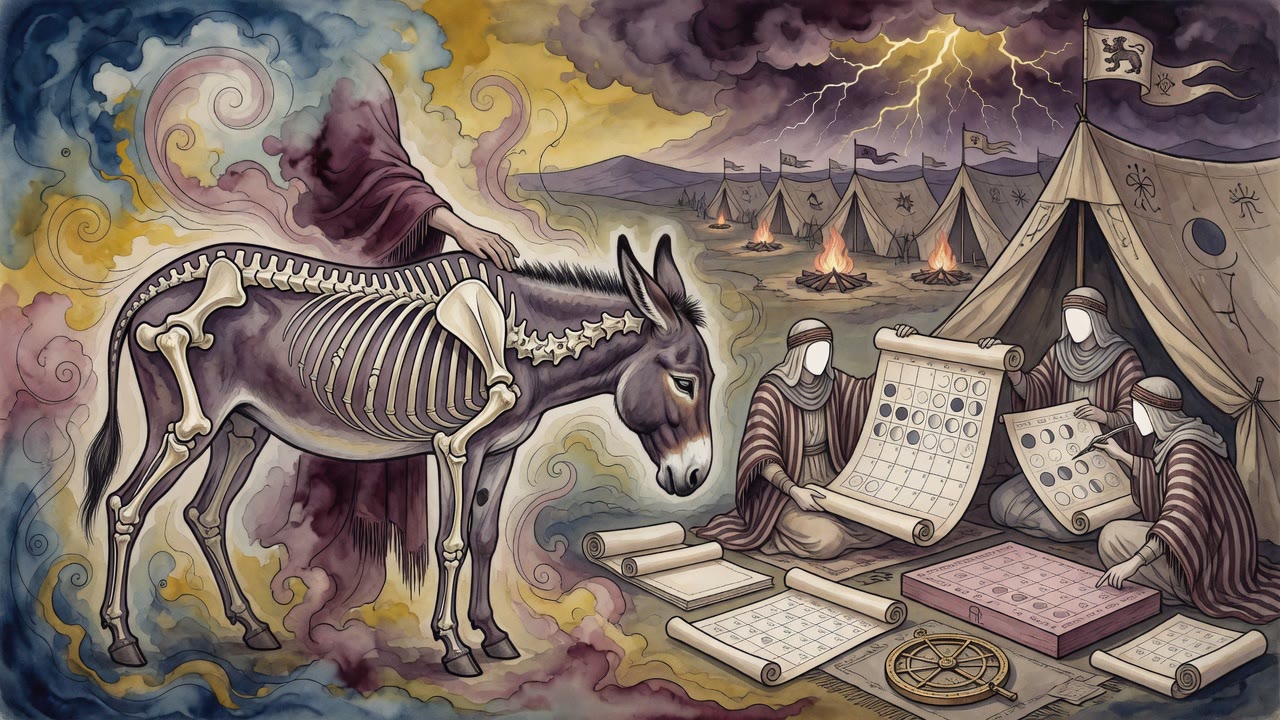
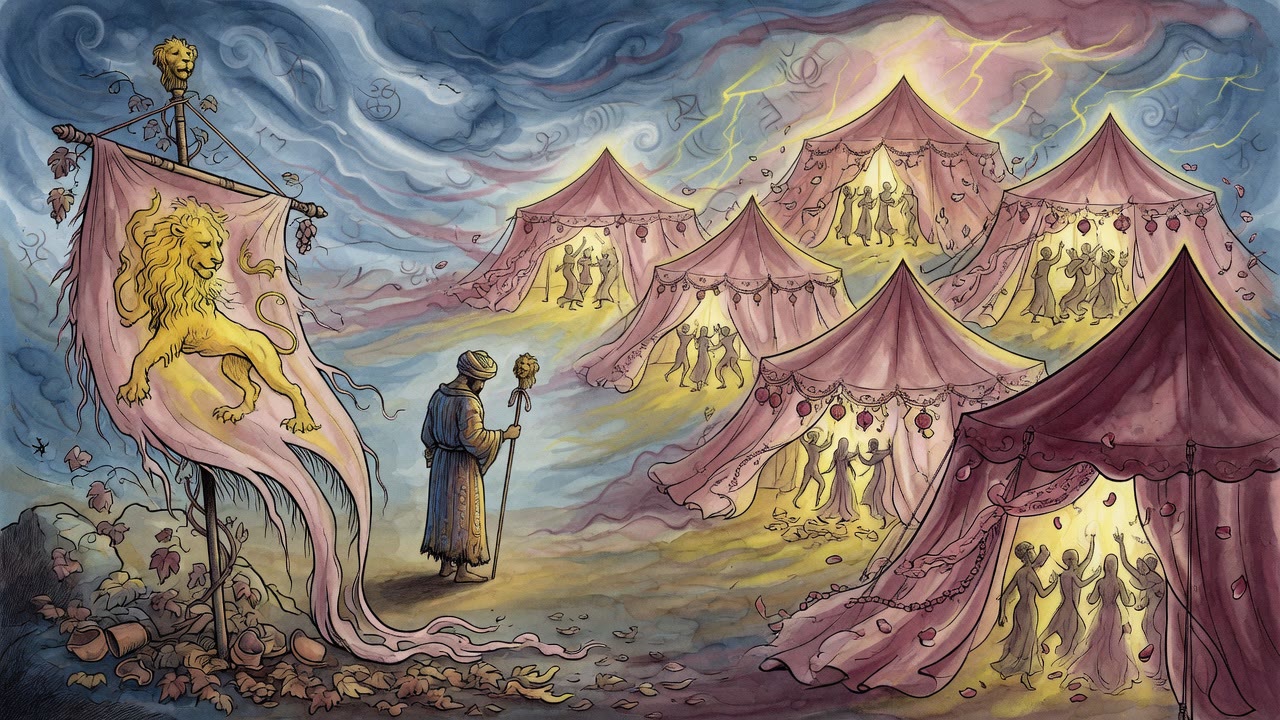
Reuben claimed the second day's offering by birth. Moses held the order, and Netanel of Issachar still brought the dish close.
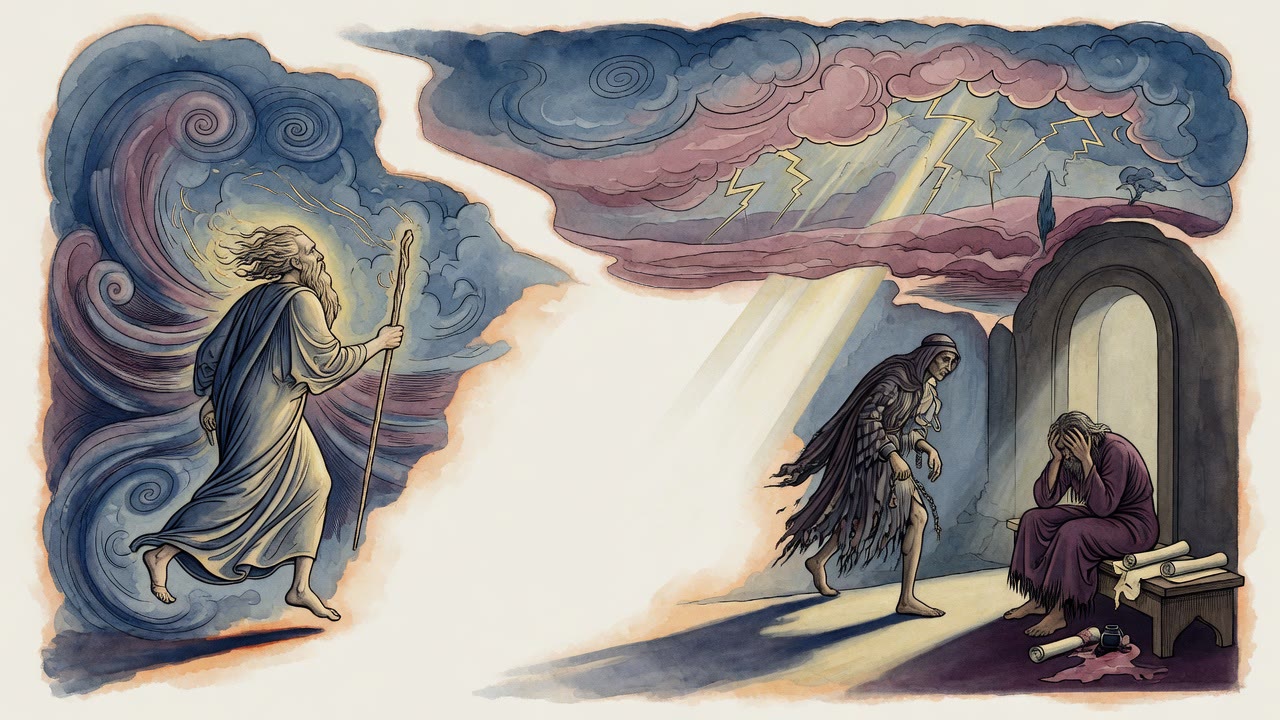
Rabbi Judah the Prince sent scholars to a town without teachers. They asked who guarded the city. When soldiers appeared, the rabbis said: these are destroyers.
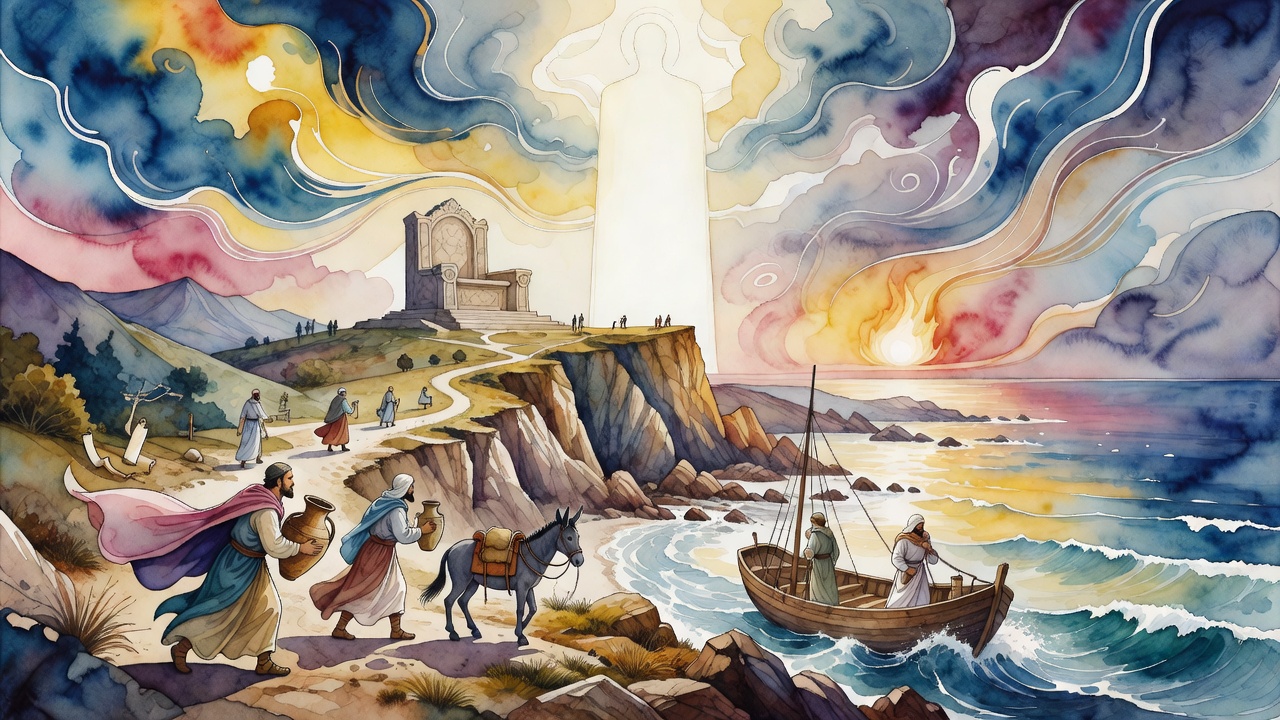
Zebulun is the forgotten tribe. No miracles, no prophets, no famous kings. Just trade routes and a coastline. The rabbis say that coastline built the Torah.
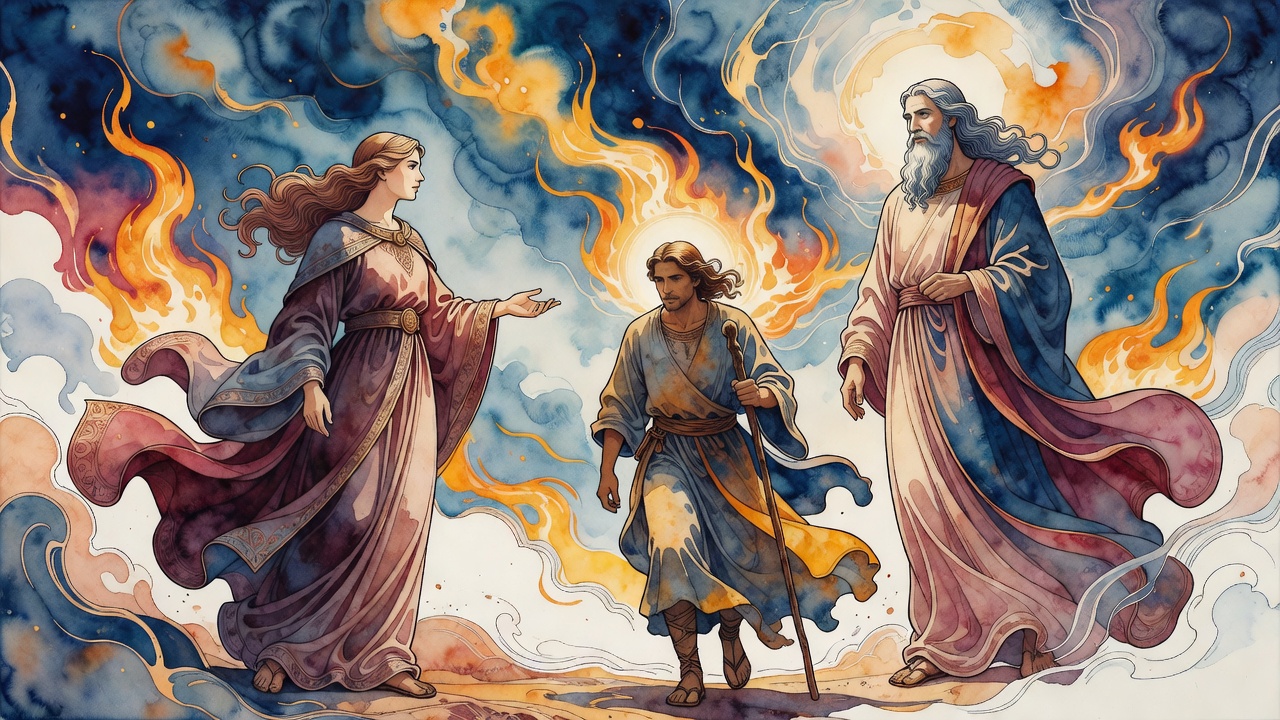
She married the shepherd and lost her father's house. Twelve years later she told a neighbor she would send him away for twelve more.
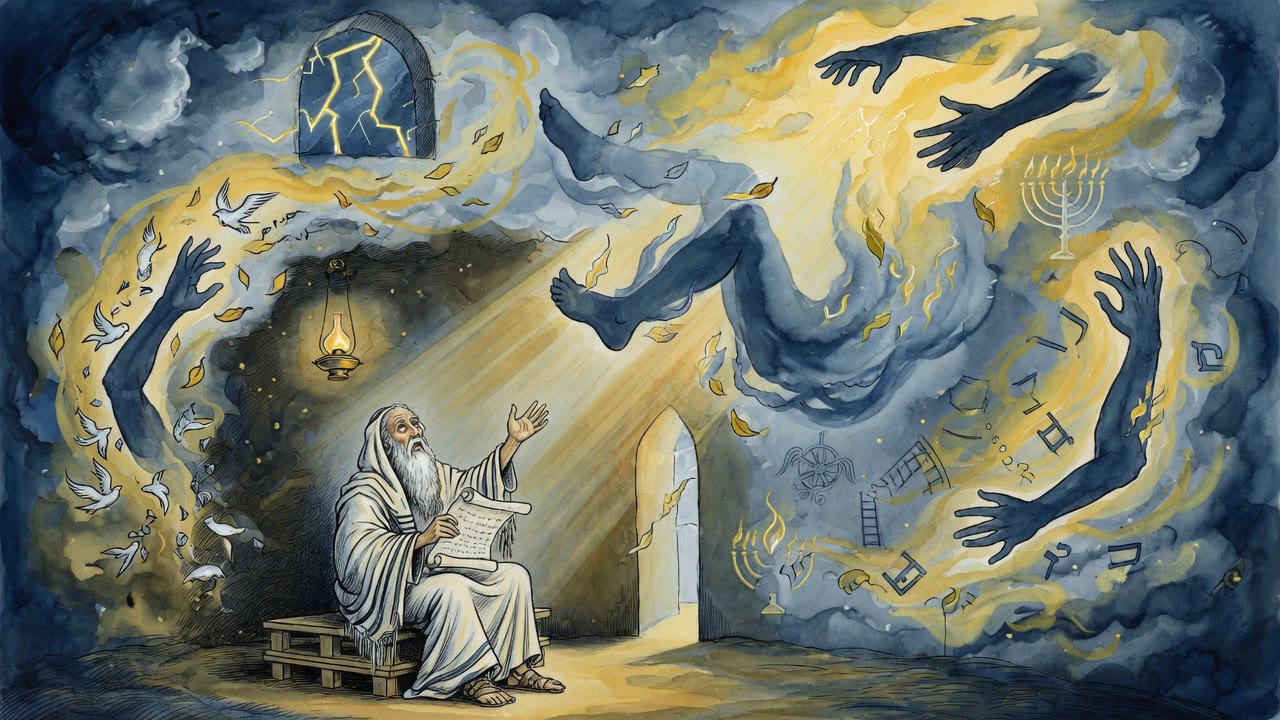
A hidden scroll in Jerusalem held one line no one would say aloud, that King Manasseh dragged the prophet Isaiah to trial and had him sawn apart.
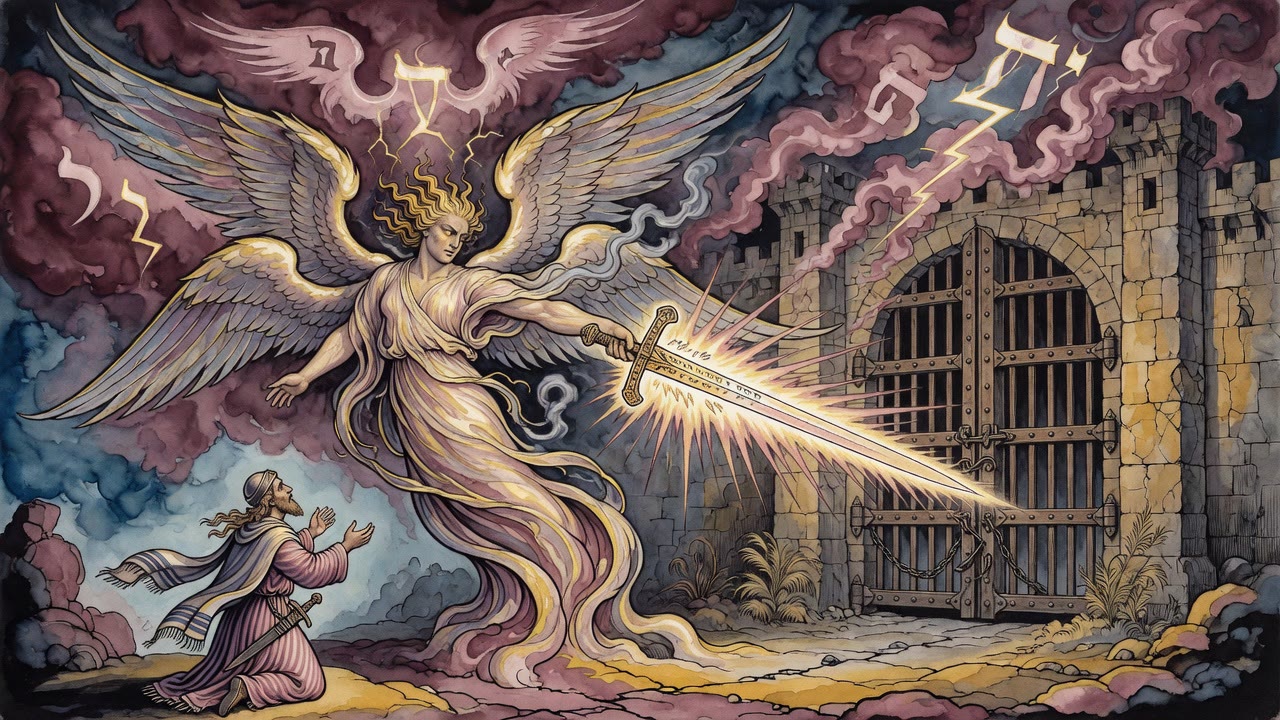
A barred city, a stranger with a naked blade, and the night Joshua learned who was truly commanding the war for the Land.
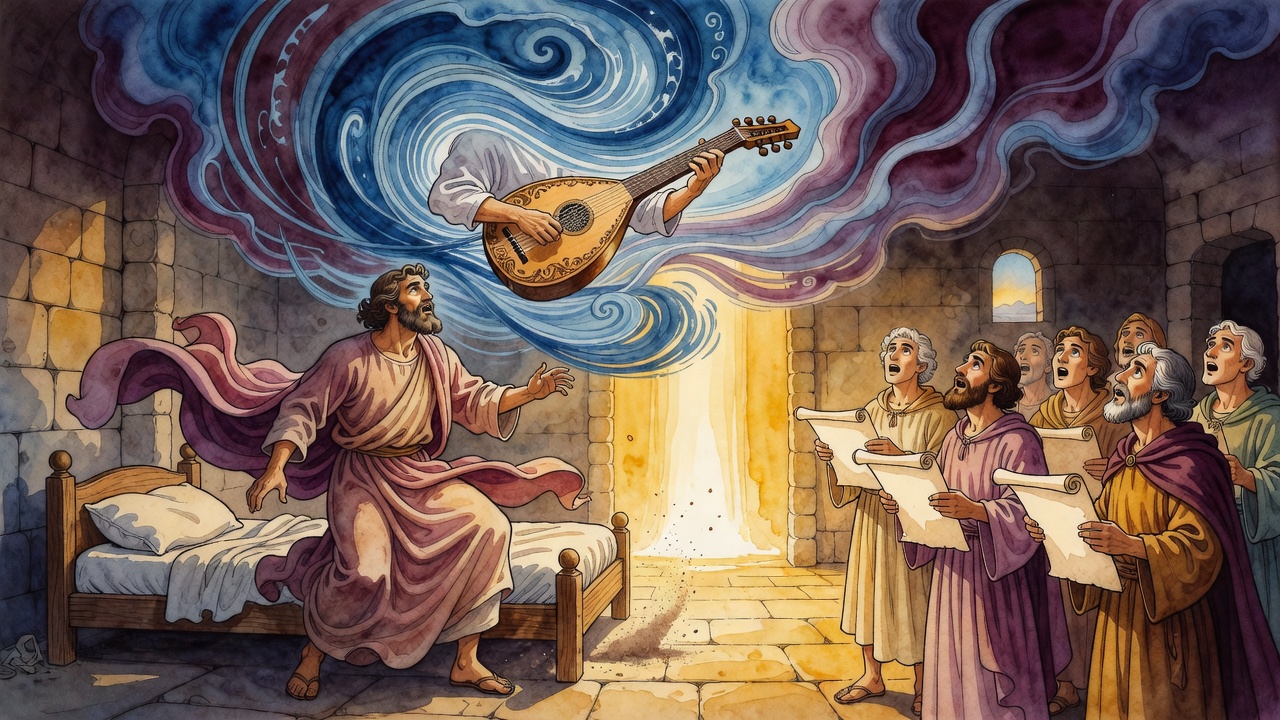
Disciples slept near the threshold and woke to the scrape of the king's feet. No herald, no procession. They lit lamps and read until the morning star.
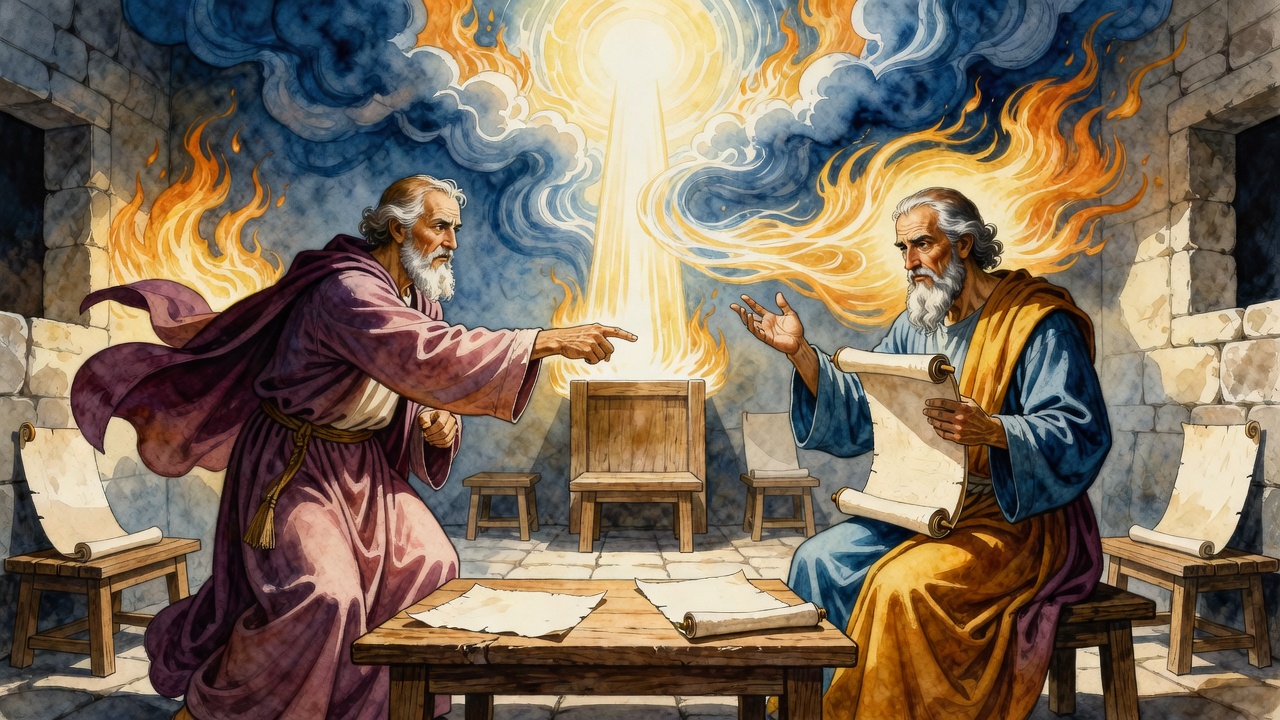
Dust from the road still clung to Tarfon's sandals. In Nitzah's house in Lod the lamp smoked, and a question cut the room in half.
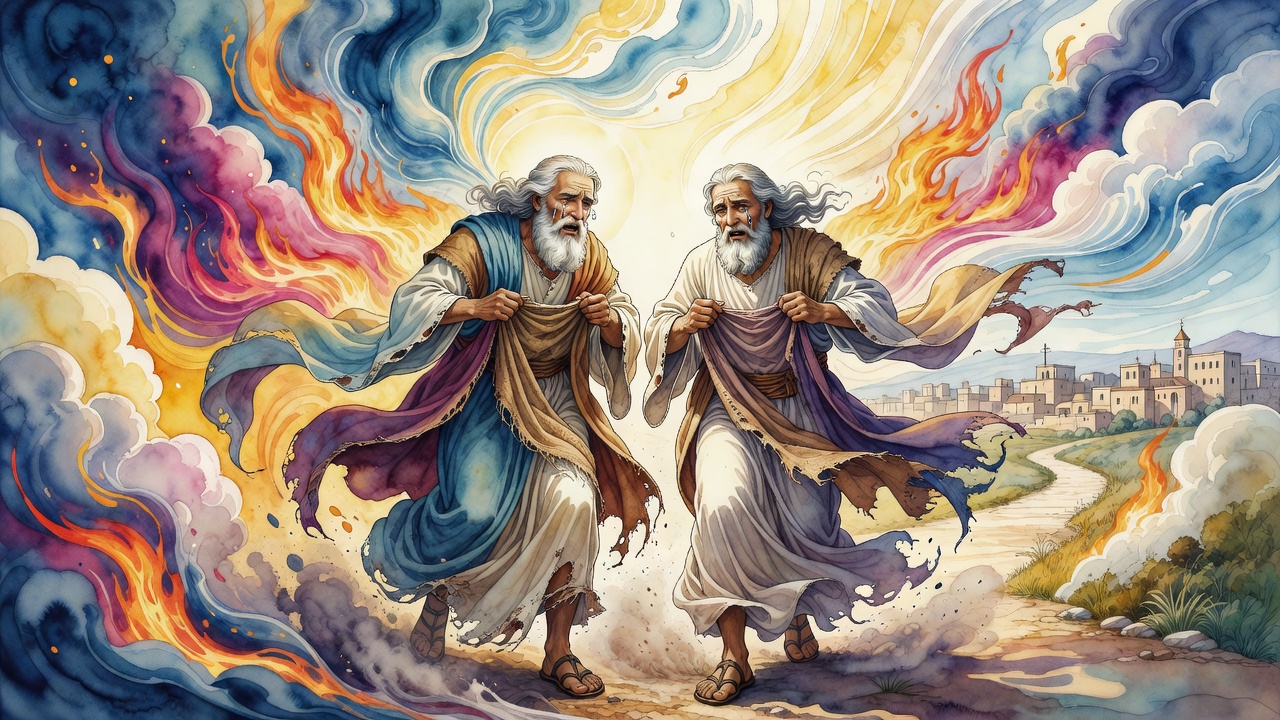
They had packed for a teacher's table in Netzivim. At a Phoenician port the Land rose behind their eyes, and they tore their collars.
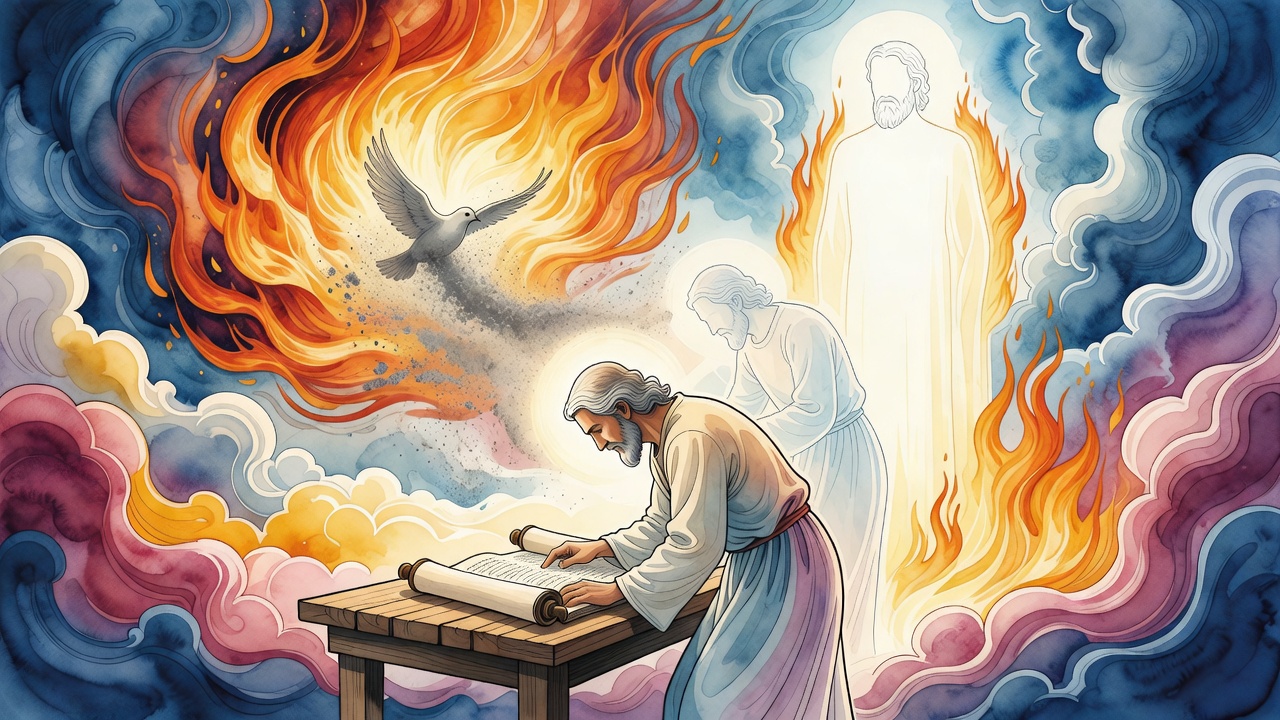
Any bird crossing the air over Yonathan ben Uziel while he studied came down as ash. When flames ringed Ben Azzai, his students asked what he was doing.
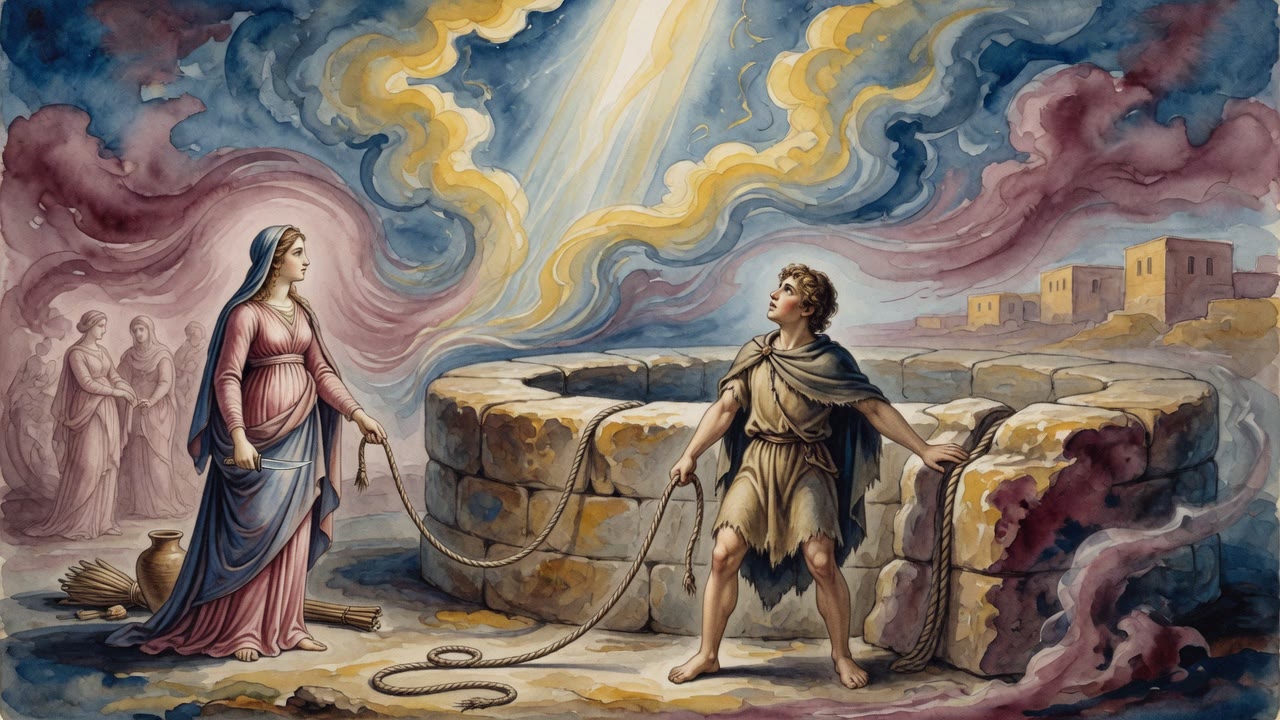
A lame man laughed at her in the street. Her hair would go grey, he said, before that shepherd of hers ever became a scholar.
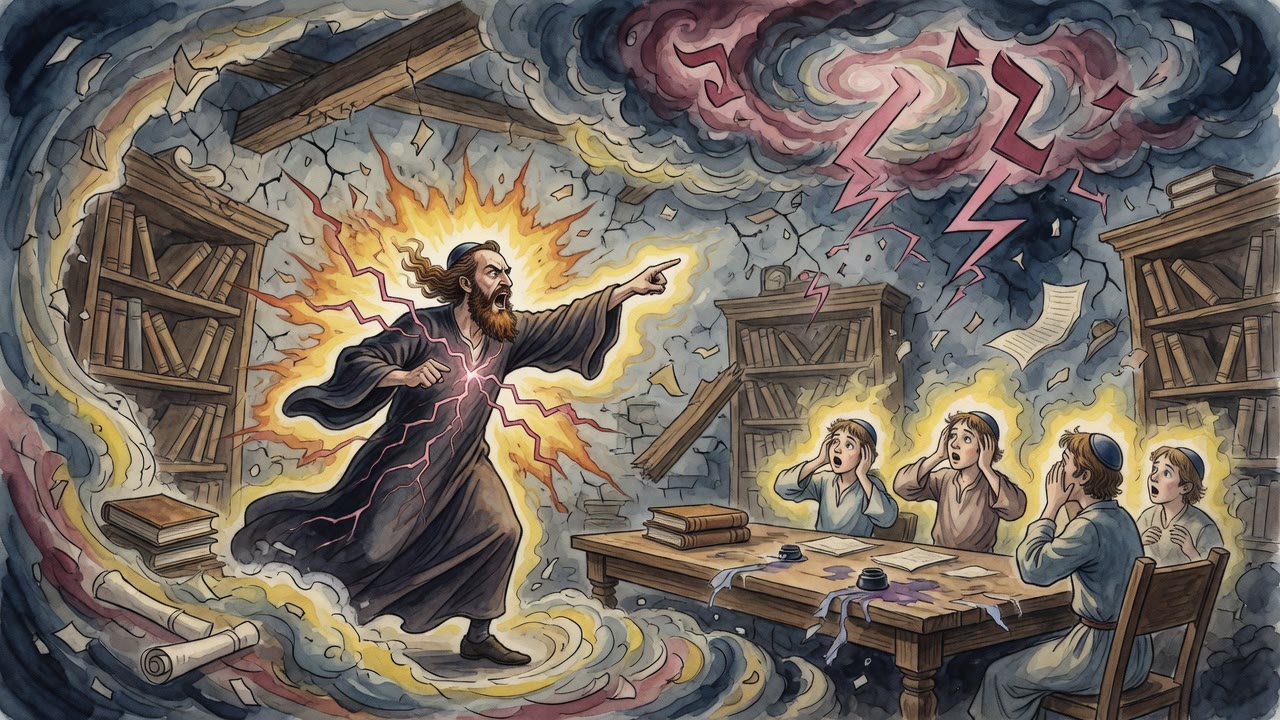
Rabbi Yochanan handed the eulogy to Reish Lakish. He called the dead man a garden that God walked into. Yochanan chose shrouds neither white nor black.
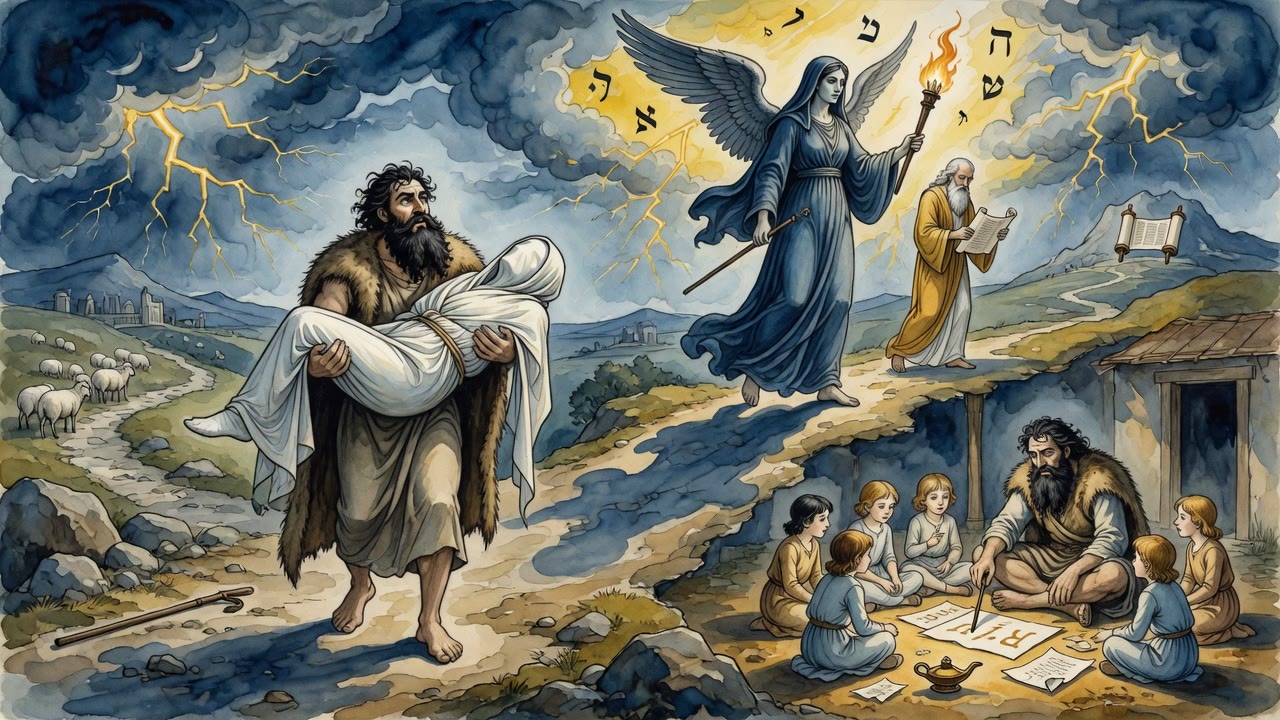
Until forty, Akiva could not read a single letter. He tended flocks. Then he found a stranger's body in a field, unclaimed, with birds already at work.
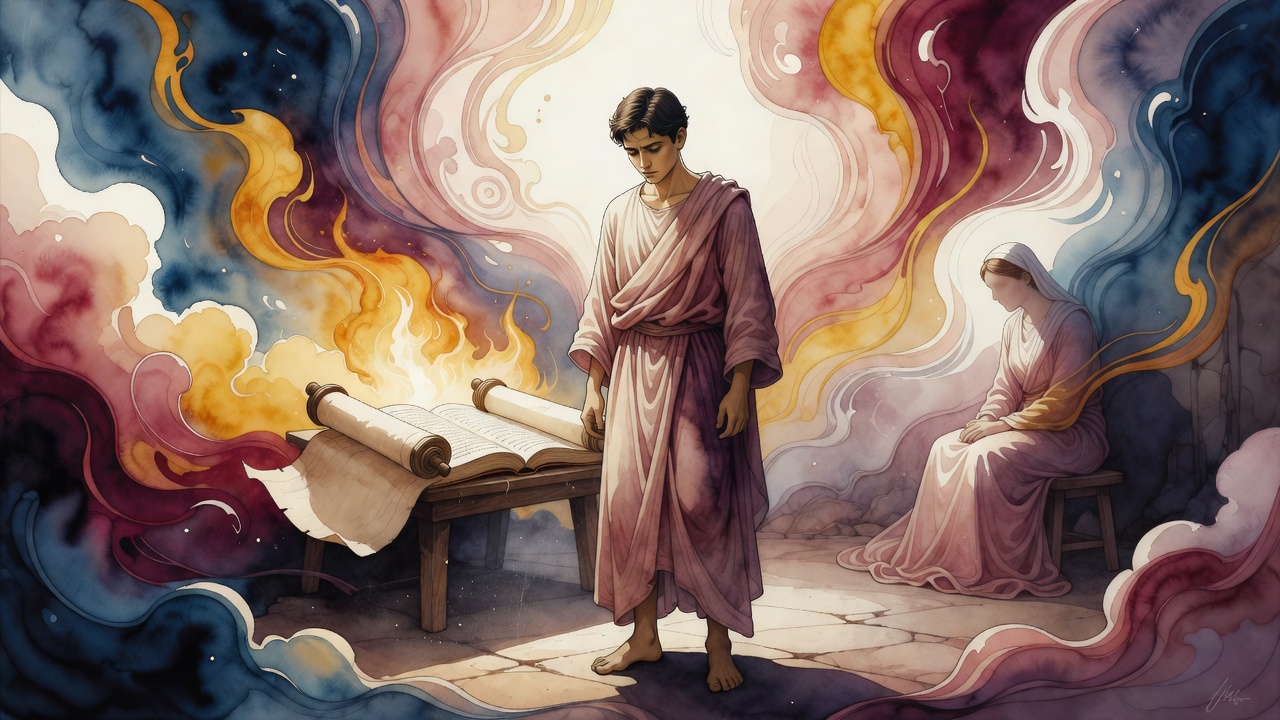
On his wedding night Rabbi Akiva's son asked for sandals, opened Torah, and left his bride to keep pace until dawn.
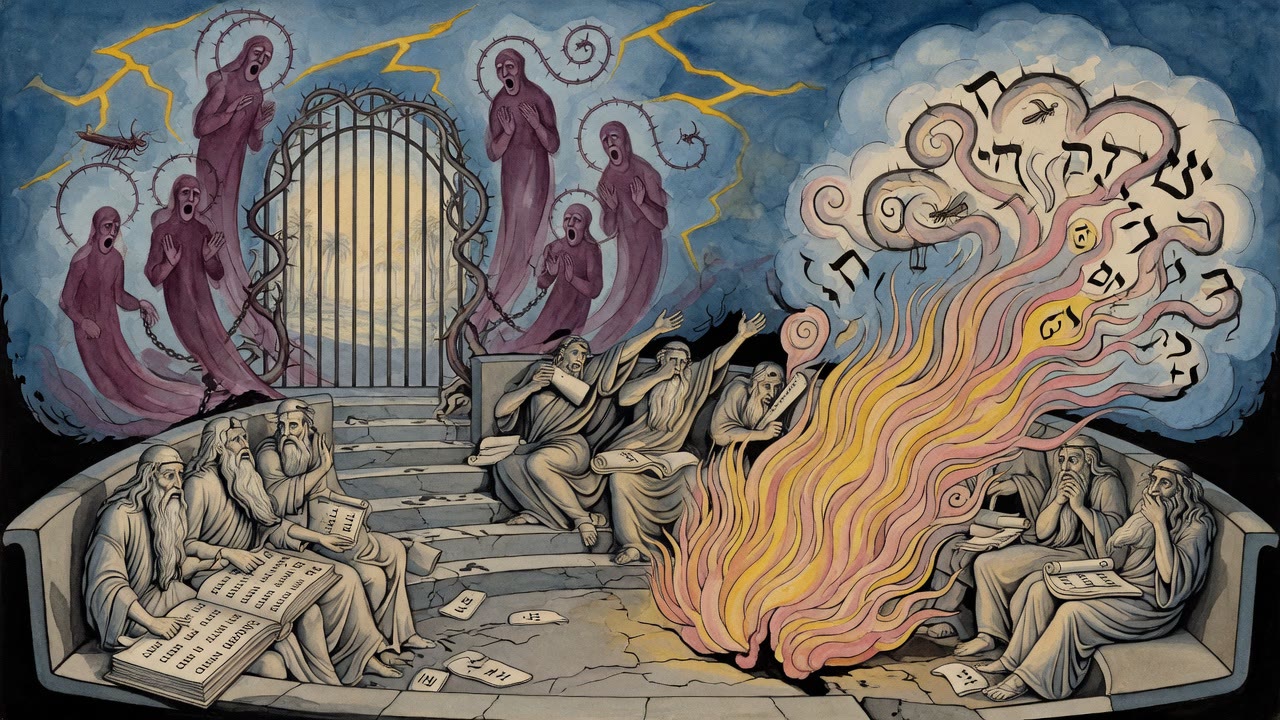
At a eulogy for Rabbi Bon, Rabbi Zeira told of a vineyard worker paid for a short day. Heaven keeps the same scale for elders full of Torah.
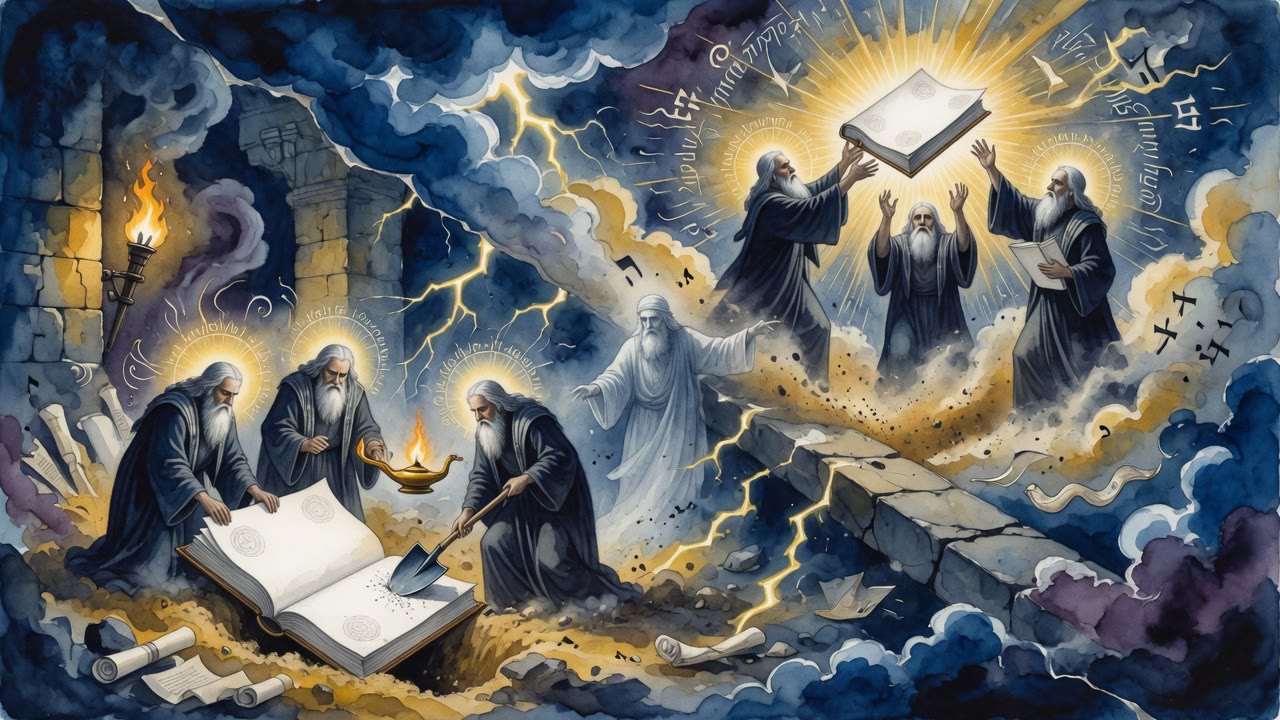
A hand reached to roll Ecclesiastes shut as heresy. The last clause dragged judgment into the young man's feast, and the scroll stayed.
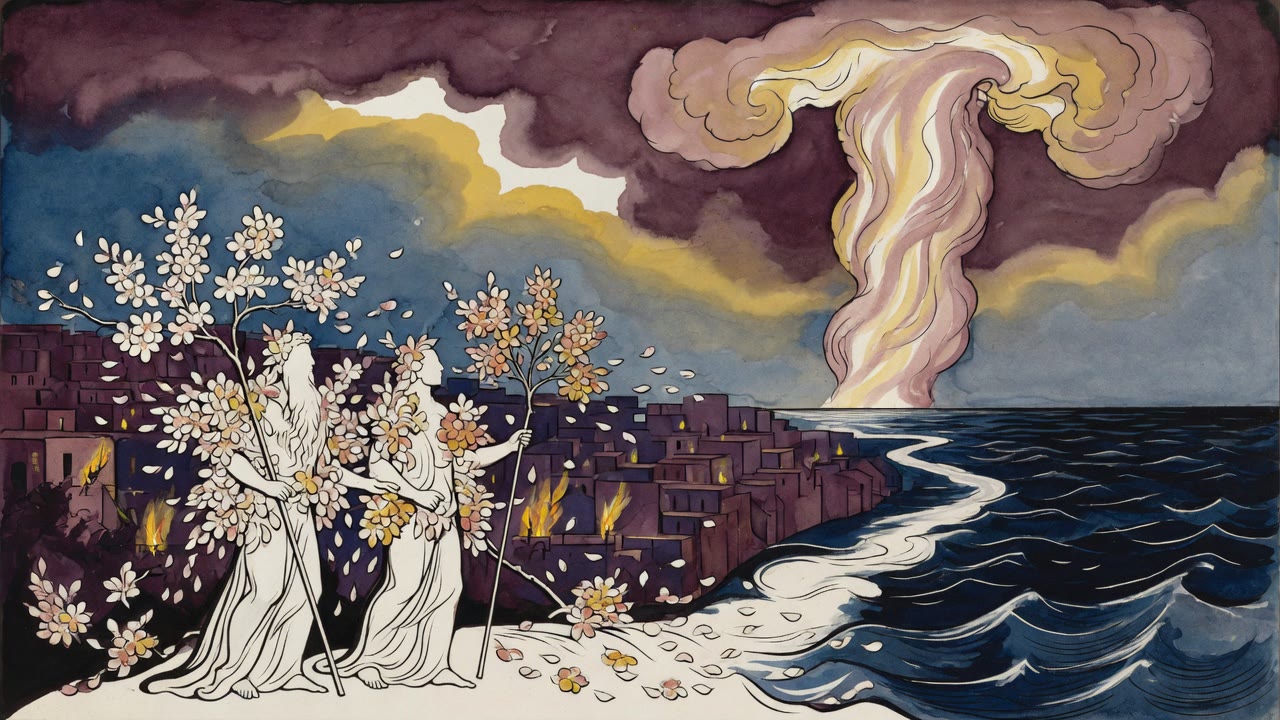
The gate did not creak. Behind it the leaves held still, and a spring pressed against stone without spilling a drop.
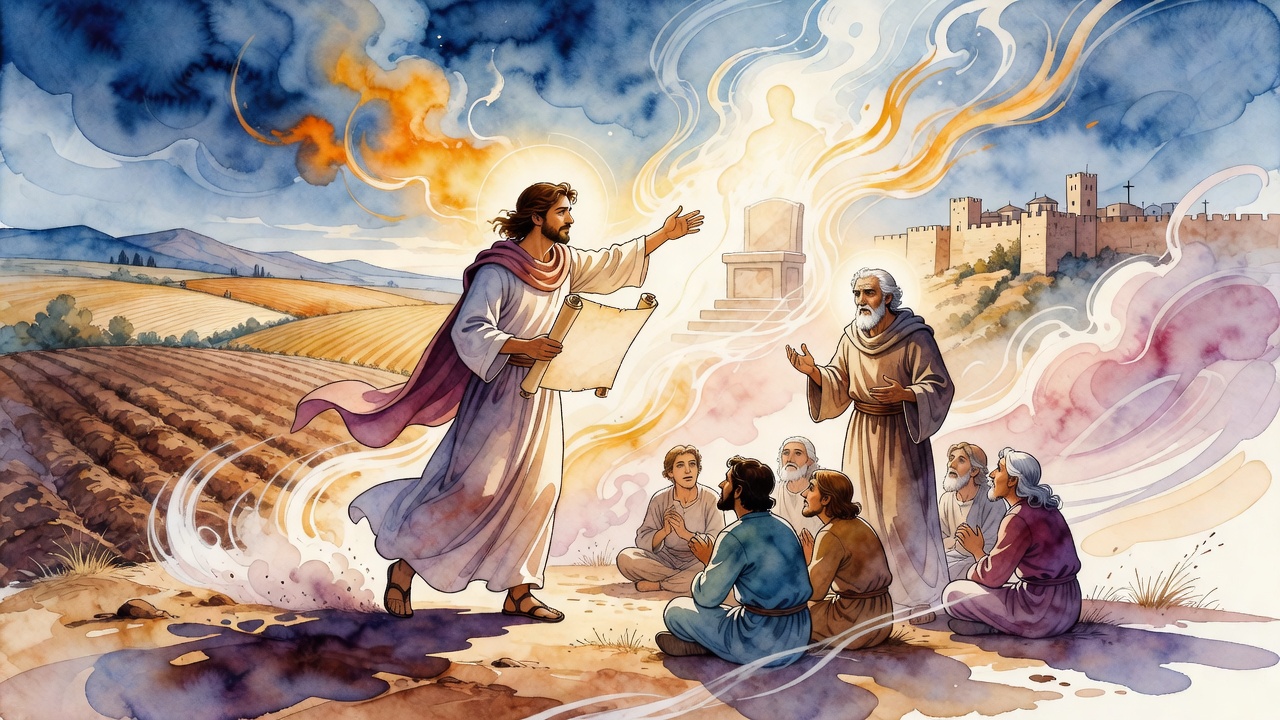
At twenty-two Eliezer left his father's fields for Jerusalem. Hyrcanus came to disinherit him and found a son already teaching Torah.
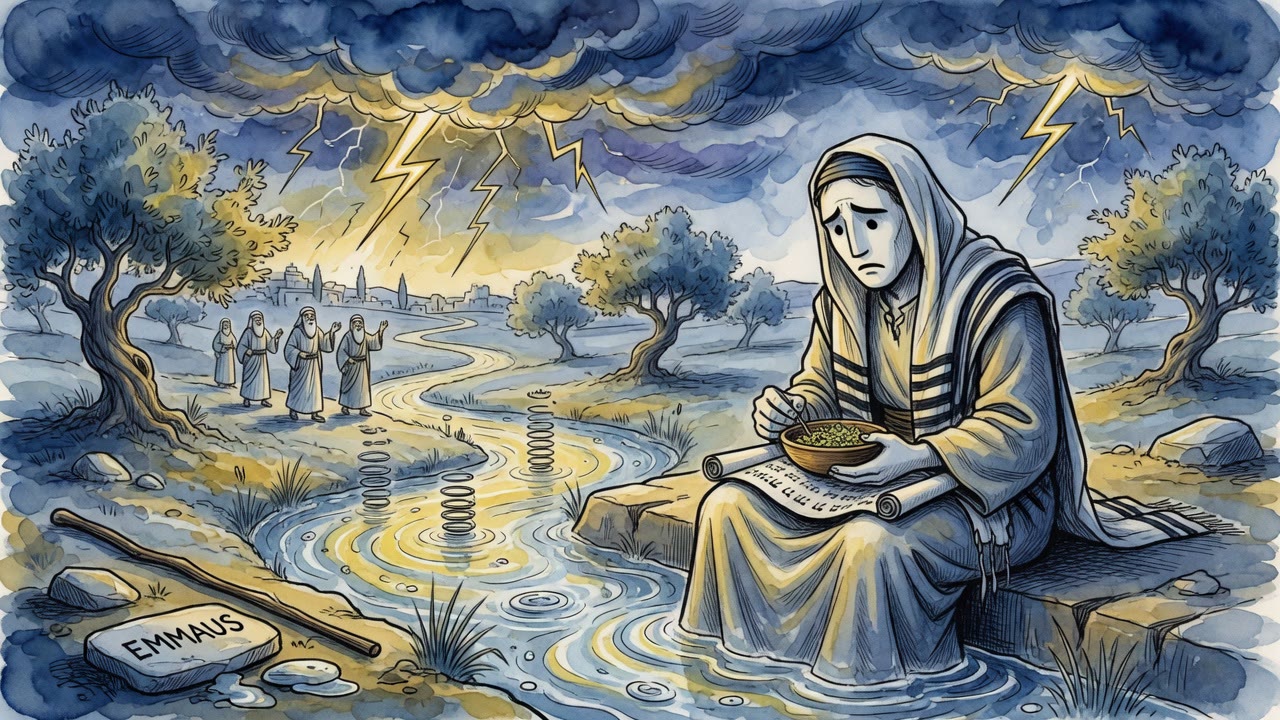
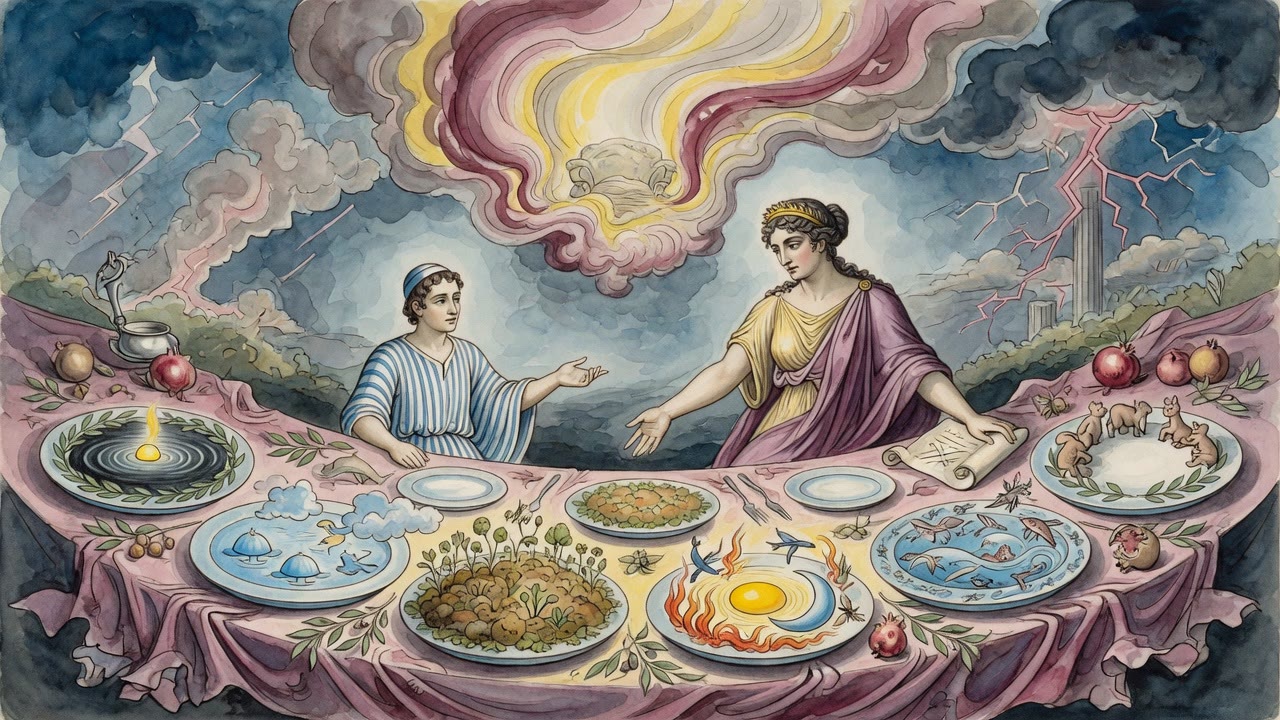
The brightest student of Yohanan ben Zakkai chose orchards and good water. When the sages came back, he could not name a dish on the table.
The lamp left a ring of soot on the ceiling. When Yehuda came back from the canopy, Elazar's hand was already further down the page.
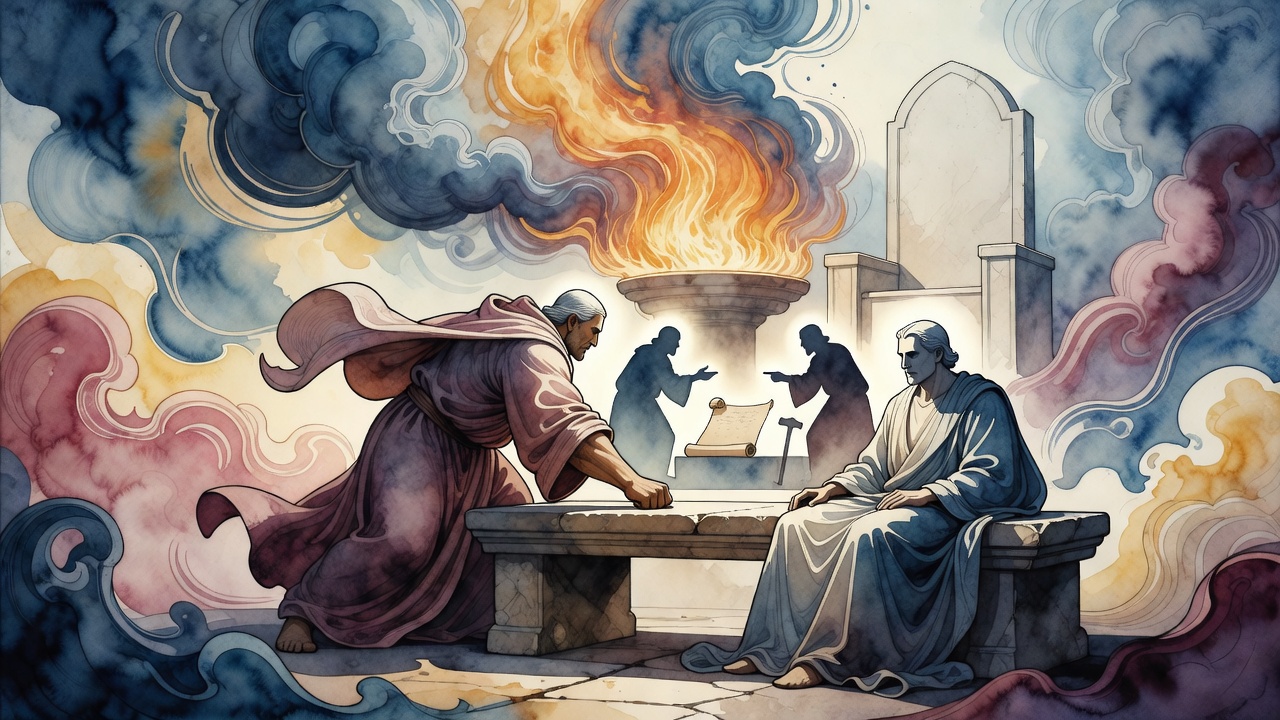
The mule stamped outside where the gifts sat packed for a softer ruling. Inside, the poorer man would not lift his face. The judge named the field anyway.
Rabbi Elazar hid behind a pillar when his teacher entered. Yochanan named the slight. He wanted his words spoken after he was in the ground.
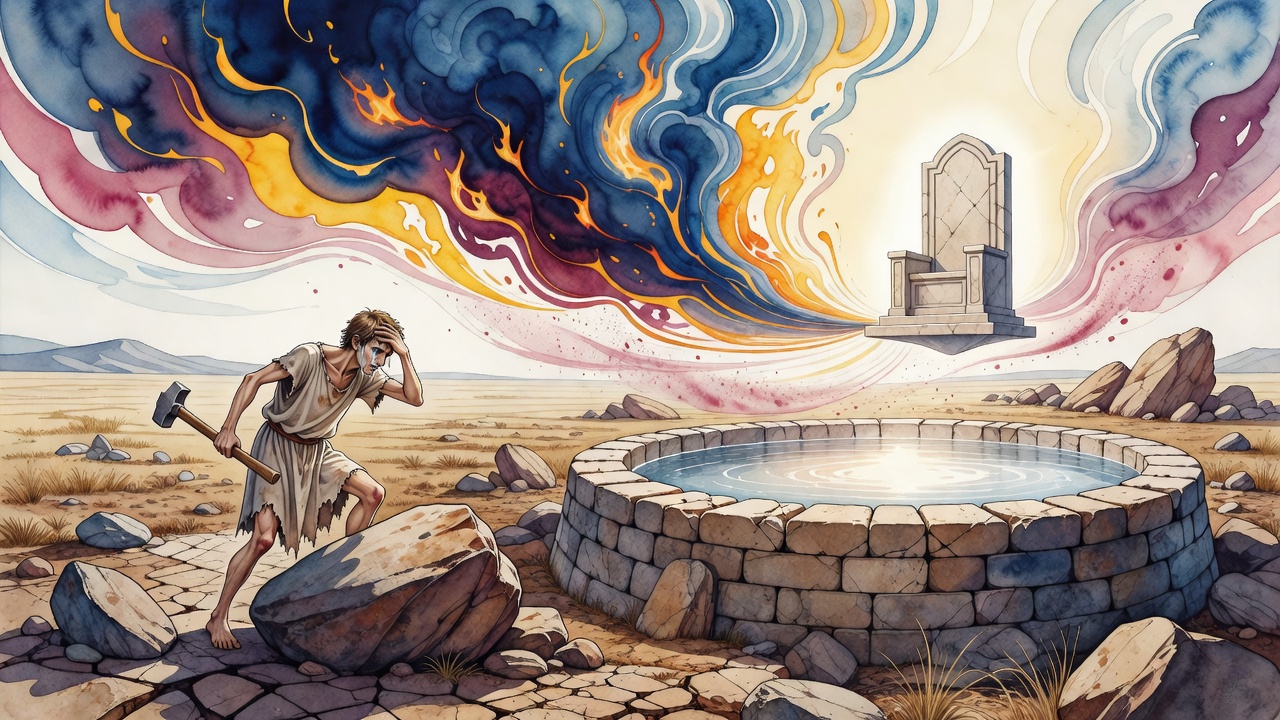
Hyrkanos moved his son off the stony field onto the best soil he owned. Eliezer cut one furrow in it and wept again. He was twenty-eight years old.
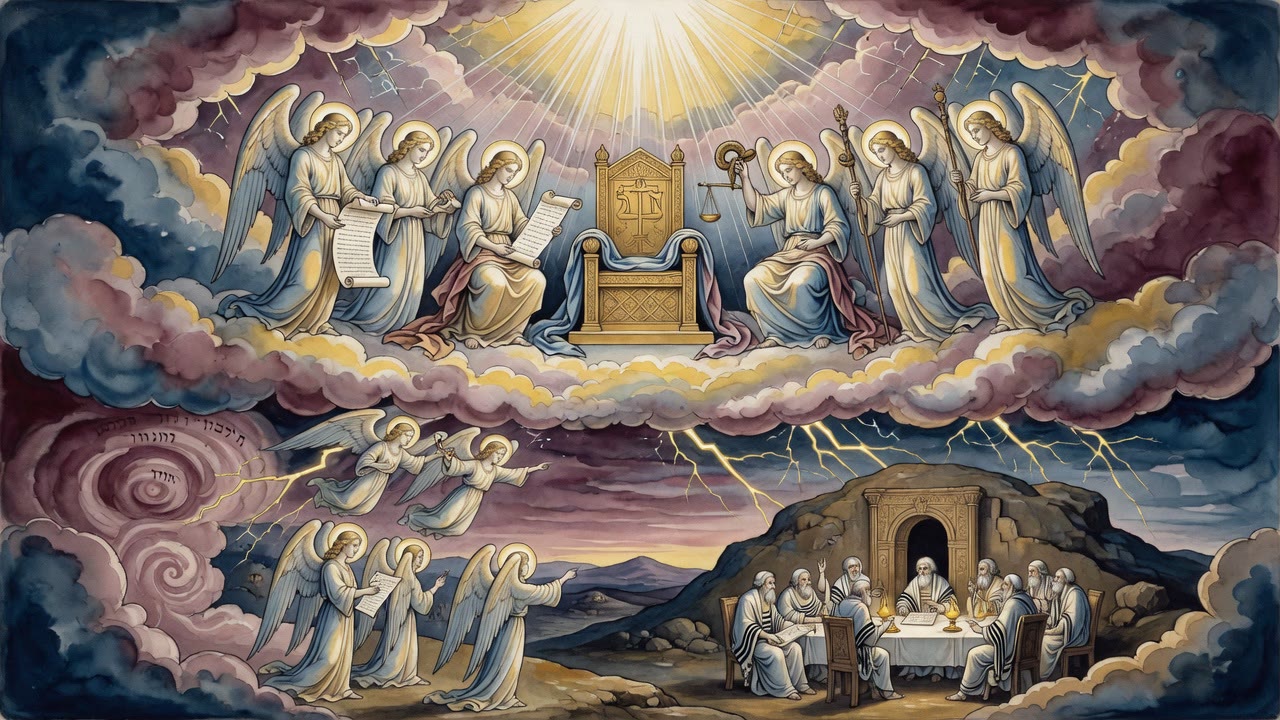
Achsah slid off the donkey before its hooves had settled. A donkey over an empty manger brays, she told her father, and the land he gave her was dry Negev.
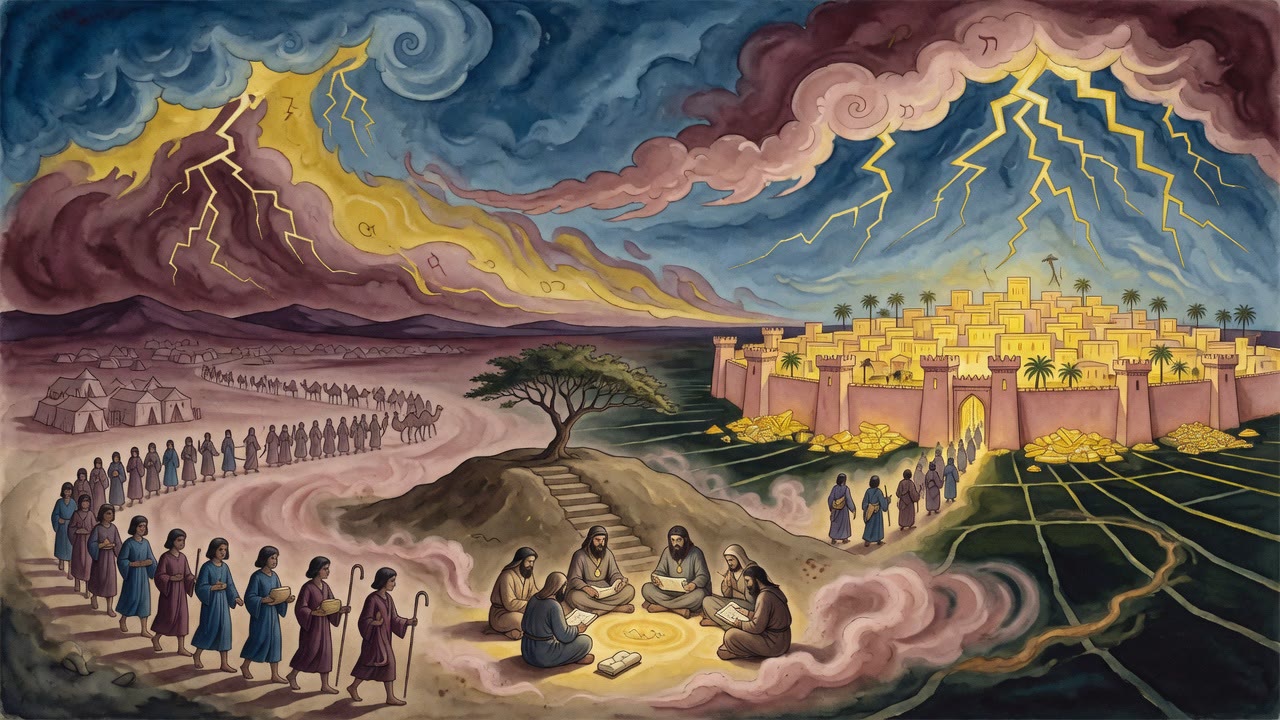
Jethro's children walked away from the richest land in Canaan to sit in the dust at Jabez, and from that seat a nation of wandering sages was born.
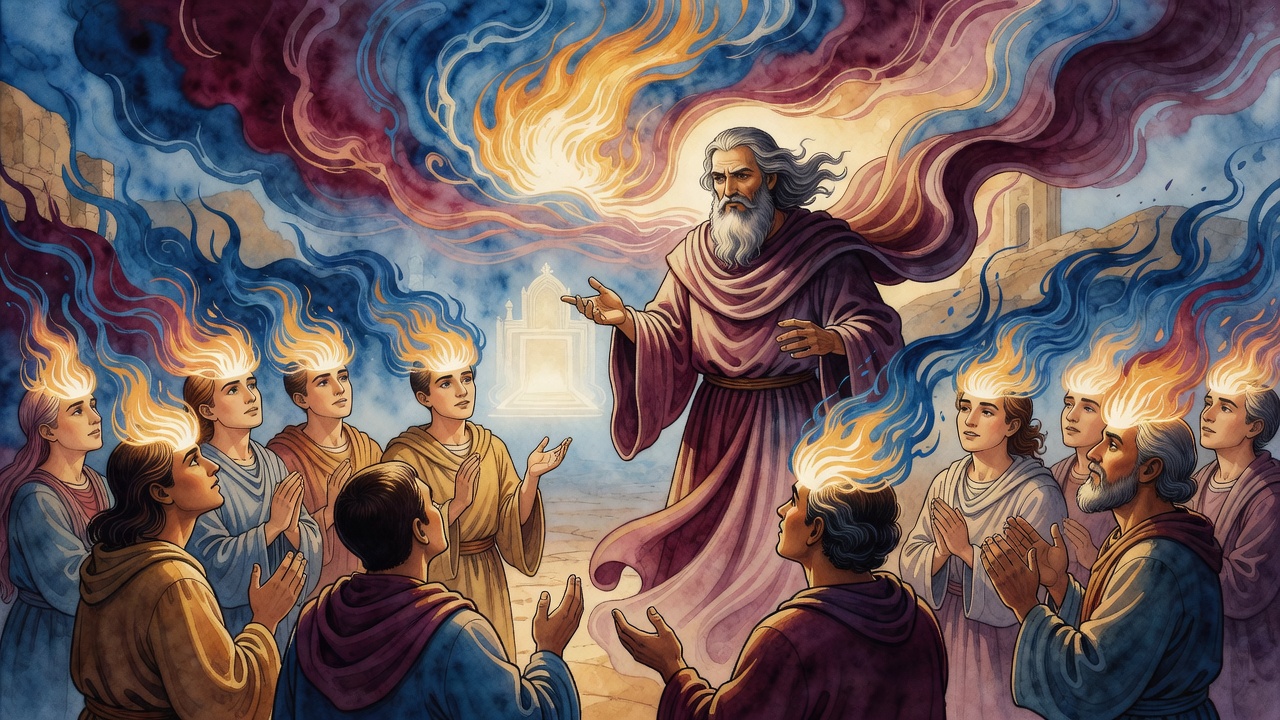
In Safed the Ari looked at his students and saw one verse of Torah burning on each forehead, then taught it so the sleeping soul learned more.
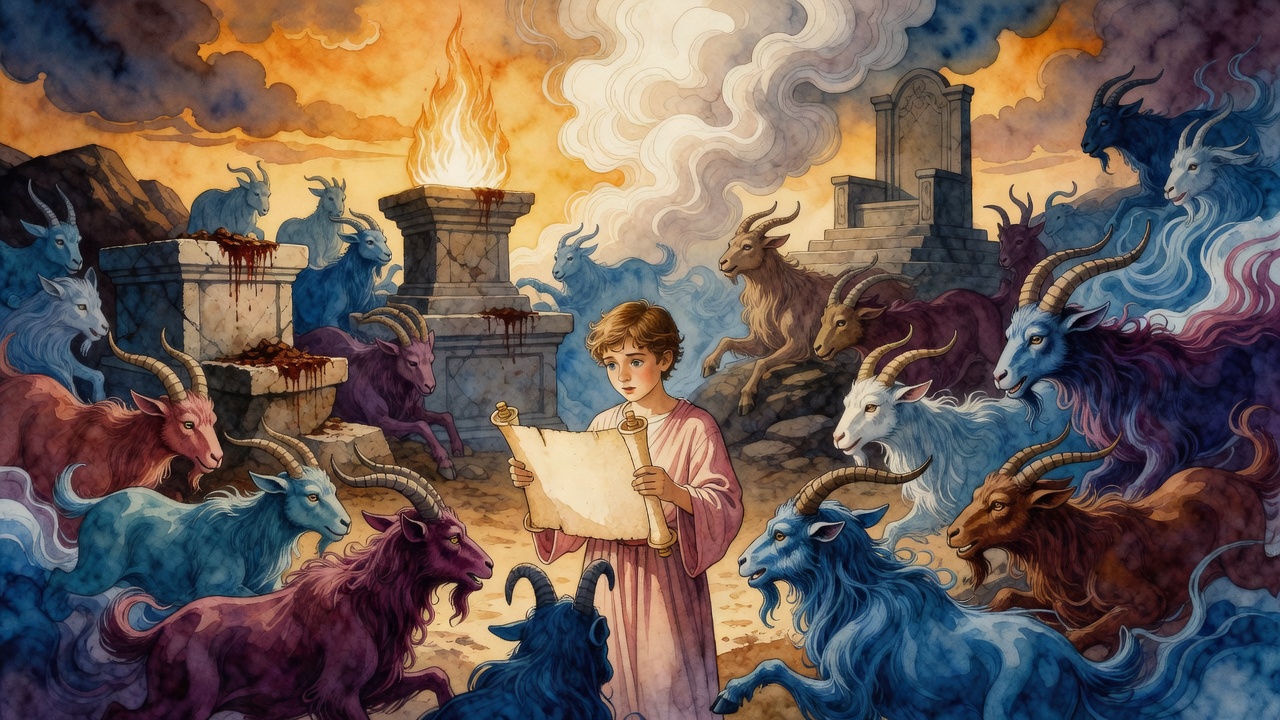
Goat-shaped spirits swarm a boy the first time he opens the words, and behind them stand the altars where his fathers poured out blood.
Et (את) marks the object of a Hebrew verb. Shimon HaAmsoni read every et as an inclusion until fear of God left nothing else to add.
