Reish Lakish Spoke and the Study Hall Shook
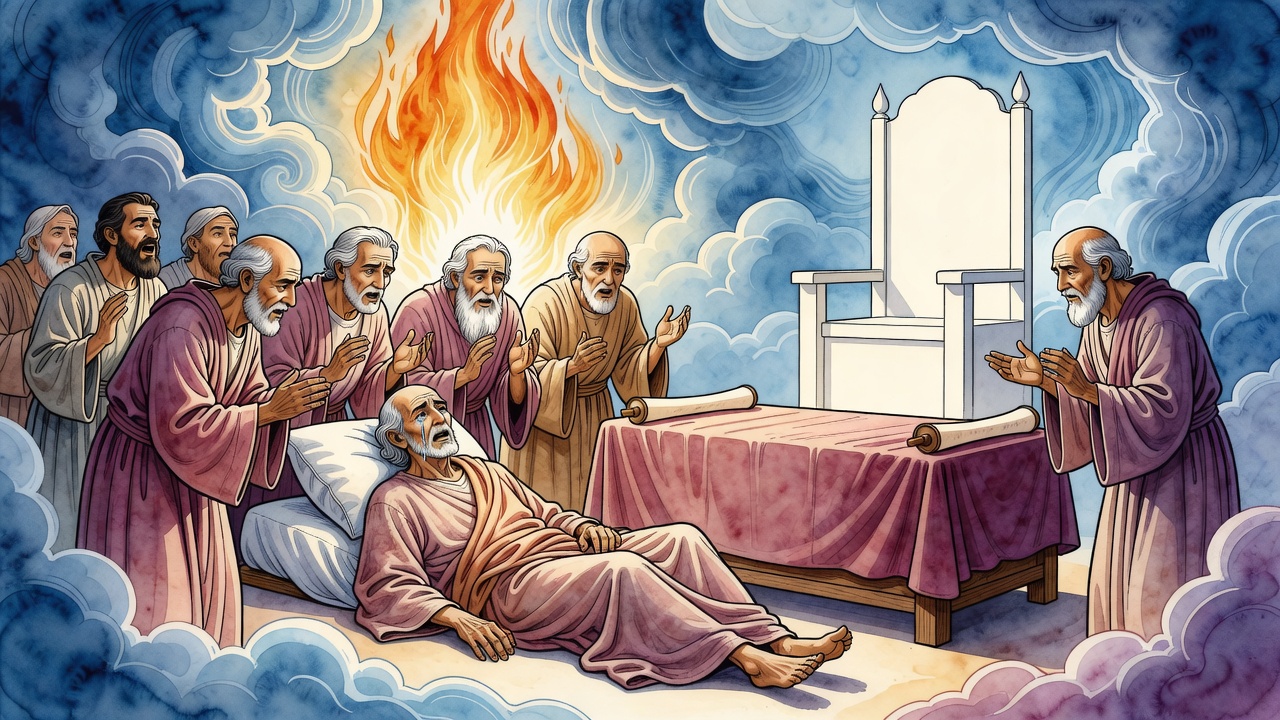
Rabbi Yochanan handed the eulogy to Reish Lakish. He called the dead man a garden that God walked into. Yochanan chose shrouds neither white nor black.
Table of Contents
 Click for full size
Let Reish Lakish Go
When Hiyya bar Ivya, sister's son of bar Kappara, died, the community asked Rabbi Yochanan for the eulogy. Yochanan refused the honor and pointed to a disciple who knew the dead man's virtues from the inside. "Let Reish Lakish go," he said. Humility sent the speech down one rung of the academy, and that rung held.
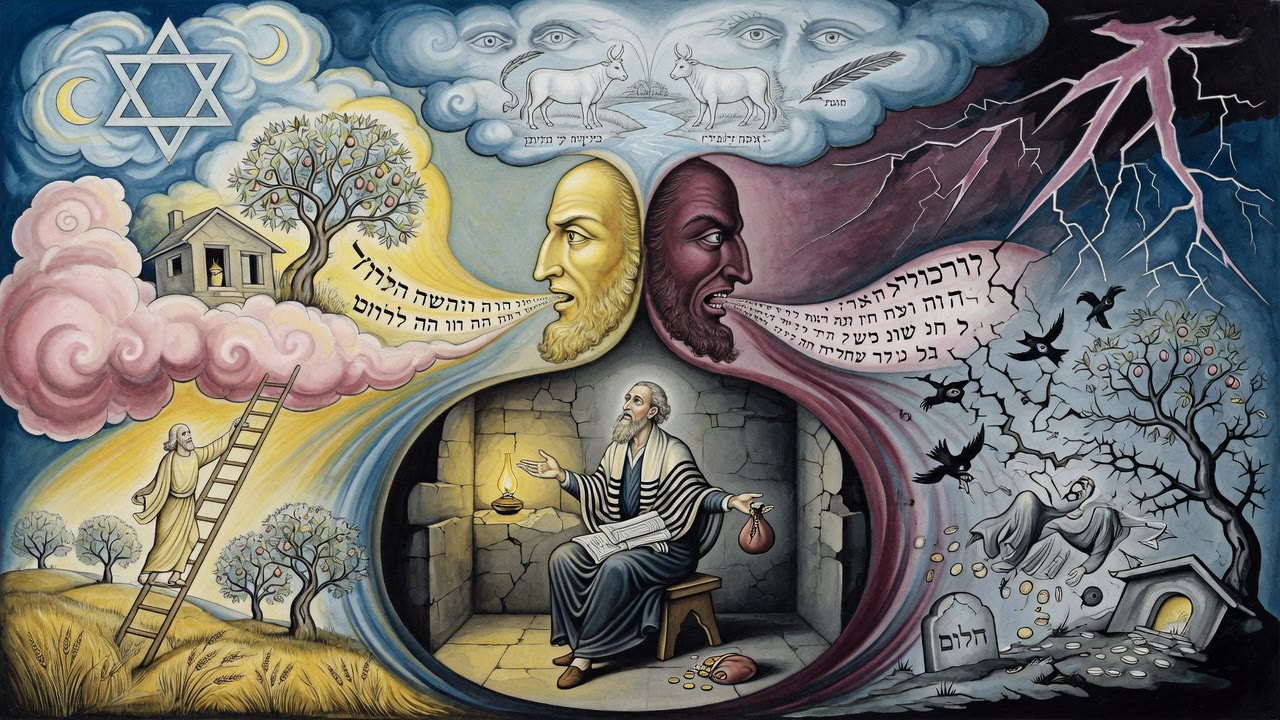
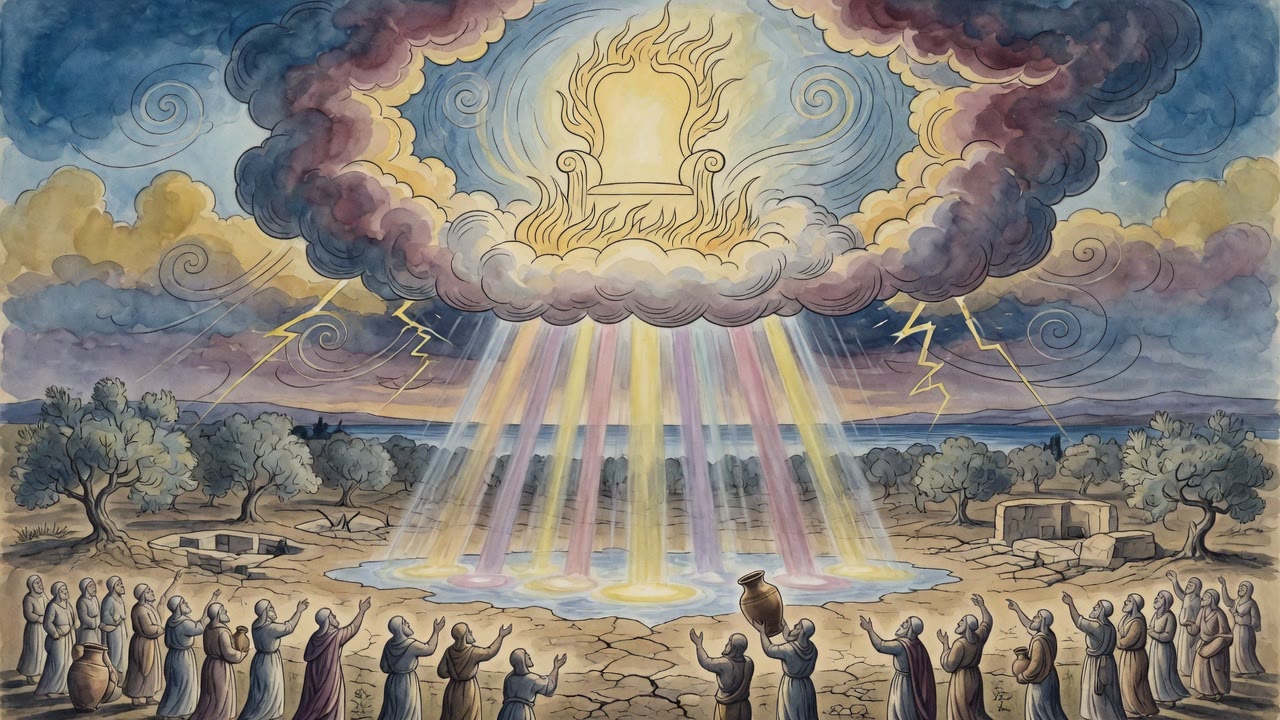
Reish Lakish stood and spoke a short line from the Song of Songs: "My beloved went down into his garden." God, knowing the worth of the scholar, had walked into His own garden and taken what He loved. The study hall heard a love song turned into a death notice. No long inventory of titles. A garden. A beloved. A descent that was also a claim.
Where Will Wisdom Be Found
Another death, another voice. When Rabbi Simon bar Zavdi died, Rabbi Ila eulogized him from the Book of Job. Wisdom, where will it be found? The deep says it is not in me. The sea says it is not with me. It is vanished from the eyes of all living. Silver has a mine and gold a place of refining. Iron comes from dust and copper from rock. When those are lost, the earth still yields more. When a Torah scholar dies, where is the replacement?
Rabbi Levi tightens the dread. Jacob's sons feared when they found money returned in their sacks, though free silver should be joy, because the world had stopped making sense. So too a generation that loses its wise man feels the order of things slip. Grief is not only tears. It is the question that has no quarry and no smelter.
Neither White nor Black
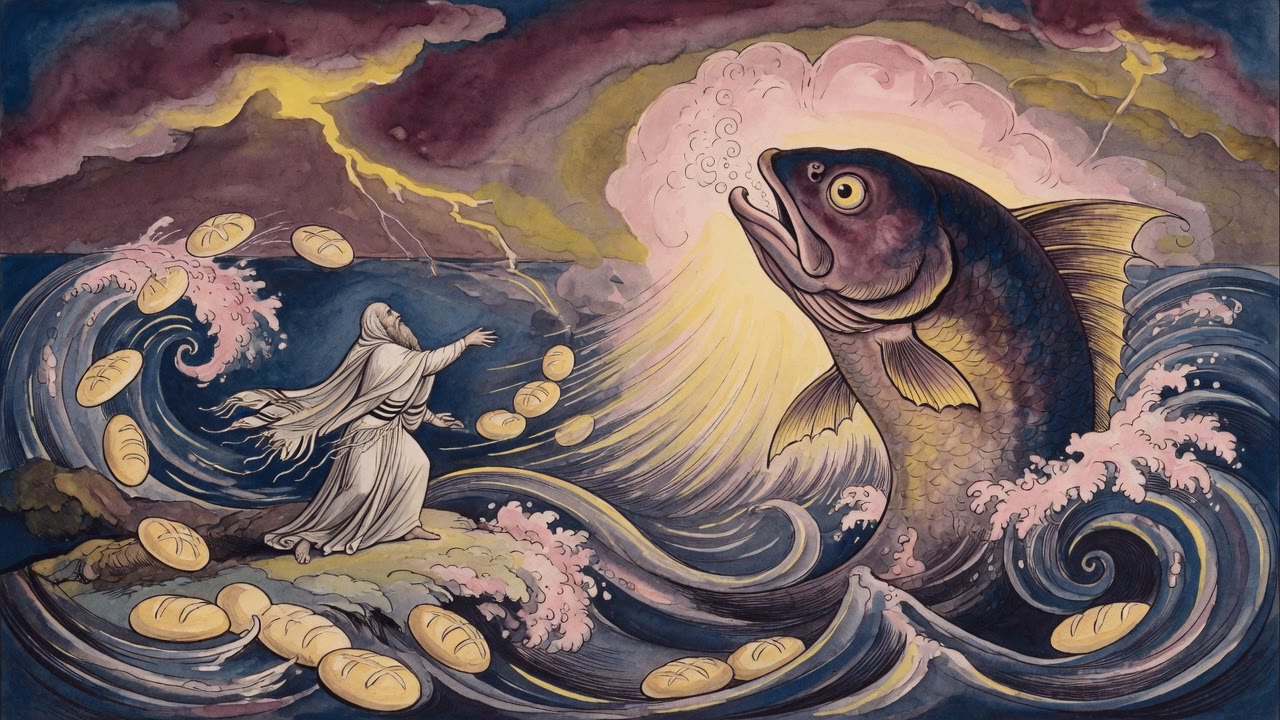
When Rabbi Yochanan felt his own soul preparing to leave, he gathered his students and gave a last order about color. Do not clothe me in bright dyed garments, he said, nor in pure white, nor in deepest black. Bury me in something in between. White is the garment of the righteous who walk in radiance. Black is the garment of the wicked who stand in shame. He would claim neither.
"If on the great Day I am found among the righteous," he said, "I do not wish to be ashamed in the dark clothing of the guilty. If I am found among the wicked, I do not wish to be humiliated in the white of the pure." He chose a middle hue that would not lie in either direction. Even at the threshold of death he left the verdict in Heaven's hands.
How the Academy Buries Its Own
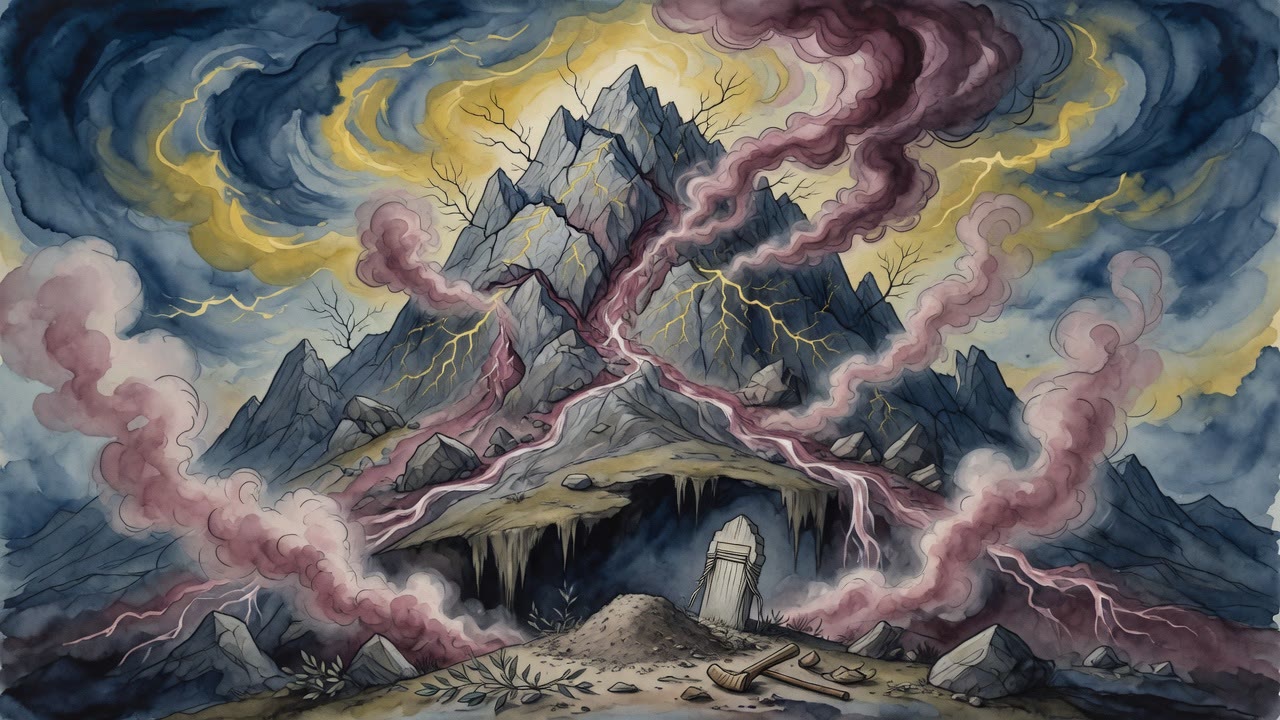
One sage's death becomes a garden God enters. Another's becomes a mine that will not yield a second vein. A master's own burial becomes a refusal to costume the soul in advance. The academy does not only argue law. It learns how to speak when speech is almost useless, and how to dress a body when the body's story is not finished until judgment.
Reish Lakish's short poem and Yochanan's careful cloth answer each other. Love claims the dead for God's garden. Humility refuses to claim the dead for a party of the saved or the damned. Between them the study hall learns to mourn without arrogance.
A eulogy is not a resume read aloud. In these halls it is a theology of absence: God harvesting a garden, the earth refusing to replace a mind, a dying master refusing to dress his corpse as a verdict. The living are left with work that feels smaller and more urgent at once, because silver can be mined again and a teacher cannot.
Irreplaceable Minds
Silver has a source. Gold has a place of refining. Iron and copper return from rock and dust. The eulogy's power is the break in that list. A scholar is not an ore. When Simon bar Zavdi dies, Rabbi Ila cannot point to a hill where another such mind can be dug. The academy feels the shortage immediately. Questions that person would have answered hang in the air. Arguments that person would have sharpened go dull.
Reish Lakish's garden line answers shortage with intimacy. God did not lose the dead man. God harvested him. "My beloved went down into his garden" turns death into a visit Home, which does not stop the tears and does reframe the ownership. The disciple who knew the virtues was the right mouth for that sentence. A stranger's eulogy would have listed titles. The student could risk a love song.
Yochanan's mid-colored shrouds complete the set. If the dead are God's harvest, the dead still do not get to costume themselves as already judged. White and black are verdicts. The middle cloth is a deferral. The same Rabbi Yochanan who stepped aside so Reish Lakish could speak also steps aside before his own coffin, refusing to declare which company he will keep on the Day. Humility in speech and humility in linen: two sides of one academy ethic.
← All myths