Yochanan Wept When Judgment Stood Open Before Him
Rabbi Yochanan ben Zakkai wept on his deathbed while disciples begged a blessing, and Sarahs bier taught whom a eulogy truly honors.
Table of Contents
 Click for full size
The Light of Israel Weeping
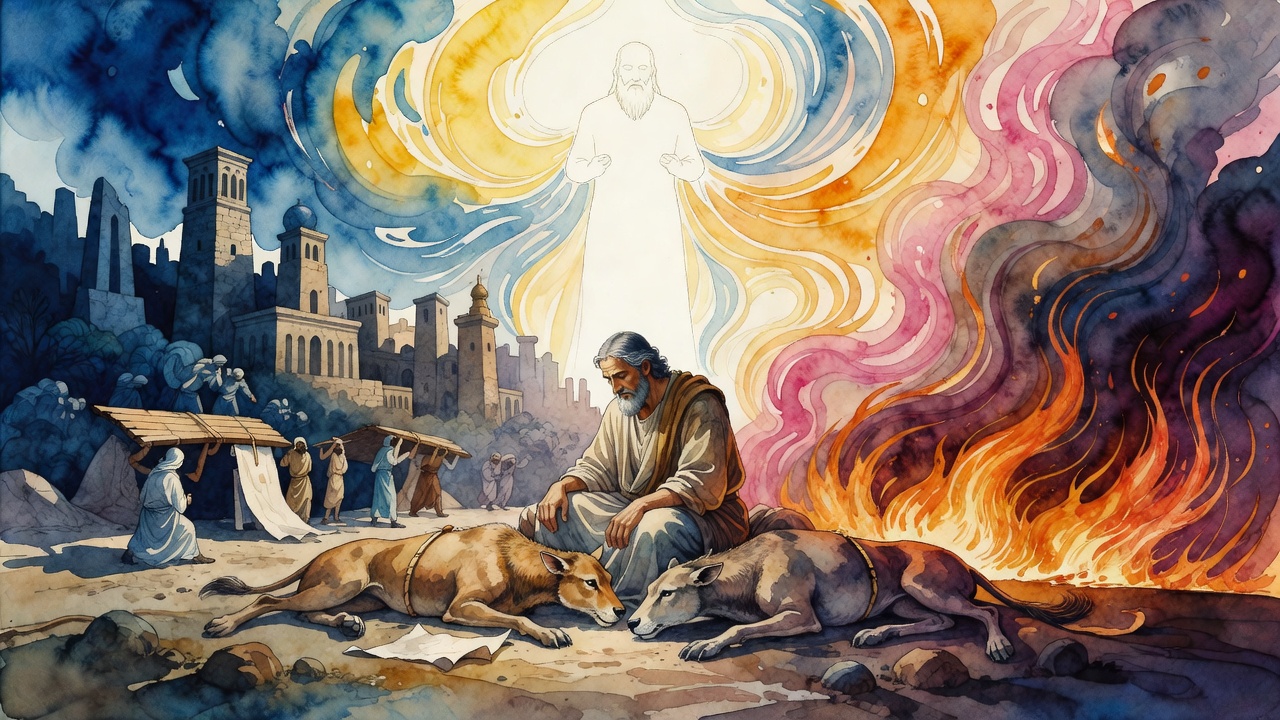
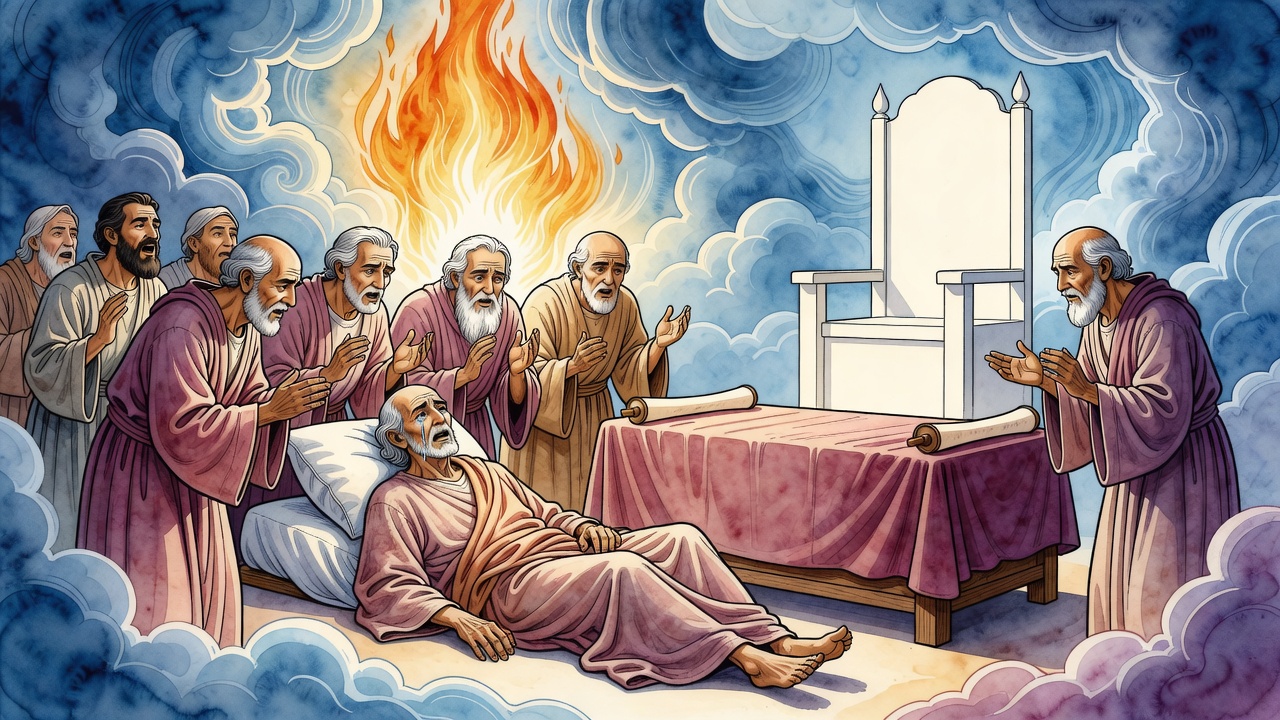
Rabbi Yochanan ben Zakkai lay dying, and his disciples crowded the room expecting composure. They called him the Light of Israel, the Pillar of the Right, the Mighty Hammer. They had watched him save a remnant when Jerusalem burned. They did not expect tears.
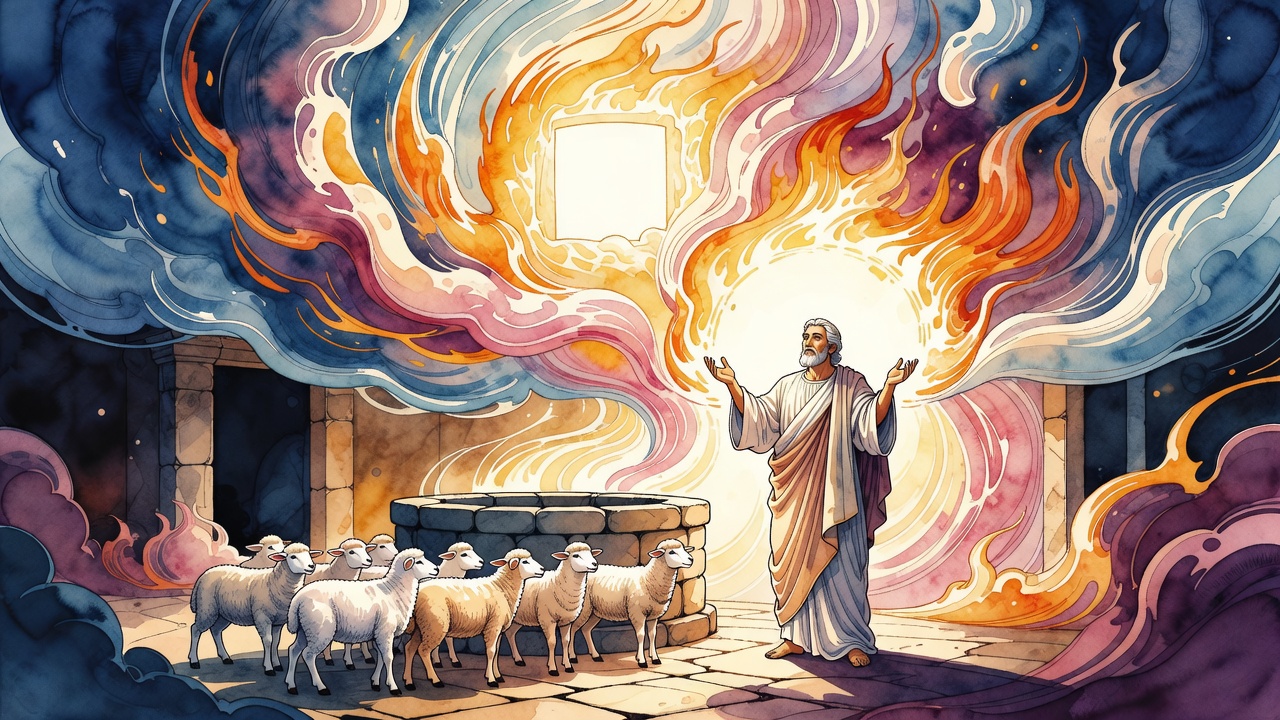
He was weeping. Light of Israel, they asked, why do you weep? The old master answered with the clarity of a teacher whose last lesson would outlast his breath. If I were being led today before a king of flesh and blood, a king who is here today and tomorrow in the grave, whose anger cannot last forever, whose death sentence cannot endure forever, and whom I might yet pacify with words or bribe with silver, even then I would weep. How much more now, when I am about to stand before the King of kings, the Holy One, blessed be He, whose sentence admits no bribe.
Two Roads and No Map
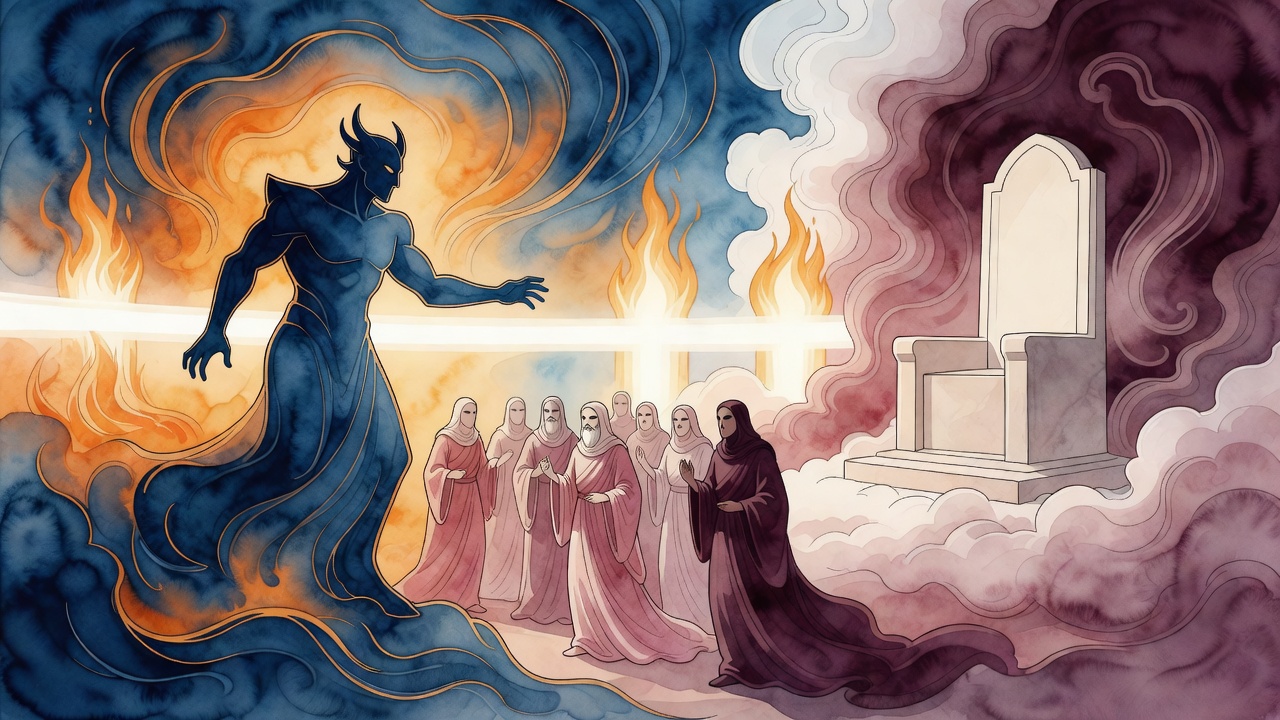
Two roads stretch before me, he said, one to the Garden and one to Gehinnom, and I do not know which I will walk. Shall I not weep? The disciples bent close, shaken. The man who had bargained with Rome for Yavneh now bargained with nothing. He asked for no flattery and offered no certainty. He only named the fear that keeps a soul honest when titles fall away.
They begged for a blessing. He gave them one sentence. May the fear of Heaven be upon you as much as the fear of flesh and blood. He meant: you already know how to behave when a neighbor might see you. Learn to behave the same way when only God is watching.
At Sarah's Bier
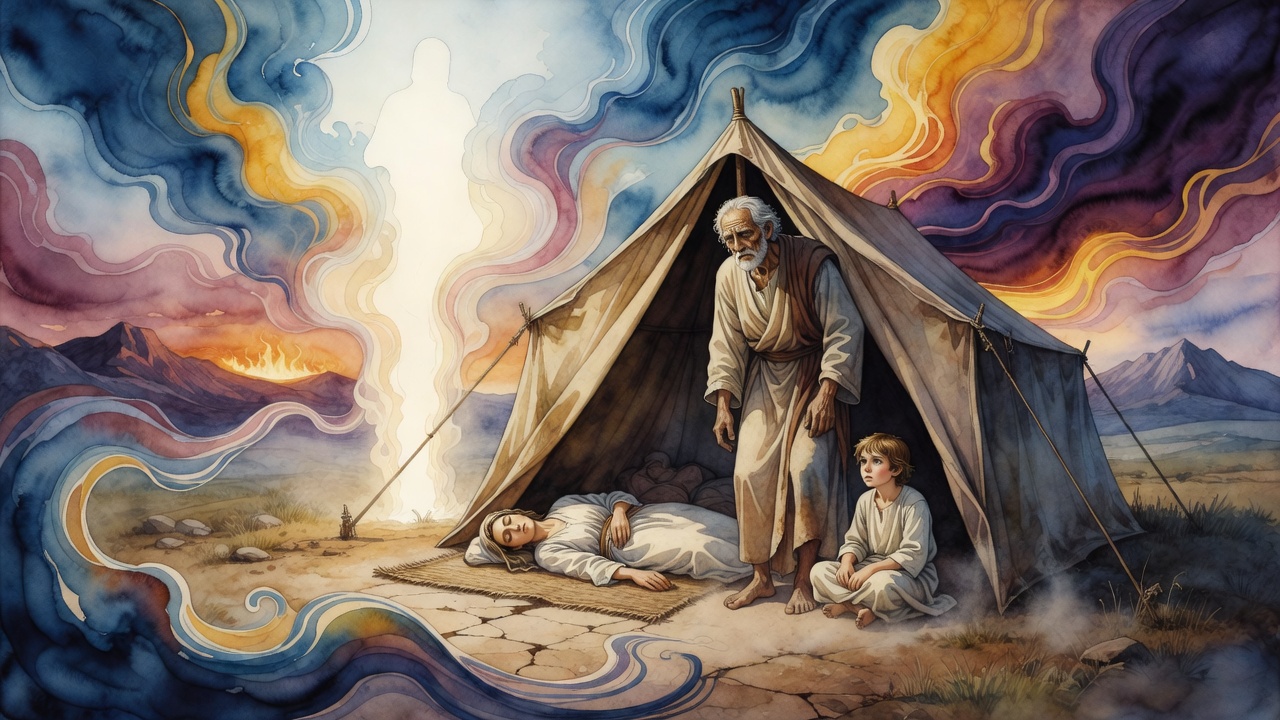
Stand at the edge of a grave and another question rises. When we gather to praise the dead, whom does the praise serve? The Sages turned to Abraham at Sarah's bier. He came to mourn her and to weep for her (Genesis 23:2). Would Abraham have delayed her burial merely to polish his own reputation? Surely not. And yet Sarah herself, they say, would have been glad, because through her honored passing Abraham too was honored. Grief binds the living and the dead in one dignity.
Rabbi Natan offered a harder reading. It is a good sign, he taught, when a person suffers indignity in death, because the account may be settling here rather than in the world to come. A body left uneulogized may be a soul whose debts are being paid in public. From this they concluded that the eulogy is the honor of the dead. The living grieve, but the dignity belongs to the one who has departed.
What the Dying Still Teach
Yochanan did not ask for a long eulogy. He asked his students to fear Heaven as they fear human eyes. That request is itself a kind of eulogy spoken in reverse: not praise of the dead man, but instruction that keeps the living from needing so many tears later. Sarah's story insists the dead still own their honor. Yochanan's story insists the living still own their fear.
Imagine the room again. Oil lamps. A thin body under a blanket. Young scholars who thought greatness would die smooth. Instead they learned that the greatest among them still trembled before judgment, and that trembling was not failure. It was the last honest act of a life spent in Torah.
Honor Without Theater
Some men instruct, Do not eulogize me when I am gone. If the honor belongs to them, their wish stands. Others leave heirs who would rather not pay for speeches. The old debates matter less than the posture they demand: speak truth about the dead, fear truth about yourself, and do not confuse applause with atonement.
Yochanan wept because he knew the difference. Abraham wept because he loved Sarah. Between those two kinds of tears, a people learns how to bury its teachers without turning the funeral into a marketplace of vanity.
After the Room Empties
When the disciples left Yochanan's bedside, some of them must have walked in silence. They had wanted a last legal ruling, a last clever saying, a last proof that greatness dies without trembling. Instead they received tears and a single blessing about fear. That blessing reorders a life. Fear of neighbors already polices half of human behavior. Fear of Heaven asks for the other half, the half lived in locked rooms and private ledgers where no student can clap.
Sarah's burial refuses the other vanity: turning the dead into a stage for the living. Abraham weeps because he lost her, not because the city is watching. The eulogy, when it comes, belongs to her honor even when it comforts those who remain. Between Yochanan's fear and Abraham's tears, the tradition builds a corridor where neither the dying nor the dead are used as props.
We still fail that corridor. We write long tributes that are mostly about ourselves. We die hoping someone will call us Light of Israel without asking whether we feared the Judge more than the audience. Yochanan's wet face is an answer to that failure. If the Mighty Hammer wept, the rest of us can stop pretending that confidence is the same as readiness.
← All myths