Abraham Aged Overnight When Sarah Was Buried
Sarah was in the cave. Abraham set the last stone and the years arrived. The first land he bought in the promise was her grave.
Table of Contents
 Click for full size
The Last Stone
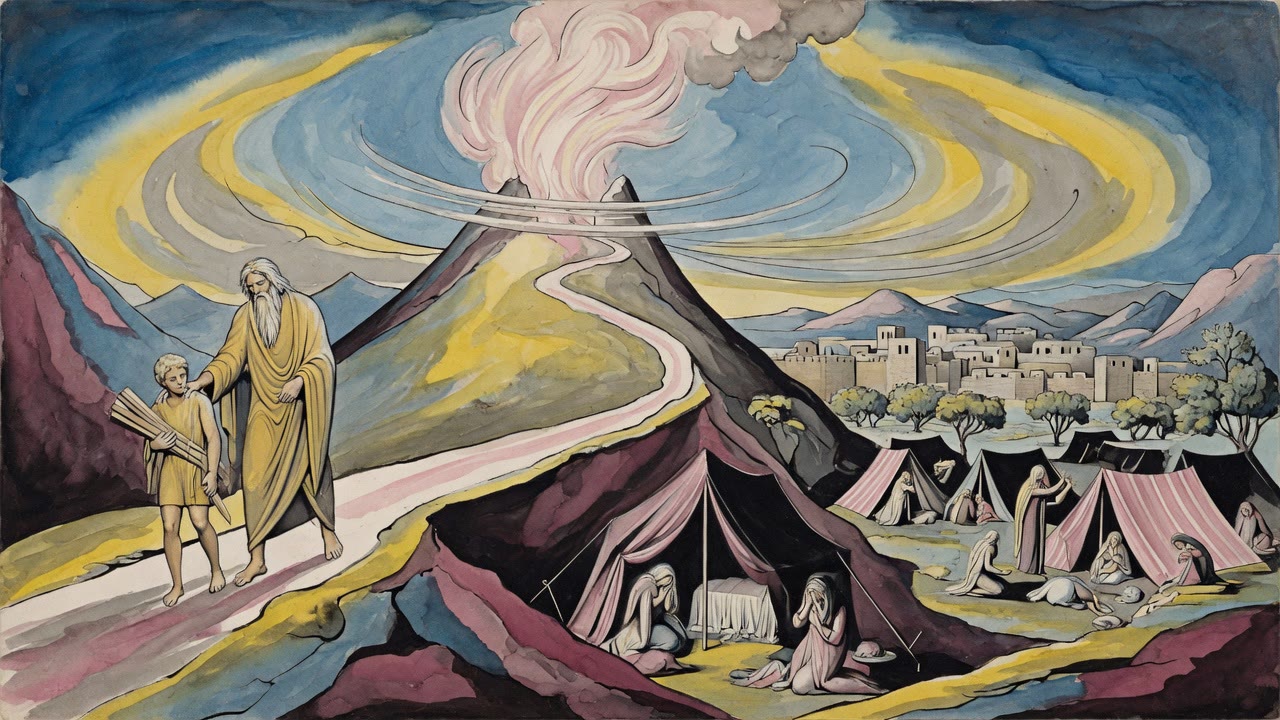
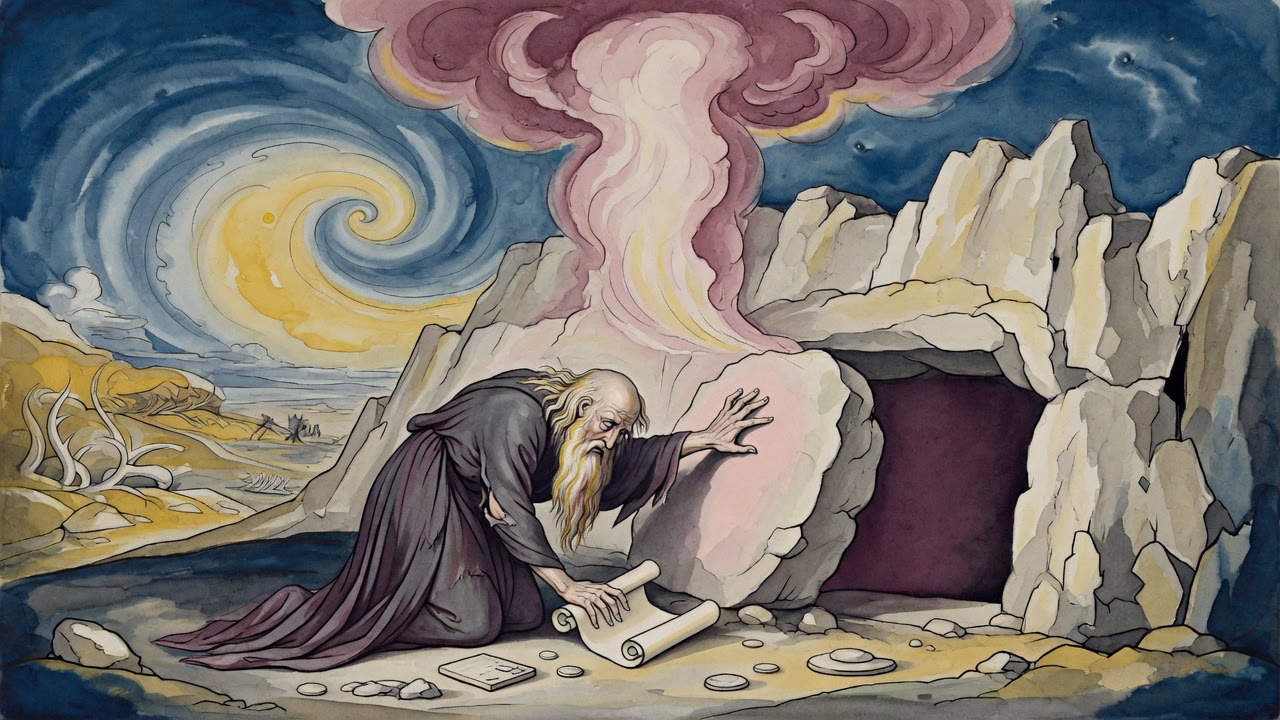
Abraham set the last stone and felt his years arrive all at once. He had outrun kings, famine, and the knife on the mountain. He had argued with God for cities and waited decades for a son. None of that bent his back the way the silence after Sarah did. The cave of Machpelah (מכפלה) held her body. The open air held a man who suddenly looked old.
The verse says Abraham was old, coming with days (Genesis 24:1). The days came because she was gone. Age was not only a number. It was the weight of walking without the woman who had walked with him from Ur.
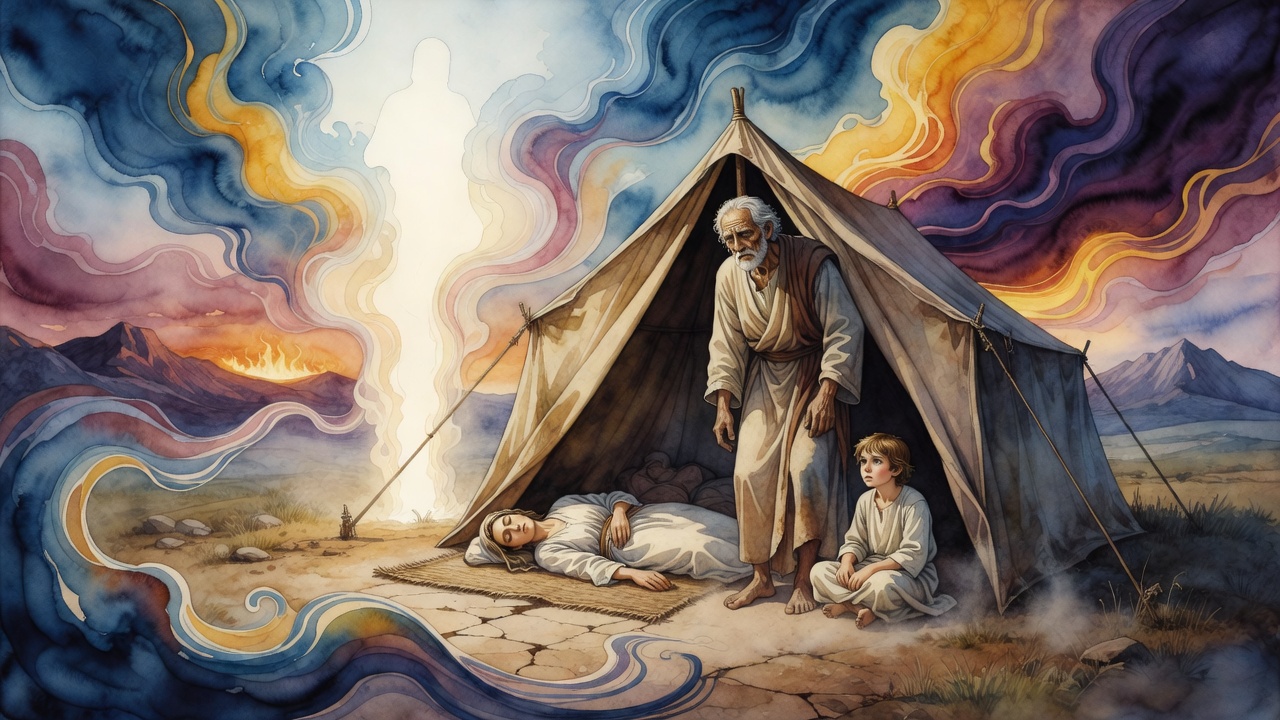
Servants waited for orders. He gave them. Orders are easier than sentences about love. The tent felt too large. The place where she had mixed flour for strangers still held the shape of her work.
The Mast Broke in Harbor
Picture a captain who survives pirates, reefs, and storms that strip the sails. He brings the ship home. In the calm of the harbor the mast snaps. That is how the old tellers paint Abraham after Sarah. The dangerous years did not finish him. Safety did. Grief did. The voyage had a partner, and the partner had been the sea's true map.
They called her a woman of valor from the poem in Proverbs (Proverbs 31:10). Not as flattery after death, but as the name of a life already spent in courage. She laughed when the promise sounded impossible. She protected the household when strangers came. She was the current under every road Abraham took.
He had already faced the mountain with Isaac. He had already sent Hagar into the distance when the household tore. None of those knives matched this slow one. Sarah's death did not ask him to lift a blade. It asked him to keep living in a story whose first co-author was gone.
Silver for a Grave
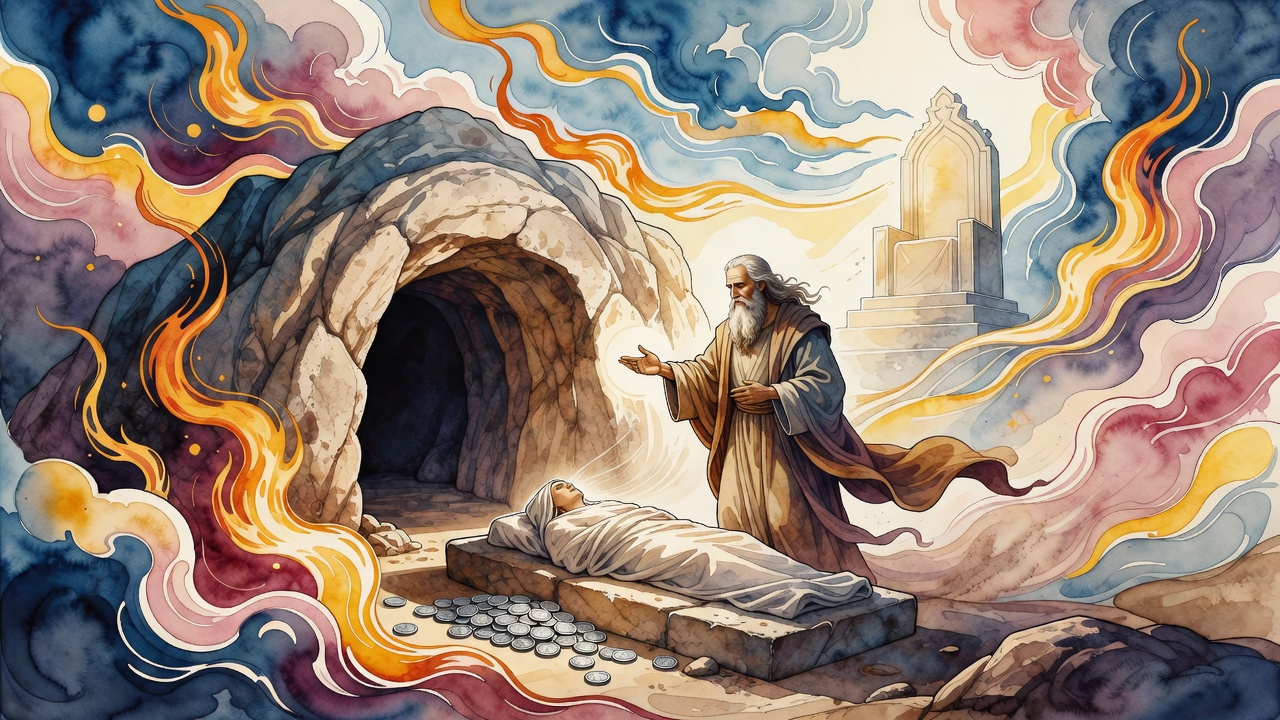
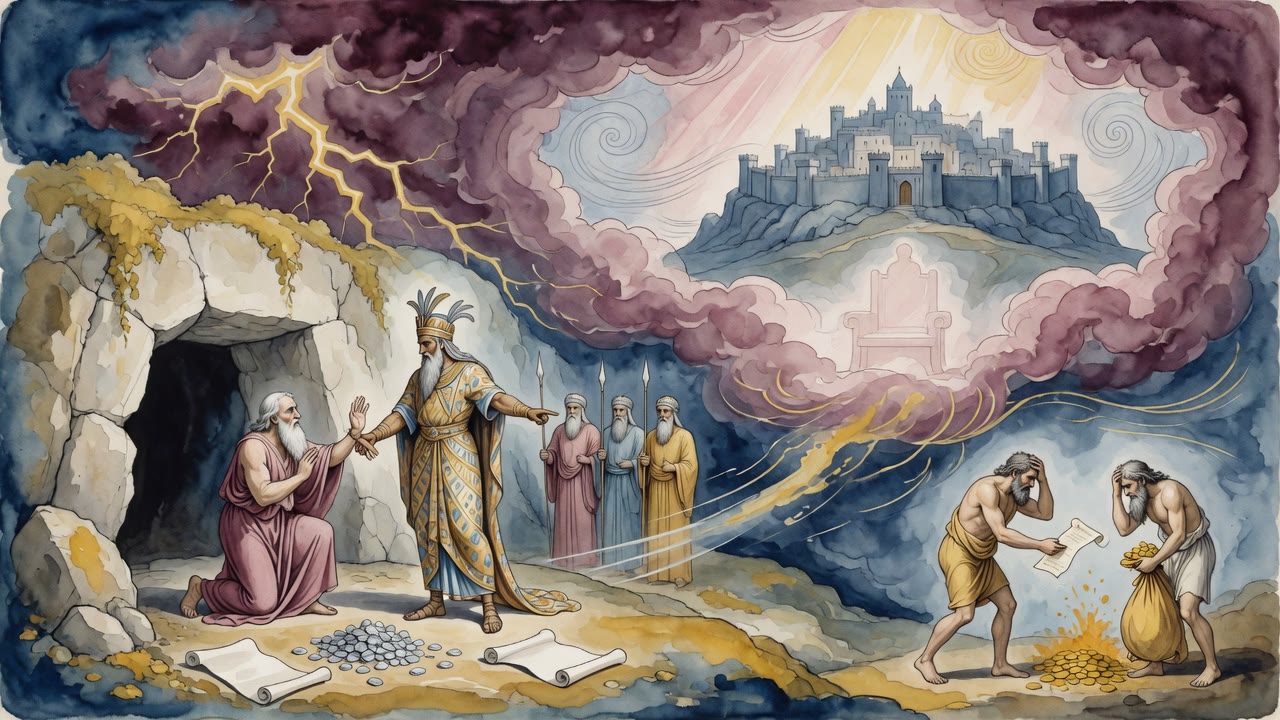
He paid silver for the cave in Hebron. The first legal foothold in the promised land was not a field for grain or a well for flocks. It was a grave. God had spoken of seed and territory. Abraham's first owned plot was a place to lay the woman who had made the promise livable day after day.
The Hittites called him a prince among them and still charged full price. He weighed the silver in public so no one could say the grave was a gift that might be revoked. Even grief had to be negotiated. Even mourning needed a deed.
He did not renounce the covenant. He buried her inside it. The land began, for him, as faithfulness to a body he could no longer hold.
A Shadow Like a Bird
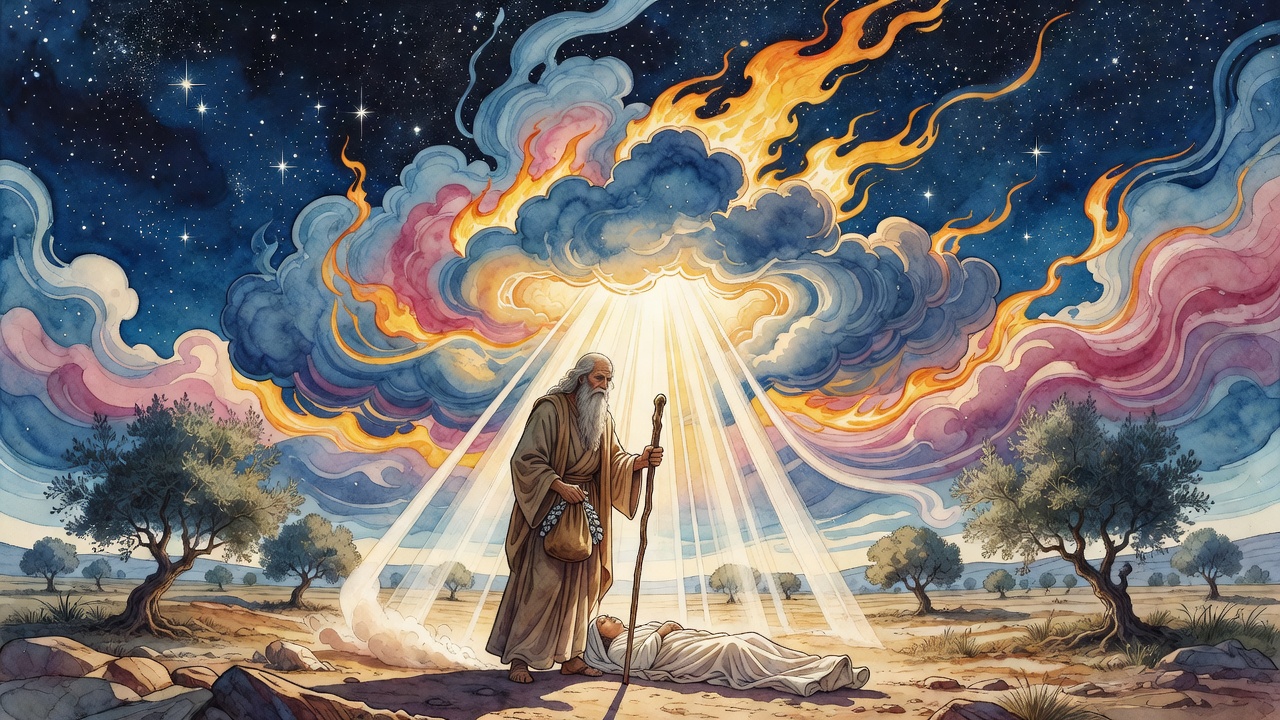
Generations later, when Jacob's days drew near to die, the sages heard David's words: our days on earth are as a shadow (Psalms 144:4). Not the shadow of a wall, which stays. Not the shadow of a tree, which lingers through afternoon. The shadow of a bird in flight. Look up and it is already gone.
Abraham, Isaac, and Jacob all spoke of death without theater. Abraham said he went childless before the gift arrived. Isaac spoke of dying before the blessing. Jacob said he would lie with his fathers. The bird-shadow is not an invitation to despair. It is a command to set the house in order while the wings still cross the sun.
Length is not the same as possession. A man does not own his days. He passes under them. Abraham's sudden age is what it looks like when a man finally feels the wingbeat he had outrun by partnership alone.
He Sent the Camels Anyway
After Sarah, Abraham sent for a wife for Isaac. The work of the living did not stop because the mast had broken. He negotiated. He blessed. He made sure the next generation would not be left without a path. Old age, in this telling, is not retirement from the story. It is the hour when love becomes logistics: a burial paid for, a marriage arranged, a name carried forward.
The camels went out. The servant waited at a well. A woman offered water. The story moved. Abraham was older in every scene, and the days kept coming, heavy and required.
Fear of God had already been named over him on the mountain. Blessing had already been spoken over his seed. What arrived after the last stone was not a new theology. It was the cost of a shared road ending for one of the two who had walked it. The cave stayed shut. The house still needed a future.
← All myths