Abraham Bought Machpelah Under a Jebusite Oath
The Jebusites sold Abraham the cave only after he swore his seed would not seize their city. Generations later Esau sold his share for gold.
Table of Contents
 Click for full size
A Deed Written Against Destiny
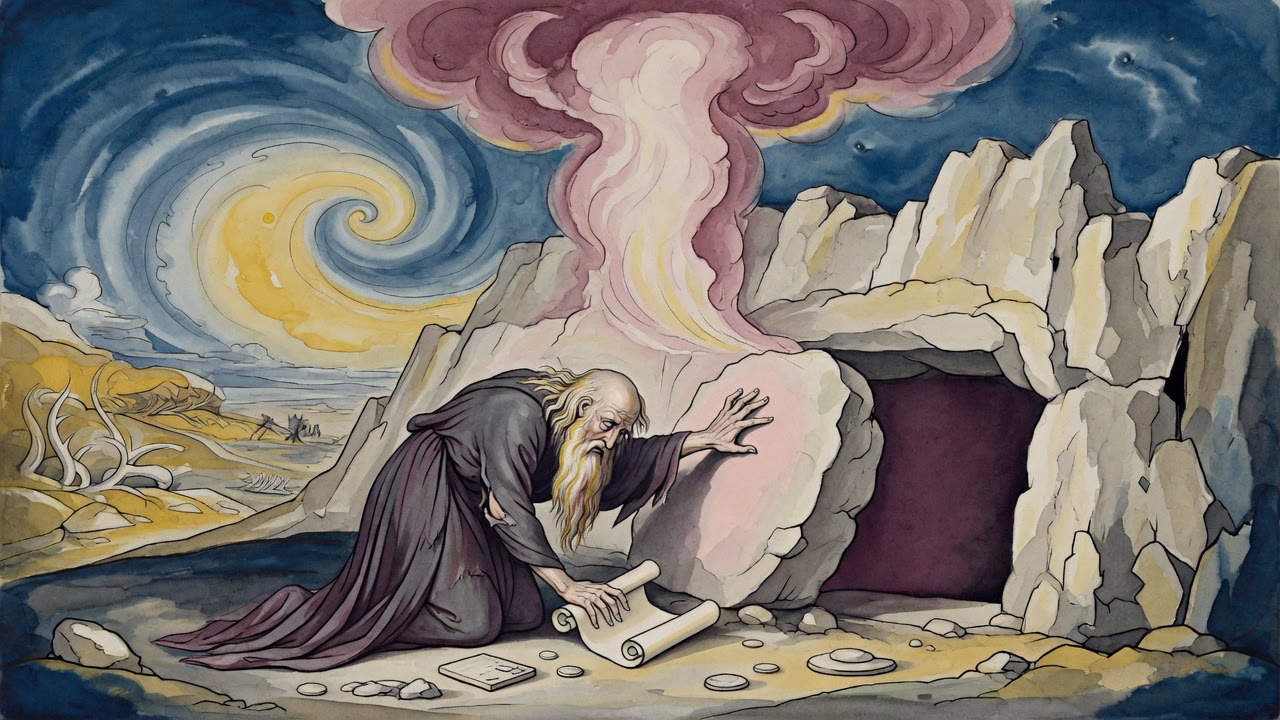
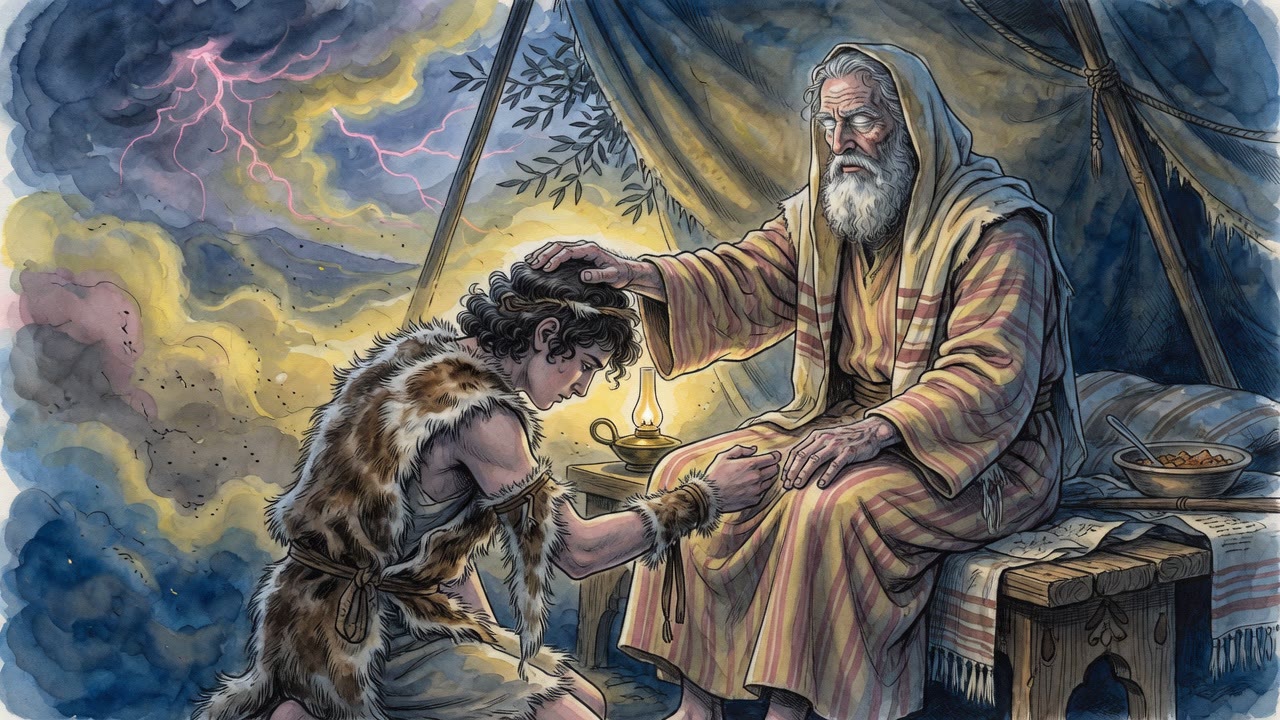
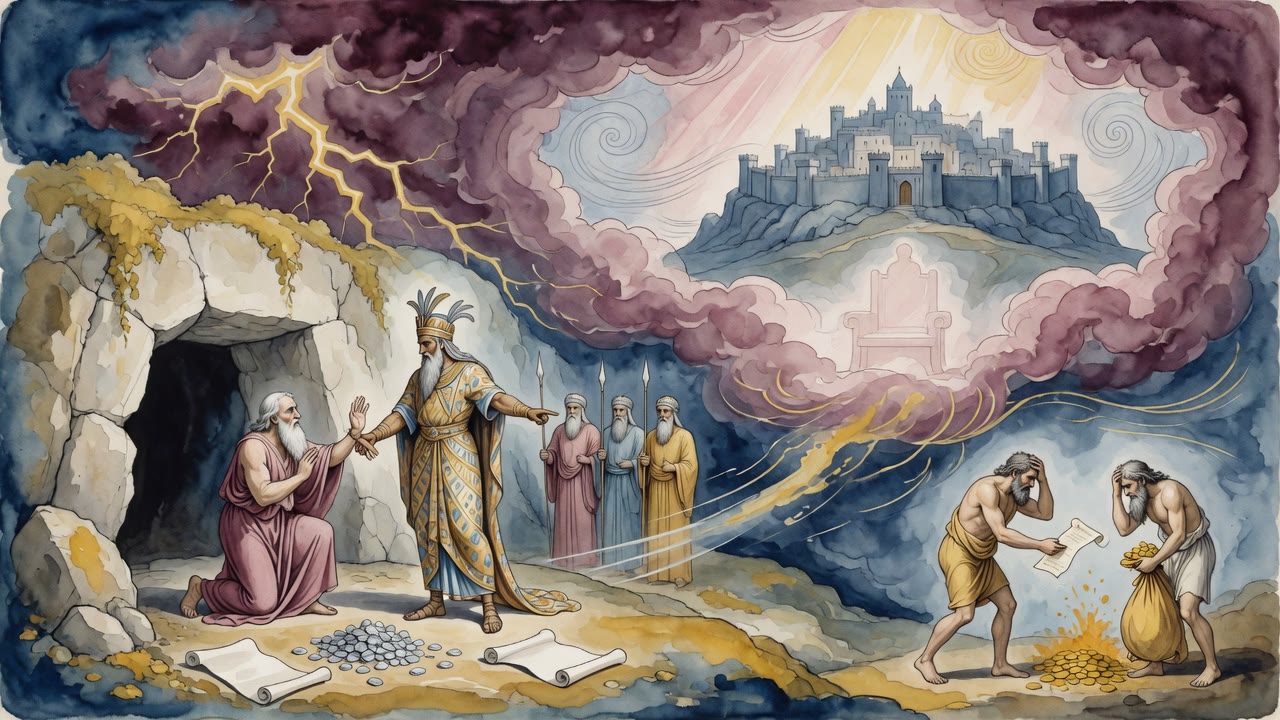
The Jebusites knew what heaven intended. They told Abraham that the Holy One meant to give the land to him and his seed. Then they bargained like men who intend to survive prophecy. "Make a covenant with us," they said, "an oath that your seed will not take possession of the cities of Jebus, and we will sell you the Cave of Machpelah." Recognition of destiny, then a carve-out. Sacred ground for a permanent promise that their city would stay theirs unless they consented otherwise.
Abraham agreed. He swore. Only after the oath did he weigh out four hundred shekels of silver, current money with the merchant, as (Genesis 23:16) records. Faith in the promise did not cancel the contract. The cave became his by silver counted in public and by word that bound descendants not yet born. The locals had named the price of holiness, and he paid it without theatrics.
Why the Cave Mattered More Than a Grave
Machpelah means double, paired. It would hold husbands and wives in the long memory of Israel: Abraham and Sarah, Isaac and Rebekah, Jacob and Leah. The purchase was not only burial for a wife whose death still filled the tent with silence. It was a stake in the land that could not be argued away by later conquerors who claimed no ancestor had ever owned a plot under their feet.
A field with a cave. A price named. Witnesses present. Children who could point and say, here we bought, here we swore, here our mothers sleep. Pirkei DeRabbi Eliezer also speaks of the vine and the pruning, of commitment that shapes growth. The oath with the Jebusites was pruning of another kind: Abraham accepted a limit on conquest in exchange for a permanent foothold of holiness. Not every city at once. One cave, bought clean, while Sarah's body waited for rest.
Esau Took the Gold and Spit on the Cave
Generations later Jacob returned from Haran with flocks and wealth and a need to settle accounts with Esau. Among the settlements was a share in Machpelah. Jacob converted the goods of years into a mountain of gold and offered it for Esau's portion of the paired cave. "Look, you have a share in this Cave of Machpelah. How about I give you all this gold for your portion?"
Esau's answer was pure Esau. "What care I for the Cave? Gold is what I want!" He sold the eternal for the glittering without a second glance at the soil that held Abraham and Sarah. Jacob valued the ground where the fathers sleep. Esau valued weight in the hand that can be spent before nightfall. The Legends say God filled the vacuum without delay, and Jacob was as rich as before. The cave stayed in the line that wanted it. Gold returned to the man who had spent it on memory.
Hebron Remembered Hospitality
Later ages told of the small Jewish community of Hebron near the cave, people who argued over the privilege of hosting strangers who came to pray. The one who won the argument rejoiced as over great spoil. That joy was Abraham's legacy in miniature: the field bought under oath had become a magnet for guests, and guests were still a form of worship more precious than a quiet house.
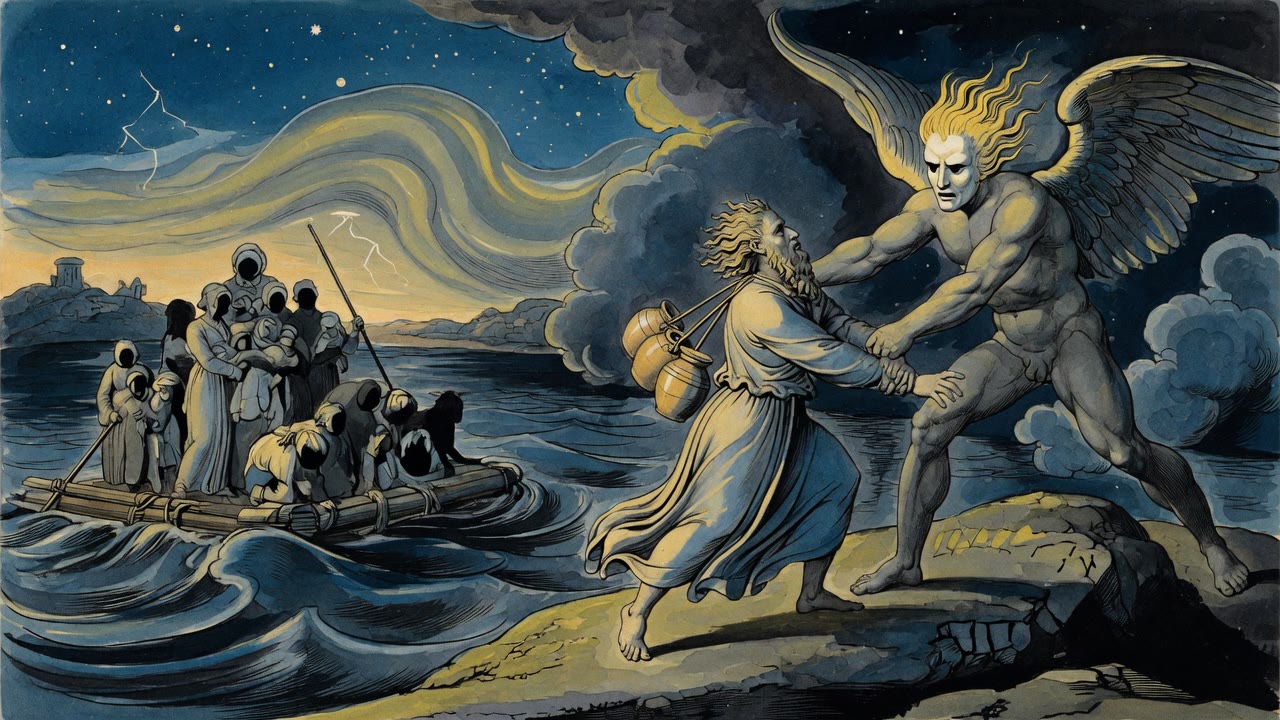
Abraham at the gates of Gehenna (the realm of judgment after death) in another tradition guards those who kept the covenant of circumcision so that they need not enter the fire. The cave and the covenant and the open tent are one family's work stretched across life and death. Esau's gold is a footnote that clinks and vanishes. The oath and the silver and the paired graves are the main text that still draws feet to Hebron.
Contract Beside Promise
The Jebusites did not deny the divine gift. They tried to shape it with a clause. Abraham did not smash the negotiation with a prophecy shouted over their walls. He signed. The story refuses the lazy lesson that faith makes paperwork unnecessary. It also refuses the lazy lesson that paperwork replaces faith. Promise from heaven. Oath on earth. Silver counted until the scales balanced. Seed that would one day hold more than a cave, but first held a cave honestly bought while neighbors still held their city by the force of Abraham's word.
When Jacob later paid Esau for a share already weighted with that history, he was not inventing sacred real estate. He was keeping faith with a purchase older than his own birth, a purchase sealed while Sarah still needed a resting place and the Jebusites still held the keys to their gates. The double cave remains double: death and promise, contract and covenant, gold refused and gold accepted, uncle and grandson both paying so that memory would have a door.
← All myths