The King Who Took Back His Field from Thieves
Grain vanished into private sacks while the boundary stones still looked loyal. The king waited until he had a son, then he wanted his rows back.
Table of Contents
 Click for full size
Tenants in a Stolen Field
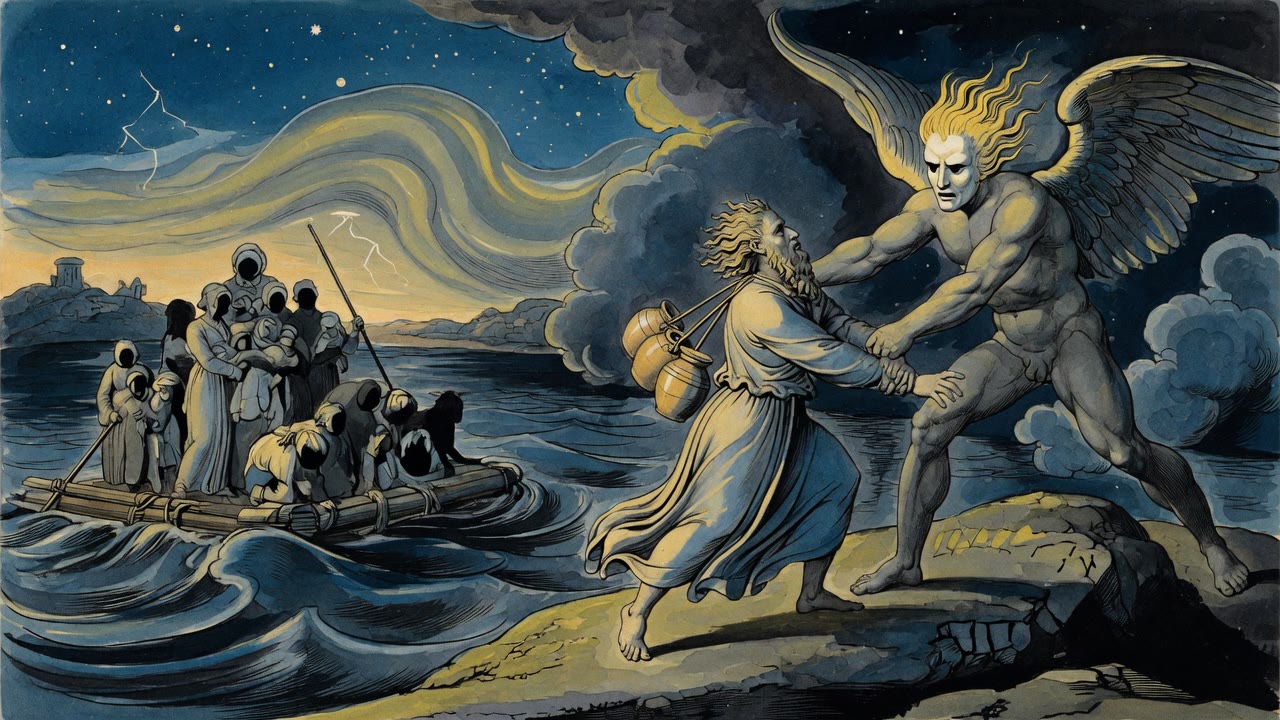
They filled the sacks at the edge of the field, where the king's men did not walk at night. Grain vanished into private cloth while the boundary stones stayed painted with loyalty. The king leased the ground anyway. He gave the lease to their sons. The sons proved worse, bolder, less ashamed.
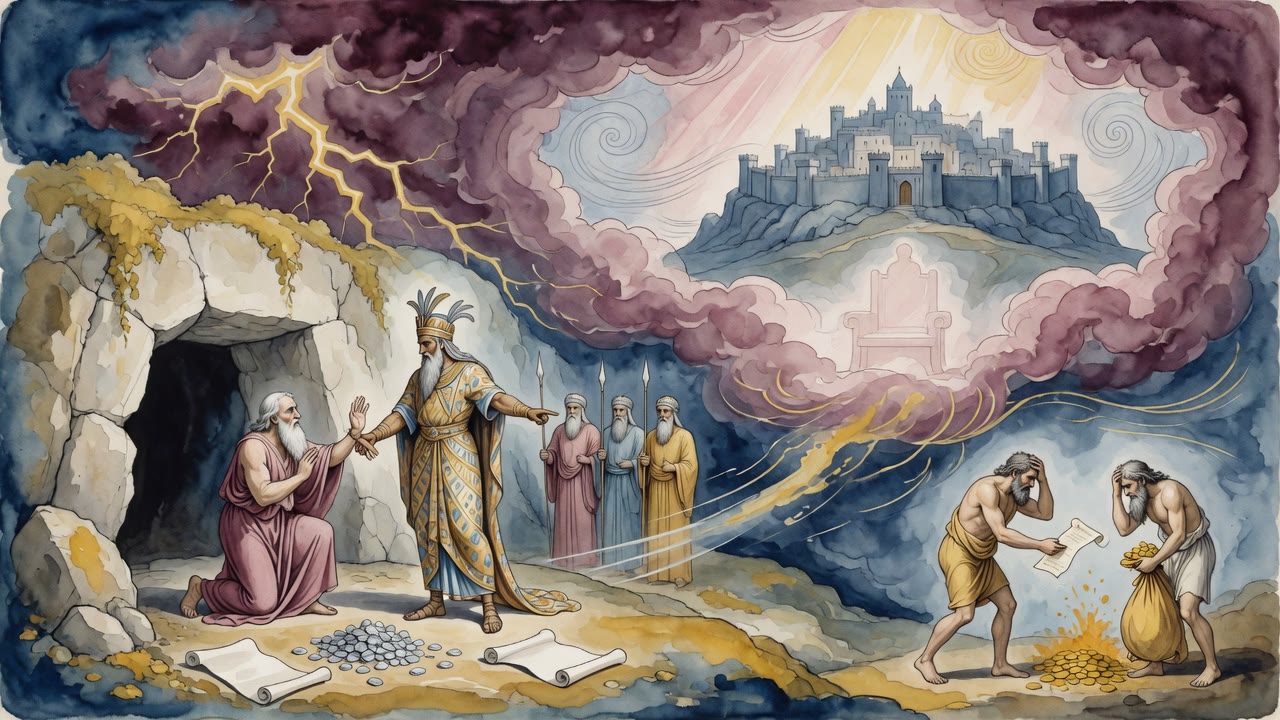
At last the king had a son of his own. He turned on the thieves and said, "Get out. This is mine. Give me back my portion so I can recognize it."
Dirt under the nails of thieves does not become a deed. Time under a false lease does not become title. The king wants the ground back in a shape he can know at a glance, with his own child beside him, rows readable, ownership visible.
Worse Houses on the Same Furrows
Abraham had children who did not all keep the path. Ishmael and the sons of Keturah strayed, taking gifts and going other ways. Then came Isaac, and from him Esau and the chiefs of Edom, worse than the first. The field kept changing hands among relatives who treated covenant like free grazing and blessing like a well anyone could muddy.
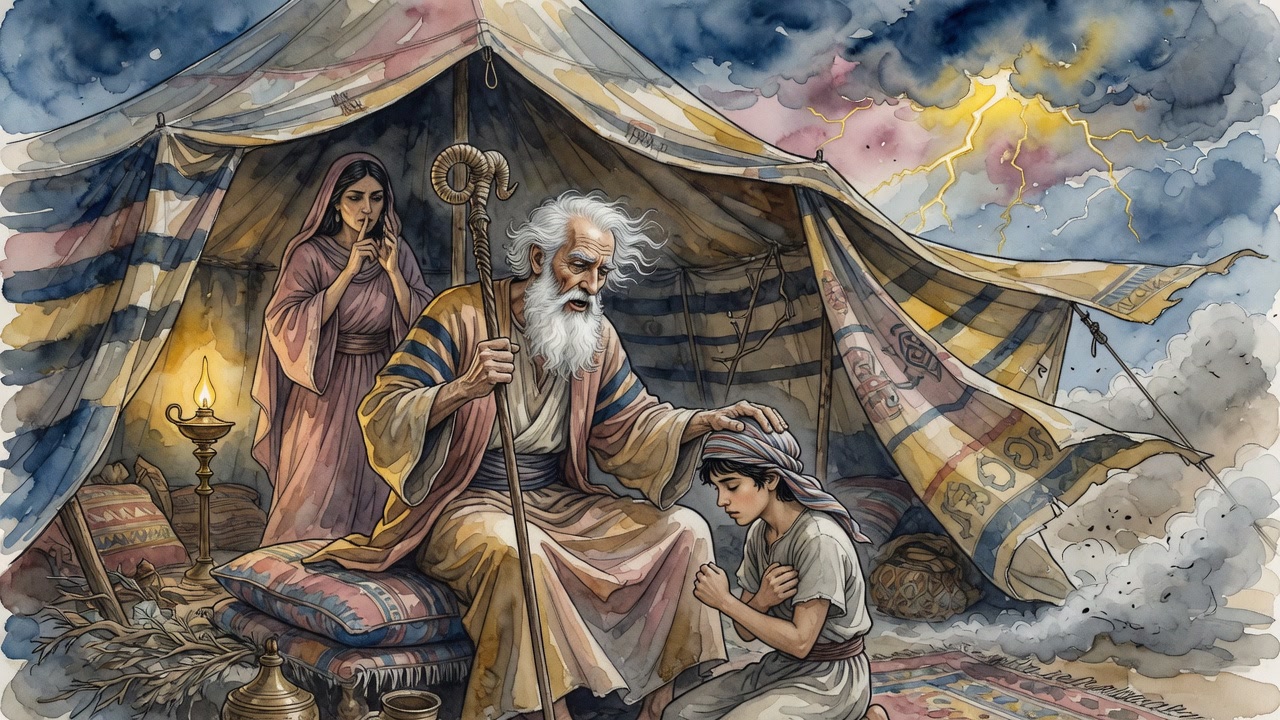
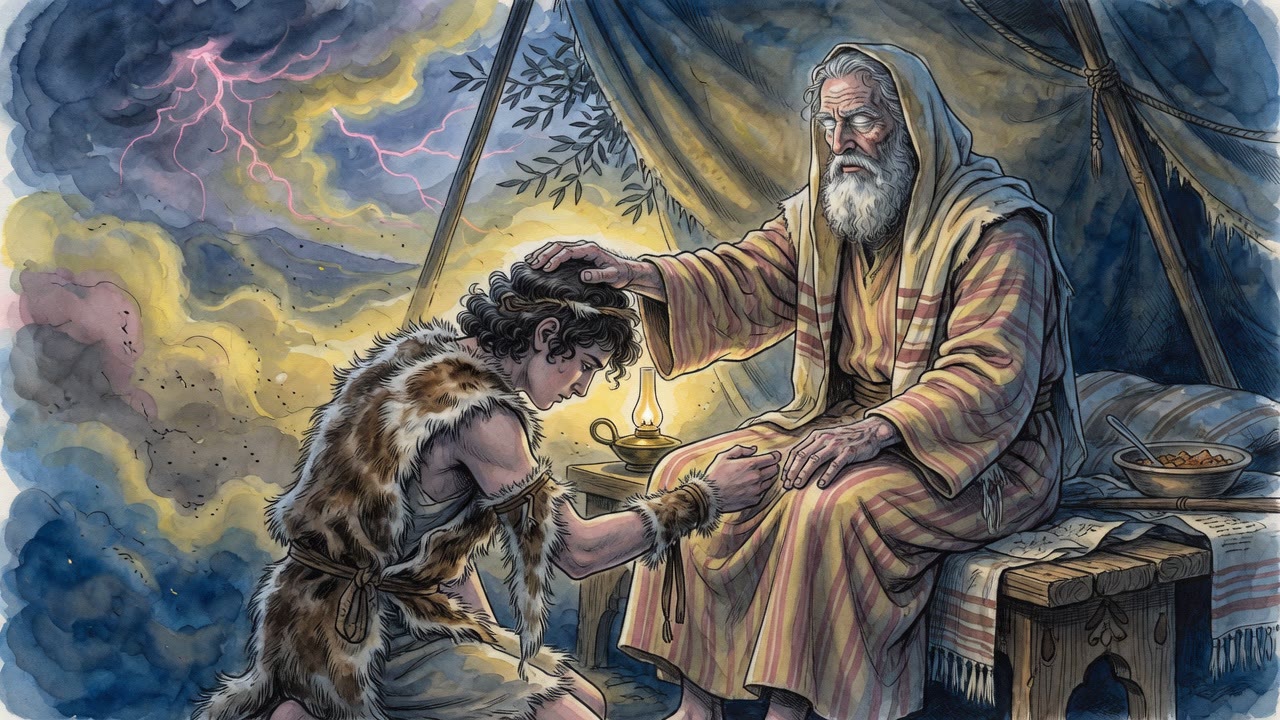
Then came Jacob. In him there was no base matter, no deviation at the root. All his sons were fit to carry the name, even the ones who sinned hard enough to need later mercy. "Jacob was a whole man, a dweller of tents" (Genesis 25:27), tents of Torah. From Jacob the Lord recognizes His portion. "For Jacob did God choose; Israel as His select ones" (Psalm 135:4). "Jacob the cord of His inheritance" (Deuteronomy 32:9).
A cord can be pulled taut. A cord can bind sheaves. A cord can mark a border in wet earth. Jacob is the tool by which the Owner knows the field again.
The Son Who Cut His Hair
A king feared jealousy if he gave a special gift to one son while the others watched. What did that son do? He rose. He cut his hair close. He stood where the king could not mistake him for his brothers. The king said, "To you I will give the gift."
Abraham's house had Ishmael's branch and Keturah's lines. Isaac's house had Esau and Seir. Jacob's house could hold the fire without that crack at the foundation. "The LORD came from Sinai" is also the moment the gift found a lineage that would not split the deed in the first generation.
When the Most High caused nations to inherit, He separated sons of man and set boundaries with an eye toward Israel. On a ridge, Lot turned one way and Abraham the other (Genesis 13:11). The thieves are cleared not because the field was never walked by others, but because the owner's mark finally held in one cord named Jacob.
The Cord Tightened From Both Ends
God chose first. "You has the LORD your God chosen to be unto Him a select people" (Deuteronomy 7:6). Then Jeremiah answered from the other direction. "Not as those is the portion of Jacob, for He is the Former of all, and Israel is the tribe of His inheritance" (Jeremiah 10:16). Inheritance ran both ways along the same cord.
The king wants his field recognizable. The people want a God who is not like the nations' portions, not a local spirit leased to the highest bidder. The cord tightens from both ends until the relationship can hold weight.
They walked out of the other leases one morning at a time, away from idols, away from the thieves' math that said presence equals ownership.
The Portion Made Visible
Get out, said the king. The portion is Mine. The people who answered as inheritance learned to answer as choosers too, day after day, in tents that became a nation, in a field that still has to be kept free of quiet theft dressed as normal life.
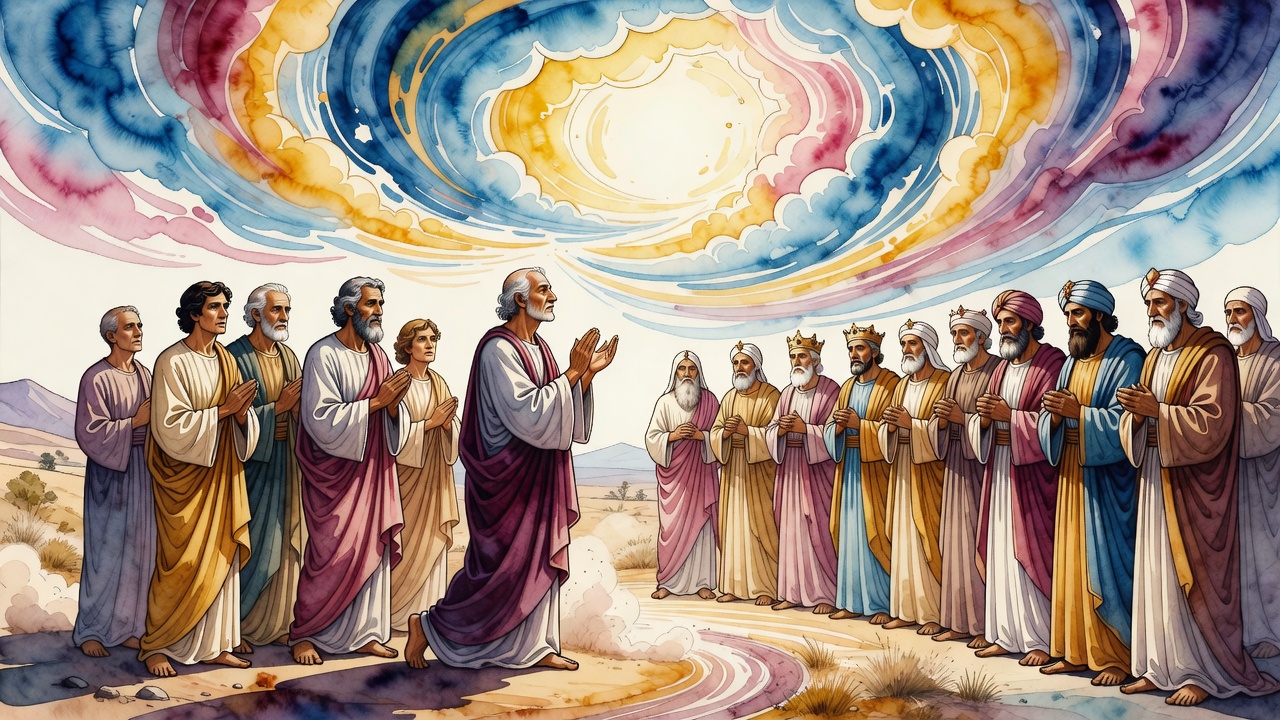
At evening the field showed stubble where thieves had reaped early. A cord stood staked along the true edge. Jacob's tents sat on the owner's side of the line. Ishmael and Esau remained visible in the distance, not erased from memory, only cleared from the lease. The king does not need the world to forget the tenants. He needs the portion recognizable when he says Mine.
Sinai is the gift landing on ground finally clear enough to hold fire without splitting on the first night.
← All myths