Jacob Stood Whole and Took the Torah Gift
Ishmael left Abraham's house. Esau left Isaac's. Jacob sat among the flocks with no rival altar rising from his sons.
Table of Contents
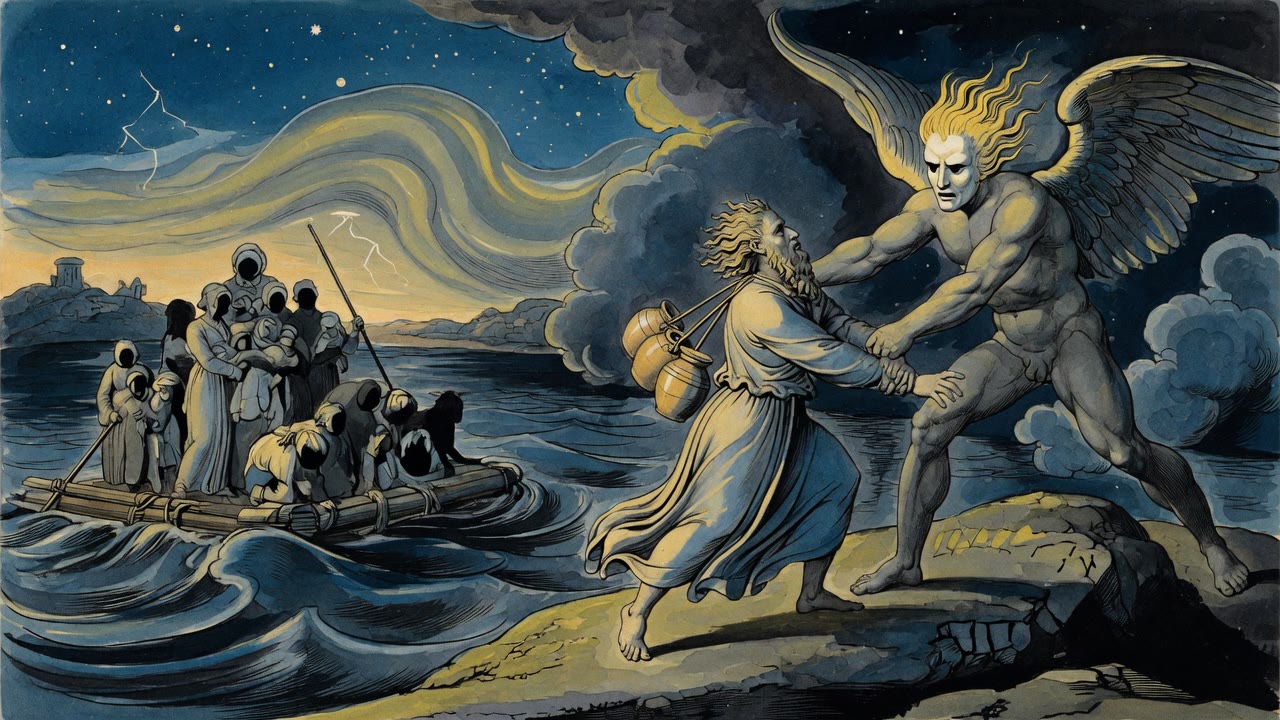
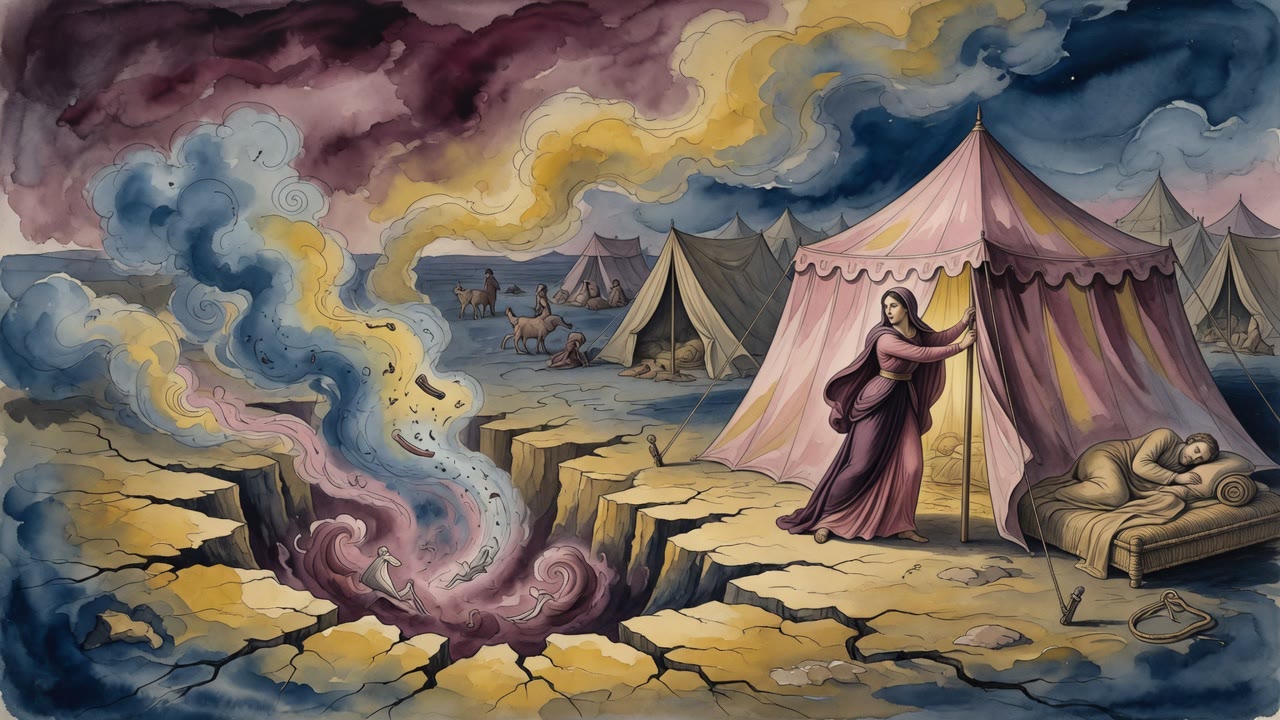
Jacob sat in the mouth of the tent while dust still held the track of Esau's hunt. Night pressed the goat-hair walls. His hands were empty of bow and full of rope, knots, and the small work of a man who lives among flocks and children. Far off, Seir kept its chiefs. Inside the camp the lamps burned steady.
 Click for full size
God had a gift no nation had earned, a sealed thing heavier than land or gold. The question was not whether the gift would leave heaven. The question was which house could carry it without cracking.
The King Looked for a Son Without a Crack
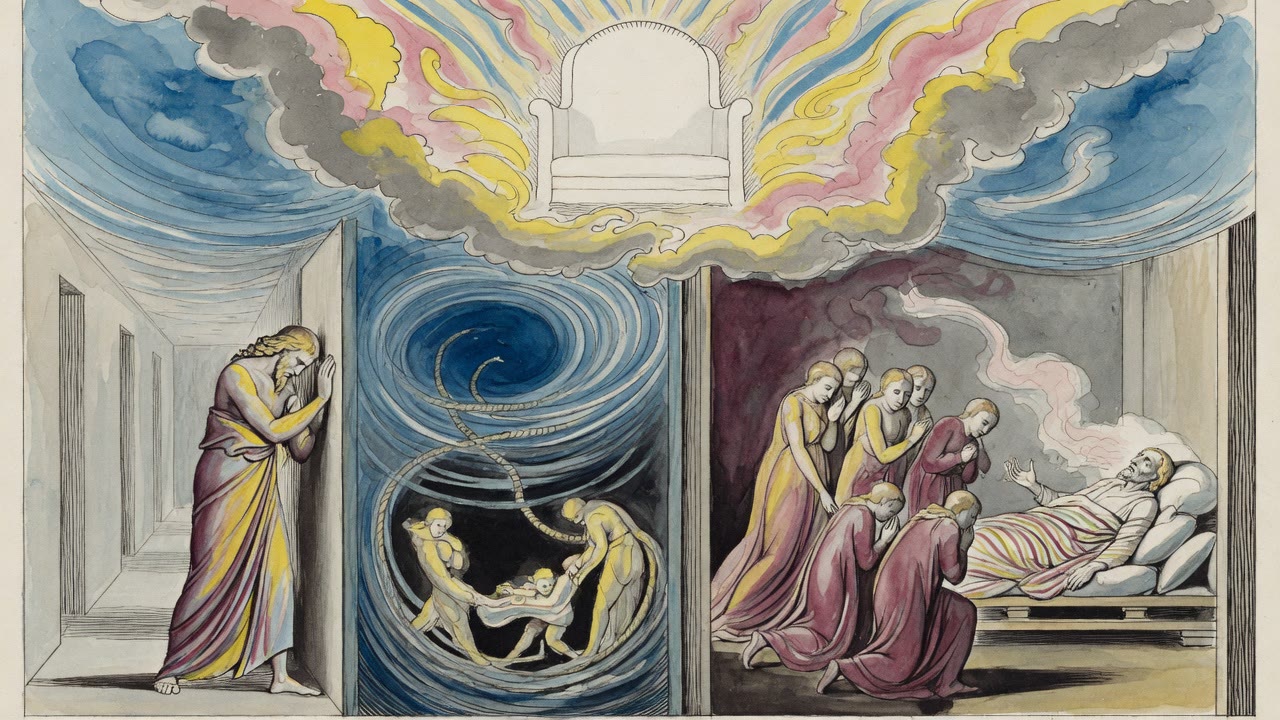
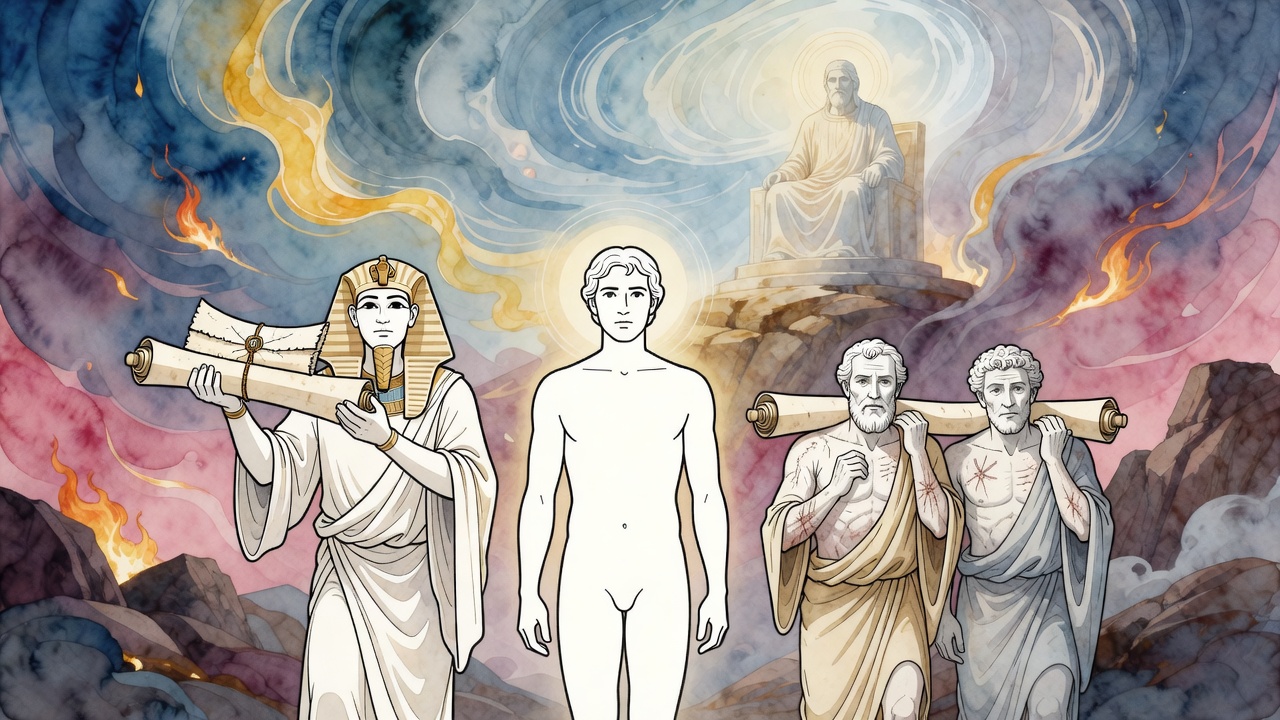
A king once held a sealed gift and loved one son with a love that could not look like favoritism until the hour forced the truth. Brothers watched. Cousins watched. Friends of the court leaned in for the scandal of unequal love. The favored son did not snatch the scroll. He lived in a way that left the king no clean alternative. He rose. He shored his hair. He made himself unmistakable.
Abraham was great, and still a blemish rode his household. Ishmael and the sons of Keturah turned from the path that would have held the gift. Isaac was bound and blessed, and still Esau and the chiefs of Edom tore a seam in that house. The king looked for a son with no such crack running through the foundation.
Jacob was tam, whole, a dweller of tents (Genesis 25:27). Not soft. Not simple. Whole. The tents held study and stock and the long patience of a man who would limp after a night of wrestling and still limp toward the next dawn. No foreign altar rose from his loins to claim the inheritance.
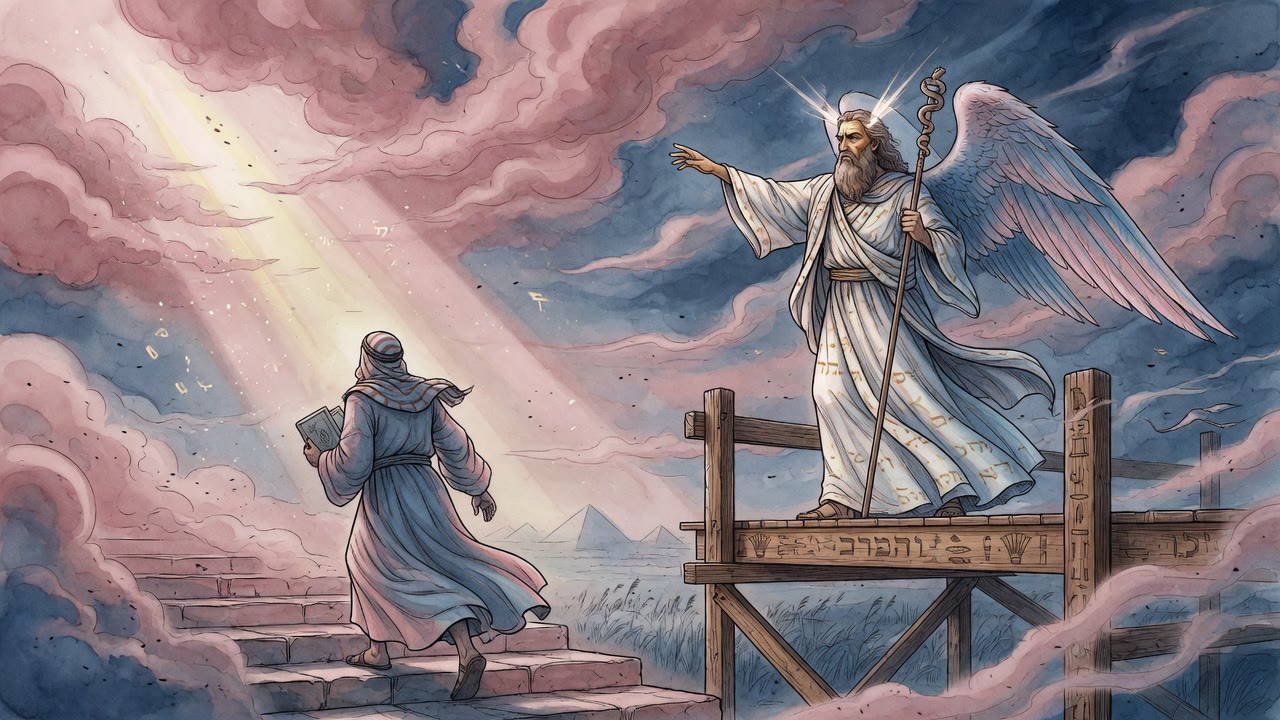
"To you," heaven's verdict ran, "I will give the Torah." Sinai would be the mountain. Jacob's house would be the vessel. Seir could keep its heights and its hunters. The gift would not rest there.
Egypt Took the Blows One Door at a Time
Centuries later Moses stood in a court that smelled of river mud and perfume and fear. The signs God sent him to do in Egypt did not land as one dull bruise on one body. They struck separate targets: Egypt, Pharaoh, all his servants, all his land (Deuteronomy 34:11). Each felt a different edge of the same hand.
Egypt as a nation staggered under plagues that filled streets and fields. Wells turned wrong. Livestock dropped. Darkness sat like a second roof. Pharaoh, sealed in power, faced a private war with a God who would not negotiate rank. Servants who carried trays and messages and whips each watched their small world crack in a private register. Collective disaster still entered rooms one door at a time.
The mighty hand was the death of the firstborn, the night when every Egyptian house found its own silence. The great awe was the splitting of the sea, walls of water holding while a people who still smelled of brick dust walked a road no map had drawn. Moses did not invent those hours. He carried them into a king's face until the king broke, and then the sea finished what the throne would not.
Pharaoh learned the speech heaven uses when soft words fail. Signs walk. Firstborn die. Water stands like stone. Servants who had laughed at a stammering shepherd stopped laughing when their own doorposts had nothing to mark them safe.
Sinai Bound What the Sea Had Opened
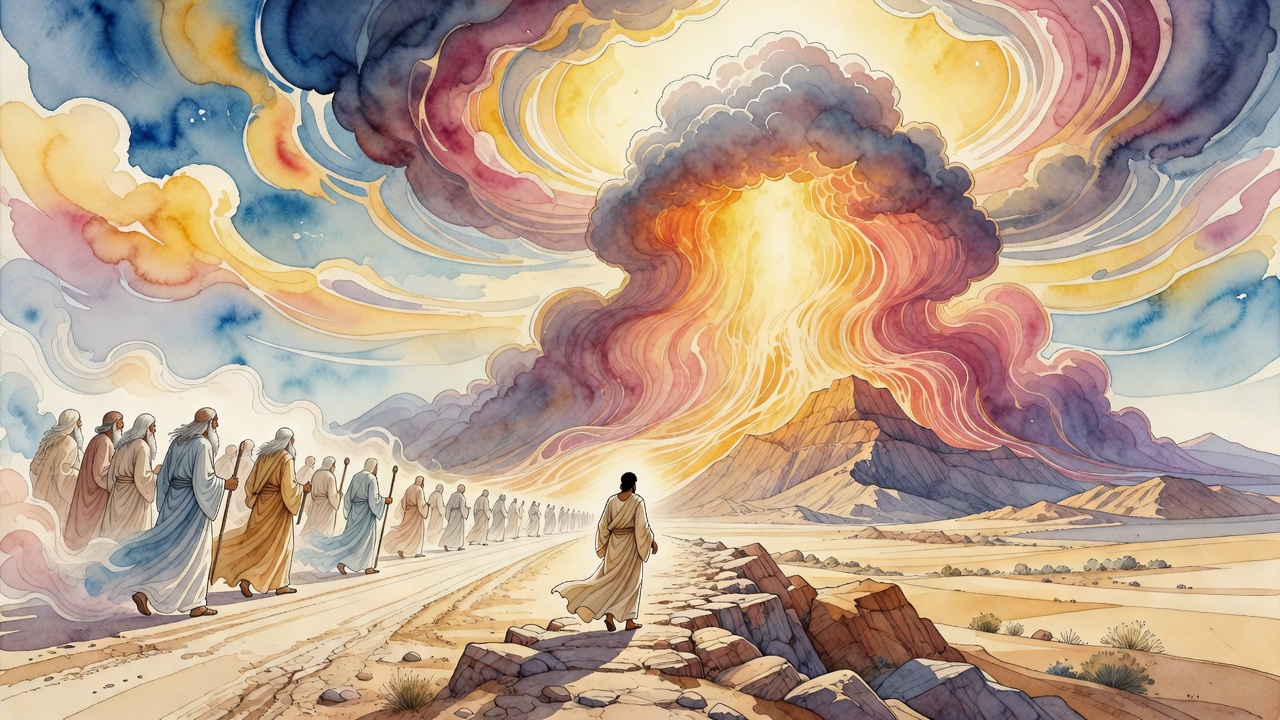
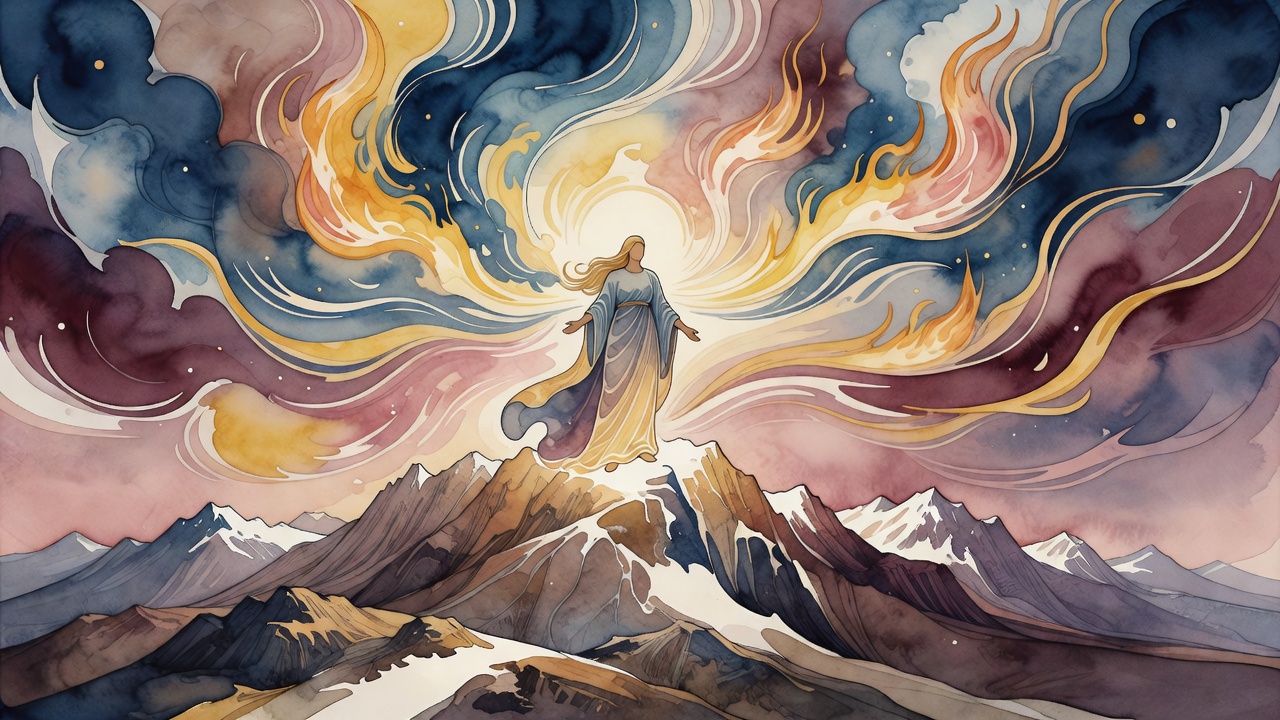
When the people reached the mountain, the strong hand had another work. The signs in Egypt and at the sea had cracked an empire. Sinai bound a people. Fire on the peak. Voice without image. Statutes that would outlive every brick pit on the Nile. The breaking of the tablets would later stand in the same ledger, wrought before the eyes of all Israel, as Moses had wrought the rest.
The festivals that remember Egypt do not all wear the same clothes. Passover keeps the exit in matzah and roasted flesh and a night of telling. Sukkot keeps fragile roofs under open sky. Atzeret, the closing assembly of weeks, holds its own joy, its own statutes, not a borrowed menu of palm branch and unleavened bread pasted onto another day. "These statutes" means these, not every practice of every feast poured into one pot (Deuteronomy 16:12).
A house that received Torah whole also keeps joy in precise shapes. Jacob's tents had trained a people for that precision. Whole does not mean vague. Whole means the gift sits where no rival cult can pry it free by pointing at a brother's idol or a cousin's throne in Seir.
Moses, near the end of his road, could still name the full arc: signs to Pharaoh, awe at the sea, strength at the mountain. The shepherd who left Midian and the man who stood under cloud were one pressure line from brick dust to Sinai's fire, running through Jacob's unbroken house.
Seir Kept the Hunt and Lost the Gift
Esau's country kept goats, chiefs, and the memory of a birthright sold for stew. It did not keep the sealed gift. When later ages looked back along the fathers, they saw Abraham's greatness and Isaac's binding and still marked the places where the line thinned. Jacob's tents held. The Torah entered those tents like a guest who had already chosen the host.
On nights when wind moved the goat hair, a child in that lineage might hear only sheep and sleep. The larger fact still stood. Heaven had measured blemish and wholeness the way a king measures sons, and the scroll found the hand that would not drop it for a foreign altar.
Pharaoh's servants, years after the plagues, would have told different stories of the same months. One remembered frogs in the ovens. One remembered darkness thick enough to feel. One remembered a firstborn's empty bed. Israel remembered a mountain and a voice and a set of statutes that still divide festival from festival without losing the single thread: slaves once in Egypt, therefore these words kept with care.
Jacob, long dust, remains the man who sat whole while Seir hunted. Moses remains the mouth that carried the strong hand from palace to sea to peak. The gift remains heavier than gold, and lighter than a heart that refuses to crack.
← All myths