Joseph Stayed Away to Shield His Brothers
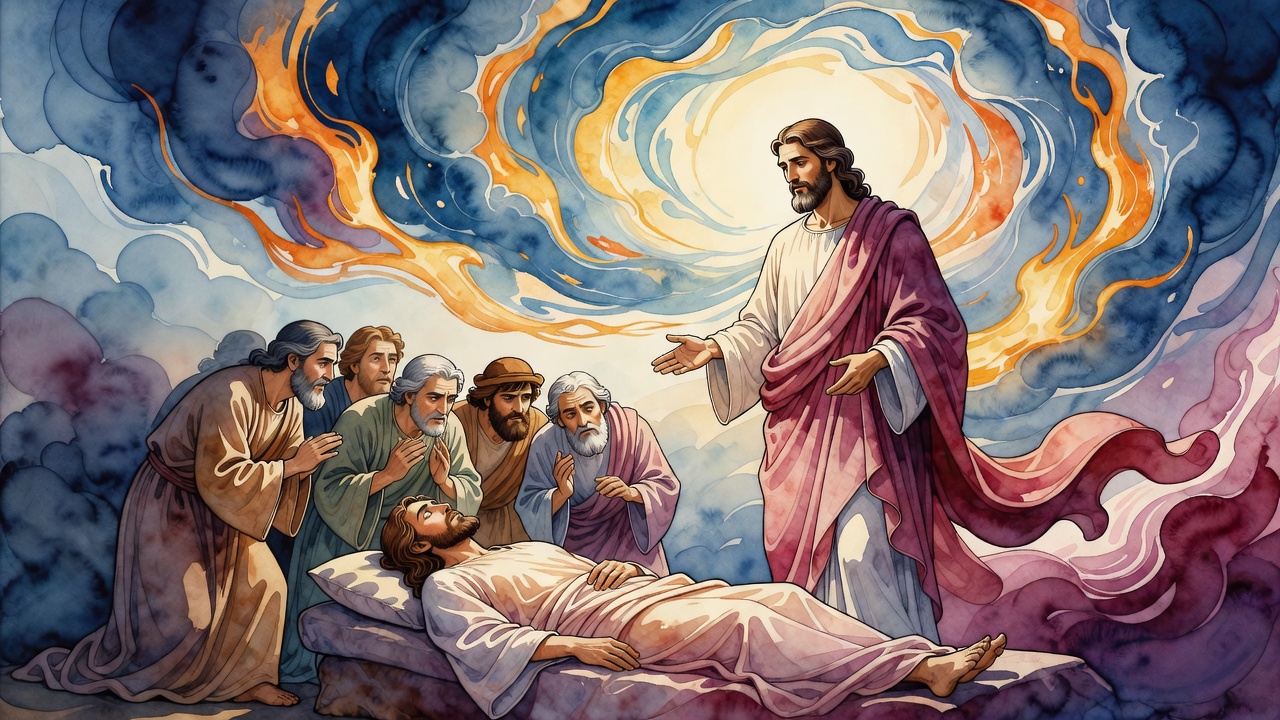
Joseph keeps distance from Jacob's sickbed so no private talk can drag the pit and the sale into a father's curse against the brothers.
Table of Contents
 Click for full size
A Message at the Door
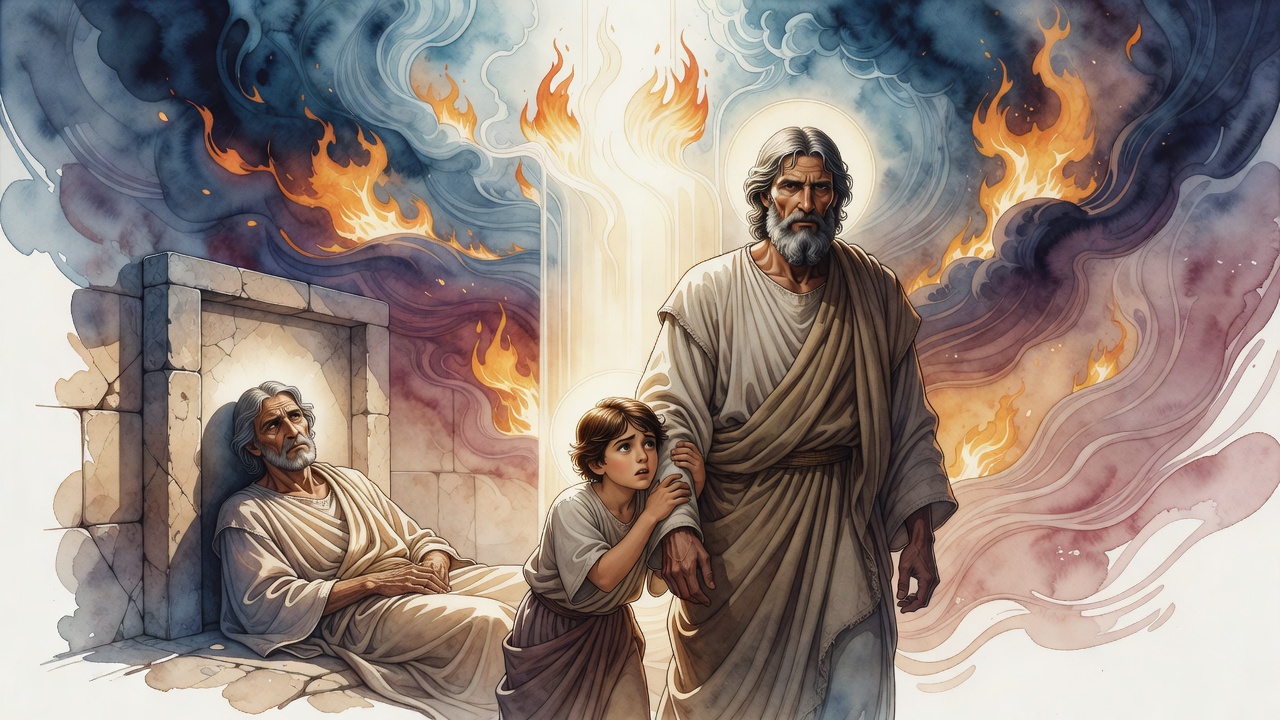
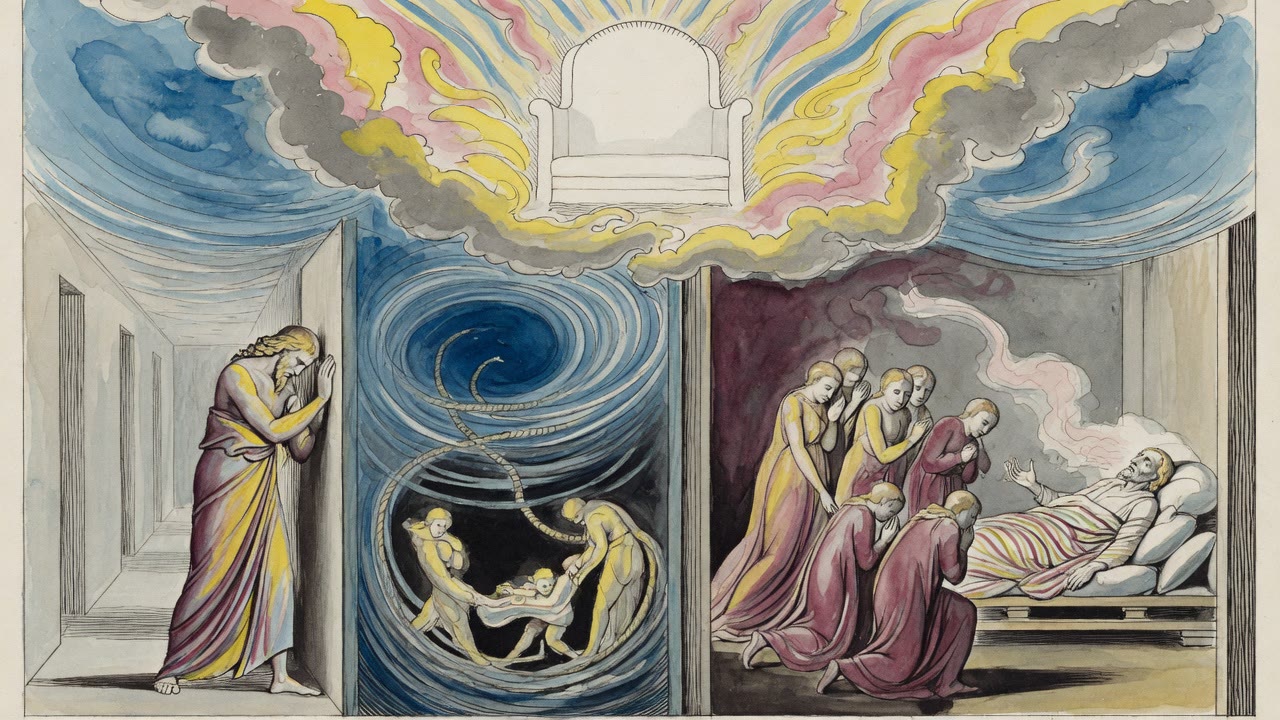
Someone has to tell the viceroy that his father is sick. The words travel a corridor lined with Egyptian stone, past guards who bow to a Hebrew ring, and stop at a man who already knows every storehouse from the Delta to the southern forts. Joseph receives the report as if it were news. He has not been sitting at Jacob's side each day. He has chosen the distance on purpose, the way a man chooses a longer road to avoid a bridge he knows will crack.
The court still calls him the man who reveals mysteries. Crowds once ran before his second chariot and cried that he was father to the king, great in wisdom, few in years. He can open any door in Egypt with a nod. He will not open the quiet room where an old man might ask one question too many (Genesis 48:1).
Servants expect him to run. He walks. The delay is not coldness. It is strategy wearing the face of duty.
The Question He Will Not Answer
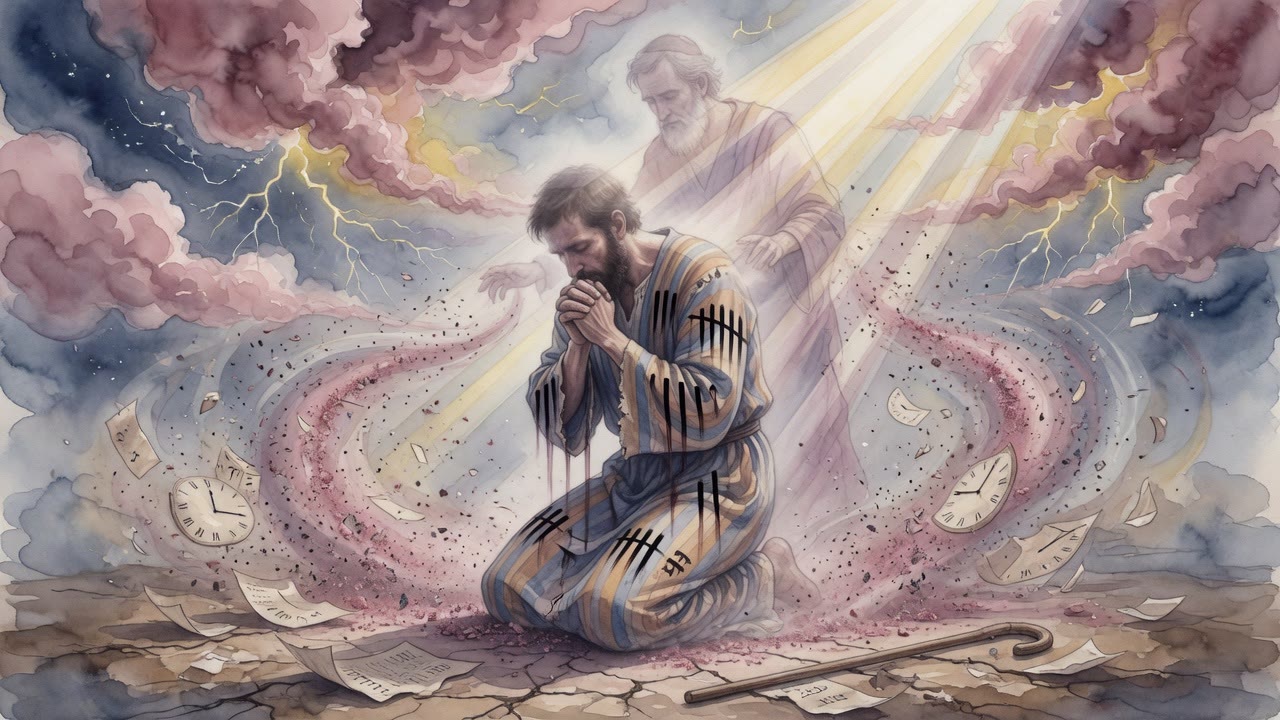
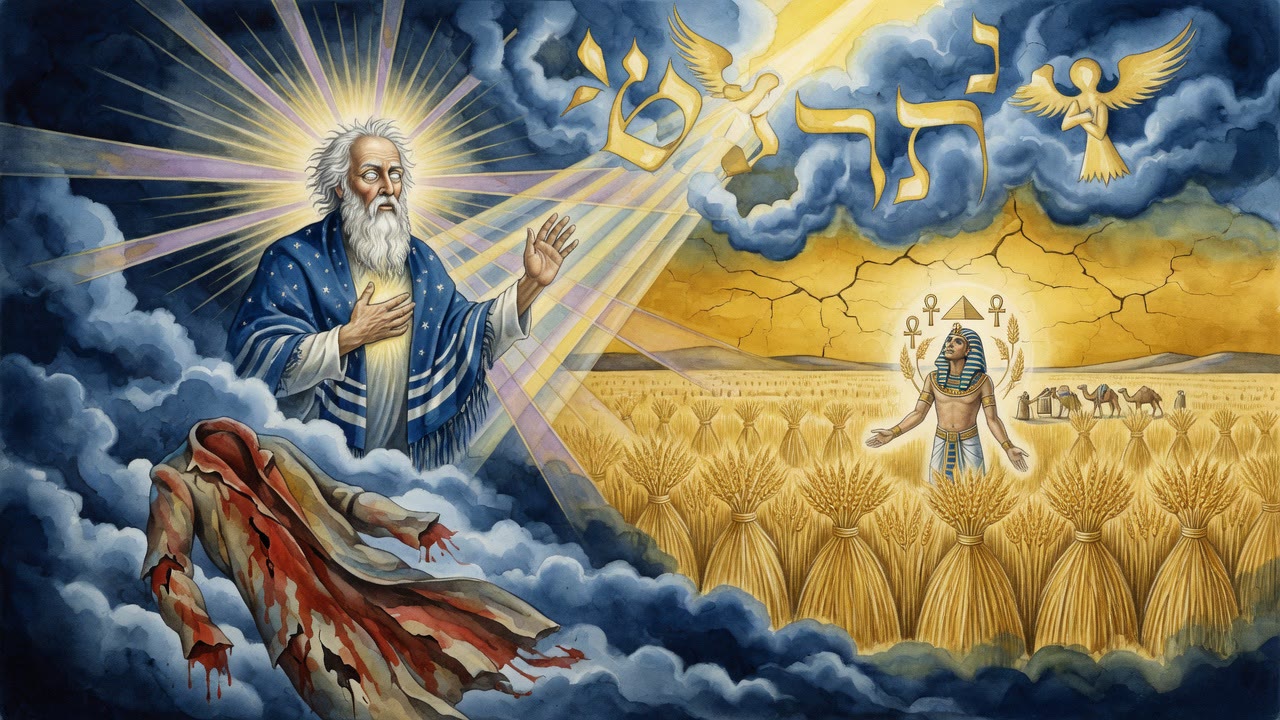
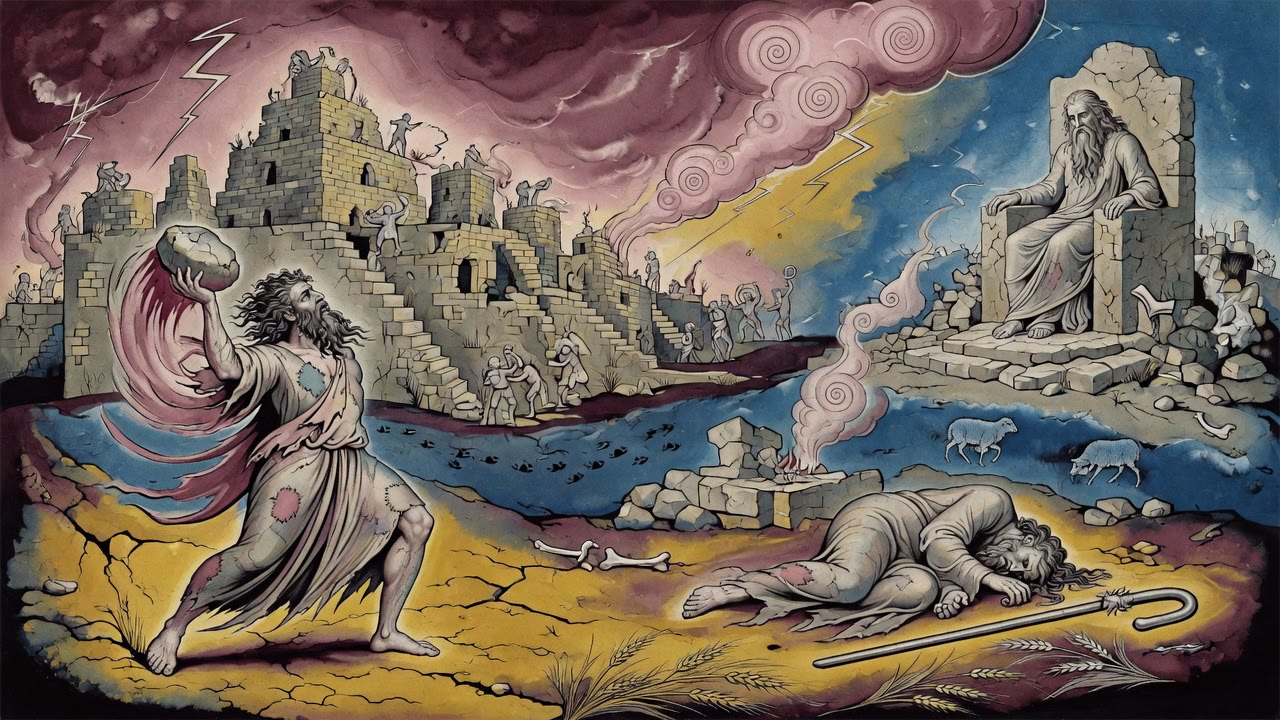
If Joseph sat alone with Jacob long enough, the natural question would come, soft at first, then sharp. How did your brothers treat you when you were in their hands? The truth is a pit in Dothan, a stripped coat, hands that sold a brother into Midianite trade while they ate. Joseph has rebuilt the family at the cost of silence. He has fed them through famine, seated them by birth order until they trembled, and finally fallen on Benjamin's neck with tears that washed years. He will not hand his father a story that could turn into a curse against the sons of Israel.
A curse from Jacob is not a grumble. It is a shaping of futures. Joseph has seen what words from that mouth can do. So he stays busy with grain tallies, border reports, and public visits that keep conversation inside safe walls. His honor of his father is not measured in hours at the bedside. It is measured in eleven brothers who still walk free under the same roof without a dying man's anger hunting their names.
How the Dreamer Got His Name
Years earlier, Pharaoh's magicians failed because the Lord blocked them until the bound man could step forward. The failure was not their lack of books. It was timing. Joseph spoke of seven fat years and seven lean ones until the throne room understood hunger as a calendar. Pharaoh set the spirit of prophecy in his mouth and named him revealer of mysteries. Every blade made two handfuls in the years of plenty. In the famine the seed wheat bore no fruit, and caravans from every direction turned toward the Hebrew who once interpreted dreams in a prison.
Power that large could have crushed the brothers the moment they bowed with grain sacks on their donkeys. Joseph used it to test them, then to feed them, then to plant them in Goshen. The same restraint that once held back revenge now holds back a confession that would destroy the peace he forced into being with tears and staged arrests and a silver cup in a sack.
Signs That Still Separate the Rooms
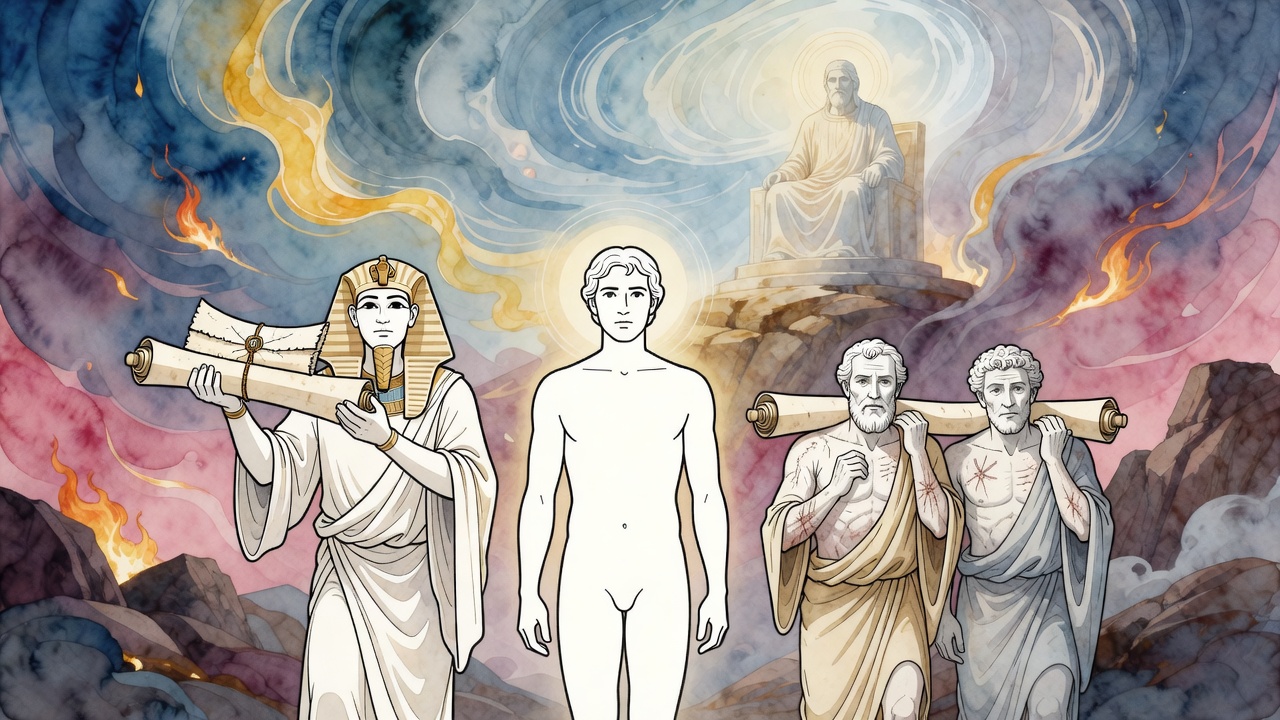
Later teachers will count the signs done in Egypt to Pharaoh, to his servants, and to the land as separate blows, each group tasting the same wonder differently. Joseph already lives that truth. A father's grief is not the same as a brother's shame. A public reconciliation at a banquet is not the same as a private accounting in a sickroom. He keeps the rooms of the house from collapsing into one another, the way a careful steward keeps oil and water in different jars.
When he finally comes for the blessing of the sons, he brings Ephraim and Manasseh under Jacob's hands. The old man crosses his arms against Joseph's arrangement. Joseph does not reopen the wound of Canaan to win a small argument about which boy stands on the right. He lets the blessing fall forward into the future and swallows the correction.
The Cost of Protective Love
People will say Joseph exceeded all the brothers in honor of his father. The midrash hears the missing visits and refuses to call them neglect. The absence is a shield. The viceroy who could have told everything chooses to tell nothing that would arm a dying man's mouth against the men he has already forgiven in practice if not always in speech.
Outside, Egypt still eats from his planning. Inside, the brothers sleep without a curse hanging like a knife over the bed. Joseph walks the corridor again after the blessing, alone, rings flashing, and keeps the silence like a vow sealed in the same place where dreams once rose from a prison floor to a throne.
He pauses at Jacob's door, listens to the old breath, and does not enter without witnesses. Protective love sometimes looks like distance. On this night, distance is the only gift left that will not burn the house down.
← All myths