Joseph Fell on Jacob's Face, Then Forgave
Joseph wept on his father's dead face, ordered the physicians to embalm, then faced brothers who still feared his revenge. He spoke straight into their fear.
Table of Contents
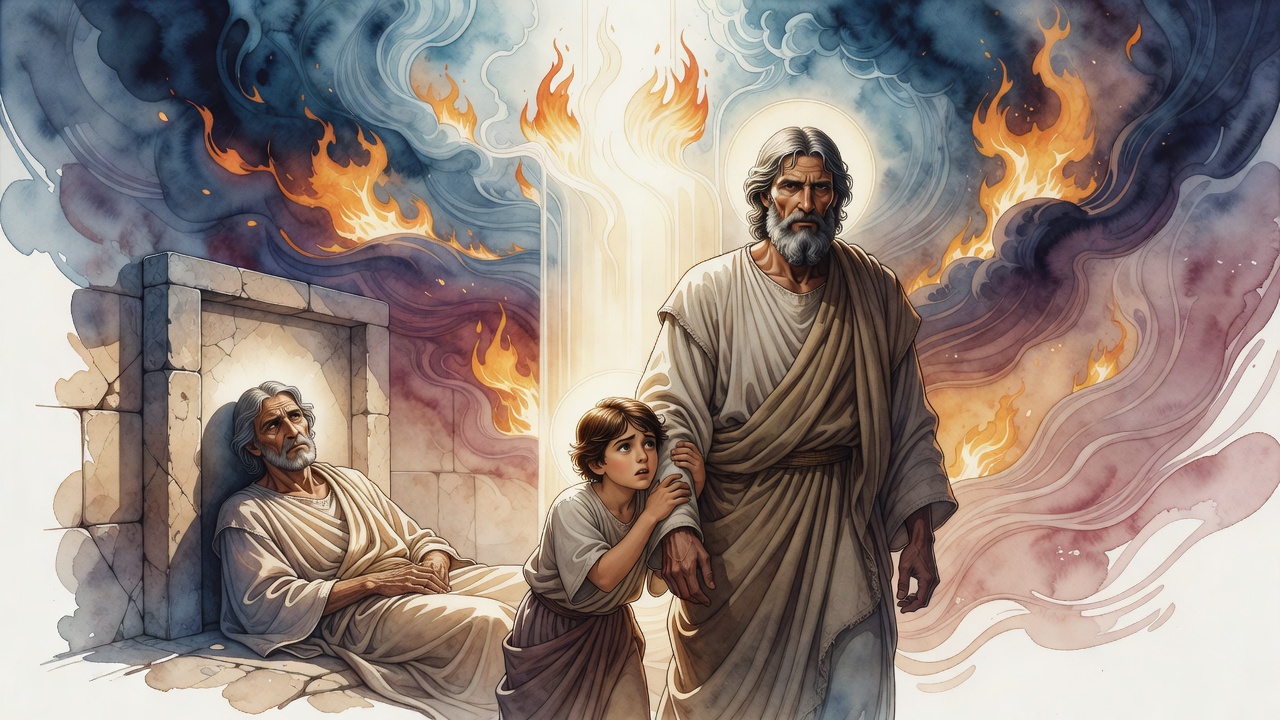
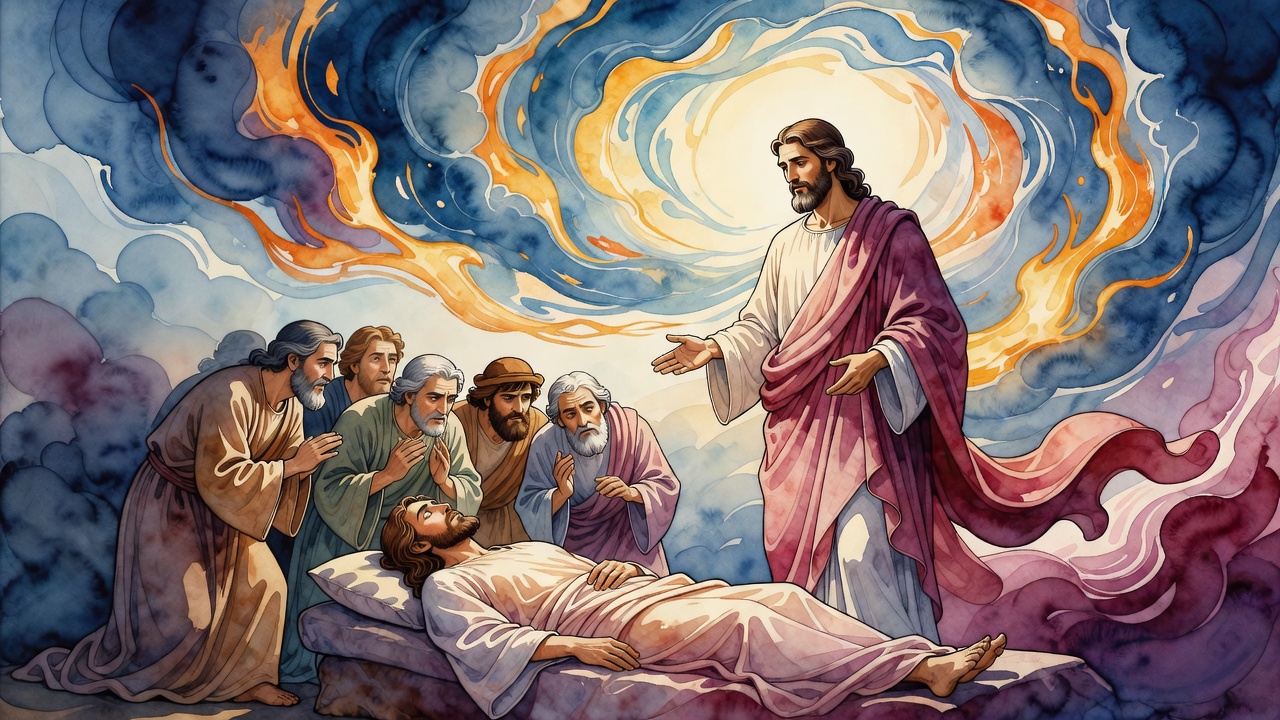
Joseph fell on his father's face, wept on it, and kissed it (Genesis 50:1). The skin was already cooling. Egypt's second man made a sound the palace had never heard from him.
 Click for full size
Courtiers who knew him as grain and numbers watched a son come apart over a body. The ring on his hand could not steady the shaking. He had waited years to show this face to a living father. Now he showed it to a dead one. Then he ordered the physicians to embalm Israel (Genesis 50:2).
The Order That Cost Him
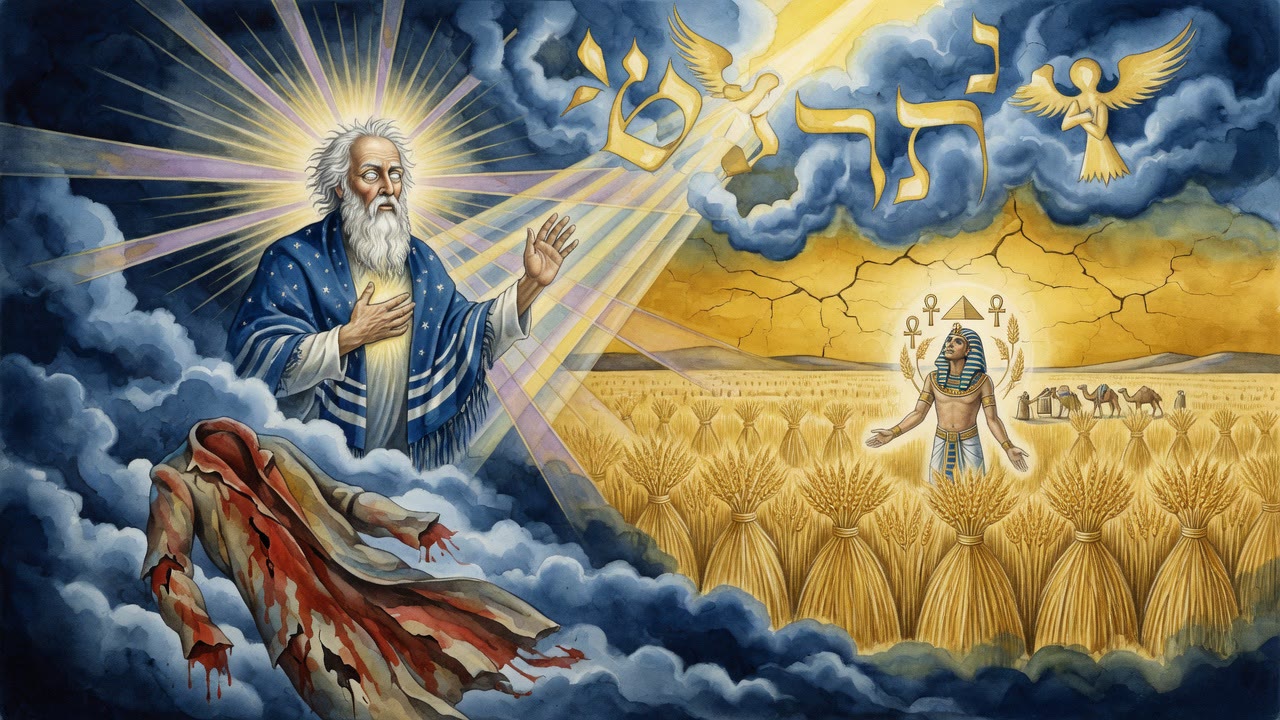
Rabbi Yehuda HaNasi heard defiance in that command. God had said, in the midrash's reading of Isaiah, that the worm need not fear for Jacob's flesh. Was the Holy One unable to preserve His righteous one? Embalming looked like distrust, a son hiring Egypt's craft because he would not wait on heaven's promise. For that, some say, Joseph's years were shortened.
Other rabbis refuse the charge. Jacob himself ordered the embalming; "his sons did to him just as he commanded them" (Genesis 50:12). If so, why did Joseph die before his brothers? Because he stayed silent when Judah called Jacob "your servant, my father" four times before Egypt's throne (Genesis 44:24-31). A son in power who lets his father's honor sink without a word pays later. The brothers diminished Jacob to win Benjamin free, and Joseph, tasting status, did not correct the title.
Either way the midrash will not let grief be simple. Love and failure share the same house of mourning. The tears on the dead face are real. So is the ledger of what Joseph did and did not say while he still had a living father to defend.
Brothers at the Edge of Fear
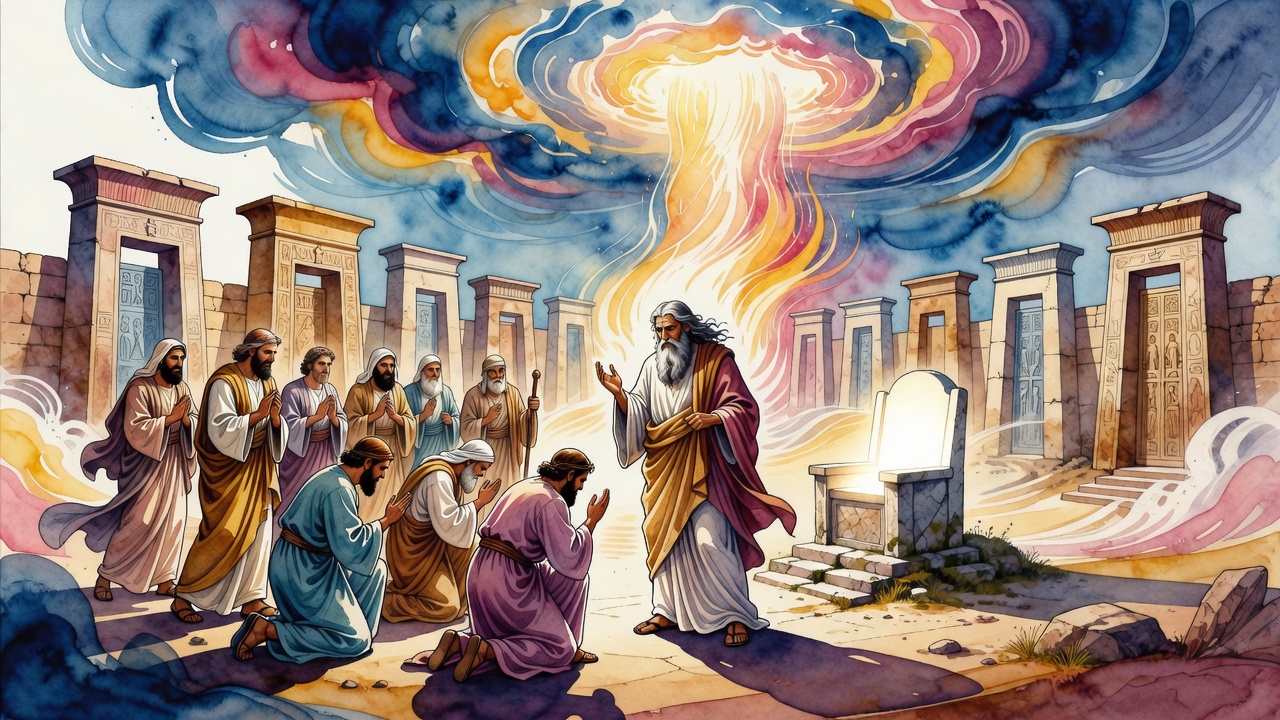
After the burial caravan and the return to Egypt, the brothers' old terror woke. With Jacob gone, who would restrain Joseph? They came begging, inventing a father's last wish if they had to. He had every legal right, in the world's logic, to answer the pit and the sale with a pit of his own.
He did not. "Fear not, for am I in place of God? You intended me harm; God intended it for good" (Genesis 50:19-20). He promised to sustain them and their children. He "spoke to their heart." The man who once managed Egypt's grain now managed the weather inside twelve guilty chests.
Famine still pressed the land. Power still sat on his finger in Pharaoh's ring. None of that became a weapon against the men who had sold him. He chose the harder use of power: provision without revenge, bread without a bill of blood.
Words That Entered the Heart
The midrash asks how a person speaks to a heart. With words shaped like creation itself. "You are like the dust of the earth, the beasts of the field, the stars in the sky. Can anyone eliminate these?" Ten stars tried to erase one star and failed. Shall Joseph unmake twelve tribes?
Rabbi Simlai hears him say more: "You are the body, and I am the head. What good is the head without the body?" Power without brothers is a skull on a stick. "Shall I become an antagonist to my father? My father begets and I bury? Shall I become an antagonist to the Holy One? He blesses and I diminish?"
If he harmed them, the nations would say he keeps faith with no one. Mercy became his last politics. The same mouth that had tested them with a planted cup now fed them language strong enough to stand on. Dust, beasts, stars: you cannot erase what God has planted in the structure of the world. Twelve tribes are that structure. Joseph refused to play demolition while Egypt watched.
Comfort That Points Upward
Bereshit Rabbah ends the scene with a leap: if Joseph, flesh and blood, could comfort like this, how much more will God comfort Jerusalem. "Comfort, comfort My people" (Isaiah 40:1) sits on the far side of a brother's refusal to take revenge.
Joseph had wept on a dead face. He would not add more dead faces from his own house. The pit in Canaan still existed in memory. He chose not to dig it again in Egypt. The embalmers worked on Jacob while Joseph worked on a harder preservation: keeping a family from rotting into blood feud under a foreign sky.
Grief and pardon share the chapter. The midrash will not separate them. A son who may have failed his father's honor in life spends his death-watch and its aftermath refusing to fail his brothers' lives. The math is not neat. The story does not need neat math. It needs a heart spoken to, and a knife left sheathed, and bread still coming from the storehouses for men who once sold their brother for silver.
← All myths