Joseph Sets the Empty Seat Beside His Brothers
Joseph's brothers invent a grudge from his empty seat. He names their fear, then takes flint himself to circumcise great-grandsons under Egyptian roofs.
Table of Contents
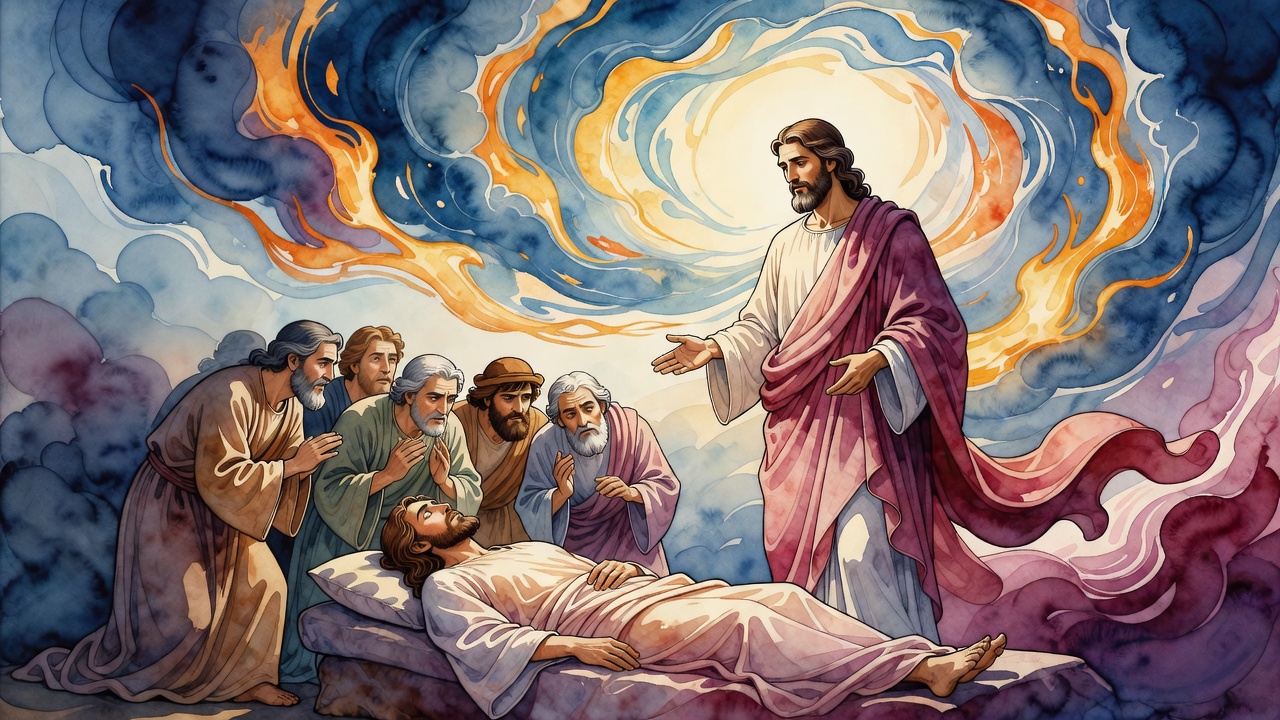
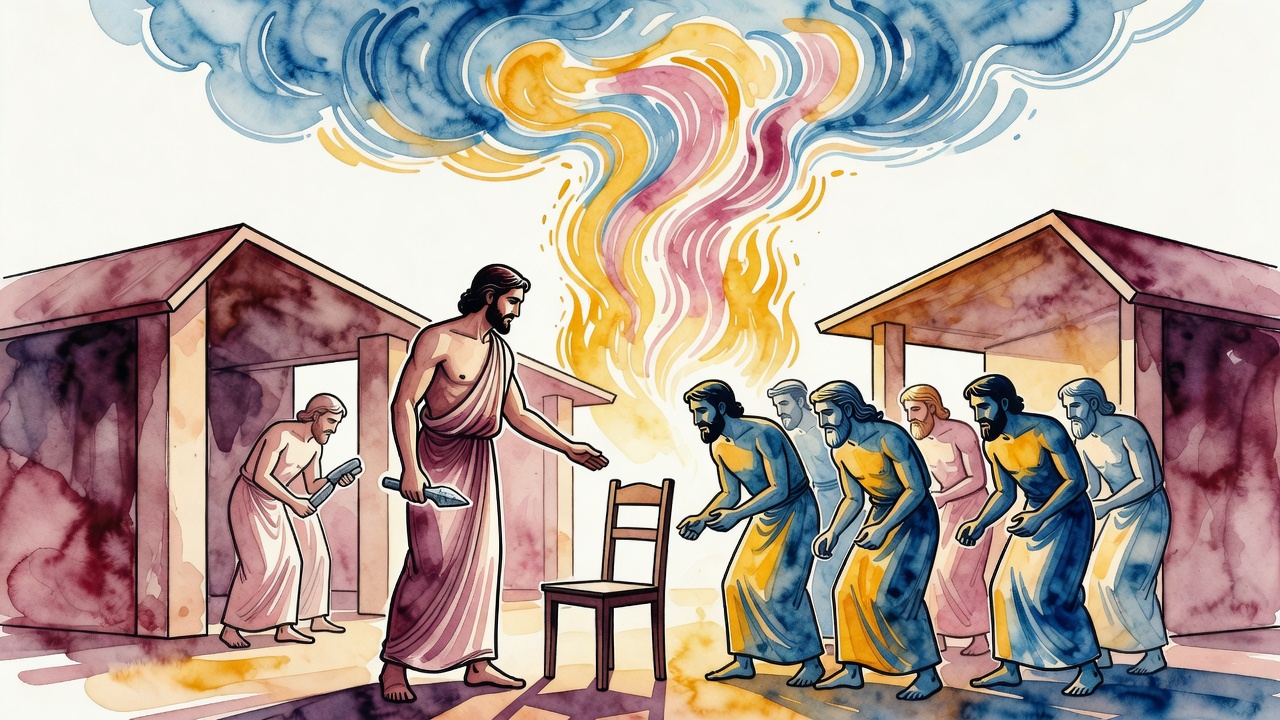
Joseph stood while the food cooled and let his brothers invent a reason for the empty seat.
 Click for full size
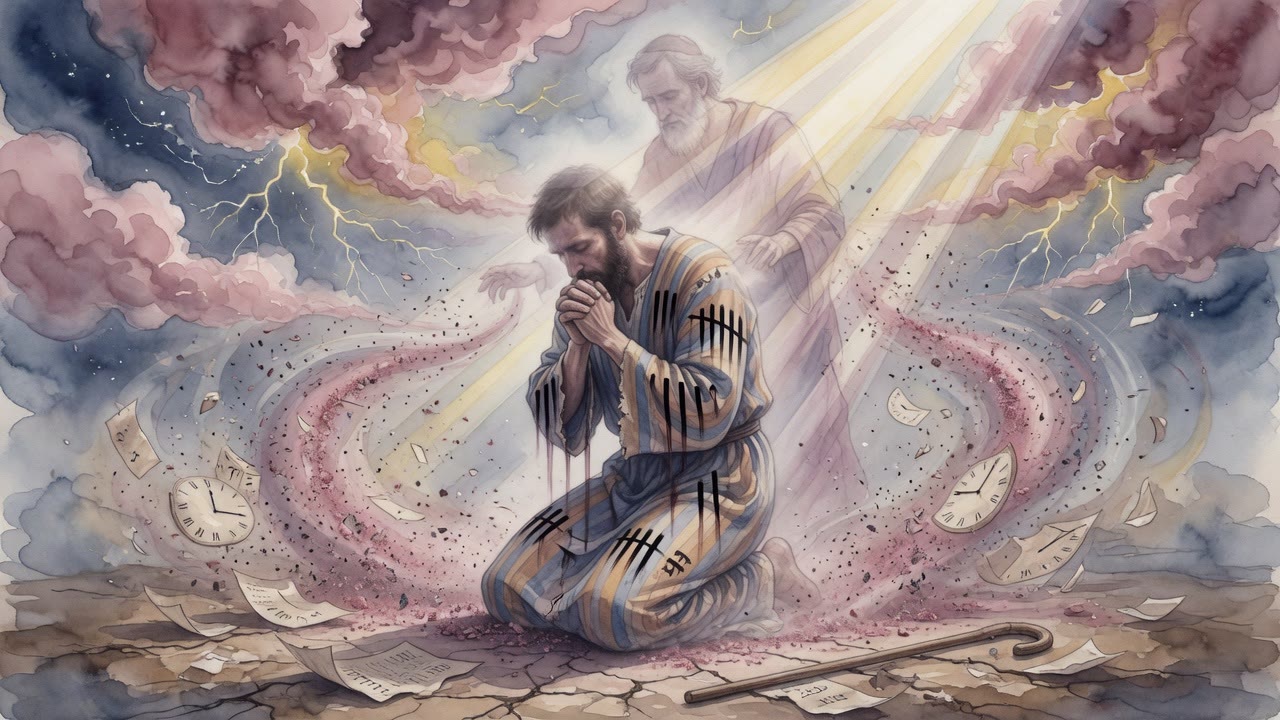
They were old now, frightened men with gray in their beards and the old pit still in their eyes. They watched him refuse the low cushion among them and told themselves the story they preferred. He hates us. He remembers the sale. He will not recline because the grudge still eats with him. Oil lamps smoked. Bread stiffened. No one reached for the wine. Joseph heard the silence around the meal and finally put words to their fear before it hardened into a new plot.
"You imagined against me evil thoughts," he said, "that when I did not recline with you to eat it was because I retained enmity against you." The accusation sat between them like a third guest. He did not deny that the meal had looked cold. He denied the motive they had written onto his face.
The Seat Jacob Arranged
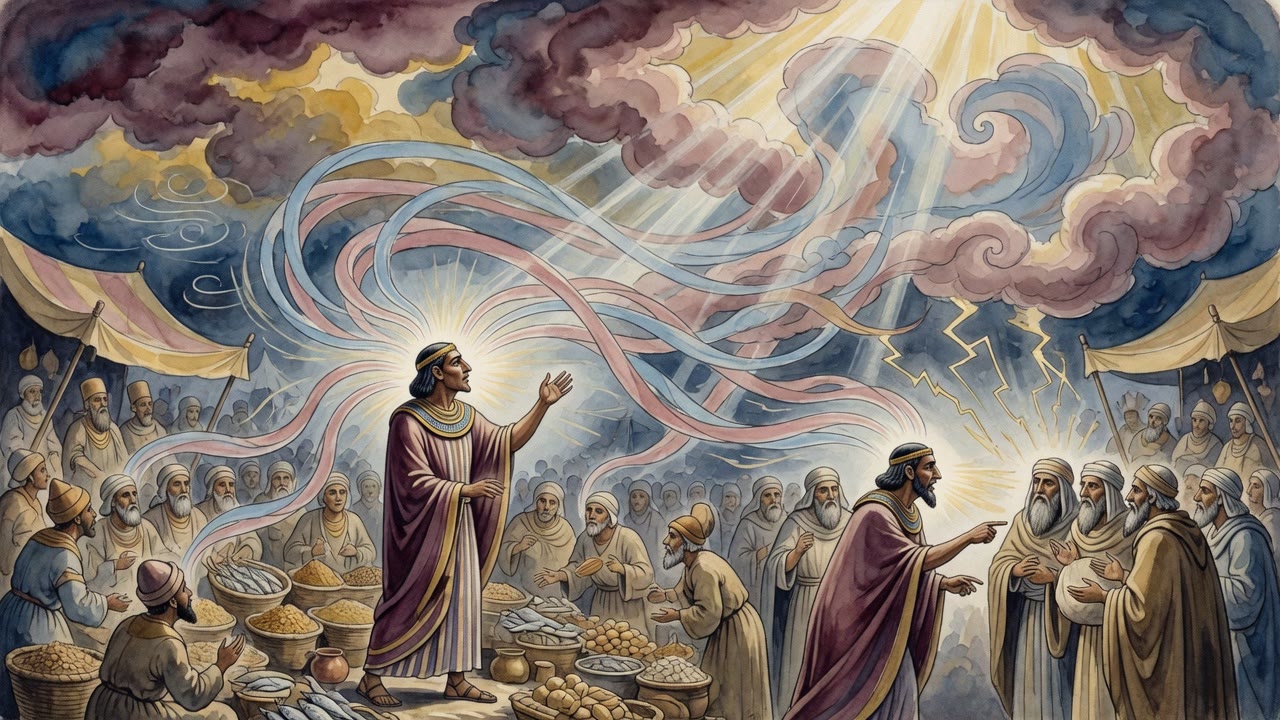
He told them the arrangement was never his vengeance. While Jacob lived, the father himself had placed Joseph at the head of the table. Out of honor for that placement, the viceroy of Egypt had accepted the seat, even when the honor made his brothers flinch. When Jacob died, the arrangement fell away with him. There was no lingering score to settle across the bowls. There was only the absence of the man who had ordered the room.
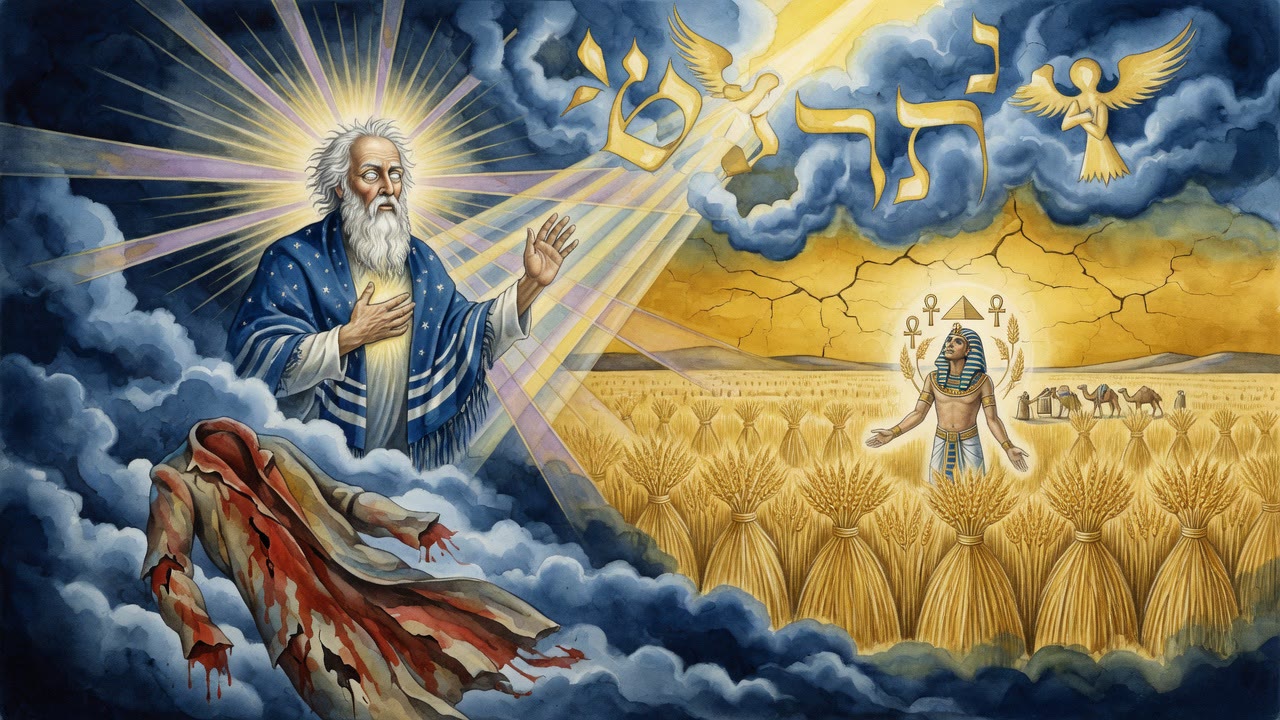
Joseph lifted the whole awkward meal into theology before anyone could rebuild the grudge. "But the Memra of the Lord thought on me for good." He would not take credit for the rise from the cistern to the palace. He would not let his brothers credit him either, as if their guilt had purchased his crown. The empty seat had been filial duty, not revenge. The empire around them had been the Word's design, not a brother's triumph staged for their shame.
They had come expecting a reckoning dressed as dinner. He gave them a father's chair and a divine intention, and forced them to sit with both until the fear in their throats had nowhere left to go.
Flint Under Egyptian Roofs
Years thickened after that night. Joseph saw Ephraim's children to the third generation, and the sons of Makir son of Menasheh were born on Joseph's knees (Genesis 50:23). The plain verse sounds soft, a grandfather dandling infants while scribes waited in the hall. The fuller tradition opens the phrase and finds a blade.
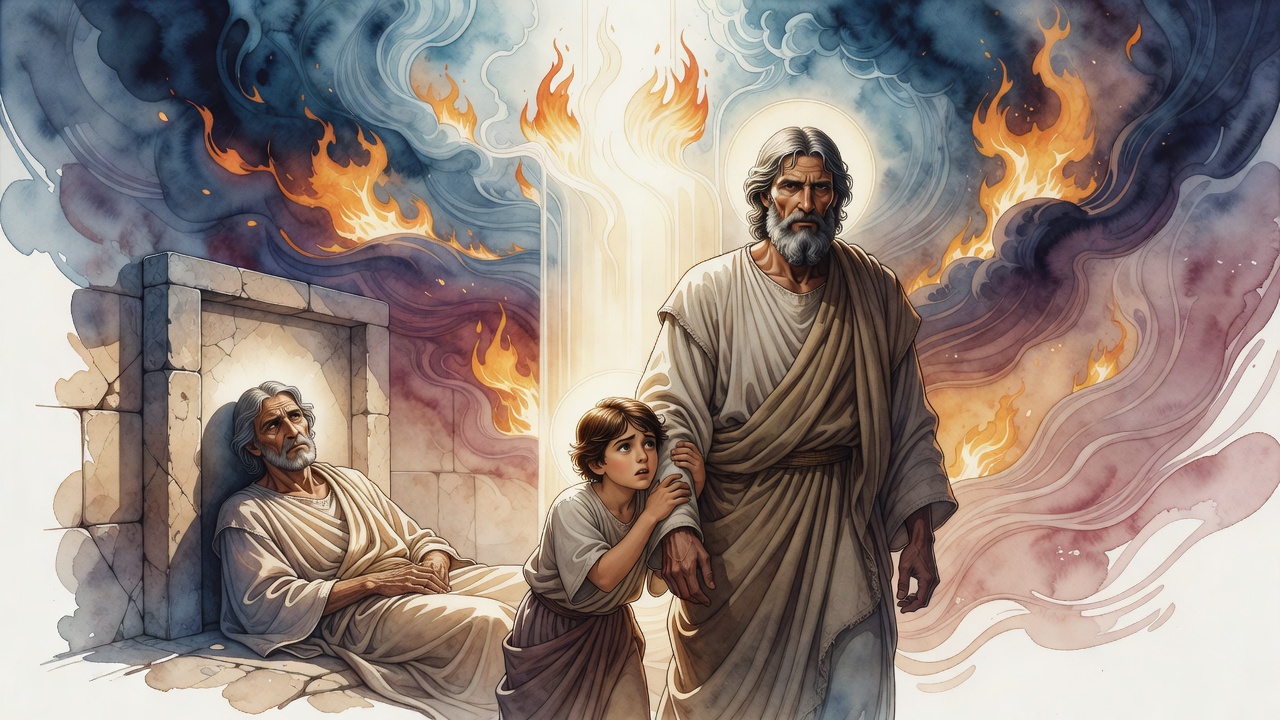
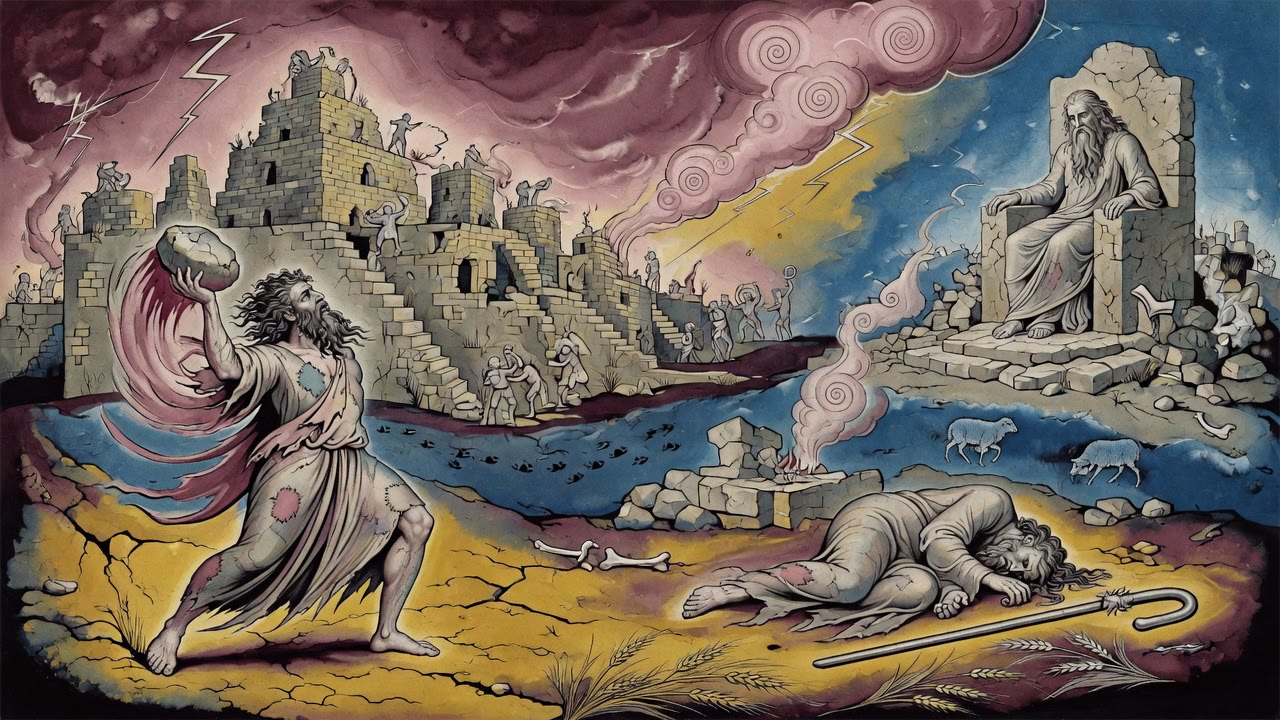
When those sons of Makir were born, they were circumcised by Joseph. Picture the room. Courtiers called him by an Egyptian name. He wore robes cut for another people's power. Incense from the palace wing drifted under the door. On the day his great-grandchildren drew first breath, the second man of Egypt took the flint himself and cut the covenant into their flesh while their mothers held them still.
He did not send for a Hebrew midwife and look away toward the Nile. He did not outsource the sign that marked them as belonging to Abraham's house. The knees that held them were the same knees that had bent in Pharaoh's service, and the hands that signed decrees for grain now held the instrument of the brit milah without apology.
Assimilation Stops at the Skin
Egypt presses on a man from every side. Language, marriage, title, procession, the long habit of answering when the court calls a name that is not the one his mother used. Joseph had taken all of it and survived. The Targumic memory refuses to let that mean he surrendered the mark that names a Jew. In a court that rewarded forgetting, he performed the oldest memory on the newest bodies in his line.
The brothers who once sold him had feared he still hated them at table. The great-grandsons who never knew the pit received from him the sign that bound them to the people he had never fully left. Forgiveness at the meal and fidelity at the brit were the same character seen from two ages of one life. One scene calmed men who expected a knife of revenge. The other used a knife for covenant and called it love.
He had explained that the empty seat was not enmity. He proved the point in blood that was not his own, on infants who would grow under Nile light and still carry the cut of the promise.
Two Tables, One Man
One scene is a banquet of old men staring at a cushion. The other is a birth room smelling of milk and iron. Between them stands the same Joseph who could rule Egypt without letting Egypt rewrite his household. At the first table he refused the story of leftover rage. At the second he refused the story of total assimilation. Both refusals cost him something. Softness with brothers who had earned hardness. Public Hebrew identity in a palace that preferred silence.
His brothers needed to hear that the father's honor, not their guilt, had set the seating. His descendants needed a body that still belonged to Israel even when the palace called him by other names. He gave both gifts without a speech about his own virtue. The Memra had thought on him for good. The flint was how that good stayed in the family after the vizier's funeral processions had ended and the grain records had yellowed.
Years later, when Israel would tell the story of going down to Egypt, they would need both images. A brother who would not weaponize a meal. A grandfather who would not skip the covenant because the neighbors were watching.
← All myths