376 myths · Page 1 of 13
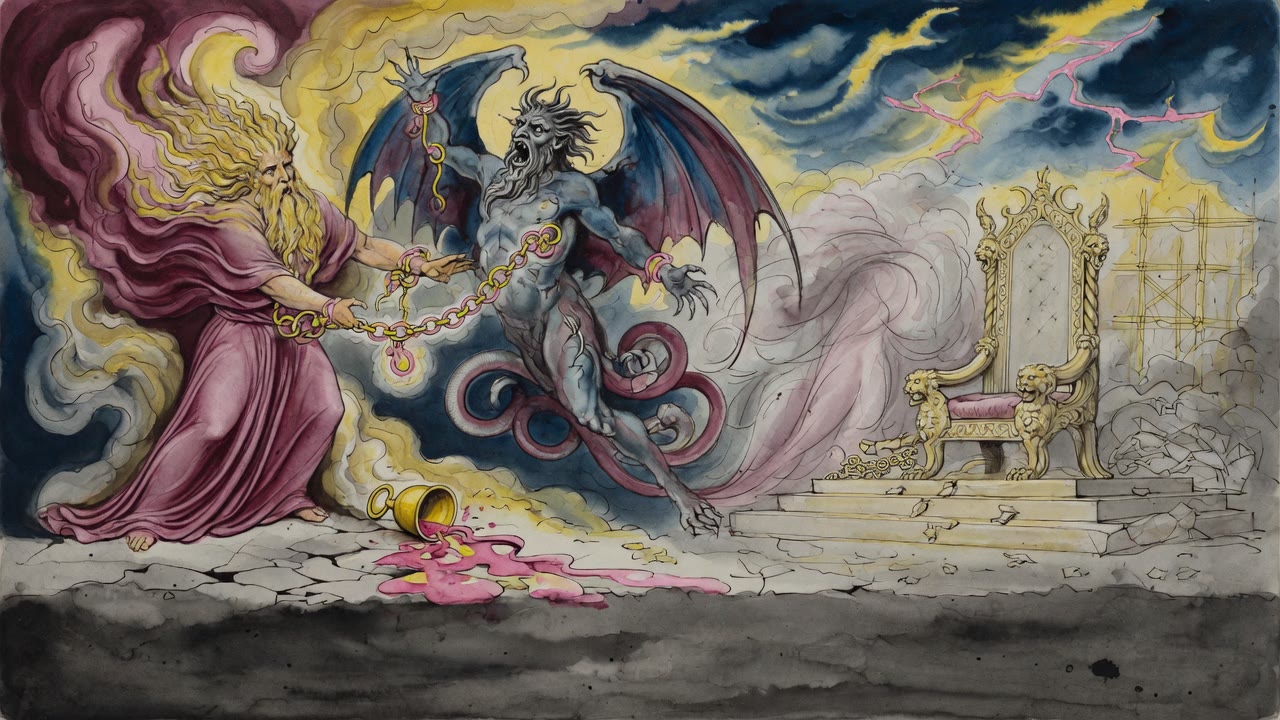
Solomon needed a demon to build the Temple. He caught the king of demons with wine, used him, then kept him chained. The demon got his revenge.
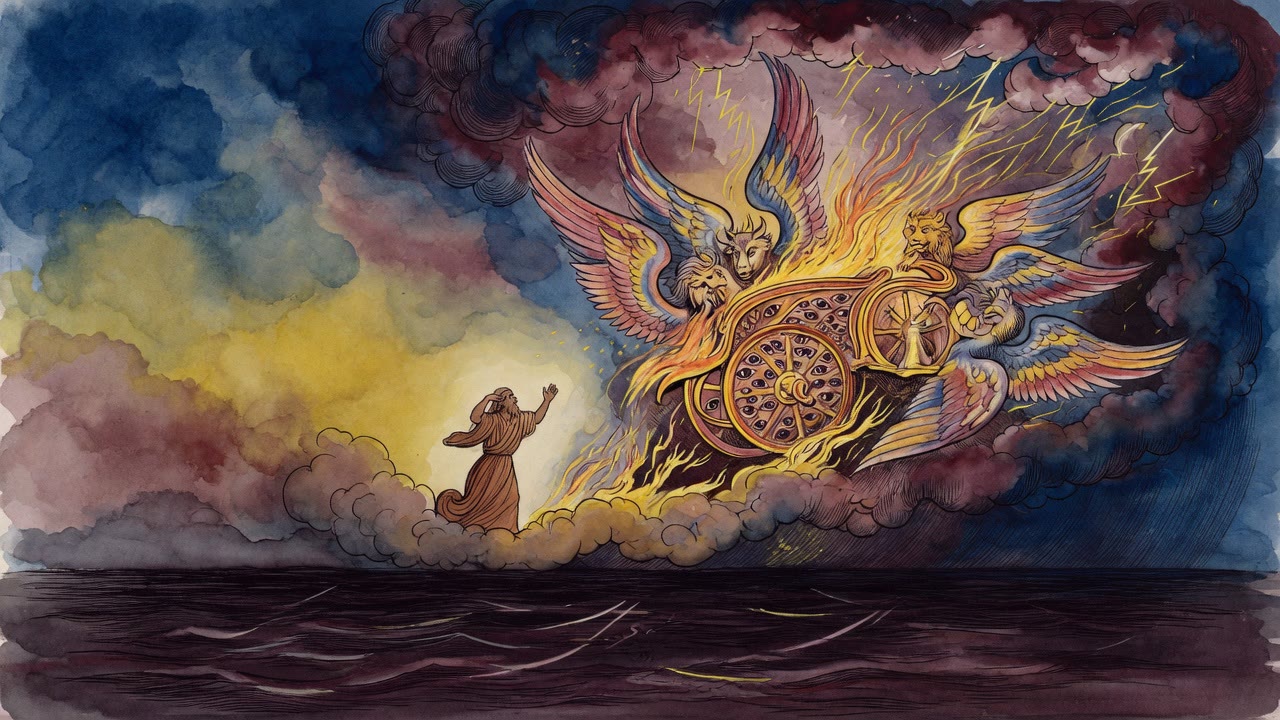
The wings thundered like a flood, then folded. Ezekiel, a priest on a Babylonian canal, was the only living man left in that quiet.
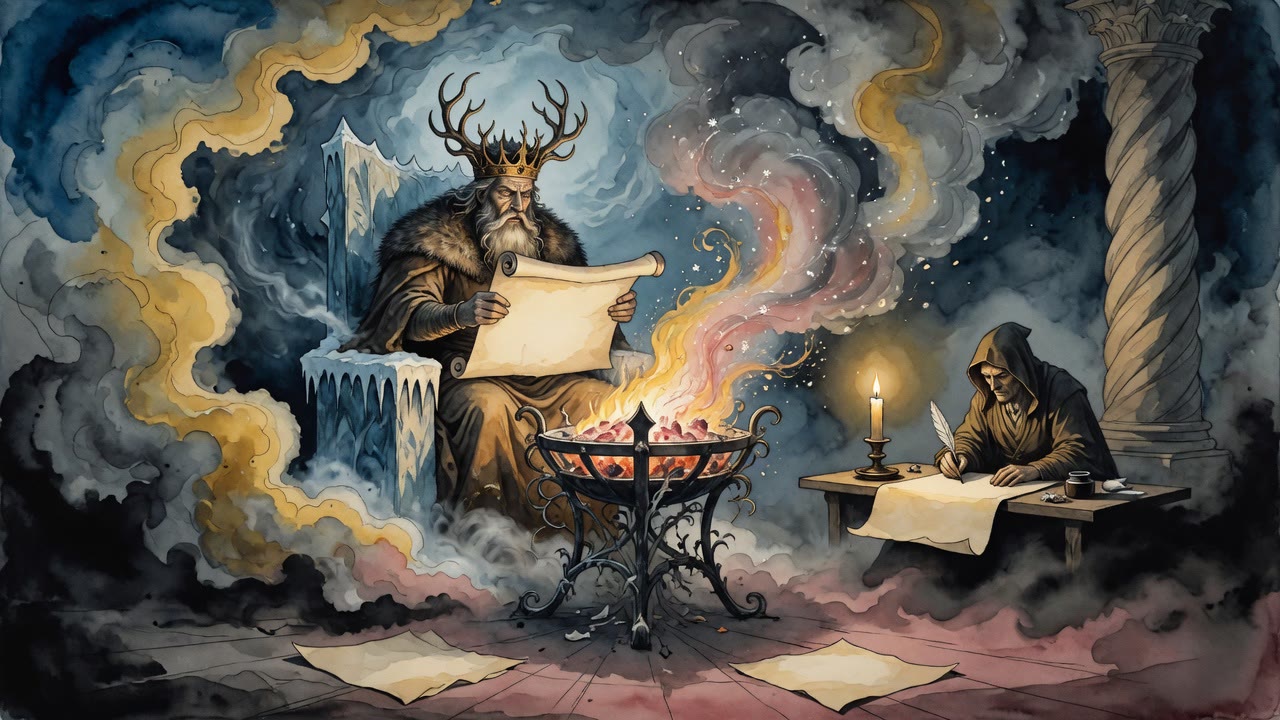
Jehoiakim sat in the winter house and fed Jeremiah's columns to the brazier. Three officials begged him to stop. No one in the room tore his clothes.
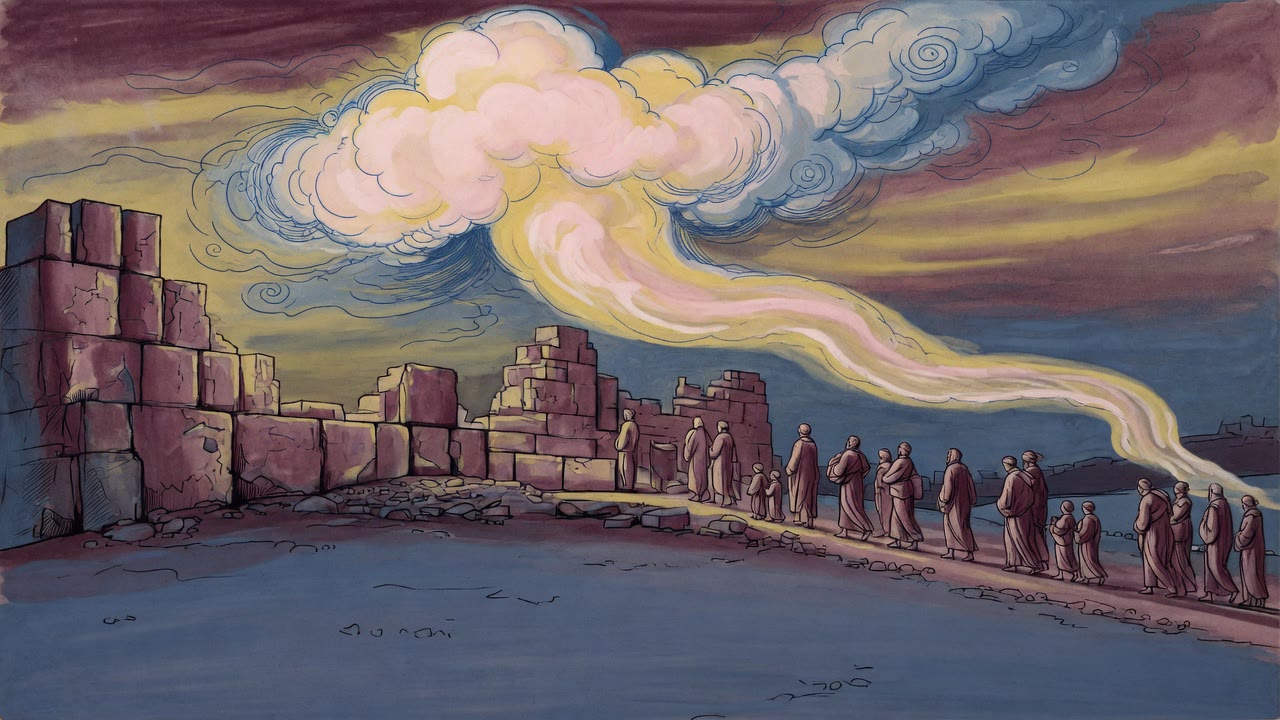
When the Temple burned the Presence wept at the last wall and walked out with Israel, as she had walked into Egypt, Babylon, Eilam, and Edom.
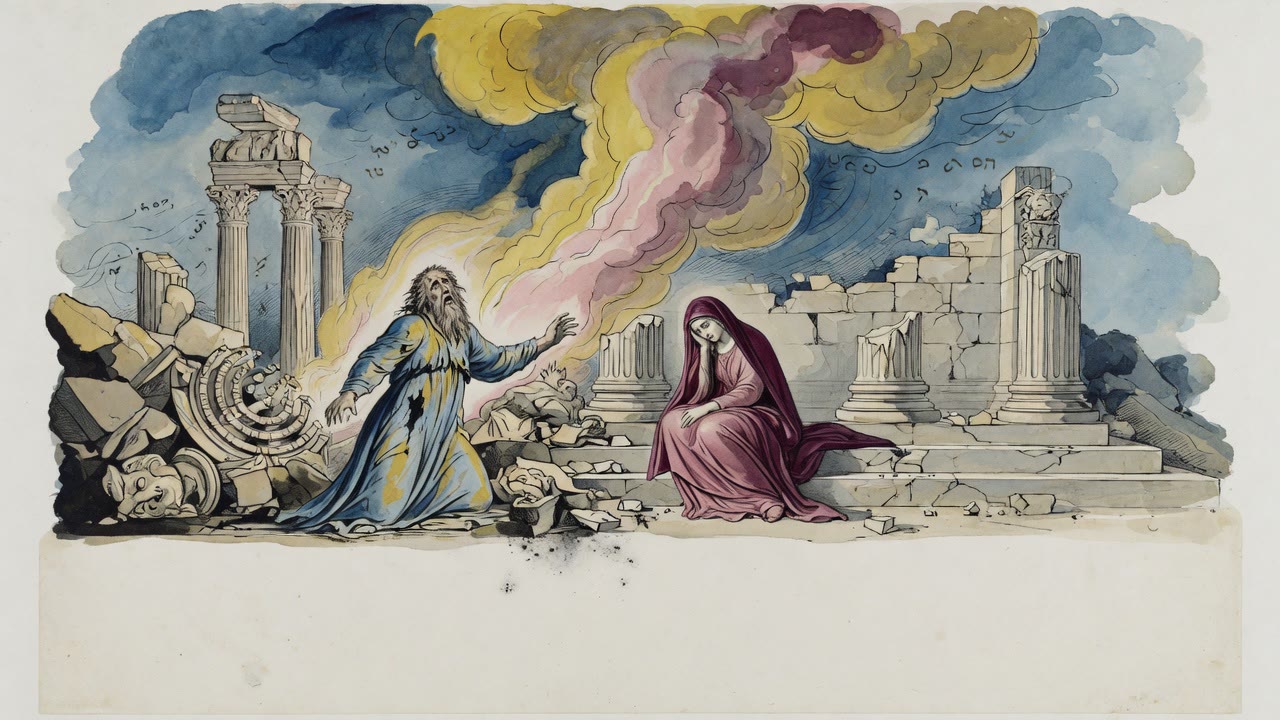
Jeremiah found the Temple daughters thrown from Chaldean chariots. God walked the burned house and asked where His priests had gone.
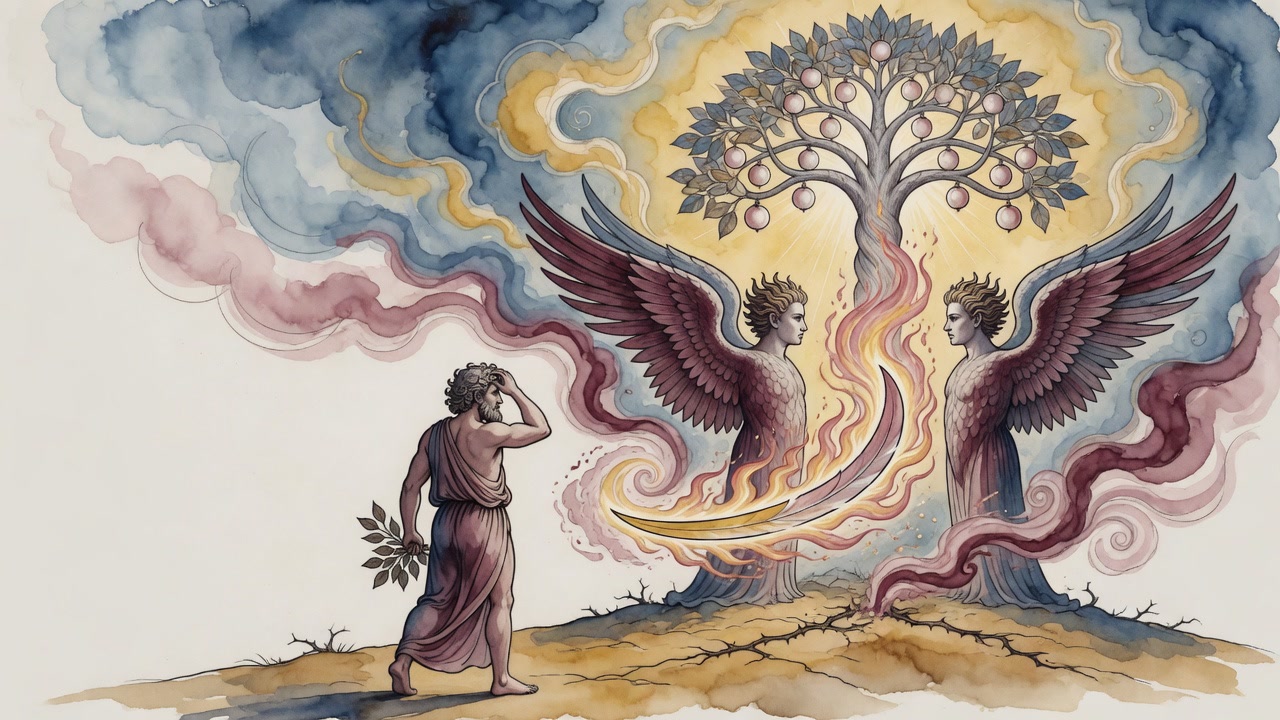
Adam stood east of the garden and watched a blade of fire turn without a hand. Two keepers breathed. The path behind them was not sealed.
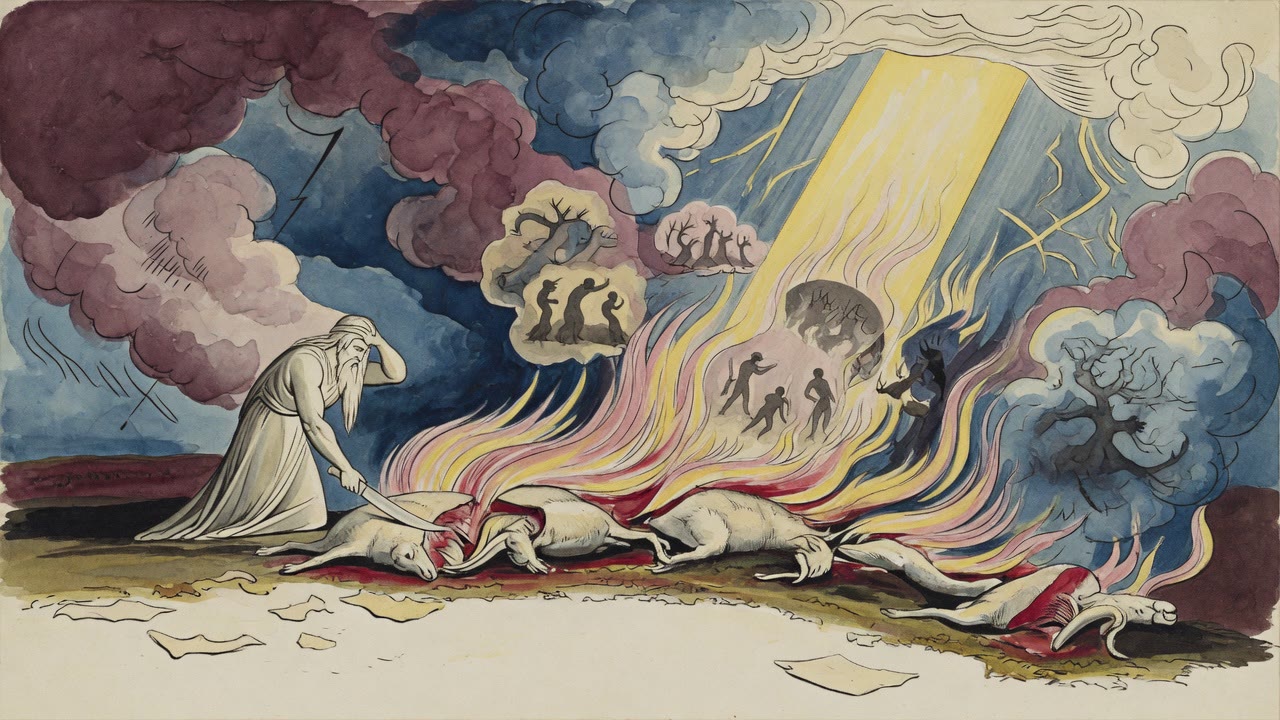
Abraham cuts the covenant animals at God's command. When darkness falls, fire passes through the pieces and shows him hell.
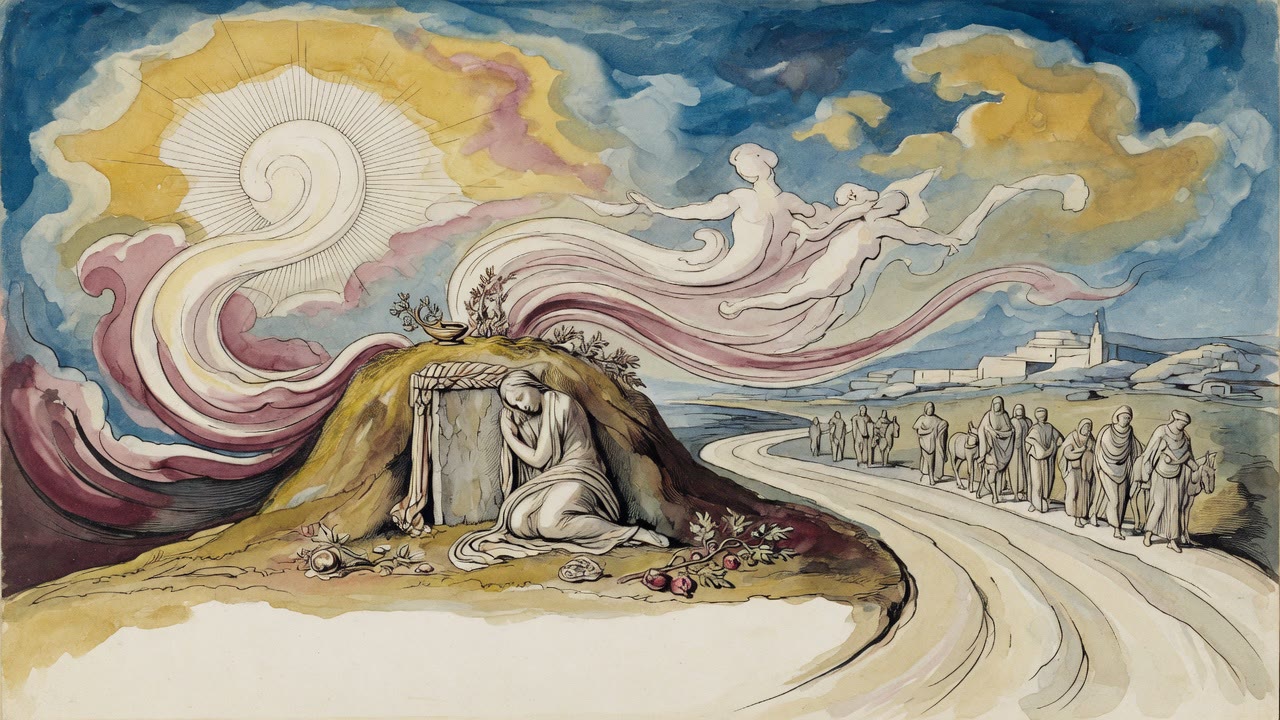
She named the boy Ben-oni and died beside the road. Jacob would not carry her to the cave. He had already seen the exiles marching that same dust.
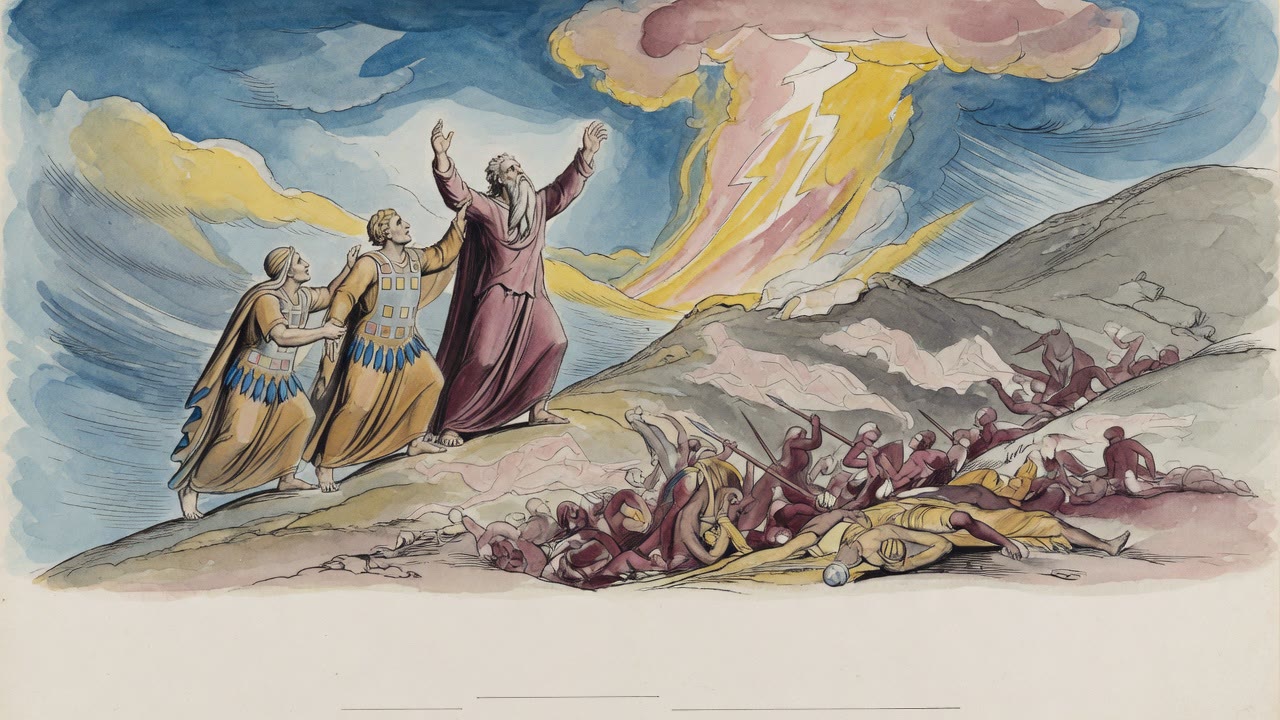
Moses, Aaron, and Hur climb a hill above the battle with Amalek, and the names they carry up are not the living but the dead.
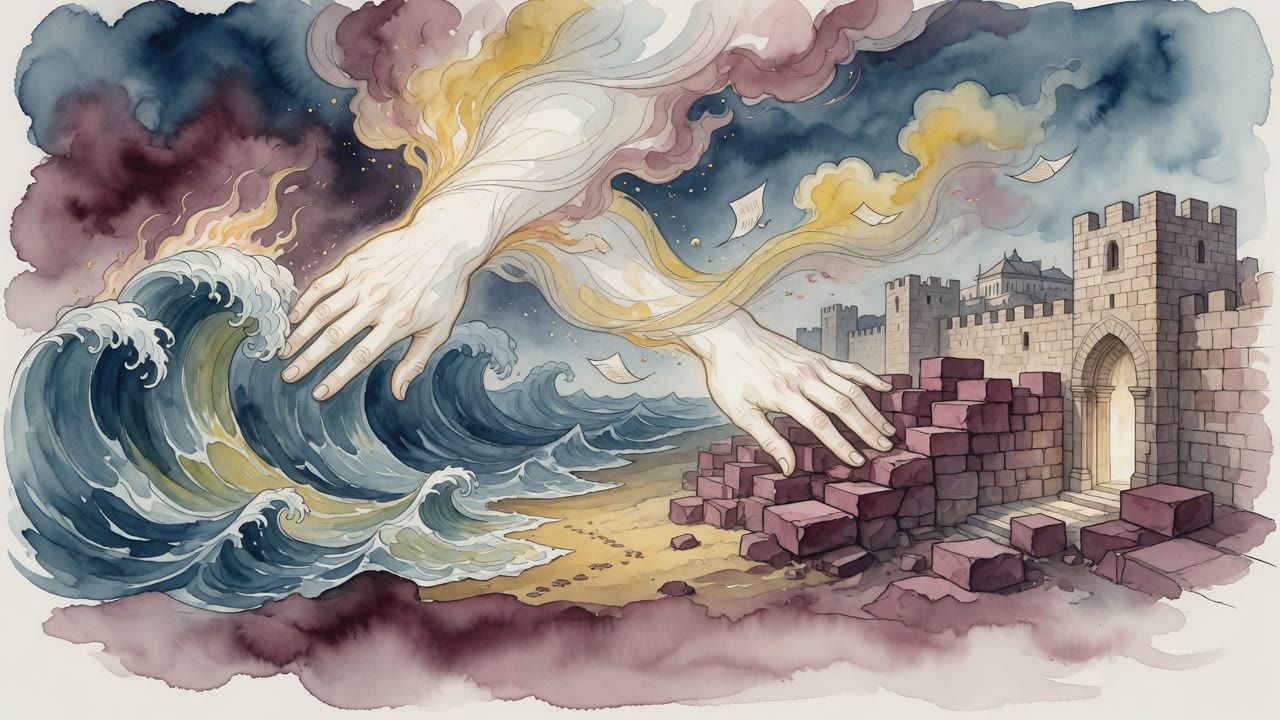
The sea had already closed. Moses still sang about the hand that pulled them out. Later he cursed the sun for lighting the burned house.
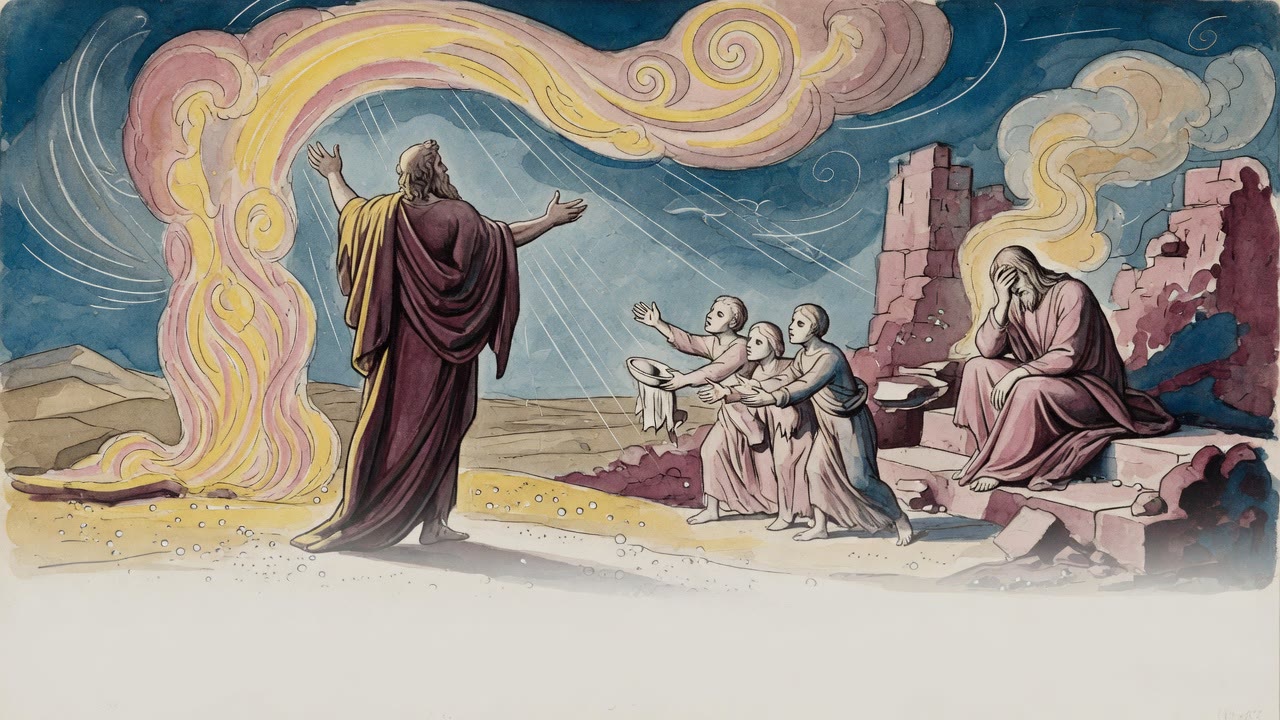
The grain from Egypt ran out in Canaan. Jacob's grandchildren pulled at his robe and asked for bread, and the tears that came to him were scorching.
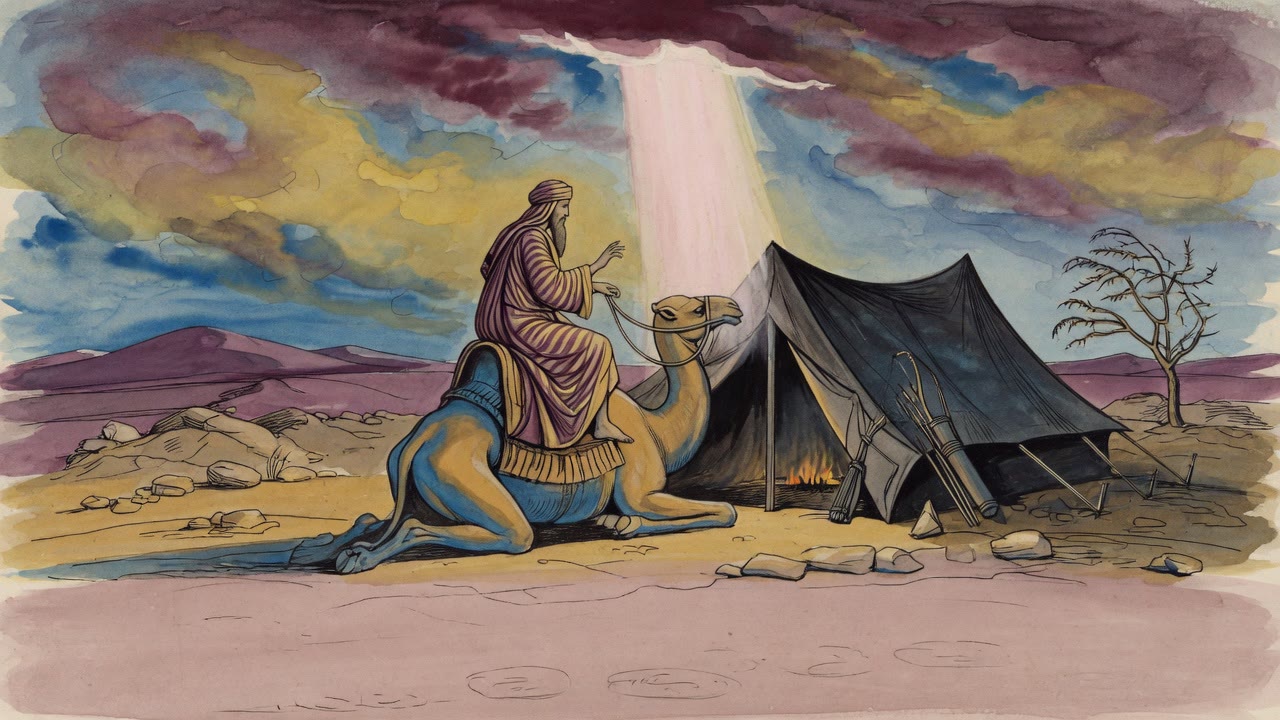
Sarah named the price before he left. See the boy. Stay in the saddle. He rode into Paran with that vow locked in his knees.
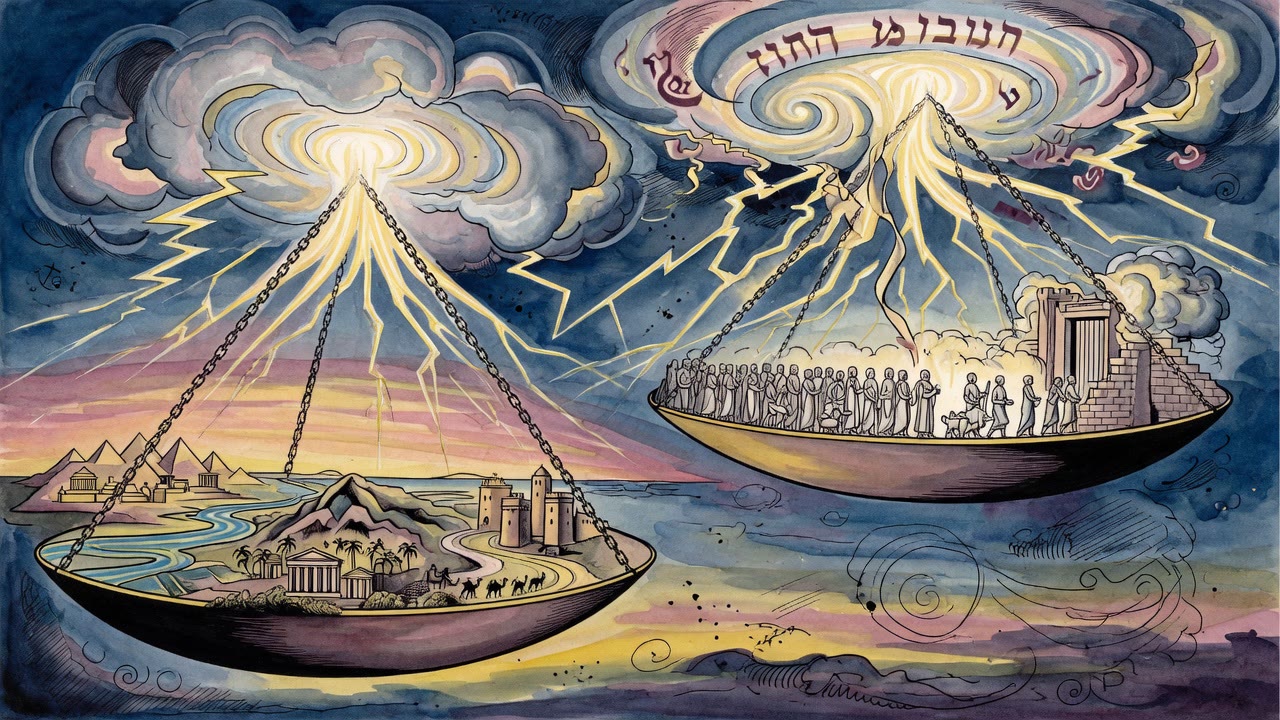
A boy walked between two standing walls of water. Behind him the sea hissed where the chariots had been. Three nations were laid on the scale for that road.
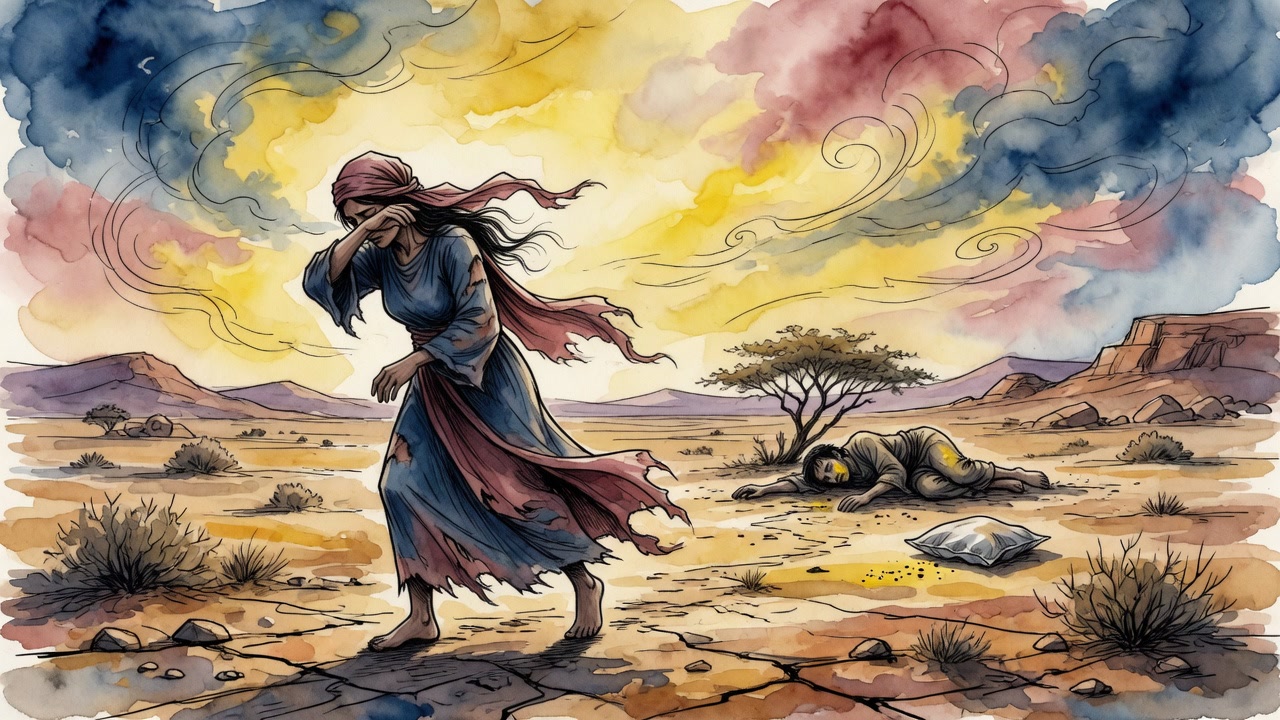
When the water ran out in the wilderness, Hagar put Ishmael under an olive tree and walked a bow-shot away. She could not watch him die.
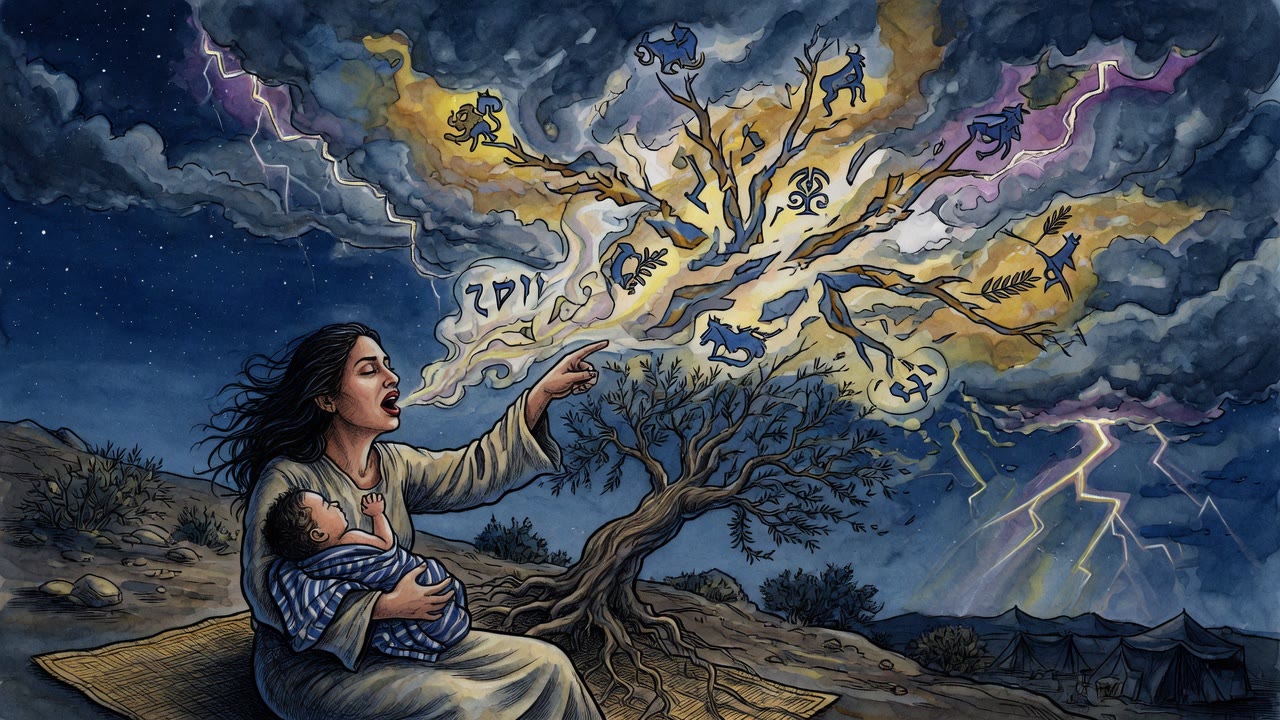
Joseph was still wet from birth when Rachel named him. She asked God for one more son. The name already looked past her death.
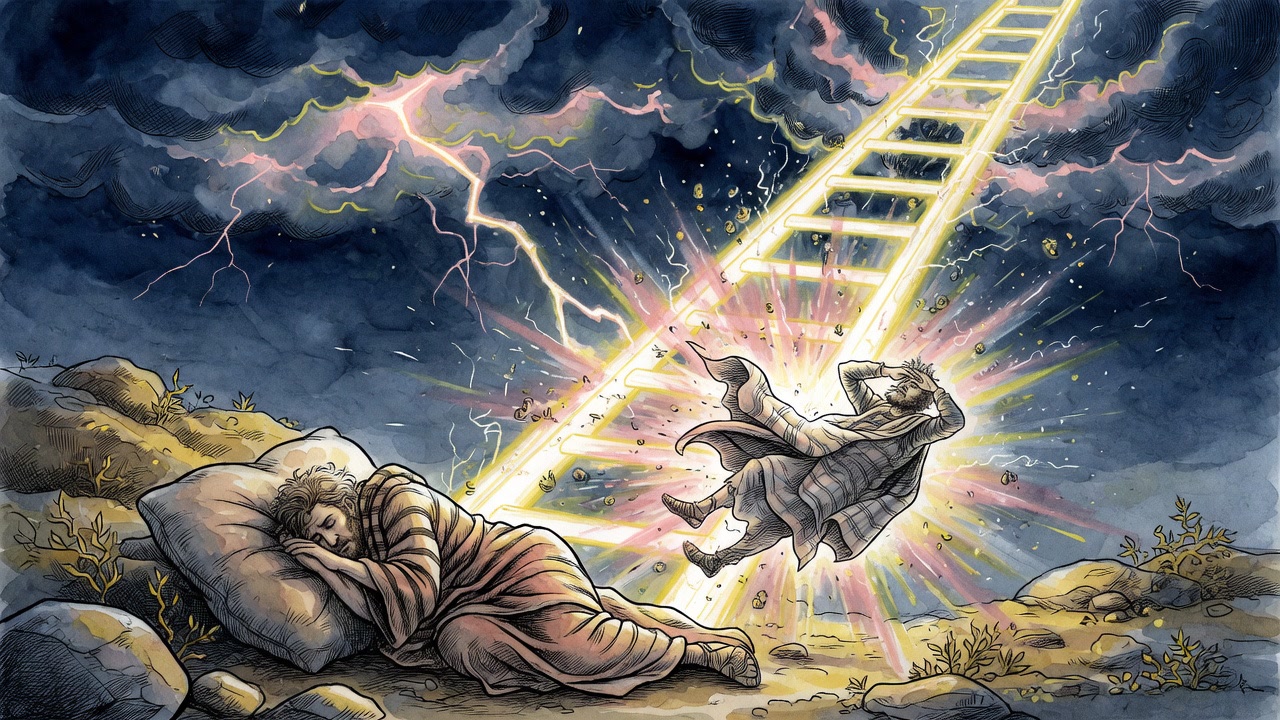
Jacob ran until the sun was gone. He struck the ground at Bethel. Stones went under his head because the place had stopped him.
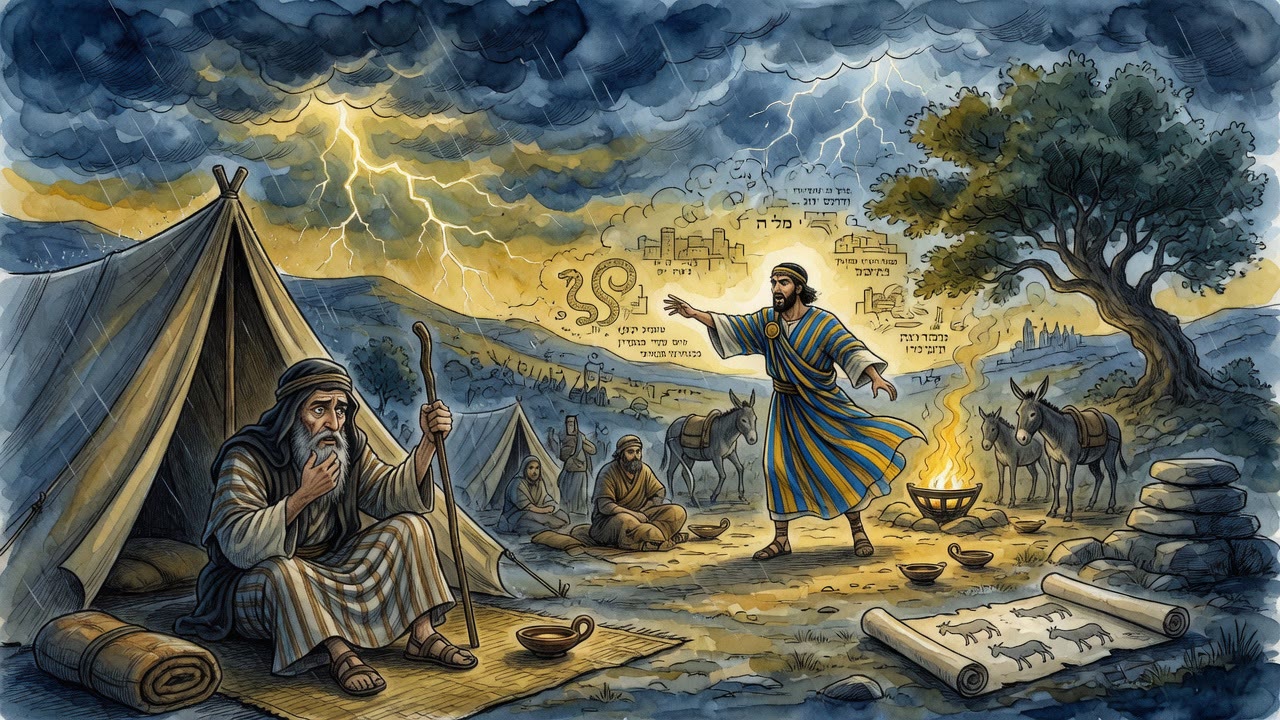
Seven Amorite kings march on Jacob's tents after Shechem burns, and only Judah's words about Noah stand between the family and the swords.
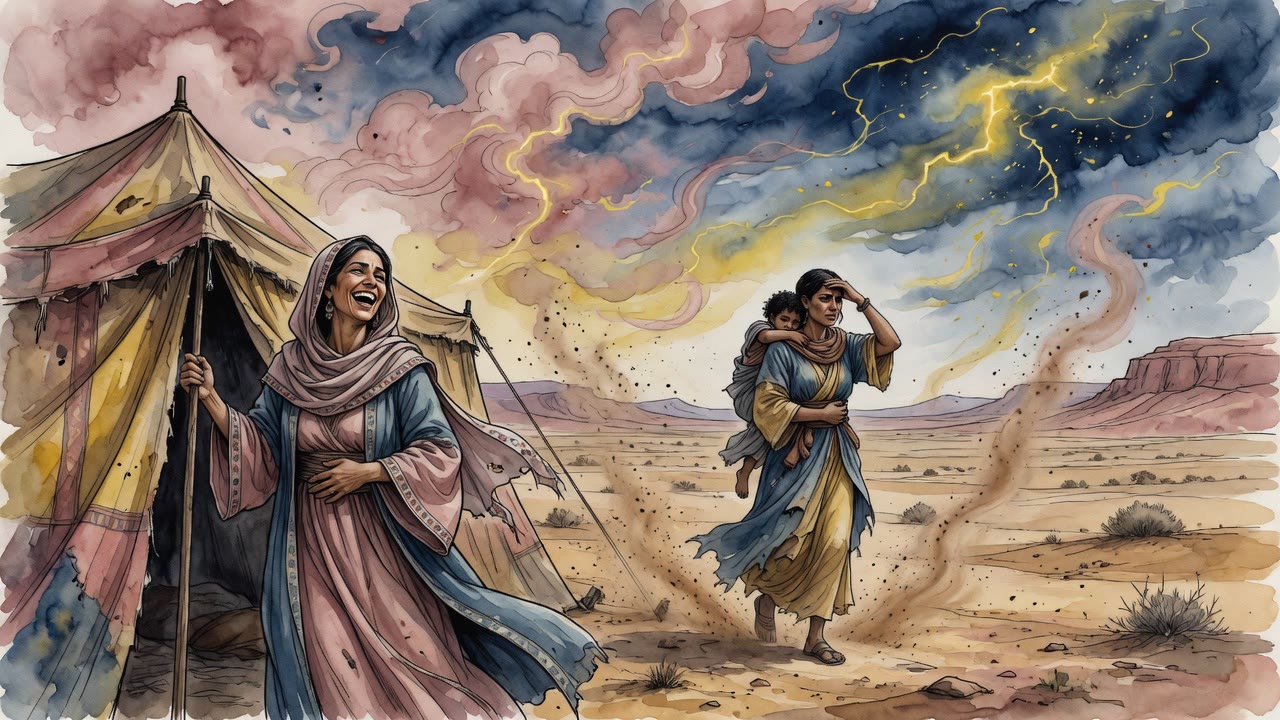
Abraham put bread and a water-skin on Hagar's shoulder. When it ran dry she set Ishmael under a bush and sat far enough not to watch him die.
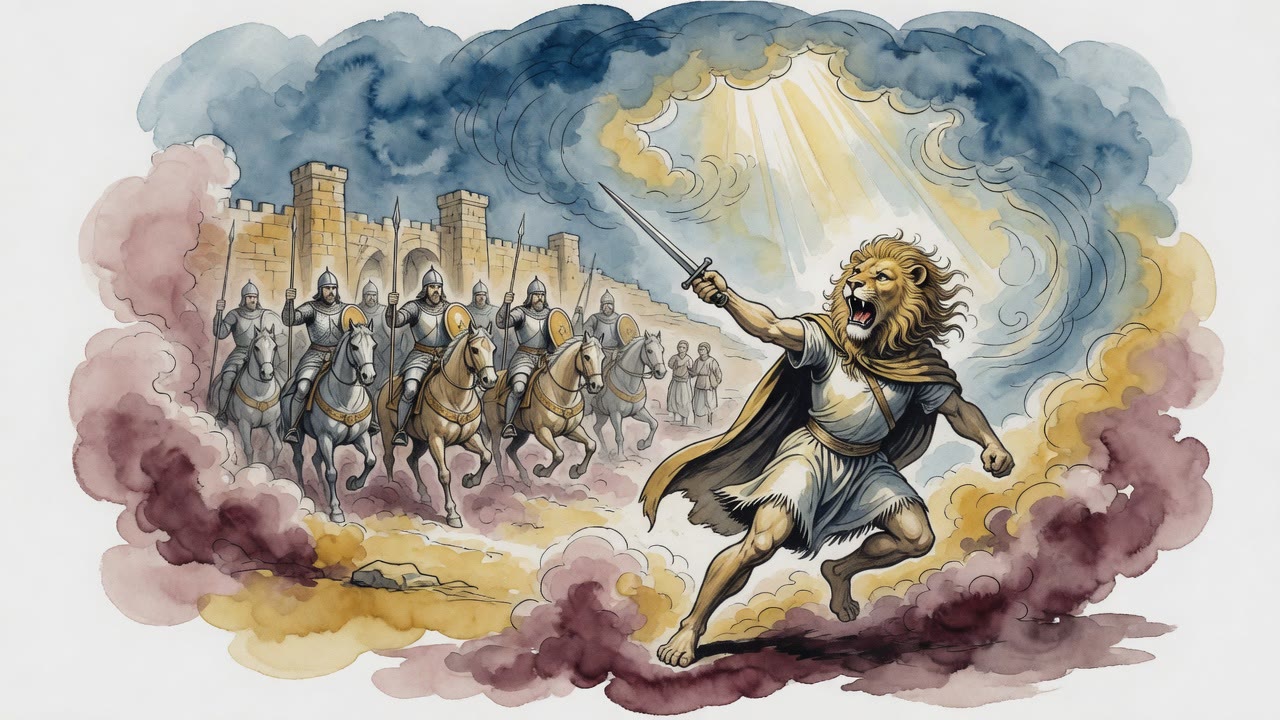
A storm drove Elchanan's spice ship onto a sandbank at the far end of the world. The men who came down to the beach were speaking Hebrew.
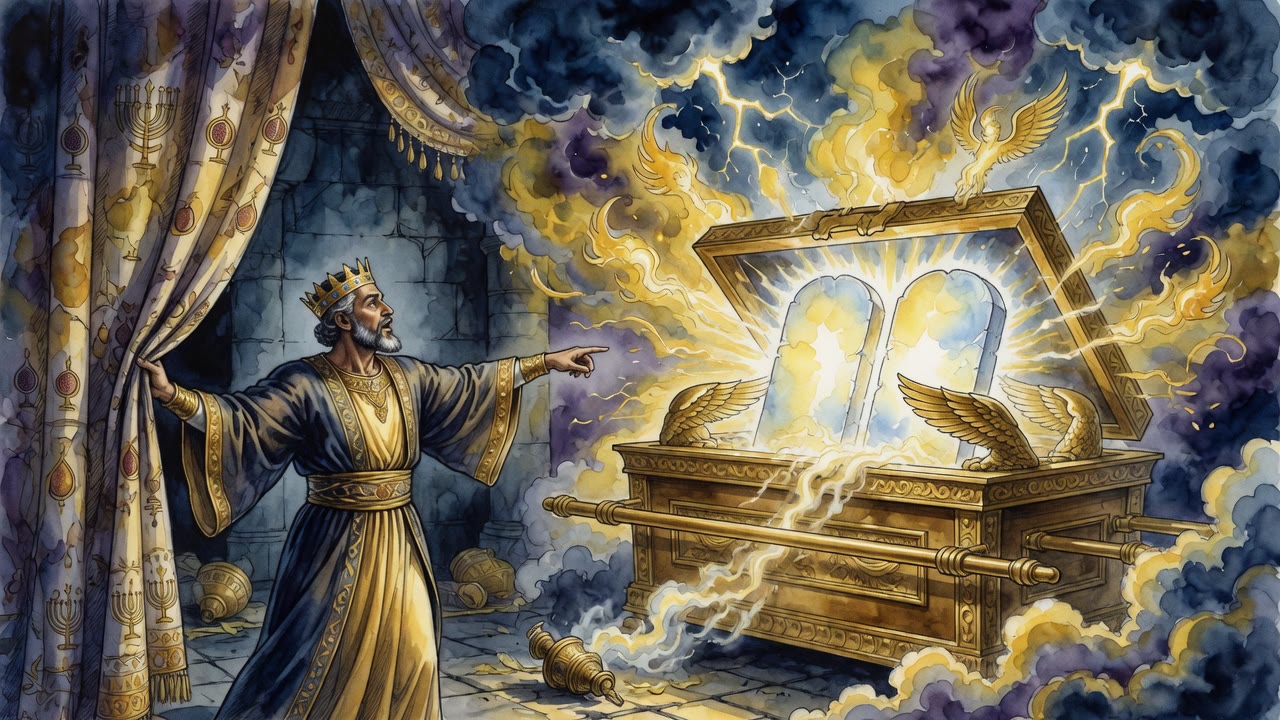
Babylon sent men because a dying king had been given fifteen years. Hezekiah felt the bowing land on his own chest. Then he opened every door.
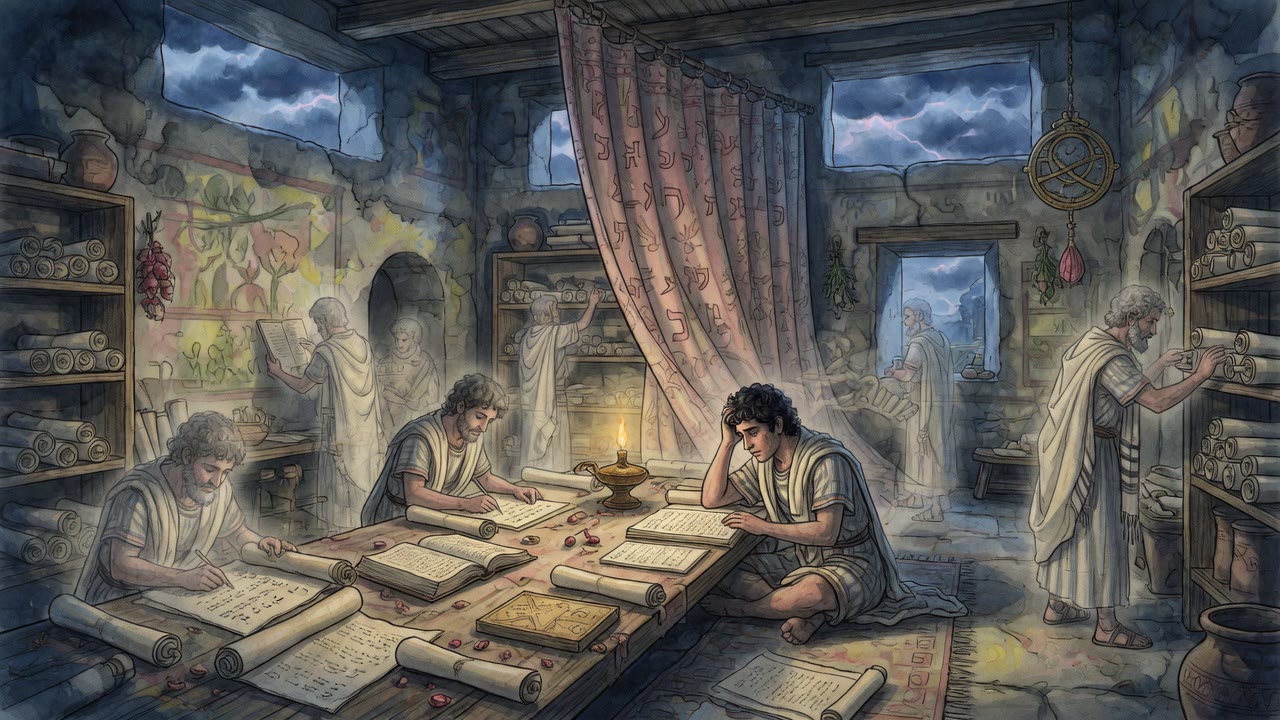
Jacob fled Esau's blade and vanished into the house of Eber for fourteen years, hidden among men who remembered the world before the Flood.
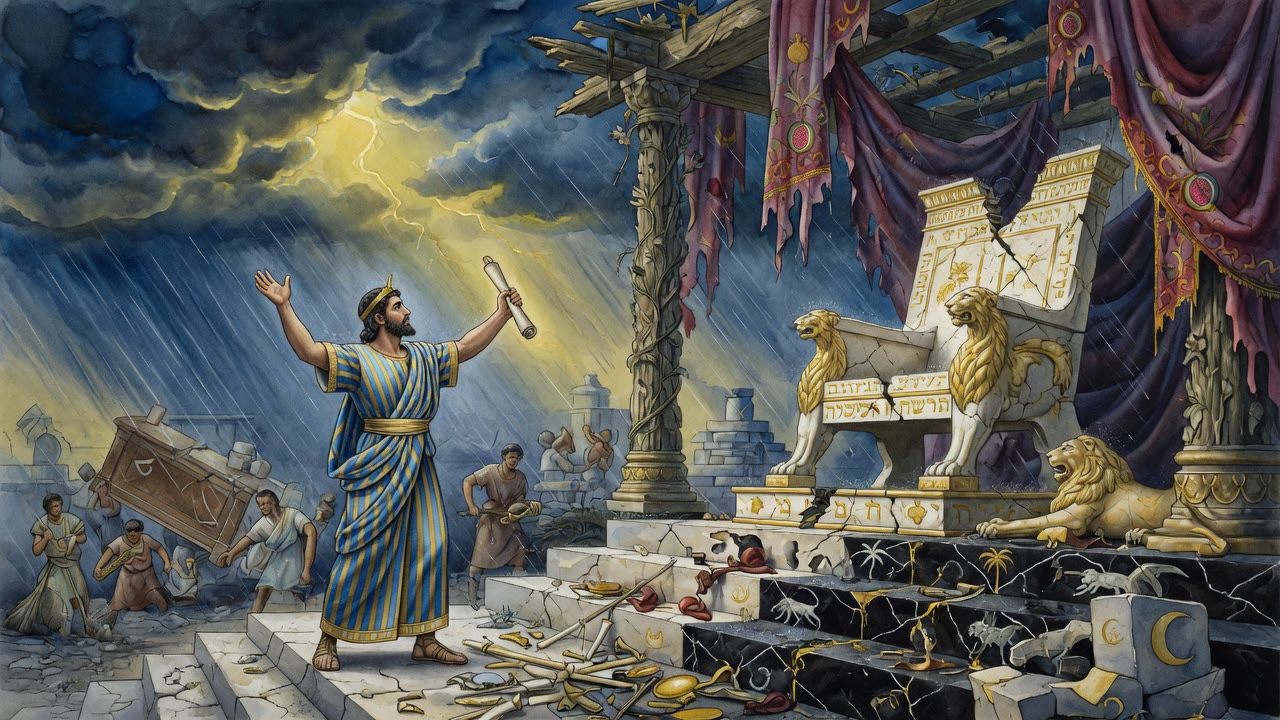
Josiah was eight when they crowned him. He sent men into every house in Judah to search the walls for hidden idols, and he burned the bones of Baal's priests.
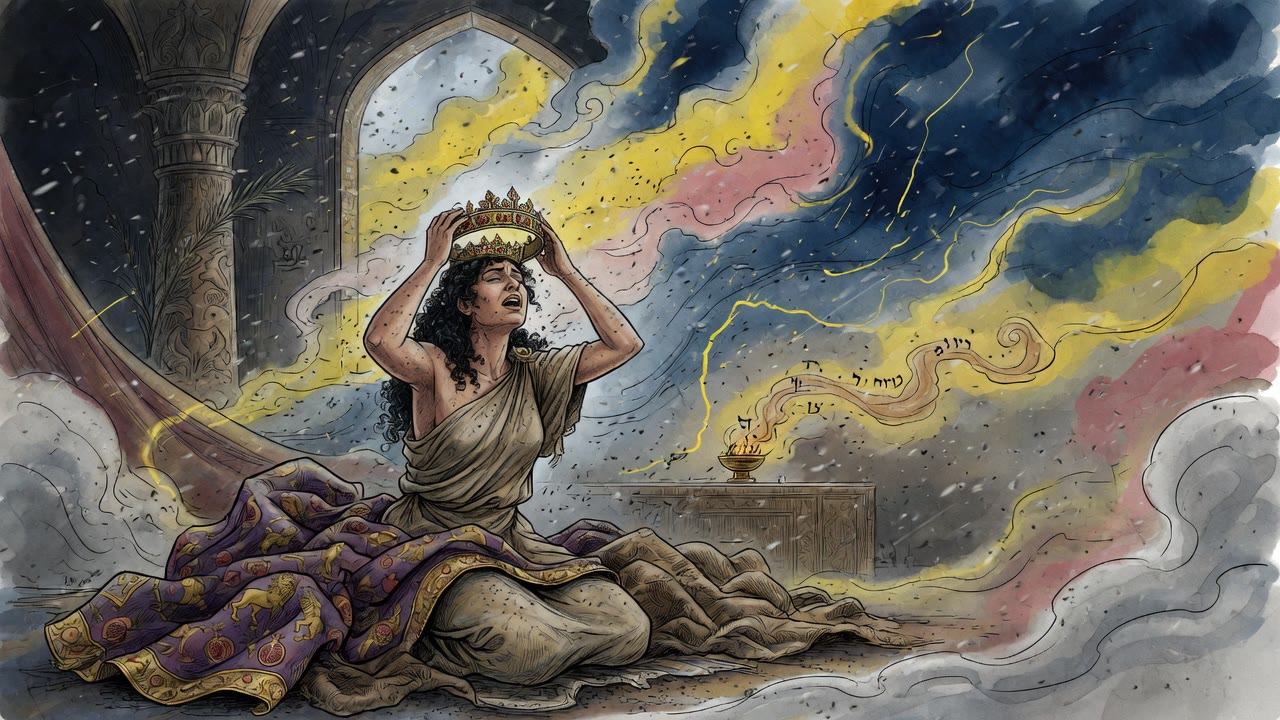
Three days without food. The decree was already on the road. On the palace floor Esther named herself an orphan and began with Abraham.
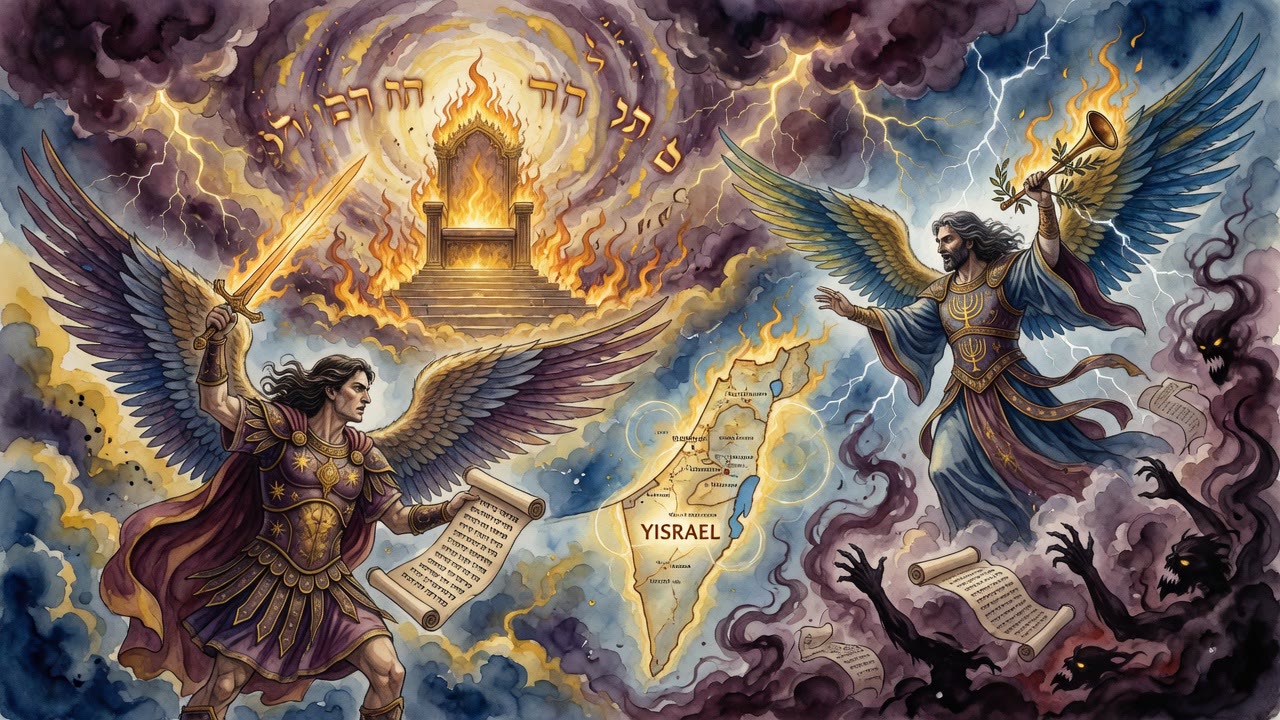
The empire's angel unrolled a long scroll toward the throne. The charges were true. Then Michael left the Temple that does not burn.
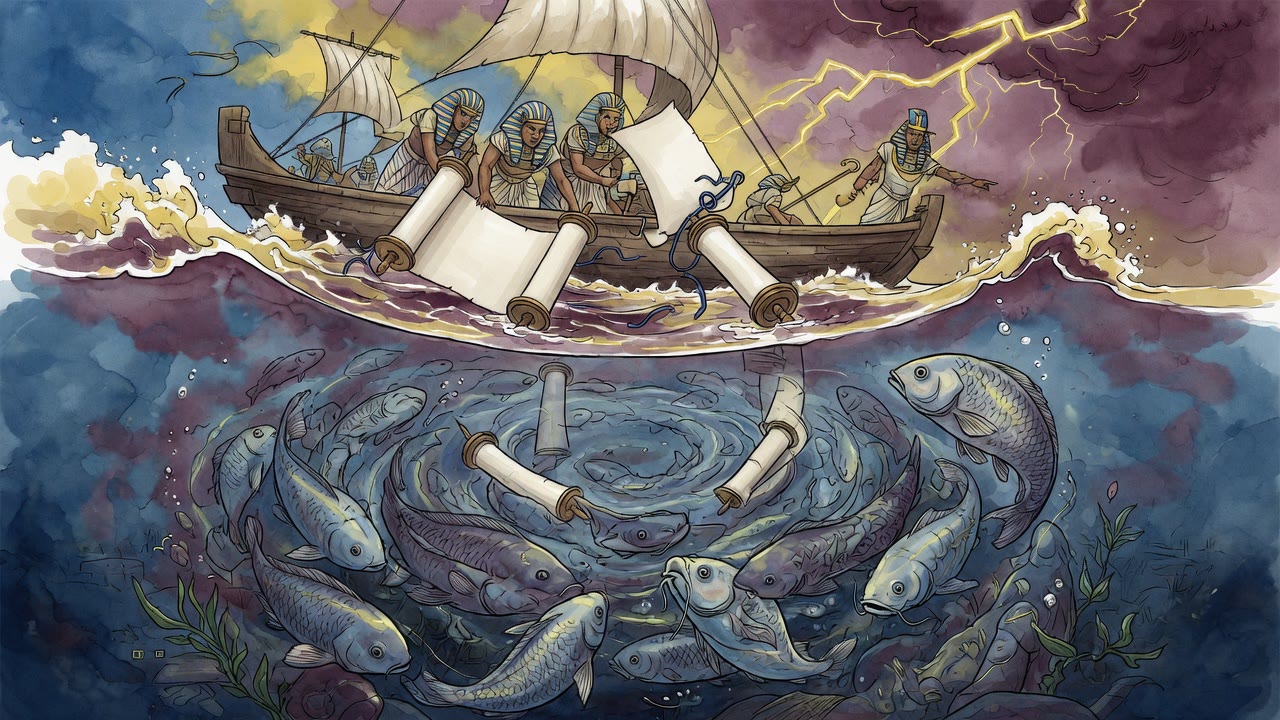
Pharaoh ordered every Hebrew boy thrown into the Nile. The Tikkunei Zohar connects that decree to the fish that swallowed Jonah. Both were the same act.
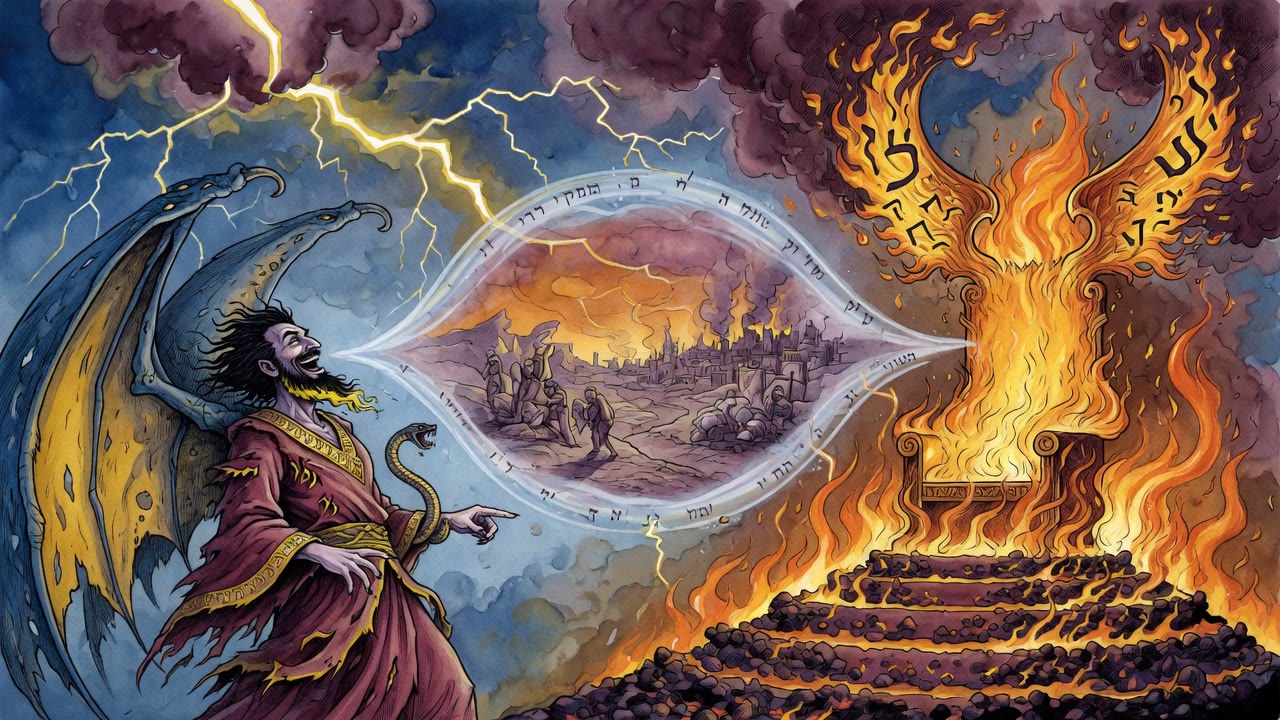
Before the exile, God revealed to Samael exactly what would happen and offered a reward for treating Israel with dignity. Samael chose mockery instead.
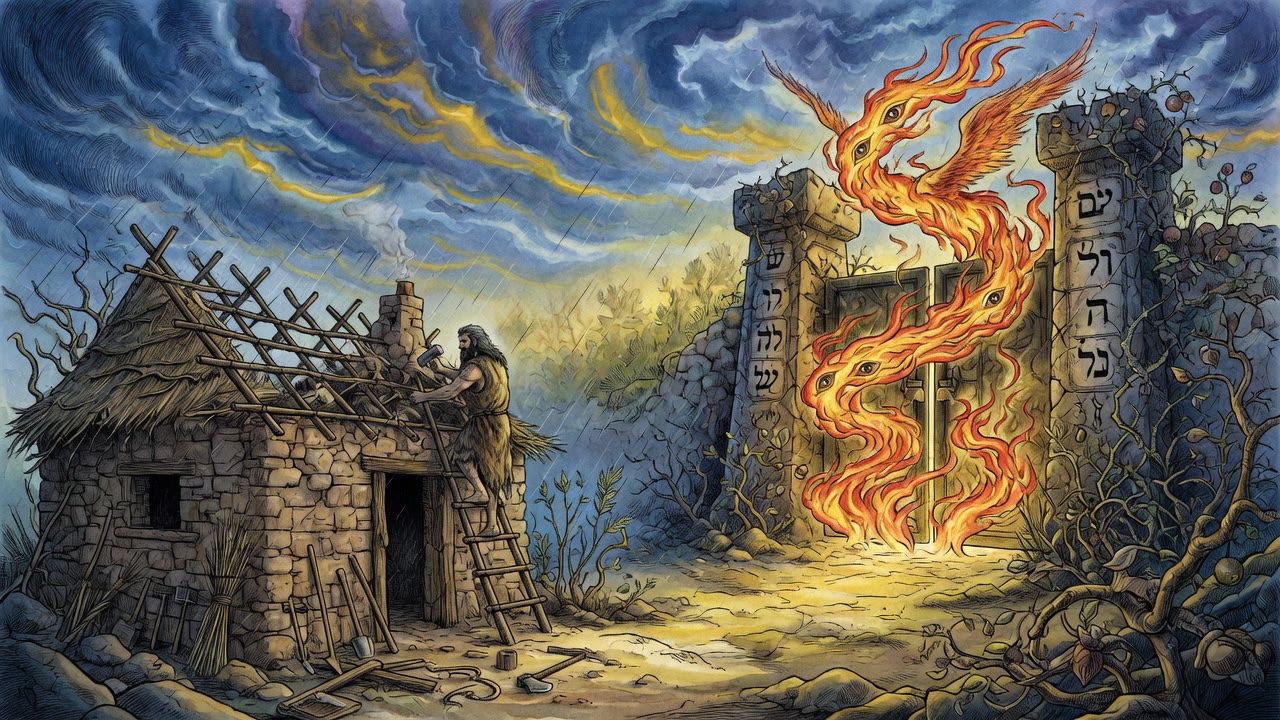
The beasts lowered their heads to the first man. He refused the bow. After the gate shut, he would not walk farther than the nearest mountain.
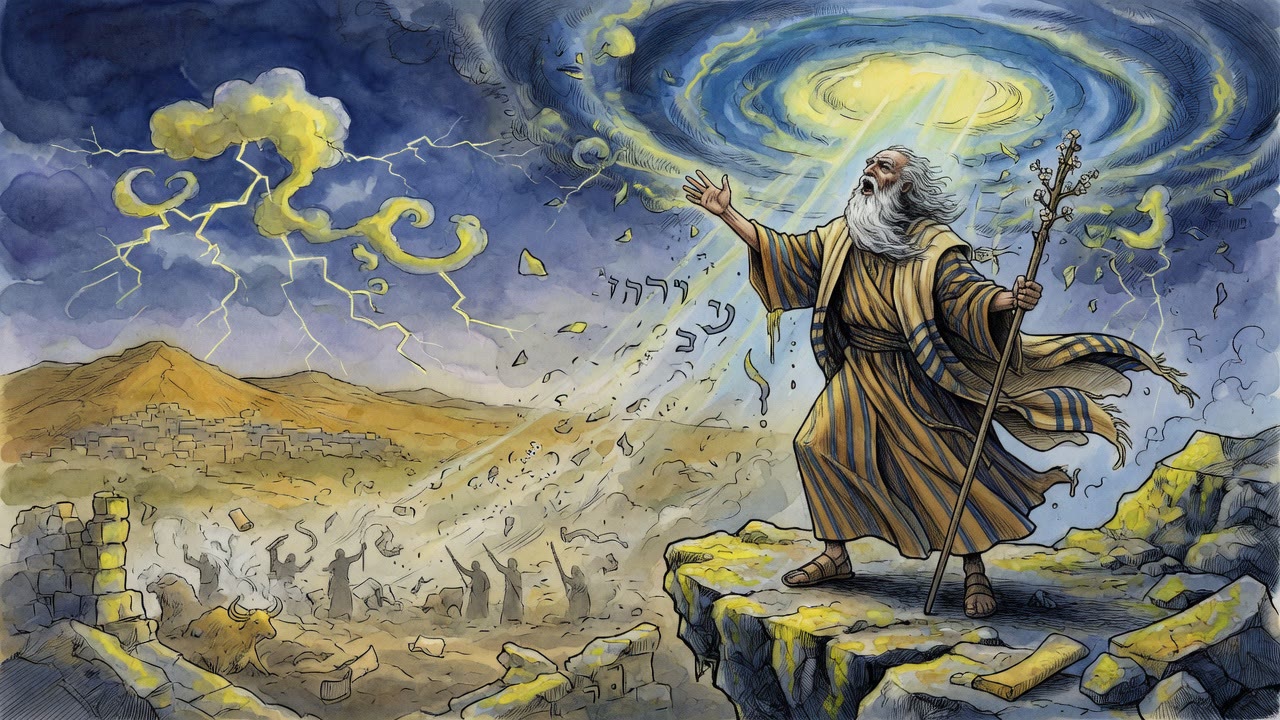
On the last day he called the heavens first, then the earth. Human ears would fail. The song had to outlive the man who sang it.
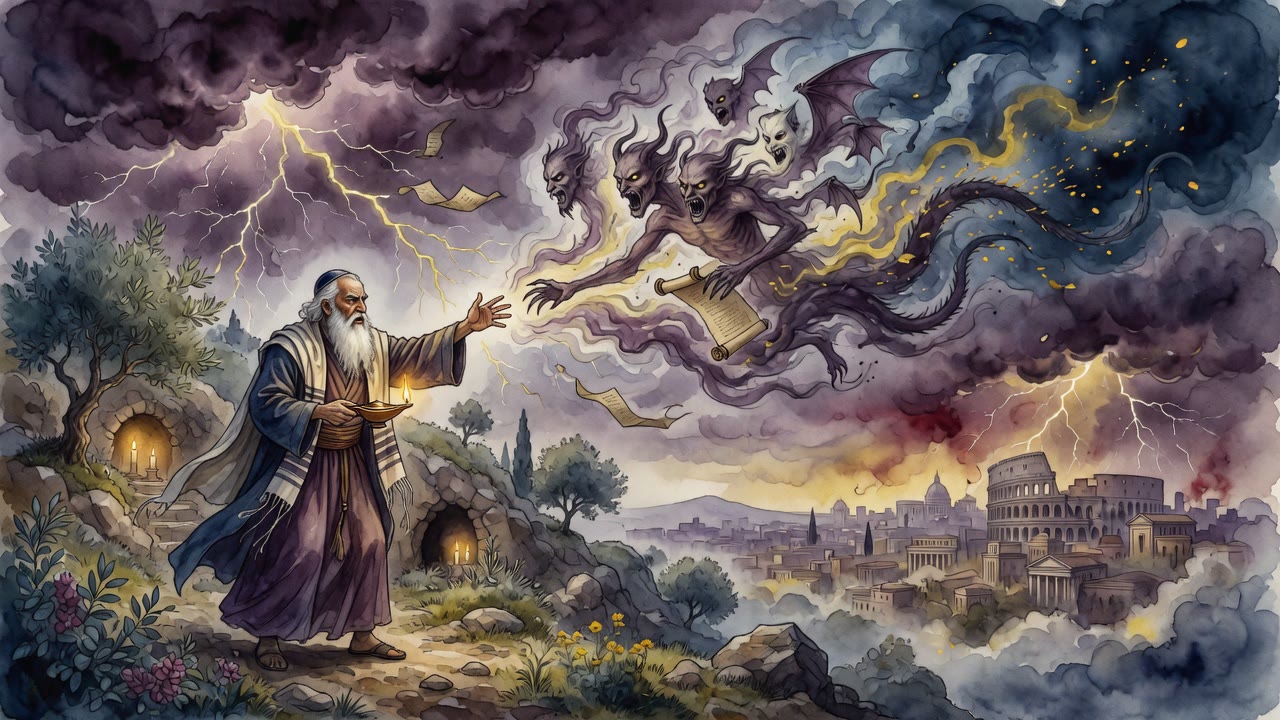
A Roman counselor found a way to repeal every decree against the Jews without losing face. He argued that the Sabbath would keep them poor.
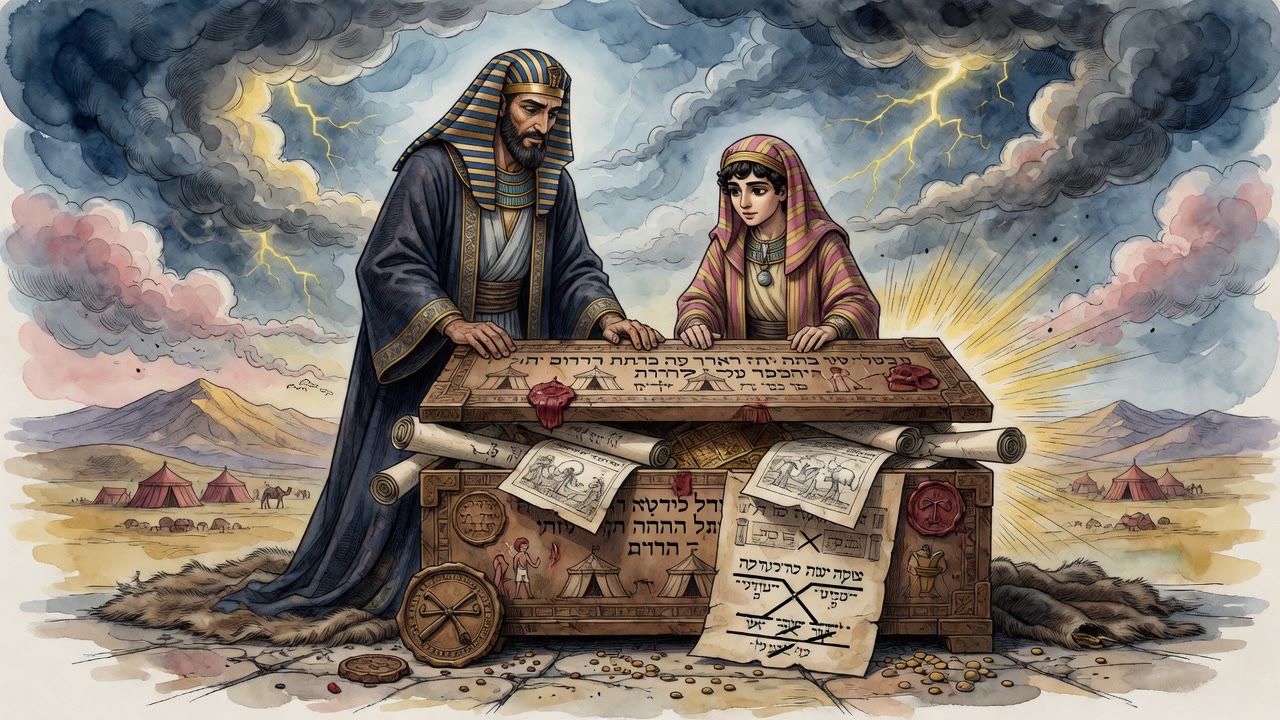
The tribes accused Esau of hunting his brother, and Esau pointed at the pit where they threw Joseph. Only Joseph and Benjamin had clean hands.
