Joseph Lowed Like a Calf and Drew Israel Into Egypt
Herdsmen carried a calf into the slaughterhouse first. Joseph's cry from Egypt pulled Jacob and the stubborn cow of Israel across the threshold.
Table of Contents
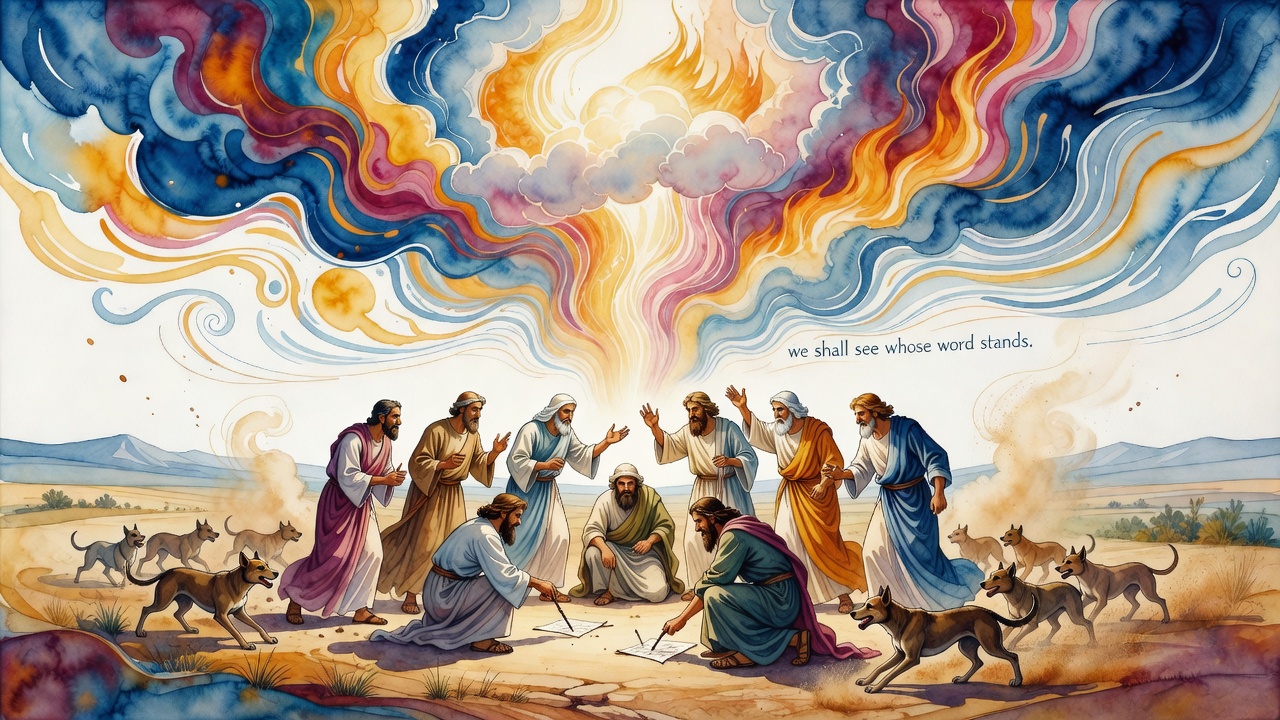
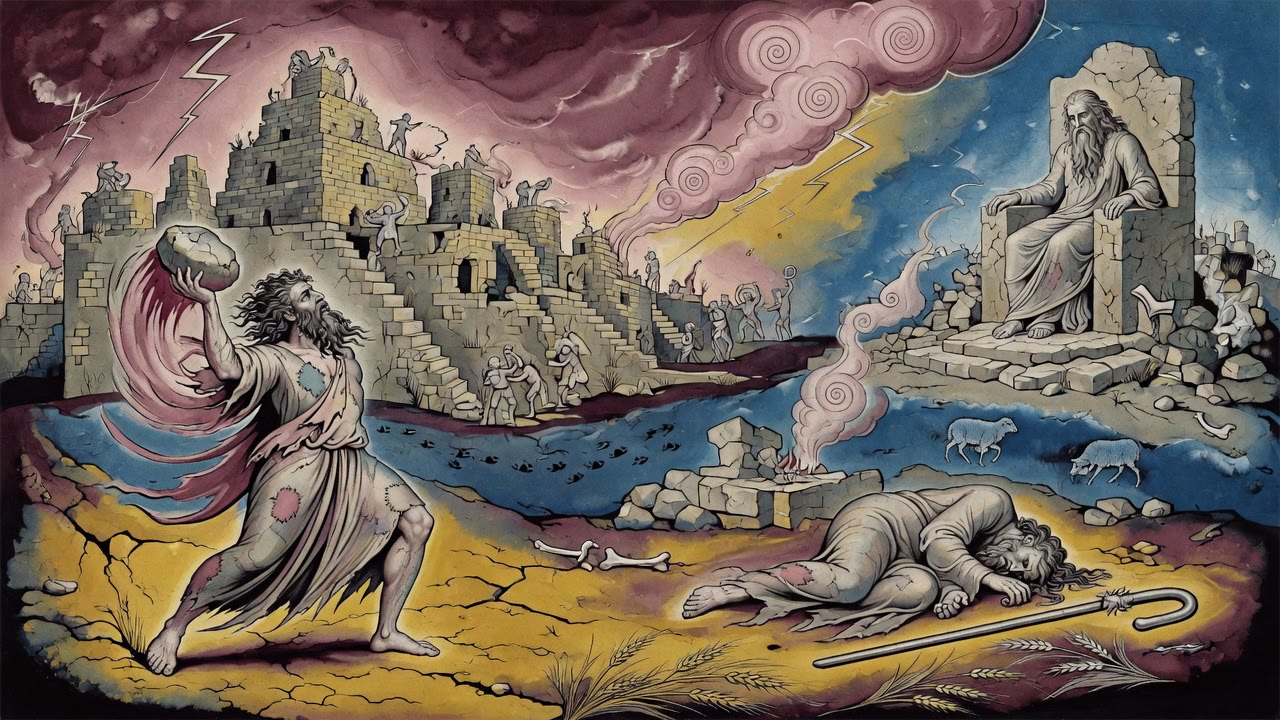
The herdsmen wanted a cow inside the slaughterhouse, and she planted her hooves at the threshold. So they lifted her calf and carried it in first. From within, the calf lowed. The mother heard her child and walked after him against her will.
 Click for full size
The Beloved Calf Goes Down
So the sages heard the verse, "And Joseph was brought down to Egypt" (Genesis 39:1). Jacob and his sons were the stubborn cow, as it is written, "For Israel is stubborn like a stubborn cow." Joseph, the beloved calf, went down first, that the old decree might be fulfilled: "And they shall serve them, and they shall afflict them" (Genesis 15:13).
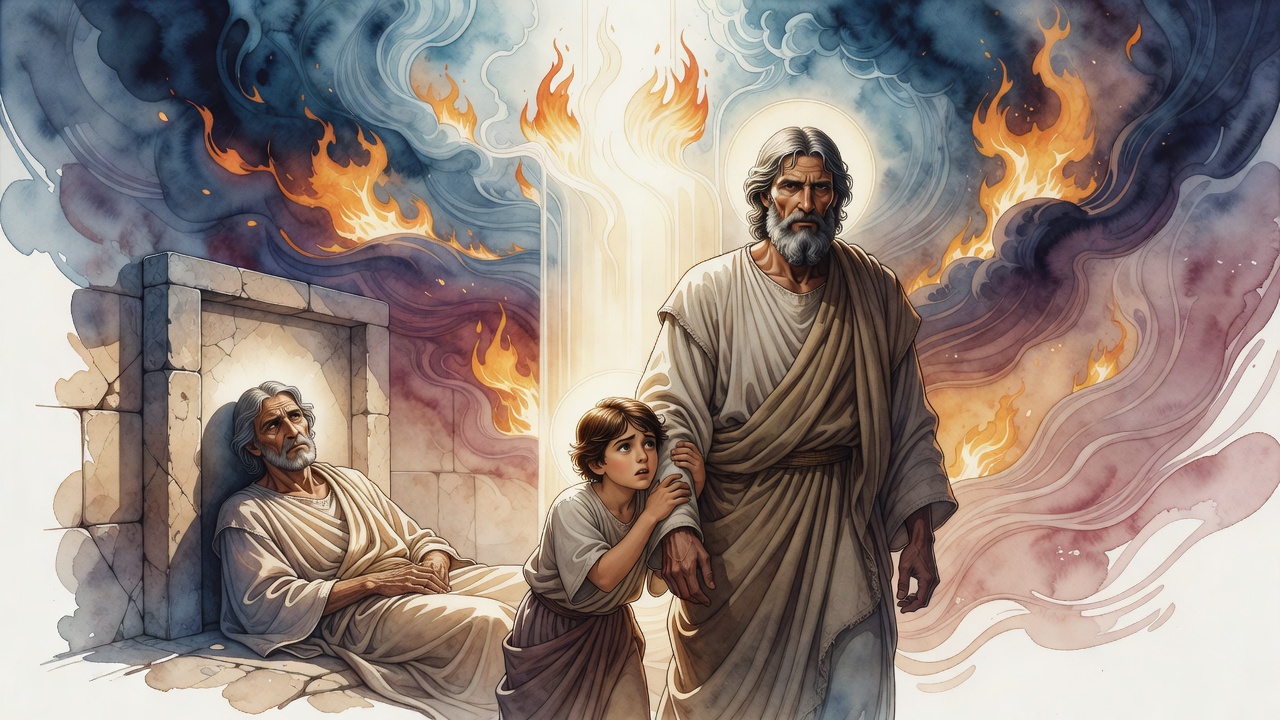
Jacob feared the narrow place. He would not lead the house into that mouth. The Holy One, blessed be He, did not argue the fear away. He sent the favorite son ahead, and the lowing of loss pulled the father after the son until all Israel had entered. The threshold that the patriarch would never choose became the road his love made inevitable.
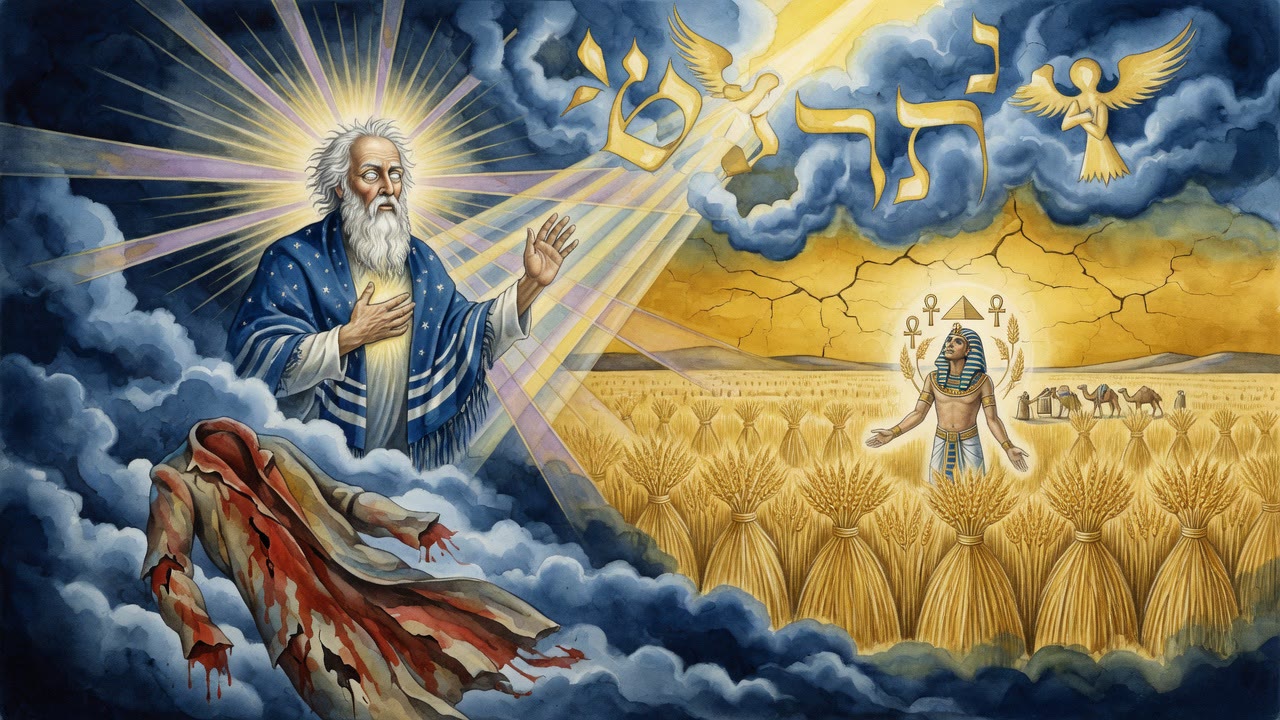
The calf's cry was not only Egypt's market. It was the pit. It was the coat torn. It was a father's ears filled with a lie about a wild beast. The decree to Abraham needed a body inside the land of iron. Love supplied the body. Heaven supplied the timing.
Love Strong as Death, Jealousy Harsh as Sheol
The verse sings, "For love is as strong as death, jealousy as harsh as Sheol." Hold those two words in one house and the ground is Jacob's tent. "And Israel loved Joseph" more than all his sons. A father's love, fierce as death, single and unshared. Beside it burned the brothers' jealousy, a grave that never says enough.
What dragged Joseph into the pit of their hatred? The love itself. The unmeasured portion poured on one son became seed of jealousy. Kindness from the father became cause of the son's descent. Strong as death. Harsh as Sheol. The two rode the same caravan south.
The brothers watched the coat. They watched the dreams. They watched the father's face when Joseph entered a room. Sheol (the grave, the pit of the dead) does not need a knife at first. It needs a comparison that never stops. When they finally stripped him, they were finishing a work love had already started in their chests.
These Are the Generations of Jacob, Joseph
Scripture opens the story with a strange line: "These are the generations of Jacob: Joseph." Were there not twelve sons? The verse names Joseph alone, because the life of the son traced the life of the father step by step.
Of Jacob, answering Laban for the flocks, it is written of that which was stolen by day. Of Joseph in an Egyptian prison: "for truly I was stolen" from the land of the Hebrews. The same word of theft hangs over both. Did Esau pursue Jacob to destroy him? So the brothers pursued Joseph to strip and sell him. Was Jacob bound in service year upon year? So Joseph was bound in service in Egypt.
Father and son walked one road of theft, pursuit, and bondage. Therefore the toldot of the father are written in the body of the son. When Joseph lowed in the dark, Jacob was hearing his own old roads again, though he did not yet know the voice.
Against His Will, Into the Decree
The slaughterhouse parable does not soften. The cow does not become willing. She follows because the calf is inside. Jacob does not become eager for Egypt. He follows because Joseph is gone. The brothers do not become righteous by selling him. They become the hands that place the calf where heaven already intended the herd to stand.
Love that singled out one son cracked the twelve. Jealousy that could not bear the favorite sealed the sale. The double life of father and son made the prison and the pit rhyme with Laban's fields and Esau's chase. And the lowing from Egypt kept calling until wagons rolled north for the old man who had sworn he would never go down.
Years later, when Joseph would stand as lord of the grain, the calf would no longer be bleating from a pit. The mother cow of Israel would already be inside the land of iron, eating and multiplying under a foreign sky. The stubbornness that balked at the threshold had become a nation in Goshen. The decree spoken to Abraham walked on two legs because a father's love would not let a favorite son vanish without following him into the dark.
Hold the images together. The coat. The pit. The lowing. The stubborn hooves. The word stolen written twice across two generations. Love strong as death does not only cling. It also pulls. Jealousy harsh as Sheol (the underworld of the dead) does not only hate. It also delivers a body into the place history had already named.
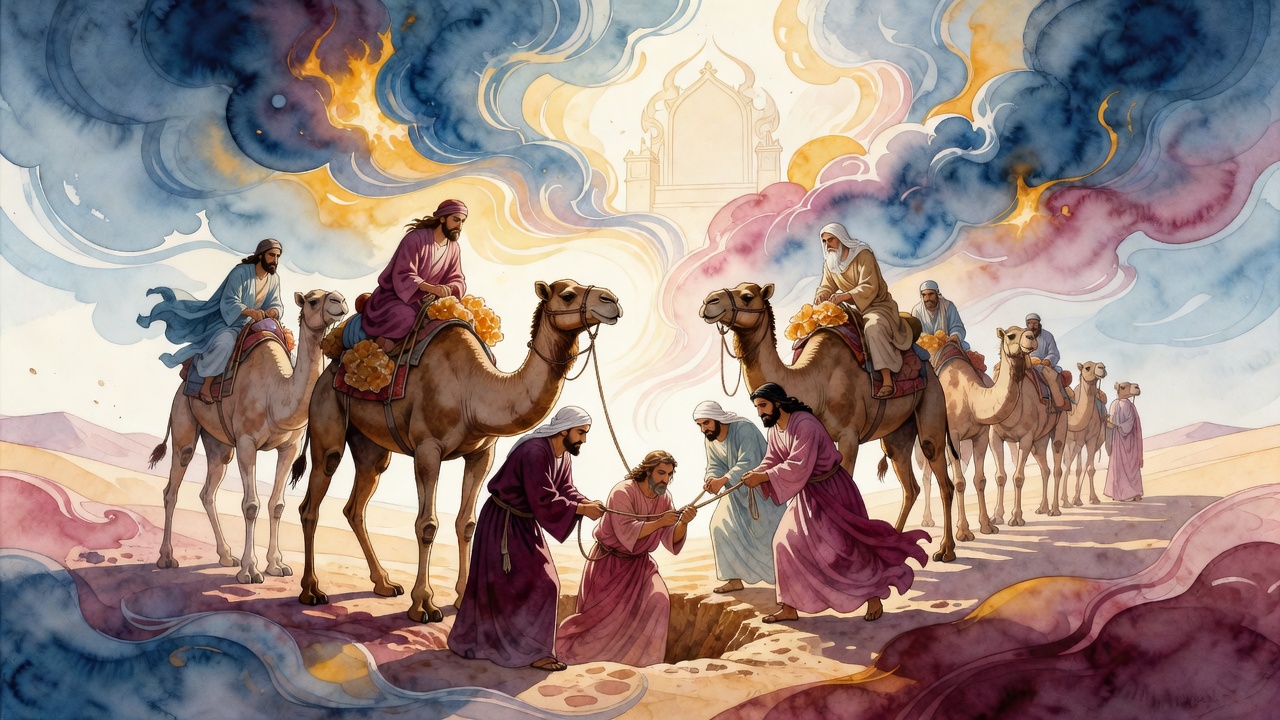
The pit was dry. The coat was gone. The merchants' camels smelled of resin and dust. Joseph went down not as a tourist of fate but as the calf already lowing, and every mile south tightened the rope that would one day pull Jacob's wagons. The brothers returned to the father with a story. Heaven returned to the father with a silence that lasted years. Between the story and the silence the slaughterhouse door stayed open, waiting for the rest of the herd.
← All myths