Abraham Asks for Gray Hair and the Nations Mourn
Fathers and sons look the same until Abraham prays old age into the world. When he dies, foreign kings stand in a row and call him the lost captain of the ship.
Table of Contents
 Click for full size
No Face to Tell the Generations
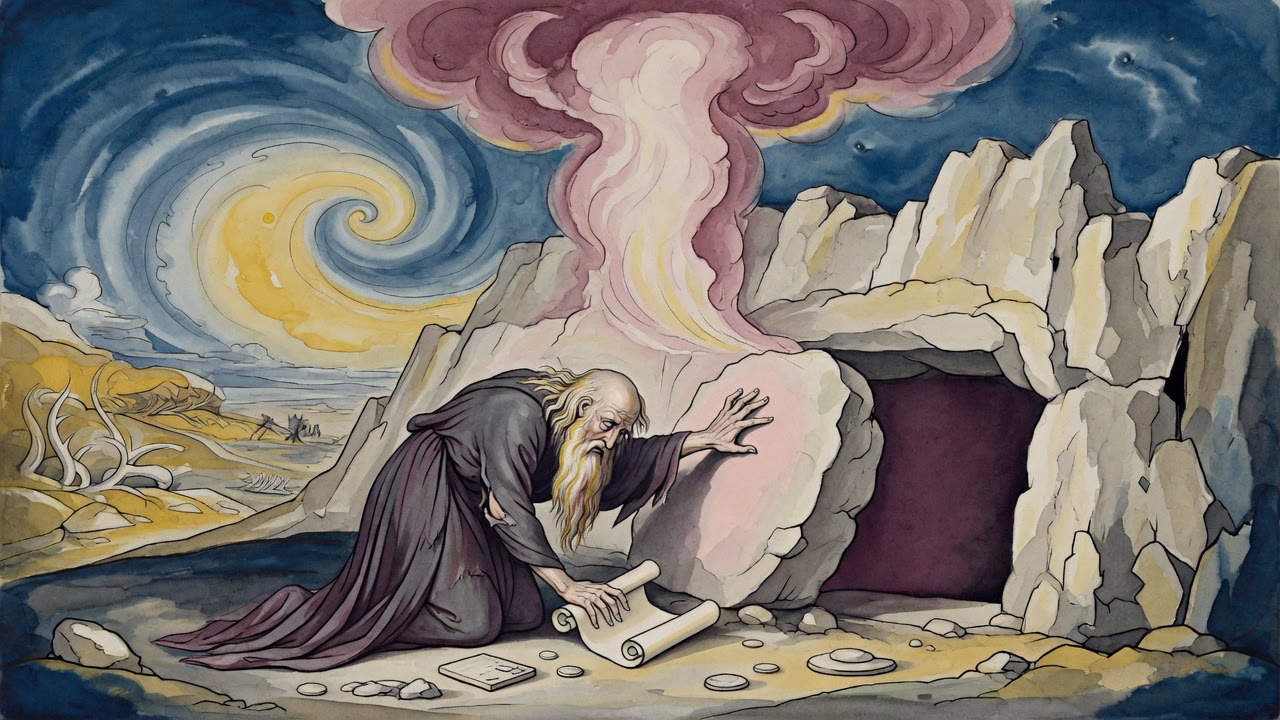
Abraham watched a stranger bow to Isaac at the tent mouth and call the boy by the father's name. No gray line, no carved cheek, split the generations apart. Fathers and sons shared one face, and honor kept missing its target.
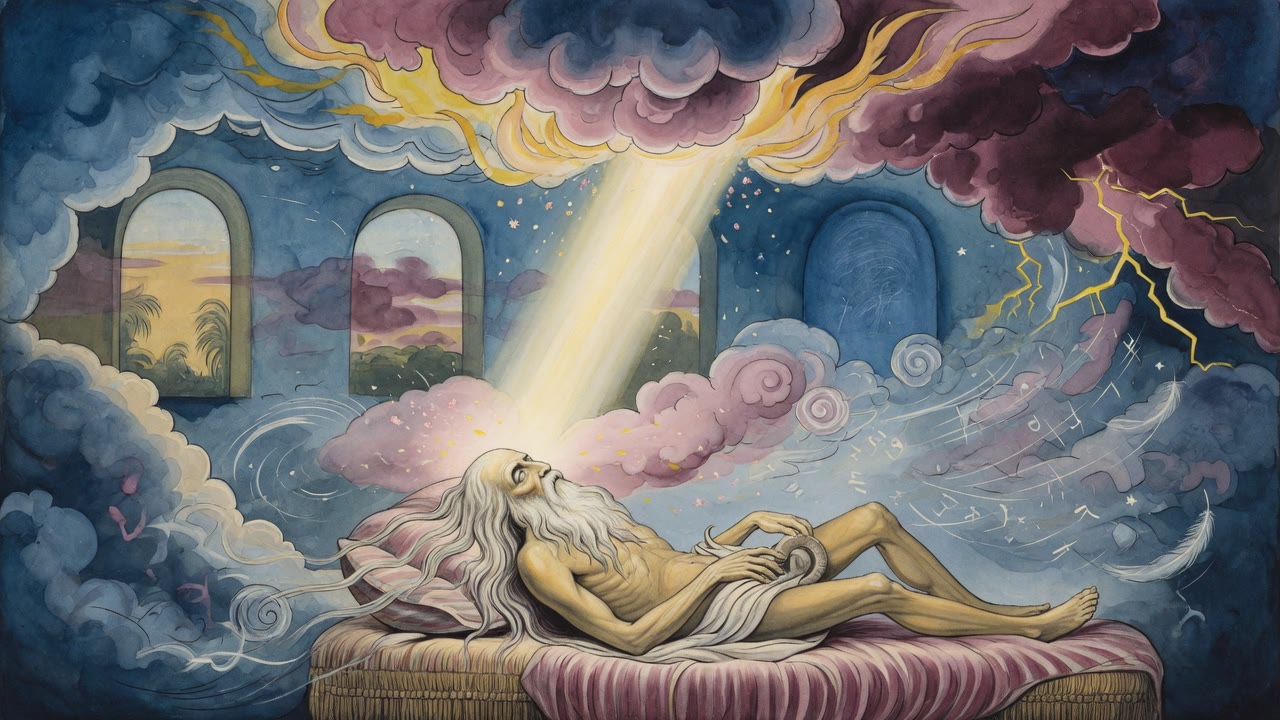
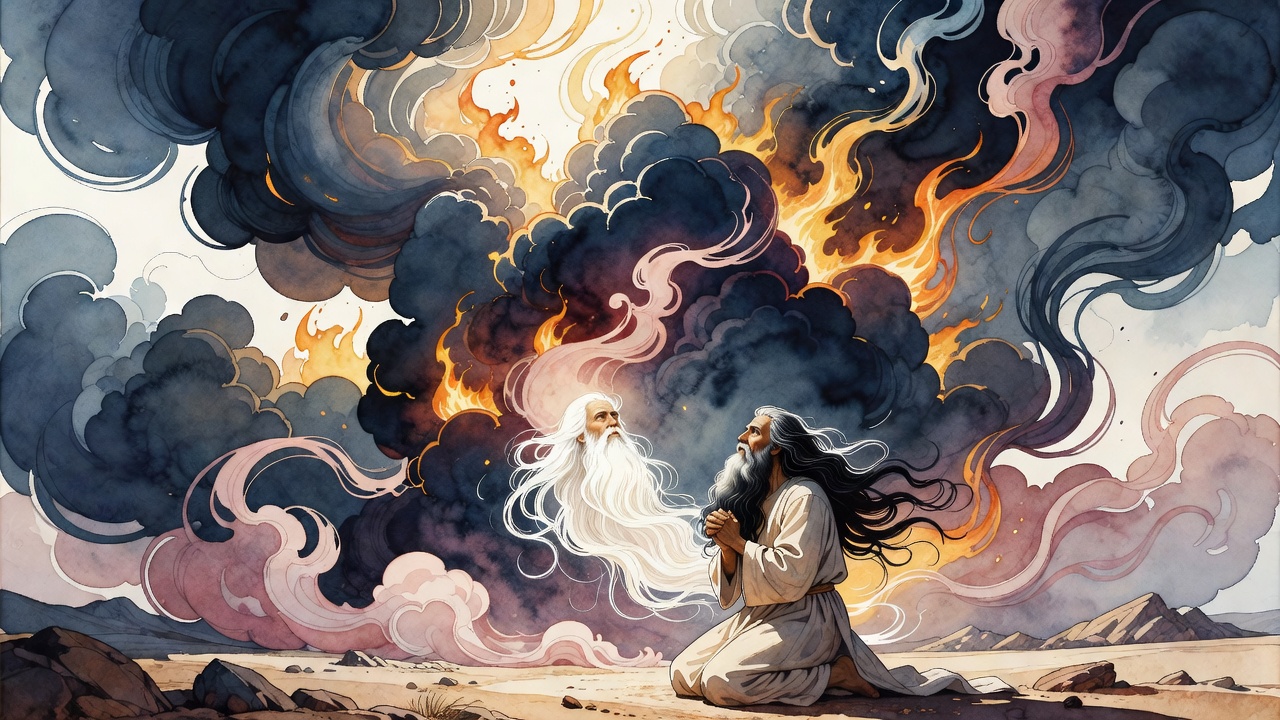
Before Abraham, no verse ever marked a man as visibly old. He prayed for a mark. He asked the Holy One for old age as a gift of distinction, a public sign that years had weight and that a father should be readable at a glance. The answer landed in the next words of Scripture: and Abraham was old (Genesis 24:1). From that hour, age became legible on the human face. White hair entered the world as a requested mercy, not only as decay.
Other prayers would later reshape death itself. Jacob would ask for gradual illness so a household could gather before the end, and the verse could say, Behold, your father is sick. Elisha would open the door of recovery, though three illnesses still closed on him before the last. Each request changed the conditions of flesh for everyone who came after. Abraham's petition was the first hinge: let time show.
The Blessing That Held the Grandsons
Part of Abraham's "all" was quieter than gold or flocks. In his days Esau did not yet rebel in the open. The grandson who would sell a birthright and hunt with violence held himself in check while the old man still lived. Abraham was spared watching the line turn wild before his eyes. Gray hair bought him a season of restraint under one roof.
Ishmael, sent into the wilderness with a hand against everyone, turned back toward his father's God before Abraham died. The son of the expelled road came home in the only way that mattered for a dying patriarch: repentance within the father's lifetime. For a man whose whole life ran on promises about descendants, no blessing sat fuller than leaving the world knowing both troubled branches had, for a time, bent toward the good.
Visitors who once confused father and son now saw the elder clearly. The mark he had prayed for did double work. It sorted the generations, and it measured a window of peace that closed only after he closed his eyes.
The Day the Captain Left the Ship
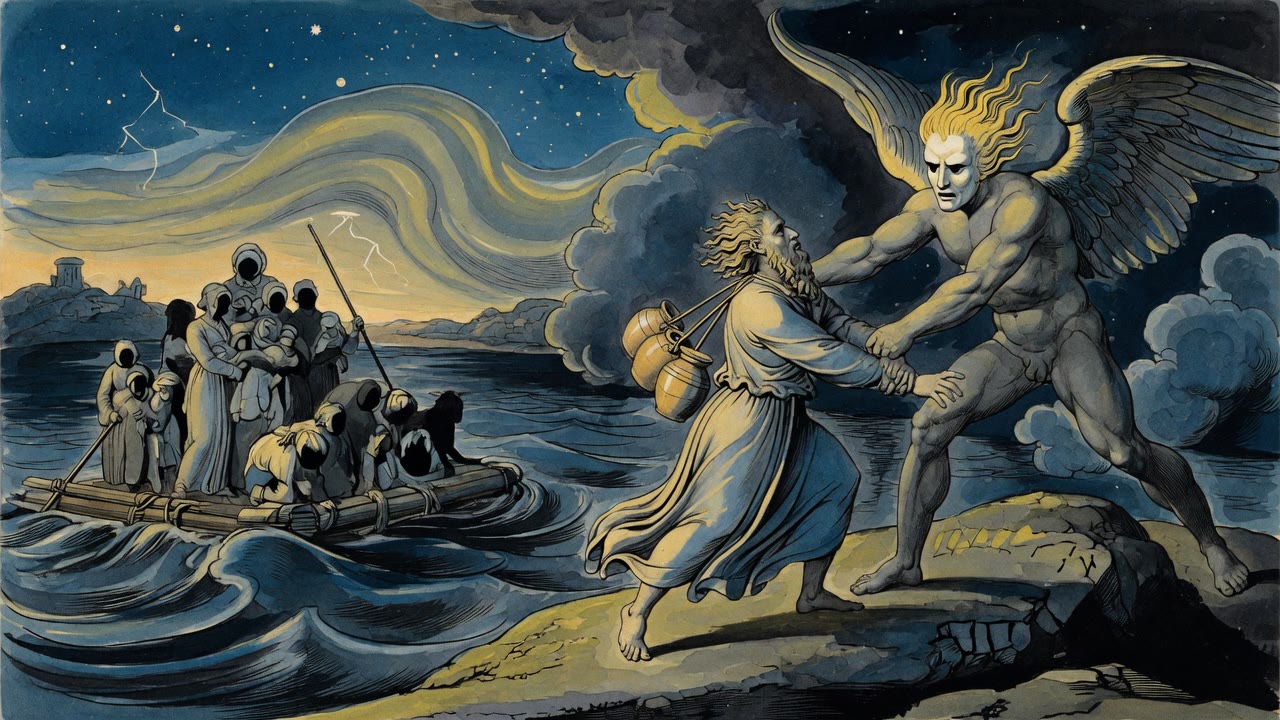
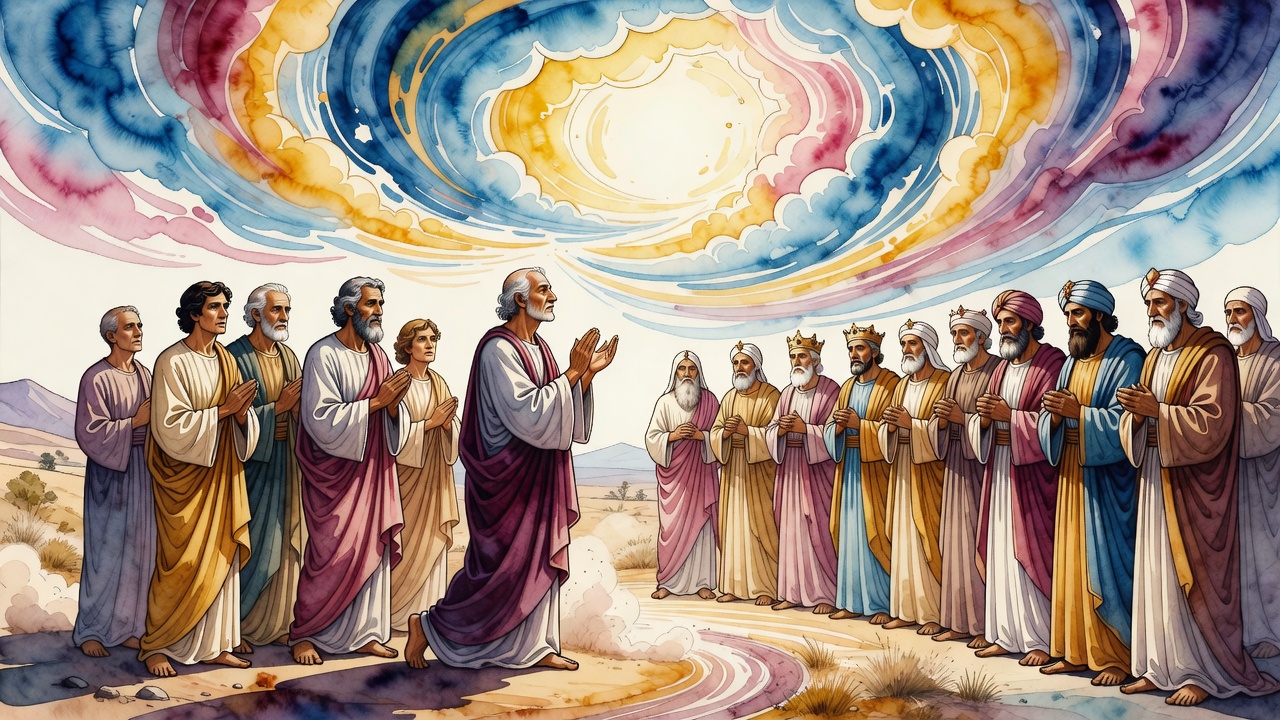
When Abraham expired and died, word moved faster than private grief. Great figures from the nations came and stood together in a mourner's row. Their cry was not a family eulogy. Woe to the world that has lost its leader. Woe to the ship that has lost its captain.
A ship without a captain is not merely sad. It drifts. No one reads the water. No one holds the course. The surrounding peoples, the same nations whose quarrels and treaties filled earlier years, named what Abraham had been: a moral pilot for a generation, a man whose presence steadied more than one household and more than one border dispute.
Isaac and the covenant house buried him with the honors of sons. The eulogy from outside made the loss wider. Even those who never joined his altar felt the deck tilt when he was gone. They had mocked him once as barren. They had bargained wells with him. Now they stood in a row and admitted the world had sailed better while he lived.
What the Years Looked Like
Abraham had asked to be seen as old so the world would not confuse him with his son. Heaven answered with lines on the face and years counted in public. Then the same years closed, and the world that had learned to read his age had to learn to sail without him.
The mark he prayed for outlived him. Every gray head after him carries a piece of that first petition. Illness that warns, recovery that returns, faces that declare their generation: the chain of patriarchal asks begins with a man who did not want to be mistaken for his boy at the tent flap.
The nations' row at his death is the other half of the story. The man who wanted to be recognized as elder was finally recognized as captain, and too late for anyone to keep him at the helm. Woe to the ship. The water did not stop moving because the pilot was gone.
What the Household Saw
Isaac watched the change land on his father's head and understood, perhaps for the first time without confusion, who stood where in the line. Servants stopped mistaking one for the other at the tent mouth. Guests bowed to the right man. The prayer had been practical before it was poetic.
In the last seasons, when Esau still held his violence in check and Ishmael had bent back toward the God of the house, Abraham moved through rooms that finally matched the blessing of "all." Not because nothing hurt. Because the hurts that could have ruined his dying had not yet broken open. Gray hair was the visible half of that mercy. The restrained grandsons were the invisible half.
Then the captain stepped off the deck, and the nations who had never prayed his prayer still knew how to stand in a row and name the loss correctly.
← All myths