Death Comes for Abraham Isaac and Jacob Alike
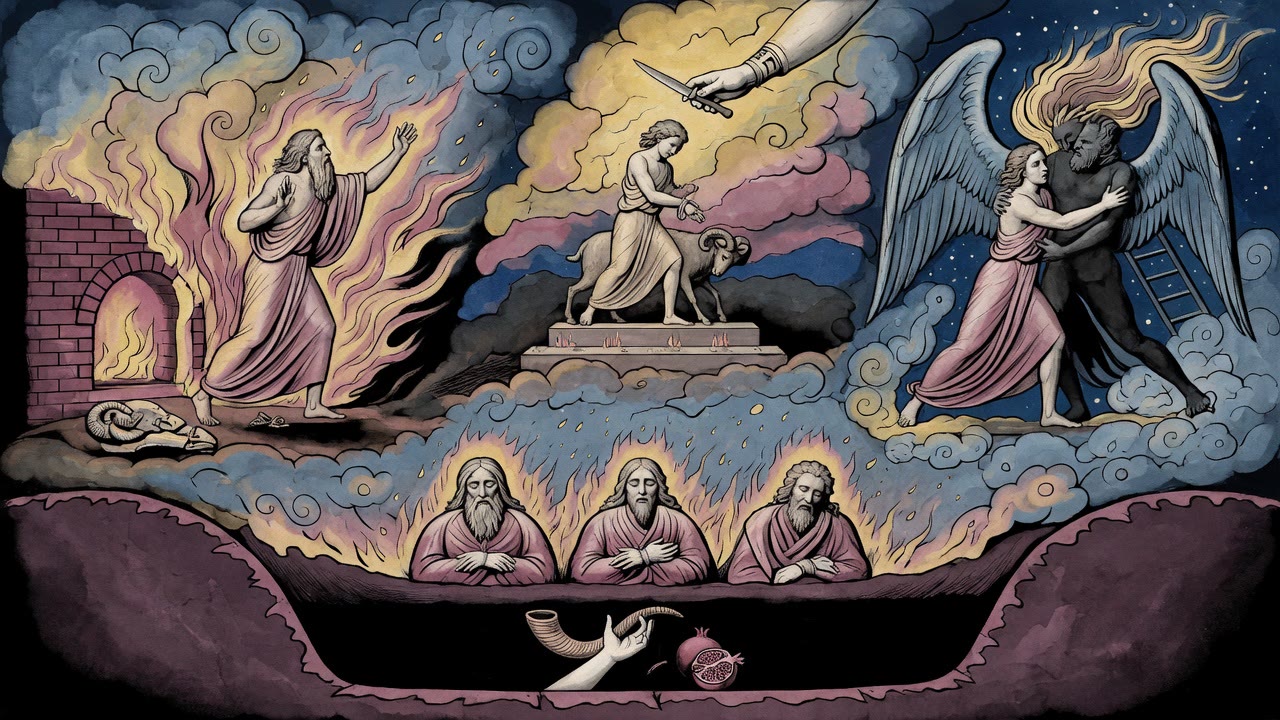
Abraham leaves the furnace alive, Isaac leaves the altar alive, Jacob leaves the angel alive. None of them leaves the grave unvisited.
Table of Contents
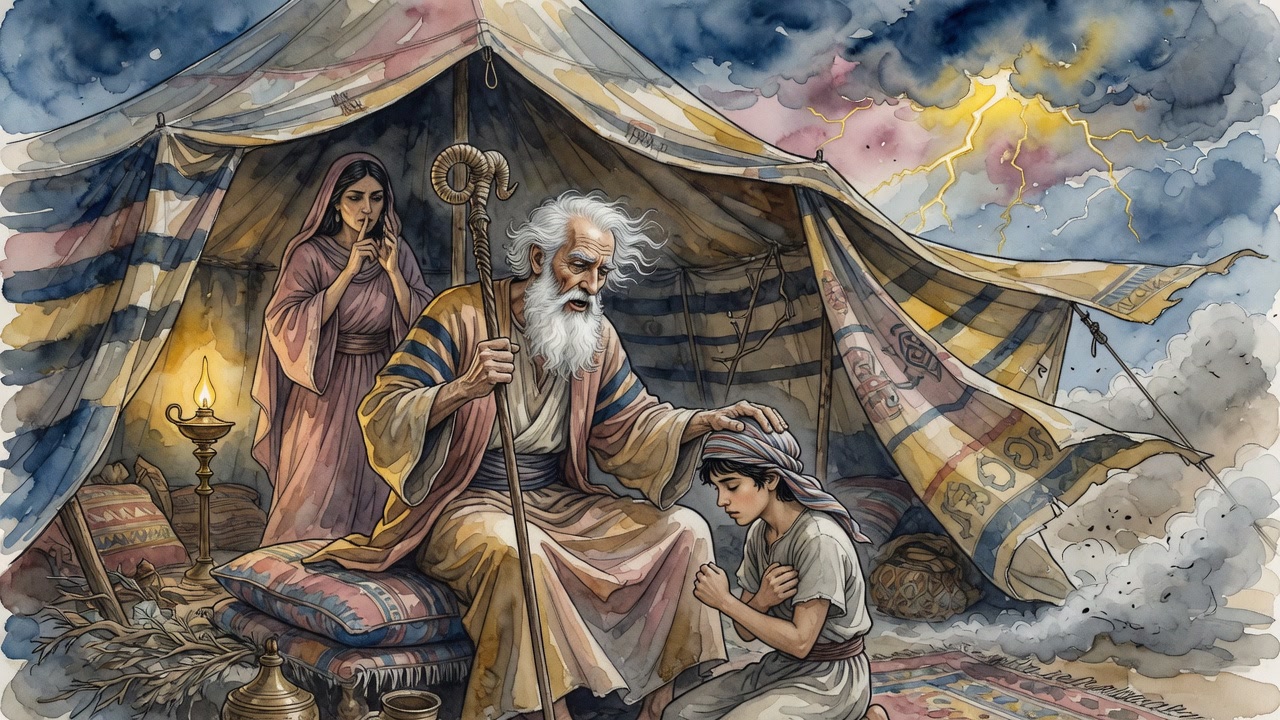
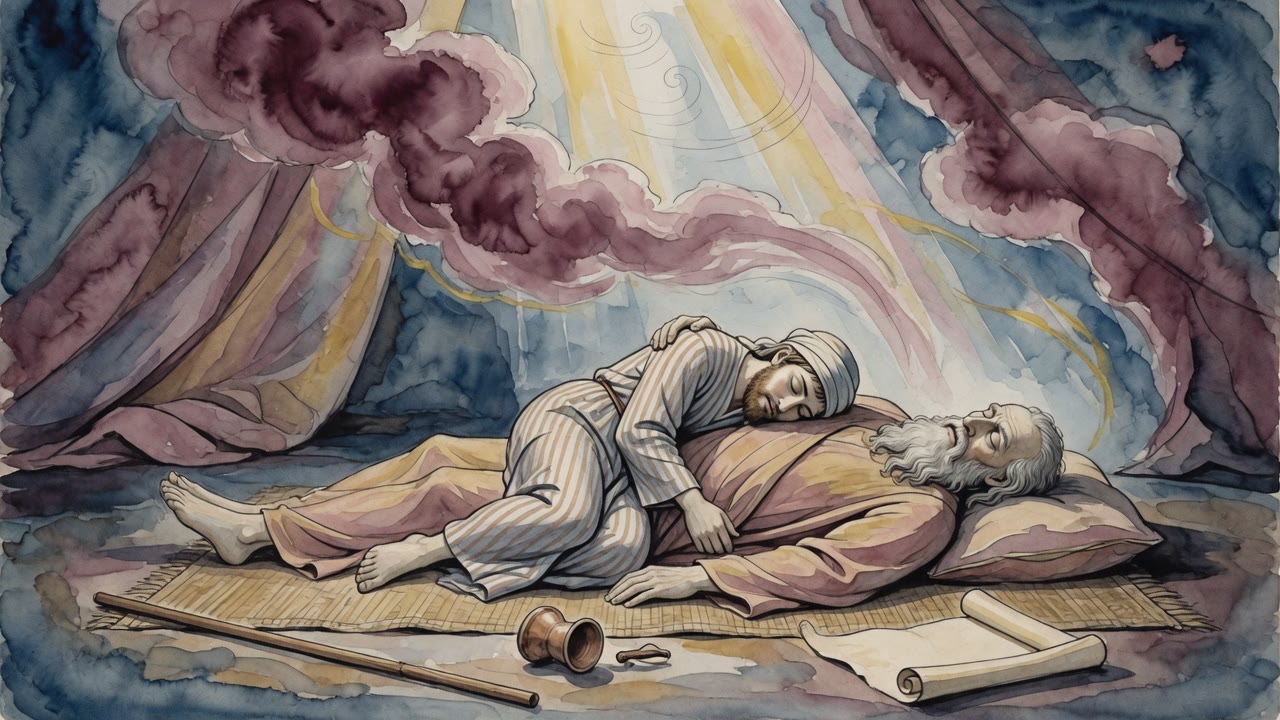
Jacob felt the days gather at the foot of the bed like creditors. Egypt's air was thick. Joseph's hand was warm in his. The old wrestler who had once held an angel until dawn now measured his own breath and found it short. The verse would say his days drew near to die. He already knew. The room smelled of oil and old wool. Outside, a foreign city kept living as if patriarchs were immortal.
 Click for full size
The psalm asks the question no palace and no altar can answer. What man can live and never see death? The midrash runs the list of the greatest lives Israel ever told, and every name ends the same way. Miracle is not a permanent visa. It is a delay with a purpose.
Furnace, Altar, Angel
Abraham walked out of a fiery furnace alive. God pulled him through flame that should have ended the story in Ur. Scripture still records that Abraham expired and died like every other human being. The miracle did not cancel the grave. It only delayed the appointment. The man who smashed idols still needed a burial cave. Sarah went first. Then he followed into the same earth he had bargained over with Hittites.
Isaac laid his own neck on the wood and felt the knife's shadow. He lived past that morning and past many mornings after, and still he confessed he did not know the day of his death. He walked under that ignorance the way a man walks under a low roof, always ducking. Survival on Moriah did not make him immortal. It made him careful with time. When his eyes dimmed, he still tried to bless before the unknown hour closed his mouth.
Jacob pinned an angel through a night of hip and dust and blessing. He limped into the sunrise with a new name and a new wound. Decades later, in a bed in Egypt, the same man spoke of lying down with his fathers. The limp had not been a bargain against death. It had been a mark that even victory leaves a body changed. Peniel did not issue a certificate of forever.
Shadow of a Bird
We are sojourners, the sages say, and our days are like a shadow on the earth. Not the steady shadow of a wall or a tree. The shadow of a bird in flight, here for an instant and gone with the bird itself. Abraham spoke of going childless before the promise filled his tent. Isaac spoke of the time before he died when he meant to bless. Jacob, at the end, gathered the vocabulary of burial. Even the patriarchs lived with death in plain view and said so with their own mouths.
No one truly expects otherwise. The body knows. The tradition refuses to pretend the founders found a door the rest of us missed. The bird passes. The shadow lifts. The field looks ordinary again until the next wing crosses it.
After the Death, the World Tilts
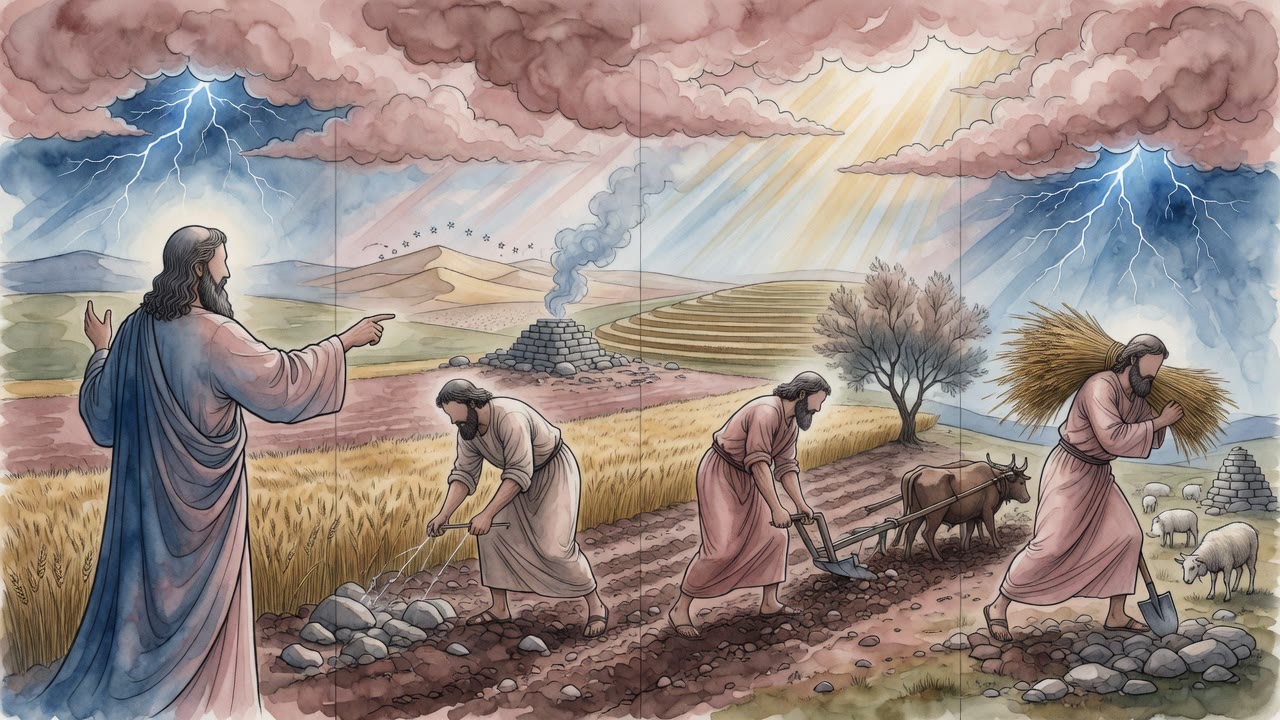
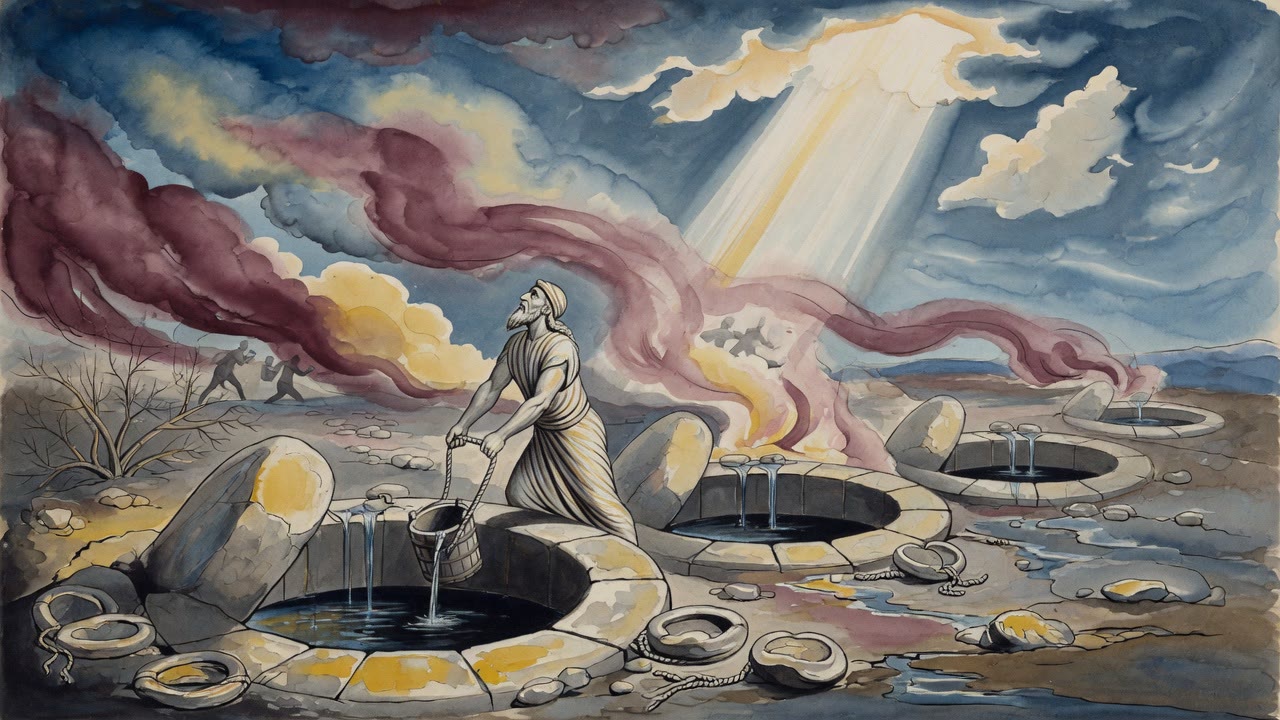
Whenever Scripture says "and it came to pass after the death," something in the world comes undone. After Abraham died, the wells he had dug were stopped up. After Moses died, the moving well dried, the manna stopped, the clouds of glory lifted. After Joshua died, hostile nations took root in the land like driven stakes. After Saul died, the Philistines pressed hard. Rabbi Simon read a law of history in the pattern. The death of a great leader can send the whole world tilting backward. Grief is not only private. It changes the weather of a people.
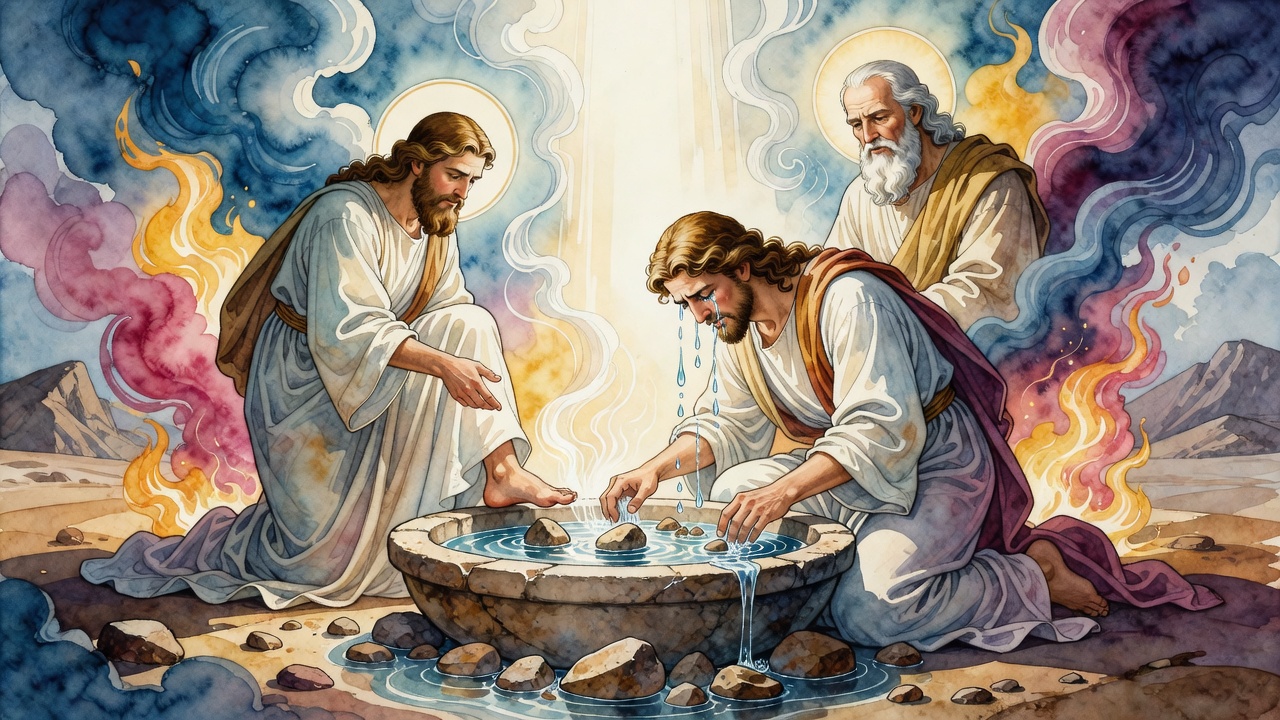
The hope sits beside the chill. Rabbi Yudan answered that the world would have collapsed each time, except that the Holy One raised a successor. Abraham died, but Isaac reopened the wells. Moses died, but God spoke to Joshua. Joshua died, but Judah was called to lead. Saul fell, but David was already returning from victory. Grief is real. So is the quiet provision that keeps the story from ending on a closed well. Someone always has to dig again.
Last Words Held Until the Edge
Jacob waited until the edge of death to speak the hardest words to his sons. The righteous, the midrash says, deliver their sharpest rebukes when they are about to die, for four reasons. They will not have to rebuke again and again. The one corrected will not face daily shame. No long grudge will have years to ripen. And the parting itself can still hold peace. Jacob told Reuben he had withheld correction rather than risk driving his son into Esau's camp. The same caution shaped the hour he finally spoke to Simeon and Levi and the rest.
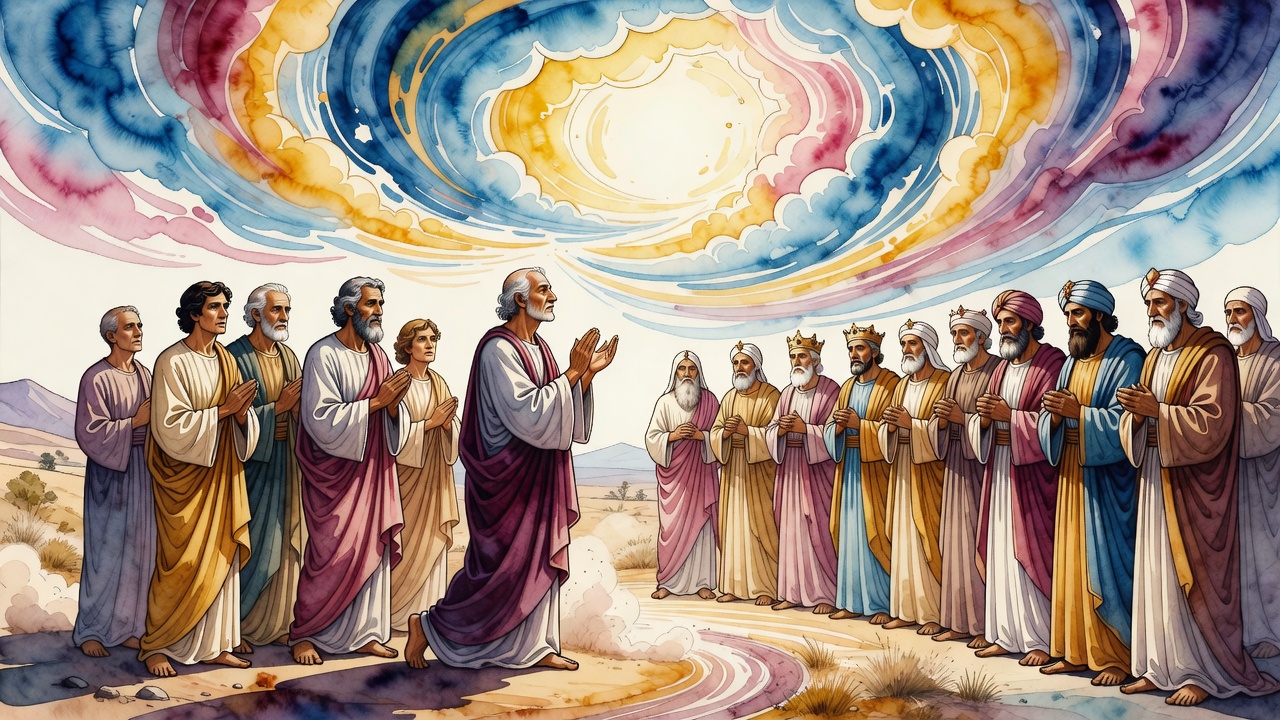
Abraham rebuked Abimelech. Isaac confronted those who came to him. Moses saved his long rebuke for the fortieth year. Samuel and David followed the same clock. Love that corrects chooses its hour. On Jacob's bed the hour arrived. The man who could not escape death used death's nearness to tell the truth his living years had sometimes swallowed. The shadow of the bird passed over the room. The fathers waited on the other side of the sentence. Egypt kept breathing around a family that had just learned again what every generation learns: no one, not even the ones God pulled from fire and altar and night-long struggle, slips past the grave.
← All myths