Abraham Dies by the Kiss of the Shekhinah
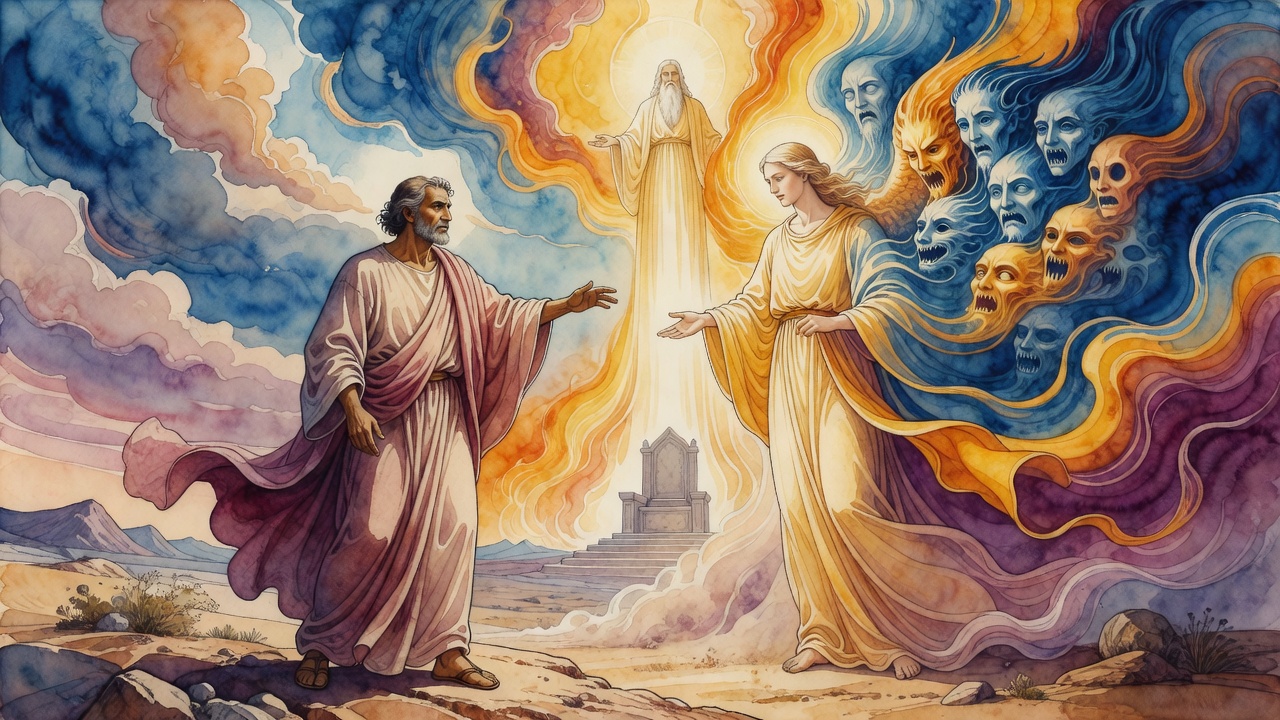
Old age shuts Abraham's windows and doors one by one. When death comes, it arrives as the kiss of the Shekhinah, the Divine Presence, not as decay's claim.
Table of Contents
 Click for full size
Windows Going Dim
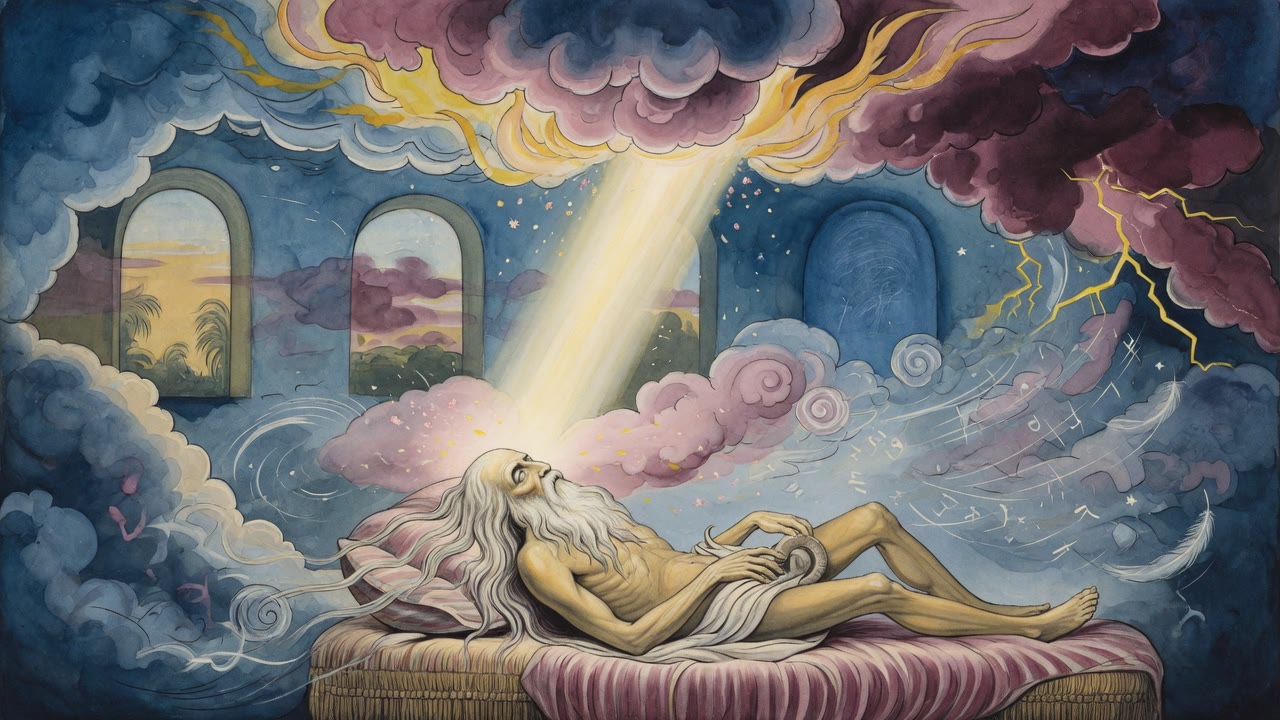
Abraham was old, advanced in days, and the days no longer advanced for him the way they once had. The riddle of age opened in his body before any midrash named it. Those who look through the windows grow dim. The windows were his eyes. Light that used to pour in now arrived thin, as if someone had hung gauze over the world.
He still knew the shape of a guest at the tent flap. He still knew the sound of Sarah's absence in the rooms she had ruled. Knowing is not seeing. The marketplace that once needed his tread began to forget the exact weight of his step.
Doors to the Street Shut
The doors to the street are shut. The doors were his legs. Old men gather their feet home. The bustling road loses their names first, then their faces, then even the rumor of their bargains. Abraham's staff took more of his weight. The road from Hebron to a neighbor's well grew longer without moving a cubit.
When the sound of the grinding is low, the mouth has grown quiet over food. Chewing becomes work. Hunger becomes optional. He rose at the sound of a bird and his heart jumped as if robbers had come. Sleep thinned. Dawn became an ambush of small noises.
None of this was humiliation in the ledger of heaven. It was the body telling the truth about time. The man who had once run to slaughter a calf for strangers now measured mornings in careful rises from a low bed.
The Kiss Is Not a Knife
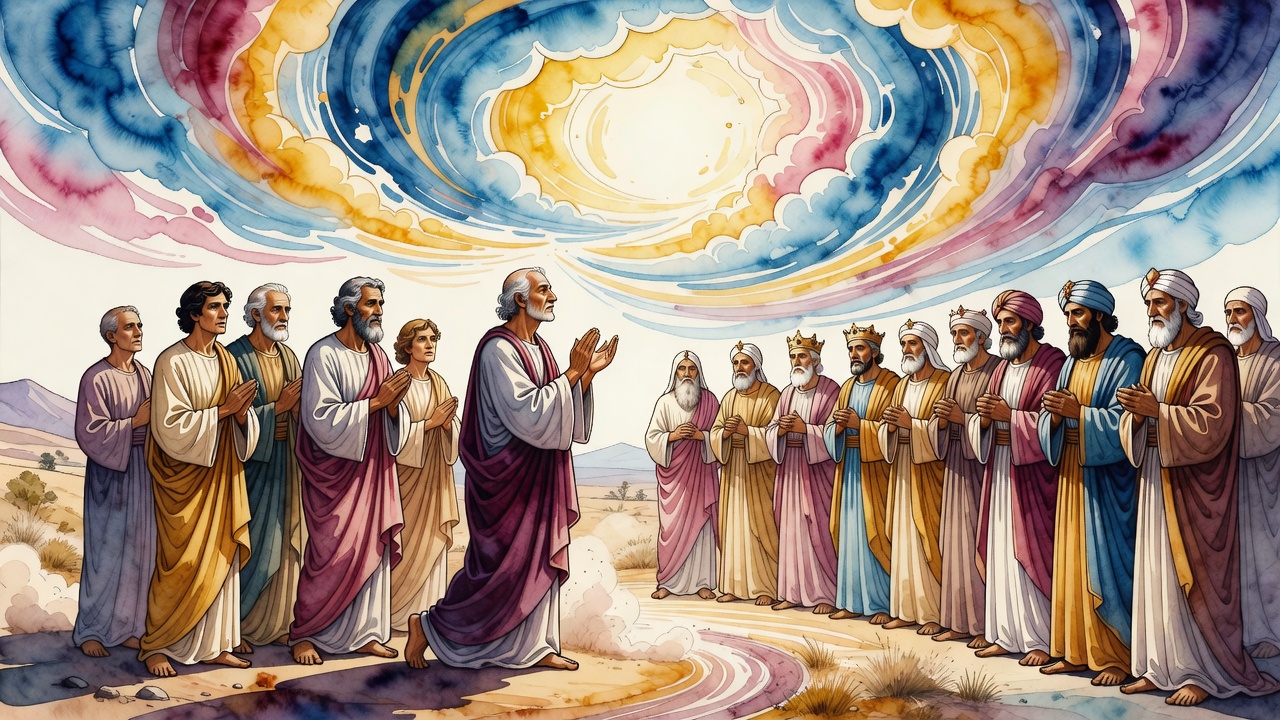
Death came for most people as a struggle. For a handful it came as a kiss. The Shekhinah (שכינה), the dwelling nearness of God, drew close enough to take a soul without tearing it. Abraham joined that short list with Isaac, Jacob, Moses, Aaron, and Miriam.
No angel of blunt force. No fever that argues for days. A pressure of presence, intimate and absolute, and the breath that had counted stars left the chest the way a guest leaves a host who has already been thanked.
The room did not darken. If anything, the dim windows of his eyes flared once with a light that did not belong to the sun. Then the body on the bed was only a body, and the man was already elsewhere.
What Worms Are Refused
The special care did not stop at the manner of dying. Along with those six, and with Benjamin in the wider telling, the flesh was kept from the ordinary work of decay. Worms were denied their rent. Corruption was told to wait outside a door it usually owns.
Incorruptibility is not a costume for museums. It is a claim that certain lives so bound themselves to the Presence that even the grave's chemistry had to renegotiate. Abraham's bones would still rest in Machpelah. They would not become a feast for what feeds on broken promises.
The household prepared burial with the old gravity. Isaac's hands knew the weight. The cave that already held Sarah opened again. What entered was a body the kiss had finished gently and the earth would hold without the usual haste of ruin.
Praise That Outruns the Body
Before the end, the old man had still known how to multiply blessing. He took another wife. He saw sons rise where the promise had once looked thin. He hoped continually and praised more and more, as if gratitude were the last muscle that refused to fail when the windows dimmed and the doors shut.
A bird cried at dawn on the morning after. Somewhere an aged heart still jumped at the sound. Abraham's did not. The kiss had already rewritten fear into arrival.
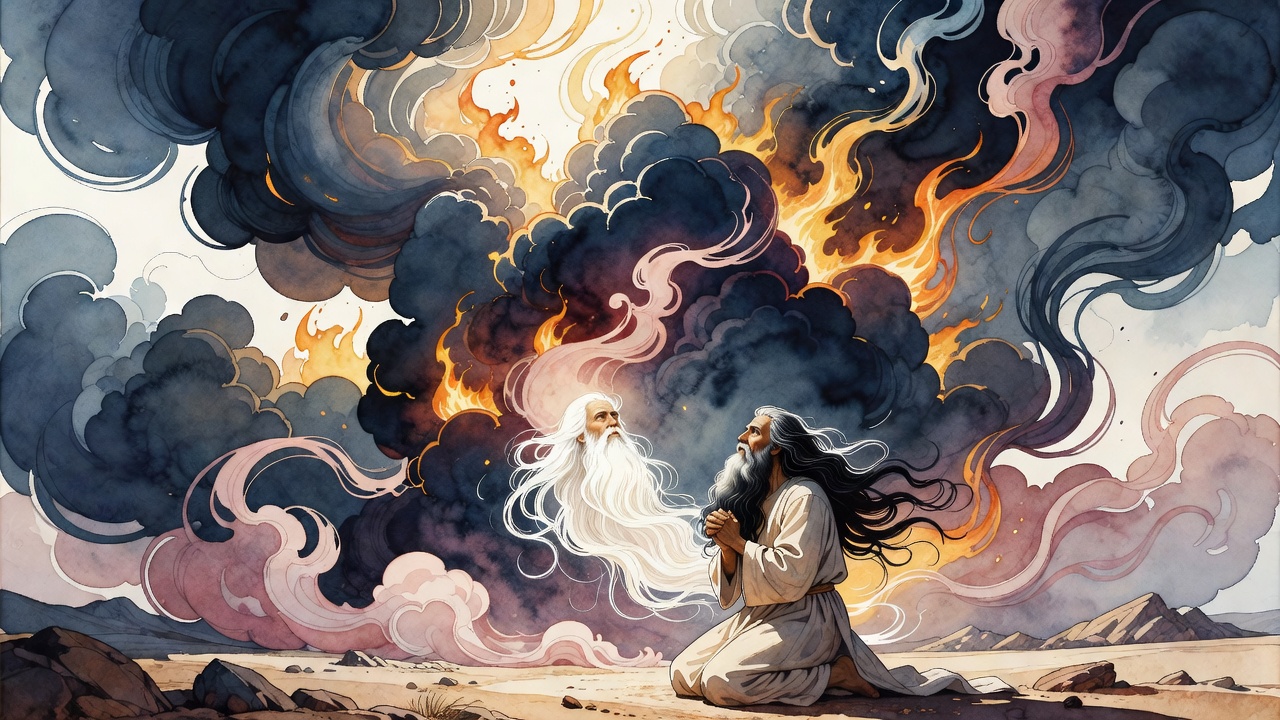
Hebron's dust settled on the path to the cave. The Shekhinah (the Divine Presence) that had walked with him through fire and famine did not abandon the last breath. It took that breath as its own due, soft as a mouth on a sleeping child's forehead, final as a seal on a deed.
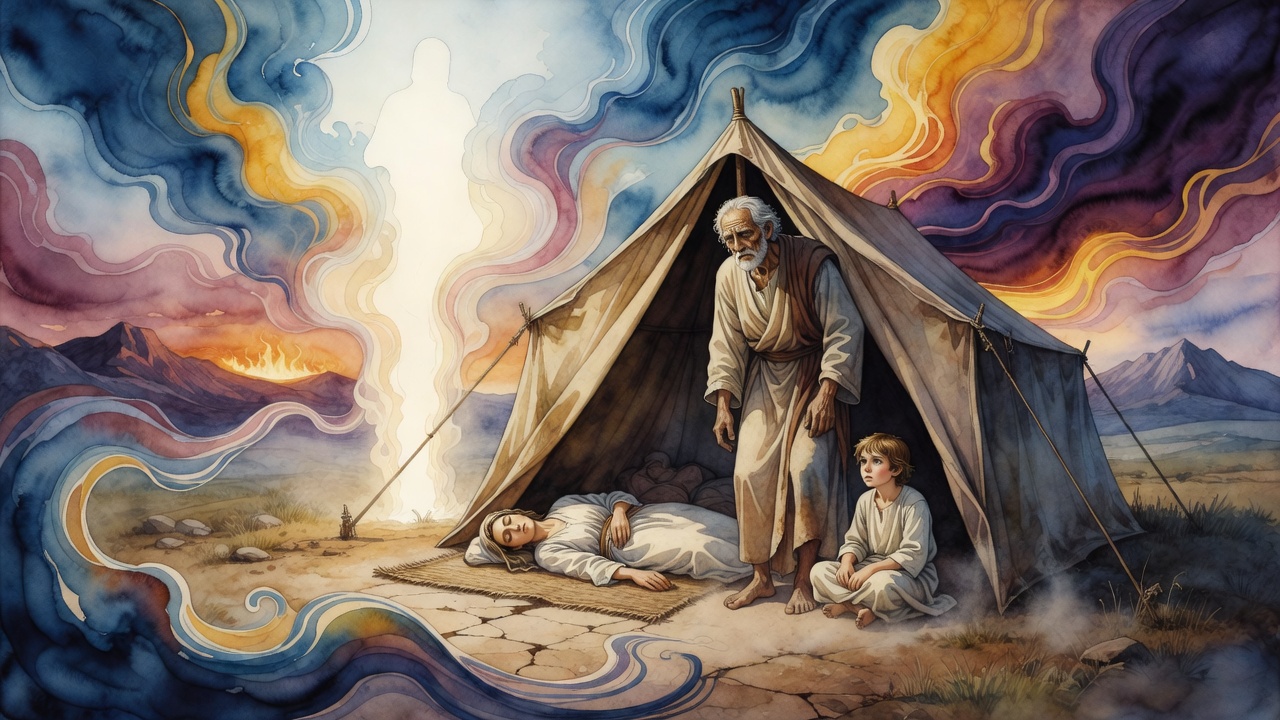
In the weeks before the end, guests still came because the tent's reputation outlived the host's stride. Abraham sat near the entrance when he could, not as a young man sprinting toward calves, but as a fixed point the thirsty could still find. A cup of water in a shaking hand is still a cup. The windows of his eyes misted, and still he asked names, still he blessed departures.
Isaac watched the old economy of kindness continue on reduced fuel. The son who would inherit the cave and the promise learned that righteousness is not only the dramatic knife on a mountain. It is also the stubborn courtesy of a man whose legs have shut the street and whose mouth still opens for a stranger's need.
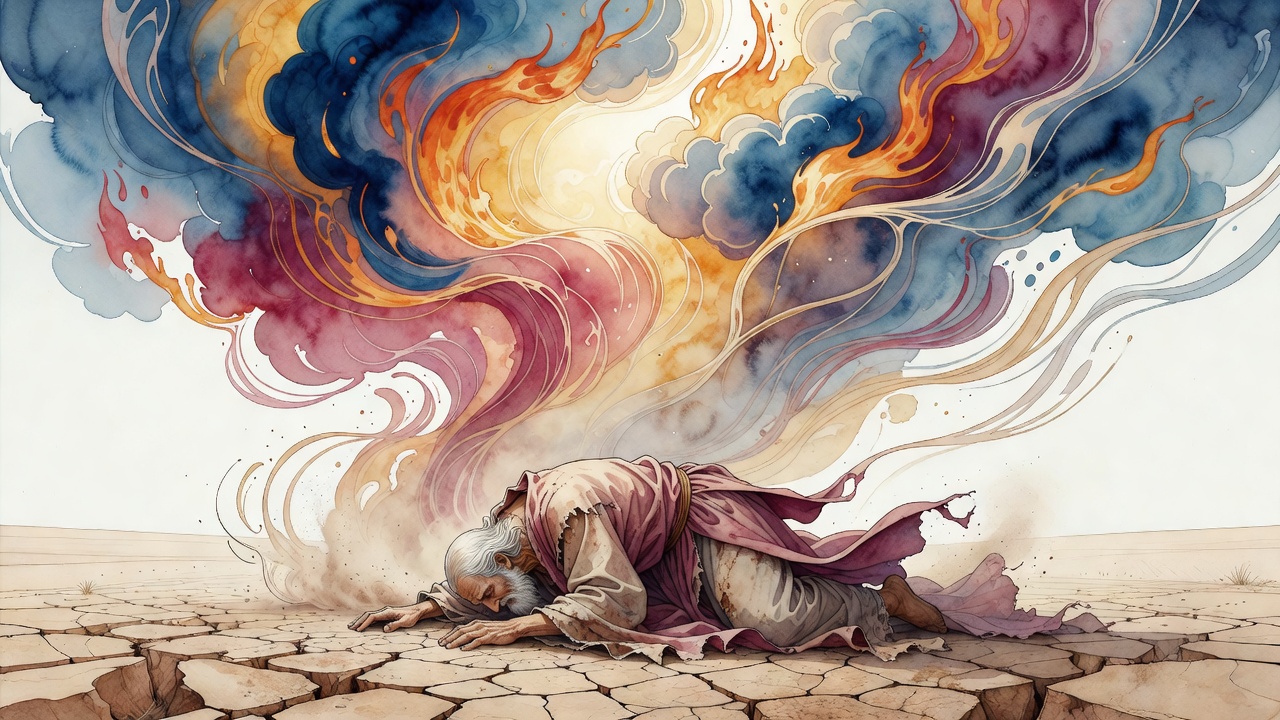
When the kiss finally came, it did not cancel the long dimming. It completed it. The body had already rehearsed small losses: light, stride, appetite, easy sleep. The Shekhinah took the last remaining brightness without bargaining. Servants outside heard no cry. Inside, the air changed the way air changes when a lamp is covered, except the cover was glory rather than cloth.
They washed him with the old care. Spices. Linen. The route to Machpelah was short and heavy. Sarah's place in the cave made room as if the stone remembered marriage. Worms, in the wider telling, found no lease on this flesh. Decay itself was told that some contracts end at the lips of the Presence.
← All myths