Seven Days God Mourned Before the Flood Rose
When Methuselah died, God sat shiva for His own world, reversed the sun, and let the doomed taste the World to Come before the rain fell.
Table of Contents
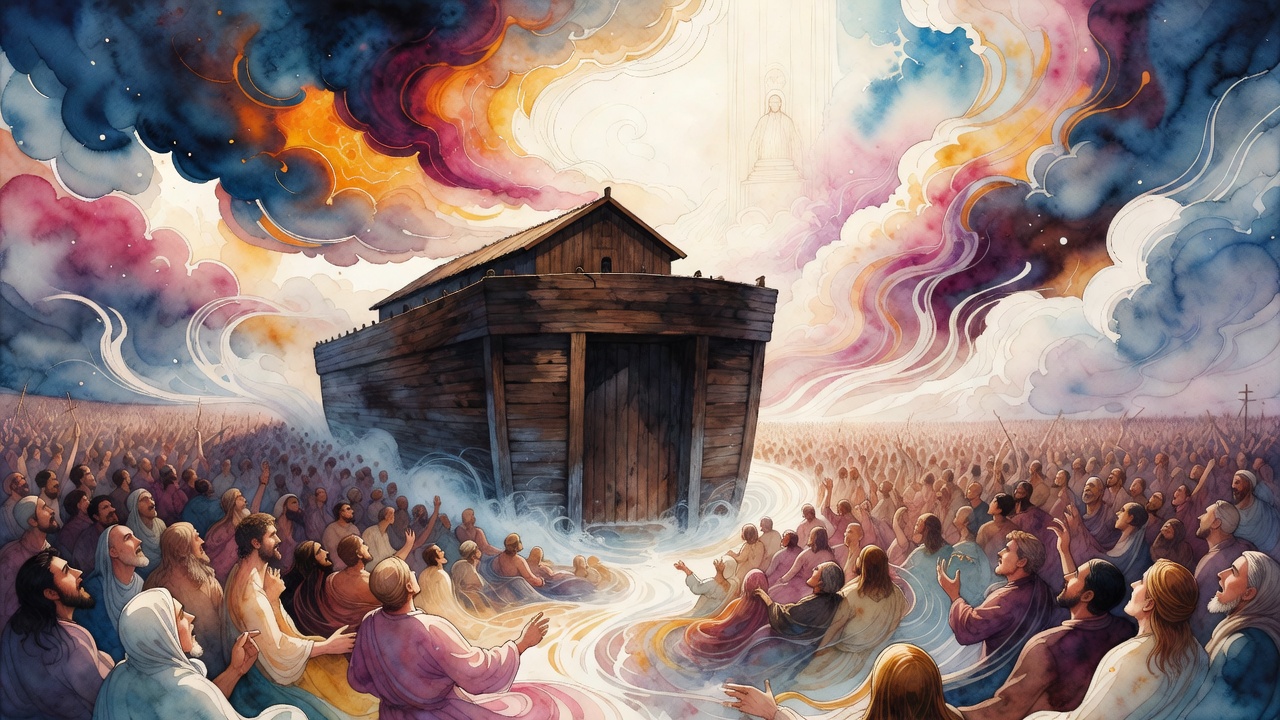
The door was shut. Noah stood inside the ark among penned animals and stacked grain, and the sky did nothing. No rain, no wind, not one drop against the pitch. The Torah counts the pause without explaining it: after seven days, the waters of the flood were upon the earth (Genesis 7:10). Seven days between the sealed door and the first rain, and the verse moves on as if a week were nothing.
 Click for full size
The sages would not move on. Seven days in the Torah are never loose change. Seven days of creation. Seven days of mourning for the dead. Both meanings converge on that silent week, and the silence turns out to be crowded.
Shiva for Methuselah
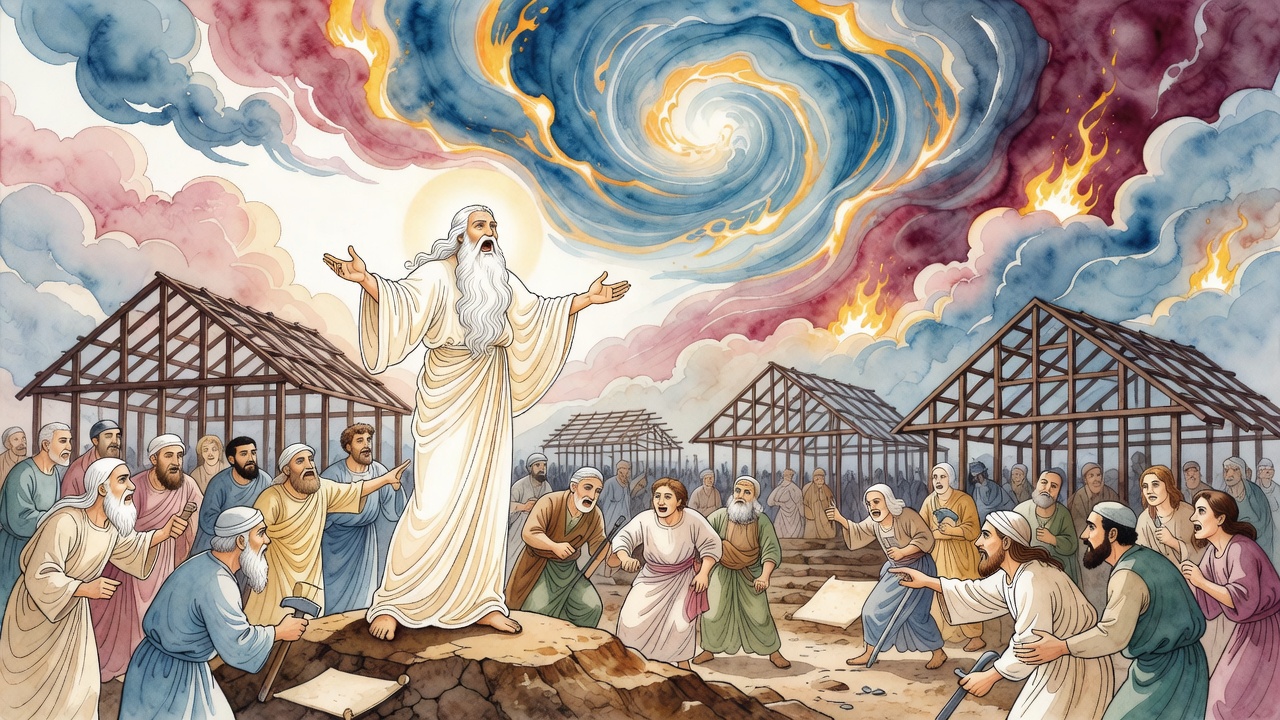
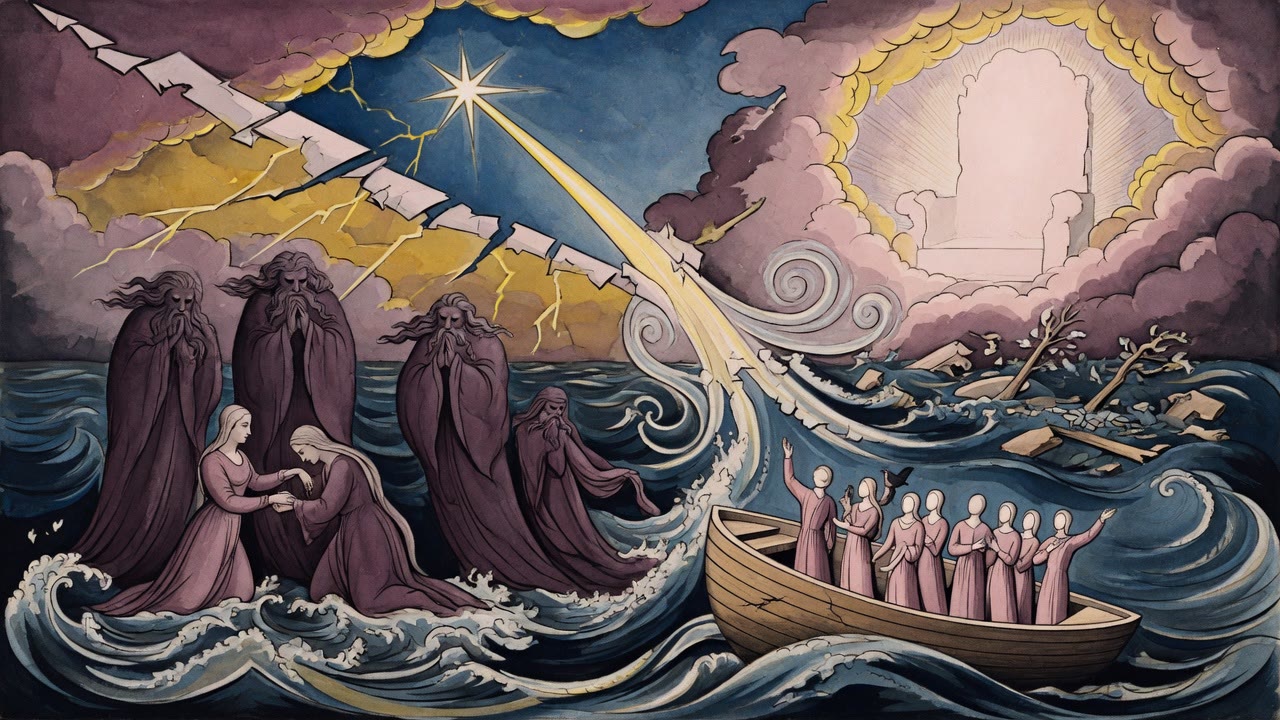
In the year the flood began, Methuselah died. He had lived 969 years, longer than any man in the Torah, and his name carried a timetable inside it: when he dies, it shall be sent. The generation that had laughed at Noah's boat for a lifetime now gathered to bury a righteous man, and heaven waited for them to finish. God held the flood for the length of the mourning. The decree was spoken, the ark was built, the warning was a hundred years old, and still the waters stood off for one week of shiva.
A funeral quiets even hard people. Death levels the proud and reminds the comfortable that they too will lie down. If ever that generation was going to turn, it would be in those seven days, standing over the grave of the oldest man the world had known. They did not turn. The door stood open the whole week, and no one walked through it.
The Hour of Joy and the Hour of Mourning
A gentile once pressed Rabbi Yehoshua ben Korchah with a question meant to corner him: if God foresees everything, why grieve over making man? "You had a son," the rabbi answered. "You rejoiced at his birth, and you knew even then that he would one day die. At the hour of joy there is joy, and at the hour of mourning there is mourning." So it was with the Holy One, who was saddened in His heart (Genesis 6:6) and mourned seven days over His world before bringing the flood. Rabbi Yehoshua ben Levi read that sadness the way Scripture reads a king grieving over his son (II Samuel 19:3). Heaven sat shiva for its own creation while the ark's timbers waited in the dry air.
The Sun Rose in the West
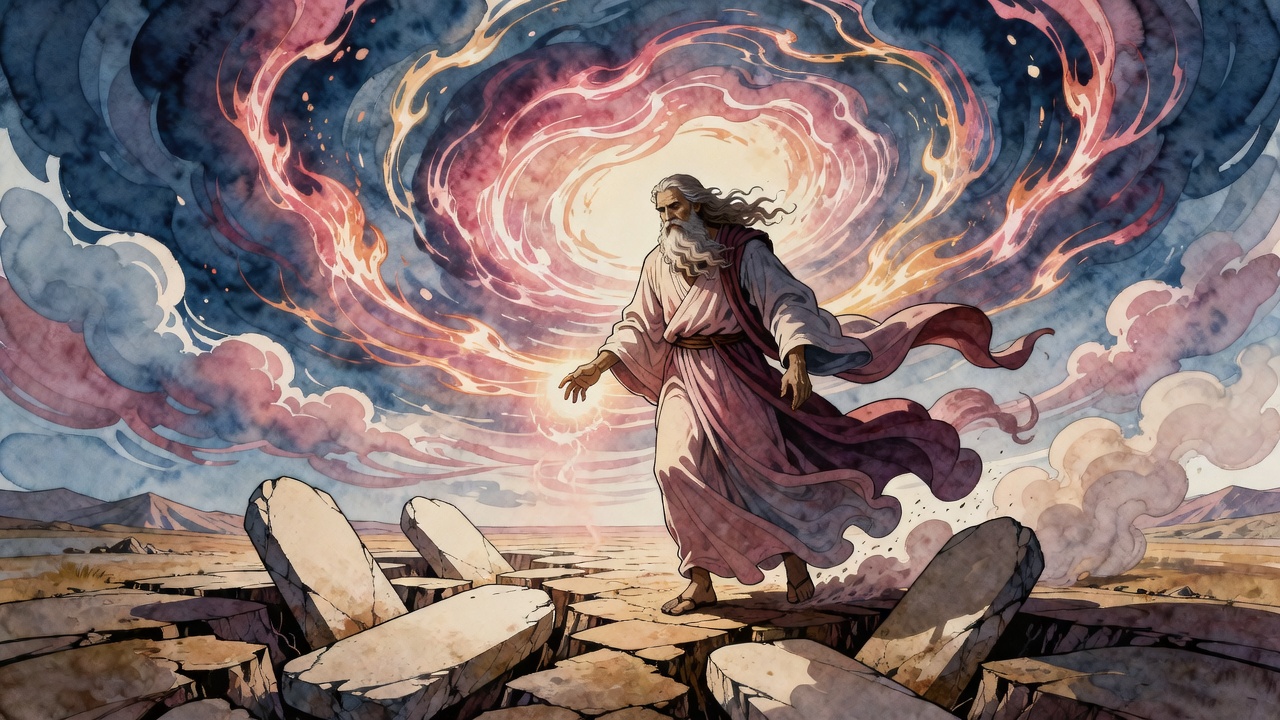
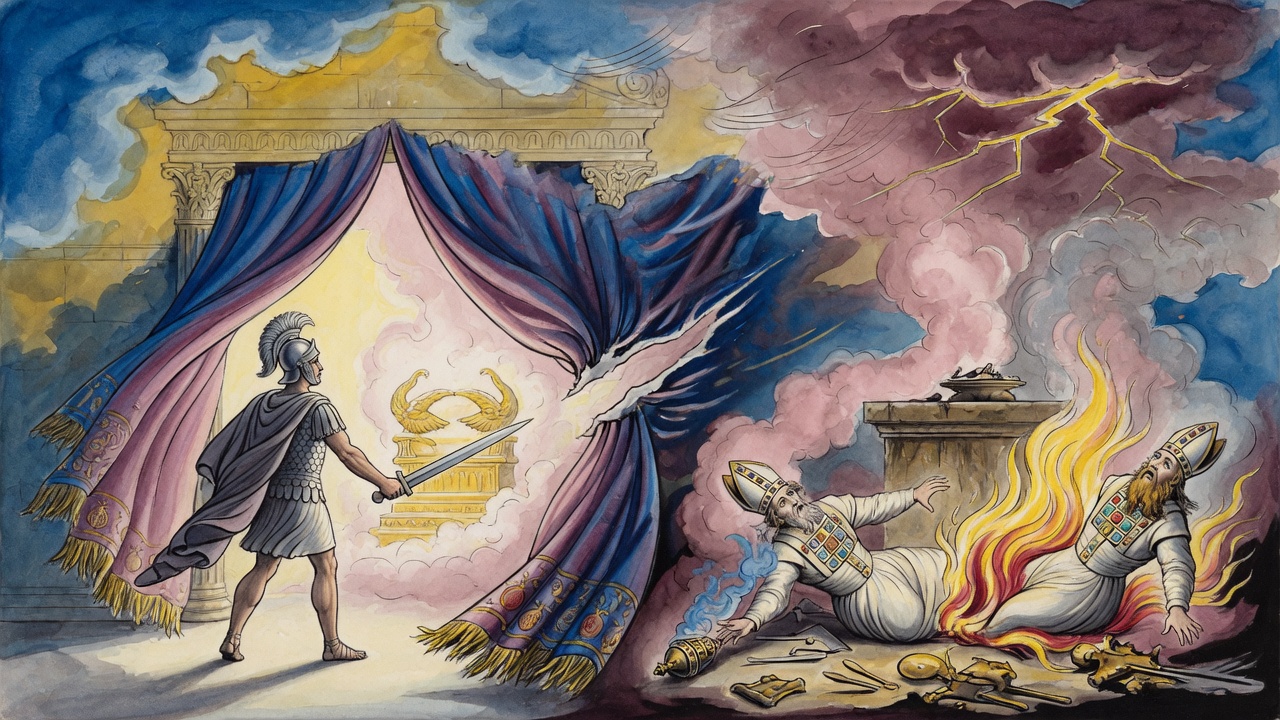
The week did not pass quietly. During those days God reversed the order of creation, and the sun came up in the west and went down in the east. The most dependable fact in anyone's life ran backward, and every impossible dawn announced that the world's foundations were being unbolted. Seven mornings of warning written across the sky, and still no one turned back.
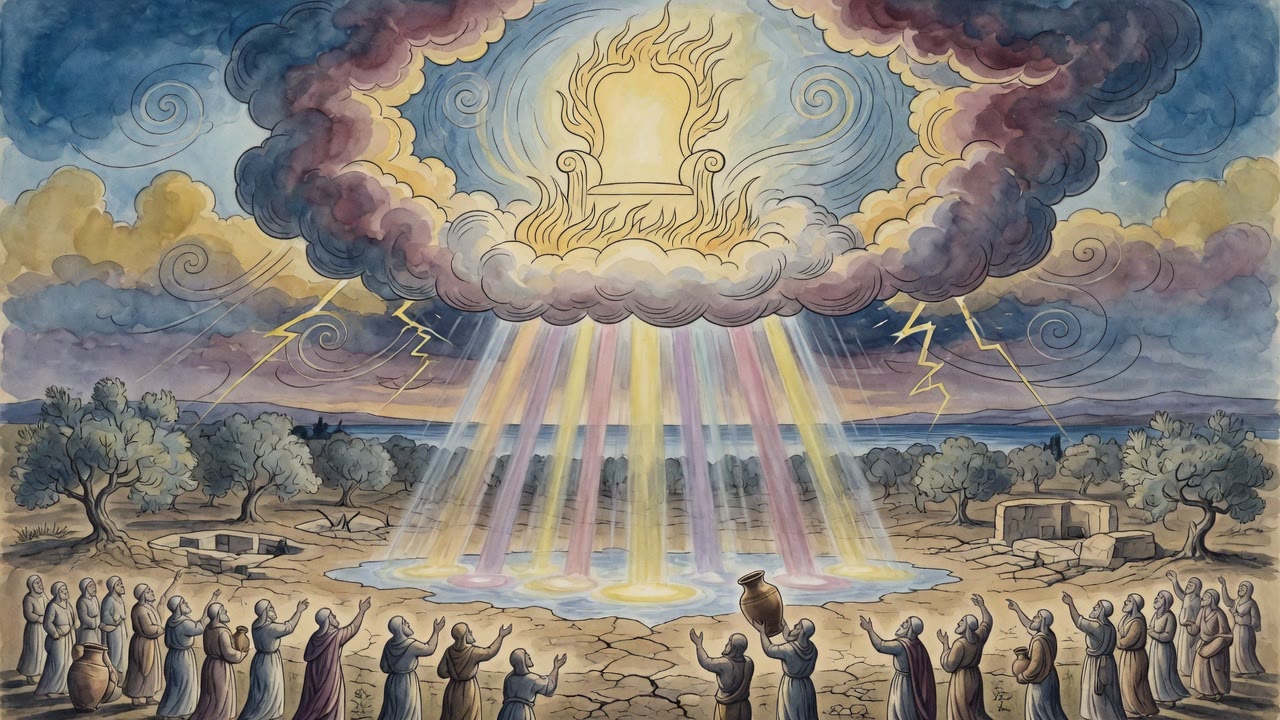
The reversal reached into the water itself. Rain falls first, and the deep rises to answer it, depths calling to depths (Psalms 42:8). At the flood the order flipped: first the wellsprings of the great deep broke open, and only then the windows of heaven (Genesis 7:11). Rabbi Levi taught that the generation had corrupted its own conduits, so nature inverted hers. A world morally upside down was given a sky and a sea to match.
A Drop of Rain at Most
Their ruin was not poverty. It was comfort thick enough to become theology. God had lavished rivers and springs on them, and abundance curdled into arrogance. "What do we need from heaven? A drop of rain at most, and even that we can do without, for we draw all the water we want from the ground." Self-sufficiency put on work clothes and called itself wisdom.
Rabbi Yochanan heard the sentence inside their boast. Their wickedness was great, rabbah, and they were judged by the fountains of the great deep, tehom rabbah. They bragged about the water below and dismissed the water above, so the deep they trusted as private property rose to erase them, and the sky they had waved away poured in behind it.
A Taste Before the Drowning
The week held one more strange mercy, sharper than any punishment. God used those final days to give the doomed a foretaste of the World to Come. For seven days they tasted the goodness stored up for the righteous, the peace they might have inherited had they lived differently. A man recognizes a house he was meant to live in. They went down into the water knowing exactly what they had thrown away, the flavor of forfeited joy still on the tongue.
The flood scoured everything, down to the soil from which the first man was formed. One thing refused erasure: the luz, the small bone at the base of the spine from which God will one day regrow the dead. Generations later the emperor Hadrian demanded proof, and Rabbi Yehoshua put the bone in fire and it would not burn, in water and it would not dissolve, in a mill and the stone could not crush it, on an anvil until the hammer split. Under all that water, resurrection waited in a seed too small to drown. Even the animals went down with the world, and the sages told a parable to explain it: a king who lost his son smashed the wedding canopy he had built for him. What use is the celebration when the one it honored is gone?
Seven Days at the Other End
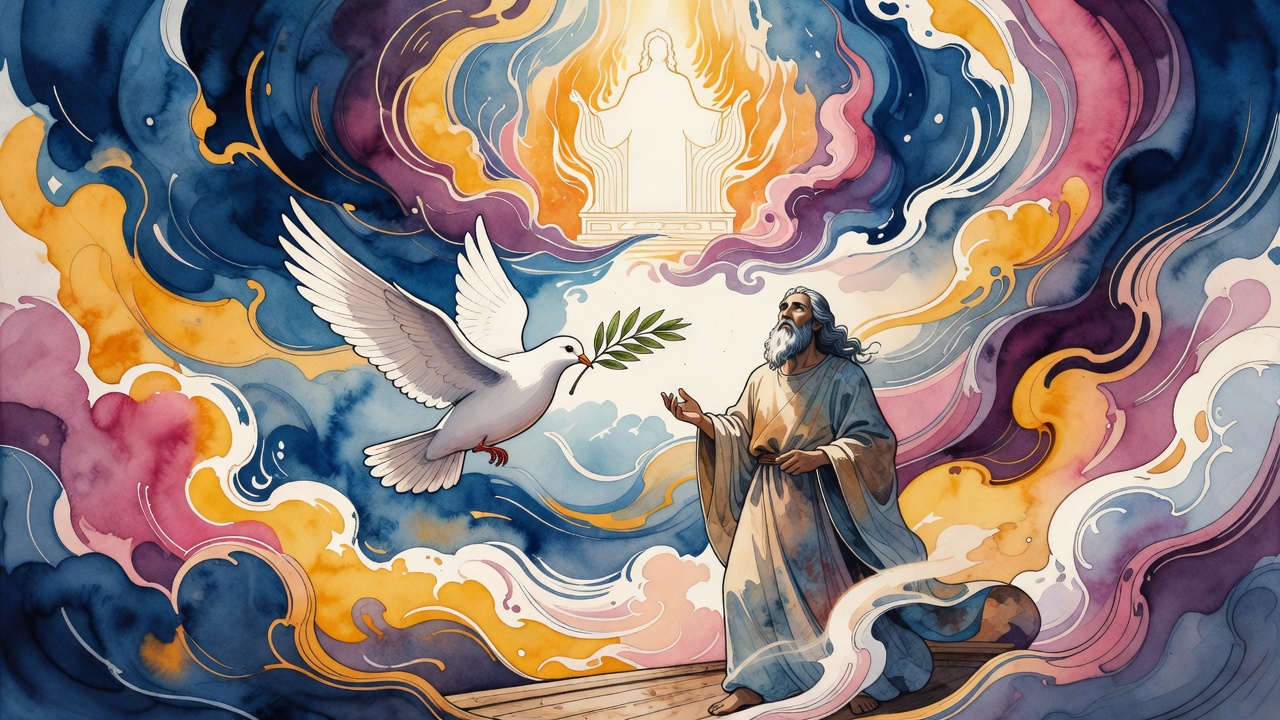
The number came back when the water left. Noah sent the dove, and after it returned he waited seven more days before sending it again (Genesis 8:10). The first sending asked whether the water had gone down. The second, after a full week, asked whether life had come back. Seven, in Noah's year, is not a waiting number. It is a preparing one. The seven days before the flood prepared a world for death, and the offer was refused. The seven days before the second dove prepared it for life. The same pause stands on both sides of the year of water, and only one of them was wasted.
← All myths