6 min read

Bar Kappara Announced the Tablets Were Taken

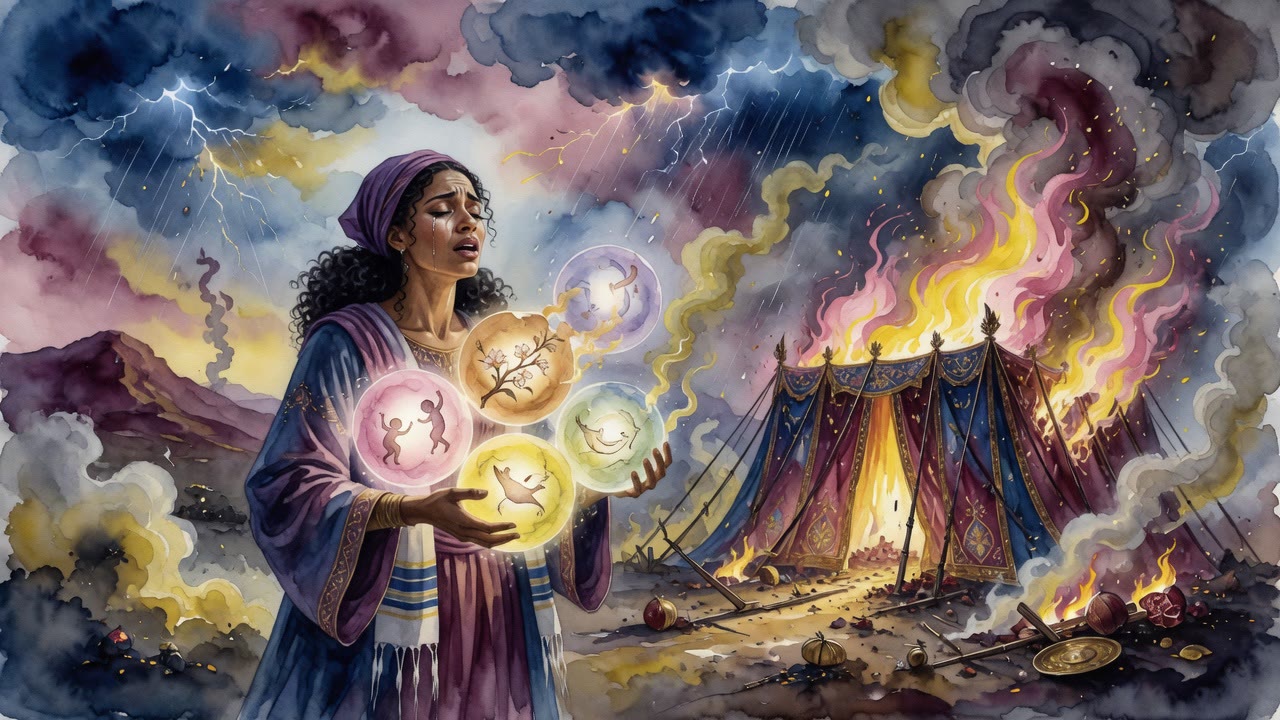
Tzippori banned anyone from saying the Rabbi had died. Bar Kappara tore his clothes at a window and spoke of angels snatching Tablets until the city understood.

Curated by Arthur · Told by Maggid ·
Table of Contents
  1. The Ban on the Unspeakable
  2. The Day That Would Not End
  3. Adam Walked the Garden Under Warning
  4. Moses Died for a Sin Not His Alone

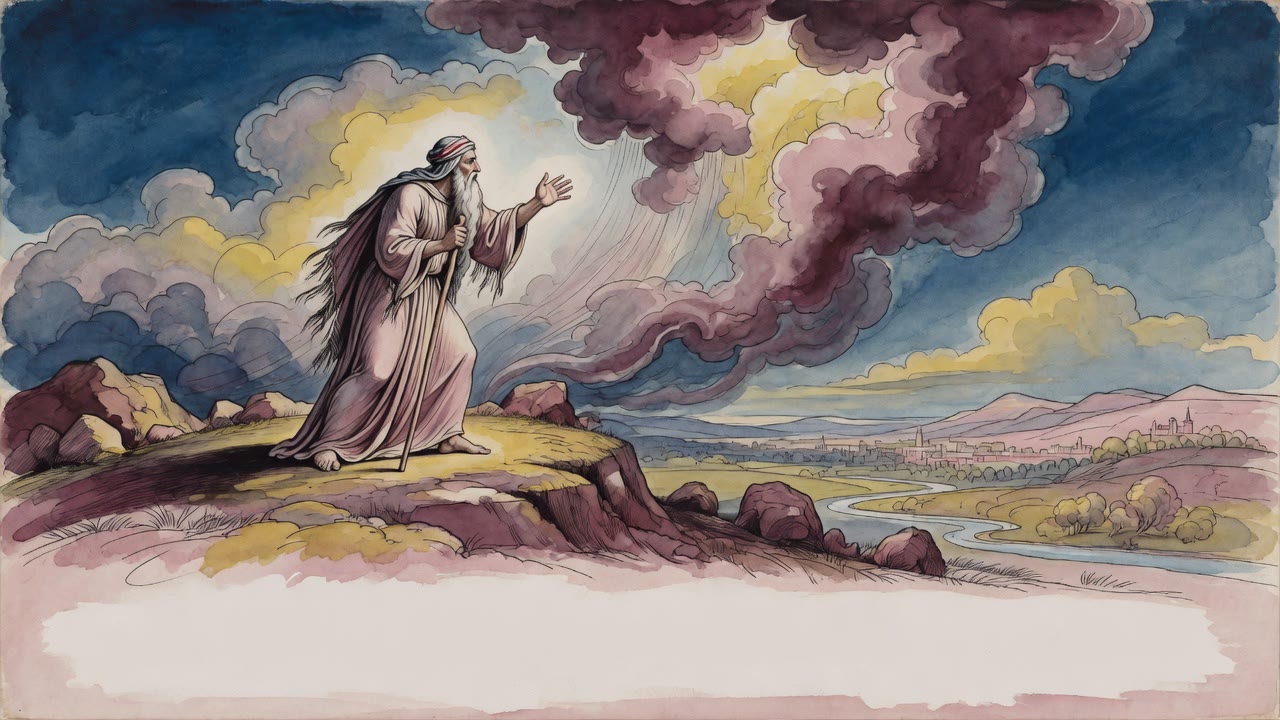
Bar Kappara covered his head, tore his garments at the window, and faced a town that had forbidden the truth.
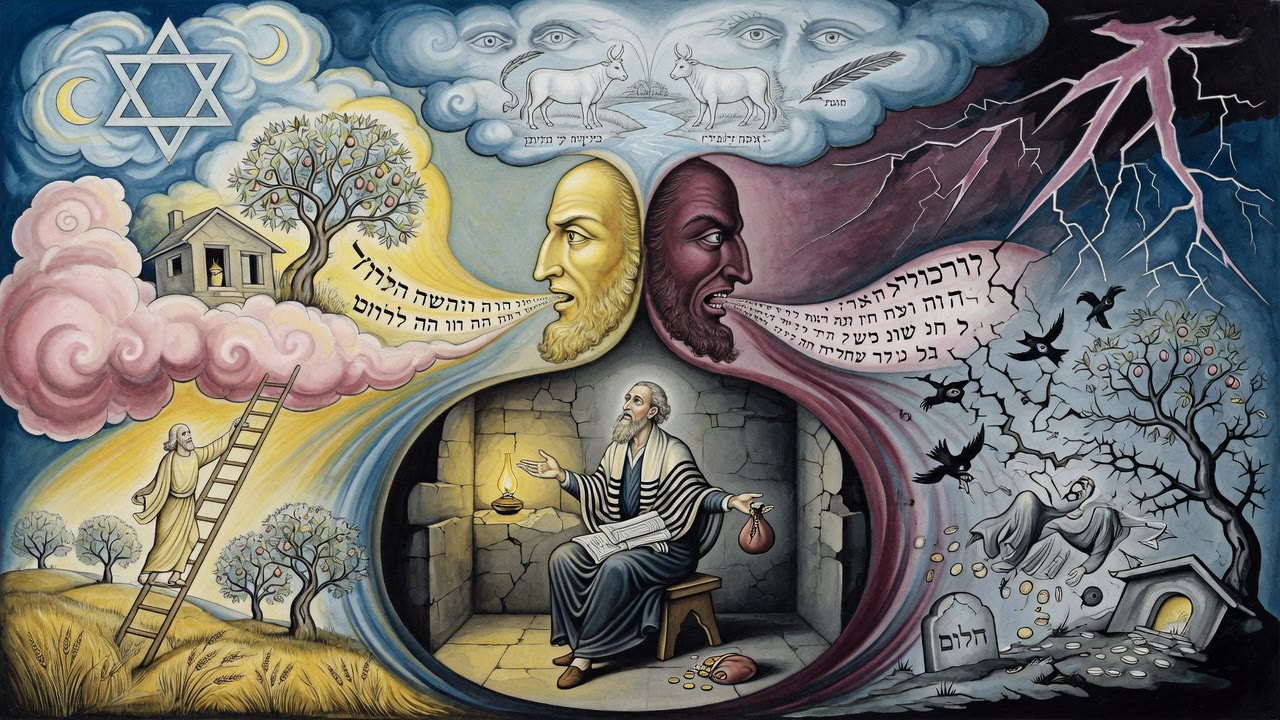
Bar Kappara Announced the Tablets Were Taken Click for full size

In Tzippori the air already held the weight of what no one was allowed to say. Rabbi Yehuda HaNasi had gone still. The grief in the streets was so hard that the people set a ban: anyone who dared announce the death would pay for the words. Sorrow and denial shared the same rope and pulled in opposite directions.

Bar Kappara understood both pulls. He was a disciple with a mind sharp enough to cut a path through a locked gate. He did not shout the plain sentence. He set his torn cloth in the light and raised his voice to the house of Yedaya.

"Our brethren, descendants of Yedaya, hear me, hear me. Angels and righteous people grasped the Tablets. Angels overcame the righteous, and they snatched the Tablets."

The Ban on the Unspeakable

The allegory hung in the street like smoke from a lamp no one had meant to drop. Tablets meant the living Torah that had walked among them in the Rabbi's body and voice. Angels taking them meant Heaven had claimed what earth could no longer keep.

Someone pressed him for the naked word. "Has Rabbi died?"

Bar Kappara would not step onto the ban's tripwire. "You said so. I did not say so."

He kept the wisdom that guards a life: the one who utters a damaging report as a fool's sport loses more than a night's sleep (Proverbs 10:18). Knowledge that preserves its owner does not always wear the face of bluntness (Ecclesiastes 7:12). It can wear a veil and still cut true.

The news moved without the banned sentence. Garments tore in a wave. The sound of cloth ripping traveled three mil of road toward Gufteta. People who had sworn no one would name the death named it with their hands instead.

The Day That Would Not End

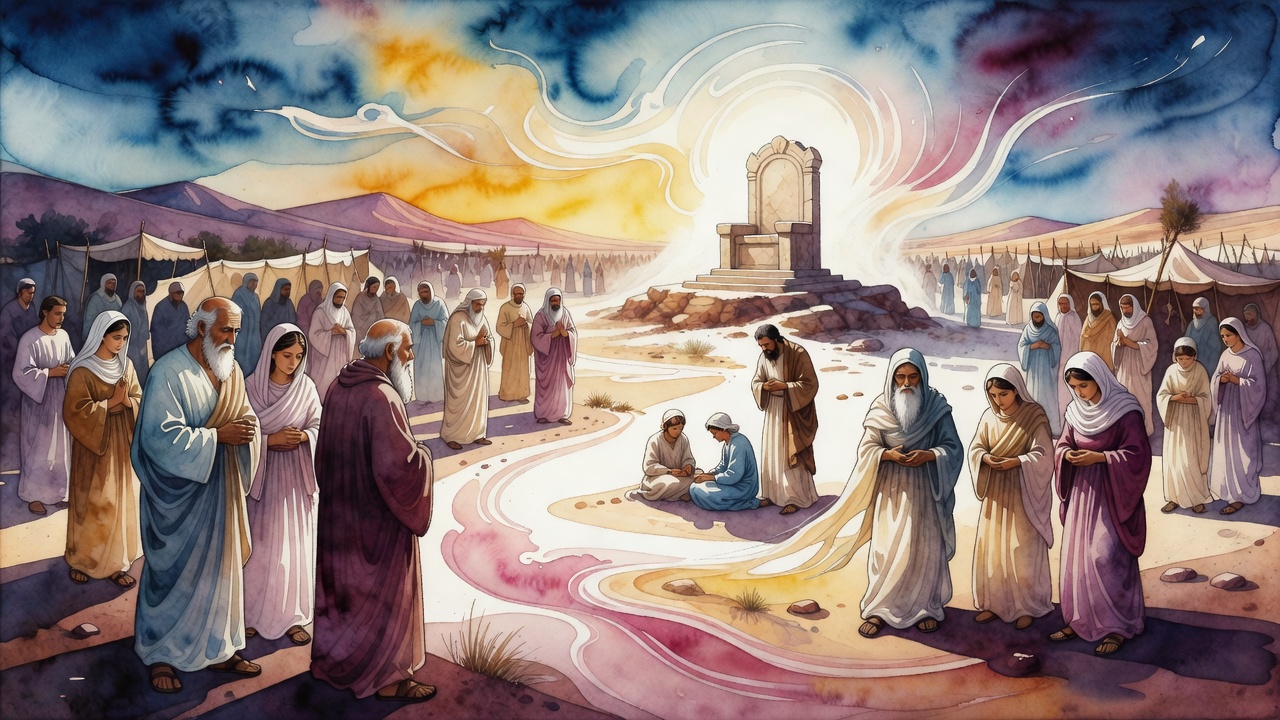
It was Friday. Crowds poured into Tzippori for the eulogy until the streets could barely take another foot. The burial train moved with deliberate slowness, stopping at eighteen synagogues so each house of prayer could pour its grief into the air. Then the path bent toward Beit She'arim, the Rabbi's home in death as in honor.

The sun refused to drop on schedule. Light held the sky open long enough for every last rite, every last word, every last step that would have broken Shabbat if the day had closed like an ordinary day. The world stretched for the teacher the way a door is held for a father who cannot walk quickly anymore.

Bar Kappara walked in that stretched light with the taste of metaphor still in his mouth. He had not broken the ban. He had not lied. The city had understood. Heaven had held the clock. Dust stuck to the blood where his fingers had torn the cloth. He wiped them once on the frayed edge and kept walking behind the bier, step matching step with men who still could not say the sentence he had refused to say.

Adam Walked the Garden Under Warning

Long before Tzippori's window, another man stood under a charge that made death possible.

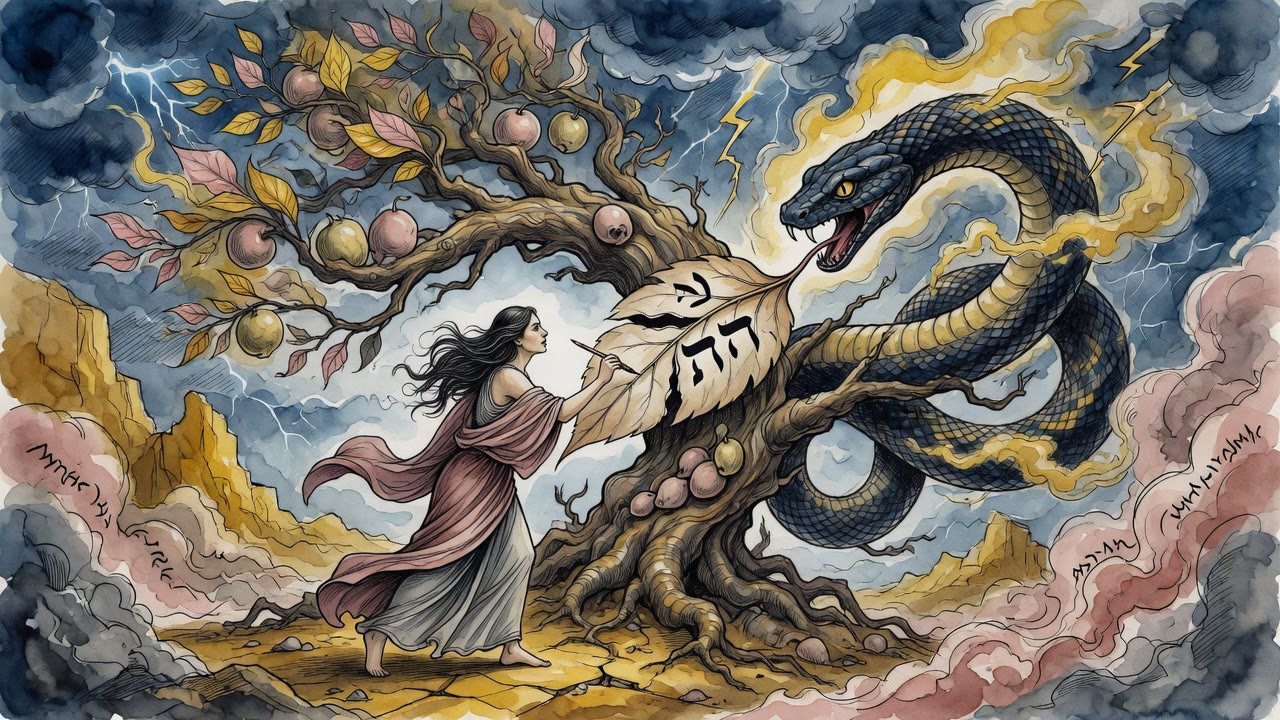
God walked Adam through the first garden and showed him every good thing set for human hands. "See My creations, how beautiful and exemplary they are. Everything I created, I created for you." The gift arrived complete. Then the condition arrived with it. "Make certain that you do not ruin and destroy My world, as if you destroy it, there will be no one to mend it after you."

Adam heard the beauty and the threat in the same breath. Stewardship was not a soft word. Ruin would leave no second craftsman to rebuild the world from scratch. Who can straighten what God has made crooked when the crook is human hands on a finished gift (Ecclesiastes 7:13).

The fruit was taken. The sentence entered the bloodstream of the race. Death became a road every body would walk, teachers included.

Moses Died for a Sin Not His Alone

Beside Moses' last day another cell stands open in memory. A woman gives birth in prison, raises her son inside the walls, and dies. The king passes. The son cries out that he was born here and does not know his crime. The king answers that the debt is his mother's.

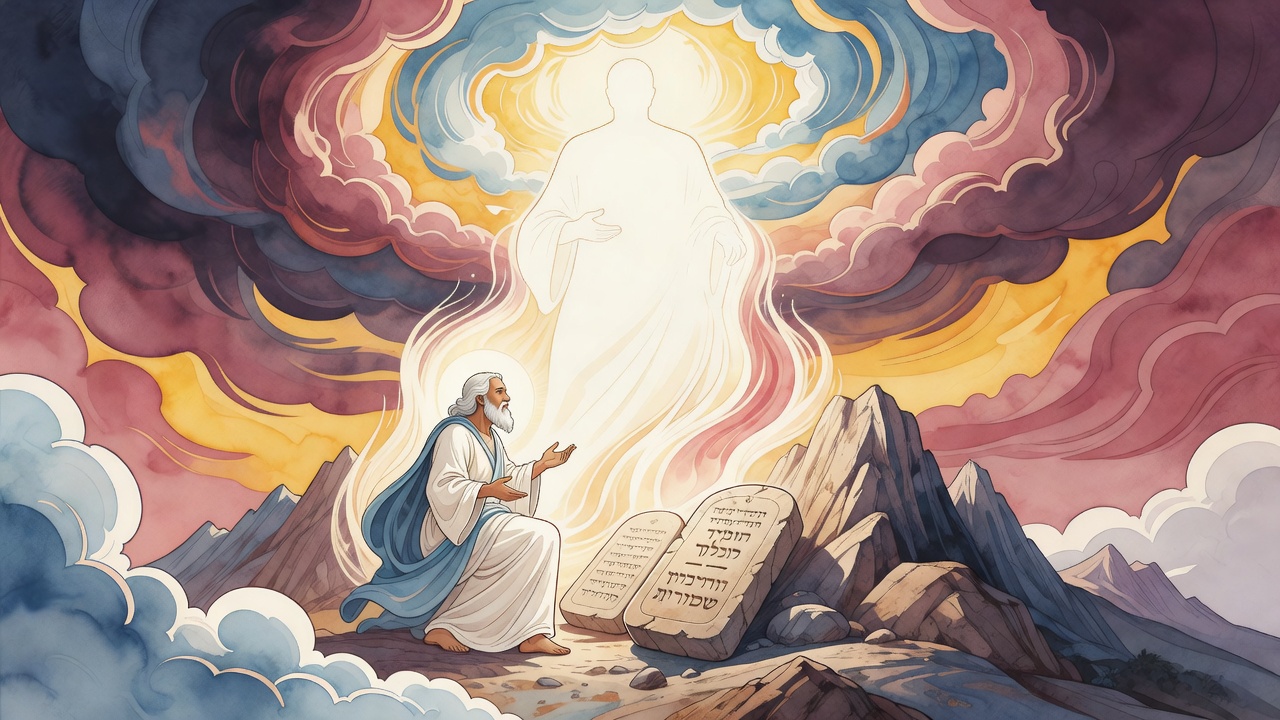
So too Moses, pure of the first rebellion in the garden, still met the sentence that Adam's path had opened. "Behold, the man has become like one of us" (Genesis 3:22) and "Behold, your days are drawing near to die" (Deuteronomy 31:14) answer each other across the long span. The greatest teacher still lay down because the world had been bent and death had been allowed to keep a claim.

Bar Kappara, centuries later, stood at a window in a living city and had to speak a death that law and love both made dangerous. Adam had been warned not to ruin the world. Moses had died under a debt older than his own mistakes. Rabbi Yehuda HaNasi's soul had been taken like Tablets from righteous hands. The disciple tore cloth, chose a riddle that told the truth, and let the people weep without forcing him to break their ban with a single naked word.

When the stretched Friday finally released the light, Shabbat entered a town that already knew what it had lost. The Tablets were gone from the street. The teaching remained in the mouths that had learned to hear a metaphor and tear their clothes on time.


← All myths
From the tradition

Sources

2 sources

The texts behind this telling. Some cards carry a translation of the source; others are our own retelling of it, and each card says which. Every card links out to the original.

Kohelet Rabbah 7:13Kohelet Rabbah

Retold in our words. Read the original at the link below.The Sefaria Midrash Rabbah, 2022 · CC-BY

The book of Ecclesiastes, or Kohelet, as it’s known in Hebrew, poses a powerful question: "See the work of God, for who can mend what He has warped?" (Ecclesiastes 7:13).

Kohelet Rabbah, a collection of rabbinic interpretations of Ecclesiastes, uses this verse as a springboard to explore our responsibility to creation. It paints a vivid picture of God showing Adam, the first human, the wonders of the Garden of Eden. "See My creations," God says, "how beautiful and exemplary they are. Everything I created, I created for you." It's a gift, an incredible, precious gift.

There's a crucial condition attached. God implores Adam: "Make certain that you do not ruin and destroy My world, as if you destroy it, there will be no one to mend it after you." It's a staggering responsibility. Tikkun (spiritual repair) olam, the repairing of the world, is a concept deeply rooted in Jewish thought, and here, right at the very beginning, we see its origin. The implication is clear: we are stewards of this world, not simply inhabitants. Our actions have consequences that extend far beyond ourselves.

Then, the text takes a poignant turn, connecting Adam's actions to the death of Moses, Moshe Rabbenu, our teacher, the most humble of men. How are these two figures linked?

Kohelet Rabbah uses an analogy to explain. She gives birth to a son, raises him in captivity, and then dies. Later, the king passes by the prison, and the son cries out, "My lord the king, I was born here, I grew up here; I do not know due to what sin am I placed here." The king replies, "Due to your mother's sin."

Similarly, the text suggests, Moses' death is, in a sense, a consequence of Adam's sin. As it's written, "Behold, the man has become like one of us" (Genesis 3:22), referring to Adam after eating from the Tree of Knowledge. This is verbally linked to the verse "Behold, your days are drawing near to die" (Deuteronomy 31:14), which foretells Moses' passing. The Midrash, a form of Jewish biblical interpretation, is telling us that Moses, even with his unparalleled righteousness, could not escape the decree of mortality that came into being because of Adam's actions.

As Ginzberg retells in Legends of the Jews, the consequences of Adam’s sin reverberate throughout history, affecting even the most righteous.

It’s a sobering thought. As we find in Midrash Rabbah, Adam’s actions not only had immediate consequences but also set in motion a chain of events that continue to affect us today.

Are we doomed to repeat the mistakes of the past? Perhaps. But the story also offers a glimmer of hope. If Adam's actions could have such far-reaching consequences, then surely our own actions, however small, can also contribute to the healing and repair of the world.

Tikkun olam. It's not just a phrase; it's a call to action. A reminder that we each have a role to play in mending what has been warped, in creating a world that reflects the beauty and perfection that God envisioned in the Garden of Eden. What will you do today to answer that call?

Full source
Kohelet Rabbah 10:3Kohelet Rabbah

Retold in our words. Read the original at the link below.The Sefaria Midrash Rabbah, 2022 · CC-BY

The grief is so intense that the townspeople declare a ban: anyone who dares announce the Rabbi's death will face dire consequences. Can you imagine the tension? The air thick with sorrow and denial?

So, how do you announce the unannounceable?

Enter Bar Kappara, a brilliant disciple. He understands the weight of the moment and the delicate balance required. He goes to the window, covering his head and tearing his garments – traditional signs of mourning. He then cries out, "Our brethren, descendants of Yedaya, hear me, hear me. Angels and righteous people grasped the Tablets. Angels overcame the righteous, and they snatched the Tablets."

What does this cryptic message mean? Bar Kappara is using allegory, a veiled way of saying that Rabbi Yehuda HaNasi's soul has ascended to heaven. As Kohelet Rabbah 10 tells us, he speaks in metaphor rather than direct pronouncement. When pressed directly, "Has Rabbi died?" he cleverly replies, "You said so, I did not say so." He’s being careful, mindful of the decree and the wisdom of (Proverbs 10:18), which states, "One who utters a negative report is a fool."

The news, though veiled, spreads like wildfire. The people understand. The sound of their garments rending in mourning echoes for three mil (a Talmudic mile!), all the way to Gufteta. Kohelet Rabbah highlights the wisdom in Bar Kappara's approach, quoting (Ecclesiastes 7:12): "The advantage of knowledge is that wisdom preserves the life of its possessors." He navigated a near-impossible situation with both tact and truth.

Now, here's where the story takes on an almost surreal, miraculous quality. Rabbi Nehemya, quoting Rabbi Mona, tells us that extraordinary events unfolded that day. It was a Friday, and people flocked from all over to Tzippori for Rabbi's eulogy. The burial procession was deliberately slowed, stopping at eighteen synagogues for further eulogies, before heading to Beit She'arim, Rabbi Yehuda HaNasi's home.

And here's the unbelievable part: the day stretched. It lingered, refusing to give way to Shabbat (the Sabbath). The sun remained in the sky long enough for every single person to return home, light their Shabbat lamps, prepare their fish, and fill their water barrels. Only when the last person had completed these preparations did the sun finally set and the rooster crow, signaling the arrival of Shabbat.

Imagine the collective sigh of relief mixed with awe. But then, panic sets in. "Alas, we have desecrated Shabbat!" they cry.

But then, a Bat Kol (בַּת קוֹל), a Divine Voice, rings out: "Anyone who was not indolent in the eulogy of Rabbi is destined for life in the World to Come!" But there's a catch: the Divine Voice excludes a certain launderer who, though present in the town, didn't participate in the funeral.

Overcome with remorse, the launderer throws himself from a roof to his death. And in a final, unexpected twist, the Divine Voice proclaims: "Even the launderer is destined for life in the World to Come." This detail, also found in Yerushalmi Gittin, Ketubot, and Avoda Zara, emphasizes the immense respect and love the community held for Rabbi Yehuda HaNasi.

What does this story leave us with? It's a story about grief, about the delicate dance between truth and diplomacy, and about the profound impact a leader can have on a community. It’s a reminder that sometimes, the most powerful messages are delivered not through direct pronouncements, but through carefully chosen words and actions. And it suggests that even in death, a truly great leader can inspire miracles and earn universal redemption.

Full source